Munich to Neuschwanstein Castle: How to Get There & Visit
Neuschwanstein Castle is one of Bavaria's most iconic sights, and Munich is the natural base for visiting it. This guide covers every transport option, ticket logistics, seasonal considerations, and practical tips for making the most of your day trip from Munich to Neuschwanstein.
Tickets & tours
Live prices and dates from our booking partner. If you book, we may earn a commission at no extra cost to you.
TL;DR
- Neuschwanstein Castle is roughly 120 km southwest of Munich, near Füssen in southwest Bavaria. It is not in Munich and there is no direct train.
- The best public-transit route: regional train from München Hauptbahnhof to Füssen (about 2 hours), then bus 73 or 78 to Hohenschwangau (about 10 minutes). Total one-way travel: around 2.5 to 3 hours. See our day trips from Munich guide for other options.
- A Bayern-Ticket covers the entire rail-plus-bus journey on regional trains and buses in Bavaria, making it the most cost-effective ticket for most travelers.
- Book your castle entrance ticket in advance online. Walk-up tickets at the ticket center often sell out, especially in summer.
- Allow a full day: plan to leave Munich by 8:00 or 9:00 AM to beat the worst of the crowds and have enough time to explore.
Where Exactly Is Neuschwanstein Castle?
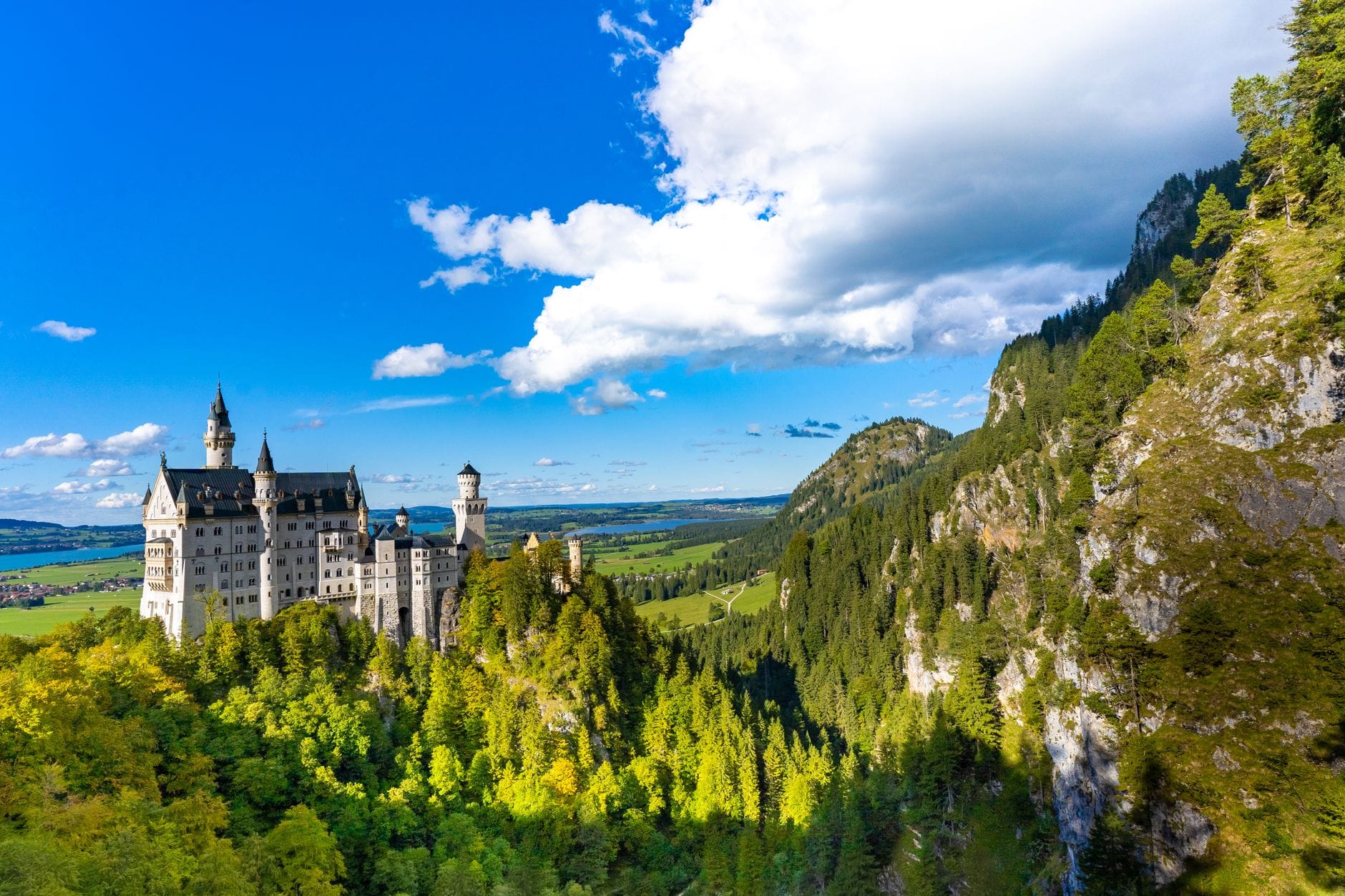
Neuschwanstein Castle is not in Munich. That is the single most common misconception among first-time visitors. The castle sits above the village of Hohenschwangau, near the town of Füssen in the Allgäu region of southwest Bavaria, about 120 km from Munich city center. The journey involves a regional train ride, a local bus, and then either a walk, a horse-drawn carriage, or a shuttle bus to reach the castle entrance itself.
King Ludwig II commissioned the castle in 1869 as a private retreat, and it served as the partial inspiration for Disney's Sleeping Beauty castle. Today it receives well over a million visitors per year, making crowd management and advance planning essential. The surrounding area also includes Hohenschwangau Castle, the Alpsee lake, and walking trails with Alpine views, so there is enough to fill an entire day comfortably.
Getting from Munich to Neuschwanstein by Train and Bus
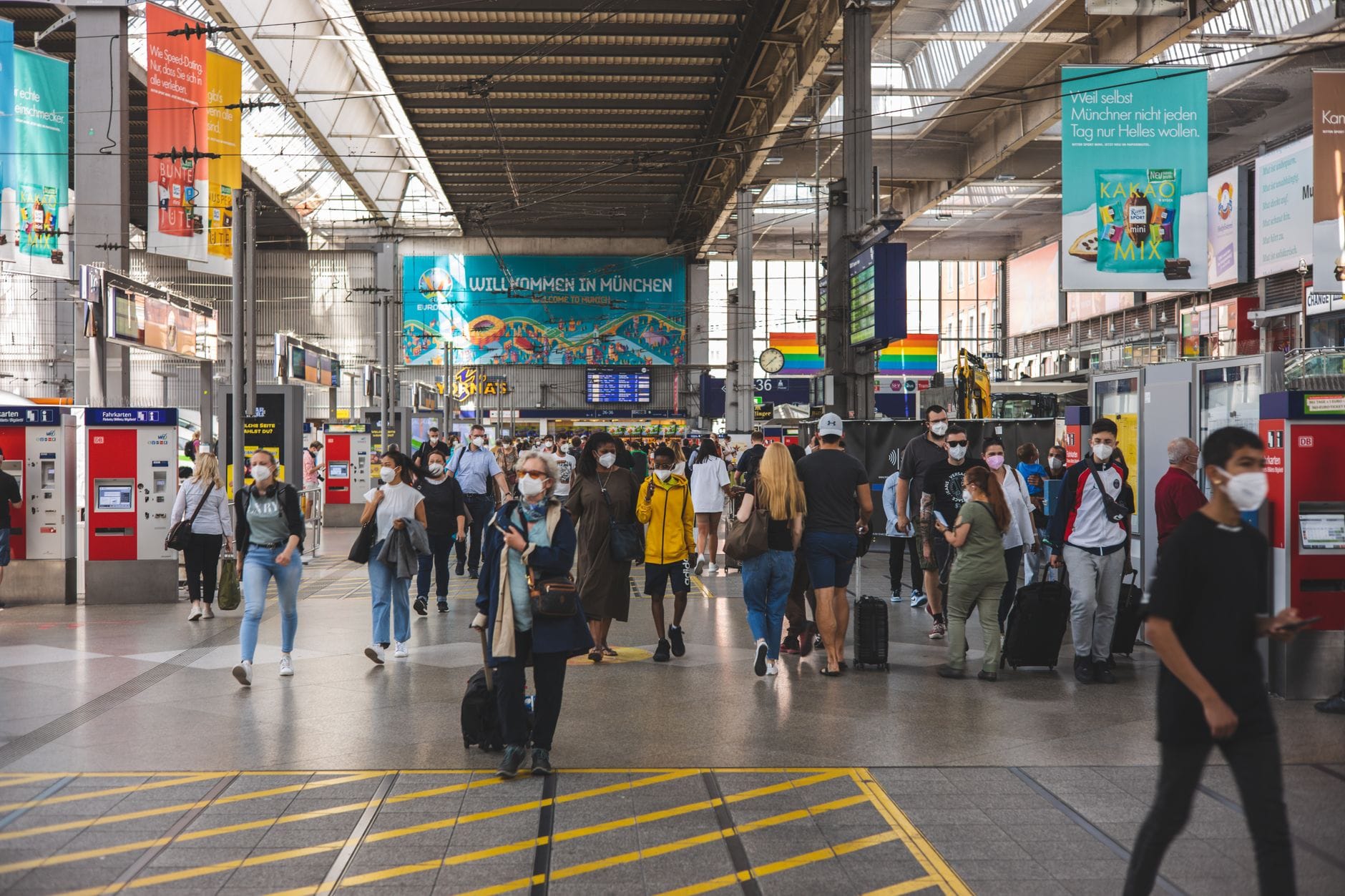
The train-and-bus combination is the most reliable and often cheapest way to make this trip. Trains depart from München Hauptbahnhof (Munich Central Station) and travel to Füssen, the gateway town for the castles. The journey takes about 2 hours on regional trains operated by Deutsche Bahn and partner operators. Services run roughly every hour, with direct trains running approximately every two hours. Always check current schedules via the DB Navigator app or the Deutsche Bahn website before you travel, since timetables shift seasonally.
⚠️ What to skip
There is no direct train from Munich to Neuschwanstein Castle. All rail routes go to Füssen, from which you must take a local bus or taxi. Anyone offering a 'direct train to the castle' is misinformed or misleading you.
From Füssen station, bus 73 or bus 78 (operated under the regional Allgäu network) runs toward Schwangau and Hohenschwangau. The bus stop you want is listed as 'Hohenschwangau Neuschwanstein Castles, Schwangau' on the castle's official website. The bus ride takes around 10 minutes, and buses run regularly throughout the day. From the bus stop in Hohenschwangau, it is still another 30 to 40 minutes on foot uphill to reach the castle gate, so factor that into your schedule.
- Depart München Hauptbahnhof (Munich Central Station)
- Train to Füssen Bahnhof (approx. 2 hours, regional train)
- Bus to Hohenschwangau Neuschwanstein Castles stop (bus 73 or 78, approx. 10 minutes)
- Walk or shuttle 30-40 min uphill walk, horse carriage, or seasonal shuttle bus to castle entrance
- Total one-way Approximately 2.5 to 3 hours from Munich city center
Tickets and Costs: The Bayern-Ticket Explained
The Bayern-Ticket (Bavaria Ticket) is the standard recommendation for this trip. It covers all regional trains and most local buses in Bavaria for a single day, which means it covers your Munich-to-Füssen train and your bus connections to and from the castle. Pricing sits around 30 EUR for a single traveler, with group versions available that spread the cost significantly. Prices are updated periodically by Deutsche Bahn, so verify the current rate on the DB website or at ticket machines before your trip.
✨ Pro tip
The Bayern-Ticket is only valid from 9:00 AM on weekdays (no restriction on weekends and public holidays). If you want to catch an early morning train on a weekday, you will need a standard point-to-point ticket for that leg of the journey.
For the castle itself, entrance requires a separate timed ticket purchased through the official Neuschwanstein ticket system. The ticket center is located in Hohenschwangau village, not at the castle gate. You must collect or present your ticket there and then walk up to the castle for your allotted entry time. Booking online in advance is strongly recommended, particularly from April through October. Walk-up tickets are available but frequently sell out by mid-morning during peak season. The official booking portal is at ticket-center-hohenschwangau.de.
- Bayern-Ticket: covers regional trains Munich-Füssen plus local buses to Hohenschwangau. Verify current pricing on the DB website.
- Neuschwanstein entrance ticket: booked separately via the official Hohenschwangau ticketing portal. 2026 rates are €21 regular / €20 reduced plus a €2.50 online booking fee per ticket; under 18 free.
- Horse carriage ride up to the castle: optional, costs a few euros per person each way. Not guaranteed — queues can be long.
- Shuttle bus up to Marienbrücke (the famous bridge viewpoint): seasonal, weather-dependent — may not operate in winter or icy conditions.
Other Ways to Get There: Car, Organized Tour, and Private Transfer
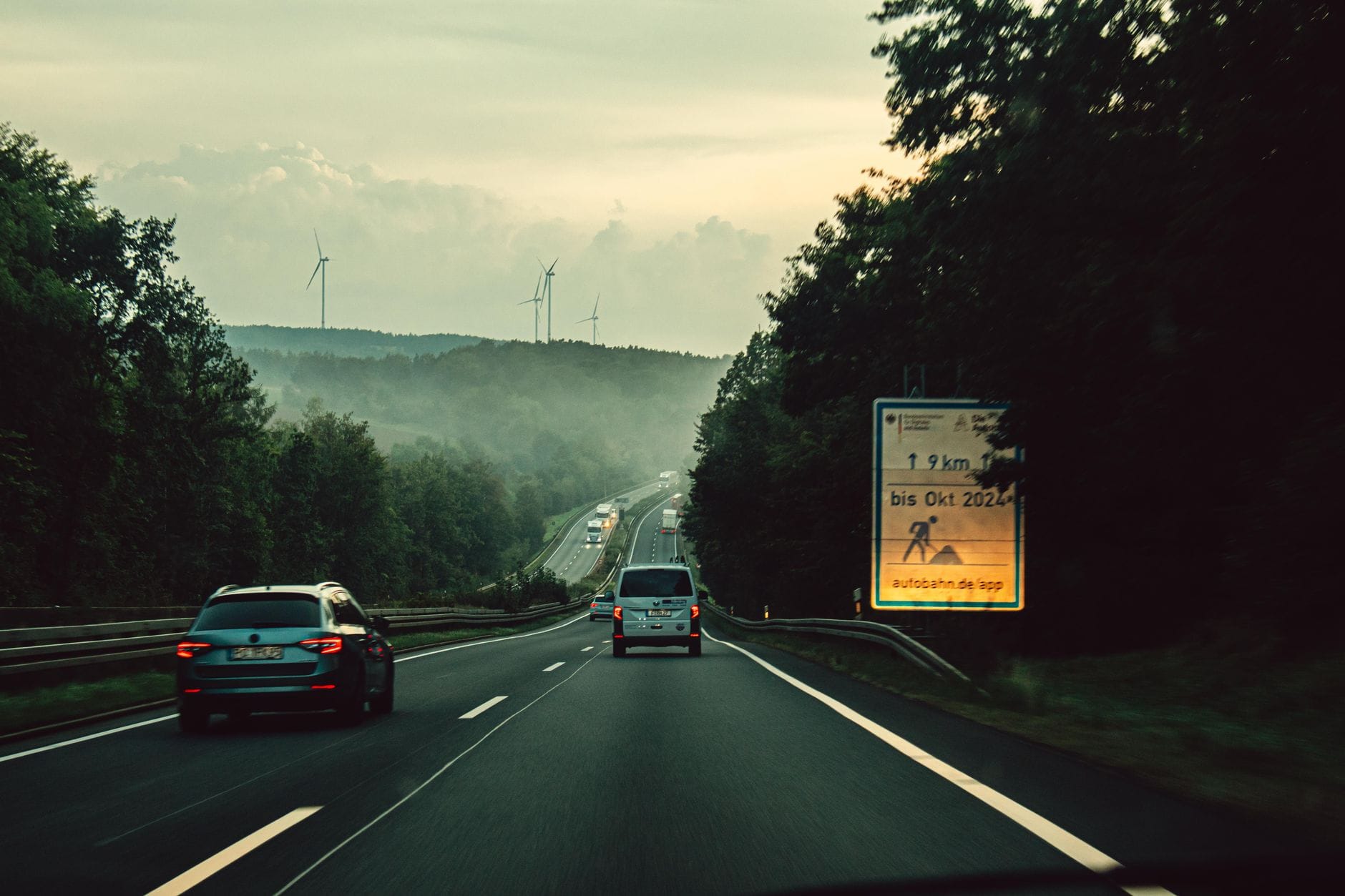
Driving from Munich gives you the most flexibility. The route is straightforward: take the A95 or A96 autobahn south and west toward Füssen, then follow signs to Hohenschwangau and the castles. The drive takes roughly 90 minutes to 2 hours depending on traffic. Parking near the castle area is available but limited, and on busy summer days it fills up fast. Arriving before 9:00 AM significantly reduces parking stress.
Organized day tours from Munich are worth considering if you prefer not to manage transport logistics yourself. Most tours depart from central Munich, include transport, and some include a guided tour inside the castle. They typically run 10 to 12 hours in total. Check our things to do in Munich guide for context on how this trip compares to other Munich-area excursions. The tradeoff with group tours is less flexibility: you cannot linger at the Alpsee or visit Hohenschwangau Castle on your own schedule.
Private transfers by taxi or car service are the most expensive option but offer door-to-door convenience. Several Munich-based private transport companies offer this as a day trip service. Expect to pay substantially more than the Bayern-Ticket route, but for small groups or travelers with limited mobility, it may be worth it.
💡 Local tip
If you are traveling with children or older adults who cannot manage the uphill walk to the castle, the horse carriage or shuttle bus is important to factor in. The walk is steep and can be slippery in wet weather. The shuttle bus only runs seasonally and may not operate in winter.
When to Go: Seasonal Timing and Crowds
Neuschwanstein Castle is open year-round (with some exceptions in early January), but the experience varies dramatically by season. Summer, from June through August, brings the heaviest crowds. Ticket slots fill up days or weeks in advance online, queues at the ticket center stretch long, and the uphill paths can feel congested. If your trip falls in summer, book your castle ticket as far in advance as possible and arrive at Hohenschwangau before 10:00 AM.
Spring (April to May) and autumn (September to October) offer the best balance of manageable crowds and reasonable weather. The surrounding Alpine scenery is particularly striking in autumn when the foliage changes color. Winter visits are possible and can be atmospheric, but note that the shuttle bus may not operate in icy conditions, and some paths become treacherous. For a broader picture of when to plan your Bavaria trip, see our best time to visit Munich guide.
- Summer (Jun-Aug) Peak crowds, book tickets weeks ahead, arrive early. Shuttle bus and carriage both operating.
- Spring (Apr-May) Fewer crowds than summer, pleasant temperatures. Wildflowers in the Alpine meadows.
- Autumn (Sep-Oct) Excellent foliage, manageable crowds especially after mid-October. Overlap with Oktoberfest period in Munich.
- Winter (Nov-Mar) Atmospheric and snowy but check shuttle bus availability. Some visitors find the snowy landscape worth the logistics.
Practical Tips for Your Visit
The castle interior can only be visited on a guided tour, which lasts about 35 minutes and covers the throne room, the grotto, and the king's apartments. Photography inside the castle is not permitted. The tour is included with your entrance ticket, but you must be at the castle gate by your allocated entry time. Missing your time slot means losing your ticket without refund, so build in buffer time for the uphill approach.
The Marienbrücke (Mary's Bridge) is the most famous viewpoint for photographing the castle from above. It sits a few minutes' walk above the castle entrance and offers the classic postcard perspective. The bridge can be closed in winter due to ice and structural maintenance. There are also viewpoints along the paths above and below the castle that are less crowded and equally rewarding. For more ideas on great views across Bavaria, see our Munich viewpoints guide.
While you are in the Füssen area, Hohenschwangau Castle, the yellow castle below Neuschwanstein where Ludwig II actually grew up, is worth adding. It requires a separate ticket but is a short walk from the ticket center. The Alpsee lake nearby is good for a picnic or a walk. If you are building a broader Bavaria itinerary, Neuschwanstein pairs well with a stop in Füssen town itself before heading back to Munich. The full picture of day trip options from Munich is covered in our day trips from Munich guide.
ℹ️ Good to know
Neuschwanstein Castle is located in the municipality of Schwangau, in the Ostallgäu district of Bavaria. Postal address for GPS navigation: Neuschwansteinstraße 20, 87645 Schwangau. Using 'Neuschwanstein Castle' in most navigation apps will get you to the parking areas correctly.
FAQ
How long does it take to get from Munich to Neuschwanstein Castle?
By train and bus, the journey takes approximately 2.5 to 3 hours one way. The regional train from Munich Hauptbahnhof to Füssen takes about 2 hours, and the local bus from Füssen to the Hohenschwangau castle stop takes about 10 minutes. You then need 30 to 40 minutes to walk uphill to the castle entrance, or you can take the seasonal shuttle bus or a horse carriage.
Is there a direct train from Munich to Neuschwanstein Castle?
No. There is no direct train to Neuschwanstein Castle. The closest train station is Füssen, which is served by regional trains from Munich Hauptbahnhof roughly every hour. From Füssen, you continue by local bus (route 73 or 78) to Hohenschwangau and then walk or take a shuttle uphill to the castle.
Do I need to book Neuschwanstein Castle tickets in advance?
Yes, advance booking is strongly recommended, especially from April through October. Timed entry tickets are sold through the official portal at tickets.hohenschwangau.de. Walk-up tickets at the ticket center in Hohenschwangau village often sell out by mid-morning during peak season. Missing your allocated time slot means losing your ticket.
What is the Bayern-Ticket and does it cover the whole journey?
The Bayern-Ticket is a day pass issued by Deutsche Bahn that covers all regional trains and most regional buses in Bavaria. It covers your train from Munich to Füssen and the local bus connections to and from Hohenschwangau, making it the cheapest all-in transport option for most travelers. Note that on weekdays it is only valid from 9:00 AM onward. The castle entrance ticket is separate and must be purchased independently.
Can I visit Neuschwanstein Castle as a day trip from Munich?
Yes, it is a manageable day trip. Plan to leave Munich by 8:00 or 9:00 AM to arrive at the castle with enough time before your ticketed entry slot and to explore the surrounding area. The total journey back to Munich by train and bus is another 2.5 to 3 hours. A full day is recommended, particularly if you also want to visit Hohenschwangau Castle, the Marienbrücke viewpoint, or the Alpsee.
Tickets & tours
Live prices and dates from our booking partner. If you book, we may earn a commission at no extra cost to you.
Planning a trip? Discover personalized activities with the Nomado app.