Munich Hidden Gems: Off the Beaten Path in Bavaria's Capital
Munich rewards those who look beyond Marienplatz. From a Rococo theatre tucked inside a royal palace to a Baroque beer garden in a former deer park, these lesser-known spots reveal a richer, quieter side of Bavaria's capital.
Tickets & tours
Live prices and dates from our booking partner. If you book, we may earn a commission at no extra cost to you.
Most visitors to Munich follow the same route: Marienplatz, Hofbräuhaus, English Garden, done. But the city has a parallel life that plays out in Art Nouveau villas, baroque gardens far from tour groups, and river banks where locals spend entire summer afternoons. This guide skips the obvious and goes deeper, covering the spots that even repeat visitors often miss. For a broader overview of the city, see our complete Munich things to do guide. If you want to understand the neighbourhoods where many of these gems are found, our guides to Maxvorstadt and Bogenhausen are worth reading before you head out.
Secret Palaces & Royal Interiors
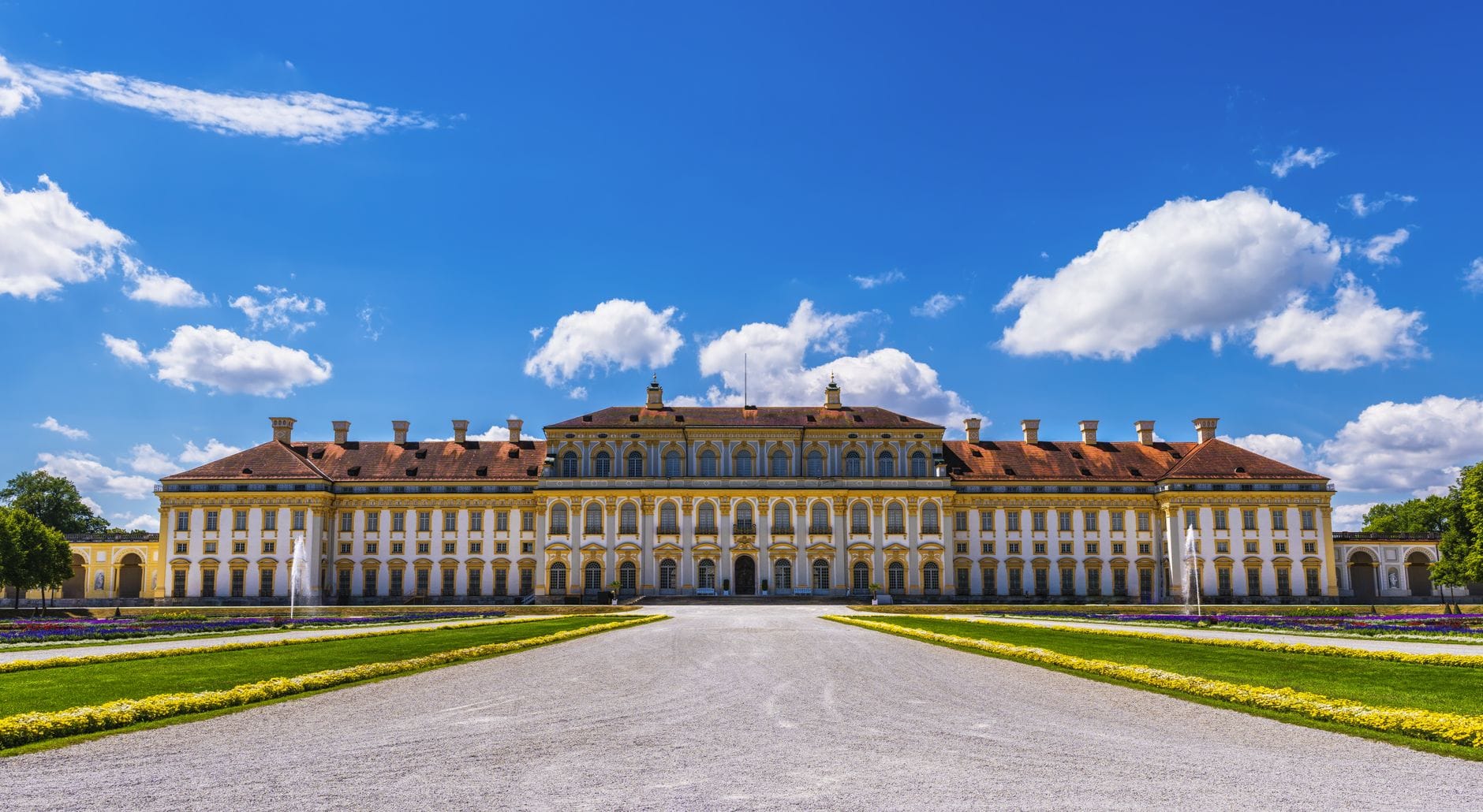
Munich's royal heritage runs far deeper than the Residenz entrance on Max-Joseph-Platz. Several of the Wittelsbach dynasty's grandest spaces sit virtually unvisited, either tucked inside larger complexes or located just outside the city core. Schloss Schleissheim, for example, is the kind of place that would have hour-long queues in Versailles but is often nearly empty on a weekday morning. For a focused look at Munich's royal palaces and what's inside them, the best museums in Munich guide covers admission tips and what to prioritise.
1. Find the Most Beautiful Rococo Theatre in the World Inside the Residenz
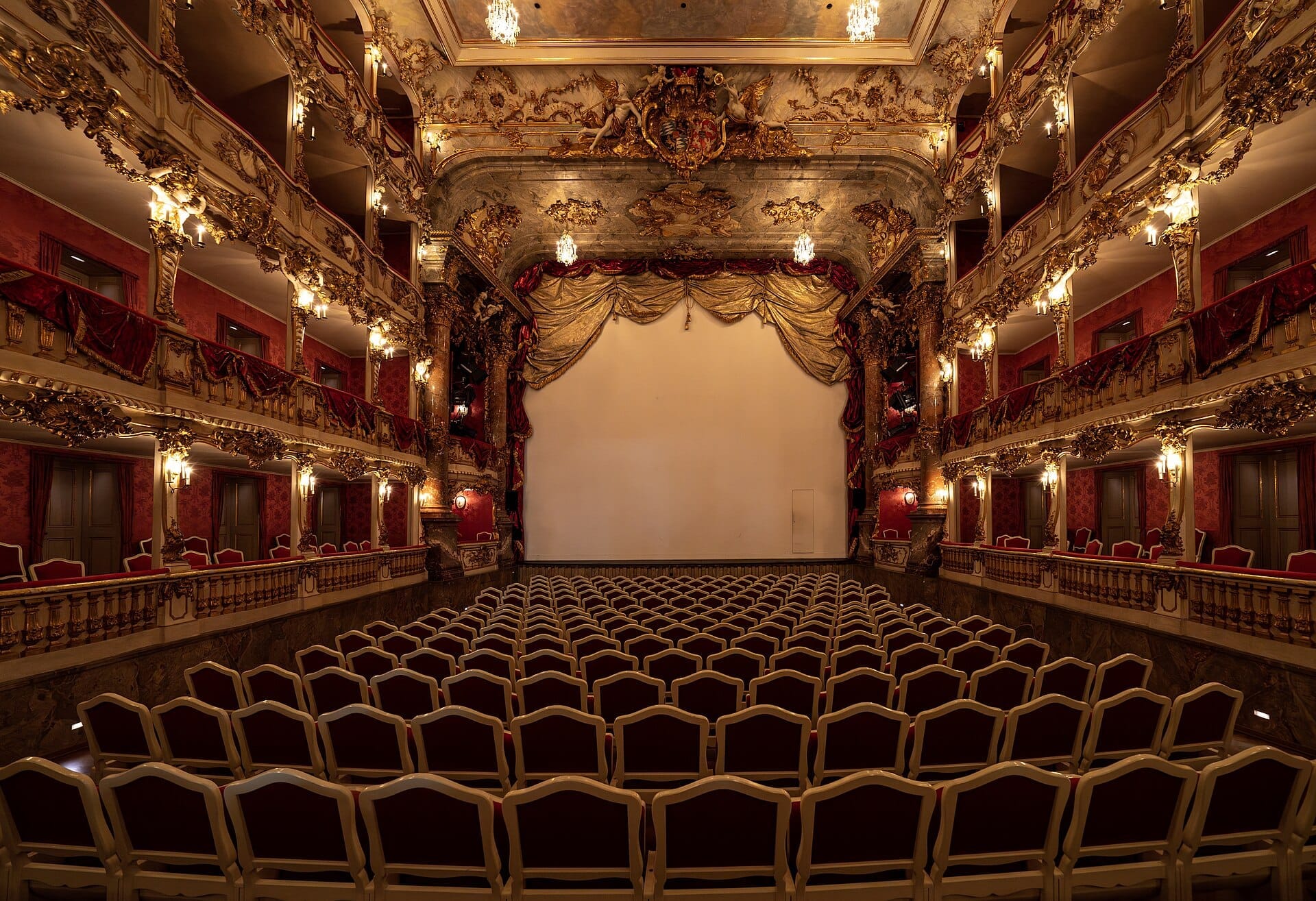
Hidden within the Munich Residenz, this gilded 1755 masterpiece by François de Cuvilliés features four tiers of carved red-velvet boxes. Mozart's Idomeneo premiered here. Most visitors walk past without knowing it exists.
Explore1. Find the Most Beautiful Rococo Theatre in the World Inside the Residenz
Hidden within the Munich Residenz, this gilded 1755 masterpiece by François de Cuvilliés features four tiers of carved red-velvet boxes. Mozart's Idomeneo premiered here. Most visitors walk past without knowing it exists.
Explore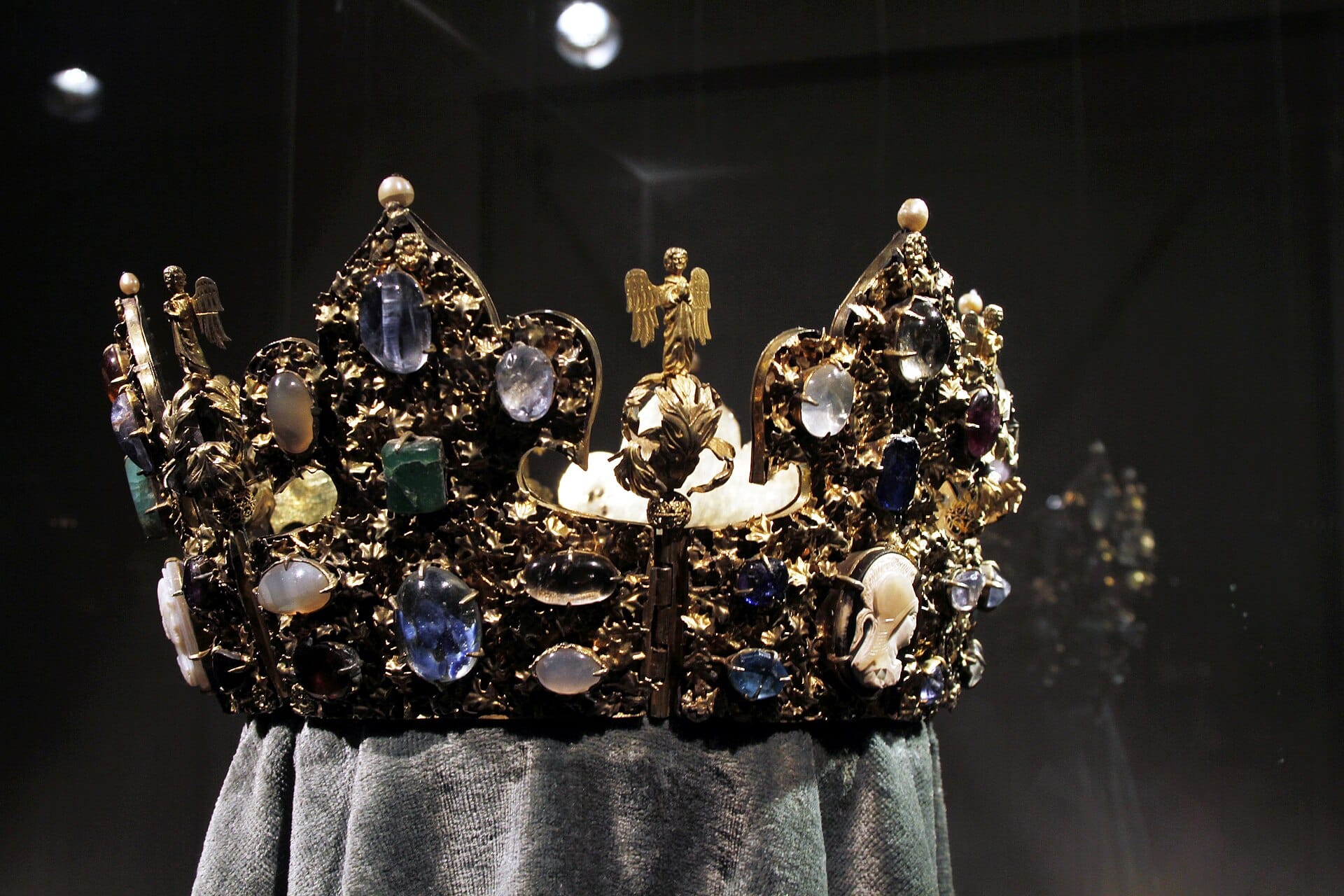
2. Explore Five Centuries of Royal Treasure in the Residenz Schatzkammer
The Residenz Treasury holds the Crown of Bavaria, Renaissance goldsmith masterpieces, and Wittelsbach jewels spanning 500 years. It's one of Europe's great royal collections, yet far less visited than the palace apartments above.
Explore2. Explore Five Centuries of Royal Treasure in the Residenz Schatzkammer
The Residenz Treasury holds the Crown of Bavaria, Renaissance goldsmith masterpieces, and Wittelsbach jewels spanning 500 years. It's one of Europe's great royal collections, yet far less visited than the palace apartments above.
Explore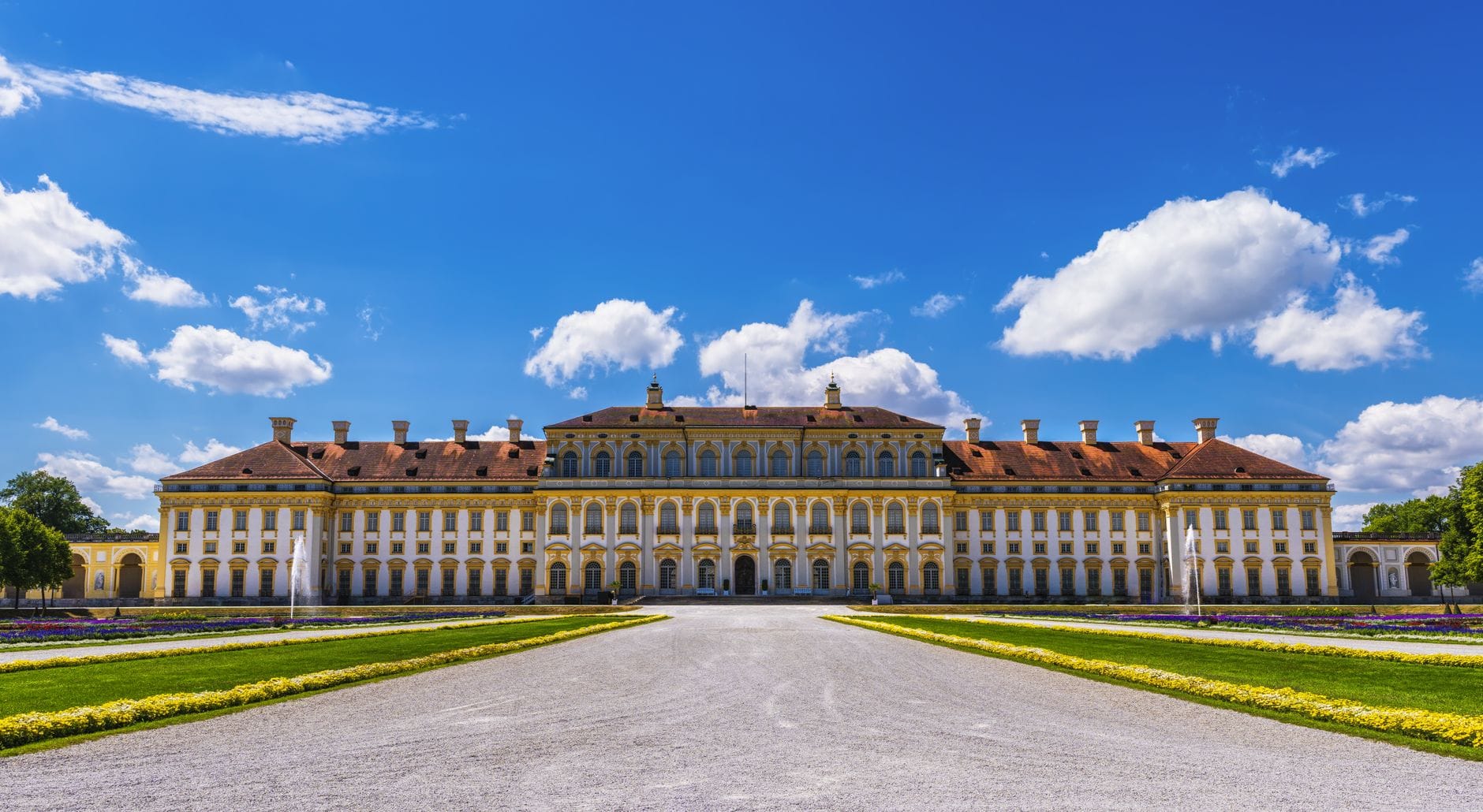
3. Wander a Baroque Palace Complex That Rivals Versailles Without the Crowds
Three Baroque palaces, formal French gardens, and outstanding Baroque paintings north of Munich, all typically uncrowded. The New Palace's grand staircase alone justifies the 30-minute S-Bahn trip from central Munich.
Explore3. Wander a Baroque Palace Complex That Rivals Versailles Without the Crowds
Three Baroque palaces, formal French gardens, and outstanding Baroque paintings north of Munich, all typically uncrowded. The New Palace's grand staircase alone justifies the 30-minute S-Bahn trip from central Munich.
Explore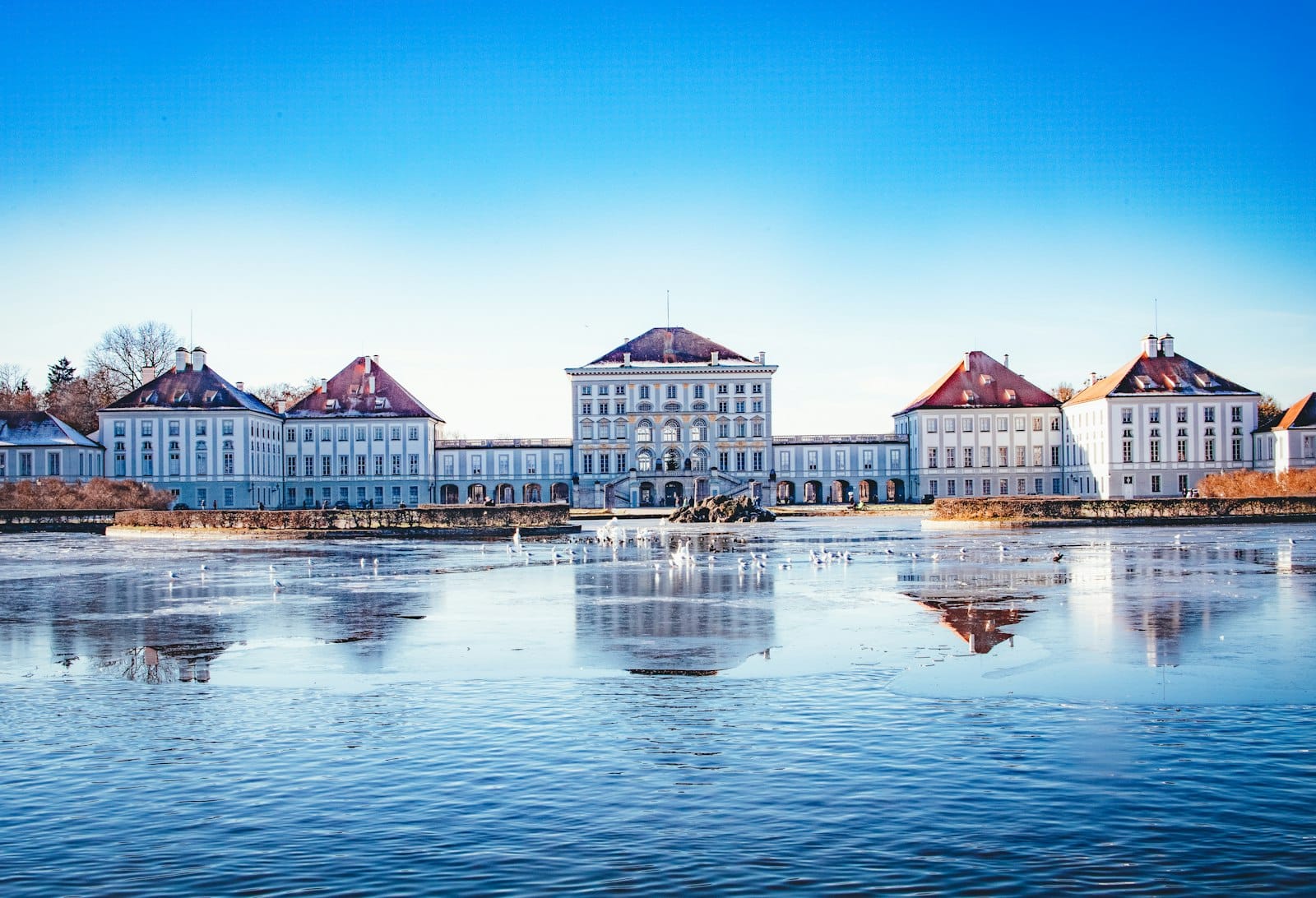
4. See the Gallery of Beauties in Nymphenburg's Quieter Palace Wings
The main Nymphenburg Palace gets visitors, but the outlying hunting lodges and the Gallery of Beauties, Ludwig I's collection of portraits of women he admired, are often empty. The 200-hectare canal park is free to enter year-round.
Explore4. See the Gallery of Beauties in Nymphenburg's Quieter Palace Wings
The main Nymphenburg Palace gets visitors, but the outlying hunting lodges and the Gallery of Beauties, Ludwig I's collection of portraits of women he admired, are often empty. The 200-hectare canal park is free to enter year-round.
ExploreUnder-the-Radar Museums & Galleries
Munich's museum density is extraordinary, particularly in Maxvorstadt, where the Kunstareal clusters world-class collections within walking distance. But even within this famous museum quarter, some institutions are consistently overlooked by first-time visitors. The Villa Stuck in Bogenhausen and the Lenbachhaus are two of the city's most atmospheric spaces, yet neither appears on most standard itineraries.
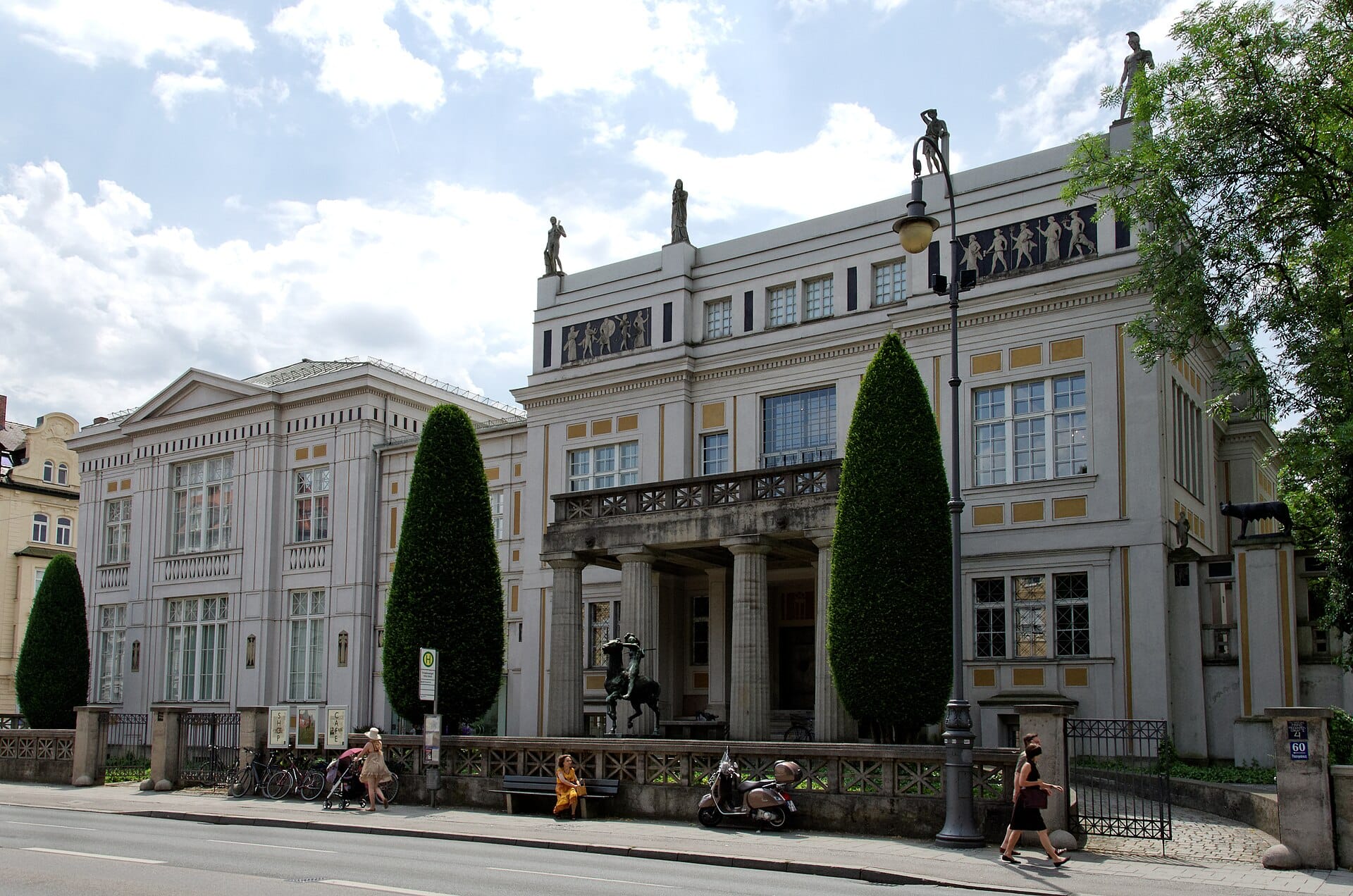
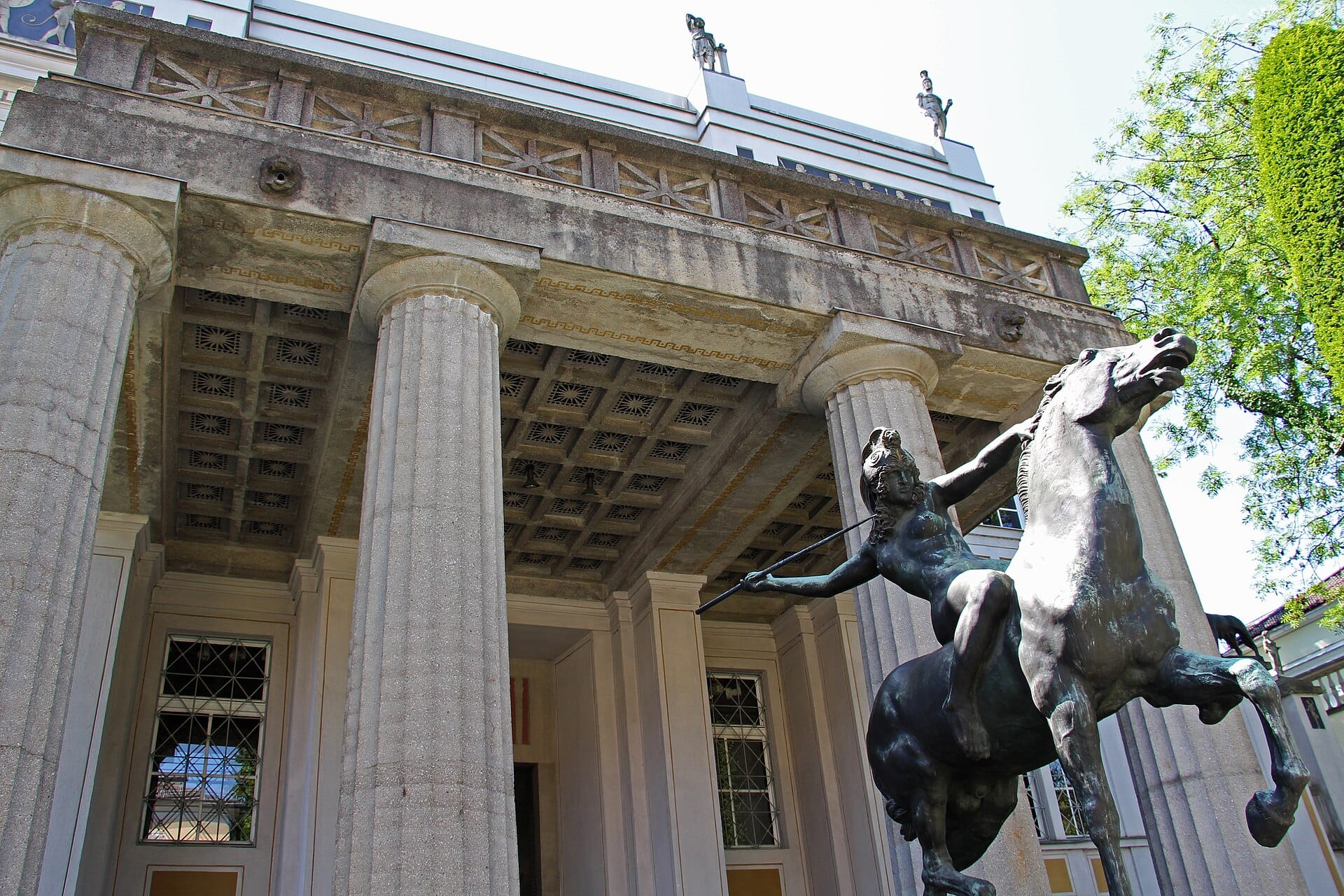
5. Step Inside the Art Nouveau World of Painter Franz von Stuck
This perfectly preserved Jugendstil villa in Bogenhausen was the home and studio of symbolist painter Franz von Stuck. Original furnishings, painted ceilings, and rotating contemporary exhibitions make it one of Munich's most intimate museum experiences.
Explore5. Step Inside the Art Nouveau World of Painter Franz von Stuck
This perfectly preserved Jugendstil villa in Bogenhausen was the home and studio of symbolist painter Franz von Stuck. Original furnishings, painted ceilings, and rotating contemporary exhibitions make it one of Munich's most intimate museum experiences.
Explore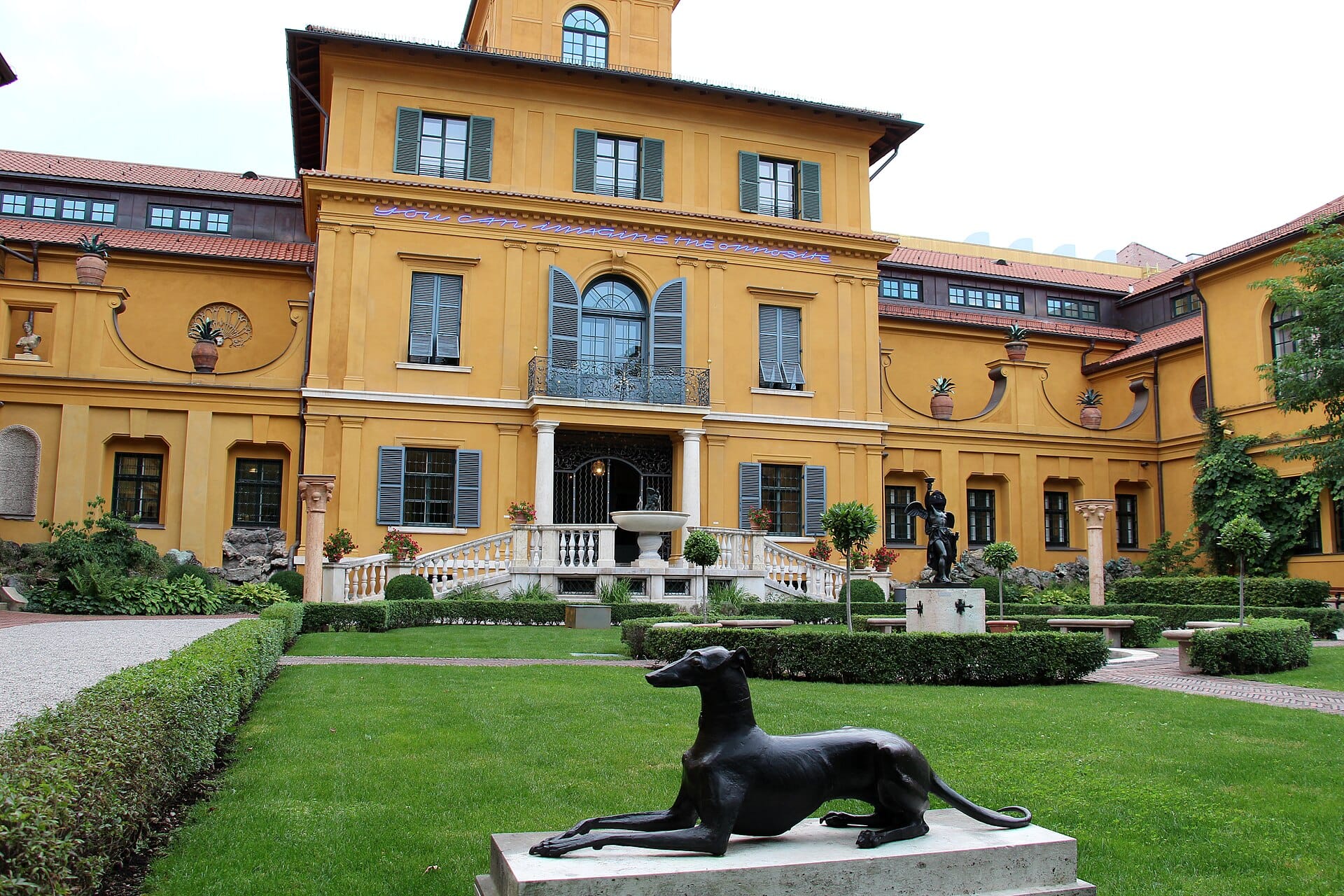
6. See the World's Largest Blue Rider Collection at the Lenbachhaus
This golden Maxvorstadt villa holds more Kandinsky, Marc, Macke, and Münter works than anywhere on earth. The contrast between the ornate 19th-century villa and its sharp contemporary extension makes the building itself part of the experience.
Explore6. See the World's Largest Blue Rider Collection at the Lenbachhaus
This golden Maxvorstadt villa holds more Kandinsky, Marc, Macke, and Münter works than anywhere on earth. The contrast between the ornate 19th-century villa and its sharp contemporary extension makes the building itself part of the experience.
Explore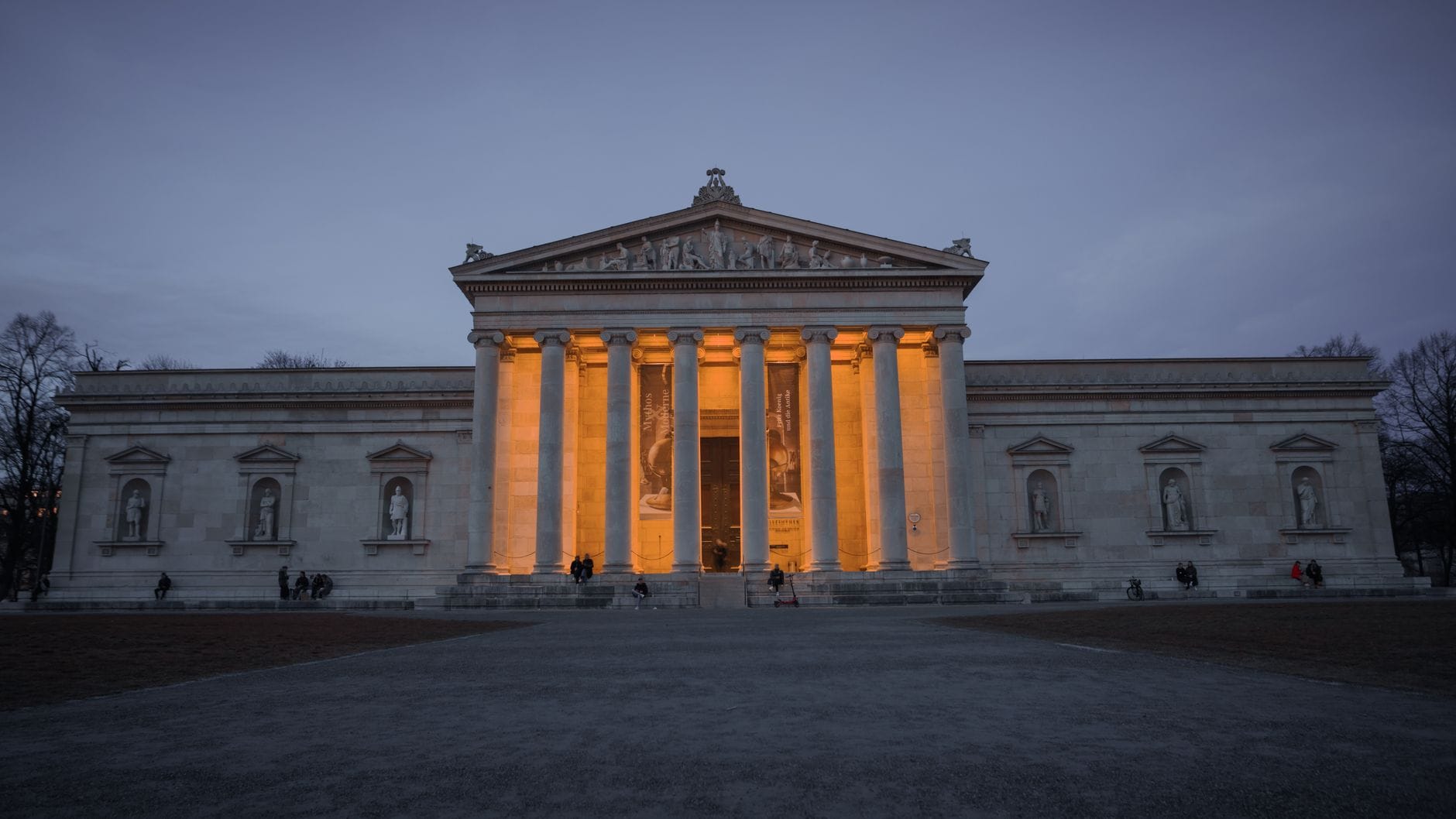
7. Sit Alone with Ancient Greek Sculpture at the Glyptothek
Germany's oldest public museum, purpose-built by Ludwig I for his Greek and Roman sculpture collection, is often quiet enough to have rooms to yourself. The Aegina pediment figures and the Alexander the Great portrait are genuinely extraordinary.
Explore7. Sit Alone with Ancient Greek Sculpture at the Glyptothek
Germany's oldest public museum, purpose-built by Ludwig I for his Greek and Roman sculpture collection, is often quiet enough to have rooms to yourself. The Aegina pediment figures and the Alexander the Great portrait are genuinely extraordinary.
Explore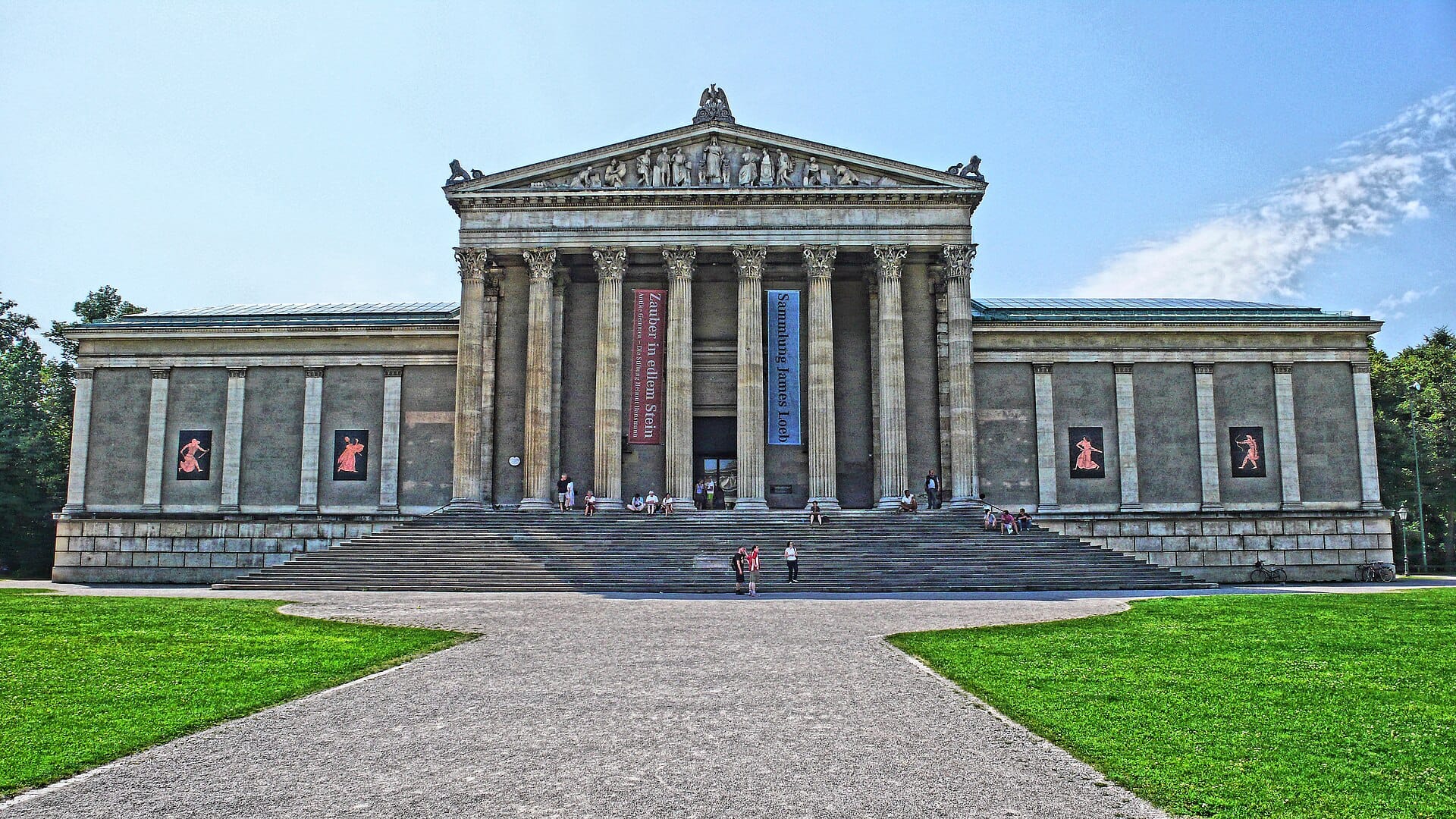
8. Discover Ancient Greek Vases and Etruscan Gold Across Königsplatz
Facing the Glyptothek, this museum houses one of the finest ancient Greek vase collections in the world alongside Etruscan jewelry and Roman glass. Admission is low, crowds are rare, and the quality of objects is remarkable.
Explore8. Discover Ancient Greek Vases and Etruscan Gold Across Königsplatz
Facing the Glyptothek, this museum houses one of the finest ancient Greek vase collections in the world alongside Etruscan jewelry and Roman glass. Admission is low, crowds are rare, and the quality of objects is remarkable.
Explore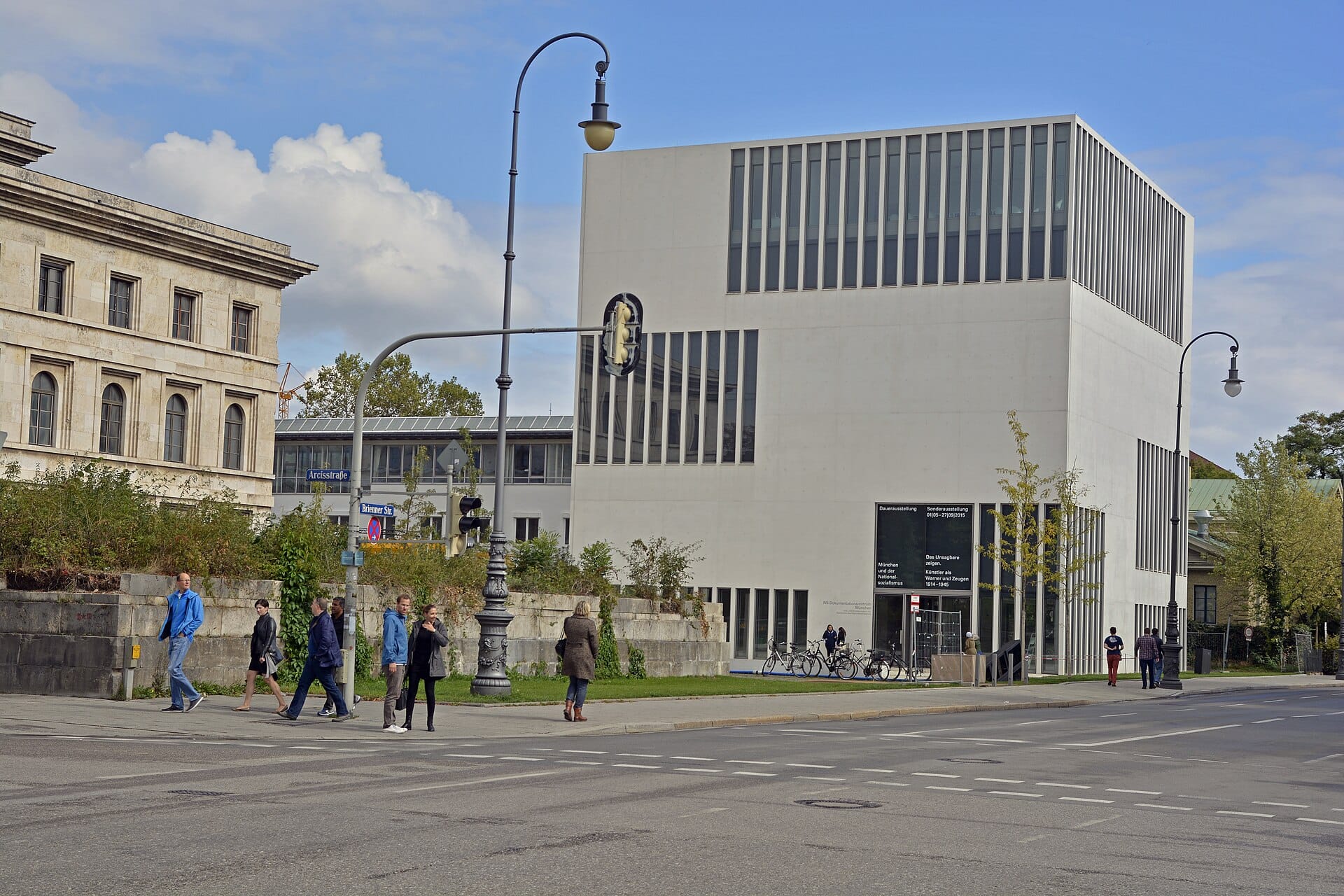
9. Understand How Munich Became the Birthplace of the Nazi Movement
Opened in 2015 on the site of the former Nazi party HQ, this rigorous documentation center traces Munich's central role in the rise of National Socialism. It's essential and sobering context that most visitors skip in favour of other Altstadt sights.
Explore9. Understand How Munich Became the Birthplace of the Nazi Movement
Opened in 2015 on the site of the former Nazi party HQ, this rigorous documentation center traces Munich's central role in the rise of National Socialism. It's essential and sobering context that most visitors skip in favour of other Altstadt sights.
Explore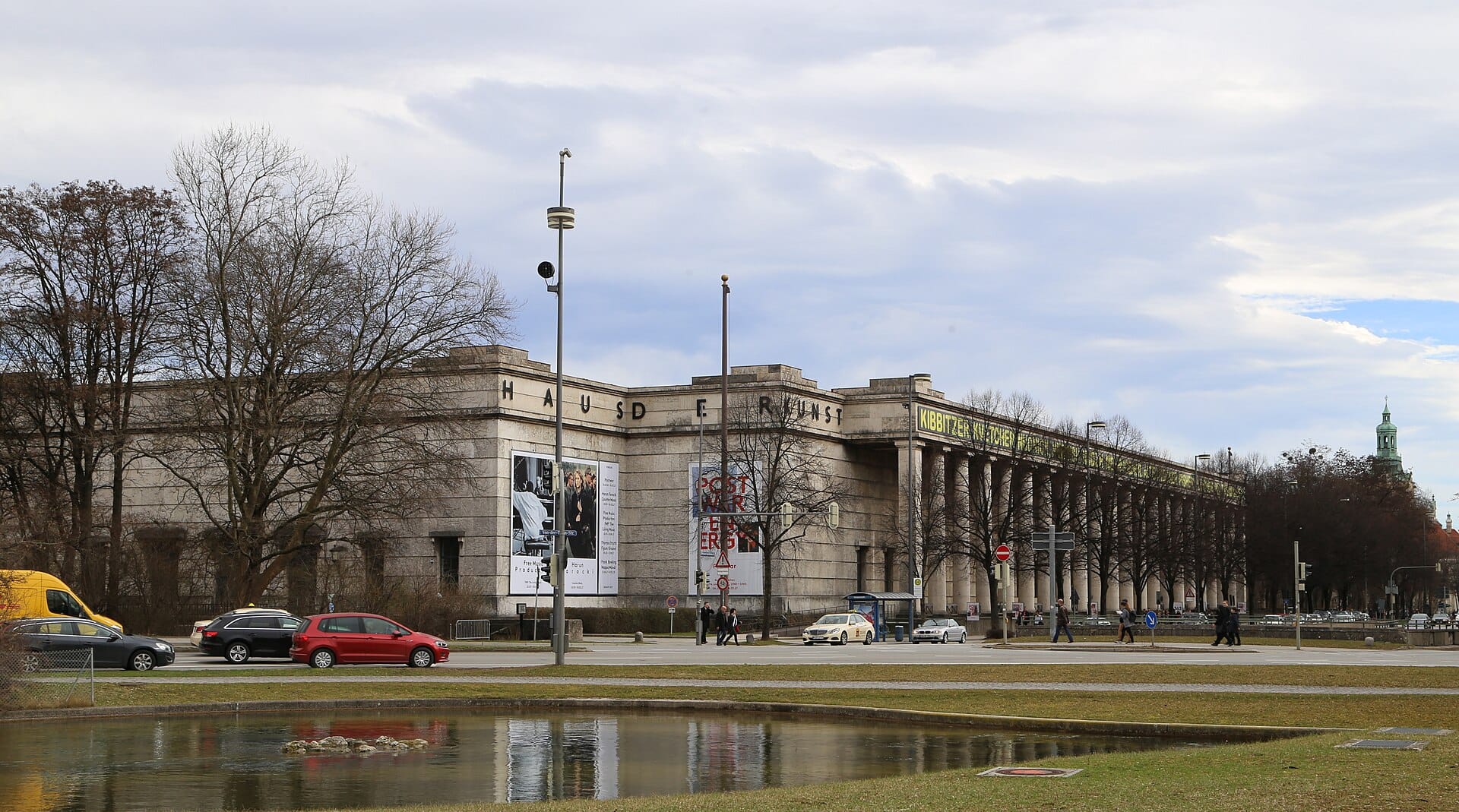
10. Experience Radical Contemporary Art in a Building Built for Nazi Propaganda
Built by the Nazis in 1937 as a showcase for 'approved' German art, this monumental building on the English Garden's edge now hosts some of Germany's most challenging contemporary exhibitions. The tension between architecture and content is unforgettable.
Explore10. Experience Radical Contemporary Art in a Building Built for Nazi Propaganda
Built by the Nazis in 1937 as a showcase for 'approved' German art, this monumental building on the English Garden's edge now hosts some of Germany's most challenging contemporary exhibitions. The tension between architecture and content is unforgettable.
ExploreQuiet Churches & Overlooked Architecture
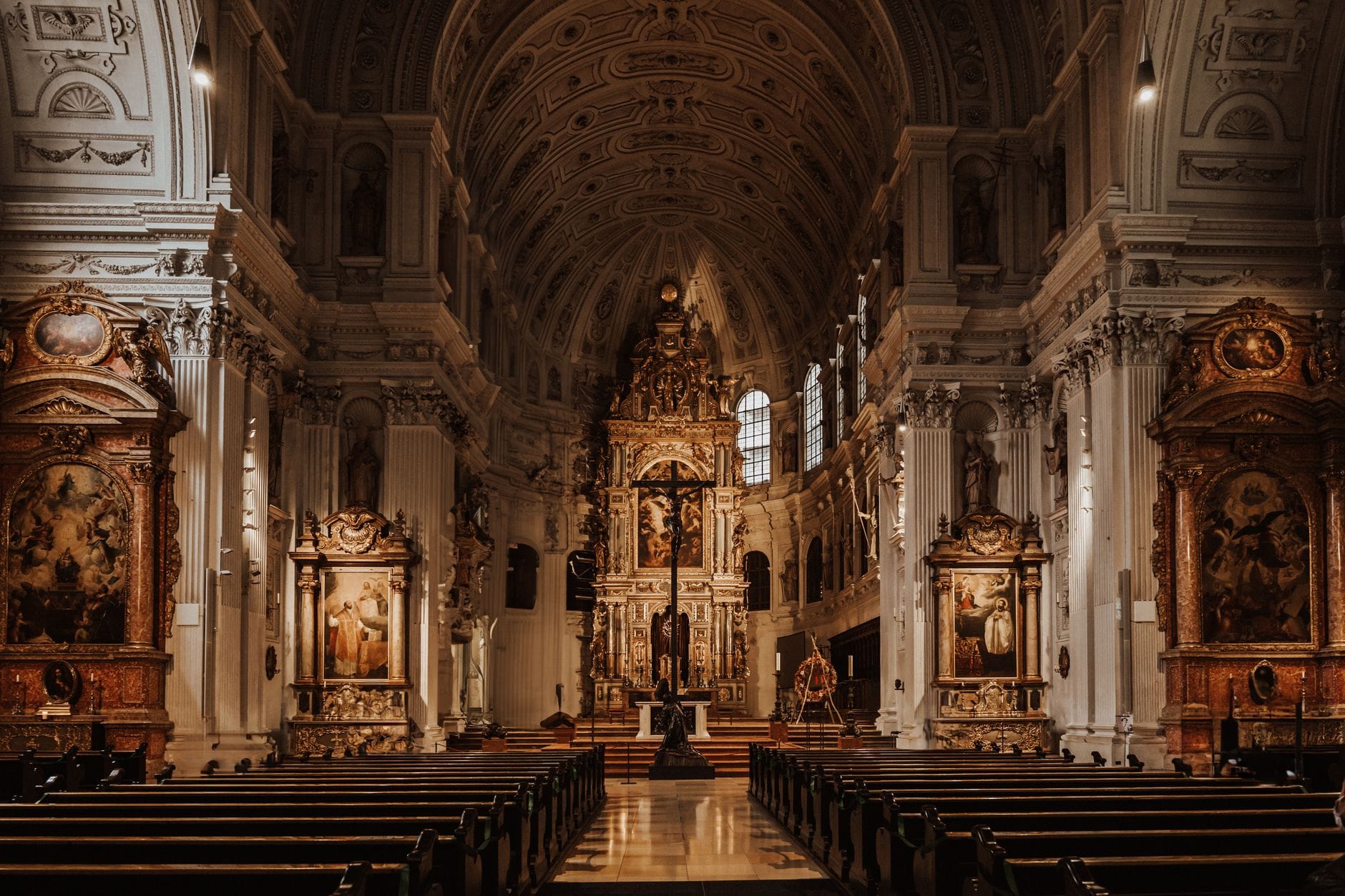
The Frauenkirche and Marienplatz draw the attention, but Munich's most extraordinary architectural interiors are often inside smaller buildings that visitors walk past without pausing. The Asamkirche is perhaps the best example: you could miss it entirely on a busy shopping street, but step inside and it's one of the most intense Baroque experiences in Europe. Our 3 days in Munich itinerary builds in time for these detours.
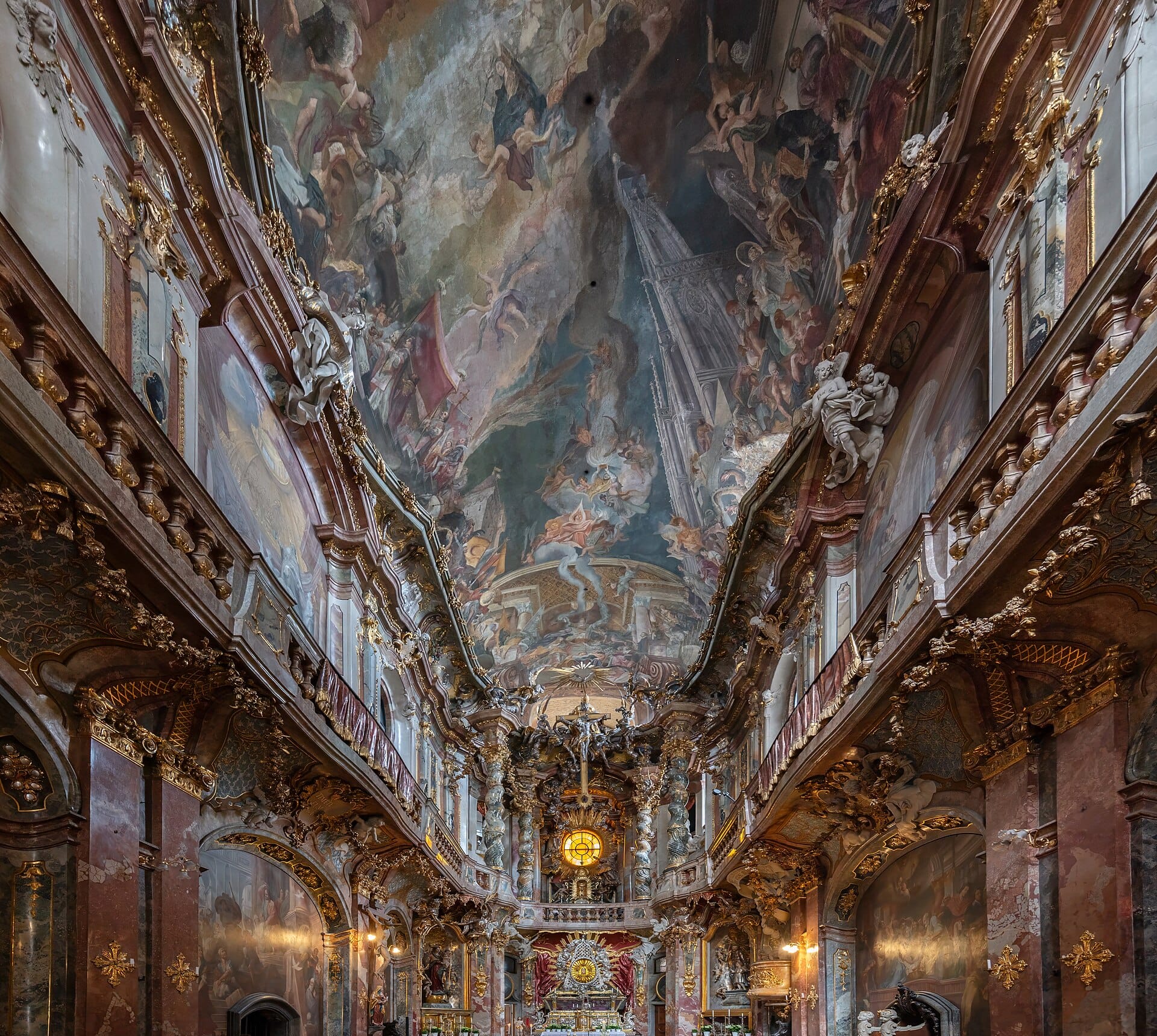
11. Discover the Asam Brothers' Extraordinary Private Baroque Church
Built in 1746 as a private chapel, this 28-meter-long church on Sendlinger Strasse packs more gilded stucco, frescoes, and theatrical drama per square meter than almost anywhere in Germany. Easy to walk past, impossible to forget once you've stepped inside.
Explore11. Discover the Asam Brothers' Extraordinary Private Baroque Church
Built in 1746 as a private chapel, this 28-meter-long church on Sendlinger Strasse packs more gilded stucco, frescoes, and theatrical drama per square meter than almost anywhere in Germany. Easy to walk past, impossible to forget once you've stepped inside.
Explore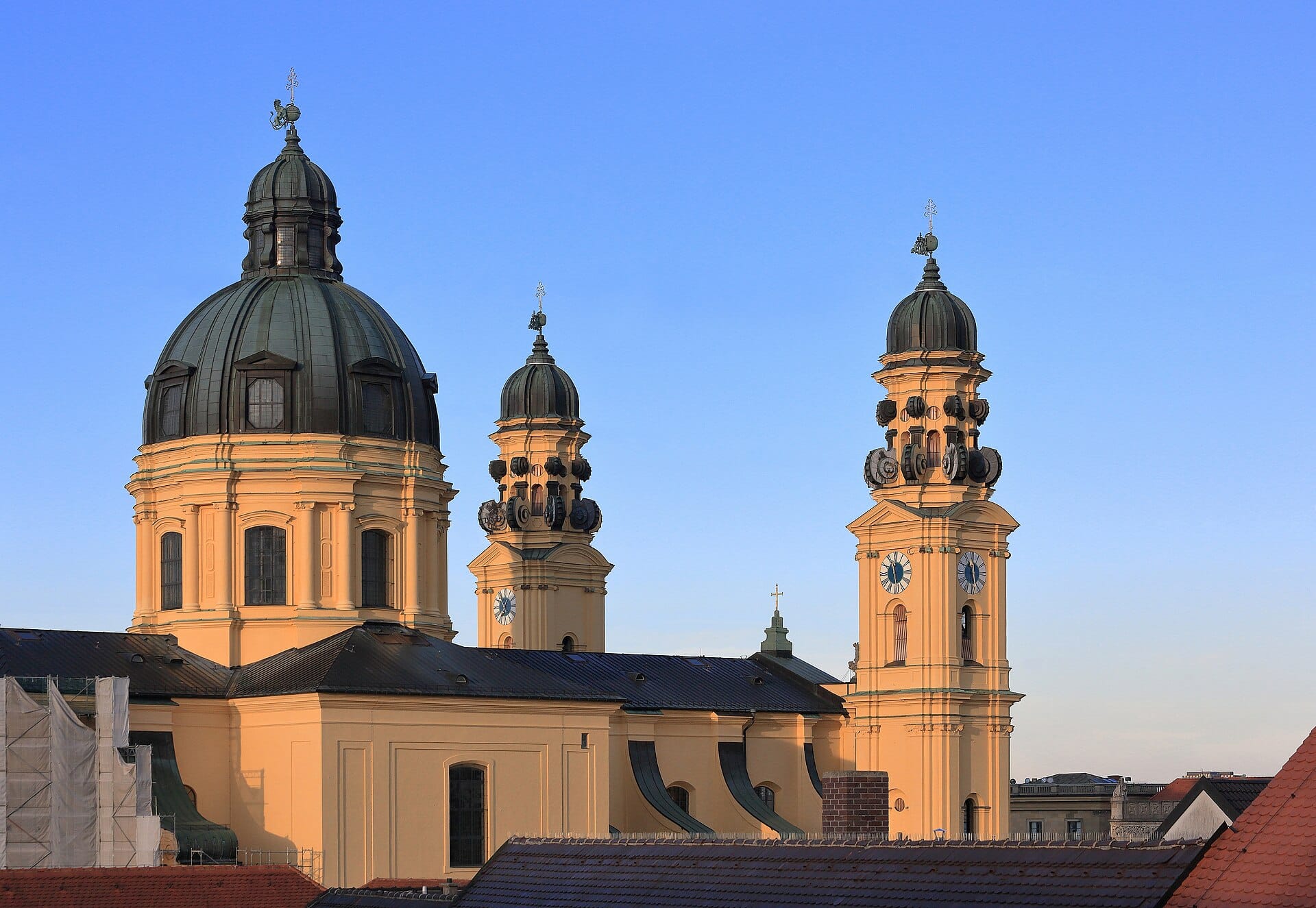
12. Step Inside the Theatinerkirche's Dazzling White Stucco Interior
The yellow facade on Odeonsplatz is famous, but most visitors photograph it from outside and move on. The interior, all white stucco and sculptural drama, is one of Bavaria's finest Baroque spaces. The Wittelsbach royal crypt is directly beneath your feet.
Explore12. Step Inside the Theatinerkirche's Dazzling White Stucco Interior
The yellow facade on Odeonsplatz is famous, but most visitors photograph it from outside and move on. The interior, all white stucco and sculptural drama, is one of Bavaria's finest Baroque spaces. The Wittelsbach royal crypt is directly beneath your feet.
Explore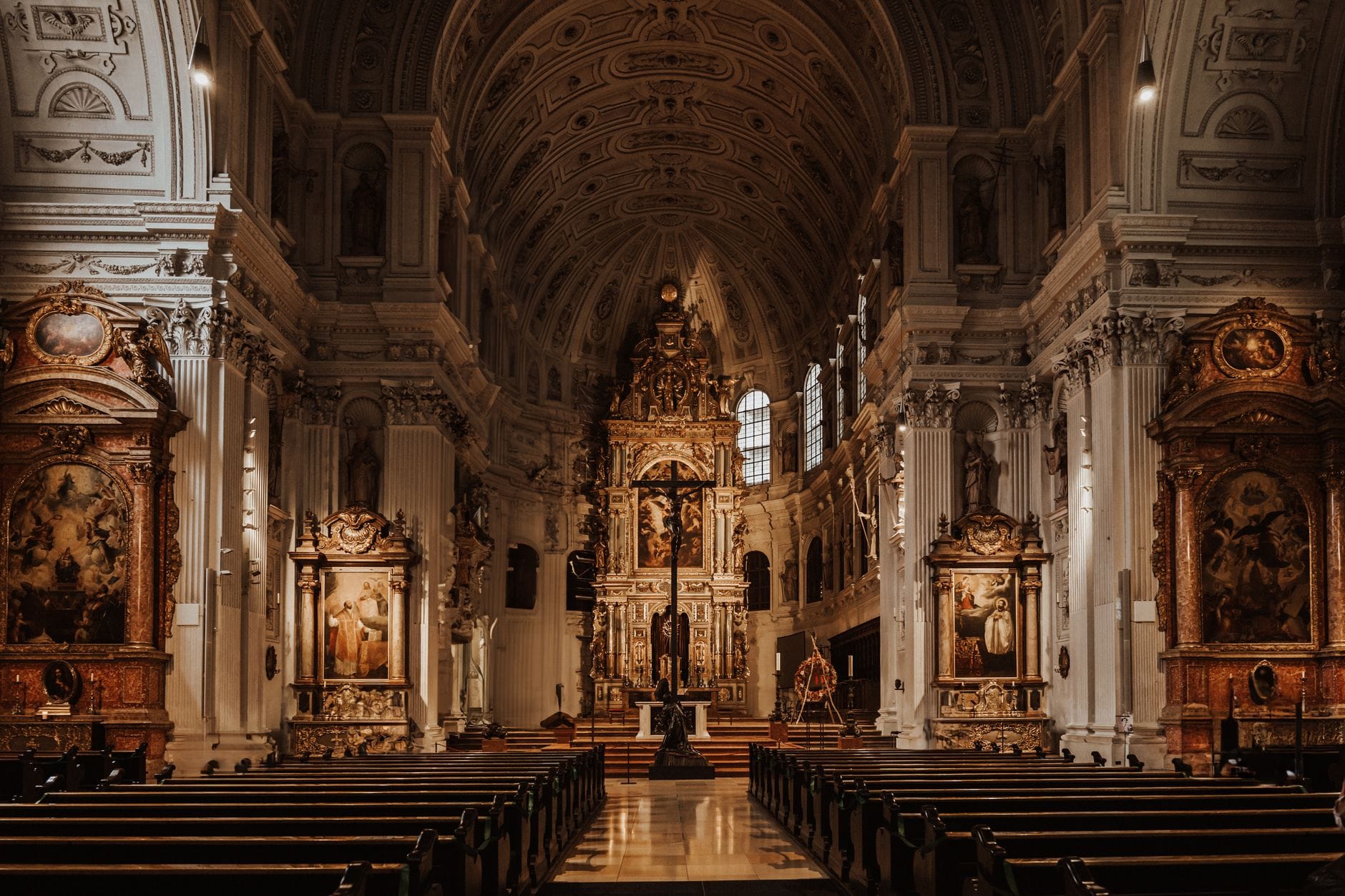
13. Find Ludwig II's Crypt Beneath Munich's Busiest Shopping Street
On Kaufingerstrasse, surrounded by shops, stands one of the largest Renaissance churches north of the Alps. The barrel-vaulted ceiling is magnificent, but the real discovery is the crypt below, where the eccentric King Ludwig II is buried.
Explore13. Find Ludwig II's Crypt Beneath Munich's Busiest Shopping Street
On Kaufingerstrasse, surrounded by shops, stands one of the largest Renaissance churches north of the Alps. The barrel-vaulted ceiling is magnificent, but the real discovery is the crypt below, where the eccentric King Ludwig II is buried.
Explore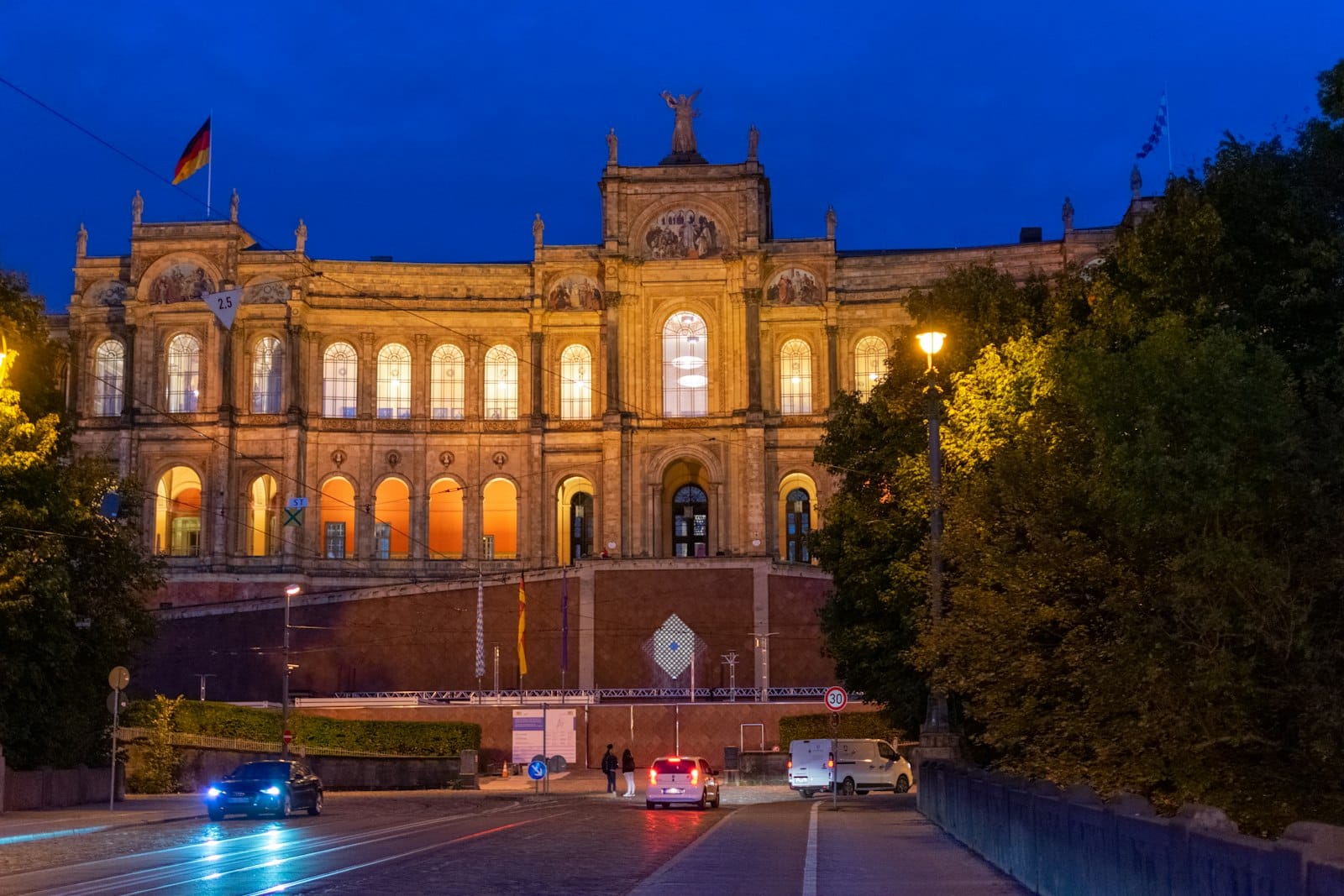
14. Walk to the End of Maximilianstrasse for a View Most Tourists Miss
Munich's grandest boulevard ends not at a square but at this neo-Gothic palace above the Isar, now the Bavarian State Parliament. The building and its Isar bluff position make it one of Munich's most photogenic viewpoints, and almost no one walks this far.
Explore14. Walk to the End of Maximilianstrasse for a View Most Tourists Miss
Munich's grandest boulevard ends not at a square but at this neo-Gothic palace above the Isar, now the Bavarian State Parliament. The building and its Isar bluff position make it one of Munich's most photogenic viewpoints, and almost no one walks this far.
ExploreLocal Beer Gardens & Outdoor Escapes
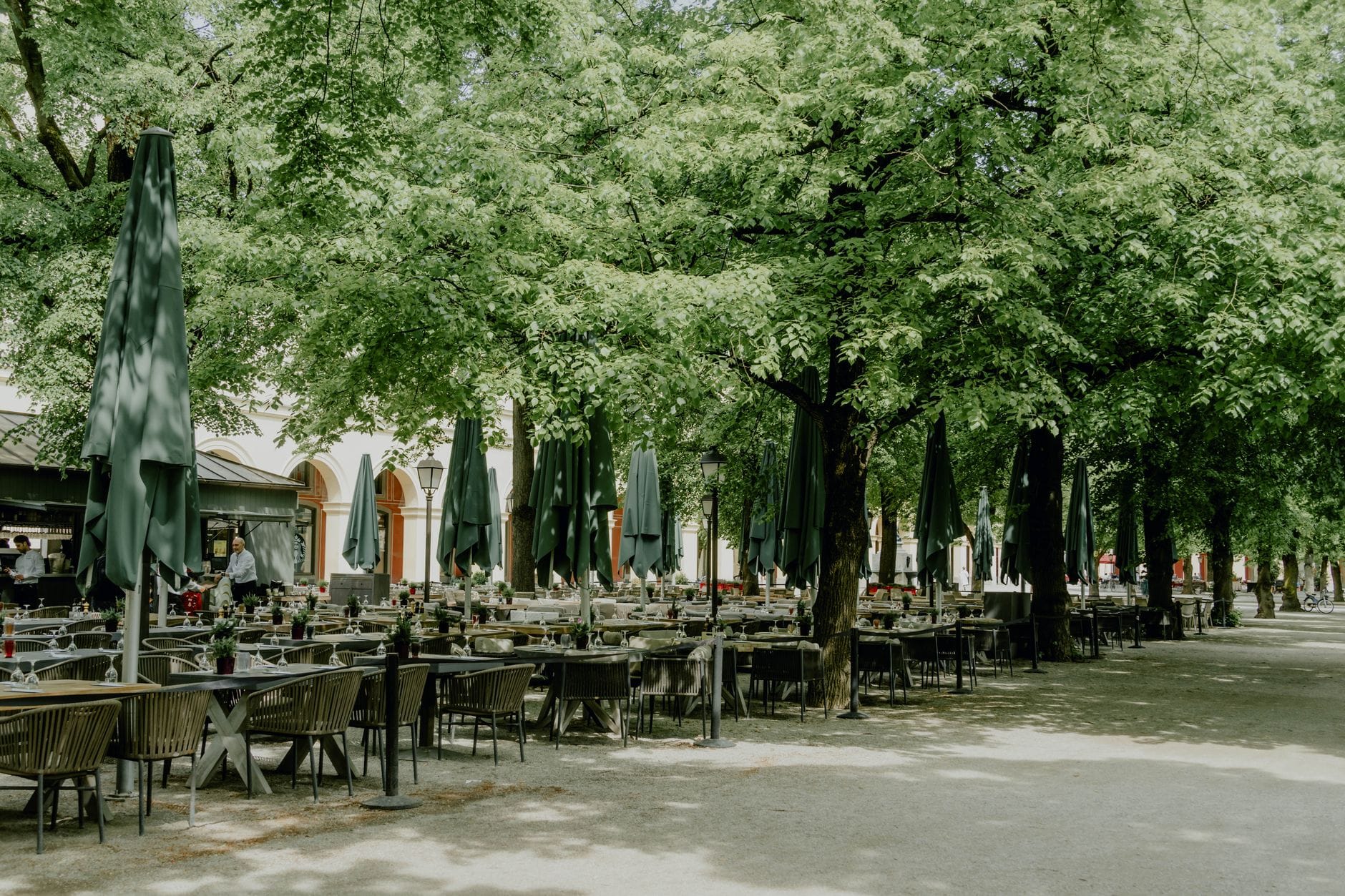
Munich's famous beer gardens are well documented, but Münchners have their own favourites that sit well off the tourist trail. The Hirschgarten in Nymphenburg is a perfect example: one of the world's largest beer gardens, in a former royal deer park, with live deer still grazing next door. For river swimming and sunbathing culture, the Isar banks in Haidhausen are where locals actually spend their summers. See our Munich in summer guide for the full picture on outdoor life in the city.
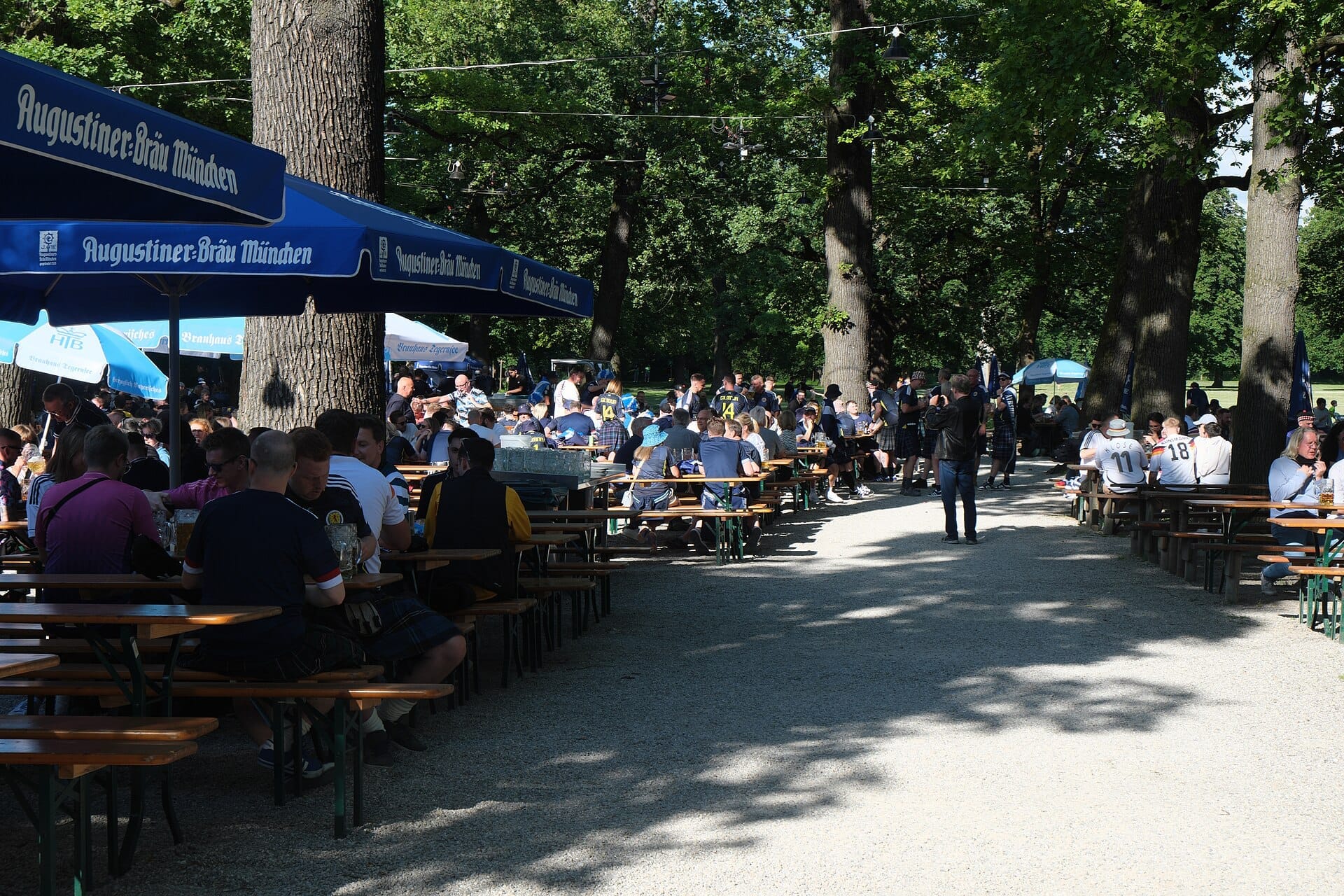
15. Drink Beer Next to Live Deer at Munich's Most Beloved Local Beer Garden
Seating 8,000 in a former royal deer park in Nymphenburg, the Hirschgarten is a genuine Munich institution far from the tourist circuit. A fenced deer enclosure still operates beside the tables, giving it a character no other beer garden in the city can match.
Explore15. Drink Beer Next to Live Deer at Munich's Most Beloved Local Beer Garden
Seating 8,000 in a former royal deer park in Nymphenburg, the Hirschgarten is a genuine Munich institution far from the tourist circuit. A fenced deer enclosure still operates beside the tables, giving it a character no other beer garden in the city can match.
Explore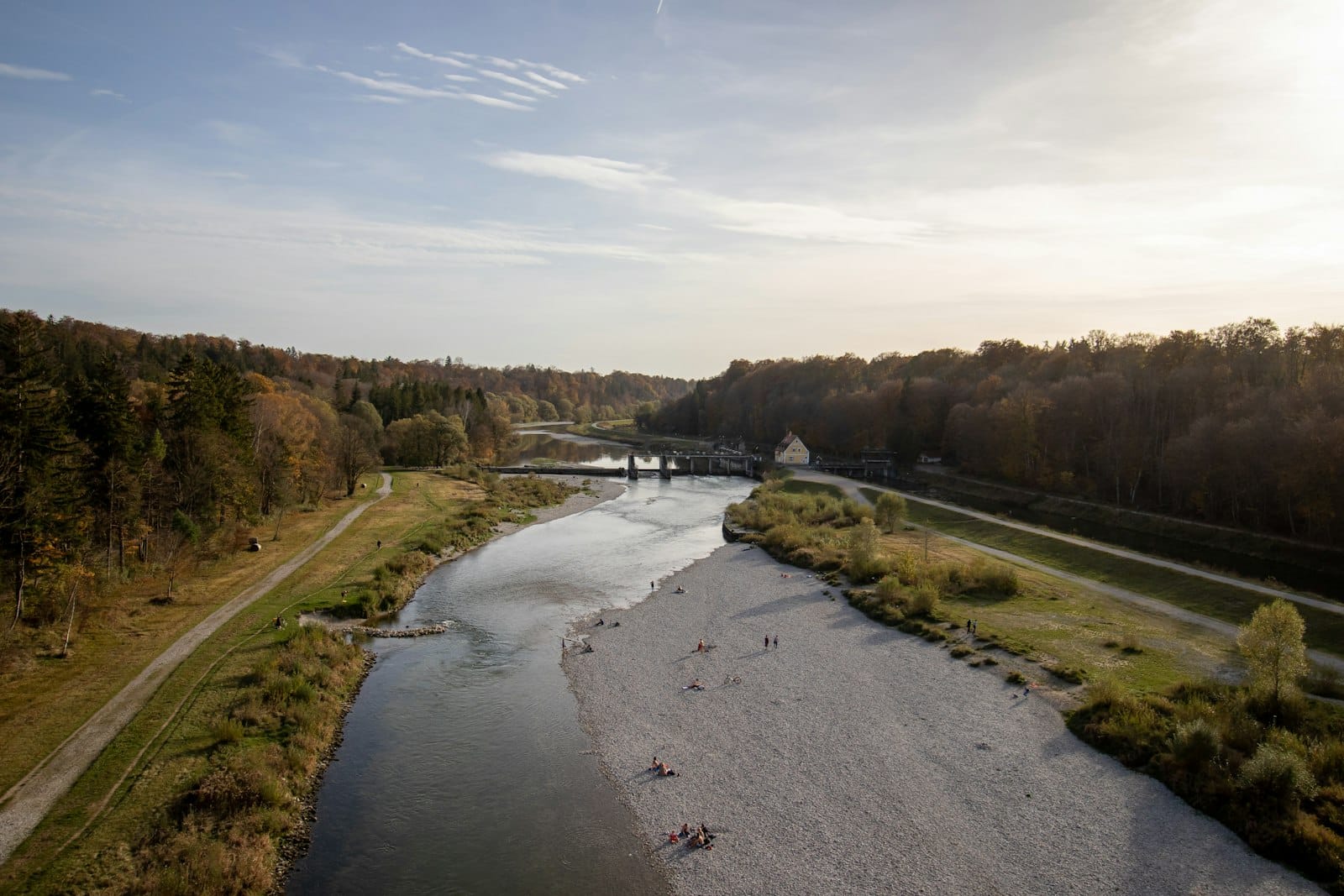
16. Swim, Sunbathe, and Barbecue on Munich's Restored Isar Gravel Banks
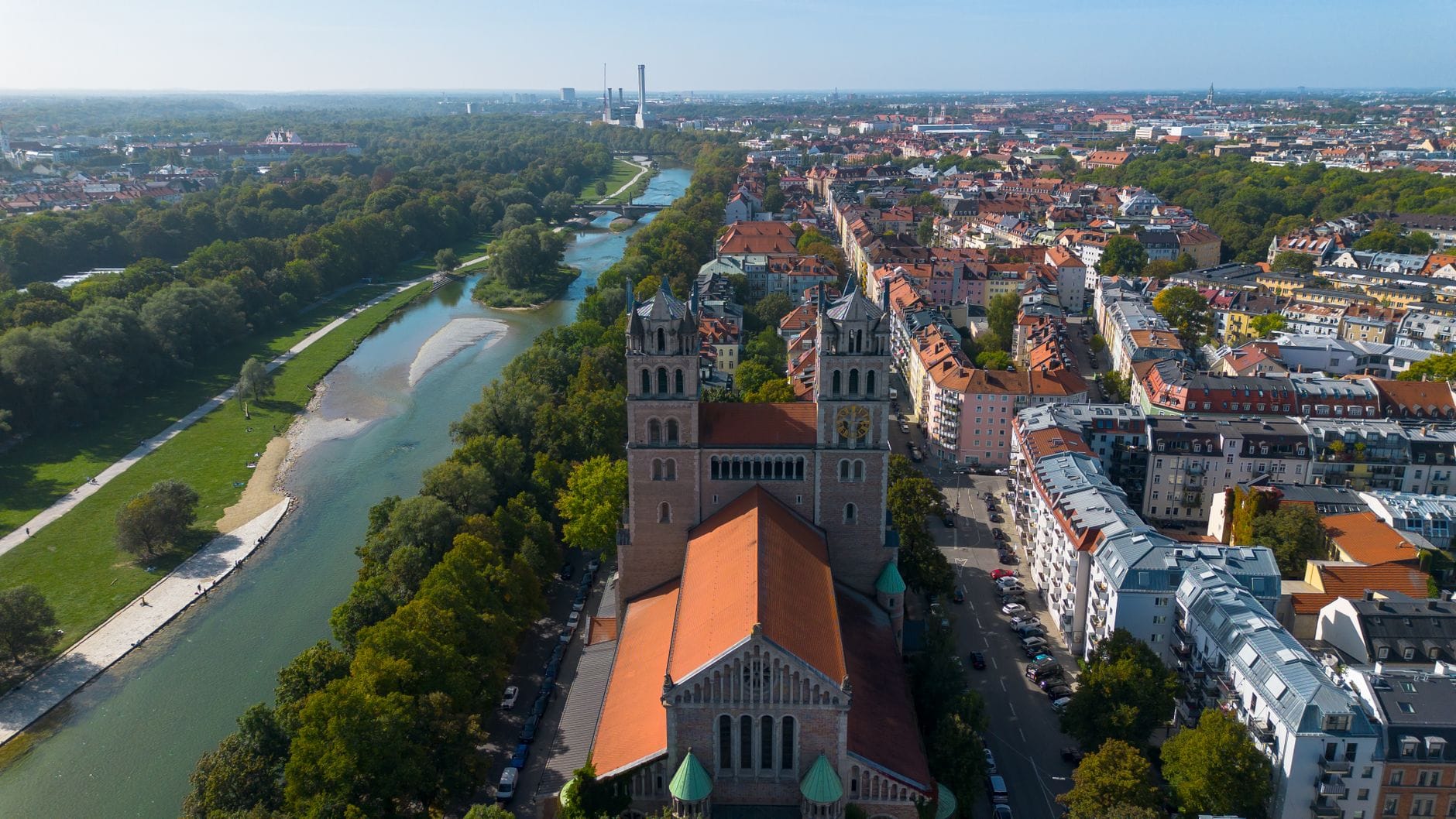
Munich's river has been restored to a semi-wild state, and on warm days locals fill the gravel banks to swim in the clear, fast water. There are no facilities and no admission charge. The Isarauen is where the city truly relaxes, away from tourist attractions entirely.
Explore16. Swim, Sunbathe, and Barbecue on Munich's Restored Isar Gravel Banks
Munich's river has been restored to a semi-wild state, and on warm days locals fill the gravel banks to swim in the clear, fast water. There are no facilities and no admission charge. The Isarauen is where the city truly relaxes, away from tourist attractions entirely.
Explore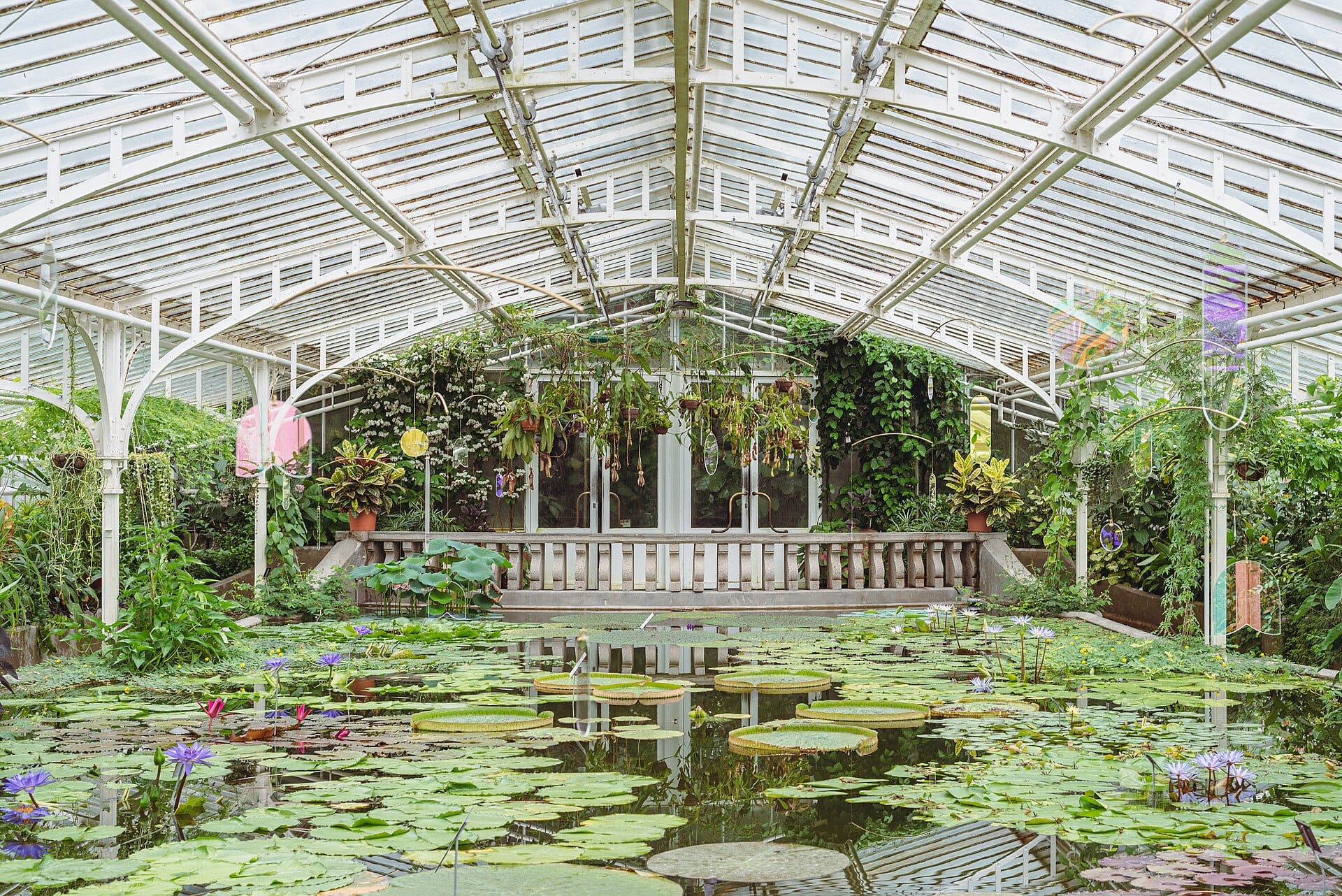
17. Escape the City in Nymphenburg's World-Class Botanical Garden
Adjacent to Nymphenburg Palace but independently visited, this botanical garden holds 19,000 plant species across greenhouses, an alpine rock garden, and themed beds. Spring bloom season is exceptional. Entrance fees are low and the garden is rarely crowded.
Explore17. Escape the City in Nymphenburg's World-Class Botanical Garden
Adjacent to Nymphenburg Palace but independently visited, this botanical garden holds 19,000 plant species across greenhouses, an alpine rock garden, and themed beds. Spring bloom season is exceptional. Entrance fees are low and the garden is rarely crowded.
Explore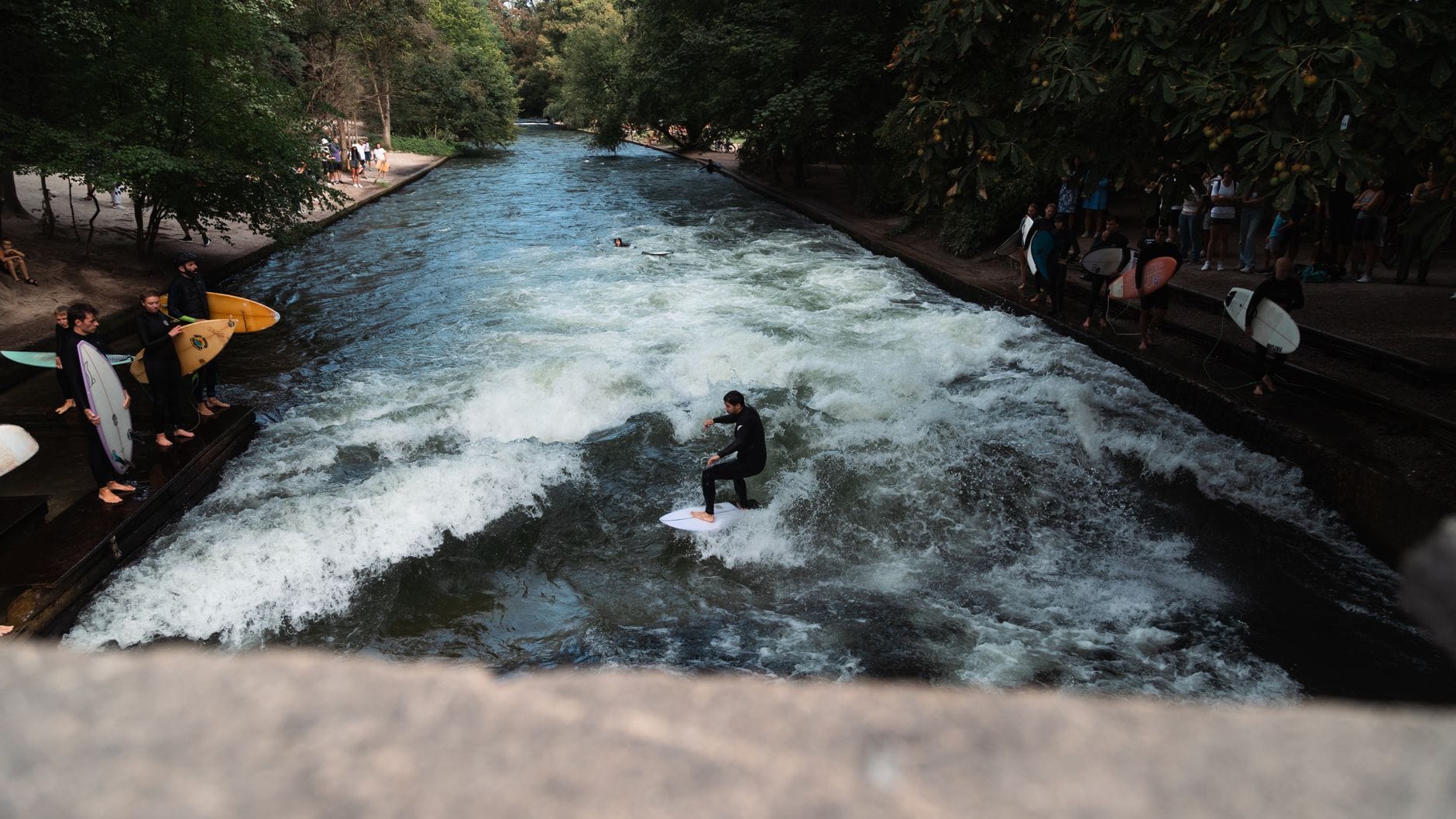
18. Watch Urban Surfers Ride a Standing River Wave Year-Round
At the southern edge of the English Garden, skilled surfers ride a permanent wave on the Eisbach stream in all weathers, year-round. It costs nothing to watch, takes five minutes from the city center, and surprises almost every visitor who encounters it for the first time.
Explore18. Watch Urban Surfers Ride a Standing River Wave Year-Round
At the southern edge of the English Garden, skilled surfers ride a permanent wave on the Eisbach stream in all weathers, year-round. It costs nothing to watch, takes five minutes from the city center, and surprises almost every visitor who encounters it for the first time.
ExploreOff-Radar Landmarks Worth Seeking Out
💡 Local tip
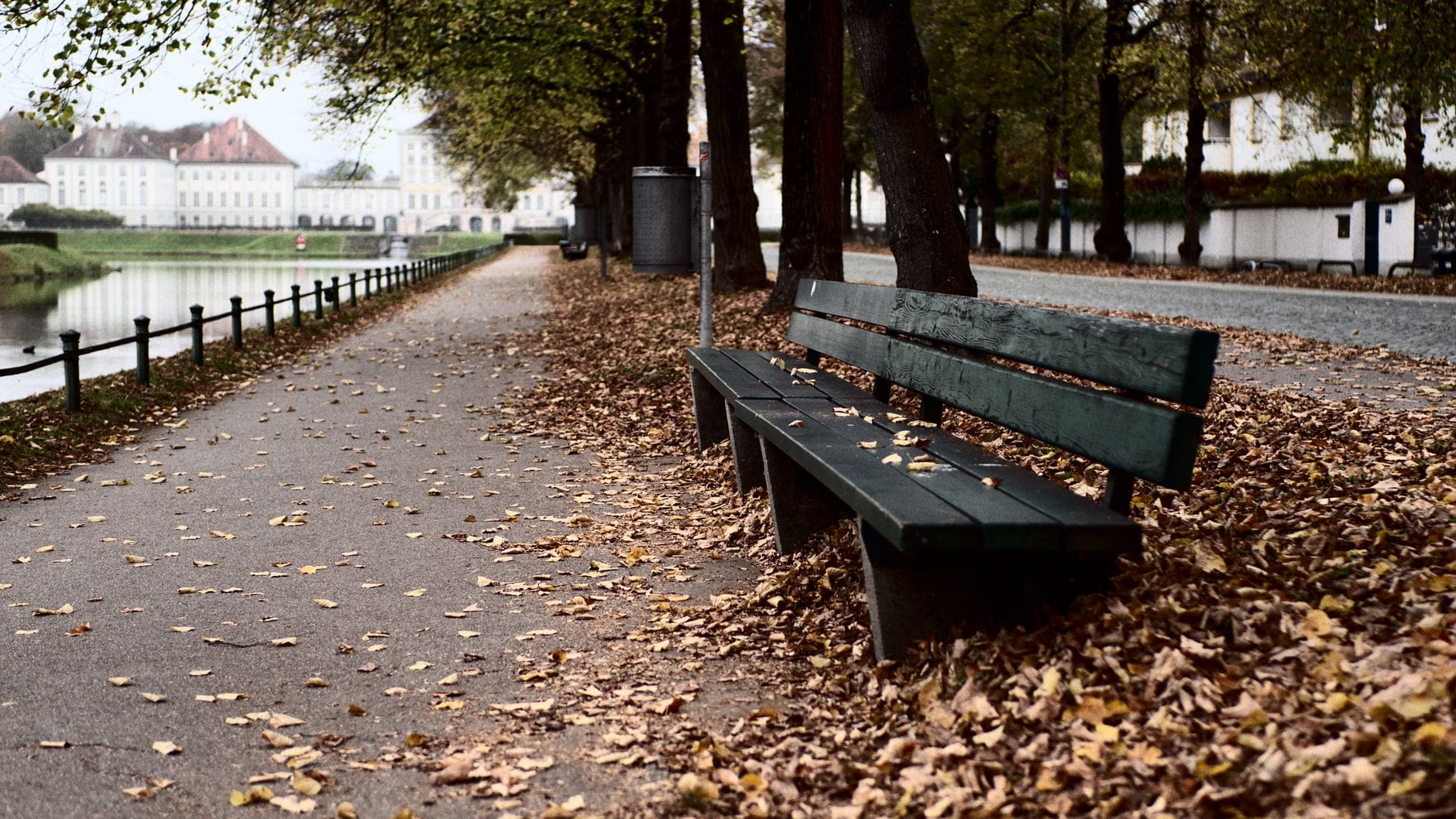
Several of these lesser-known sights cluster in Maxvorstadt and Nymphenburg, both easily reached by U-Bahn. Combining two or three in a single afternoon is straightforward without needing a car or taxi.
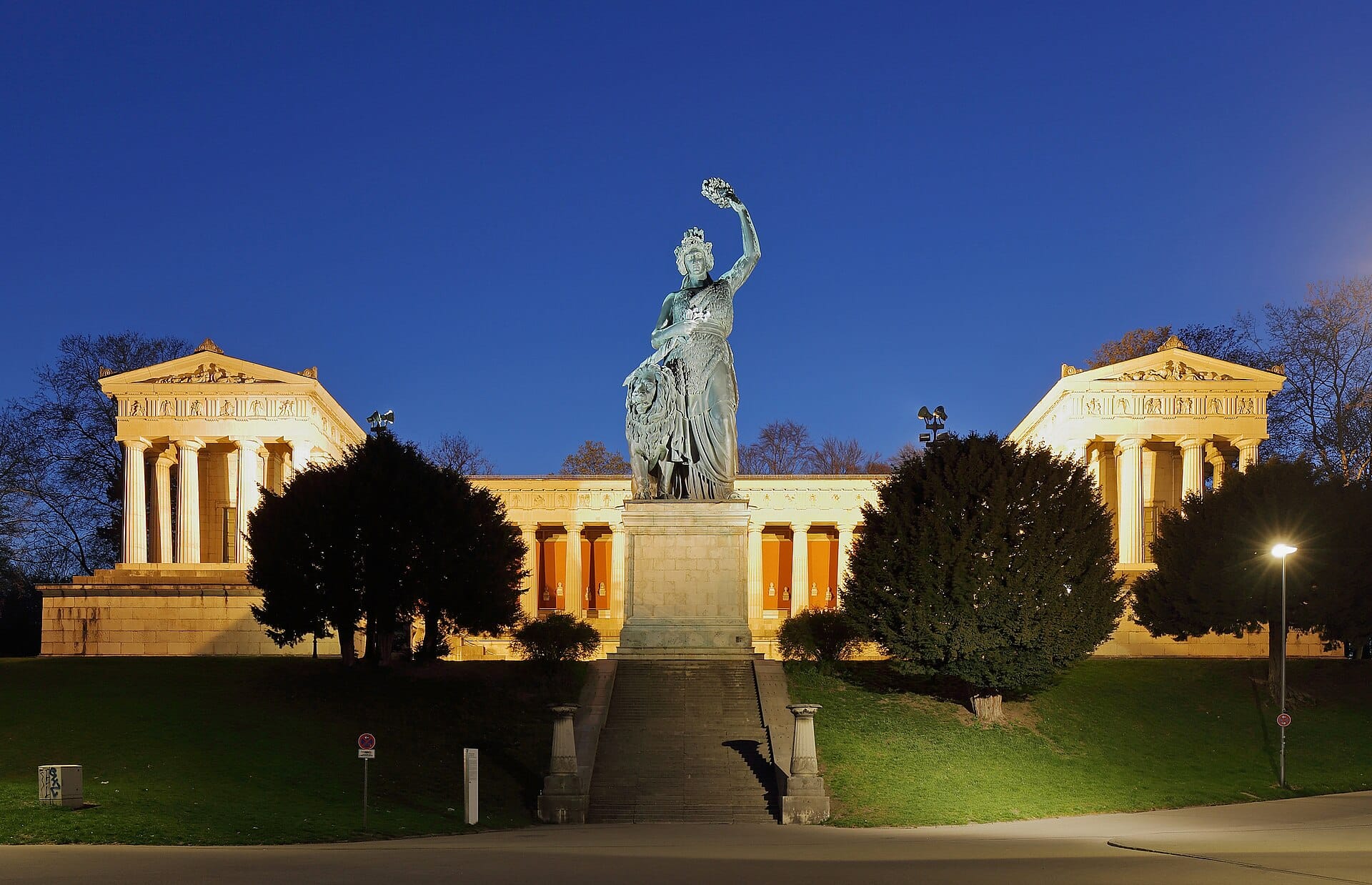
19. Climb Inside the Bavaria Statue's Head for a Unique City View
This 18.5-meter hollow bronze statue near Theresienwiese is one of the world's first large hollow metal sculptures. A narrow internal staircase leads up to the head, where small windows offer a peculiar close-up view over the Oktoberfest grounds and city skyline.
Explore19. Climb Inside the Bavaria Statue's Head for a Unique City View
This 18.5-meter hollow bronze statue near Theresienwiese is one of the world's first large hollow metal sculptures. A narrow internal staircase leads up to the head, where small windows offer a peculiar close-up view over the Oktoberfest grounds and city skyline.
Explore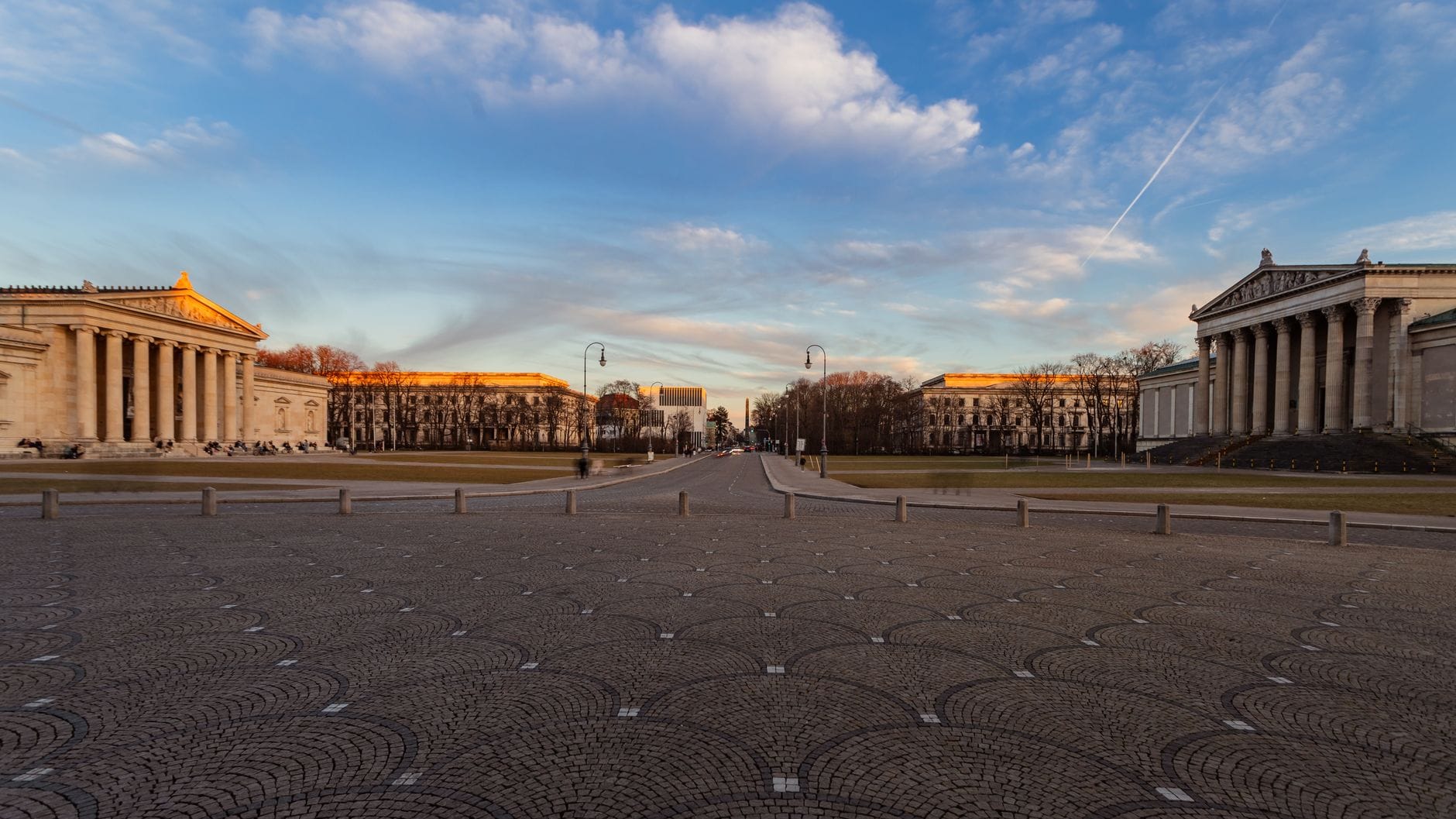
20. Find Munich's Quiet 'German Acropolis' That Most Visitors Overlook
Flanked by the Glyptothek and Antikensammlungen, this monumental neoclassical square was designed as a grand cultural statement and is arguably Munich's most architecturally coherent public space. On a quiet morning, it feels genuinely ancient. Summer concerts are held here too.
Explore20. Find Munich's Quiet 'German Acropolis' That Most Visitors Overlook
Flanked by the Glyptothek and Antikensammlungen, this monumental neoclassical square was designed as a grand cultural statement and is arguably Munich's most architecturally coherent public space. On a quiet morning, it feels genuinely ancient. Summer concerts are held here too.
Explore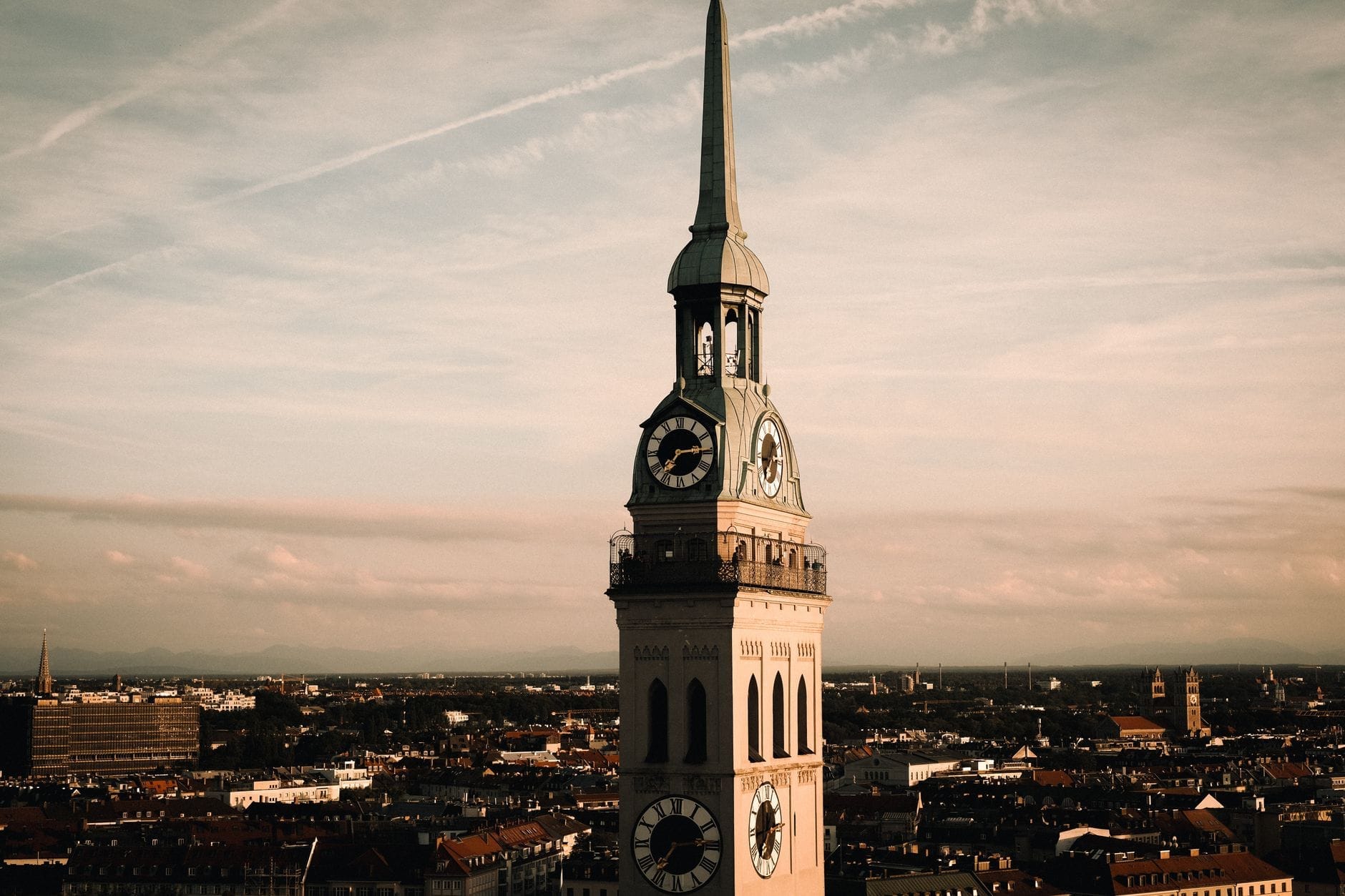
21. Climb Alter Peter's Tower for the Best Close-Up View Over the Altstadt
Munich's oldest parish church offers a 306-step climb to its 91-meter tower, rewarding you with an intimate rooftop panorama over Altstadt tiles and, on clear days, the Alps. Inside, the reliquary of Saint Munditia, a skeleton in glass and gemstones, is genuinely unsettling.
Explore21. Climb Alter Peter's Tower for the Best Close-Up View Over the Altstadt
Munich's oldest parish church offers a 306-step climb to its 91-meter tower, rewarding you with an intimate rooftop panorama over Altstadt tiles and, on clear days, the Alps. Inside, the reliquary of Saint Munditia, a skeleton in glass and gemstones, is genuinely unsettling.
Explore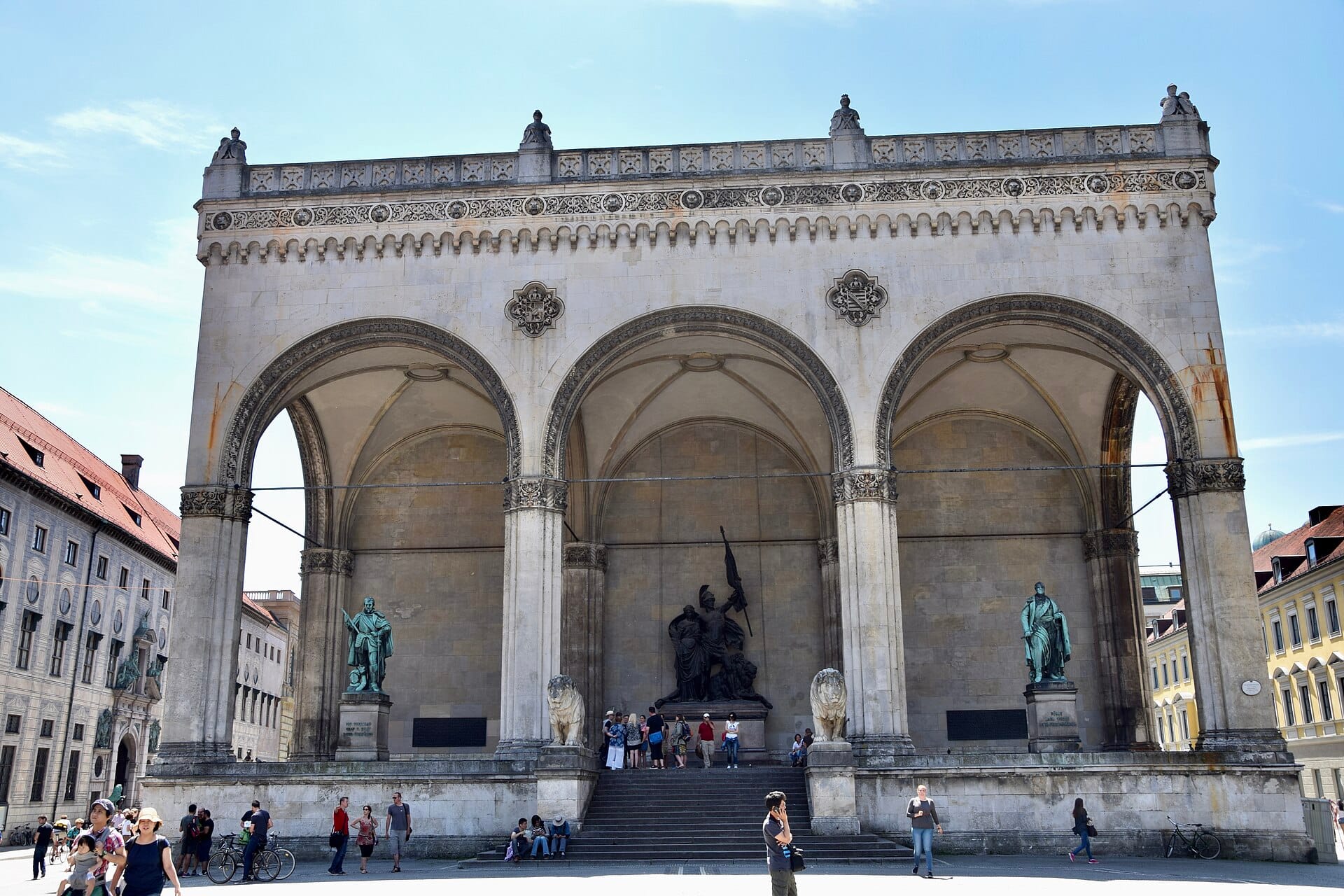
22. Stand at the Most Historically Charged Corner of Odeonsplatz
This Florentine-inspired loggia on Odeonsplatz is familiar from photos, but few visitors know it as the exact spot where Hitler's Beer Hall Putsch ended in gunfire in 1923. The story behind this monument is as important as its architecture. Admission is free.
Explore22. Stand at the Most Historically Charged Corner of Odeonsplatz
This Florentine-inspired loggia on Odeonsplatz is familiar from photos, but few visitors know it as the exact spot where Hitler's Beer Hall Putsch ended in gunfire in 1923. The story behind this monument is as important as its architecture. Admission is free.
ExploreFAQ
What are the best free hidden gems in Munich?
Several of Munich's lesser-known sights cost nothing to visit. The Eisbach river wave, the Isar gravel banks, Königsplatz, the Feldherrnhalle, and the exterior and grounds of Schloss Schleissheim and Nymphenburg Palace are all free to access. The Munich Botanical Garden and Bavaria Statue have small entrance fees but are very affordable.
How do I reach Munich's off-the-beaten-path attractions by public transport?
Munich's U-Bahn, S-Bahn, and tram network covers virtually all the attractions in this guide. Königsplatz and the Lenbachhaus are served by U2, the Hirschgarten beer garden is a short walk from the S-Bahn station München Hirschgarten (served by several S-Bahn lines), and Schloss Schleissheim is reachable by S1 to Oberschleissheim. The MVV network is the same unified ticketing system used for central sights.
Are Munich's hidden gems suitable for visiting in winter?
Most indoor attractions, including the Villa Stuck, Lenbachhaus, Cuvilliés Theatre, Glyptothek, and NS-Dokumentationszentrum, are open year-round and make excellent cold-weather destinations. Outdoor spaces like the Isar banks and Botanical Garden are accessible in winter but are best appreciated from spring to autumn.
Which Munich hidden gem is best for architecture lovers?
The Asamkirche is the most surprising: a tiny private Baroque church on a busy shopping street that packs an extraordinary density of gilded decoration into 28 meters. Schloss Schleissheim is the best choice for those willing to travel slightly outside the city centre for a near-empty Baroque palace experience.
Is the Cuvilliés Theatre open to visitors when there are no performances?
Yes, the Cuvilliés Theatre inside the Munich Residenz complex is open to visitors during the day as a standalone ticketed attraction. It's separate from the main Residenz Museum ticket. Check opening hours on the official Bayerische Schlösserverwaltung website before visiting, as hours adjust seasonally and around performance schedules.
Tickets & tours
Live prices and dates from our booking partner. If you book, we may earn a commission at no extra cost to you.
Planning a trip? Discover personalized activities with the Nomado app.