Munich to Frankfurt: Train, Flight, Bus & Road Trip — Which Is Best?
The Munich to Frankfurt corridor is one of Germany's most traveled routes, and you have four real options: train, flight, bus, or car. This guide breaks down journey times, realistic costs, seasonal factors, and which mode of transport actually makes sense for your trip.
Tickets & tours
Live prices and dates from our booking partner. If you book, we may earn a commission at no extra cost to you.
TL;DR
- The direct train (Munich Hauptbahnhof to Frankfurt Hauptbahnhof) takes around 3h 15m–3h 40m and is the most practical option for most travelers, with up to 22 direct services daily.
- Flights take under an hour in the air, but door-to-door journey time is typically 3–3.5 hours once you factor in airport transfers on both ends — rarely faster than the train.
- Bus (FlixBus) is the cheapest option at around €17–22, but takes nearly 5–6 hours, making it best for budget travelers with flexible schedules.
- Driving via the A9/A3 autobahn covers roughly 397 km and takes 3–3.5 hours in normal conditions, but summer weekends and holiday traffic can push that to 5–6 hours. Check out getting around Munich before you set off.
- Book trains at least a few days ahead on Deutsche Bahn's website for the best Sparpreis fares — last-minute ICE tickets can be several times the cheapest advance price.
The Route at a Glance: Distances and Journey Times
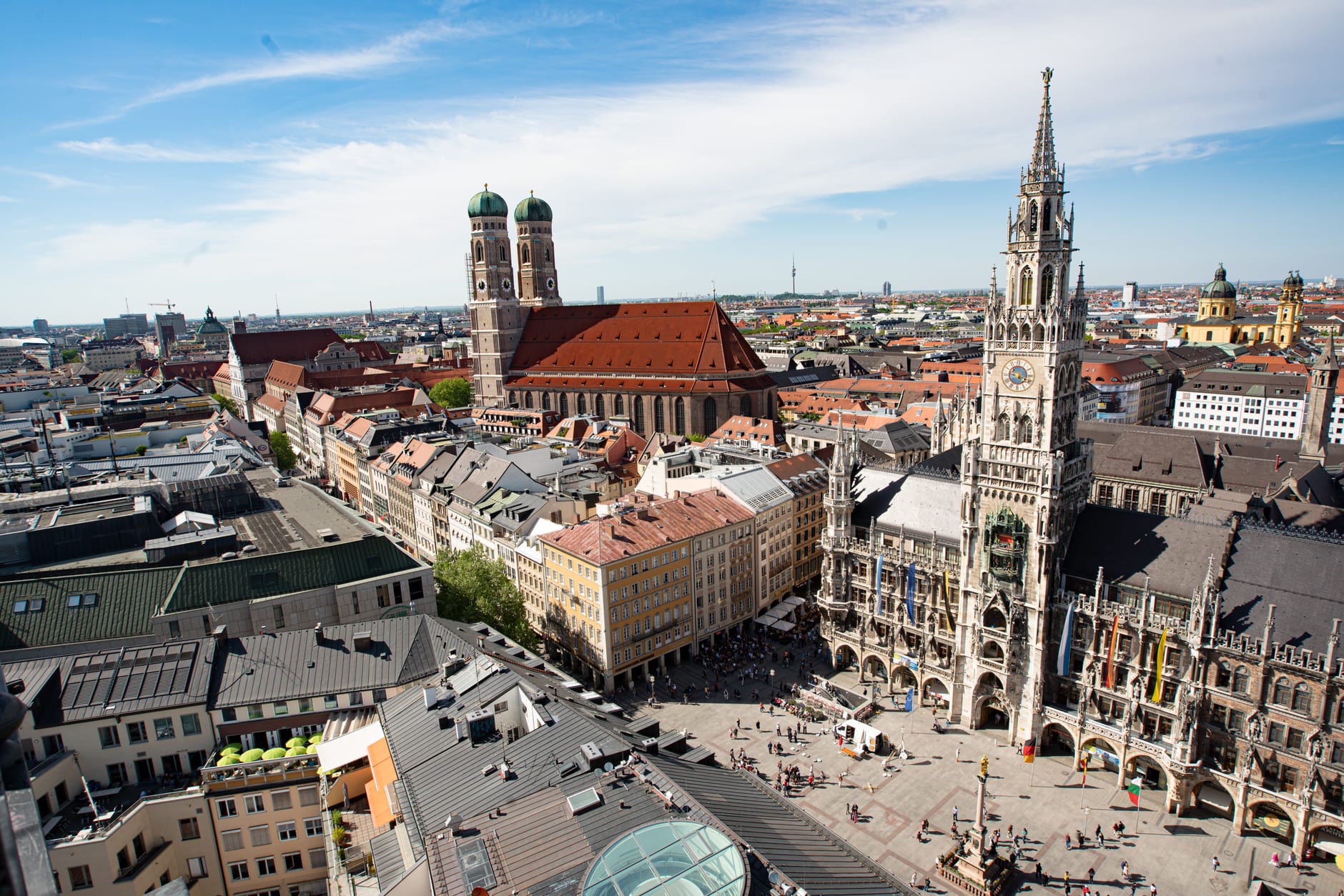
Munich (München) and Frankfurt am Main are separated by roughly 304 km as the crow flies, but the actual travel distance depends heavily on your mode of transport. By rail the distance is approximately 304 km; by road via the autobahn it stretches to around 370 km. These aren't two obscure German cities with limited connections — this is one of the country's busiest intercity corridors, with multiple direct train, bus, and flight options running throughout the day.
- Train ~304 km, 3h 10m–3h 40m direct (Munich Hbf to Frankfurt Hbf), up to 14 direct trains daily
- Flight ~55 min airborne, but 3–3.5 hours door-to-door from city centre to city centre
- Bus (FlixBus) ~4h 45m–5h 58m, roughly hourly departures from Munich Central Bus Station
- Driving ~397 km via A9/A3, 3–3.5 hours in light traffic, 5–6 hours with congestion
ℹ️ Good to know
Munich is Germany's third-largest city (population over 1.6 million) and the capital of Bavaria, sitting about 55 km north of the Alps. Frankfurt, by contrast, is Germany's financial capital and home to its busiest international airport. The two cities represent quite different sides of the country — Bavarian tradition versus international finance — which makes this a common itinerary pairing for business and leisure travelers alike.
Traveling by Train: The Most Practical Choice
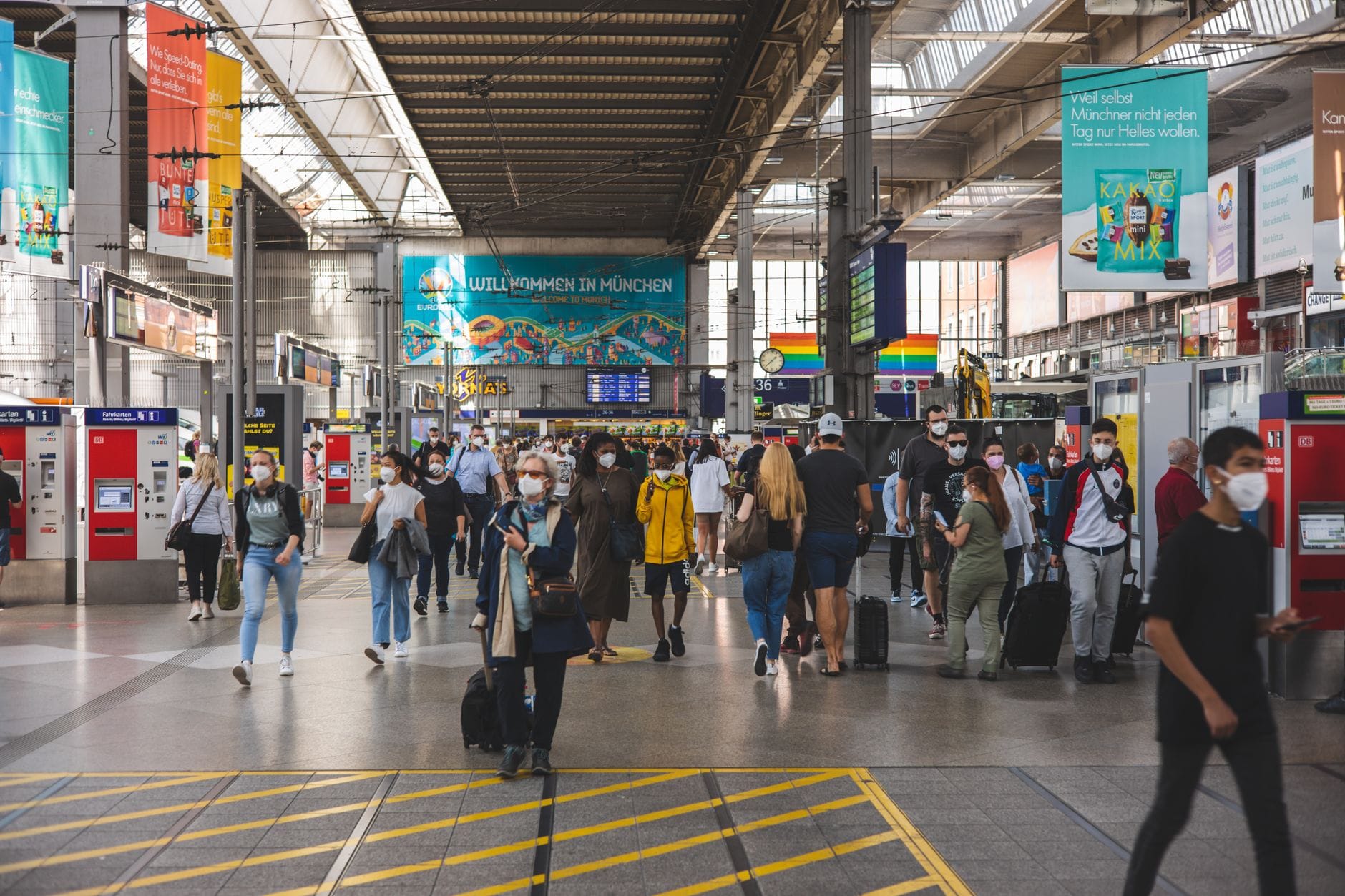
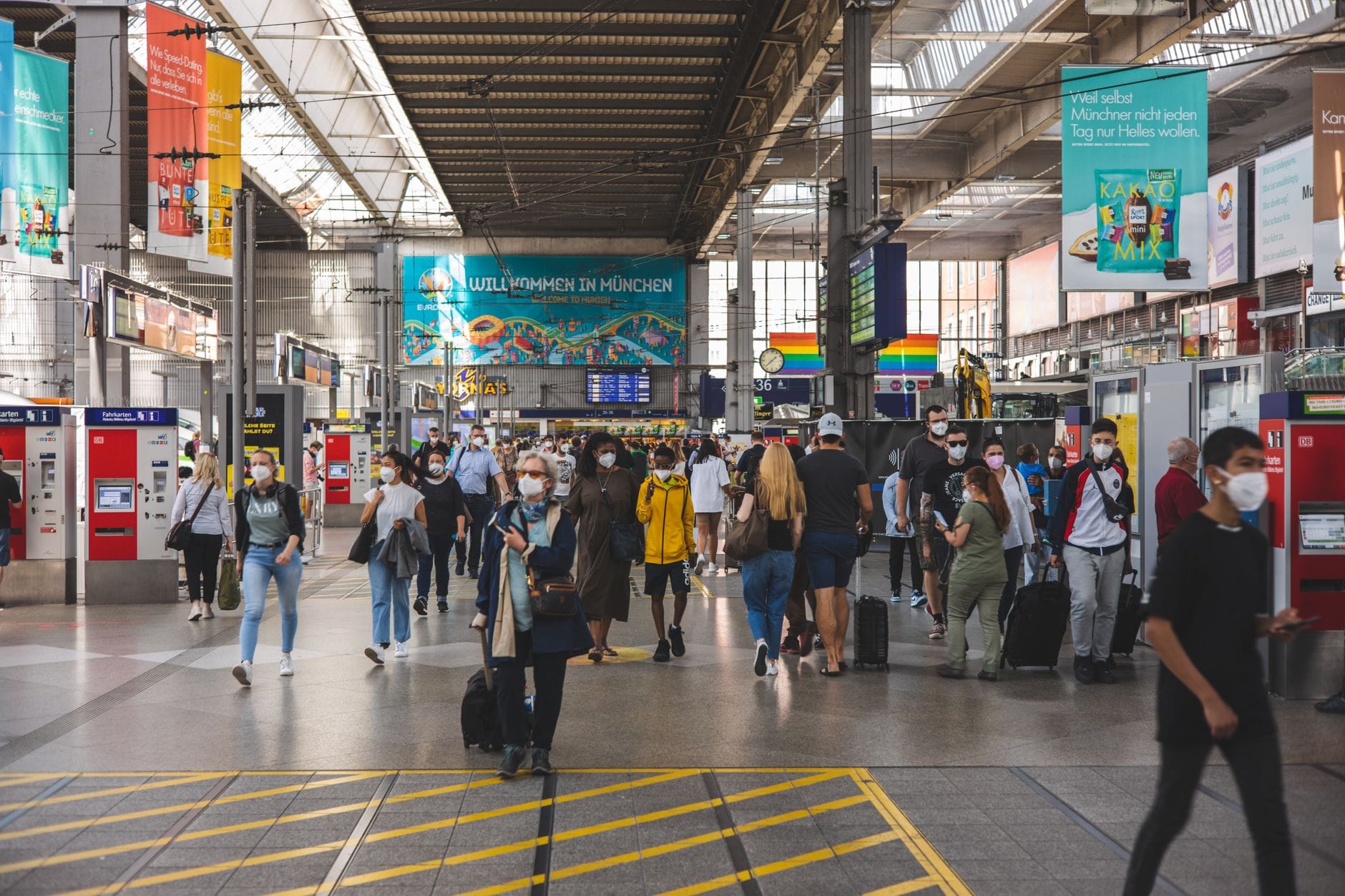
For most people making the Munich to Frankfurt journey, the train is the clear winner. Deutsche Bahn runs ICE (Intercity-Express) and IC (Intercity) services on this route, with approximately 36 departures per day from Munich Hauptbahnhof (Hbf), of which up to 22 are direct with no changes required. ÖBB also operates EuroCity trains on this corridor. Services run from early morning to late evening, so you're not locked into a narrow window.
The key practical advantage of the train is station-to-station convenience. Both Munich Hbf and Frankfurt Hbf are central stations with excellent onward public transport connections — no hour-long airport transfers eating into your day. If you're staying near Munich's Altstadt, Munich Hauptbahnhof is reachable in under 15 minutes by U-Bahn. On the Frankfurt end, you step out into the heart of the city. That's a meaningful time saving compared to flying.
- Cheapest advance fares From around €9–€11 with Deutsche Bahn's Sparpreis tickets booked well in advance — these sell out fast on popular departure times
- Standard flexible fares Typically €75–€85+ for a full-fare IC ticket with no booking restrictions
- Rail passes Eurail passes cover this route, though a reservation fee still applies for ICE services
- Booking platform Book directly at bahn.com for the widest selection; Omio and similar aggregators are useful for price comparison
✨ Pro tip
Tuesday is often the cheapest day for train travel on this route, according to pricing data from Trip.com. If your schedule is flexible, avoid Friday afternoons and Sunday evenings, when the trains fill up with commuters and business travelers and prices rise accordingly. Book 4–6 weeks ahead for the best Sparpreis fares.
Flying Munich to Frankfurt: Fast in the Air, Slow on the Ground
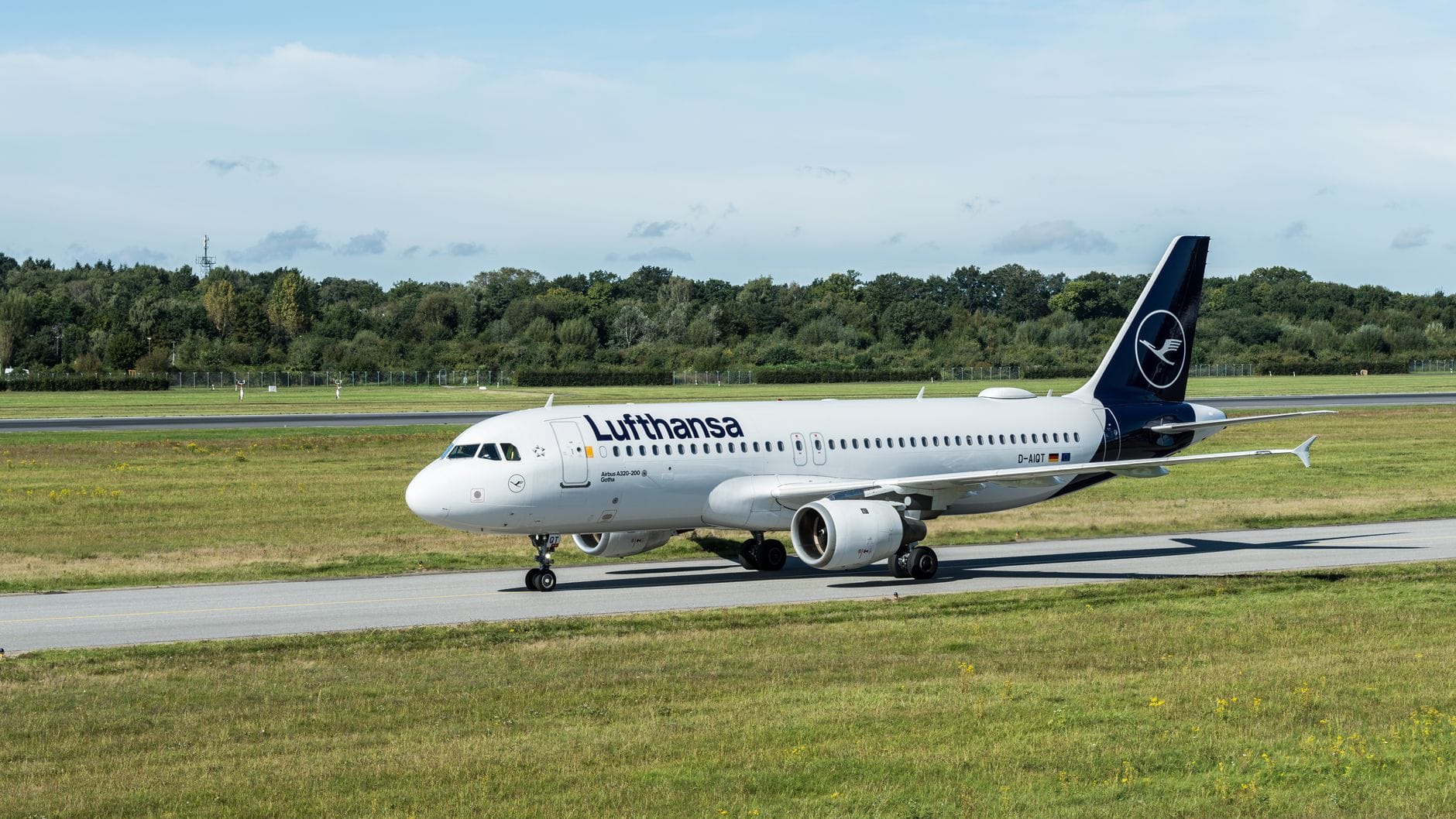
The flight from Munich Airport (MUC) to Frankfurt Airport (FRA) is genuinely short — around 55 minutes airborne. Lufthansa operates the route with near-hourly frequency. On paper, that sounds compelling. In practice, the math rarely works out in flying's favor.
Getting from central Munich to MUC takes 35–45 minutes by S-Bahn (lines S1 or S8) from Munich Hauptbahnhof, plus you'll want to arrive at the airport 60–90 minutes before departure for domestic/Schengen flights. On the Frankfurt side, FRA is a massive airport — navigating terminals and then taking the Airport City Rail Link (S-Bahn) into central Frankfurt adds another 30–40 minutes minimum. Add it all up and you're looking at 3–3.5 hours door-to-door on a good day, which is roughly the same as the train. See the full breakdown in our Munich Airport guide for transfer timing details.
When does flying make sense? Primarily when you find a cheap fare combined with a very early morning flight (avoiding peak S-Bahn crowd times), or when you're already at the airport for another reason. Typical one-way fares often run €65–€200 for economy — comparable to or more expensive than a flexible train ticket, without the city-centre convenience. For a standard day trip or short break, flying is usually the least efficient option.
⚠️ What to skip
Don't assume flying is faster just because the flight time is short. Munich Airport is 28–30 km northeast of central Munich. Factor in both airport transfers, security queuing, and potential delays, and the actual city-to-city journey time often matches or exceeds the train. Flying makes more sense if you're departing from or arriving at the airport for a separate flight connection.
Bus Travel: The Budget Option Worth Considering
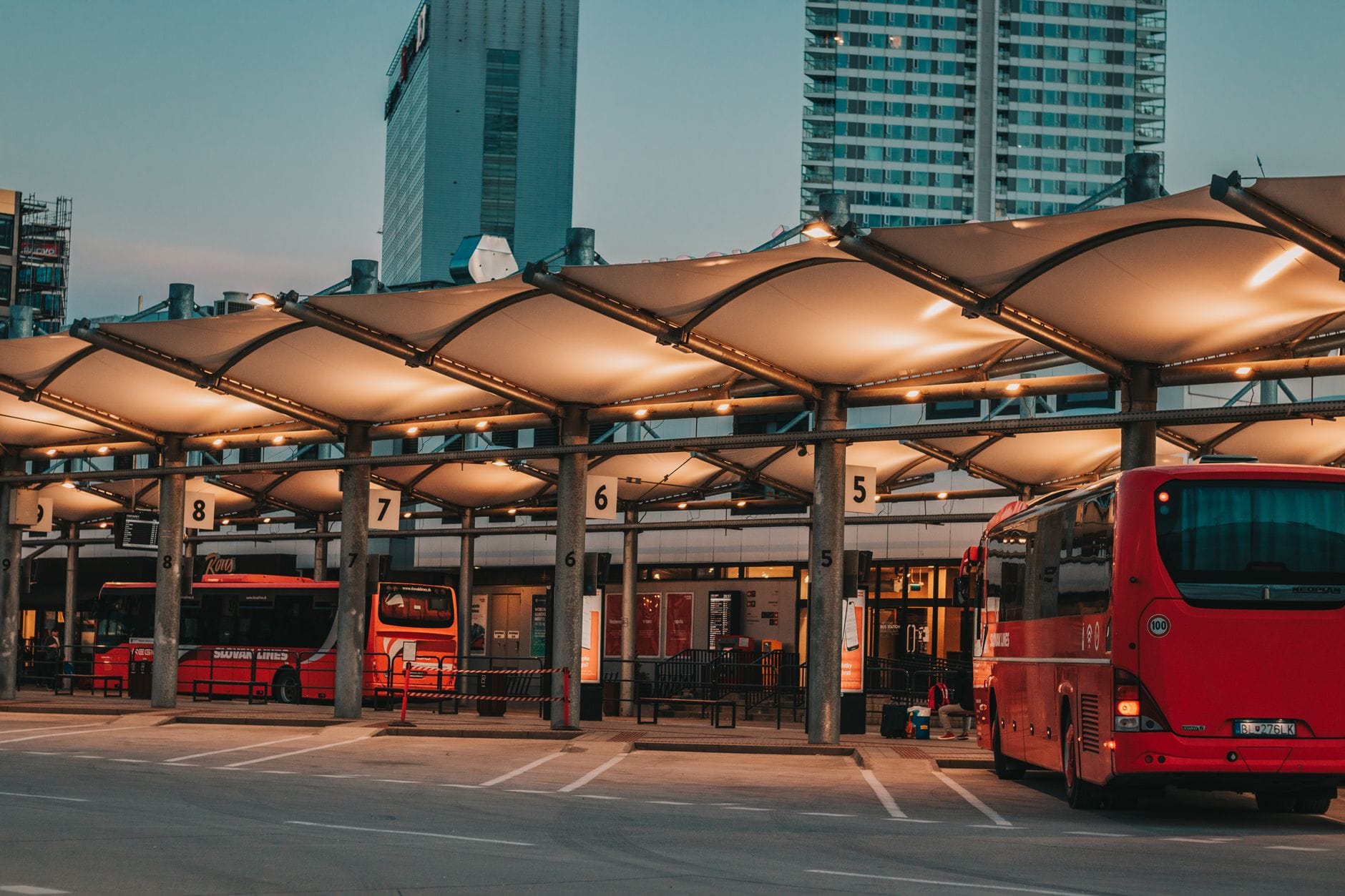
FlixBus runs frequent direct services between Munich's Central Bus Station (Zentraler Omnibusbahnhof, ZOB) and Frankfurt, with departures roughly every 2 hours throughout the day. The journey takes 4h 45m to nearly 6 hours depending on traffic and the specific route. Average fares sit around €17–€22 according to Omio, though early booking can bring prices lower and last-minute bookings higher.
The bus is not a comfortable choice if you're time-sensitive or prone to motion sickness on German autobahns. But for budget travelers, students, or anyone on a flexible schedule who doesn't mind spending an extra couple of hours in transit, it's a legitimate option. Modern FlixBus coaches have WiFi, power outlets, and reasonable legroom, so the time isn't entirely wasted. The key drawback is unpredictability: autobahn congestion, particularly on summer Fridays and public holiday weekends, can push journey times well beyond the scheduled duration.
Driving Munich to Frankfurt: Route Options and When It's Worth It
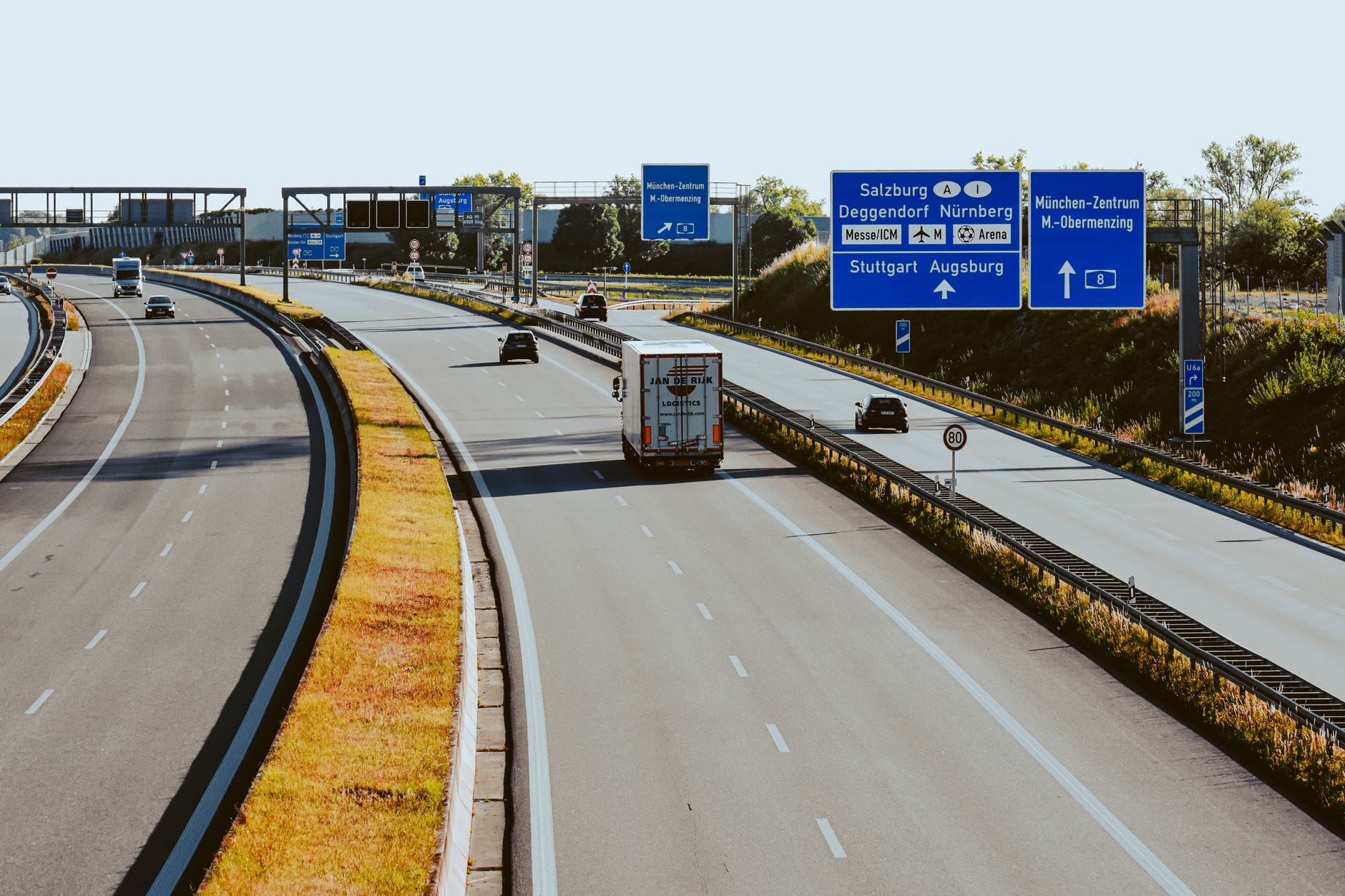
The standard driving route between Munich and Frankfurt uses the A9 autobahn northward from Munich toward Nuremberg, then the A3 westward to Frankfurt. Total distance is around 370 km, and in normal traffic the drive takes about 3.5–4 hours. Germany's autobahn network has no general speed limit on many stretches, though advisory limits of 130 km/h apply, and construction zones or heavy traffic sections impose restrictions.
Driving makes the most sense when you're traveling with a group (splitting car hire costs), carrying significant luggage, or planning stops along the way. The A9/A3 corridor passes through Nuremberg, which is worth a stop in its own right. For a more scenic alternative, the route via A5 through Karlsruhe and Stuttgart, or via Ulm and Augsburg, adds time but passes through more varied landscapes. A leisurely route via Heidelberg and the Neckar River valley is appealing for those in no rush.
- Fastest route A9 (Munich–Nuremberg) + A3 (Nuremberg–Frankfurt): ~397 km, 3–3.5 hours in light traffic
- Scenic via Ulm/Augsburg A8 west to Ulm, then northward — adds scenic detours, easy rest stops
- Scenic via Stuttgart/Karlsruhe A8 to Stuttgart, then A5 north — longer but passes through Baden-Württemberg
- Romantic route via Heidelberg Non-autobahn options via Neckar Valley — significantly longer (5+ hours) but ideal for a multi-day road trip
One practical consideration: parking in central Frankfurt is expensive and logistically awkward. If you're driving, plan where you'll leave the car before you arrive. Road trip planning works best when Munich is your base — day trips from Munich by car cover a wide range of options if you want to break the journey with stops at castles or smaller Bavarian towns along the way.
⚠️ What to skip
German autobahn traffic during summer school holidays (late June to early August, varying by state) and around major public holidays like Pfingstmontag (Whit Monday) or Tag der Deutschen Einheit (3 October) can be severe. The ADAC (Germany's equivalent of the AA/AAA) publishes regular traffic forecasts — check these before driving on holiday weekends. A 3.5-hour drive can become a 6-hour ordeal.
Comparing Your Options: A Practical Summary
There's no single right answer for every traveler, but there is a logical framework. If you're traveling solo or as a couple without excessive luggage, value your time, and want a reliable schedule, the direct train is almost always the best choice. It's fast, frequent, city-centre to city-centre, and reasonably priced if booked ahead.
Flights win on specific scenarios: cheap fare, you're already heading to or from the airport, or you're combining with an onward international connection at FRA. Otherwise, the overhead of two airport transfers makes flying a poor choice for this particular city pair. Budget travelers who don't mind the extra 1.5–2 hours in transit should seriously consider the bus — it's significantly cheaper than even discounted train tickets when booked in advance. Drivers benefit most from the flexibility to stop, explore, and travel with a group. If you want to extend your time in Bavaria before heading to Frankfurt, check the 3 days in Munich itinerary before planning your departure.
If Frankfurt is just one stop on a broader Germany itinerary, it's worth knowing that the Munich rail network also connects efficiently to other major cities. The same planning logic applies to routes like Munich to Vienna by train or Munich to Prague — Germany and Austria's rail infrastructure makes train travel consistently competitive with flying for journeys under 4 hours.
FAQ
How long does the train from Munich to Frankfurt take?
Direct trains between Munich Hauptbahnhof and Frankfurt Hauptbahnhof typically take about 3 hours 15 minutes to 3 hours 40 minutes, depending on the service. Deutsche Bahn operates up to 22 direct services daily, with ICE trains generally the fastest. Allow extra time at each end for getting to and from the stations.
Is it faster to fly or take the train from Munich to Frankfurt?
The flight itself is only about 55 minutes, but when you add transfers to Munich Airport (35–45 min by S-Bahn), airport security and check-in (60–90 min), and the transfer from Frankfurt Airport into the city (30–40 min), total door-to-door time is typically 3–3.5 hours — roughly the same as the direct train. The train is almost always more convenient for city-to-city travel.
How much does the train from Munich to Frankfurt cost?
Prices vary significantly based on how far in advance you book. Sparpreis advance tickets on Deutsche Bahn can start as low as about €14–€18, while flexible full-fare tickets for IC/ICE services typically run €75–€85 or more. Booking 4–6 weeks ahead gives you the best chance of securing cheaper fares on popular departure times.
What is the fastest driving route from Munich to Frankfurt?
The fastest route uses the A9 autobahn from Munich northward toward Nuremberg, then the A3 westward to Frankfurt. Total distance is around 370 km and the drive takes about 3.5–4 hours in normal traffic. Avoid this drive on major holiday weekends and summer Fridays, when congestion on the A9 corridor can significantly extend journey times.
Is the bus from Munich to Frankfurt worth it?
FlixBus offers frequent direct services at average fares around €17–€22, making it the cheapest option on this route. The trade-off is journey time: 4h 45m to nearly 6 hours, with variability depending on traffic. It's a reasonable choice for budget-conscious travelers with flexible schedules, less so for those prioritizing speed or reliability.
Tickets & tours
Live prices and dates from our booking partner. If you book, we may earn a commission at no extra cost to you.
Planning a trip? Discover personalized activities with the Nomado app.