Munich 1972 Olympics: History, Legacy & What to See Today
The 1972 Munich Olympics were supposed to redefine Germany's image on the world stage. They did, but not in the way anyone intended. This guide covers the full story: the groundbreaking design, the athletic records, the tragedy of September 5th, and how Olympiapark stands today as both a leisure destination and a site of memory.
Tickets & tours
Live prices and dates from our booking partner. If you book, we may earn a commission at no extra cost to you.
TL;DR
- The Munich Olympics ran 26 August to 11 September 1972, featuring 7,173 athletes from 121 nations across 195 events.
- West Germany branded them the "Cheerful Games" (heitere Spiele) to project a democratic, open national image after the shadow of the 1936 Berlin Olympics.
- On 5 September 1972, the Black September attack killed 11 Israeli team members and one German police officer, permanently defining how the world remembers Munich 1972.
- The venue complex, Olympiapark München, is still open year-round and has attracted over 230 million visitors since 1972.
- Visitors can walk the park, view the Olympiastadion and Olympiaturm from outside, and find the memorial plaques at the former Olympic Village, all accessible via public transport. Note that the Olympic Tower has been closed for renovation since 1 June 2024 (expected reopening late 2027) and the Olympic Stadium has been closed for renovation since September 2025 (roughly 2–3 years), so tower ascents and stadium/roof tours are unavailable in 2026.
Why Munich Got the 1972 Games
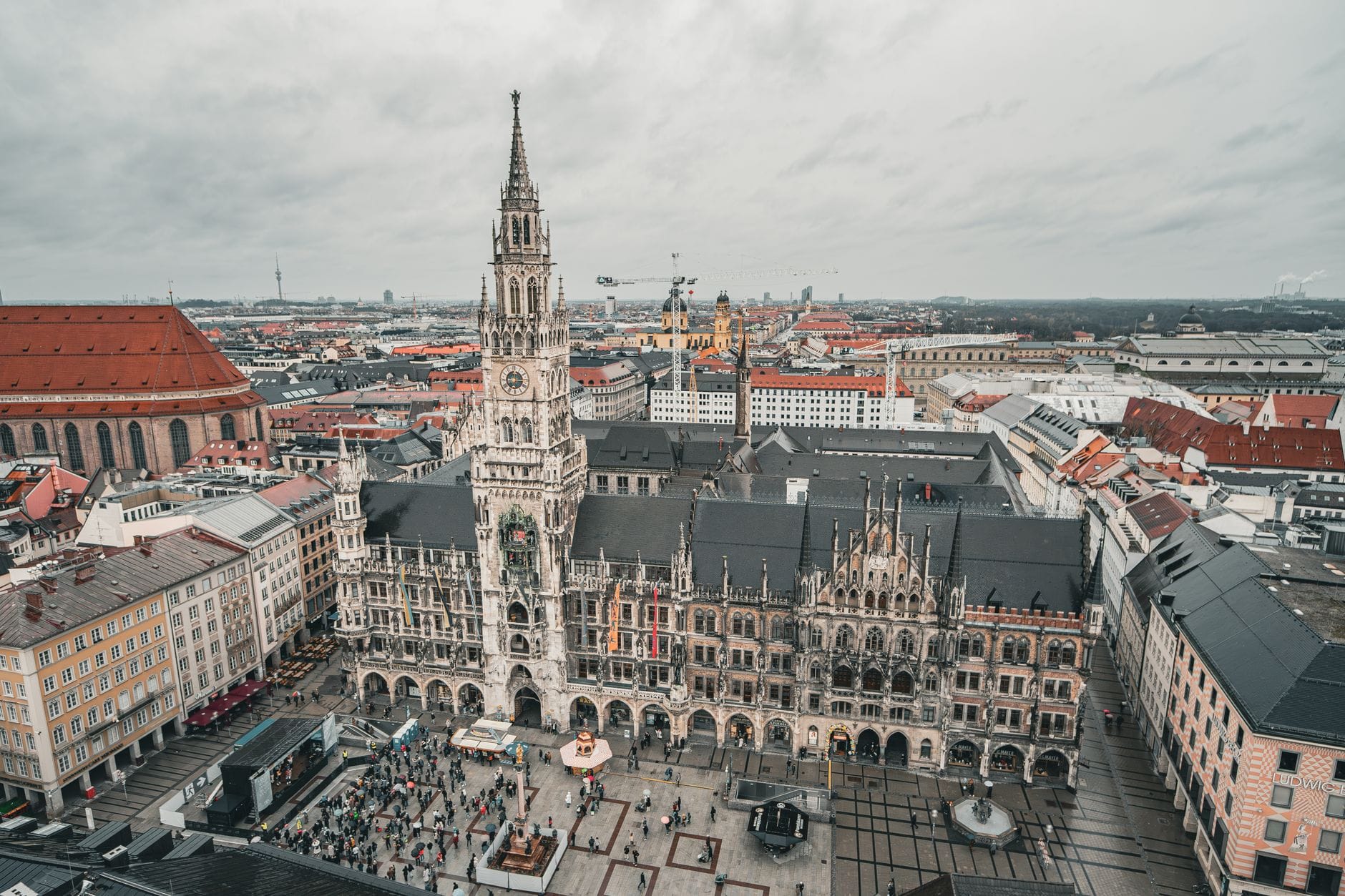
When Munich won the bid for the 1972 Summer Olympics in 1966, West Germany had a specific political goal in mind. The country wanted to demonstrate to the world that it had fundamentally changed since the 1936 Berlin Games, which had been used as a propaganda showcase for the Nazi regime. The Federal Republic of Germany was just over two decades old, and hosting the Olympics in its third-largest city was a chance to show democratic values, openness, and cultural confidence.
The organizing committee deliberately named them the Heitere Spiele, or Cheerful Games. Security was intentionally kept low-profile: German authorities avoided anything resembling a military presence in an effort to distance the event from historical associations. Guards wore light blue uniforms rather than military-style dress. Fences were minimal. This posture, understandable given the context, would later be cited as a factor that made the Olympic Village dangerously accessible.
Munich itself was a deliberate choice over competing cities. As Bavaria's capital and Germany's third-largest city, it had the infrastructure, the international profile, and a setting near the Alps that gave the Games a scenic backdrop. If you want deeper context on Munich's layered modern history, the history of politically significant events in Munich helps frame why image rehabilitation mattered so much to organizers.
The Architecture and Design That Changed Sport Events Forever
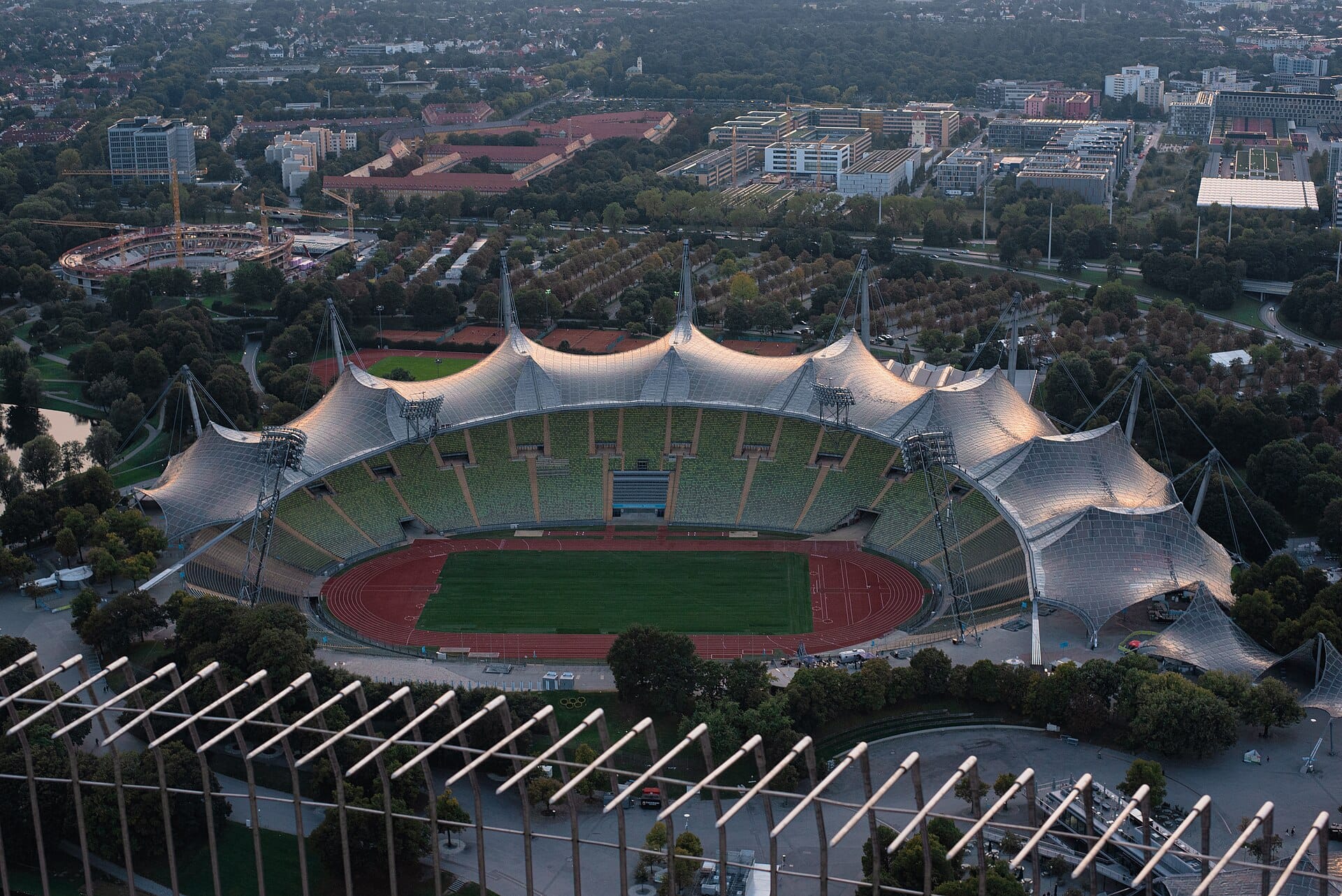
The physical legacy of the 1972 Games is extraordinary, and it still shapes how the world designs major event venues. Architect Günter Behnisch, working with structural engineer Frei Otto, created the now-iconic tensile roof canopies stretched over the Olympiastadion, Olympiahalle, and swimming hall. The translucent acrylic glass panels, suspended from steel cables in sweeping organic curves, were unlike anything seen in sports architecture at the time. The intention was to create an open, transparent feel, a direct aesthetic metaphor for the open democratic society West Germany wanted to project.
Beyond the architecture, the 1972 Games introduced two design innovations that outlasted the event itself. First, Munich 1972 produced the first official Olympic mascot: Waldi, a dachshund rendered in the rainbow colors of the official palette. Second, and arguably more influential, the Games commissioned designer Otl Aicher to create a complete visual identity system, including a color-coded pictogram wayfinding system for directing athletes and visitors. Aicher's pictograms became the direct template for the sports icons used by every Olympic Games since, and they remain foundational references in information design education worldwide.
ℹ️ Good to know
Otl Aicher's 1972 pictogram system is now considered a landmark in graphic design history. The German Patent and Trademark Office (DPMA) holds archival documentation on the original designs. If you're interested in design history, the pictograms alone are worth researching before your visit to Olympiapark.
The Athletic Achievements of Munich 1972
For the first eight days, Munich 1972 was delivering on its cheerful promise. American swimmer Mark Spitz won seven gold medals in seven events, all in world-record times, a performance that stood as one of the most remarkable individual achievements in Olympic history until Michael Phelps surpassed the gold medal count in 2008. Soviet gymnast Olga Korbut captivated television audiences worldwide with her daring routines, essentially transforming gymnastics from a niche discipline into a global spectator sport.
The Games featured 195 events across a broad range of sports, with 7,134 athletes from 121 National Olympic Committees competing. Several new disciplines appeared for the first time, and the event was among the most-watched in television history at that point, with broadcasts reaching an estimated global audience of over 800 million people. That global reach is precisely what made the events of September 5th so consequential.
The Munich Massacre: What Happened on September 5, 1972
In the early hours of 5 September 1972, eight members of Black September, a Palestinian militant organization, entered the Olympic Village. The low-security environment meant they scaled a fence with minimal obstruction. They made their way to the apartments housing the Israeli team at 31 Connollystrasse. Two Israeli athletes, wrestling coach Moshe Weinberg and weightlifter Yossef Romano, were killed in the initial assault. Nine others were taken hostage.
A standoff lasting most of the day followed, broadcast live to the watching world. West German authorities negotiated for hours, eventually agreeing to transport the hostage-takers and their captives by helicopter to Fürstenfeldbruck airbase, where a rescue attempt was planned. The operation failed. All nine remaining hostages were killed, along with five of the eight attackers and one West German police officer. One attacker was also captured. The total death toll was 17: 11 Israelis, 5 attackers, and 1 police officer.
The Games were suspended for 34 hours. A memorial service was held in the Olympiastadion. IOC President Avery Brundage, in a decision that remains controversial to this day, declared the Games would continue: his exact words, "The Games must go on," remain one of the most debated statements in Olympic history. Many surviving athletes and Israeli officials disagreed with the decision.
⚠️ What to skip
A common misconception is that the Games were cancelled or shut down permanently after the attack. They were not. After a 34-hour suspension and the memorial service, competition resumed on September 6th and continued until the scheduled closing ceremony on September 11th. The decision to continue remains contested among historians, athletes, and the families of victims.
The impact on global security thinking was immediate and lasting. Munich 1972 is widely studied as a turning point in international terrorism and event security management. It was one of the first acts of mass political violence to unfold live on global television, reaching hundreds of millions of viewers in real time. Every Olympic Games since has operated with security protocols shaped in direct response to what happened in Munich. The IOC established far more comprehensive coordination frameworks for host security, and the massacre became a case study in crisis management, counter-terrorism policy, and media ethics.
Visiting the Memorials and Olympic Sites Today
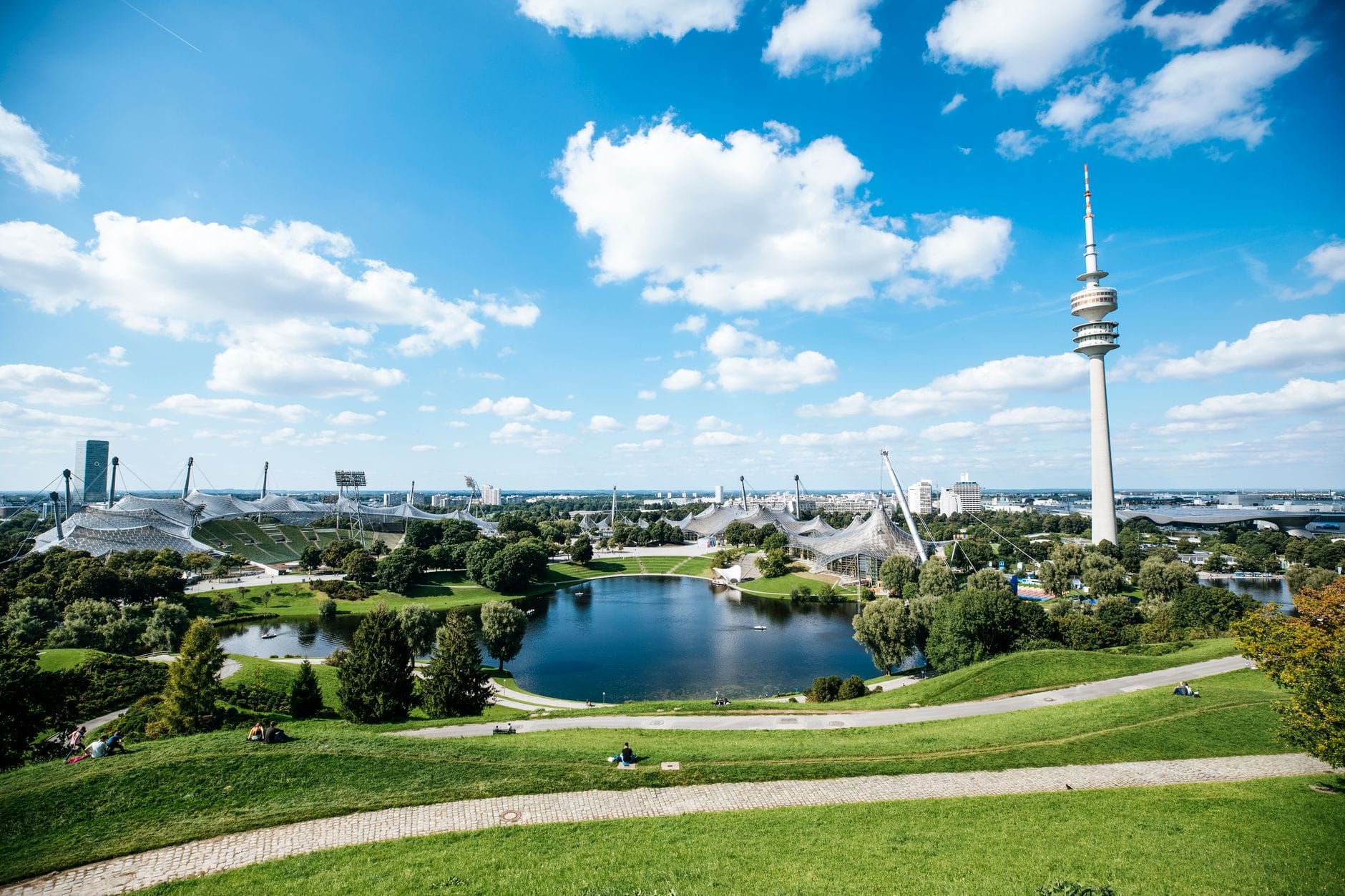
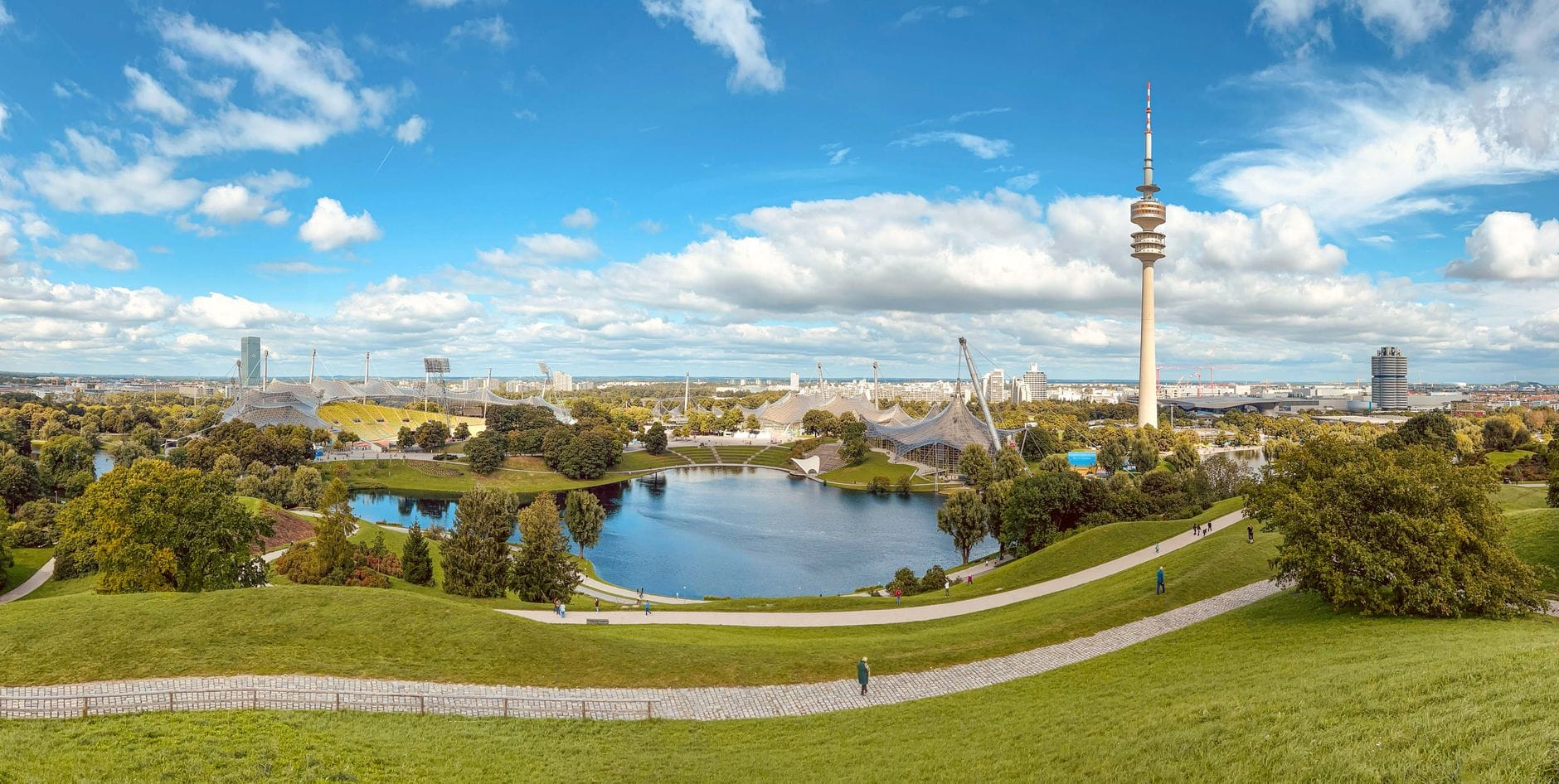
Olympiapark München is one of the most-visited urban parks in Germany, attracting millions of visitors annually. The park is located in the Milbertshofen district, roughly 4 km north of central Munich, and is easily reached by U-Bahn (U3 line, Olympiazentrum station). Full details on getting there and what else to see nearby are in the Olympiapark visitor guide.
Two memorial sites specifically connected to the massacre are accessible to visitors. The first is the Einschnitt memorial, a sculptural installation within the park that commemorates the 11 Israeli victims. The second is the former hostage apartment at 31 Connollystrasse in the Olympic Village. The building is now part of a functioning residential area, but a plaque marks the location. Visiting requires some awareness: this is an active neighborhood, not a museum environment. Residents live here. Treat the site with appropriate respect.
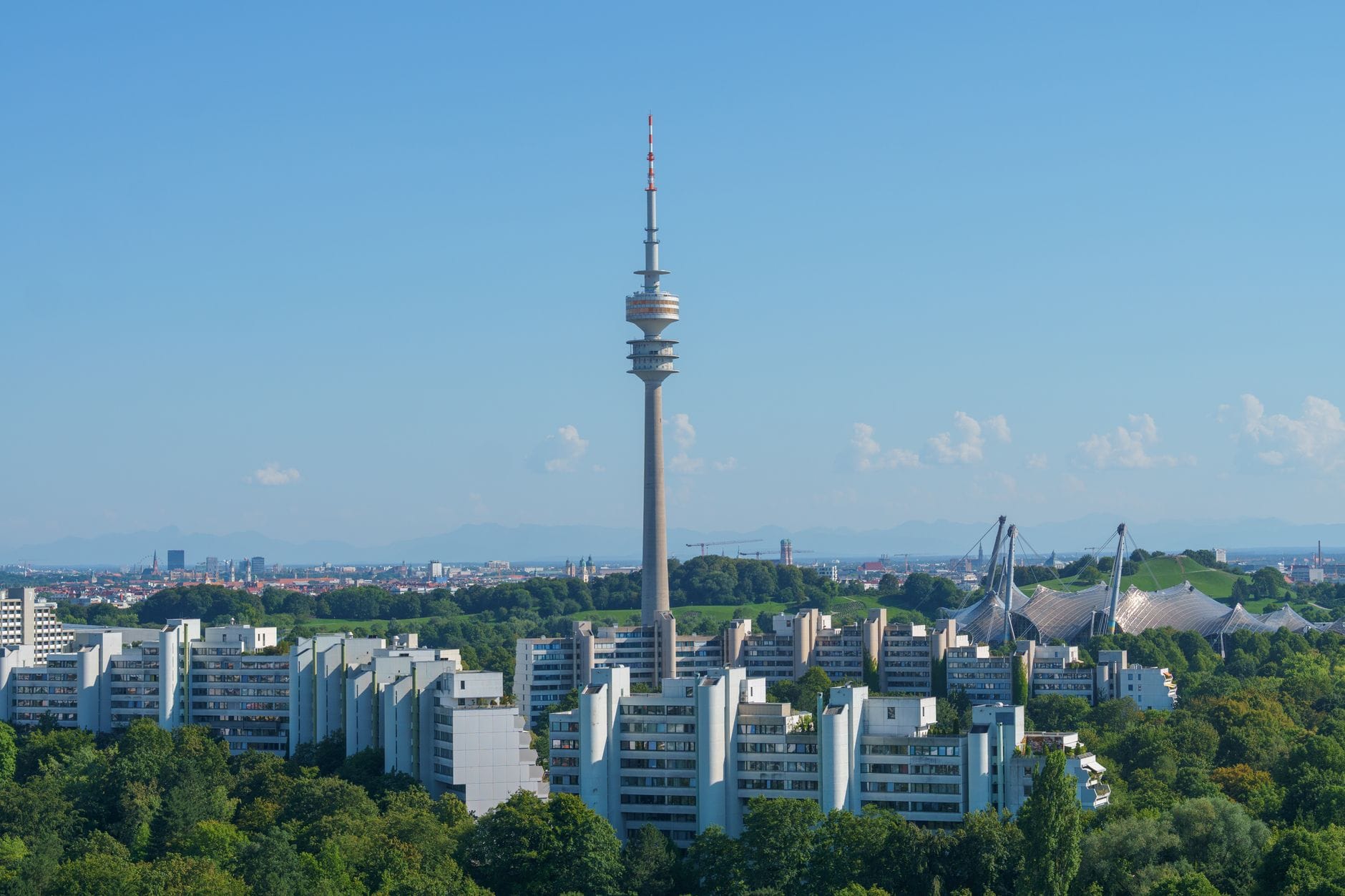
Beyond the memorials, the Olympic complex normally offers a range of active visitor experiences. The Olympiastadion roof walk — where guided tours cross the tensile canopy high above the playing field with views toward the Alps on clear days — is currently suspended because the stadium has been closed for renovation since September 2025 (expected reopening in 2027–2028). The Olympiaturm (Olympic Tower) stands 291 metres tall with an observation deck at around 185 metres and a revolving restaurant, but the tower has been closed for renovation since 1 June 2024 and is not expected to reopen until late 2027. The Olympiahalle still hosts major concerts and events year-round, and the Olympic swimming hall remains in active use.
- Olympiastadion Roof Walk Guided tours across the tensile roof canopy. Currently suspended: the stadium has been closed for renovation since September 2025 (roughly 2–3 years). Check olympiapark.de before your visit for reopening updates.
- Olympiaturm (Olympic Tower) 291 m tall with an observation deck at approximately 185 m. Closed for renovation since 1 June 2024, expected to reopen in late 2027. Not visitable in 2026 — verify status on olympiapark.de before planning around it.
- Einschnitt Memorial Located within Olympiapark, this sculpture commemorates the 11 Israeli victims. Free to visit, open access within the park.
- 31 Connollystrasse Plaque The former Olympic Village apartment building where the hostages were held. Now a residential area. A plaque marks the site. Accessible on foot from the Olympiazentrum U-Bahn stop.
- Olympic Swimming Hall The original Schwimmhalle from 1972 remains in active public use. Unusual among Olympic venues worldwide in remaining fully operational over 50 years later.
✨ Pro tip
The best time to visit Olympiapark for a quiet, reflective experience at the memorials is early on a weekday morning, before tour groups arrive. The stadium roof walk is currently unavailable while the Olympic Stadium is under renovation (closed since September 2025 for roughly 2–3 years), so check olympiapark.de for reopening news before assuming you can book it. Winter visits have fewer crowds and the tensile canopy still looks striking against a grey sky or light snow.
The Long-Term Legacy: What Munich 1972 Left Behind
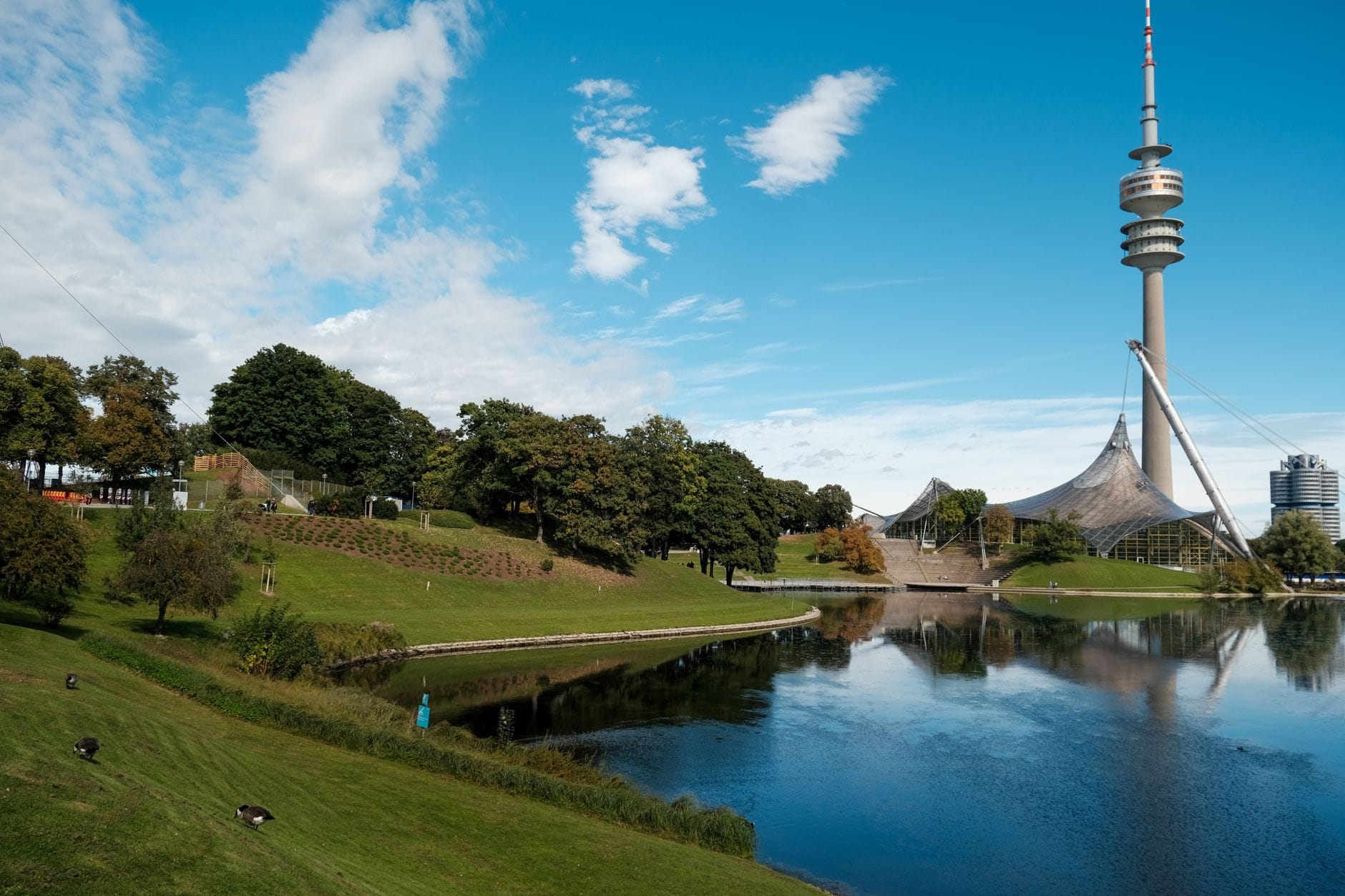
The physical legacy of the 1972 Games is genuinely positive, even if overshadowed by tragedy. Olympiapark has been visited by around 210 million people since it opened, functioning as Munich's primary outdoor concert and events venue, a public park, and a leisure destination. It is one of the few Olympic sites from the 20th century that was successfully repurposed rather than abandoned. If you're planning a broader Munich itinerary, the full list of things to do in Munich includes Olympiapark as one of the city's anchor attractions.
The Olympic Village itself was converted into permanent residential housing, and the neighborhood remains inhabited today. This is relatively rare in Olympic history and is generally cited as a planning success: the infrastructure investment created lasting urban value rather than becoming a derelict showcase.
For security professionals and historians, Munich 1972 represents a before-and-after moment in how states think about protecting mass gatherings. The massacre was one of the first major acts of international terrorism broadcast live to a global audience, and it forced immediate reconsideration of how open access and security could coexist at events of that scale. Germany later established its counter-terrorism unit GSG 9 specifically in response to the failures at Fürstenfeldbruck. For more historical context on Munich's complicated modern history, the NS-Dokumentationszentrum provides thorough background on the political forces that shaped 20th-century Munich.
- Creation of GSG 9, Germany's elite counter-terrorism unit, in 1973 directly following the failed rescue operation
- IOC Security Coordination Office established to formalize security planning for all future Games
- Otl Aicher's pictogram system adopted as the global template for Olympic and international event wayfinding
- Frei Otto's tensile roof canopy influenced stadium and public architecture worldwide for decades
- Olympic Village conversion into permanent housing became a model referenced in later Games bid planning
- First major terrorist attack broadcast live to a global audience, reshaping media ethics and crisis coverage standards
Munich's cultural institutions continue to engage with this history. The Deutsches Museum and various city archives hold materials related to the Games' planning and legacy. The 50th anniversary in 2022 prompted renewed public discussion in Germany, particularly around how the German government handled reparations to victims' families, a process that extended over decades and was only resolved in 2022 with an additional compensation agreement.
💡 Local tip
If you're combining the Olympiapark visit with other Munich sightseeing, the BMW Welt and BMW Museum are directly adjacent, just a short walk from the Olympiazentrum U-Bahn stop. You can cover both in a half-day without backtracking across the city.
FAQ
Can you visit the site of the 1972 Munich Olympics massacre?
Yes. The former apartment at 31 Connollystrasse in the Olympic Village is marked with a memorial plaque and is accessible on foot. Be aware that this is an active residential neighborhood, not a museum. Within Olympiapark itself, the Einschnitt sculpture commemorates the 11 Israeli victims. Both sites are free to visit.
Did the 1972 Munich Olympics continue after the massacre?
Yes. After a 34-hour suspension and a memorial service at the Olympiastadion, competition resumed on September 6th. The Games concluded on schedule on September 11, 1972. IOC President Avery Brundage's decision to continue remains controversial. It is a common misconception that the Games were cancelled.
Is Olympiapark München worth visiting if you're not a sports fan?
Yes, for several reasons. The Frei Otto tensile roof architecture is genuinely significant in design history and impressive in person, and the park is a large, attractive green space within the city. Both the Olympic Tower (closed for renovation until late 2027) and the Olympic Stadium (closed for renovation since September 2025, roughly 2–3 years) are unavailable to enter in 2026, but you can still see their exteriors and walk the park. For anyone interested in 20th-century history, the memorials make it a meaningful destination.
How do I get to Olympiapark München from the city centre?
Take the U3 U-Bahn line to Olympiazentrum, the last stop northbound. Journey time from Marienplatz is around 12-15 minutes. The park entrance is immediately visible from the station exit. No transfers required.
What was historically significant about the design of the 1972 Munich Olympics venues?
Architect Günter Behnisch and structural engineer Frei Otto created a revolutionary tensile roof system using acrylic glass panels suspended from steel cables over the stadium, sports hall, and swimming hall. The organic, transparent canopy was unlike any previous sports venue and influenced stadium architecture internationally. Otl Aicher's pictogram system created for the Games became the global template for Olympic wayfinding and remains a foundational reference in information design.
Tickets & tours
Live prices and dates from our booking partner. If you book, we may earn a commission at no extra cost to you.
Planning a trip? Discover personalized activities with the Nomado app.