Shopping in Munich: Best Areas, Markets & What to Buy
Munich (München) offers one of Germany's most diverse retail landscapes, from a 2-kilometer pedestrian shopping mile to Europe-class luxury streets, historic food markets, and independent neighborhood boutiques. This guide breaks down every district, market, and Bavarian buy worth your time and money.
Tickets & tours
Live prices and dates from our booking partner. If you book, we may earn a commission at no extra cost to you.
TL;DR
- The pedestrian zone on Kaufingerstraße and Neuhauser Straße is Munich's mainstream shopping spine, not its luxury address — that title belongs to Maximilianstraße.
- The Viktualienmarkt is Munich's best food market but closes by mid-afternoon on weekdays and is shut entirely on Sundays — plan accordingly.
- Independent boutiques, sustainable fashion, and design shops cluster in Glockenbachviertel and Schwabing, away from tourist-heavy streets.
- For Bavarian souvenirs that aren't tourist-trap kitsch, stick to specialist Tracht shops, the Viktualienmarkt, and the Schrannenhalle — details in the Bavarian food and culture guide.
- Flea markets (Flohmärkte) at Olympiapark and Riem are weekly, not daily — check dates before building your itinerary around them.
The Pedestrian Zone: Munich's Main Shopping Mile
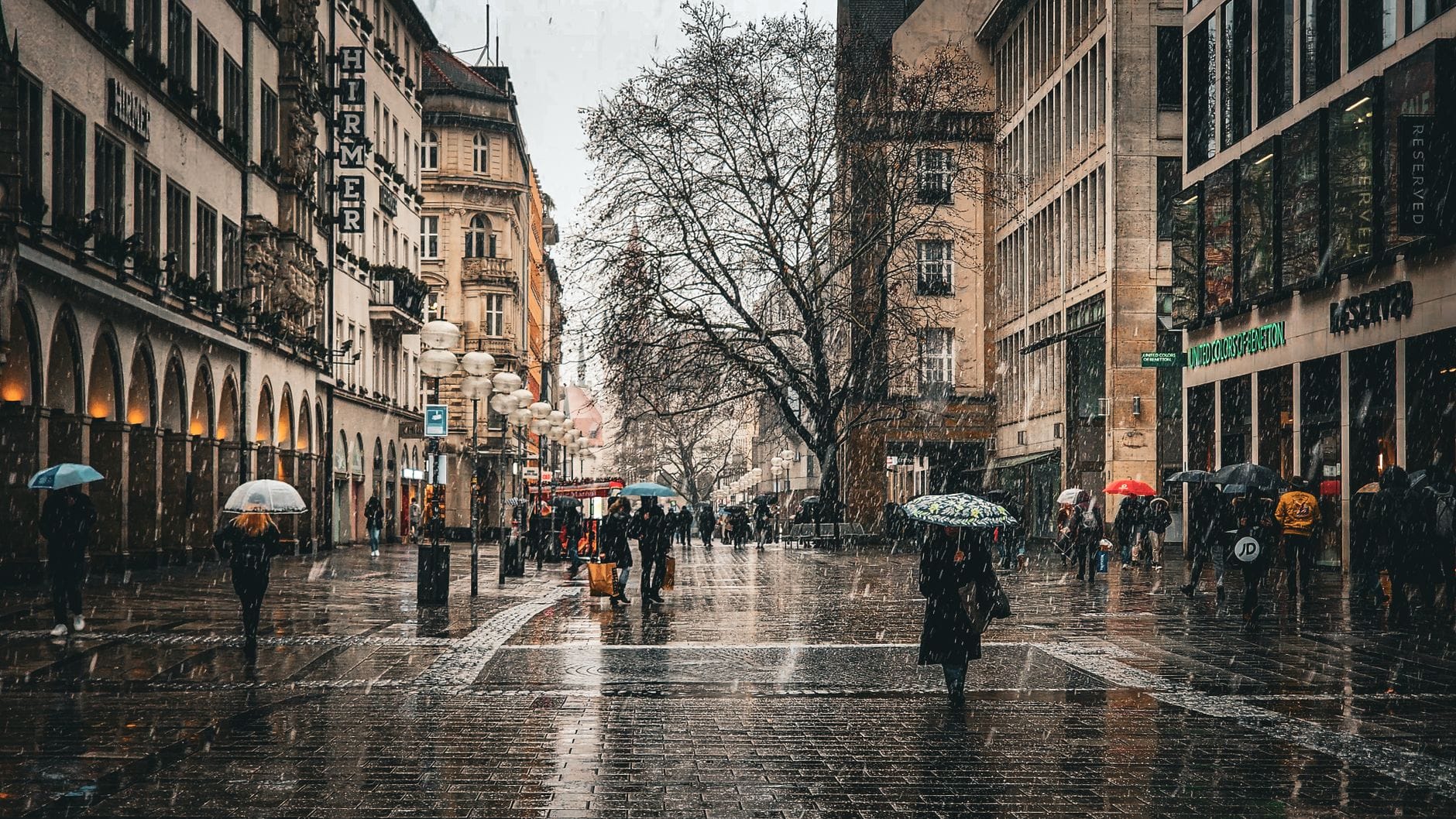
The roughly 2-kilometer car-free stretch between Marienplatz and Karlsplatz (locally known as Stachus) is the backbone of Munich's retail scene. Kaufingerstraße and Neuhauser Straße form one continuous pedestrian corridor — among the busiest shopping streets in Germany by footfall.
What you'll find here is largely mainstream: Zara, H&M, MediaMarkt, Galeria department stores, and international sportswear chains. It's practical for picking up essentials, but it's not where Munich distinguishes itself from any other large German city. The architecture along the route is more interesting than the shops, and the street is genuinely packed on Saturday afternoons.
Sendlinger Straße, running parallel to the south, offers a slightly quieter version of the same mix with a few more independent retailers woven in. It connects to the Glockenbachviertel at its southern end, which is where things get more interesting (see below).
⚠️ What to skip
A common misconception: first-time visitors often assume the pedestrian zone is where Munich's luxury shopping happens. It isn't. Designer flagships are almost entirely on Maximilianstraße, about 10 minutes' walk east of Marienplatz. Kaufingerstraße is mainstream high-street, full stop.
Maximilianstraße and the Luxury Quarter
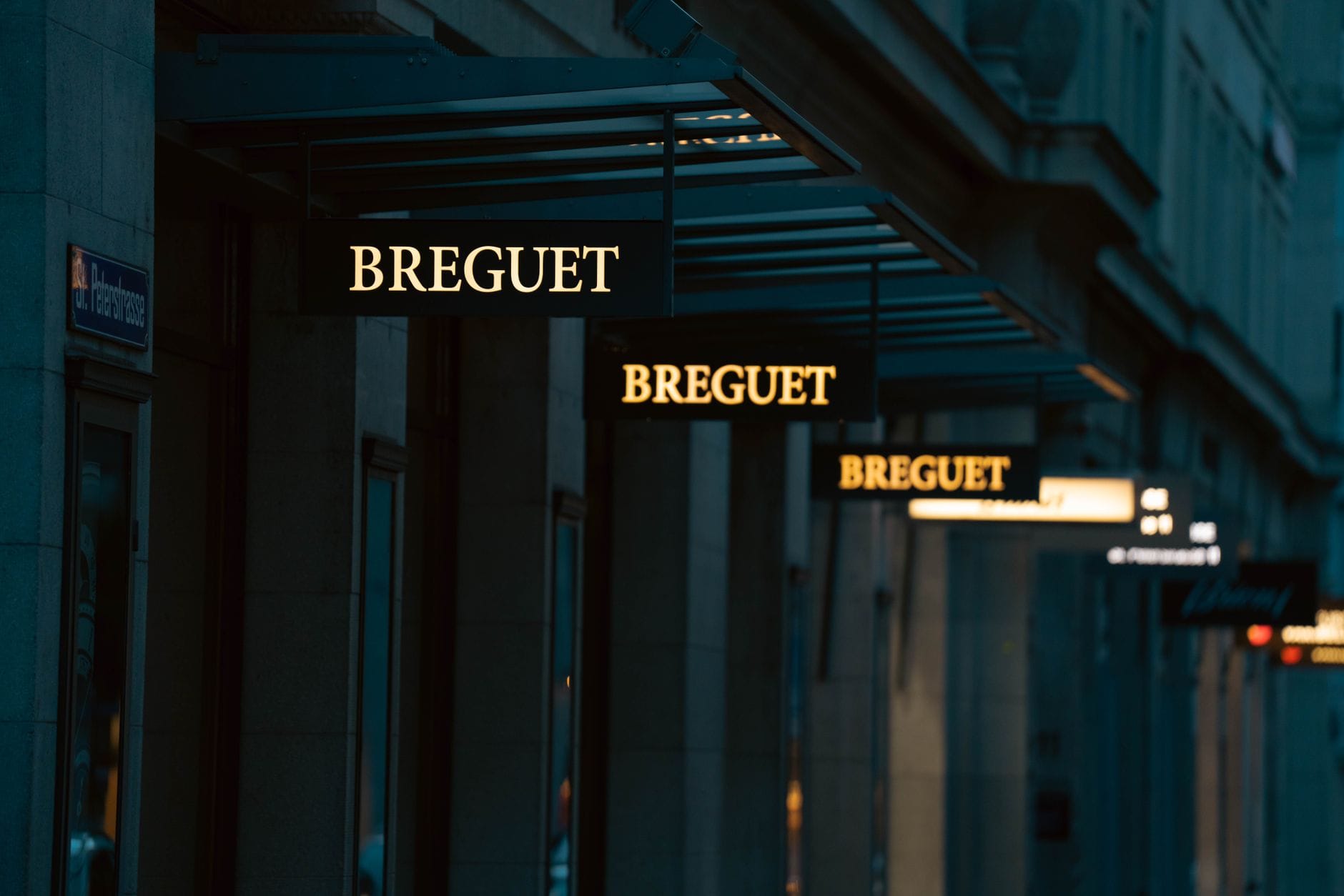
Maximilianstraße is Munich's serious luxury address — on par with Frankfurt's Goethestraße or Hamburg's Neuer Wall. The boulevard runs east from Max-Joseph-Platz toward the Isar River and is lined with Chanel, Louis Vuitton, Prada, Bulgari, Rolex dealers, and a concentration of high-end watchmakers that reflects Munich's strong corporate and finance sector.
Adjacent to Maximilianstraße, the Theatinerstraße cuts north from Marienplatz and leads to one of Munich's best shopping destinations: the Fünf Höfe (Five Courtyards). This interconnected arcade of courtyards between Theatinerstraße and Kardinal-Faulhaber-Straße houses premium fashion brands, design shops, galleries, and a branch of the Kunsthalle exhibition space. The architecture alone — designed partly by Herzog & de Meuron — justifies a walk-through even if you're not buying anything.
- Maximilianstraße Munich's top luxury boulevard for designer fashion, jewelry, and watches. Price tier: €€€€. Best visited on a weekday morning when it's less crowded.
- Theatinerstraße Premium fashion and flagship stores connecting the pedestrian zone northward. Price tier: €€€.
- Fünf Höfe arcade Upscale courtyard complex with design stores, galleries, and cafés. A good rainy-day option. Price tier: €€€.
- Kardinal-Faulhaber-Straße Quieter parallel street with art dealers, antique shops, and bespoke tailors serving Munich's old-money clientele. Price tier: €€€–€€€€.
Neighborhood Shopping: Where Munich Gets Interesting
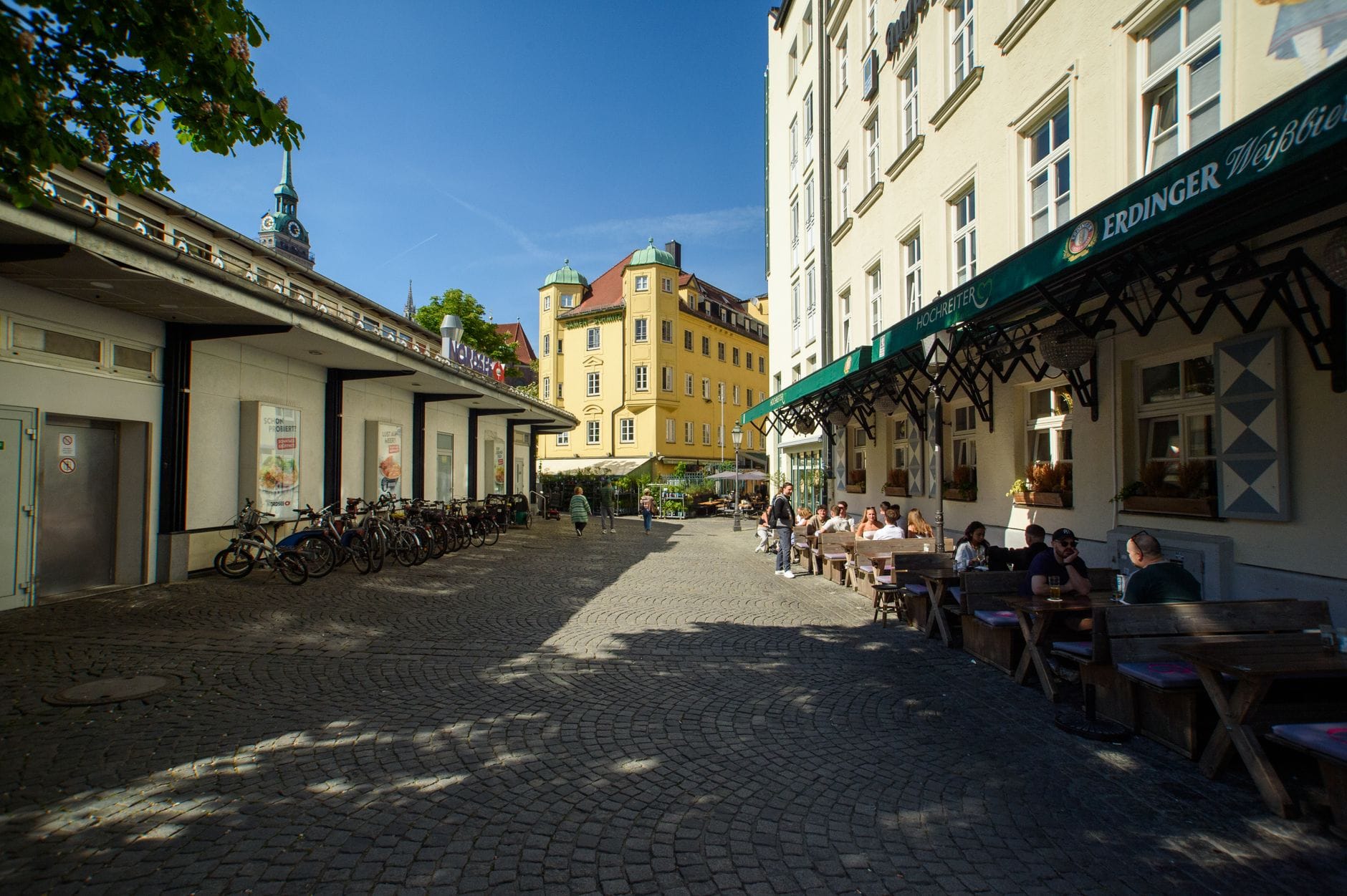
The most characterful shopping in Munich happens away from the center. The Glockenbachviertel — roughly the area around Gärtnerplatz — has become Munich's hub for independent boutiques, sustainable fashion labels, concept stores, and jewelry designers. Streets like Hans-Sachs-Straße and Müllerstraße reward slow browsing. Prices here range from genuinely affordable vintage to mid-range designer.
Schwabing, the neighborhood north of the English Garden, has a longer reputation for bohemian retail. Hohenzollernstraße and the streets branching off Leopoldstraße offer vintage stores, homeware boutiques, bookshops, and small art galleries. The atmosphere is more relaxed than the Altstadt, and the clientele tends toward university staff, designers, and long-term Munich residents rather than day-trippers.
Maxvorstadt, the museum district west of Schwabing, adds academic bookshops, art supply stores, and design-focused retailers to the mix — logical given the density of universities and cultural institutions in the area. If you're visiting the Pinakothek museums, the surrounding streets are worth an hour of retail exploration.
✨ Pro tip
Haidhausen, on the east bank of the Isar, is another neighborhood worth knowing for shopping. The streets around Wiener Platz have a cluster of specialty food shops, wine merchants, and small boutiques that serve a local rather than tourist demographic — prices reflect that.
Markets: Food, Flea, and Seasonal
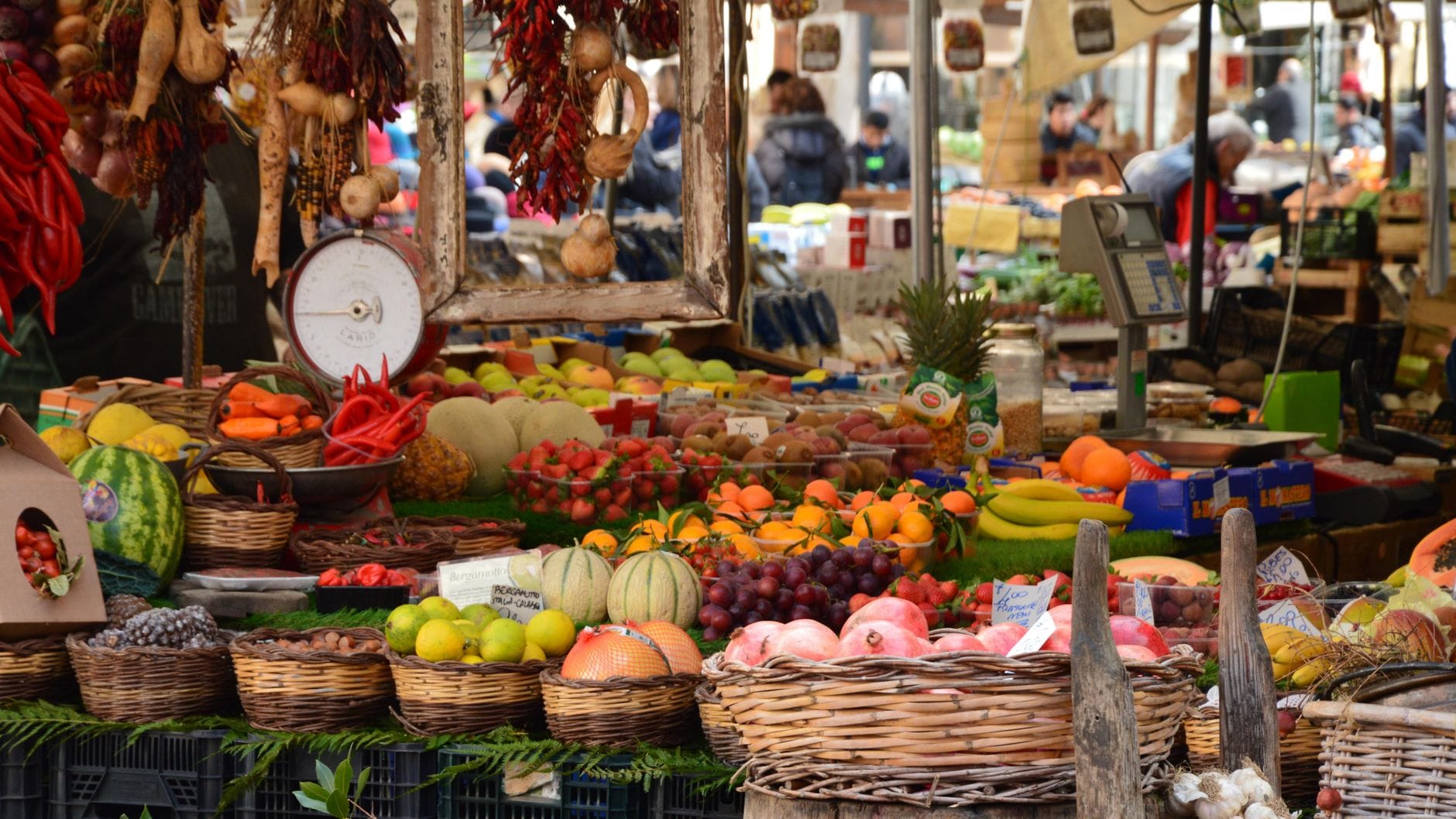
The Viktualienmarkt is Munich's central food market and one of the best open-air markets in Germany. Located just south of Marienplatz, it has operated continuously since 1807 and spans roughly 22,000 square meters of produce stalls, delicatessens, butchers, cheese vendors, florists, and specialty food importers.
The market generally runs Monday through Saturday, with most stalls open by 8am and legally allowed to trade until 8pm — many vendors choose to close earlier, especially in winter. It is entirely closed on Sundays. The central beer garden (one of Munich's oldest) operates independently under seasonal hours. Go on a weekday morning to avoid the worst of the tourist crowds and to catch the full range of stalls.
Immediately adjacent to the Viktualienmarkt, the Schrannenhalle is a restored 19th-century iron-and-glass market hall that now houses gourmet food and wine vendors. It skews upscale: think artisan cheeses, fine olive oils, premium charcuterie, and specialty spirits. It's a reliable source for high-quality edible souvenirs and gifts.
- Viktualienmarkt Best for Bavarian produce, fresh bread, local honey, regional cheeses, and a beer between stalls. Open Mon–Sat, closes mid-to-late afternoon. Closed Sundays.
- Schrannenhalle Gourmet food hall next to the Viktualienmarkt. Good for premium edible gifts. Open Mon–Sat.
- Olympiapark Flea Market One of Munich's largest flea markets, typically Friday and Saturday mornings from around 7am to 4pm. Hundreds of vendors, mixed quality, genuinely good for vintage finds. Verify current schedule on muenchen.de before visiting.
- Riem Flea Market Large Saturday market in eastern Munich near the trade fair grounds. More furniture and household goods than the Olympiapark market. Attracts serious dealers alongside private sellers.
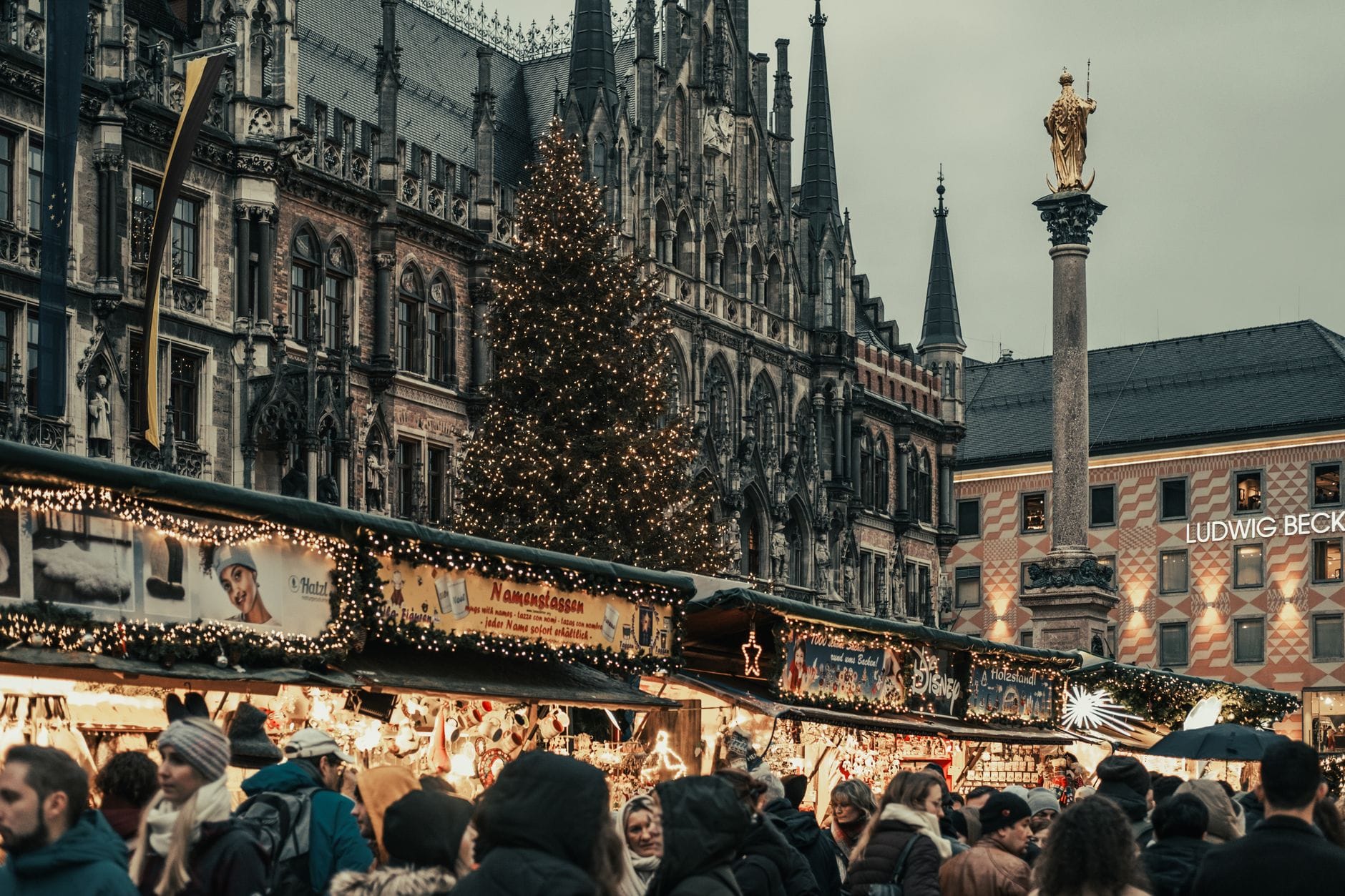
- Munich Christmas Markets The main market on Marienplatz dates to the 14th century and runs from late November to December 24. Handmade ornaments, mulled wine (Glühwein), gingerbread, and seasonal food. Genuinely historic but genuinely crowded — arrive before 11am or after 7pm.
ℹ️ Good to know
During Oktoberfest (late September to early October), Tracht pop-up stalls and souvenir vendors multiply around Theresienwiese and in the city center. Prices for Dirndl and Lederhosen tend to be higher at these temporary stalls than at established Tracht retailers. If you want quality traditional dress, buy from a permanent specialist shop — several operate year-round in the Altstadt and Maxvorstadt.
What to Buy in Munich: Bavarian Souvenirs Worth the Luggage Space
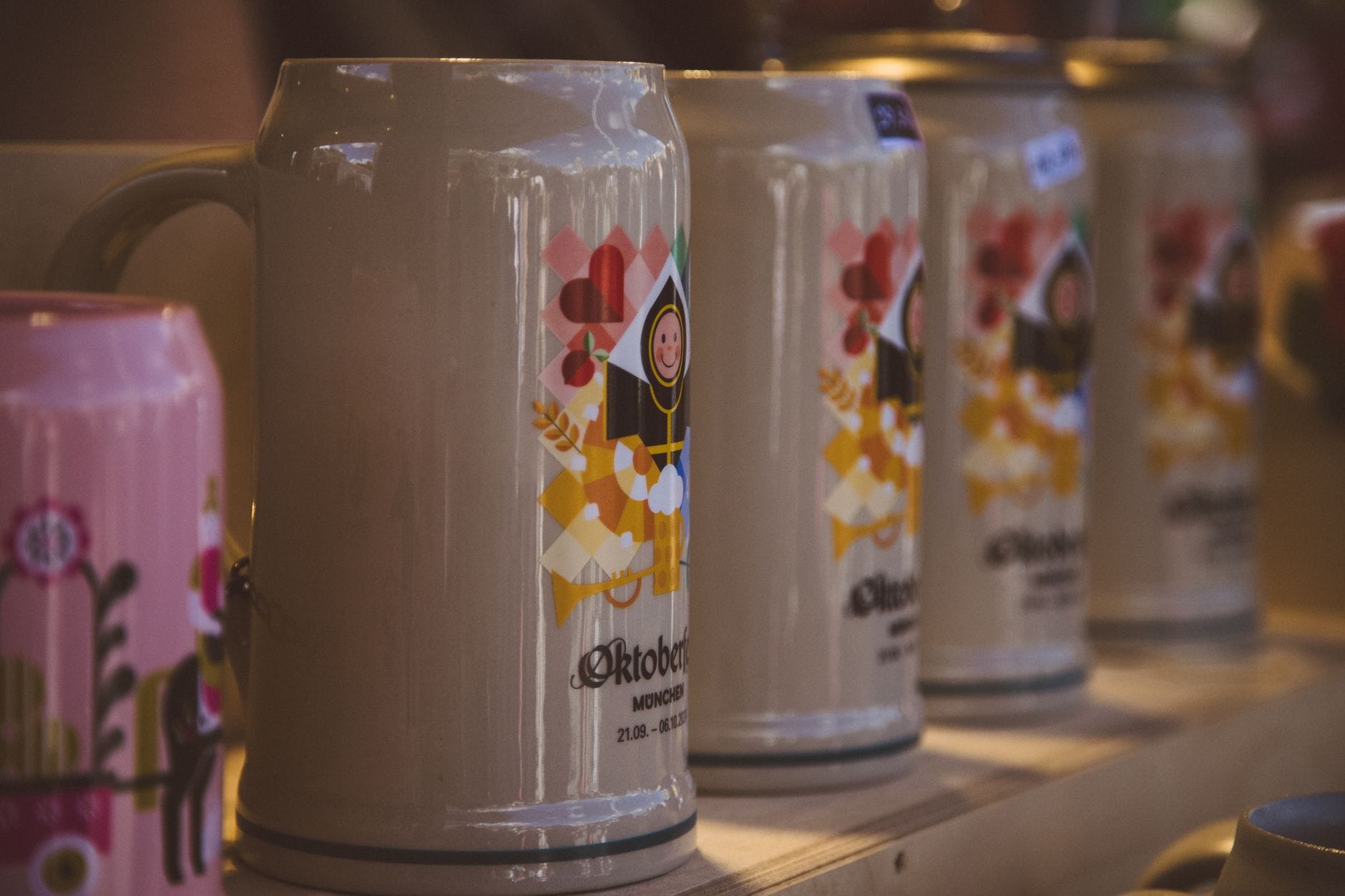
Munich's souvenir market ranges from quality craftsmanship to mass-produced tourist tat. The distinction usually comes down to where you buy. Department store souvenir sections and stalls immediately around Marienplatz tend toward the latter. The following categories represent genuine Bavarian products worth seeking out from reputable retailers.
- Traditional Tracht (Dirndl and Lederhosen): Specialist retailers stock everything from entry-level pieces around €100–200 to hand-stitched garments costing €500 and above. Authentic Lederhosen are made from deer or goat leather and age well. Brands like Angermaier and Moser have multiple Munich locations.
- Beer steins and ceramics: Avoid the cheap pewter-lid versions sold near Marienplatz. Look for hand-painted stoneware from Bavarian manufacturers, available at specialty gift shops and the Viktualienmarkt.
- Bavarian food products: Pretzels, mustard (particularly Händlmaier's sweet mustard), Lebkuchen (gingerbread), and regional honeys travel well and are widely available at the Viktualienmarkt and Schrannenhalle.
- Cuckoo clocks: Technically a Black Forest tradition rather than a Munich one, but widely sold here. Buy from a certified retailer rather than street stalls if you want a mechanical movement rather than a battery-operated reproduction.
- Christmas ornaments: Munich's Christmas market and year-round ornament shops stock hand-blown glass and carved wood decorations from Bavarian and Erzgebirge craftspeople. Better quality than what's available online.
- Books and prints: The Altstadt has several antiquarian bookshops with Bavarian prints, maps, and illustrated books — better gifts for the right recipient than any generic souvenir.
Practical Shopping Information
Most Munich shops observe standard German retail hours: Monday through Saturday, roughly 10am to 8pm in the city center, with smaller neighborhood stores sometimes closing earlier (6pm or 7pm). Sunday shopping is largely prohibited under German retail law — supermarkets, bakeries, and petrol station shops are exceptions, but department stores and boutiques are closed. This catches many visitors off guard, particularly those arriving on a Sunday expecting to browse.
Germany operates a VAT refund system (Mehrwertsteuererstattung) for non-EU visitors: purchases over a minimum threshold qualify for a refund of a portion of the 19% standard VAT rate when leaving the EU. Look for 'Tax Free Shopping' signs in participating stores and retain receipts. The process involves a form from the retailer and customs stamping at the airport. Munich Airport (MUC) has customs desks for this purpose. For more on getting around Munich and logistics, see the guide to getting around Munich.
Credit cards are widely accepted in the city center, luxury stores, and department stores. However, some smaller neighborhood boutiques, market stalls, and traditional Bavarian establishments still prefer cash (Bargeld). Carrying €50–100 in cash is worthwhile if you plan to shop at the Viktualienmarkt or flea markets, where card terminals are not universal.
💡 Local tip
If you're visiting during Oktoberfest or the Christmas market period, city-center shops get significantly more crowded and some tourist-facing retailers inflate prices on seasonal items. The Glockenbachviertel and Schwabing neighborhoods maintain normal pricing year-round and are far less affected by festival crowds.
For budget-conscious shoppers, Munich has solid options beyond the flea markets. The Munich on a budget guide covers free and low-cost activities that pair well with a morning at the Viktualienmarkt or an afternoon browsing in Schwabing without spending heavily.
FAQ
Where is the best area for shopping in Munich?
It depends on what you want. For mainstream chains and convenience, the Kaufingerstraße and Neuhauser Straße pedestrian zone between Marienplatz and Karlsplatz covers most bases. For luxury brands and designer fashion, Maximilianstraße is Munich's top address. For independent boutiques and a more local atmosphere, head to Glockenbachviertel or Schwabing.
Is Viktualienmarkt open on Sundays?
No. The Viktualienmarkt is closed on Sundays. It operates Monday through Saturday, with most stalls open from around 8am and closing in the mid-to-late afternoon. Some vendors begin closing as early as 4pm, so morning visits are strongly recommended.
When do shops in Munich close?
Most city-center retailers are open Monday to Saturday, roughly 10am to 8pm. Smaller neighborhood shops may close earlier, around 6pm or 7pm. Sunday retail trading is prohibited under German law, so department stores, boutiques, and most shops are closed. Supermarkets, bakeries, and petrol station shops are exceptions.
Can I get a VAT refund on purchases in Munich?
Yes, if you are a non-EU resident. Germany charges 19% VAT (7% on some food items), and non-EU visitors can claim a refund on qualifying purchases above a minimum threshold. Look for 'Tax Free Shopping' signage, ask for the paperwork at the point of sale, and have it stamped by customs before leaving the EU. Munich Airport (MUC) has customs desks for this process.
What are the best souvenirs to buy in Munich?
Genuinely Bavarian souvenirs worth buying include quality Tracht (Dirndl or Lederhosen from a specialist retailer like Angermaier), Bavarian food products from the Viktualienmarkt or Schrannenhalle (mustard, honey, Lebkuchen), and hand-painted stoneware beer steins. Avoid mass-produced items sold directly around Marienplatz — the quality and authenticity rarely justify the price.
Tickets & tours
Live prices and dates from our booking partner. If you book, we may earn a commission at no extra cost to you.
Planning a trip? Discover personalized activities with the Nomado app.