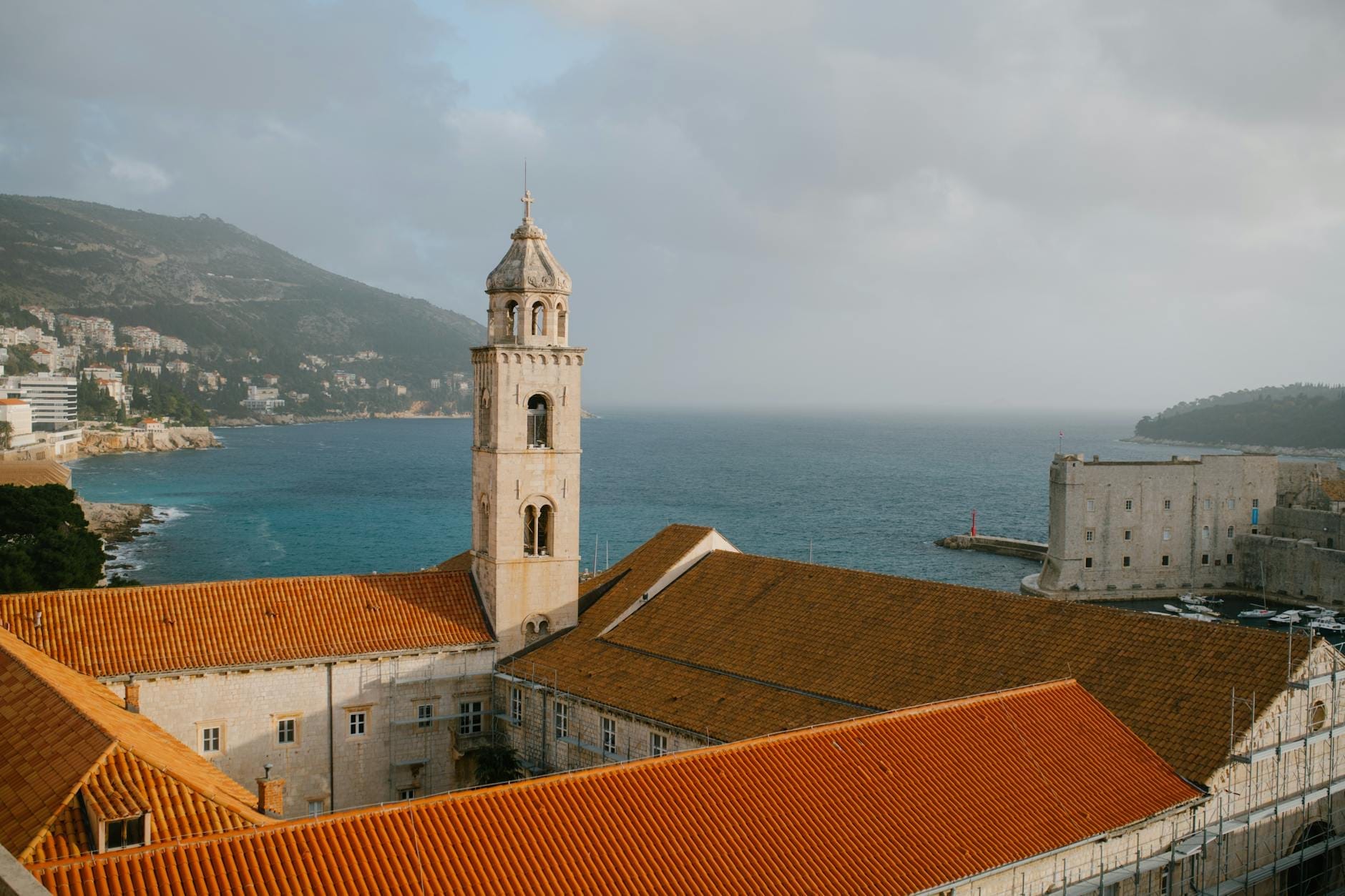
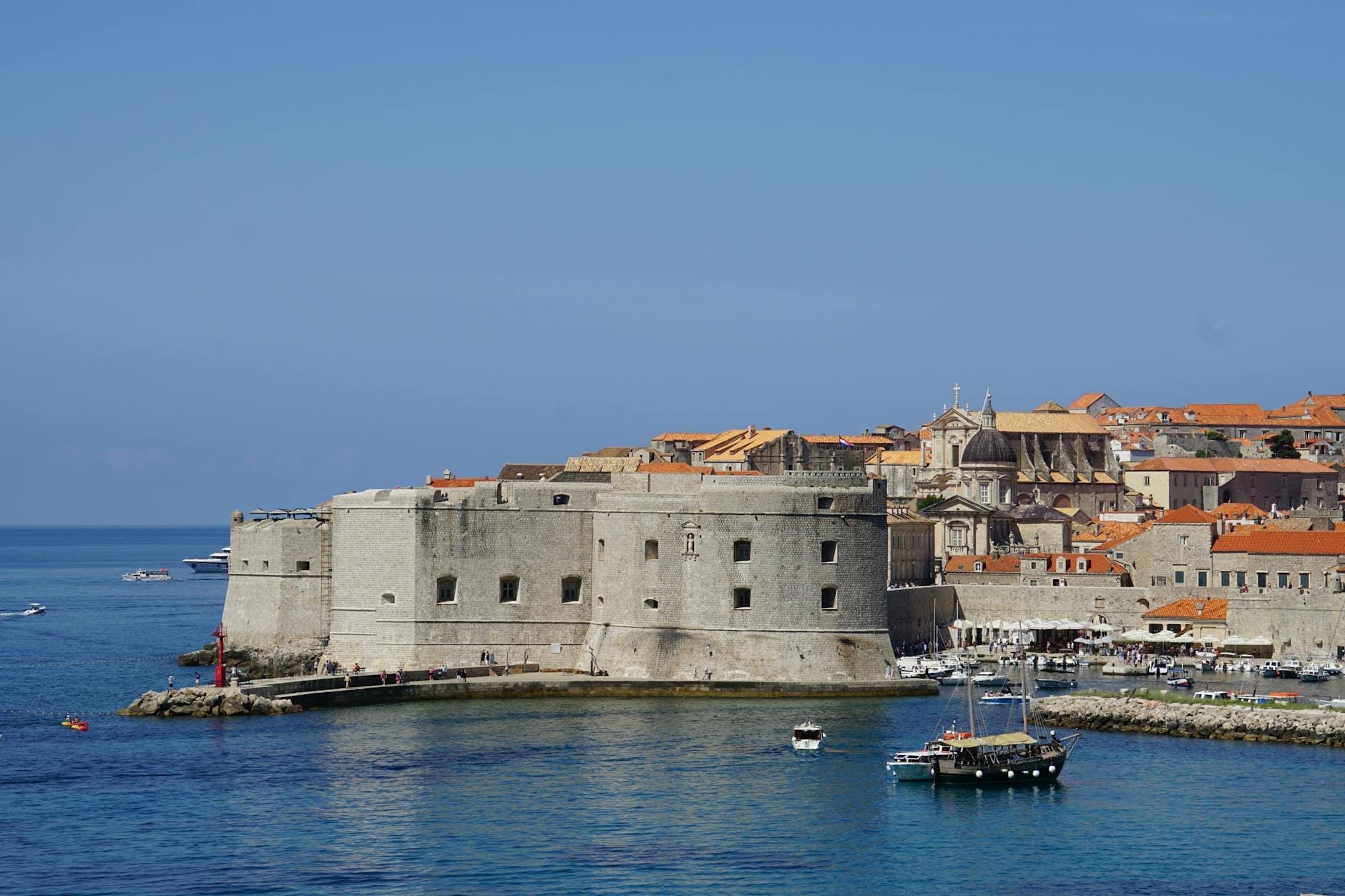
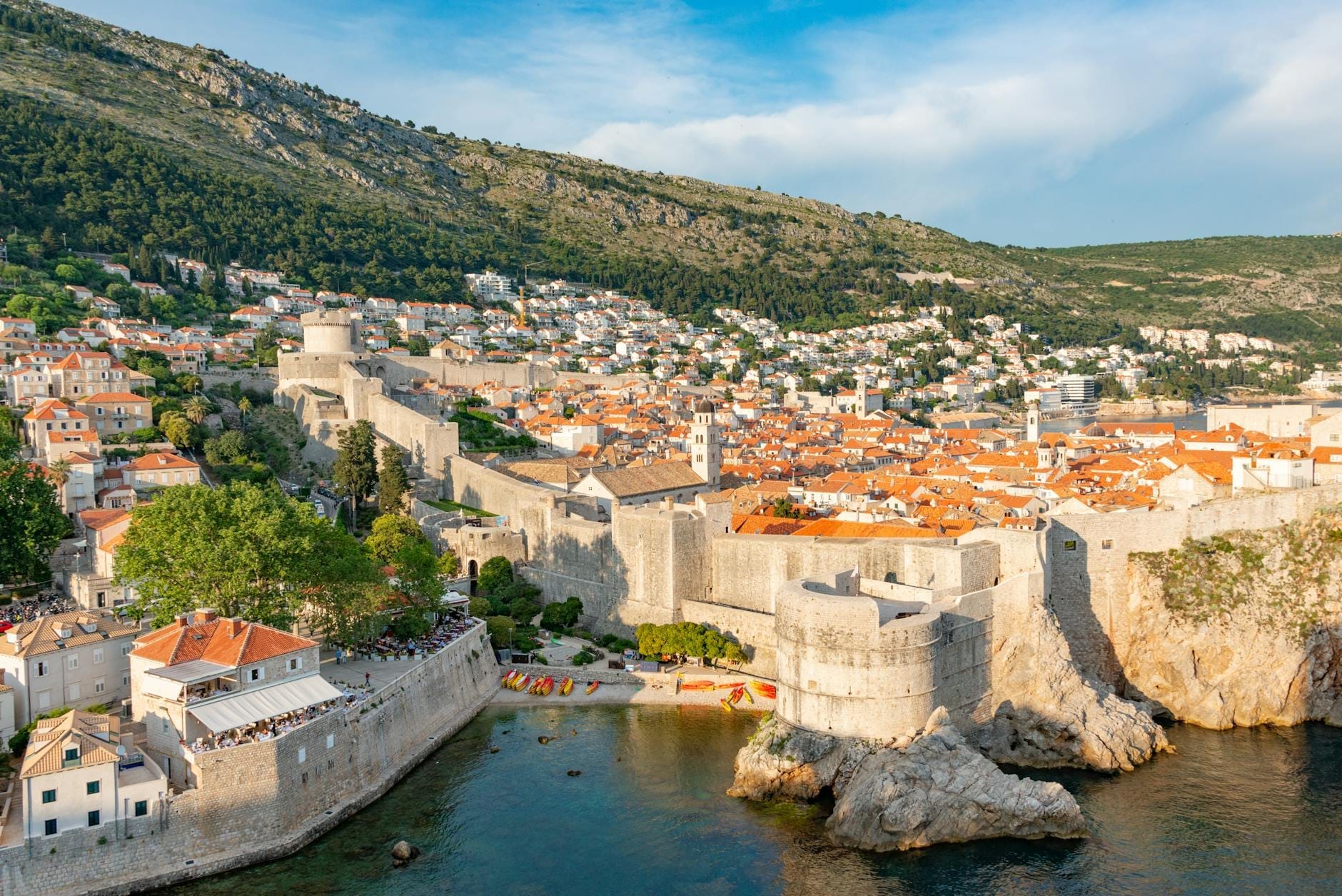
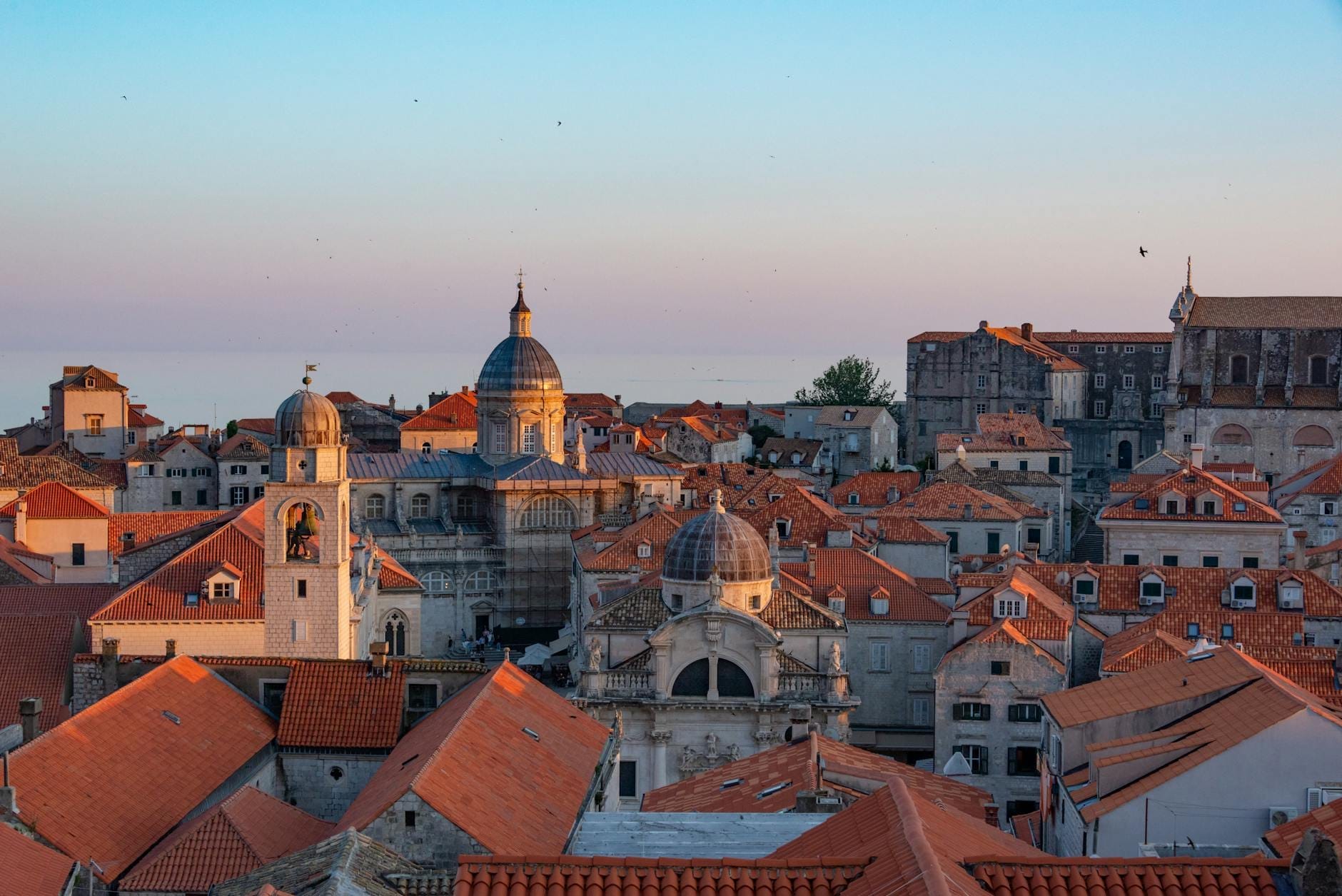
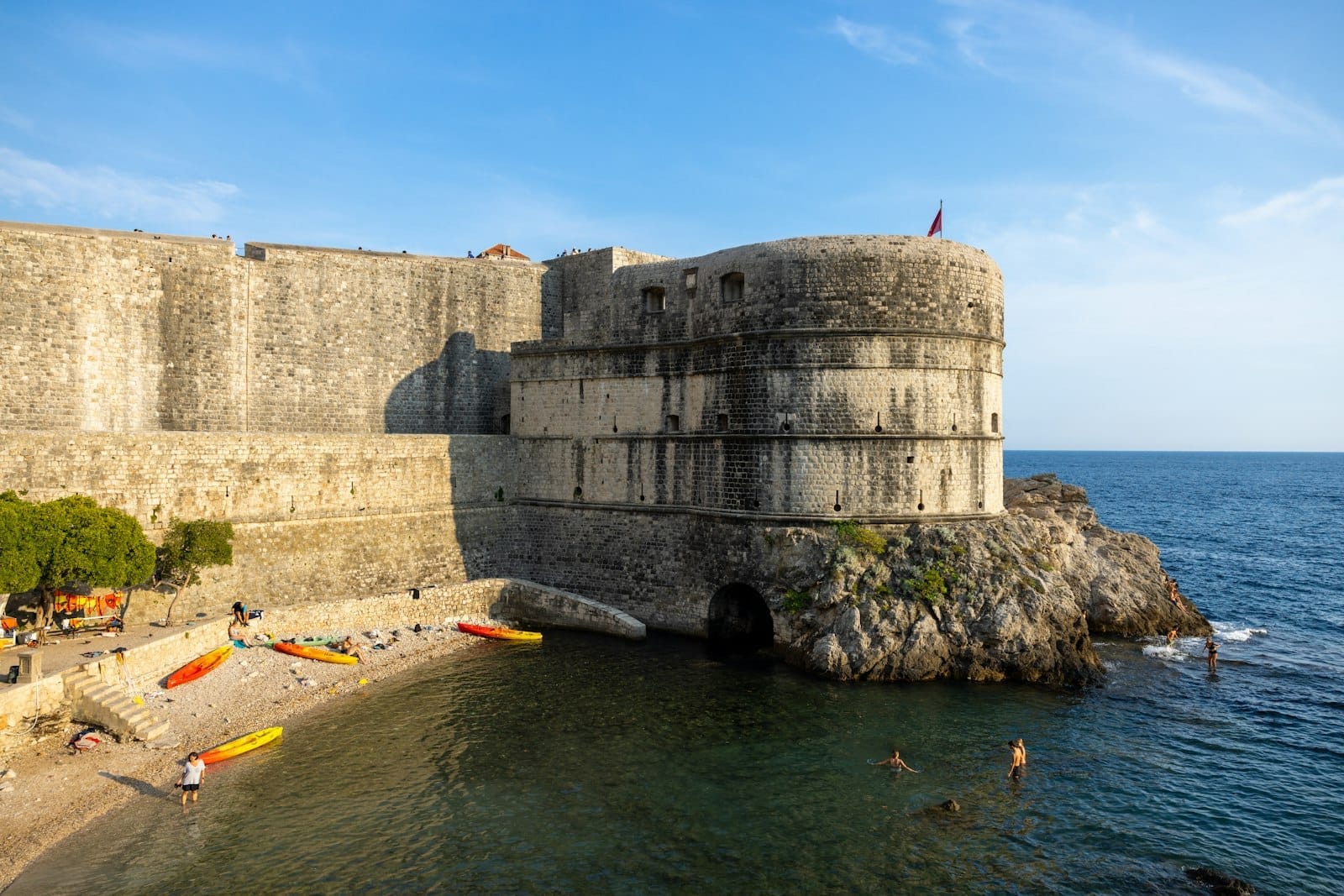
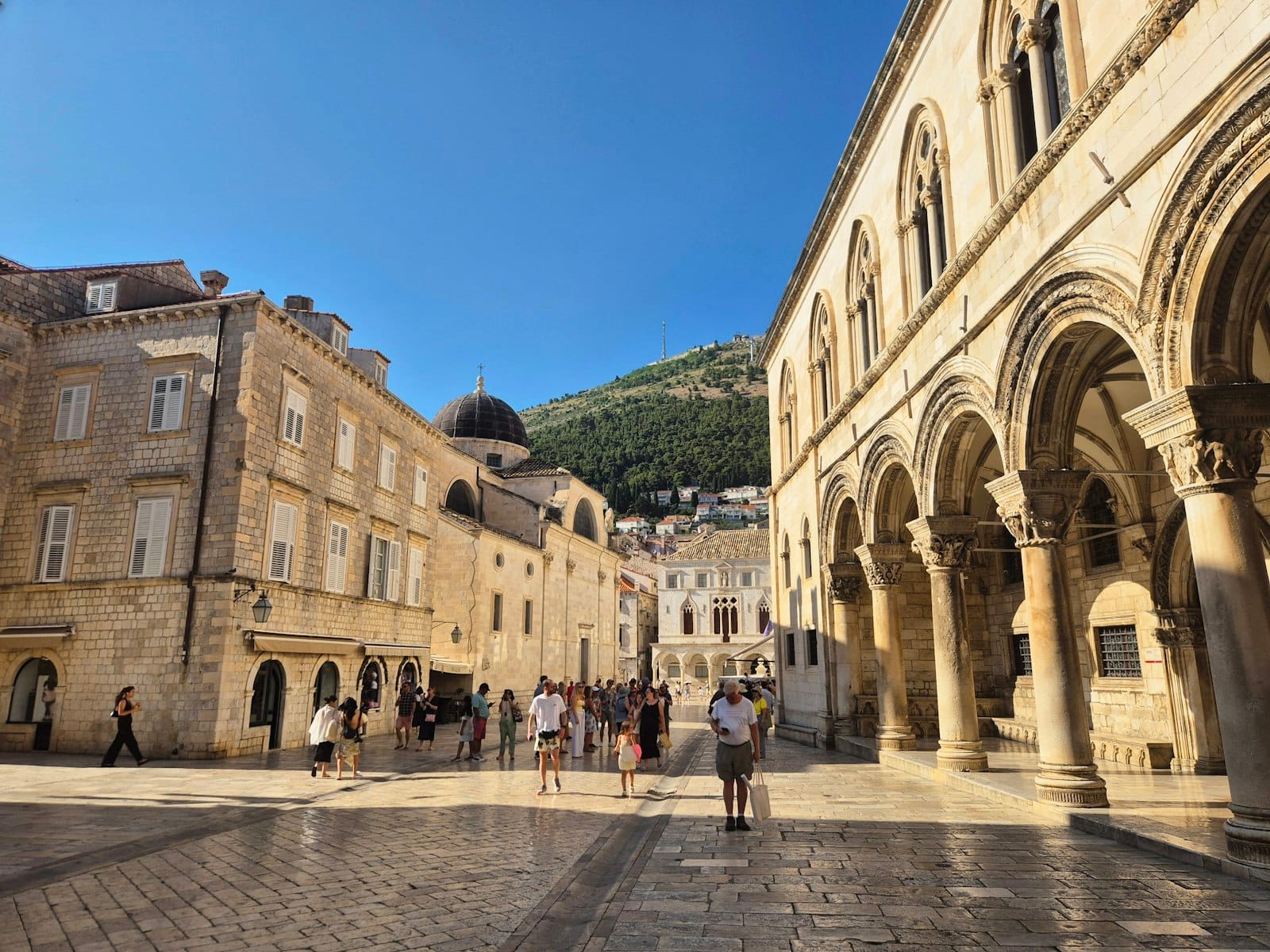
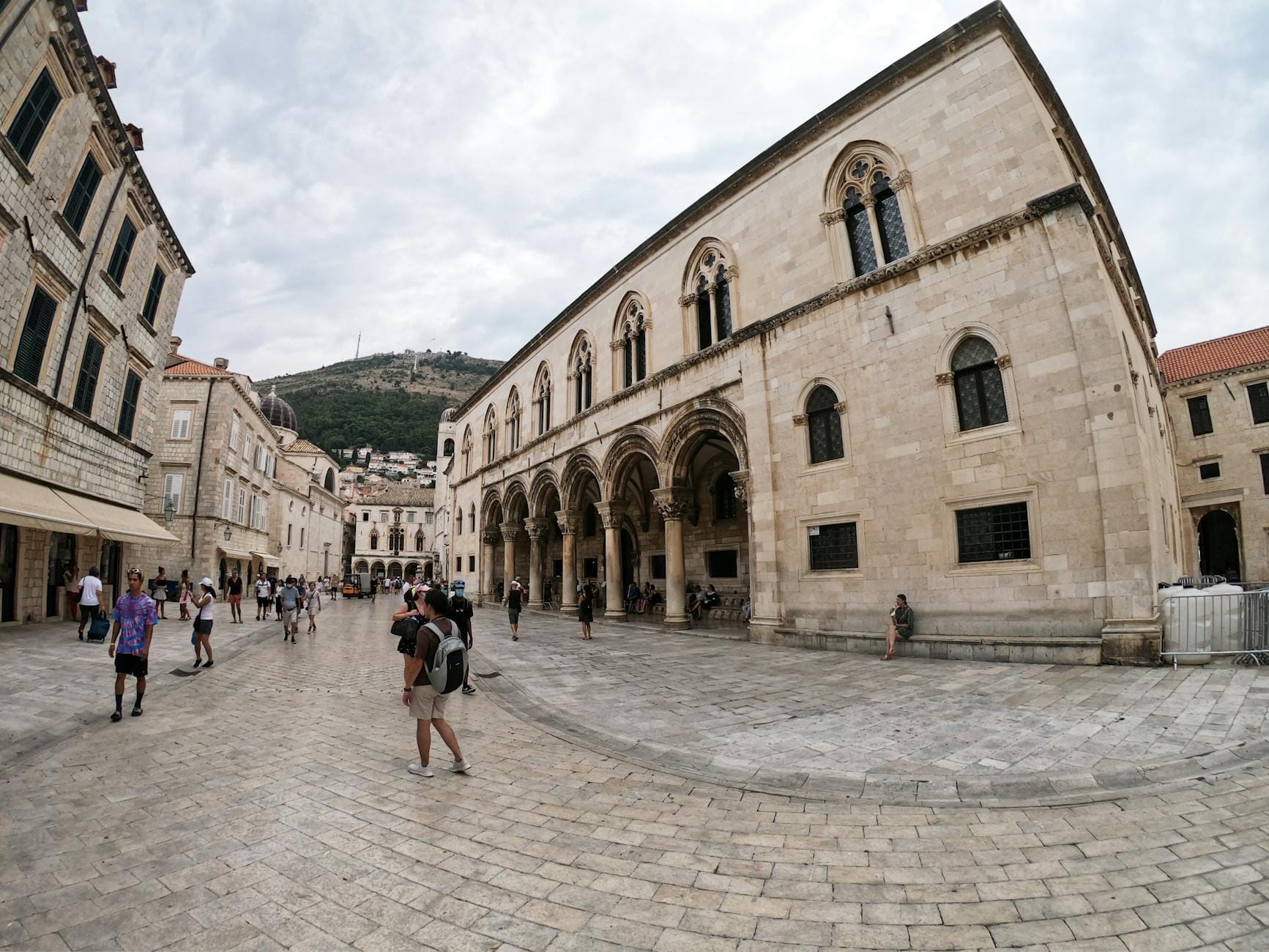
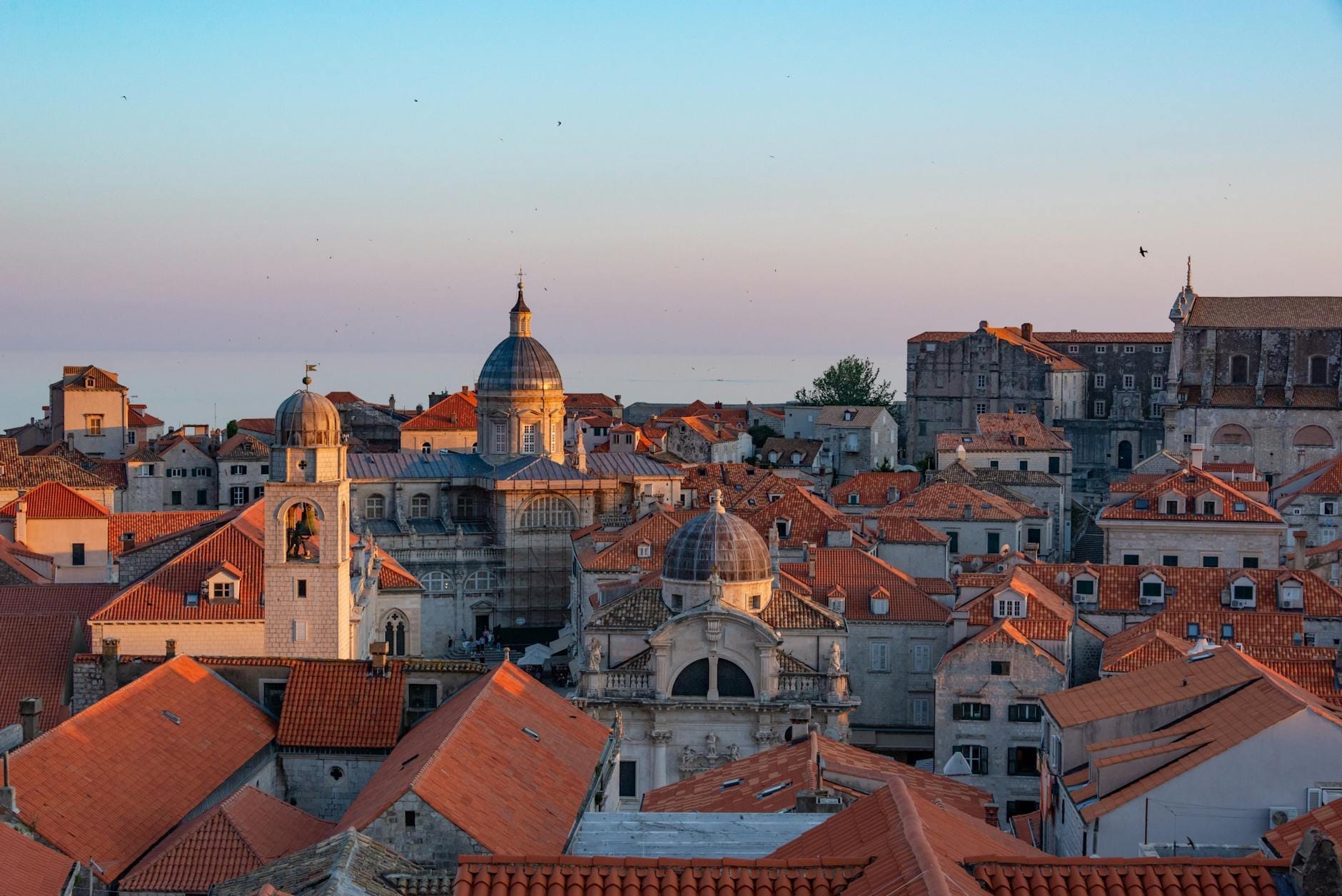
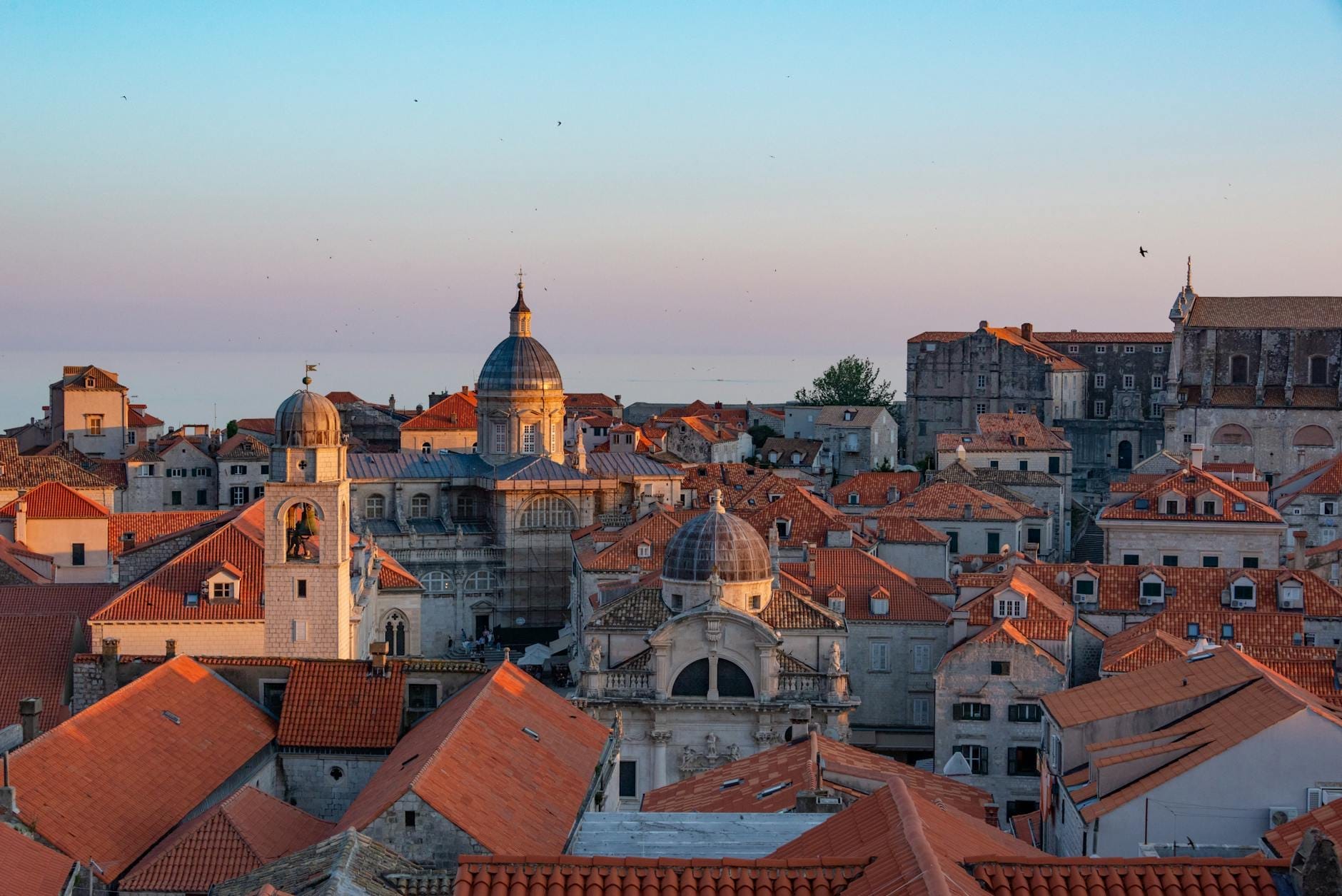
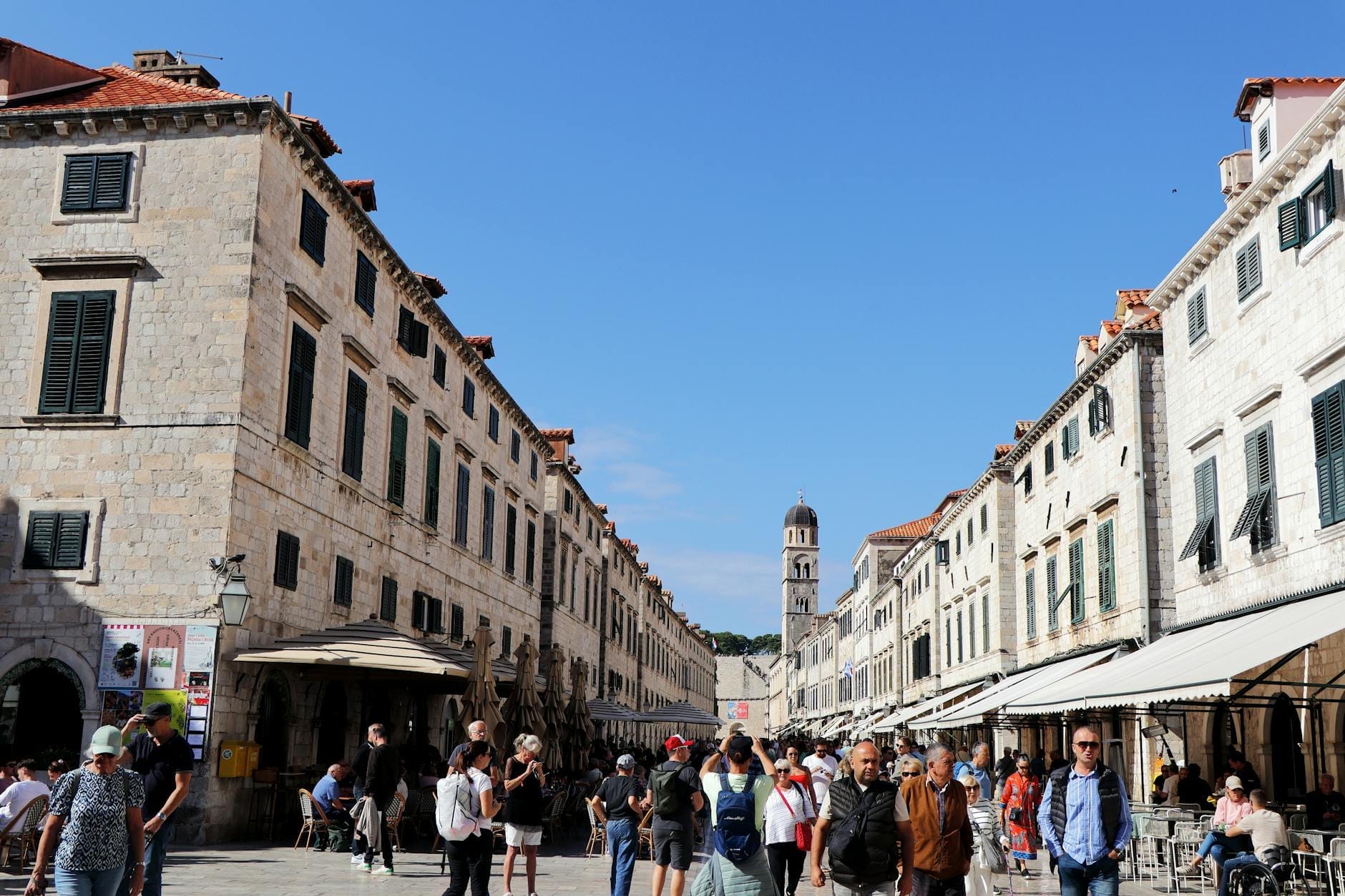
Old Town Dubrovnik, known locally as Stari Grad, is the UNESCO-listed medieval core of the city, entirely enclosed by medieval stone walls built and reinforced from the 12th to 17th centuries. From the polished limestone of Stradun to the steep lanes climbing toward the city walls, it is the historical, cultural, and social center of Dubrovnik.
Old Town Dubrovnik is one of the best-preserved medieval city centers in Europe, a compact limestone labyrinth ringed by walls that have stood since the 12th century and were reinforced through the 17th century. Every major landmark, from the Franciscan Monastery to the Cathedral of the Assumption, sits within a short walk of the main street, Stradun. The scale is small, the density of history is extraordinary, and the crowds in peak season are real.
Orientation
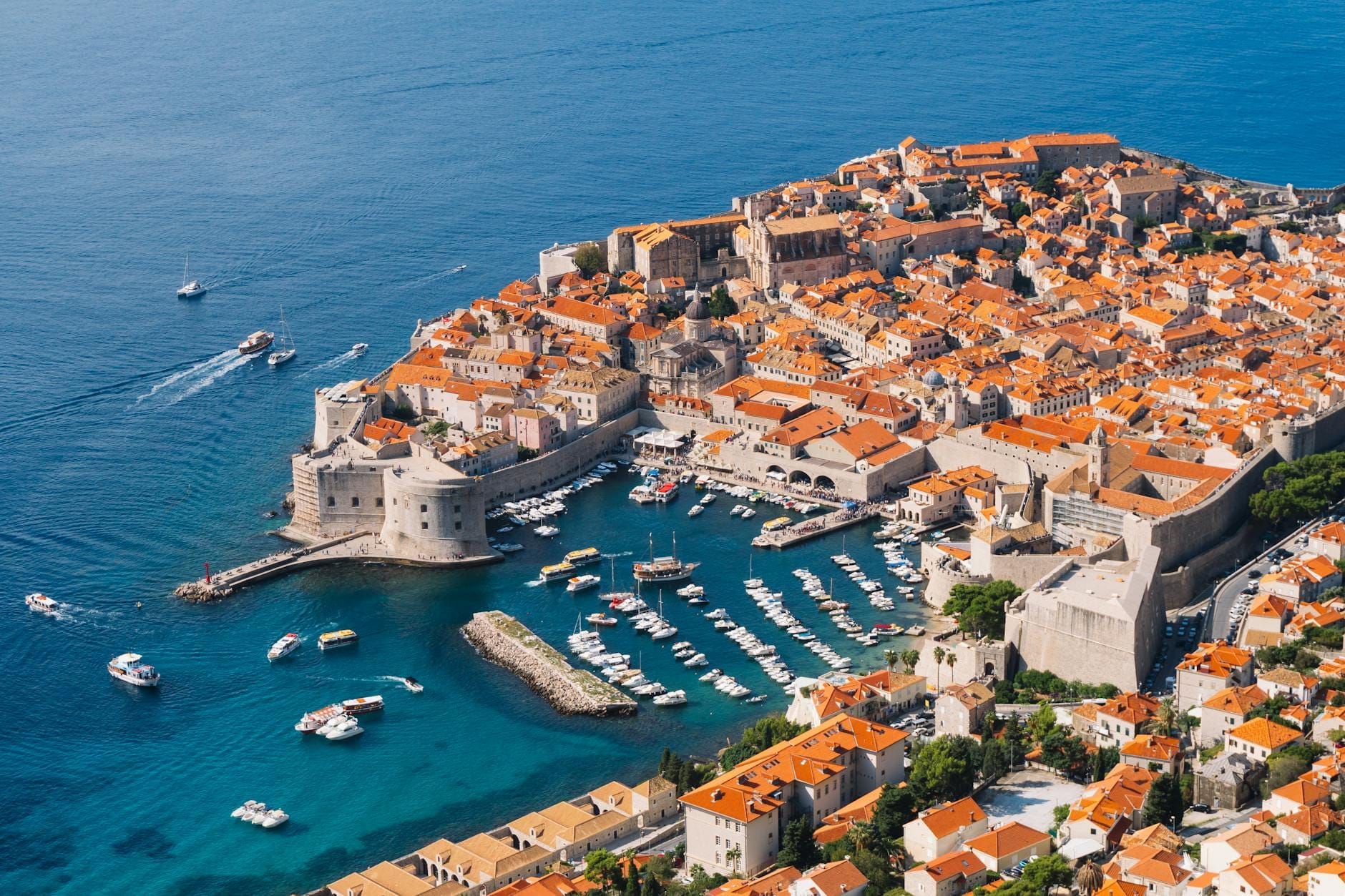
Old Town Dubrovnik occupies a rocky promontory jutting into the Adriatic, roughly 1.5 kilometers southeast of the modern harbor district at Gruž. The neighborhood is defined entirely by its walls: a continuous circuit of stone fortifications built and rebuilt between the 12th and 17th centuries, that enclose every street, church, and courtyard inside. Nothing enters or exits by car. The Old Town is fully pedestrian.
The main spine of the neighborhood is Stradun (also called Placa), a 300-meter limestone thoroughfare that runs west-east from Pile Gate to the harbor-facing clock tower and bell tower square. Stradun divides the neighborhood in a rough north-south split: the streets climbing north toward the walls are steeper, quieter, and more residential in character, while those descending south toward the old port are more compact and tourist-facing.
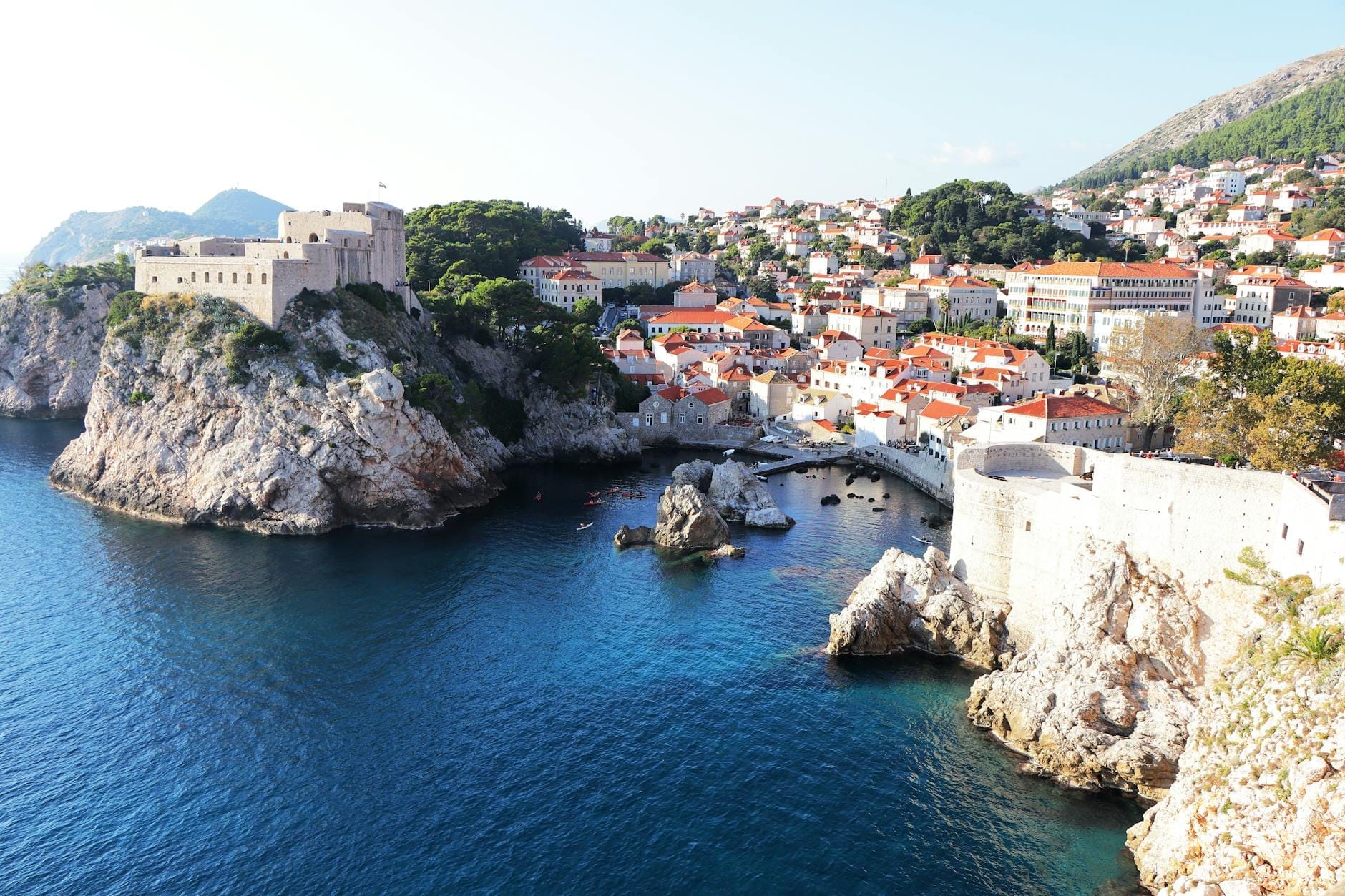
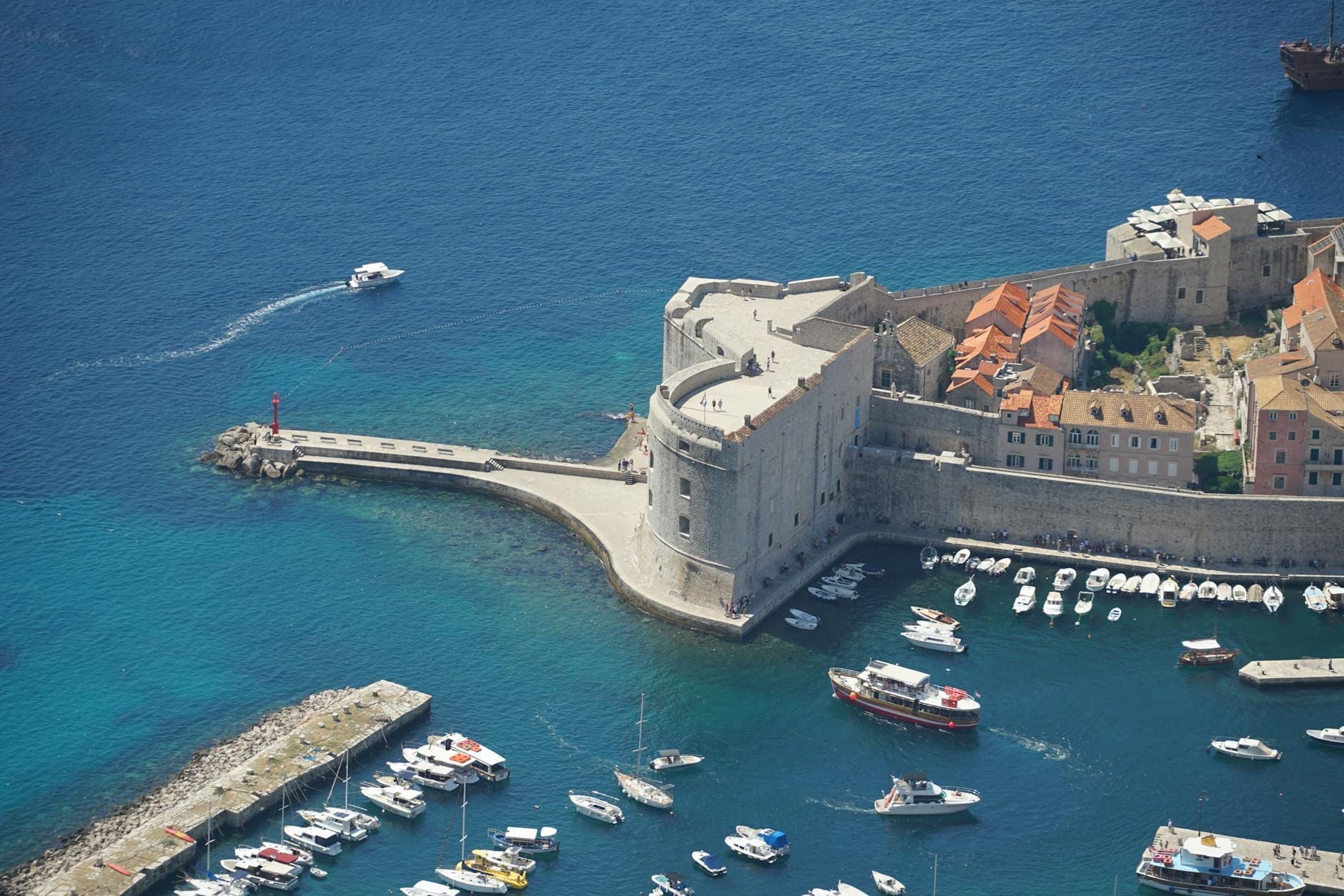
The Old Port (Stara Luka) anchors the eastern edge, with boats to Lokrum Island departing from its quay. The western edge is marked by Pile Gate and the broad external square where city buses terminate. Fort Lovrijenac rises on a separate rock just outside the western walls, overlooking the sea. To the north, the limestone bulk of Mount Srđ looms above the rooftops, accessible by cable car from a station just outside the Buža Gate.
Mentally, it helps to think of Old Town as an elongated oval: Stradun is the long axis, and the walls are the border. From Pile Gate to the port end of Stradun is about a 10-minute walk at a normal pace. End to end, the entire enclosed area can be crossed on foot in under 20 minutes. The complexity comes not from size but from the layered vertical topography: lanes climb sharply in both directions off the main street, connected by stairways and arched passages that make the map feel more confusing than the ground.
Character & Atmosphere
The rhythm of the Old Town changes dramatically across the day. Early morning, before 8am, belongs to the neighborhood's small resident population: shopkeepers hosing down doorsteps, delivery workers navigating the narrow lanes with hand carts, and a handful of locals heading to the market. The light at this hour is soft and lateral, catching the honey-colored stone at angles that turn ordinary facades into something close to gold. Stradun, worn to a mirror polish by centuries of foot traffic, reflects the sky.
By mid-morning, the character shifts. Cruise ships dock at Port Gruž, and the groups arrive in waves through Pile Gate, filling Stradun shoulder-to-shoulder by 10am in July and August. The noise level rises considerably: languages layer on top of each other, tour guides speak into microphones, and the cafés along the main street fill with people who sit facing outward, watching the crowd rather than the coffee. This is the Old Town of global reputation, and it can feel overwhelming.
Afternoon heat drives some visitors back to their hotels, and the side streets become navigable again. The lanes running north off Stradun, particularly those climbing toward the Minceta Tower and the northern walls, thin out considerably. Locals who remain in the neighborhood reappear on balconies and in doorways. The light turns amber and falls steeply across the rooftops, making late afternoon one of the better times to photograph the interior streets.
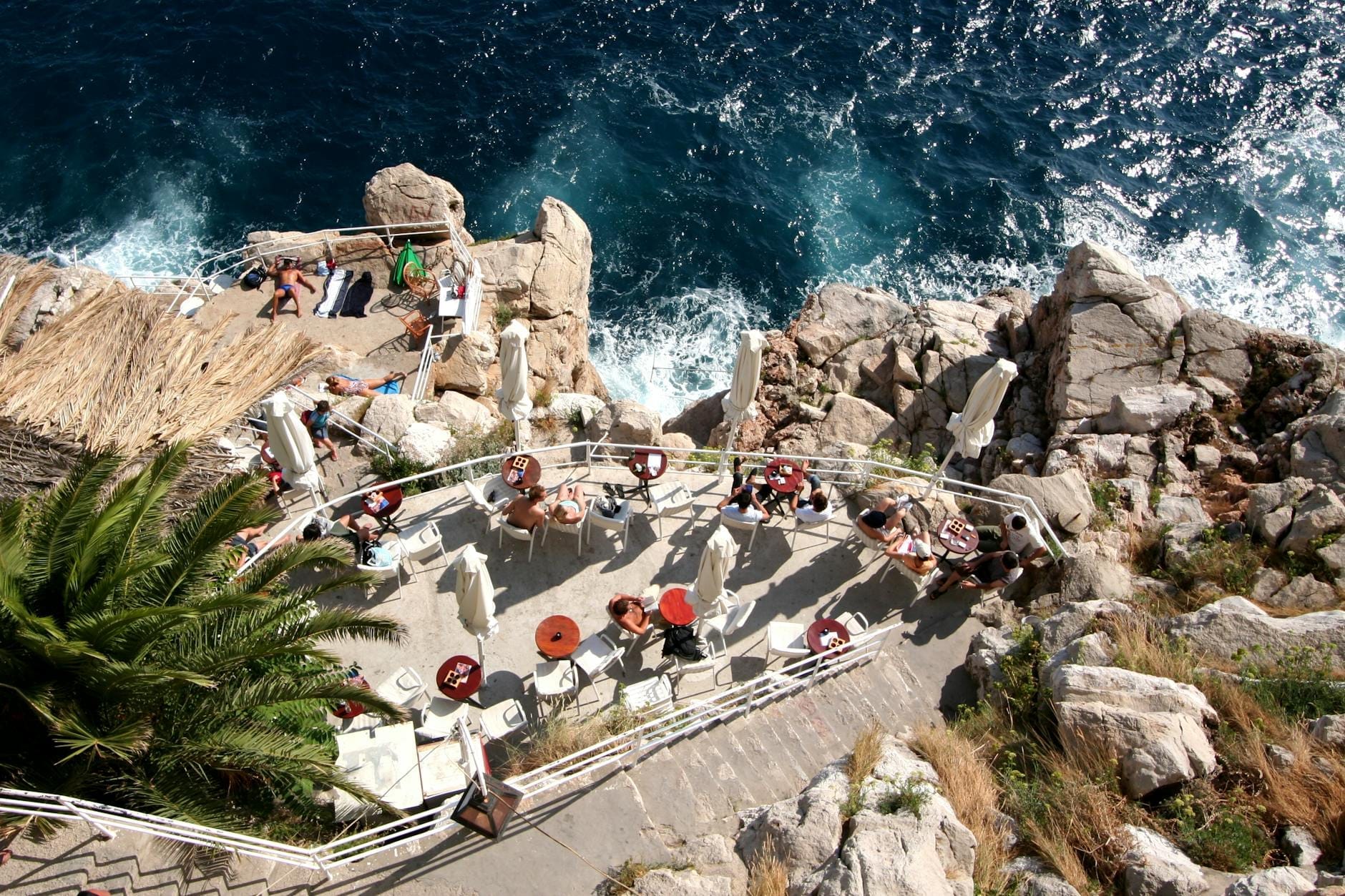
After dinner, the Old Town takes on a third character: the day-trippers and cruise passengers are gone, and the streets settle into something calmer. Restaurants that were impossible to approach at noon have tables available. The squares near the Cathedral and the Dominican Monastery feel genuinely pleasant. Some bars stay open late, particularly those carved into the cliff face on the seaward side, but the Old Town after midnight is quiet compared to most tourist centers of its scale.
💡 Local tip
If you are staying inside the walls, plan your morning walks before 8:30am. The difference between the Old Town at 7:30am and 10am is difficult to overstate. The same streets that feel like a private medieval city at dawn become extremely crowded within a few hours, especially June through August.
What to See & Do
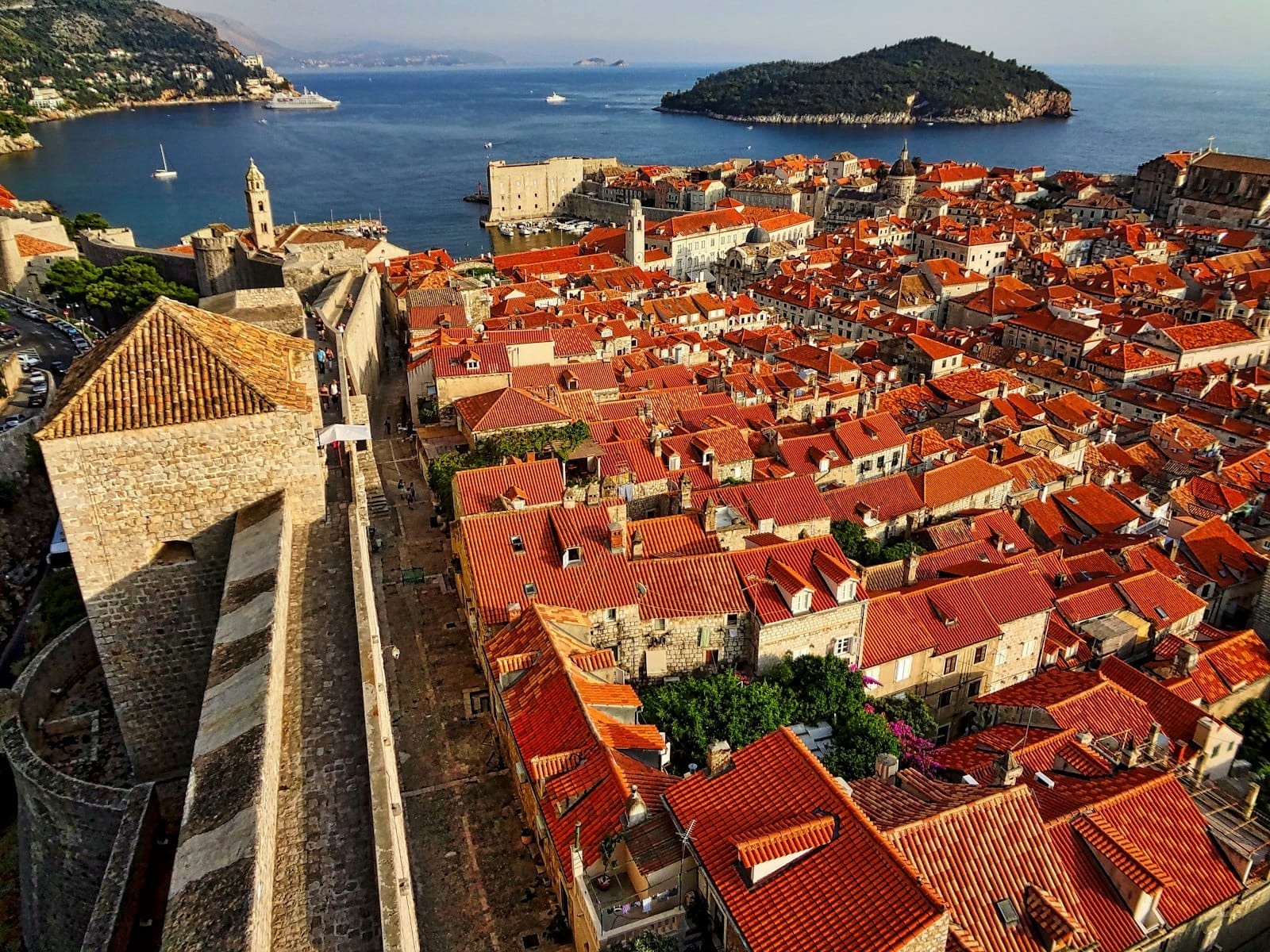
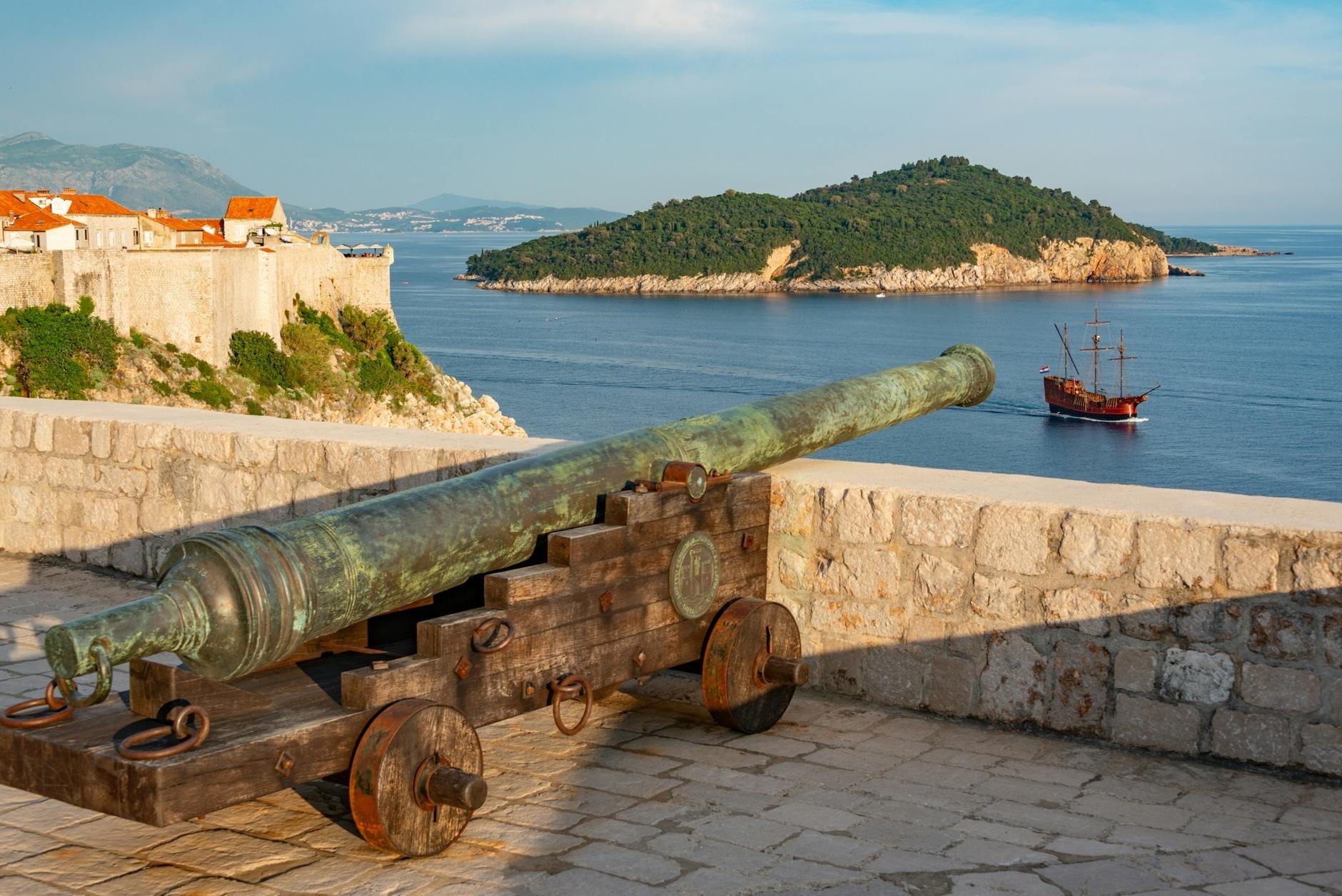
The single most significant experience in the Old Town is walking the Dubrovnik City Walls. The circuit runs approximately 2 kilometers and takes between 1.5 and 2 hours at a relaxed pace, depending on how long you stop at the various towers and viewpoints. From the walls, the terracotta roofline of the interior is fully visible, including the brighter replacement tiles that mark buildings repaired after damage sustained during the 1991-1992 Siege of Dubrovnik. The Adriatic spreads out on three sides, and on clear days the silhouettes of the Elaphiti Islands are visible to the northwest.
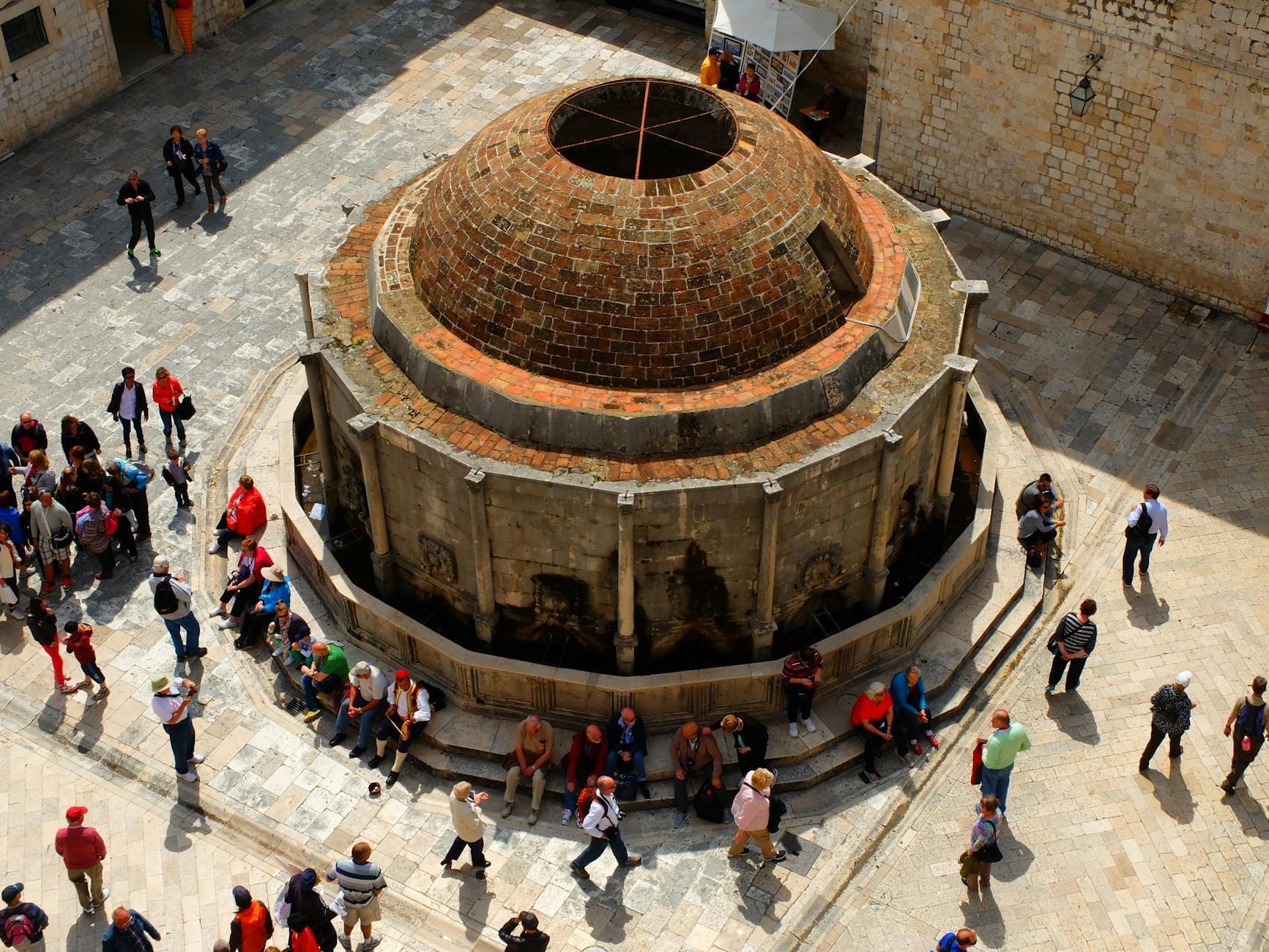
Along Stradun, the Franciscan Monastery is worth visiting for reasons beyond the standard monastery circuit: it contains what is documented as one of Europe's oldest continuously operating pharmacies, established in 1317 and still dispensing products on the premises. The cloister is architecturally elegant and considerably quieter than the street outside. At the opposite end of Stradun, the Large Fountain of Onofrio marks the western arrival point for the medieval aqueduct system that brought fresh water into the city.
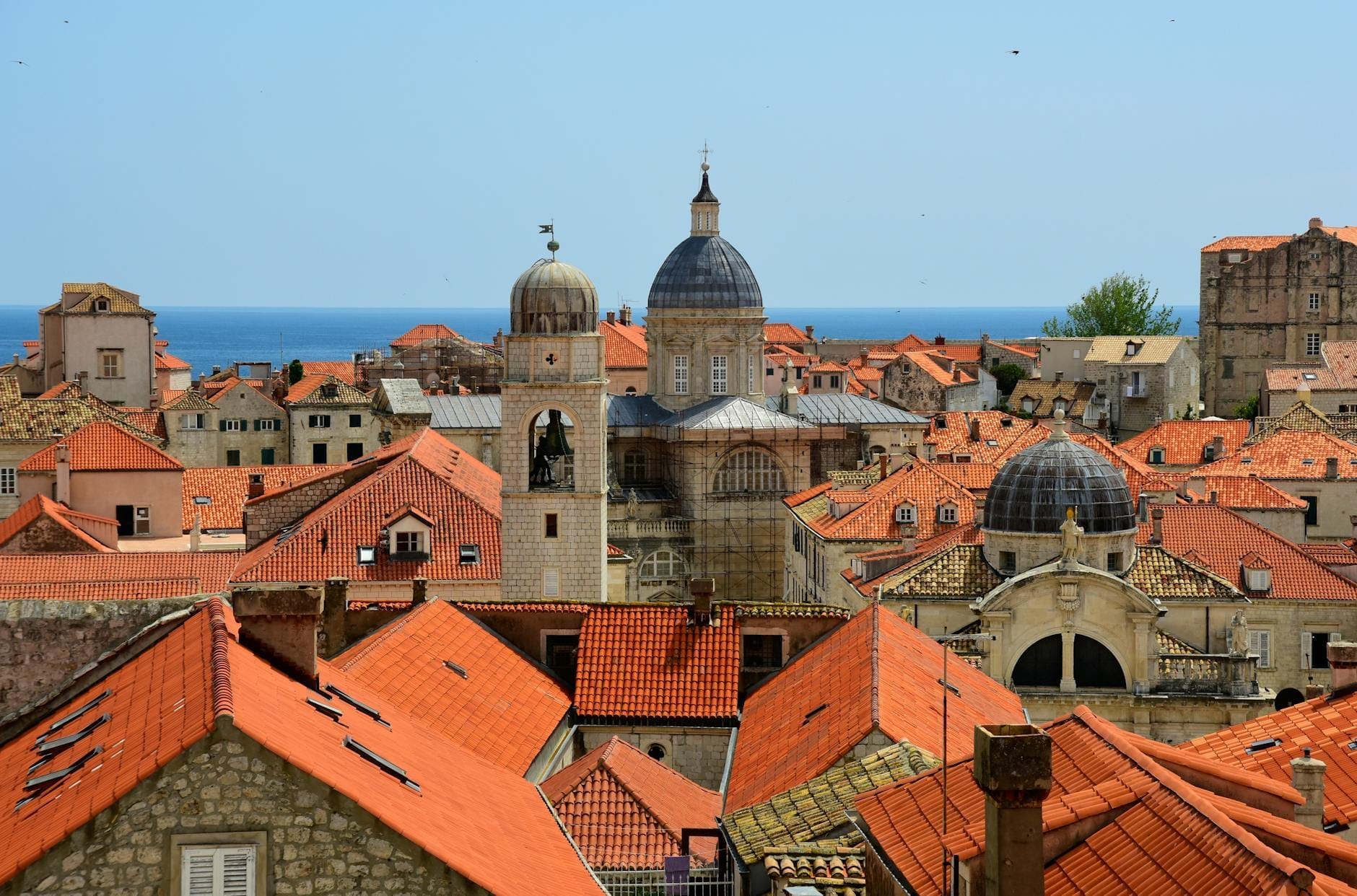
Moving east along Stradun, Sponza Palace and Orlando's Column anchor the main square at the harbor end. The column, a medieval sculptural landmark showing a knight in relief, traditionally marked the center of public life in the Ragusan Republic. Turning south from the square leads toward the Rector's Palace, a late Gothic and Renaissance hybrid that served as the seat of government for the Republic of Ragusa and now functions as the City Museum.
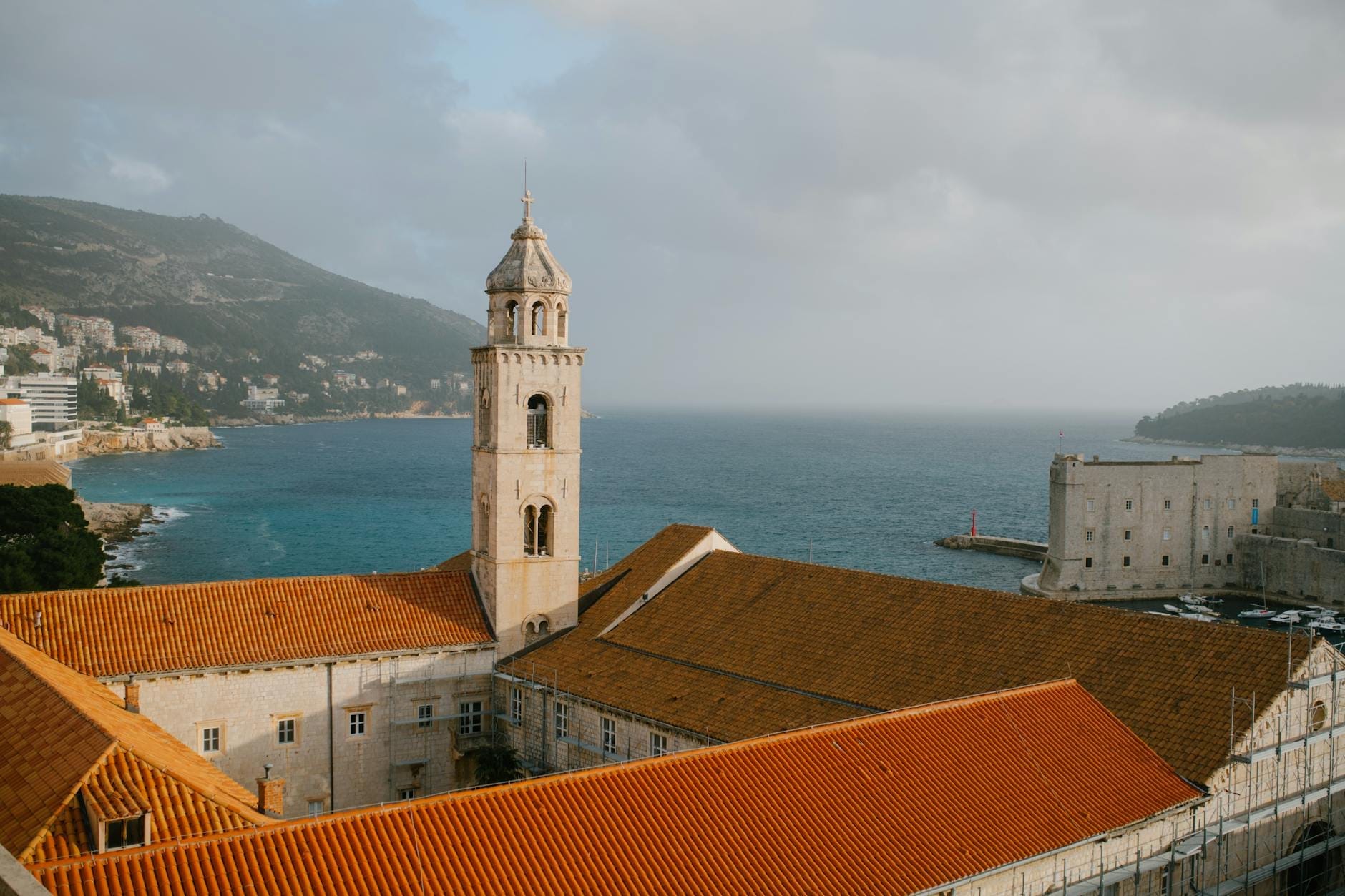
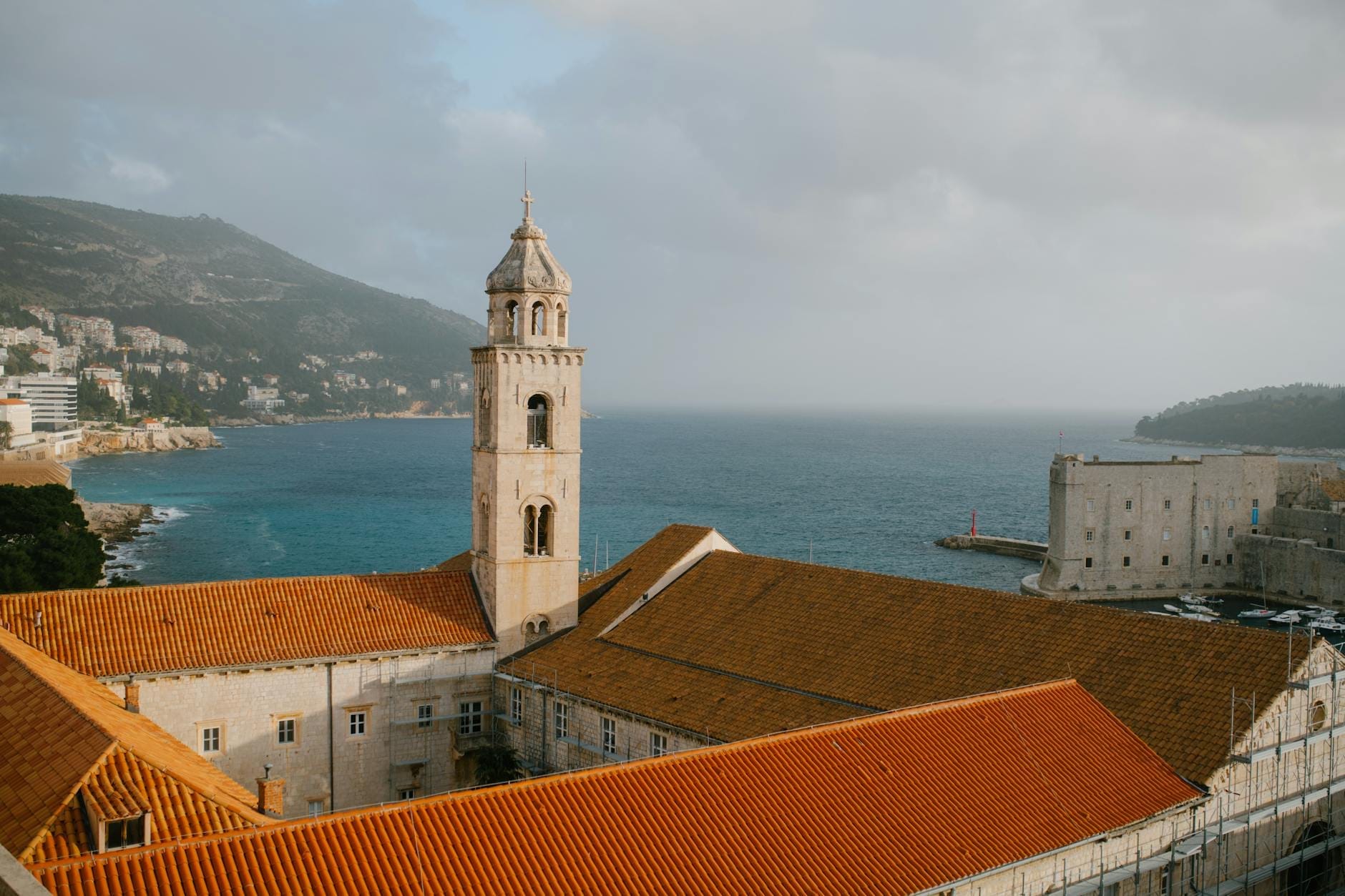
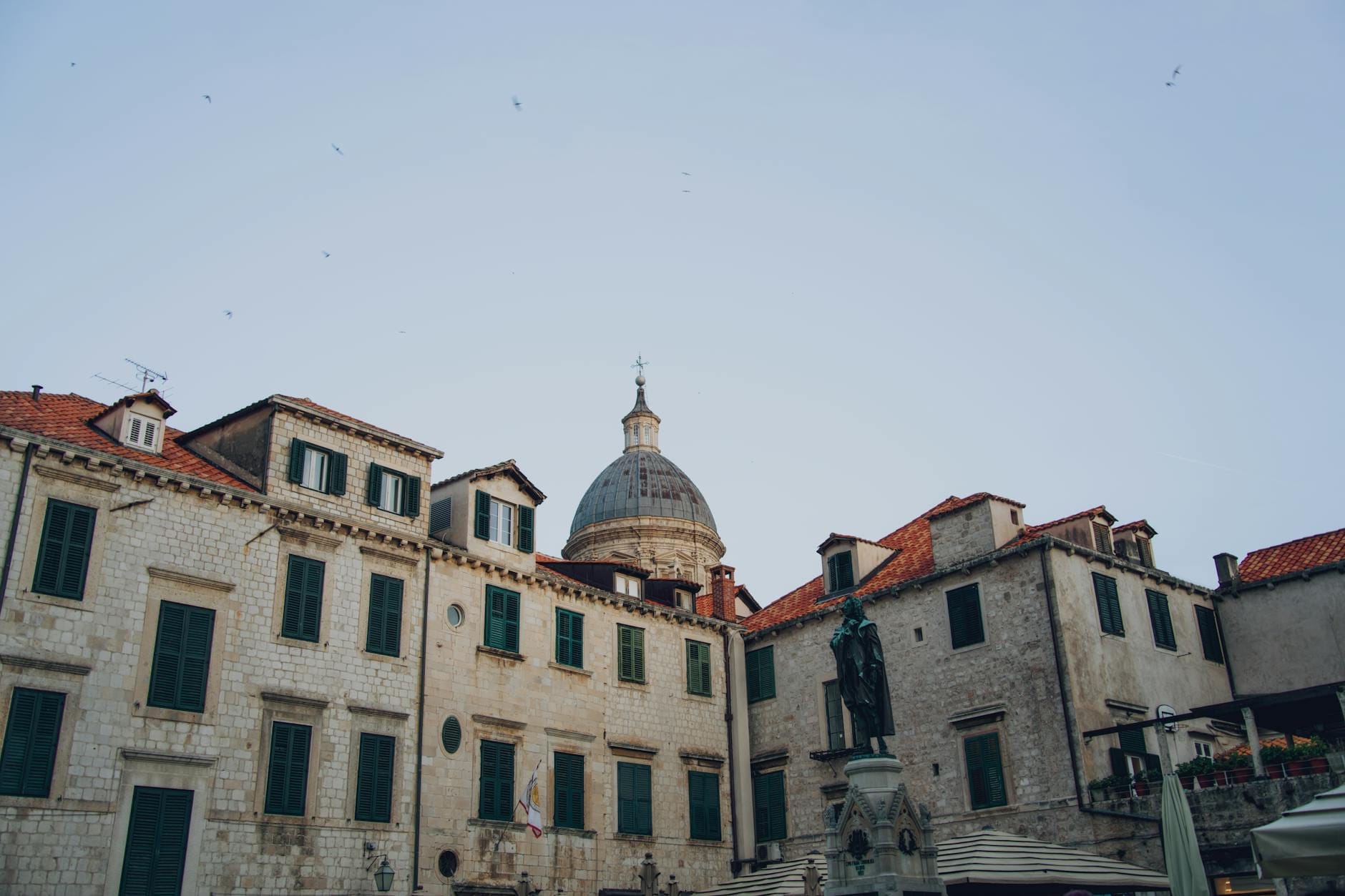
South of the main square, the Cathedral of the Assumption dominates the southern half of the Old Town. It was built on the site of an earlier Romanesque church destroyed in the 1667 earthquake, which also prompted the reconstruction of much of the neighborhood's current street layout. Nearby, the Dominican Monastery holds one of the better small art collections in the region, heavy on late medieval and Renaissance religious painting, in a Gothic cloister that rarely gets as crowded as the city walls.
Walk the full 2km city walls circuit: best before 9am or after 4pm in summer
Visit the Franciscan Monastery cloister and its historic pharmacy
Explore the Rector's Palace for context on the independent Republic of Ragusa
Climb to the Minceta Tower for overhead views into the Old Town interior
Find the Jesuit Stairs (Ignacije Steps) behind the cathedral for a quieter corner with Baroque atmosphere
Take the short boat ride from the Old Port to Lokrum Island for a complete change of pace
ℹ️ Good to know
The Dubrovnik City Pass typically covers entry to the city walls, several museums including the Rector's Palace, and public buses. Cable car inclusion depends on the package and current offers. If you plan to do several paid sights in a day, the pass is worth calculating against individual entry prices, which have risen significantly in recent years. Check current pricing before purchase.
Eating & Drinking
Eating inside the Old Town walls requires some navigation. The restaurants directly on Stradun and on the main squares adjacent to the harbor are, almost without exception, priced for tourists and rarely represent the best value or quality in the city. This is not a criticism of every establishment, but a structural reality: rent on Stradun is among the highest in Croatia, and the captive audience is enormous. The food is edible; the experience of sitting on a terrace watching the crowd is what you are paying for.
Better meals tend to come from the side streets running north and south off Stradun, where smaller konobas (informal Croatian taverns) operate with lower overheads and more consistent local customer bases. Seafood is the dominant protein: grilled fish, black risotto (crni rižot) made with cuttlefish ink, and brodet (a slow-cooked fish stew) are the regional standards. Pasta dishes reflecting centuries of Italian influence are also common, prepared simply and usually well.
For drinking, the most atmospheric option is Buža Bar, a bar cut into the seaward cliff face on the southern wall, accessible through a literal hole in the wall (the name means 'hole'). You bring your drink to limestone ledges above the Adriatic. It is not a secret, but it remains genuinely enjoyable for late-afternoon light and atmosphere. The Buža Bar guide has details on finding it and what to expect.
Coffee culture operates on Croatian time: a coffee in Dubrovnik is a slow affair, typically an espresso or a macchiato, consumed over 20 minutes or more. Ordering a table in a café and staying for an hour without pressure is normal and expected. The small square near the Jesuit Stairs tends to be quieter and cheaper than anything directly on Stradun.
⚠️ What to skip
Be cautious about restaurants that approach you on the street to hand out menus or offer discounts. This practice is common near the main tourist routes and the harbor, and these establishments rarely represent good value. Walk one or two streets off the main drag before sitting down.
Getting There & Around
Old Town Dubrovnik has no internal vehicle traffic. Every arrival is on foot, and navigation inside the walls is entirely pedestrian. The primary entrance for visitors is Pile Gate on the western side, where most city bus routes terminate in the adjacent square. This is the natural arrival point from the rest of the city.
From Gruž harbor (the main ferry and cruise terminal) and the Lapad hotel district, city buses run by Libertas connect directly to the Pile Gate stop. The journey from Gruž takes roughly 15-20 minutes depending on traffic; from central Lapad, allow 20-25 minutes. Taxis and ride-hailing services (Uber operates in Dubrovnik) drop passengers at the Pile Gate square, from which the gate itself is a 2-minute walk.
From Dubrovnik Airport (DBV), located approximately 20 kilometers south of the city, the Atlas airport shuttle bus runs to the Pile Gate area, taking roughly 30-45 minutes and costing around 5-7 EUR. Taxis from the airport run 25-40 EUR depending on time of day and negotiation. The shuttle is almost always the easier option for travelers without heavy luggage requirements.
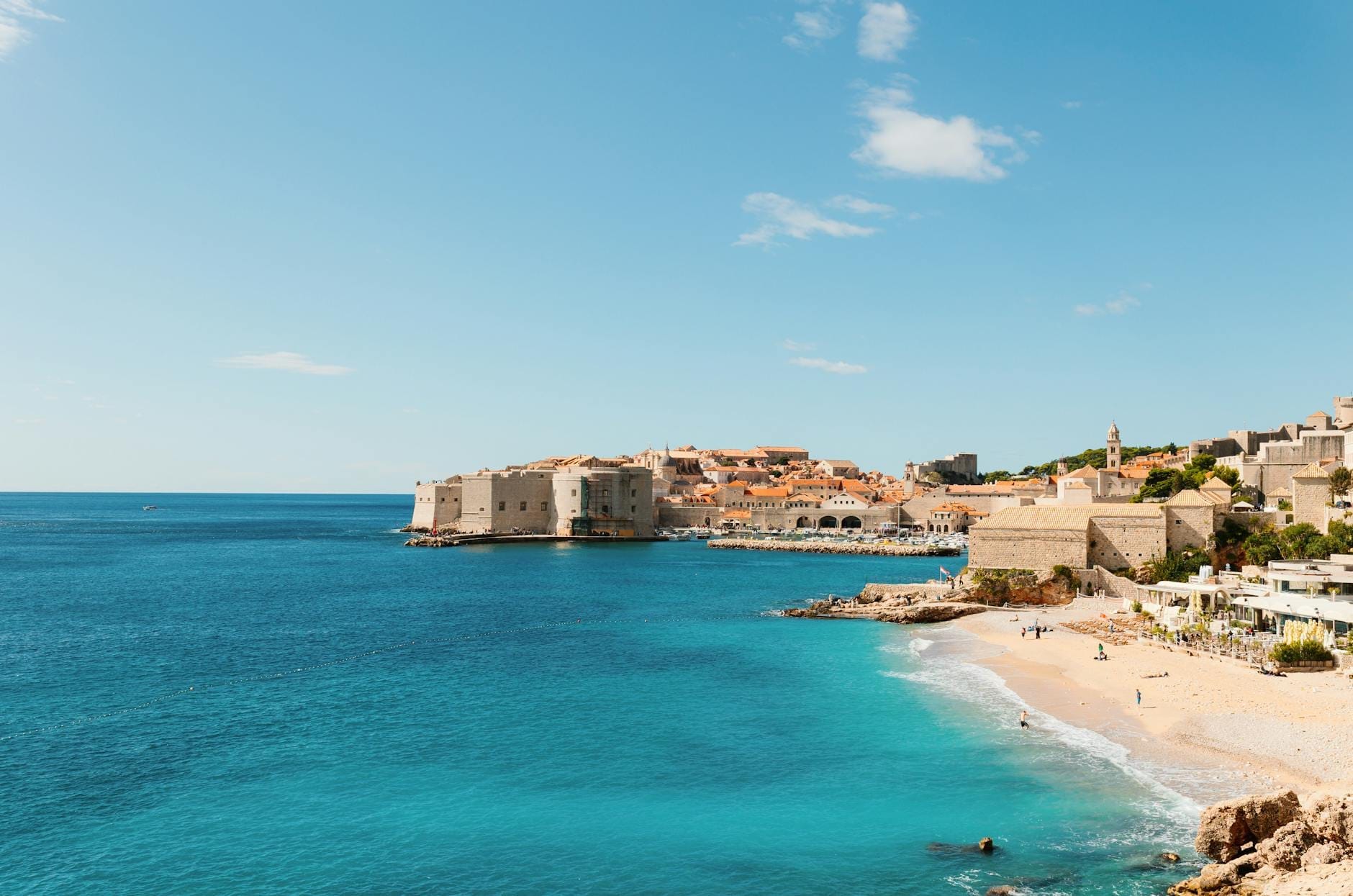
Inside the walls, orientation is straightforward once you understand the topography. Stradun is the flat central spine; everything else climbs or descends from it. The northern streets rise steeply toward the walls and become progressively quieter. The southern streets descend toward the cathedral and the harbor. The Ploče Gate on the eastern side provides a secondary exit toward Banje Beach and the road running east toward the Adriatic Highway.
For reaching Mount Srđ above the Old Town, the Dubrovnik cable car departs from a station just outside the northern walls near the Buža Gate. The ride takes under 4 minutes and delivers panoramic views over the entire Old Town and the surrounding coastline. There is also a hiking trail to the summit for those who prefer to arrive under their own power.
Where to Stay
Staying inside the Old Town walls is an experience unlike any other accommodation option in Dubrovnik, and it comes with specific trade-offs. The where to stay in Dubrovnik guide covers the full city in detail, but here is what matters specifically about the Old Town.
The practical reality of staying inside the walls is that there are no large hotels in the traditional sense: most accommodation is in private apartments, small boutique guesthouses, and a handful of heritage hotels. Prices are high relative to equivalent properties in Lapad or Gruž. There is no parking anywhere inside the walls, which is irrelevant if you are arriving by plane or bus, but significant if you plan to rent a car for day trips.
Luggage is another consideration. Arriving with large rolling suitcases means navigating steep stairways and uneven limestone alleys, sometimes for considerable distances. Many accommodation providers inside the walls will specify exactly which gate to enter through and provide detailed directions, because GPS often fails in the narrow lanes. If you have mobility concerns or heavy baggage, properties just outside the walls near Pile Gate or on the road running east from Ploče Gate offer easier access while keeping the Old Town within a 5-minute walk.
Noise is a factor from late spring through early autumn. Properties on or near Stradun face street noise until 11pm or later during peak season. Side streets in the northern part of the Old Town, away from the main thoroughfare and the harbor, tend to be significantly quieter at night and are generally a better choice for light sleepers.
For couples, the intimacy of waking up inside the walls, stepping onto a stone street at dawn before the crowds arrive, and having immediate access to every major landmark without transit is genuinely compelling. For families with young children or travelers with mobility limitations, the terrain and logistics may outweigh the romance. Both positions are reasonable.
History in Brief
The city now known as Dubrovnik was historically called Ragusa, and for several centuries it operated as an independent maritime republic, trading across the Adriatic and Mediterranean with considerable sophistication. The current street layout of the Old Town was largely set after the catastrophic earthquake of 1667, which destroyed most of the earlier buildings while leaving the walls largely intact. The Republic of Ragusa enacted strict building codes for reconstruction, which is why the interior has a unusual consistency of scale and style for a medieval European city.
The 1991-1992 Siege of Dubrovnik, part of the broader conflict following Yugoslavia's dissolution, caused substantial damage to the Old Town from artillery fire. Stradun and the surrounding streets sustained mortar impacts, and many rooftops were destroyed or damaged. Reconstruction followed through the 1990s and 2000s, and the brighter terracotta tiles visible from the city walls mark where post-siege repairs replaced centuries-old originals. The Old Town was listed as a UNESCO World Heritage Site in 1979, a designation that provided both international attention and restoration resources. The city walls guide covers the defensive architecture and its history in more detail.
More recently, the Old Town became a filming location for Game of Thrones, standing in for the fictional city of King's Landing. The resulting global exposure accelerated an already significant tourism increase. The city has grappled with overtourism concerns, particularly around cruise ship arrivals, and has implemented visitor caps and crowd management measures in response.
TL;DR
Old Town Dubrovnik is the cultural and historical center of the city, enclosed by medieval walls and entirely car-free: every major landmark is within a 10-minute walk of Stradun.
Best for: first-time visitors to Dubrovnik, history-focused travelers, couples, photographers, and anyone willing to pay a premium to wake up inside the walls.
Honest drawback: July and August bring extreme crowds, particularly during cruise ship hours (10am-4pm). Many of the tourist-facing restaurants on Stradun are overpriced relative to quality.
Plan your most important sightseeing for early morning or early evening. The city walls, the Franciscan Monastery, and the Rector's Palace all reward unhurried visits.
Day-trippers can cover the essential sites in a single long day, but one night inside the walls changes the experience completely: the Old Town before and after the crowds are two different places.
Choosing the best time to visit Dubrovnik shapes your entire trip. This guide breaks down every season honestly, covering weather, crowds, costs, and what's actually worth doing in each period, so you can plan around your priorities rather than tourist brochure hype.
Buza Bar is Dubrovnik's most atmospheric drinking spot, clinging to the rocks outside the southern city walls with direct access to the Adriatic. This guide covers both locations, how to find them, what things cost, the truth about sunset views, and everything else you need before you go.
Dubrovnik rewards slow exploration, but the surrounding region is packed with destinations worth a full day out. These are the best day trips from Dubrovnik, covering Adriatic islands, Bosnian towns, coastal nature, and a UNESCO-listed arboretum.
Dubrovnik's coastline offers far more than one famous beach. From the postcard views at Banje to the calm lagoon on Lokrum Island and the car-free sandy shore of Lopud, here is where to swim, sunbathe, and cool off around the city.
The Dubrovnik Cable Car is the fastest way to reach Mount Srđ and its 412-metre panorama above the Old Town. This guide covers tickets, seasonal hours, crowd patterns, what to expect at the summit, and honest advice on whether it's worth the fare.
The Dubrovnik Pass promises free entry to the City Walls, Rector's Palace, six museums, skip-the-line access, and bus rides. But does the math work out? This guide breaks down every included attraction, the real savings by pass type, and exactly who should (and shouldn't) buy one.
The Dubrovnik City Walls are the single most impressive feature of this UNESCO-listed old city: a nearly 2 km loop of medieval fortifications with uninterrupted views over the Adriatic. This guide covers ticket prices, entry points, the best time to go, and everything the official site doesn't tell you.
Cruise ships dock at Port Gruž, roughly 3km from Dubrovnik's Old Town. This guide covers exactly how to get there, what to expect on arrival, how to spend your time ashore, and how to avoid the most common mistakes cruise passengers make.
Most visitors to Dubrovnik walk the walls, photograph the Stradun, and leave. But the city rewards those who look further. From cliff-side bars and car-free islands to a centuries-old arboretum and a wartime fortress on the hill above the city, these are the experiences that make Dubrovnik far more than its postcard image.
Dubrovnik is one of the Adriatic's most photogenic cities, and for couples it delivers something genuinely special: medieval stone streets, cliff-top bars with open sea views, private boat tours, and candlelit waterfront dining. This guide covers the most romantic things to do in Dubrovnik, the best times to visit as a couple, and practical advice that saves you from the tourist-trap pitfalls.
The Elaphiti Islands sit just off Dubrovnik's coast and offer everything the city lacks in summer: quiet coves, car-free lanes, and unhurried lunches. This guide covers ferry logistics, guided tours, what each island is actually like, and how to make the most of a day on the water.
Three days is enough to see the best of Dubrovnik without rushing. This itinerary covers the City Walls, Old Town highlights, a day trip to the islands, and practical advice on timing, pricing, and what to skip.
Paddling the Adriatic Sea along Dubrovnik's UNESCO-listed city walls is one of the most visually striking experiences the Croatian coast offers. This guide covers every sea kayak tour option, honest pricing, the best routes, top operators, and what to expect on the water.
Dubrovnik after dark is more layered than its reputation suggests. This guide covers the top things to do in Dubrovnik at night — cliff-side cocktails, beach clubs, a 16th-century fortress turned dance floor, and the quieter bars most tourists walk past. Includes prices, seasonal notes, and what to skip.
Dubrovnik has a reputation as one of Croatia's priciest destinations, and it earns it. But budget-conscious travelers still make it work every year. This guide breaks down real costs, seasonal pricing shifts, and the specific decisions that separate a €70/day trip from a €200/day one.
Dubrovnik is one of the most photogenic cities in Europe, but great shots require more than just showing up. This guide covers the best photography spots in Dubrovnik, including exact vantage points, optimal timing by season, entry costs, and honest advice on which locations are worth the effort.
Dubrovnik ranks among Croatia's safest cities, but its popularity brings a predictable set of tourist-targeted scams. This guide breaks down exactly what to watch for, where risks concentrate, and how to travel confidently without falling for overcharges, fake taxis, or phishing QR codes.
Running for 47 days across 16+ historic venues each summer, the Dubrovnik Summer Festival transforms the Old Town into an open-air cultural stage. This guide covers dates, ticket booking, the best performances to catch, and how to plan your visit without the headaches.
Walk Dubrovnik's UNESCO-listed Old Town on your own terms. This guide covers the full route from Pile Gate to the Clock Tower, every major stop along the way, the best apps to use, and honest advice on timing, crowds, and what to skip.
Dubrovnik's Mediterranean climate means sun-drenched summers, mild winters, and two golden shoulder seasons. This guide breaks down temperatures, rainfall, sea conditions, and crowd levels for every month so you can choose the visit that suits you best.
Dubrovnik is more family-friendly than its reputation suggests, but it rewards planning. This guide covers the best beaches, activities for children of all ages, seasonal timing, and practical logistics so your family trip actually works.
Dubrovnik has a reputation for being expensive, but plenty of its best experiences cost nothing at all. From wandering the Stradun to hiking Mount Srđ for panoramic views, here are the top free things to do in Dubrovnik.
Dubrovnik's Old Town doubled as King's Landing for eight seasons of Game of Thrones, and the locations are remarkably easy to visit on foot. This guide covers every major filming site, honest advice on tours versus self-guided walks, seasonal crowd warnings, and current pricing so you can plan without surprises.
Dubrovnik's Old Town is car-free, hilly, and can swallow an afternoon if you don't know the bus routes. This guide covers every transport option in the city: Libertas buses, airport shuttles, taxis, the cable car, and the Dubrovnik Pass, with real fares and honest advice on what to skip.
Dubrovnik gets more attention than almost any city its size. But does it live up to the hype? This guide cuts through the marketing noise with honest answers on costs, crowds, timing, and what makes the city genuinely special — plus what to watch out for.
Dubrovnik punches well above its size when it comes to luxury travel. This guide covers the best 5-star hotels on the Adriatic, where to eat well without the tourist markup, and how to get the most out of one of Europe's most dramatic coastal cities — without overpaying for it.
Three routes connect Split and Dubrovnik, each with a different trade-off between cost, comfort, and scenery. This guide breaks down the ferry, bus, and driving options with real pricing, seasonal schedules, and honest advice on which to choose.
St Blaise Church stands at the heart of Dubrovnik's Old Town, a Baroque masterpiece dedicated to the city's patron saint. This guide covers its architecture, the remarkable silver statue, practical visiting advice, and the annual February celebrations that bring the church to life.
Dubrovnik rewards visitors who go beyond the obvious. This guide covers the top things to do in Dubrovnik, Croatia, from the iconic City Walls walk and cable car summit to sea kayaking, island hopping, and the local spots most guides skip. Includes real prices, crowd timing, and honest take on what's worth it.
Dubrovnik's food scene runs much deeper than tourist-trap menus on the Stradun. This guide covers the essential Dalmatian dishes every visitor should try, where to actually eat them, and how to avoid wasting a meal on overpriced mediocrity.
Dubrovnik is perched on a narrow coastal promontory in southeastern Croatia, roughly 42.64° N, 18.11° E, with the Adriatic Sea on one side and the bare limestone mass of Mount Srđ on the other. This guide covers the city's precise geography, its distinct neighborhoods, the best routes in, and the seasonal realities that shape every visit.
Dubrovnik's dining scene runs from rooftop fine dining above limestone walls to burek shops wedged into medieval alleyways. This guide cuts through the tourist-trap noise to tell you exactly where to eat, what to order, and how much to pay — by neighbourhood, budget, and occasion.
Choosing where to stay in Dubrovnik shapes your entire experience. This guide covers every major neighbourhood, from the medieval Old Town to the resort strip of Lapad, with honest advice on who each area suits, what to expect, and how to avoid common booking mistakes.