Dubrovnik on a Budget: How to Visit Without Overspending
Dubrovnik has a reputation as one of Croatia's priciest destinations, and it earns it. But budget-conscious travelers still make it work every year. This guide breaks down real costs, seasonal pricing shifts, and the specific decisions that separate a €70/day trip from a €200/day one.
Tickets & tours
Live prices and dates from our booking partner. If you book, we may earn a commission at no extra cost to you.
TL;DR
- Budget travelers spend roughly €70-110/day in peak season (June-August); shoulder season (May, September-October) cuts that by 30-40%.
- The biggest savings come from staying outside the Old Town in Lapad or Gruž, where accommodation runs €30-60/night in shoulder season vs. €80+ in the walled city.
- The Dubrovnik City Walls cost €40 per person (March-November) — the single biggest attraction expense. The Dubrovnik City Pass bundles several sites and can reduce per-attraction costs significantly.
- Eating in the Old Town is expensive by design. Moving 15 minutes by bus to Lapad or Gruž cuts meal costs by roughly half.
- Buses run by Libertas cost around €1.73/single (bought in advance) and cover the entire city including beaches and the port — taxis are rarely necessary.
Is Dubrovnik Actually Expensive? The Honest Answer
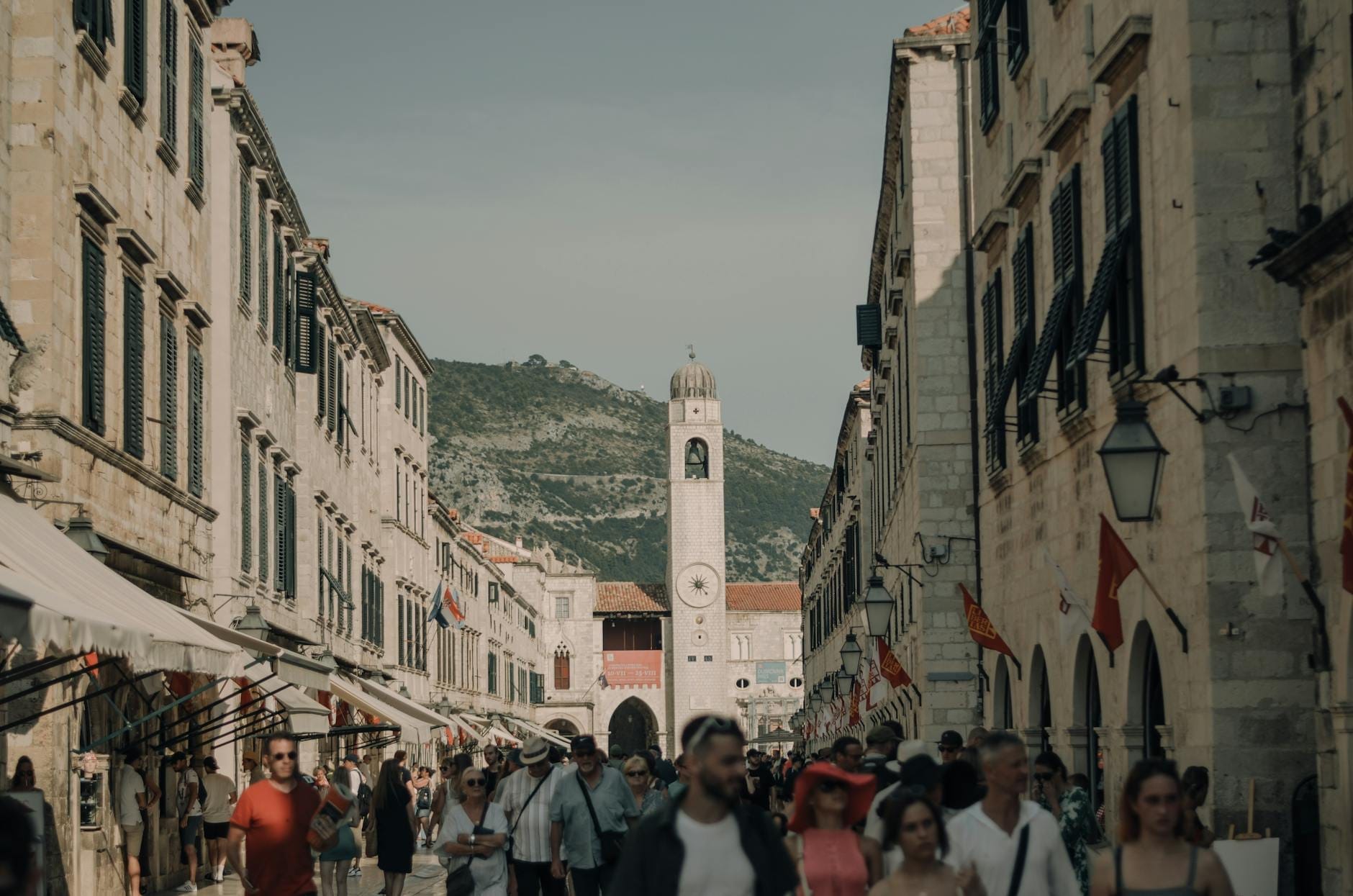
Yes, Dubrovnik is expensive relative to the rest of Croatia and most of the Balkans. It consistently ranks among the priciest destinations on the Adriatic coast, and in peak summer, the combination of cruise ship day-trippers and luxury hotel guests pushes Old Town prices to western European levels. A sit-down lunch in a restaurant on the Stradun can easily cost €25-35 per person before drinks.
That said, 'expensive' depends heavily on what choices you make. The city charges premium prices for convenience and location. The moment you step outside the UNESCO-listed core, the economics change considerably. Budget travelers who approach Dubrovnik strategically — staying outside the walls, eating where locals eat, using the bus system, and timing their visit right — regularly manage on €70-110/day including accommodation. That's not cheap by Balkan standards, but it's not Paris either.
ℹ️ Good to know
Croatia adopted the Euro (EUR) on 1 January 2023, replacing the Croatian Kuna (HRK). All prices in this guide are in EUR. Verify current rates before traveling as prices shift seasonally.
What Things Actually Cost: A Pricing Breakdown
Getting specific about costs helps you plan realistically. Here's what to expect across the main spending categories:
- Accommodation Hostel dorms: €25-45/night shoulder season, €40-70/night peak. Private rooms in guesthouses outside Old Town: €60-100/night peak. Old Town apartments: €100-200+/night in summer.
- City Walls entry €40/person (March-November), €20/person (December-February). Walk takes 1.5-2 hours. Early morning entry (before 8am) is cooler and far less crowded.
- Cable car to Mount Srđ Around €27-30 for adults return. Alternatively, hike up for free in roughly 45-60 minutes via the marked trail from behind Pile Gate — not easy in summer heat, but rewarding.
- Meals Old Town restaurants: €20-40/person for a full meal. Lapad and Gruž: €12-22/person. Supermarket self-catering (Konzum, Plodine): €5-10/day easily achievable.
- Buses (Libertas) €1.73/single trip (pre-purchased from kiosks or the driver with exact change), around €2-3 if bought on board without exact change. Daily pass approximately €5.31.
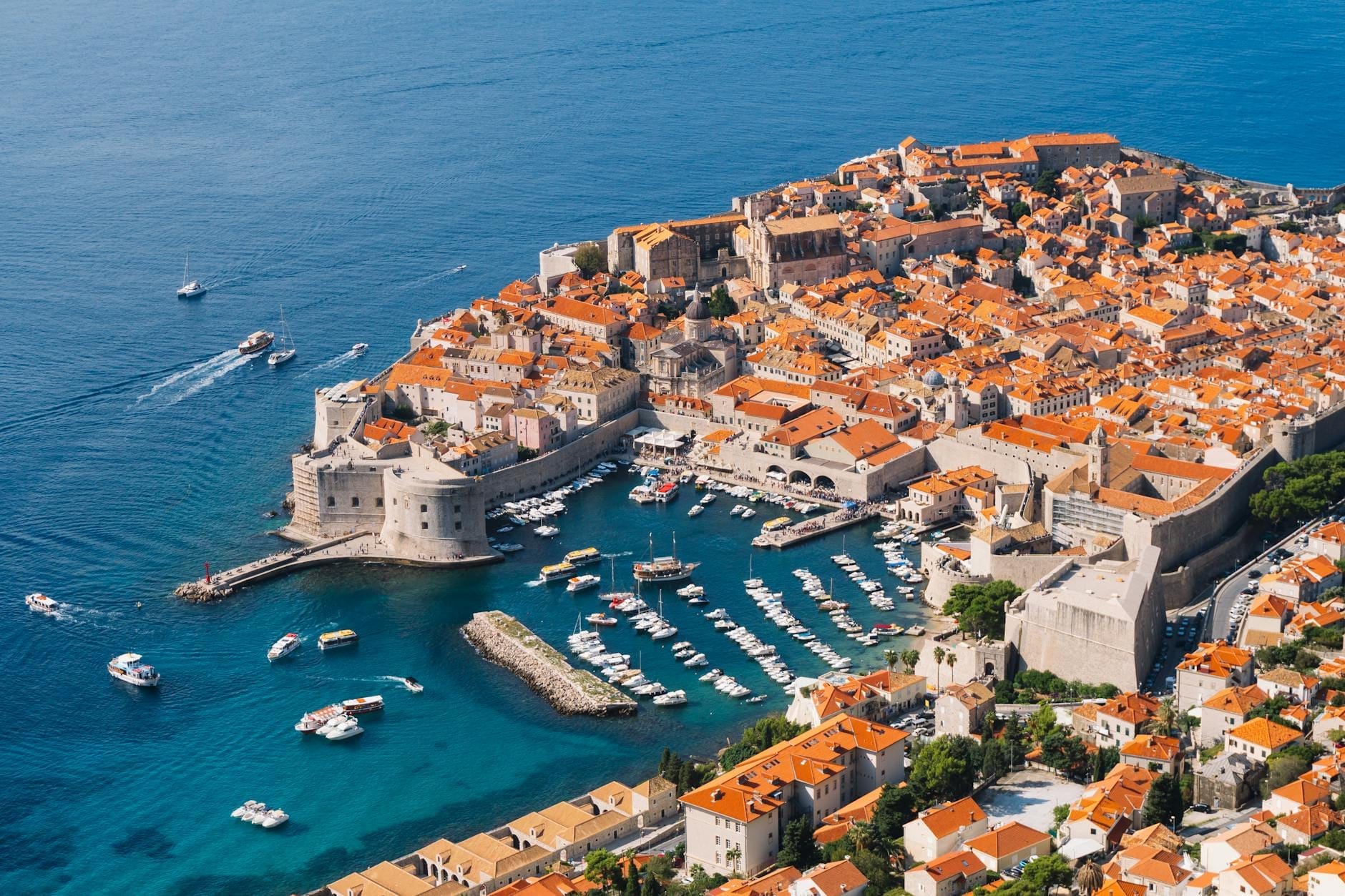
- Lokrum Island ferry Around €20-30 including return ticket and island entry. Departures from the Old Port.
- Taxis and ride-sharing €8-20 for most in-city journeys. Uber operates in Dubrovnik. Airport to center runs €25-40 by taxi, €5-7 by Libertas bus (line 37).
⚠️ What to skip
Old Town restaurants near the Stradun and Pile Gate charge a significant location premium. The food is rarely worth the markup. Walk 10 minutes off the main drag or take the bus to Lapad for genuinely better value.
Timing Your Trip: When to Come for the Best Value
June through August is when Dubrovnik hits its price ceiling. Cruise ships dock daily at Gruž port, thousands of day-trippers funnel through the Pile Gate, and accommodation prices reflect every bit of that demand. If peak season is your only option, book accommodation at least 3-4 months out and prioritize neighborhoods outside the walls.
The shoulder seasons, particularly May and September-October, represent the clearest sweet spot for value. Temperatures in May hover around 20-24°C, the sea is warm enough for swimming by late May, and accommodation prices run 30-40% lower than July peaks. September is arguably the best month: summer heat has eased, water temperature is at its highest (around 24-26°C), and the crowds thin out noticeably after the first week.
Winter (November-March) offers savings of up to 60% on accommodation, and the Old Town has a genuine atmospheric quality without the tourist pressure. The trade-offs are real though: some beach bars and seasonal restaurants close entirely, the Lokrum ferry runs on a reduced schedule, and short winter days limit sightseeing time. For a long weekend focused on the walled city itself, winter can work well. For beaches and island day trips, it doesn't.
Where to Stay: Budget-Friendly Neighborhoods
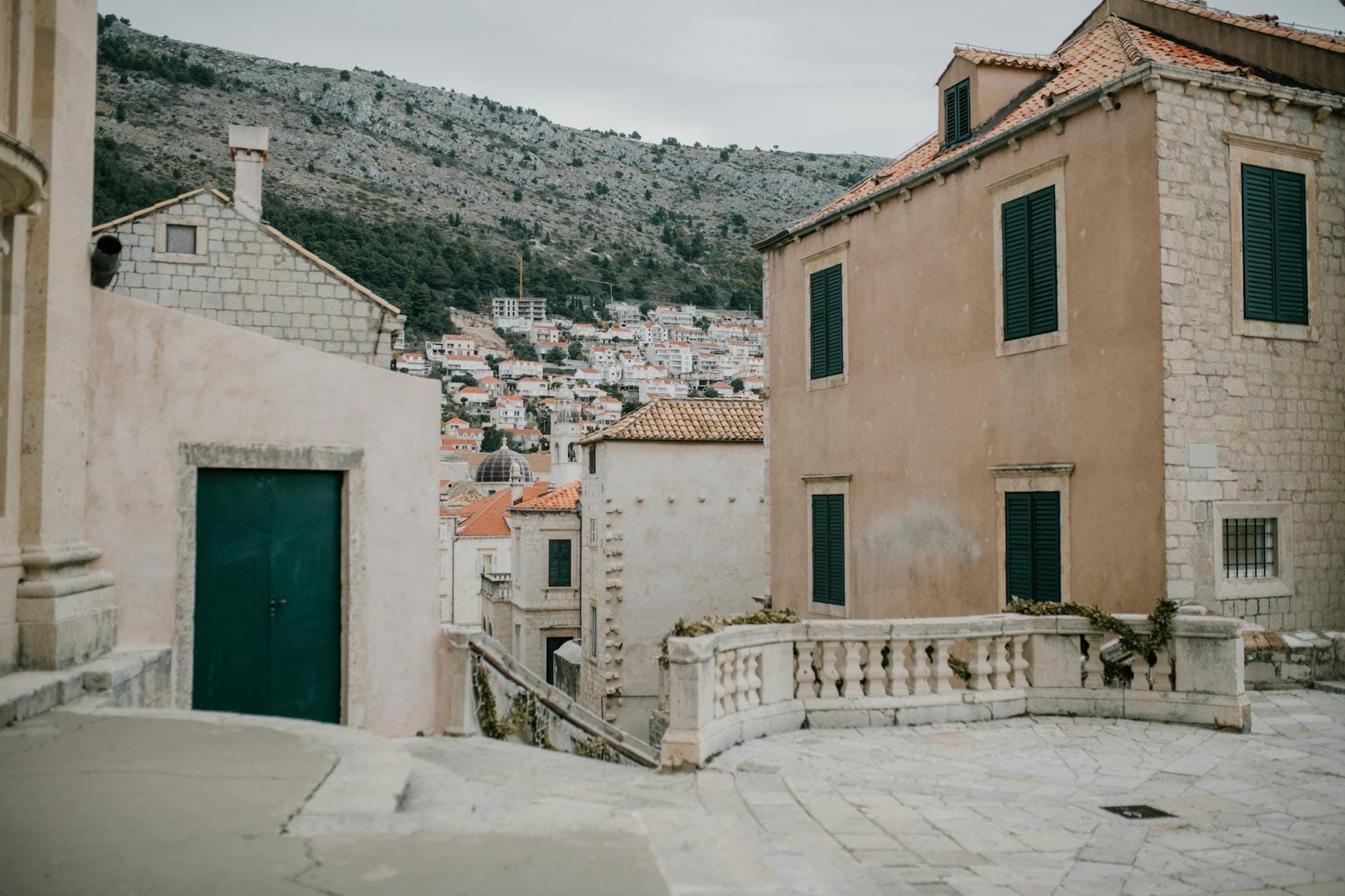
Staying inside the Old Town is a romantic idea that tends to lose its appeal when you see accommodation prices alongside the noise levels (the limestone streets amplify sound dramatically at night). For budget travelers, the better neighborhoods are Lapad and Gruž. Both connect to the Old Town via Libertas buses in 15-20 minutes.
Lapad has the best concentration of mid-range hotels and guesthouses, a reasonable beach at Uvala Lapad, and a low-key restaurant strip that's far more affordable than Old Town alternatives. Gruž, centered around the ferry port, is slightly more utilitarian but has good supermarket access (useful for self-catering) and some of Dubrovnik's more affordable private room options. For backpackers, the hostel scene in these neighborhoods is where you'll find dorm beds in the €25-45 range during shoulder season.
✨ Pro tip
Book accommodation in Lapad or Gruž, get a Libertas daily bus pass, and treat the Old Town as a place to visit rather than a base. This single decision can cut your daily accommodation cost by €40-80 compared to staying inside the walls.
Free and Low-Cost Things to Do
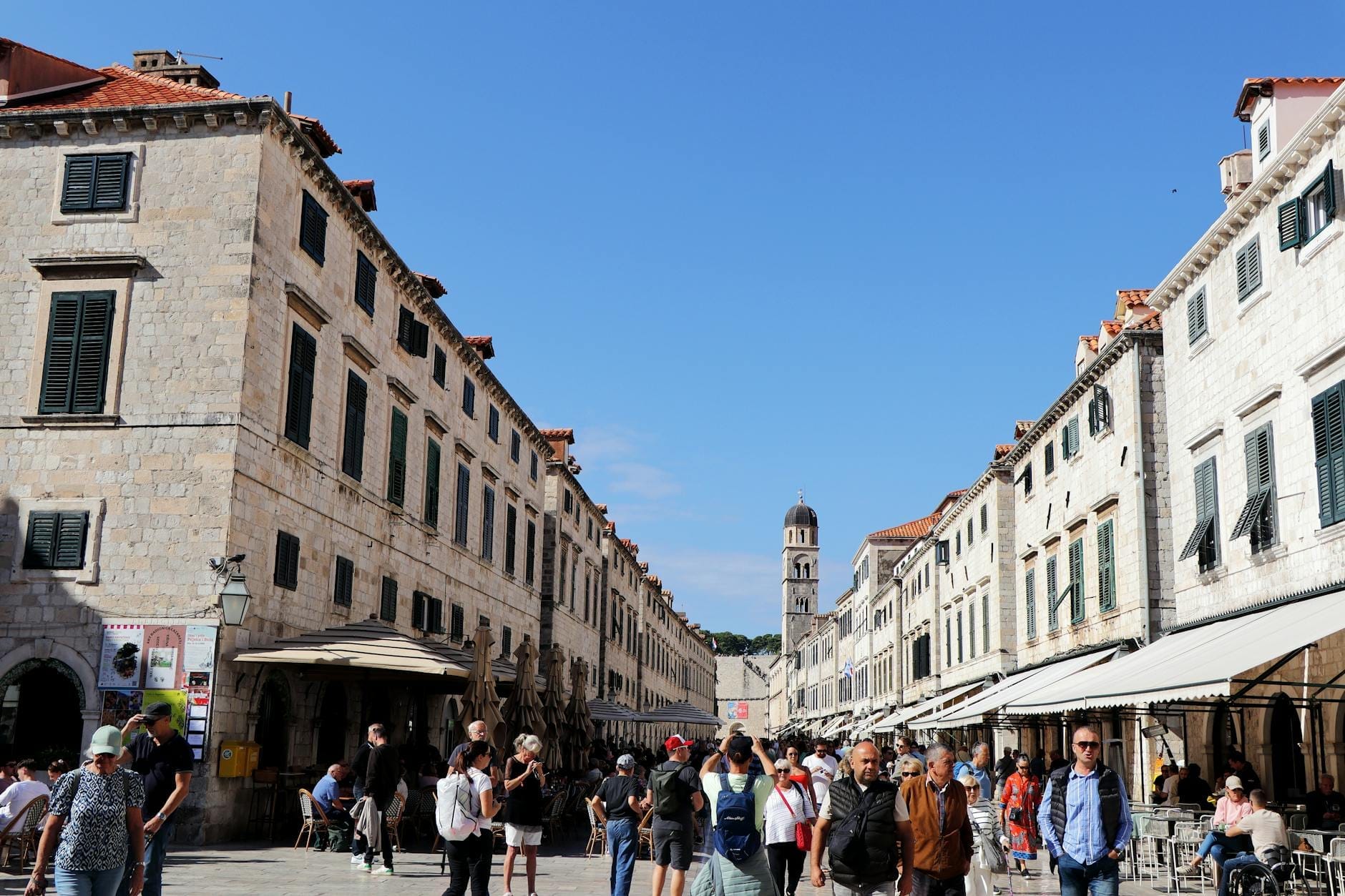
Dubrovnik's biggest attractions have entrance fees, but there's a meaningful amount you can do for free. Walking the Stradun, Dubrovnik's main limestone thoroughfare, costs nothing and takes you past some of the city's most impressive architecture. The Pile Gate entrance, Onofrio's Fountain, and Orlando's Column are all free to observe and photograph.
- Swim at Banje Beach or the rocks below the city walls — both free, though Banje has paid sunbed rentals you can ignore
- Hike up to Fort Imperial on Mount Srđ via the unmarked trail from the Old Town back road — skips the cable car cost entirely
- Browse Gruž Market on Friday and Saturday mornings for local produce, cheese, and olive oil
- Walk the Lapad peninsula coastal path for sea views with zero entrance fees
- Visit the interior of St. Blaise's Church and St. Saviour's Church — both free to enter
- Sit at Buža Bar for a drink with cliff-side sea views (drinks aren't free, but the setting is worth one)
For a structured approach to keeping costs down across the main sights, the complete guide to free things in Dubrovnik covers beaches, viewpoints, and cultural access without the ticket queues.
Saving on the Big-Ticket Attractions
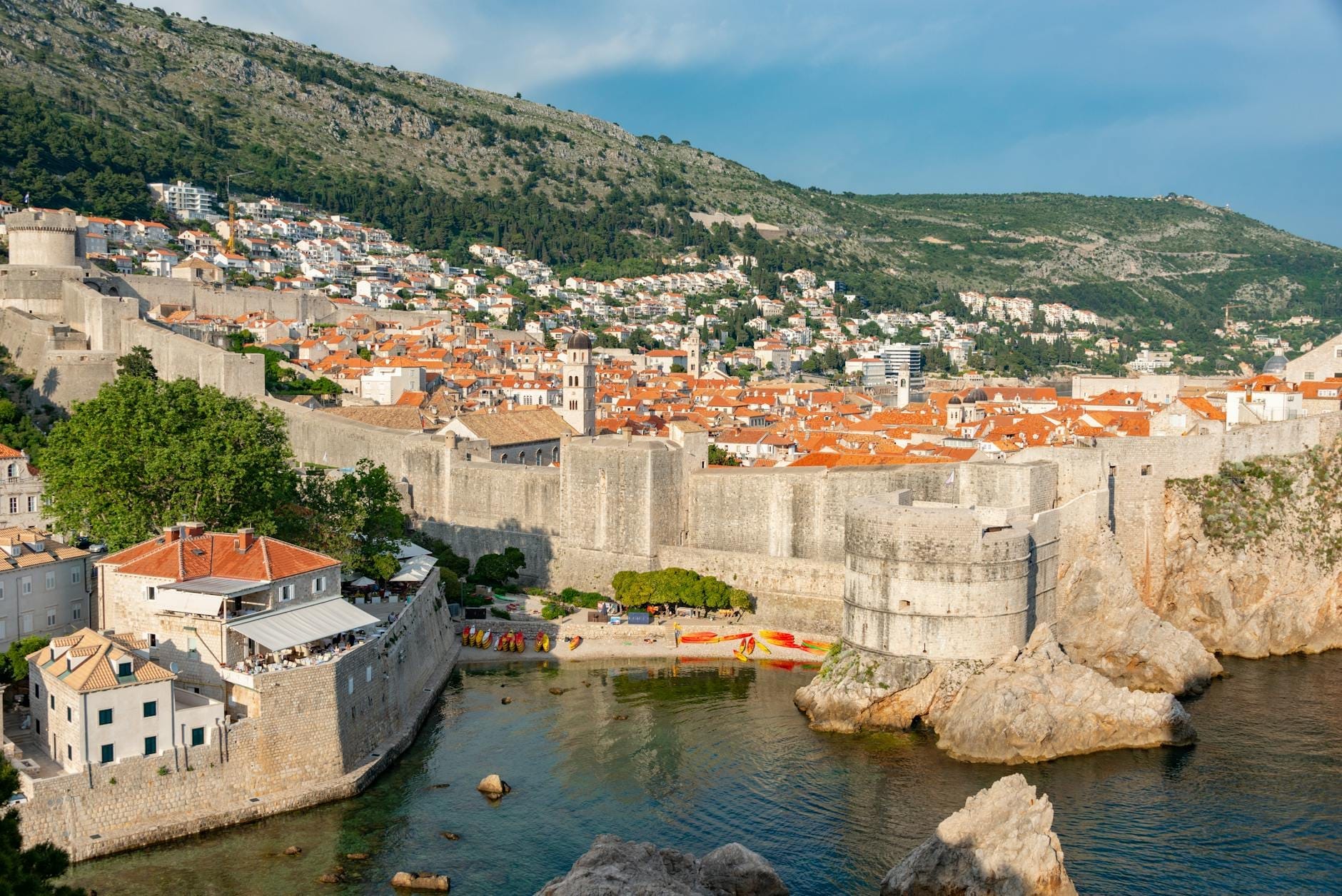
The Dubrovnik City Walls at €40 per person (March-November) represent the single biggest discretionary expense for most visitors. They are genuinely impressive and worth doing once. If you plan to visit multiple paid attractions, the Dubrovnik City Pass bundles the walls and several museums at a combined rate that can undercut individual ticket prices. Cable car inclusion depends on the package and current offers. The City Pass guide breaks down exactly when the card saves you money versus when it doesn't, depending on your itinerary.
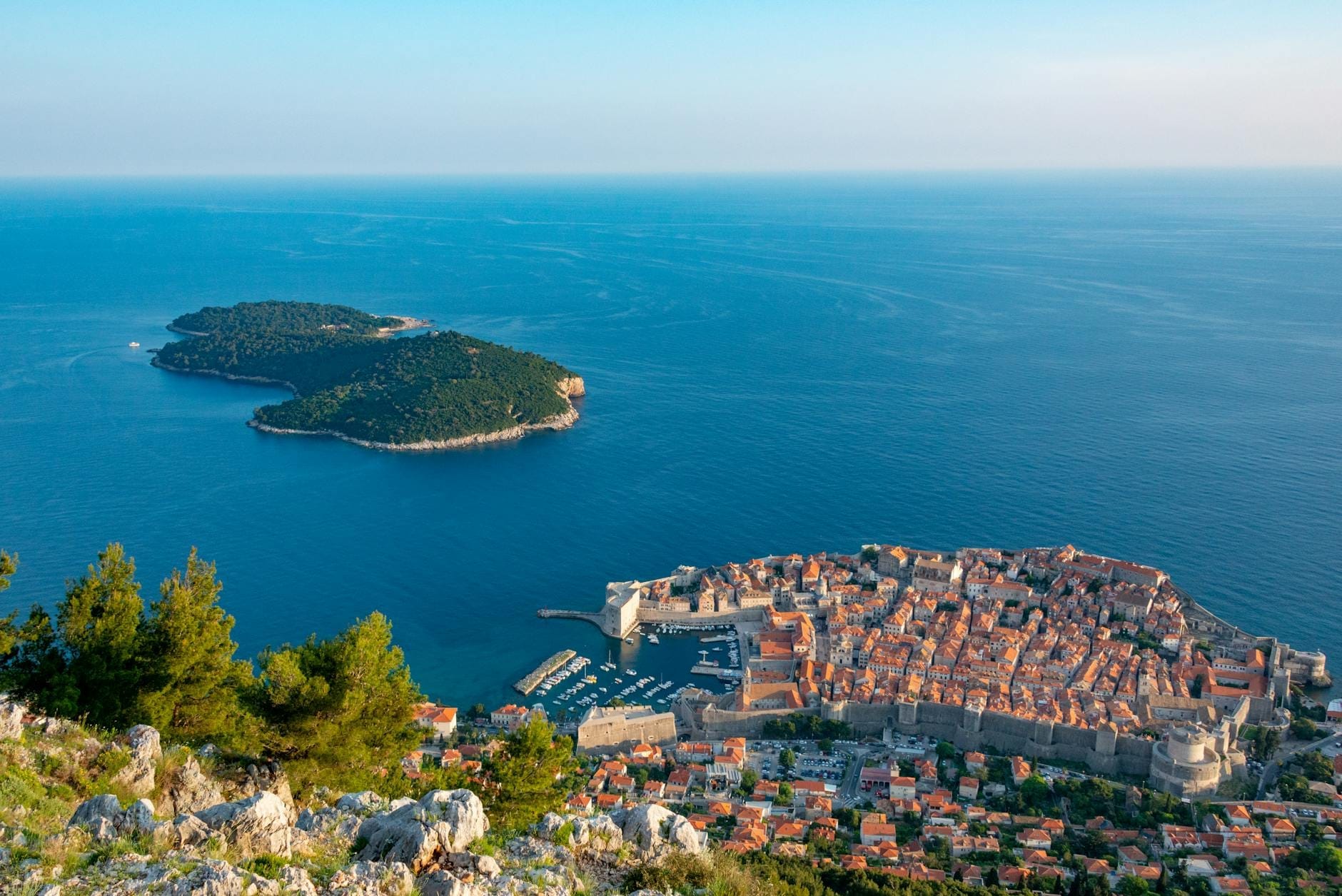
For the cable car to Mount Srđ, the free hiking alternative takes roughly 45-60 minutes and is genuinely pleasant outside of peak summer heat. Start before 8am in July-August or go in the late afternoon to avoid the worst temperatures. The summit views over the Old Town and the Elaphiti Islands to the north are identical whether you paid €28 for the cable car or walked up for free.
Food and Drink: Eating Well Without the Old Town Markup
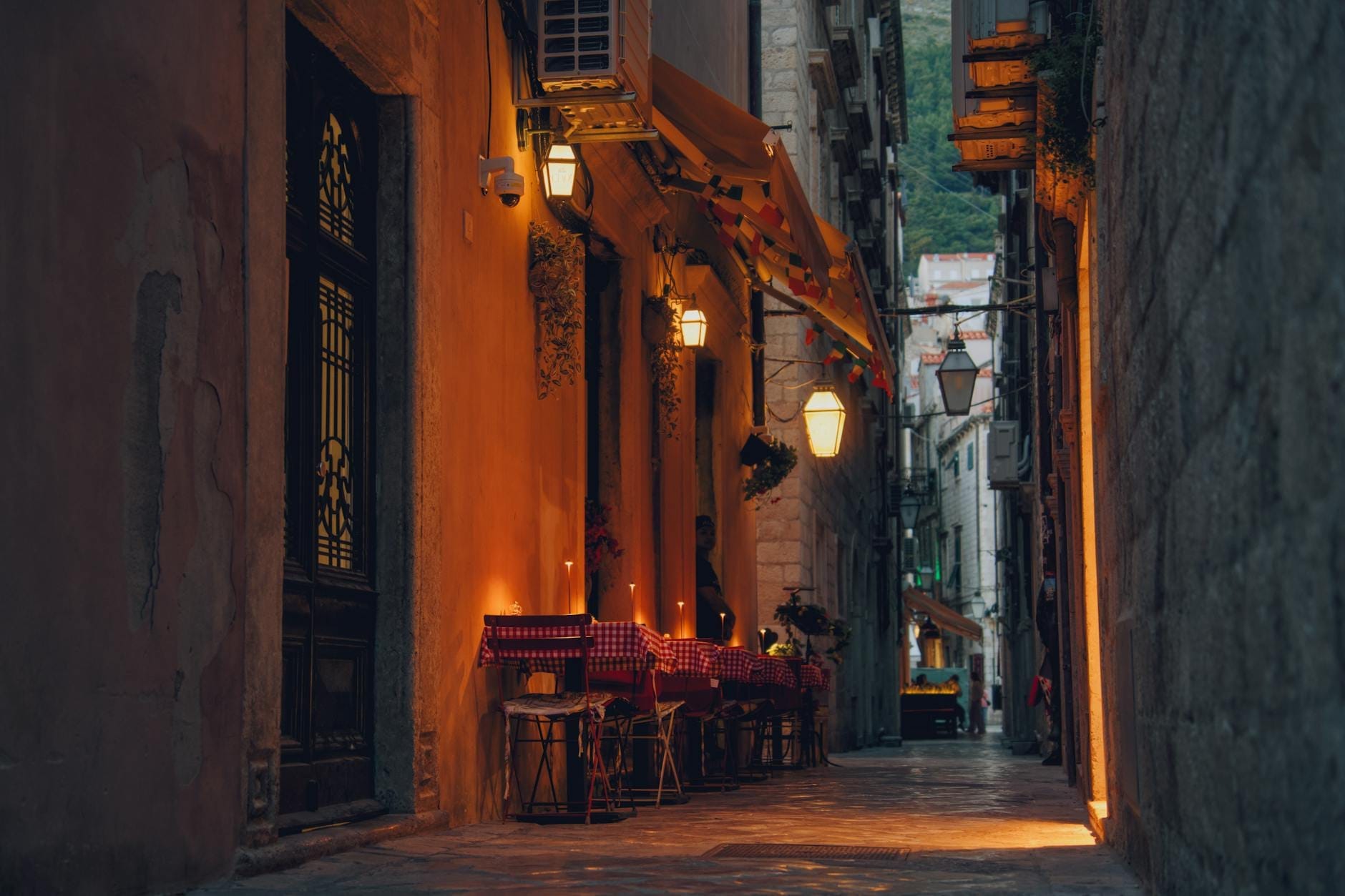
Food in Dubrovnik follows a clear geographic pricing gradient. The closer you are to the Stradun and the main tourist sights, the more you pay for equivalent food. A grilled fish dish that costs €18 in Lapad routinely appears on Old Town menus for €28-35. The food isn't different; the overhead is.
Self-catering significantly changes the daily budget calculation. Konzum and Plodine are the two main supermarket chains with multiple Dubrovnik locations, including branches accessible from Lapad and Gruž. A day's worth of food (breakfast, lunch, snacks, and a simple dinner) costs €8-15 per person buying from supermarkets. Pair that with one sit-down restaurant meal per day and you're looking at €20-30/day on food — compared to €40-70+ if you're eating out for every meal near the tourist center.
💡 Local tip
Tap water in Dubrovnik's Old Town is safe to drink. Refill a bottle at Onofrio's Fountain — it still flows with fresh water — and skip the €2-3 bottled water charges at cafes and restaurants.
For a more detailed breakdown of where locals eat and which restaurants offer genuine value, the guide to where to eat in Dubrovnik covers specific restaurant recommendations across price brackets and neighborhoods.
FAQ
Is Dubrovnik expensive compared to other European cities?
For Croatia, yes. Compared to Western Europe, Dubrovnik sits at mid-range to slightly above average in peak season. A budget traveler can manage €70-110/day including accommodation, food, transport, and some attraction entry. That's comparable to Barcelona or Prague in high summer, and more affordable than Paris or Amsterdam.
What is the Dubrovnik City Pass and does it save money?
The Dubrovnik City Pass bundles entry to the City Walls, several museums, and bus access. Cable car inclusion depends on the package and current offers. Whether it saves money depends on your planned itinerary: if you're visiting the walls plus multiple museums within the validity period, it can pay off; if you're mostly doing free or outdoor activities, it likely doesn't. The City Pass guide covers the exact math based on different itinerary types.
When is the cheapest time to visit Dubrovnik?
November through March offers the lowest prices — up to 60% cheaper on accommodation than peak summer. However, some seasonal businesses close and the weather is cooler with shorter days. For the best combination of value and good conditions, aim for May or the first two weeks of October. Accommodation runs 30-40% less than summer peaks and most attractions remain fully operational.
Can you visit Dubrovnik on a backpacker budget?
Yes, but it requires specific choices: hostel dorms in Lapad or Gruž (€25-45/night shoulder season), self-catering for most meals, Libertas buses instead of taxis, and selective spending on attractions. Backpackers who plan carefully report spending around €55-75/day in shoulder season. In peak summer, the same approach costs €80-110/day due to accommodation price increases.
Is it worth visiting Dubrovnik at all given the cost?
For most travelers, yes. The Old Town is genuinely one of the most well-preserved medieval walled cities in Europe and the Adriatic setting is hard to match. The cost is real, but so is the experience. If you're deeply budget-constrained and the costs feel like a stretch, visiting in May or October makes it significantly more accessible without sacrificing the core experience.
Tickets & tours
Live prices and dates from our booking partner. If you book, we may earn a commission at no extra cost to you.
Planning a trip? Discover personalized activities with the Nomado app.