Dubrovnik City Walls: What to Expect, When to Go, and How to Make the Most of It
The City Walls of Dubrovnik are one of the best-preserved medieval fortification systems in Europe, encircling the entire Old Town in a near-complete loop of stone. Walking the full circuit rewards visitors with panoramic views over terracotta rooftops, the Adriatic Sea, and the island of Lokrum. This guide covers everything you need to plan a visit well.
Quick Facts
- Location
- Pile Gate, Old Town, Dubrovnik, Croatia
- Getting There
- Libertas bus to Pile Gate (main entrance); 15-min walk from Gruž port
- Time Needed
- 1.5 to 2.5 hours for the full circuit
- Cost
- Ticket prices vary by season; check citywallsdubrovnik.hr for current rates
- Best for
- History lovers, photographers, first-time visitors to Dubrovnik
- Official website
- wallsofdubrovnik.com
What Are the Dubrovnik City Walls?
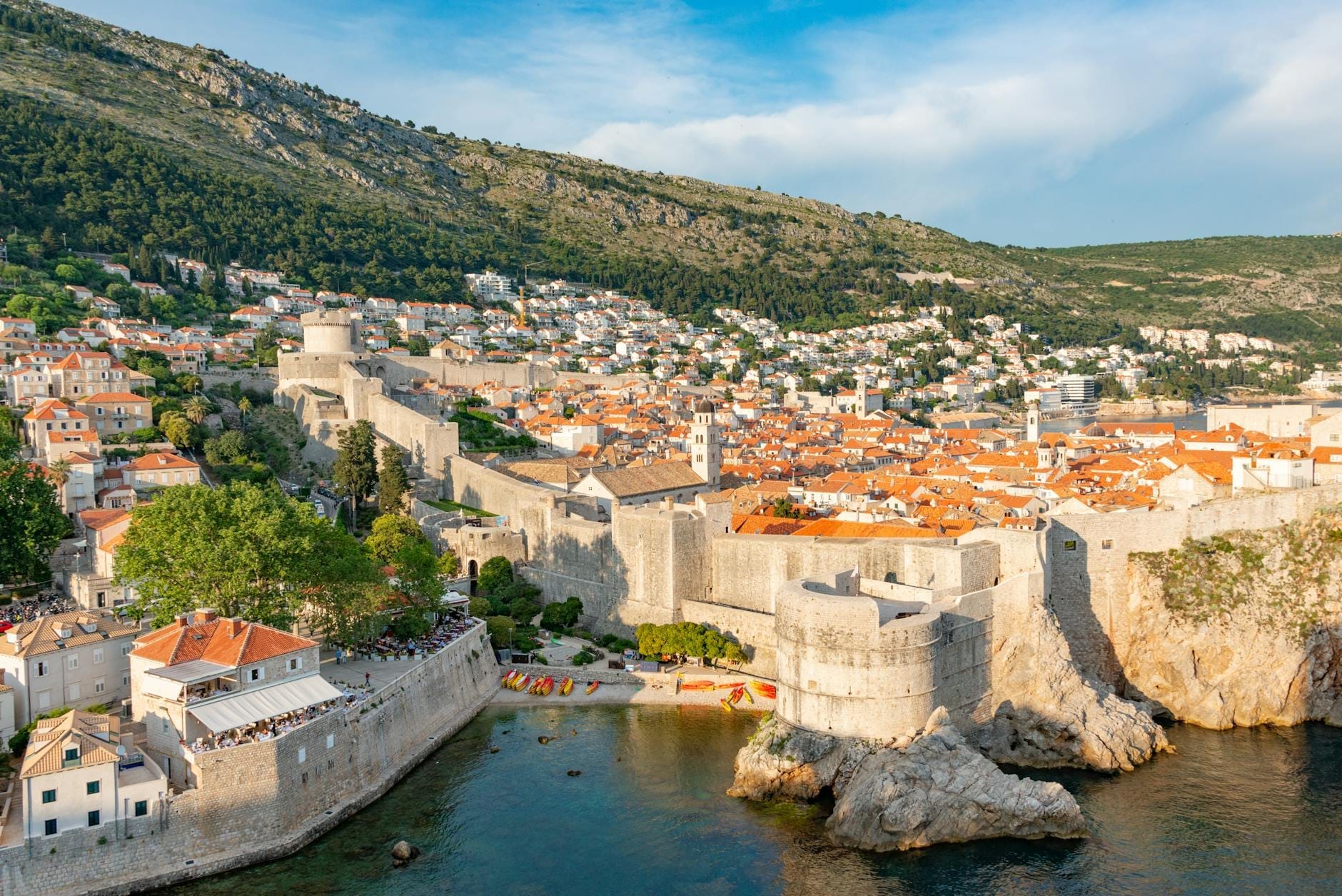
The City Walls of Dubrovnik, known in Croatian as Zidine Grada Dubrovnika, form one of the most complete and formidable medieval fortification systems still standing in Europe. Stretching 1,940 metres around the perimeter of the Old Town, they rise up to 25 metres in height at their most imposing sections. The circuit includes 16 towers, three fortresses (Minčeta, Bokar, and St. John), six bastions, two corner fortifications, and three bulwarks. This is not a ruin, a reconstruction, or a replica. It is the real thing, and the scale becomes apparent only when you are walking along the top.
The walls took their current shape over roughly four centuries, with the bulk of construction and reinforcement happening between the 13th century and 1660. The Republic of Ragusa, as Dubrovnik was historically known, invested heavily in these defences precisely because the city's survival depended on them. Ragusa was a small, wealthy maritime republic with no standing army to speak of, so walls were the strategy. That political and economic context gives the structure a different weight than purely decorative or ceremonial fortifications. For a deeper understanding of how the city developed around these defences, the Stradun, the main street of the Old Town, tells a parallel story at street level.
💡 Local tip
The main entrance is at Pile Gate, on the western side of the Old Town. There are three access points to the walls in total. Always check current opening hours and ticket prices directly at wallsofdubrovnik.com before your visit, as they vary by season.
The Walk Itself: What You Actually See
The full circuit is just under two kilometres, but terrain and crowds mean it takes most people between 90 minutes and two and a half hours. The path is mostly a paved walkway between 1.5 and 3 metres wide, with low stone parapets on the outer edge and a drop into the Old Town's rooftop landscape on the inner side. The sensation is less like climbing a wall and more like walking an elevated terrace that just happens to have been built in the medieval period.
The northern and western sections, moving from Pile Gate toward the Minčeta Tower, offer unobstructed views down over the rooftops of the Old Town. The terracotta tiles here are not all original. After the 1991-1992 siege of Dubrovnik during the Croatian War of Independence, significant restoration was required across the city, and the contrast between older, darker tiles and newer, brighter replacements is still visible from above. It is a detail that many visitors photograph without fully registering its significance.
The eastern and southern sections face the Adriatic directly. On clear days you can see the island of Lokrum just offshore. The sea-facing stretches are where the walls feel most dramatic, with the limestone dropping sharply to the water below. Looking down from the southern ramparts, you may spot Buža Bar, the famous cliff-side bar carved into the outer wall, where people swim from the rocks directly below you.
The circuit ends where it began, but the climb to the top of Minčeta Tower is a worthwhile detour if your legs allow it. At the highest point of the entire wall system, the view opens up to include Mount Srđ to the north and the full sweep of the coastline. It is a different scale of view from anything available at street level.
Tickets & tours
Live prices and dates from our booking partner. If you book, we may earn a commission at no extra cost to you.
How the Experience Changes Through the Day
Opening time is the best time to walk the walls, without qualification. The light in the early morning comes from the east, which means the sea-facing sections are particularly photogenic in the first hour or two after the walls open. Temperatures are cooler, the stone underfoot has not yet absorbed the midday heat, and there are far fewer people on the narrow walkway.
By mid-morning, especially between June and August, the walls fill steadily with cruise ship passengers and organised tour groups. The walkway is one person wide in places, which means pace is dictated by whoever is in front of you. In peak summer months, the combination of slow crowds, radiant limestone heat, and direct sun on the exposed southern sections can make the wall circuit genuinely uncomfortable. There is almost no shade anywhere on the route.
Late afternoon can offer a second window, particularly in shoulder season. The light turns golden across the rooftops from around 4pm, which is the most atmospheric condition for photography. In midsummer the walls are still warm from the day and crowds thin only slowly. Winter visits, typically October through April, are calmer and cheaper, though some facilities near the wall may be closed.
⚠️ What to skip
In July and August, surface temperatures on the exposed southern wall can exceed 45°C. Wear light, breathable clothing, bring at least 500ml of water per person, and apply sunscreen before starting. There are no water fountains on the circuit and limited shade.
Historical and Cultural Context
Dubrovnik's walls are rarely discussed without mention of the city's former identity as the Republic of Ragusa, an independent maritime city-state that endured from the 14th century until Napoleon dissolved it in 1808. Ragusa was diplomatically agile and commercially sophisticated, maintaining trade relationships with the Ottoman Empire while remaining nominally Catholic, and it managed to avoid the military conflicts that destroyed other Adriatic powers in part by keeping these walls in impeccable condition.
The three main fortresses built into the wall circuit each served a specific defensive role. Minčeta Tower guarded the northern landward approach, Fort Lovrijenac (though technically outside the walls) covered the western sea approach, and the Fort of St. John protected the old harbour to the south. These were not decorative additions; they were the points where the republic expected attack and concentrated its defensive resources accordingly.
The walls survived relatively intact for centuries until the siege of 1991 and 1992, when Dubrovnik was shelled repeatedly during the Croatian War of Independence. Damage to the Old Town was extensive. UNESCO coordinated international restoration efforts in the years following, and the walls themselves were repaired and reopened. The restoration has been widely praised for its quality, though close inspection reveals evidence of the work done. The history of that period is addressed honestly in the museum at Fort Imperial on Mount Srđ, which sits above the Old Town.
Getting There and Practical Logistics
The Pile Gate entrance is the one most visitors use, and for good reason: it is accessible directly from the main Libertas bus stops serving the Old Town, and it puts you at the western end of the wall with the most photogenic sections immediately ahead. The Pile Gate itself is a 15th-century stone arch that functions as the main entry into the walled city. The wall entrance is on the left side as you pass through the outer gate, up a short but steep staircase.
There are two additional entrances to the walls: one near the Dominican Monastery on the eastern side of the Old Town, and one at the Fort of St. John near the old harbour. If you enter at Pile Gate, the circuit proceeds counterclockwise by convention, meaning you reach the dramatic sea-facing southern sections in the second half of the walk.
Tickets are purchased at the entrance points. Combination tickets are available that include other Old Town attractions, and the Dubrovnik City Pass may include wall access depending on the version. Verify current inclusions and prices before purchasing, as these arrangements are updated periodically.
The wall walk is not accessible to wheelchairs or mobility aids due to steep stair sections at the entrance points and uneven stone surfaces throughout. Those with knee or hip problems should assess carefully: the descent at the end of the circuit involves stairs, and there is no lift. In wet weather, the polished limestone sections can be slippery.
Photography on the Walls
The walls are one of the primary reasons Dubrovnik appears so consistently in travel photography. The overhead angle across the rooftops toward the sea is essentially unavailable from any other public vantage point within the Old Town. Early morning light from the east illuminates the terracotta rooftops on the inner side, while the sea-facing southern wall catches warm late-afternoon light. For a broader view that includes the walls themselves from the outside, the Dubrovnik Cable Car to Mount Srđ provides the classic elevated overview most people recognise from photographs.
A wide-angle lens or the standard wide setting on a smartphone works well for the rooftop panoramas. Telephoto settings help isolate the sea-rock texture on the southern stretches. The walkway can be tight with people during peak hours, so patience matters if you want clear shots. For a dedicated guide to making the most of visual opportunities across the city, see the Dubrovnik photography guide.
Is It Worth It?
For first-time visitors to Dubrovnik, the walls are probably the most important single thing to do in the city. The combination of historical authenticity, architectural scale, and view quality is not replicated anywhere else in the Old Town. The ticket price is not low, and in midsummer the heat and crowds are genuinely difficult, but the experience of standing above a nearly intact medieval city and looking out across the Adriatic is the kind of thing that justifies a long journey.
For visitors who have already done the walk on a previous trip, or for those who find heat, steep stairs, or crowds prohibitive, there is honest argument for skipping it in favour of other experiences. The walls from street level, the harbour view from the Fort of St. John, and the panorama from Mount Srđ each offer partial equivalents without the same physical demands.
Insider Tips
- Book or arrive at opening time on weekdays. The walls can reach near-maximum capacity by 10am in July and August, and the difference in experience between an uncrowded early walk and the midday crush is substantial.
- Bring cash for incidentals near the entrance, but check whether the ticket booth accepts cards before queuing. Payment options at the entrances have varied in recent seasons.
- The section of wall directly above Buža Bar on the southern side offers a direct view down onto the swimmers below. If you plan to use the bar, go after the wall walk, not before: the descent to street level and back up takes time and energy.
- Wear proper footwear. Flip-flops and smooth-soled sandals are a genuine hazard on the older limestone sections, particularly if morning moisture has not fully dried off the surface.
- The Fort of St. John entrance, near the old harbour, is significantly less crowded than the Pile Gate entrance. If you join the circuit here, you will walk the dramatic sea-facing sections in the first half, while the crowds from Pile Gate are still making their way around.
Who Is Dubrovnik City Walls For?
- First-time visitors who want to understand Dubrovnik's layout, history, and scale in a single experience
- Photographers working in early morning or late afternoon light
- History and architecture enthusiasts interested in medieval fortification design
- Travellers who want context for the rest of the Old Town before exploring at street level
- Couples visiting Dubrovnik who want a shared, memorable experience with a clear beginning and end
Nearby Attractions
Other things to see while in Old Town (Stari Grad):
- Banje Beach
Banje Beach is Dubrovnik's closest and most photographed beach, sitting just east of the Old Town walls with direct views of the medieval fortifications and Lokrum Island. It's a pebbly, organized beach with free public access, paid lounger rentals, and a restaurant-bar that runs well into the night. Convenient, yes. Quiet, no.
- Buža Bar
Buža Bar is a no-frills open-air bar carved into a gap in Dubrovnik's ancient city walls, perched directly above the Adriatic Sea. Reached through a low iron-gated hole in the stonework, it offers cold drinks, cliff-jumping, and some of the most dramatic coastal views in the Mediterranean. There is no admission charge, no kitchen, and no pretense.
- Cathedral of the Assumption of the Virgin Mary
Rising from the rubble of a 1667 earthquake, the Cathedral of the Assumption of the Virgin Mary anchors the heart of Dubrovnik's Old Town with its commanding Baroque dome and a treasury that holds relics spanning a millennium. It's quieter than the city walls and more revealing than most visitors expect.
- Dominican Monastery & Museum
Built from 1225 and shaped through the 15th century, the Dominican Monastery in Dubrovnik's eastern Old Town holds one of Dalmatia's finest collections of medieval and Renaissance art. The Gothic-Renaissance cloister, a Titian altarpiece from 1554, and works by the Dubrovnik School of painters make this one of the most intellectually rewarding stops in the city.
Planning a trip? Discover personalized activities with the Nomado app.