Best Photography Spots in Dubrovnik: A Photographer's Guide to the City
Dubrovnik is one of the most photogenic cities in Europe, but great shots require more than just showing up. This guide covers the best photography spots in Dubrovnik, including exact vantage points, optimal timing by season, entry costs, and honest advice on which locations are worth the effort.
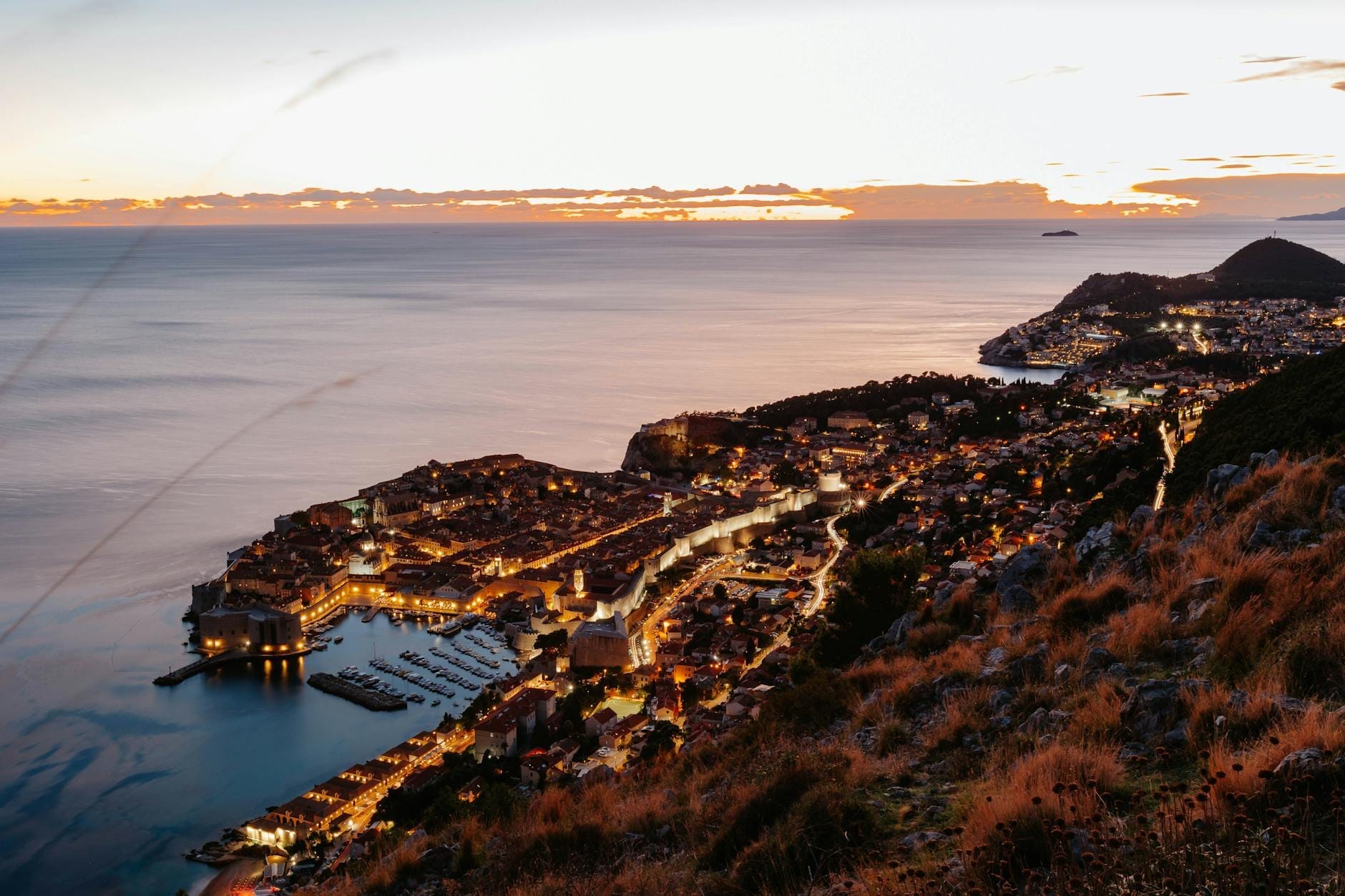
Tickets & tours
Live prices and dates from our booking partner. If you book, we may earn a commission at no extra cost to you.
TL;DR
- The City Walls offer the single best all-around photography experience, especially from Minčeta Tower at sunset.
- Mount Srđ (1,362 feet above sea level) gives panoramic shots of the Old Town and Lokrum Island that no street-level spot can match.
- Shoot Stradun and the Old Town lanes before 8am in summer — crowds arrive fast and ruin any composition by mid-morning.
- Fort Lovrijenac and Gradac Park are underused alternatives for sunset shots with fewer tourists in frame. See our full guide to free things in Dubrovnik for no-cost vantage points.
- Shoulder season (May or September) dramatically improves your chances of clean compositions and manageable crowds.
Why Dubrovnik Is a Photographer's Dream (and a Logistical Challenge)
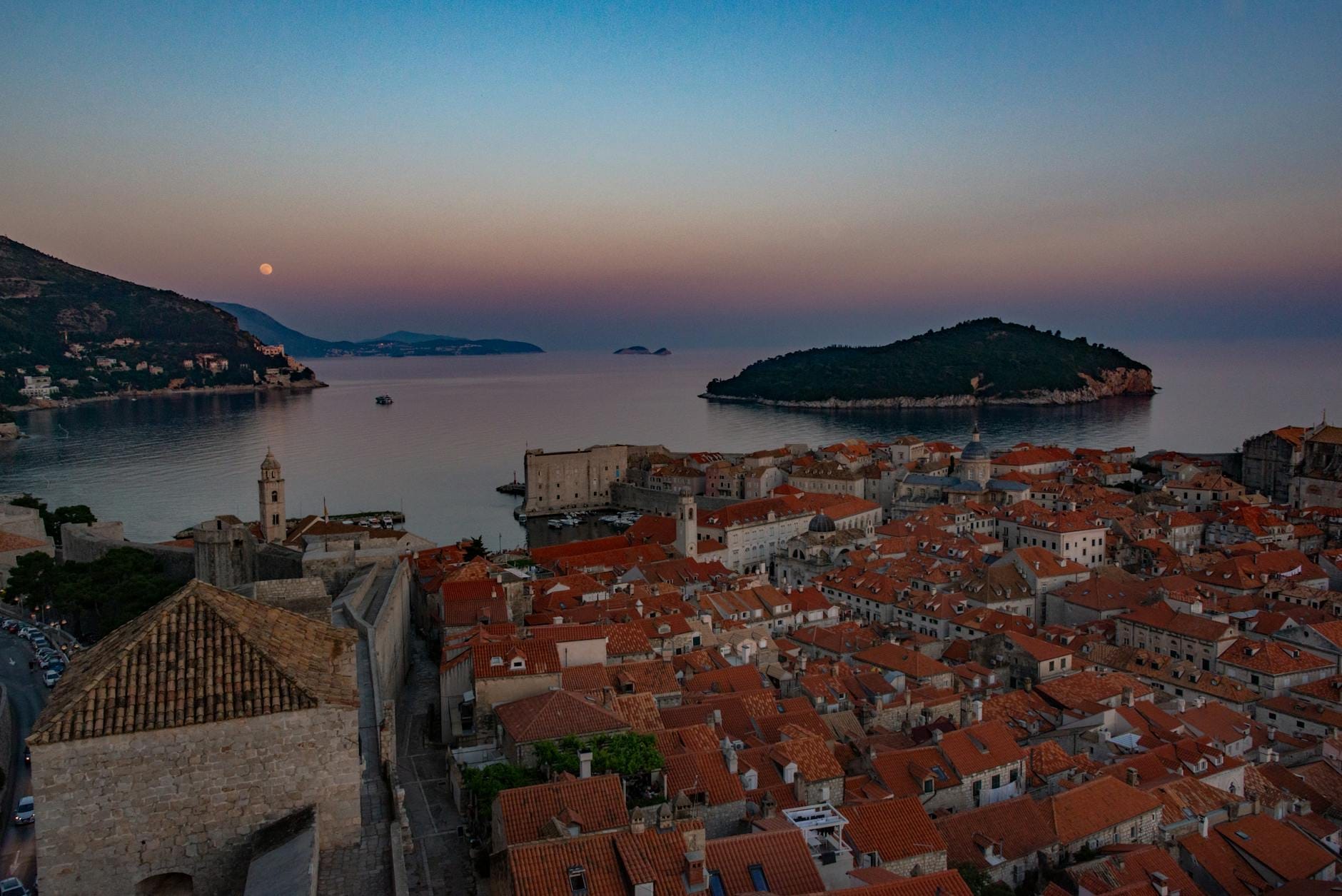
Dubrovnik's Old Town is a UNESCO World Heritage Site built almost entirely from pale Adriatic limestone. In the right light, those walls and rooftops glow amber and rose. The city sits on a narrow promontory jutting into the Adriatic, which means water surrounds much of the frame no matter where you shoot. The result is a concentration of photographic opportunity that few European cities can match.
The challenge is the crowds. In peak summer (July and August), the Old Town receives thousands of cruise ship passengers daily, plus long-stay tourists. By 9am, Stradun is packed. By noon, the City Walls are shoulder-to-shoulder. Timing is not just a nice-to-have — it determines whether you get a usable shot or a photo of other people photographing things. This guide addresses that problem directly for every location listed.
⚠️ What to skip
Cruise ships dock at Port Gruž most mornings between June and September, flooding the Old Town by 10am. Check cruise schedules online before planning your shoot days. Two or three ships in port simultaneously can add 8,000-10,000 people to the streets.
The City Walls: Dubrovnik's Premier Vantage Point
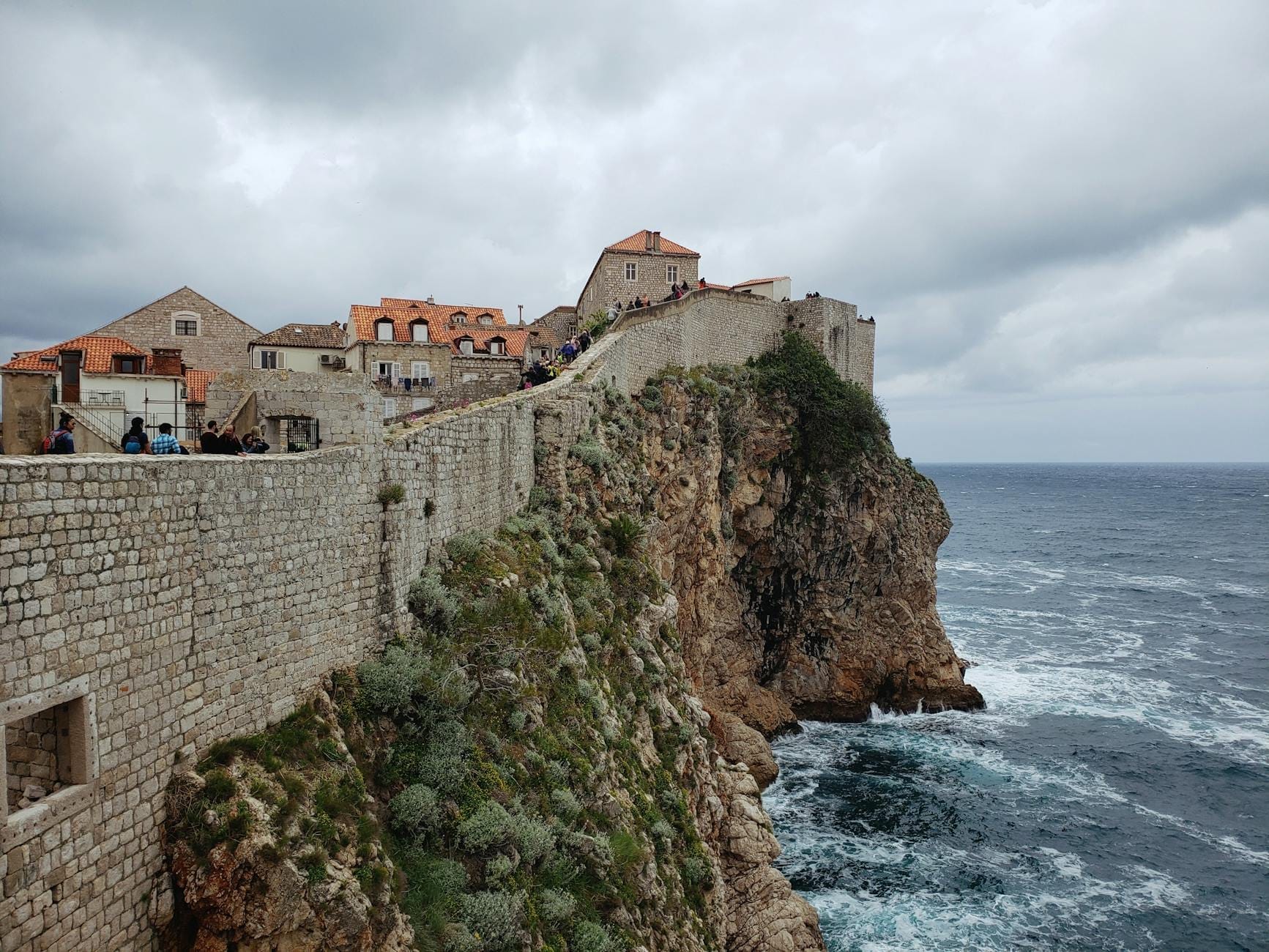
No other single location gives you as much photographic variety as the **City Walls**Dubrovnik City Walls. The full circuit runs about 2 kilometres and takes 60-90 minutes to walk at a relaxed pace, but photographers commonly spend 2-3 hours here. You will find rooftop views, sea-facing cliff drops, harbour perspectives, and the tangled terracotta roofscape of the Old Town all from a single elevated walkway.
- Minčeta Tower The highest point on the walls, offering a 360-degree view across the Old Town rooftops and toward Mount Srđ. Best captured in late afternoon light when the limestone turns golden.
- Harbour section near Fort of St. John Looks directly across the inner harbour with boats, the city gate, and the Adriatic in the background. Good in morning light when the harbour is active.
- Buža Gate to Minčeta stretch The western wall section overlooking open sea. Dramatic at sunset with the cliff face catching direct light. This section tends to be less congested than the eastern side.
Entry to the City Walls costs 35 EUR for adults (verify current pricing at the official ticket booths, as rates have increased in recent years). A combined ticket including Fort Lovrijenac is available and typically saves around 5-8 EUR versus buying separately. The walls open at 8am in summer, and arriving right at opening is the single best strategy for crowd-free shots. By 10am, the narrow walkway fills up.
✨ Pro tip
Buy your City Walls ticket at the Pile Gate entrance rather than the Ploče Gate side — the Pile entrance sees slightly shorter queues at opening time. Walk the walls clockwise to reach the Minčeta Tower section while light is still low and the eastern walls are in shade for contrast shots.
Mount Srđ: The Big Picture View
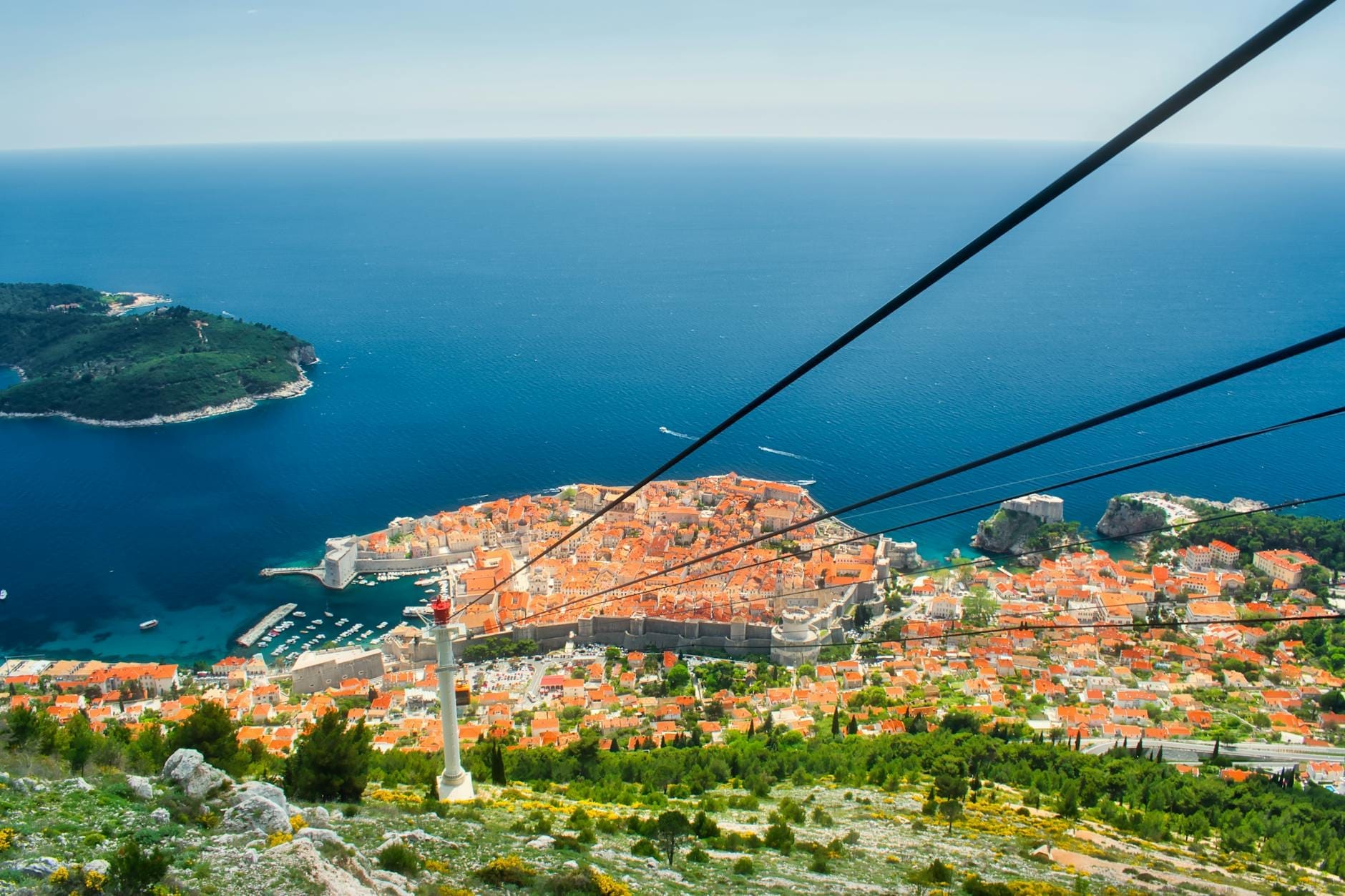
At 412 metres (roughly 1,362 feet) above sea level, Mount Srđ gives you a perspective that no wall or tower in the city can replicate. **Dubrovnik Cable Car** entire Old Town fits in a single frame, Lokrum Island sits just offshore, and on clear days the Elaphiti Islands appear to the northwest. The Dubrovnik cable car reaches the summit in under four minutes, making it genuinely accessible even for those not planning a hike.
For photography, Mount Srđ works best in two windows: shortly after sunrise (when low-angle light rakes across the Old Town rooftops) and in the final 30-40 minutes before sunset (when the western sky goes orange and the walls below reflect it). Midday light from the summit is flat and harsh. The cable car runs regularly throughout the day, and the summit also has a small cafe and the Homeland War Museum inside Fort Imperial if you want context alongside your shots.
It is also possible to hike to the summit via the marked trail from above the Pile Gate area, which takes around 45-60 minutes. The hike itself offers several intermediate viewpoints and is covered in the **hiking guide**Mount Srđ hike guide. In summer, do this hike before 8am or after 5pm to avoid the heat on the exposed limestone path.
Fort Lovrijenac and Gradac Park: The Underrated Western Flank
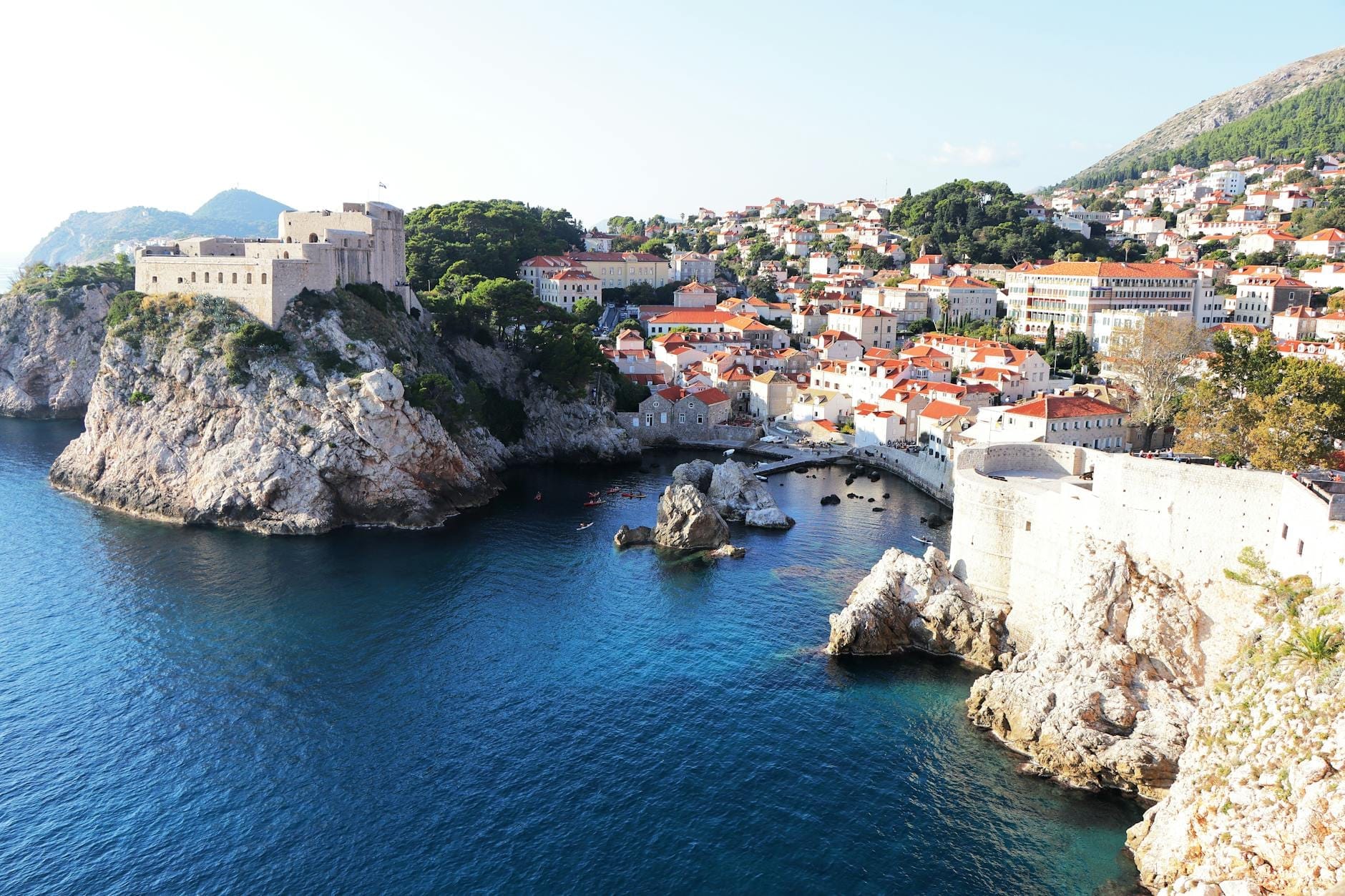
Fort Lovrijenac stands about 40 metres above the Adriatic on a freestanding rock just west of the Pile Gate. It is dramatic in isolation and even more striking when photographed from outside rather than from the inside. The classic shot is the fort reflected in the sea at the base of the cliff at sunset, accessible from the small rocky cove below.
Gradac Park, a quiet public garden on the cliffs above the fort, is one of the better-kept photography secrets in the city. The park offers elevated, unobstructed views of Fort Lovrijenac with no ticket booths and almost no crowds, even in high season. Bring a longer lens (85mm equivalent or more) to isolate the fort against the sea. The park is free to enter and accessible from the road behind the Hilton Imperial hotel.
💡 Local tip
Sunset from Gradac Park frames Fort Lovrijenac directly against the setting sun over the Adriatic. Arrive 45 minutes before sunset to choose your position. The park has benches and shade, making it a comfortable spot to wait out the light.
Street-Level Spots: Old Town Lanes, Banje Beach, and the Franciscan Monastery
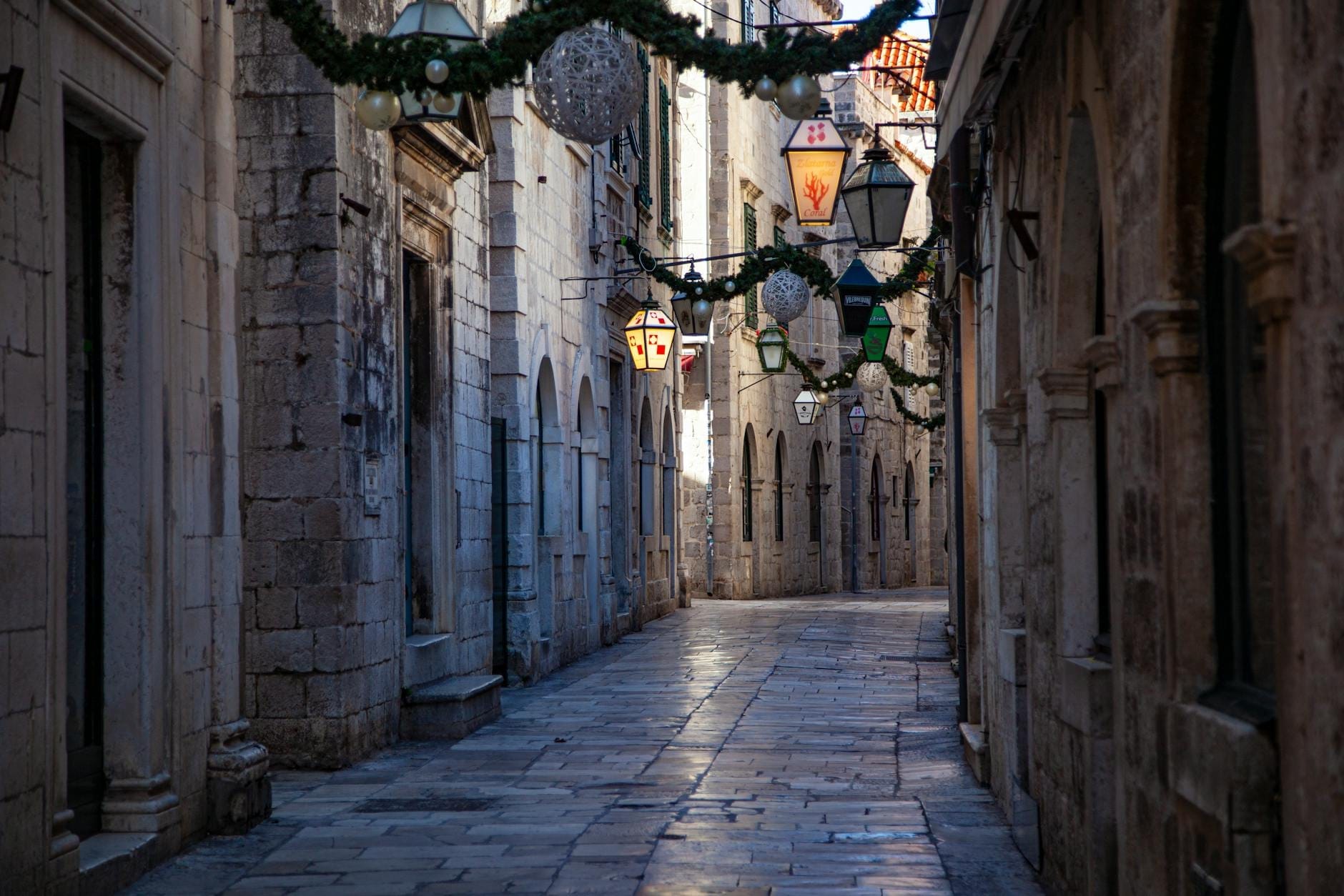
The Stradun, Dubrovnik's polished limestone main street, photographs beautifully when empty. The shallow depth of field from a wide-angle lens gives it a vanishing-point perspective that works exceptionally well in black and white. The only reliable window to shoot it without tourists is before 8am in summer, or after 10pm when the evening crowds thin. The limestone surface reflects street lights at night, creating a mirror-like effect that most daytime photographers miss entirely.
The cloister of the **Franciscan Monastery** Franciscan Monastery features Romanesque double columns with carved capitals — strong geometric repetition that rewards a 35mm lens and a slow shutter speed in the shaded interior courtyard. Entry costs around 4-5 EUR. The monastery also houses one of Europe's oldest pharmacies, which adds a detail photography opportunity inside. Shoot early in the day before tour groups arrive.
Banje Beach sits just outside the Ploče Gate and gives a low-angle, sea-level view of the Old Town walls rising from the water. It is the closest thing in Dubrovnik to a classic postcard composition from ground level. The beach itself gets crowded, but arriving at 7am means empty sand and soft light. A wide-angle lens at 16-24mm captures both the beach foreground and the full wall height. Afternoon light hits the walls directly on this side, so it also works in the 3-5pm window.
- Buža Gate stairways Narrow descending steps with strong leading lines. Good for detail shots and architecture. Best in mid-morning when side light catches the limestone texture.
- Ploče Gate pedestrian bridge Small cutouts in the bridge walls frame the inner boat harbour like a natural viewfinder. Very specific shot but distinctive — works best with a boat or two in the water below.
- Rector's Palace arcade Gothic and Renaissance arches frame the courtyard. Shaded and relatively cool even in summer. Entry ticket required, but low crowd levels inside make it a calm photography environment.
- Lokrum Island A 15-minute ferry from the Old Town harbour. The island offers reverse shots of Dubrovnik across the water, a botanical garden, and a ruined Benedictine monastery. Best visited as a half-day trip in the morning.
Beyond the Old Town: Park Orsula and the Elaphiti Islands
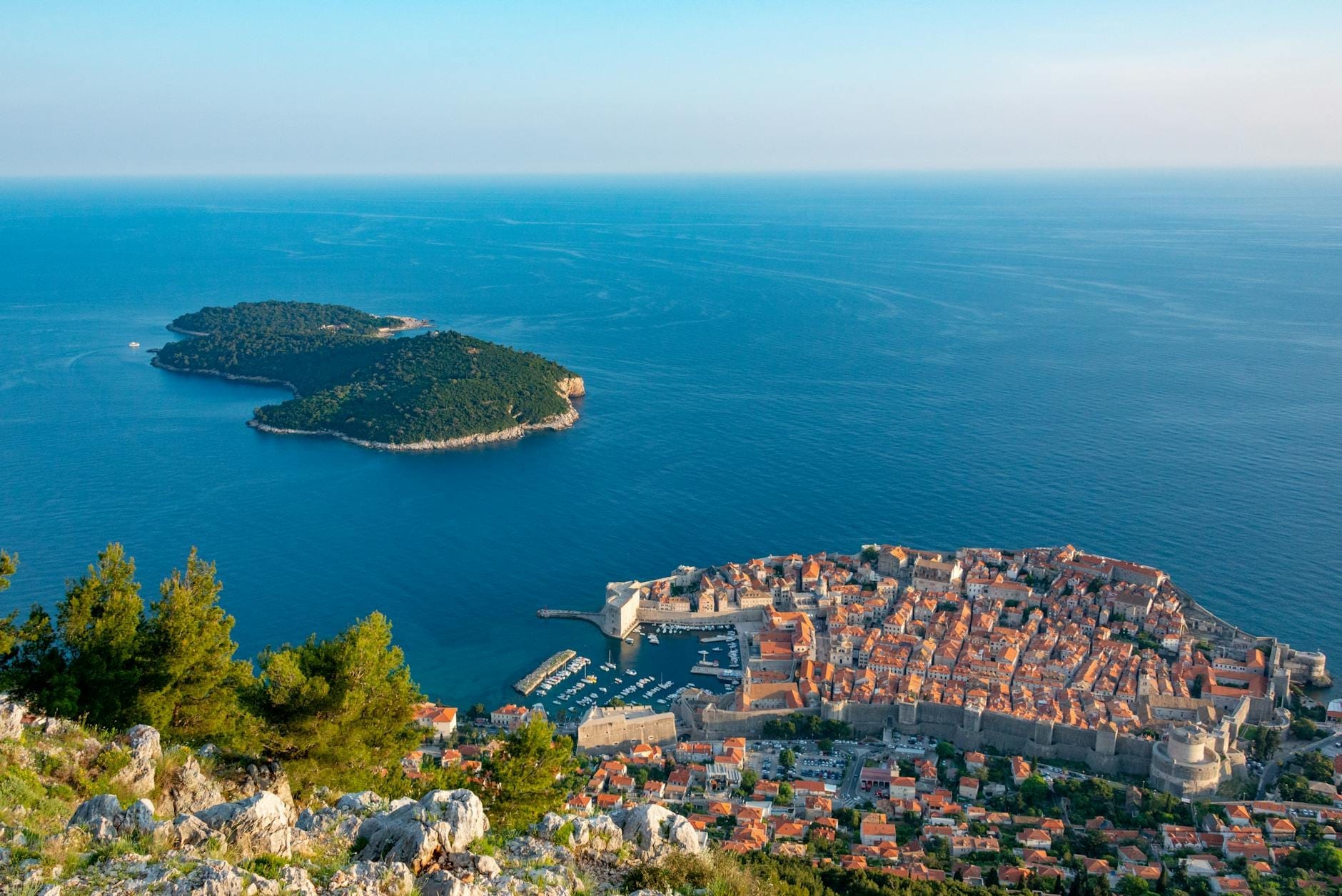
Park Orsula sits roughly 2-3 kilometres south of the Old Town on the coastal road toward Cavtat. It is an elevated public park that provides wide-angle views of Dubrovnik, the sea, and Lokrum Island from a completely different angle than any location within the city. Fewer photographers know about it, which means cleaner compositions. It is reachable by local bus or a 30-minute walk from the Old Town. For more context on getting around between spots, the getting around Dubrovnik guide covers transport options in detail.
If your photography interests extend to island landscapes, the Elaphiti Islands offer a completely different palette: pine forests, clear water in multiple shades of blue-green, and small stone villages almost unchanged for centuries. Day-trip boats depart from Port Gruž regularly in summer. Shooting on the islands requires a wide-angle lens for seascapes and a 50-85mm equivalent for village architecture. The island hopping guide has logistics and ferry timing covered.
Timing, Seasons, and the Honest Truth About Crowds
July and August are genuinely difficult for photography in Dubrovnik. The light is harsh from 9am to 5pm, temperatures exceed 30°C on the walls, and the crowds make street-level compositions nearly impossible without careful framing. If you must visit in peak summer, commit to a pre-sunrise schedule. May and September are the optimal months for photographers: softer light, thinner crowds, and temperatures that make extended shooting sessions on the walls or on Mount Srđ manageable.
Winter (November through March) is underrated for photography. The light is low and directional all day, the streets are nearly empty, and the limestone glows in a way that flat summer midday sun never produces. Rain adds reflections to the Stradun and other paved surfaces. Cruise ships are rare. The main trade-off is that some attractions have reduced hours or close seasonally, so confirm openings in advance.
- Best for walls and Mount Srđ: 30-60 minutes after sunrise, or 1-2 hours before sunset
- Best for Stradun: Before 8am in summer; any dry morning in winter
- Best for Banje Beach: Early morning in summer for sea-level wall shots; afternoon for direct light on the walls
- Best for Fort Lovrijenac and Gradac Park: 45 minutes before sunset year-round
- Best for interior shots (Franciscan Monastery, Rector's Palace): First hour after opening, before 10am
ℹ️ Good to know
Dubrovnik operates on Central European Time (UTC+1 in winter, UTC+2 in summer). In June, sunrise is around 5:15am and the blue hour begins around 4:45am. In September, sunrise shifts to around 6:30am, giving photographers a more reasonable early start while still catching excellent low light.
FAQ
What is the single best photography spot in Dubrovnik?
For overall variety and impact, the City Walls walkway is the strongest single location — particularly the stretch from Minčeta Tower toward the western walls at sunset. Mount Srđ beats it for panoramic overview shots, but the walls give you multiple compositions in one visit.
Can you take photos inside the Dubrovnik City Walls for free?
No. Entry to the City Walls requires a ticket, which currently costs around 35 EUR for adults (prices have increased in recent years — verify at the official ticket booth). The Dubrovnik City Pass covers wall entry and may offer better value if you are visiting multiple attractions.
Where can I photograph Dubrovnik without crowds?
Gradac Park above Fort Lovrijenac, Park Orsula south of the city, and the Lokrum Island shoreline facing Dubrovnik all offer quality views with noticeably fewer people. Inside the Old Town, the Franciscan Monastery cloister is less crowded than the walls. Visiting any location before 8am in summer also helps significantly.
Is Dubrovnik photogenic in winter?
Yes, and arguably more so for street and architectural photography. Low winter sun creates directional light all day, the streets are uncrowded, and rain adds reflective surfaces to the limestone streets. The trade-off is that some outdoor attractions (like Banje Beach) lose their context, and a few facilities reduce hours. The City Walls remain open year-round with reduced hours.
Are Game of Thrones filming locations worth photographing?
Several locations used in Game of Thrones, including Fort Lovrijenac (Red Keep exterior), the city walls, and various Old Town lanes, are legitimate photography destinations in their own right. Their Game of Thrones connection brings extra context for some visitors. For a full breakdown of what is where, the Game of Thrones locations guide covers every major site with directions and access details.
Tickets & tours
Live prices and dates from our booking partner. If you book, we may earn a commission at no extra cost to you.
Planning a trip? Discover personalized activities with the Nomado app.