Best Time to Visit Dubrovnik: A Month-by-Month Guide
Choosing the best time to visit Dubrovnik shapes your entire trip. This guide breaks down every season honestly, covering weather, crowds, costs, and what's actually worth doing in each period, so you can plan around your priorities rather than tourist brochure hype.
Tickets & tours
Live prices and dates from our booking partner. If you book, we may earn a commission at no extra cost to you.
TL;DR
- Late May and September are the sweet spot: temperatures of 20-26°C, sea warm enough to swim, and significantly fewer crowds than July or August.
- July and August are the most popular months, but also the hottest (30°C+), the most expensive, and the most crowded, with cruise ships unloading thousands of visitors into the Old Town daily.
- The best time to visit Dubrovnik for budget travelers is November through March, when prices drop sharply and the city returns to its locals.
- Spring (April-June) is ideal for active travelers: sea kayaking, hiking up Mount Srđ, and walking the City Walls without breaking a sweat.
- Winter is mild by northern European standards (7-15°C), with most major attractions open, but some island ferries and beach bars shut down from October onward.
Why Timing Your Visit to Dubrovnik Matters More Than Most Cities
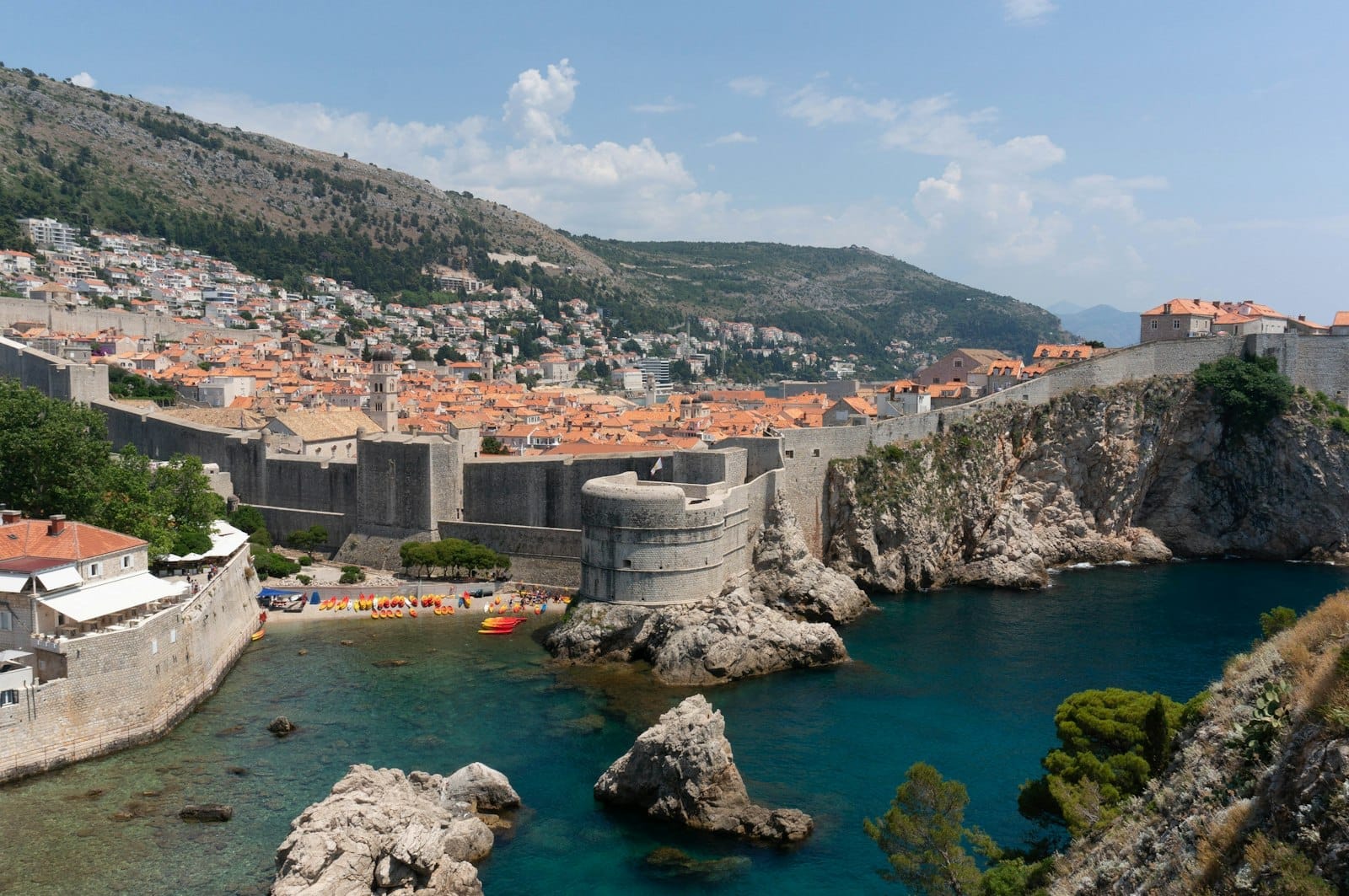
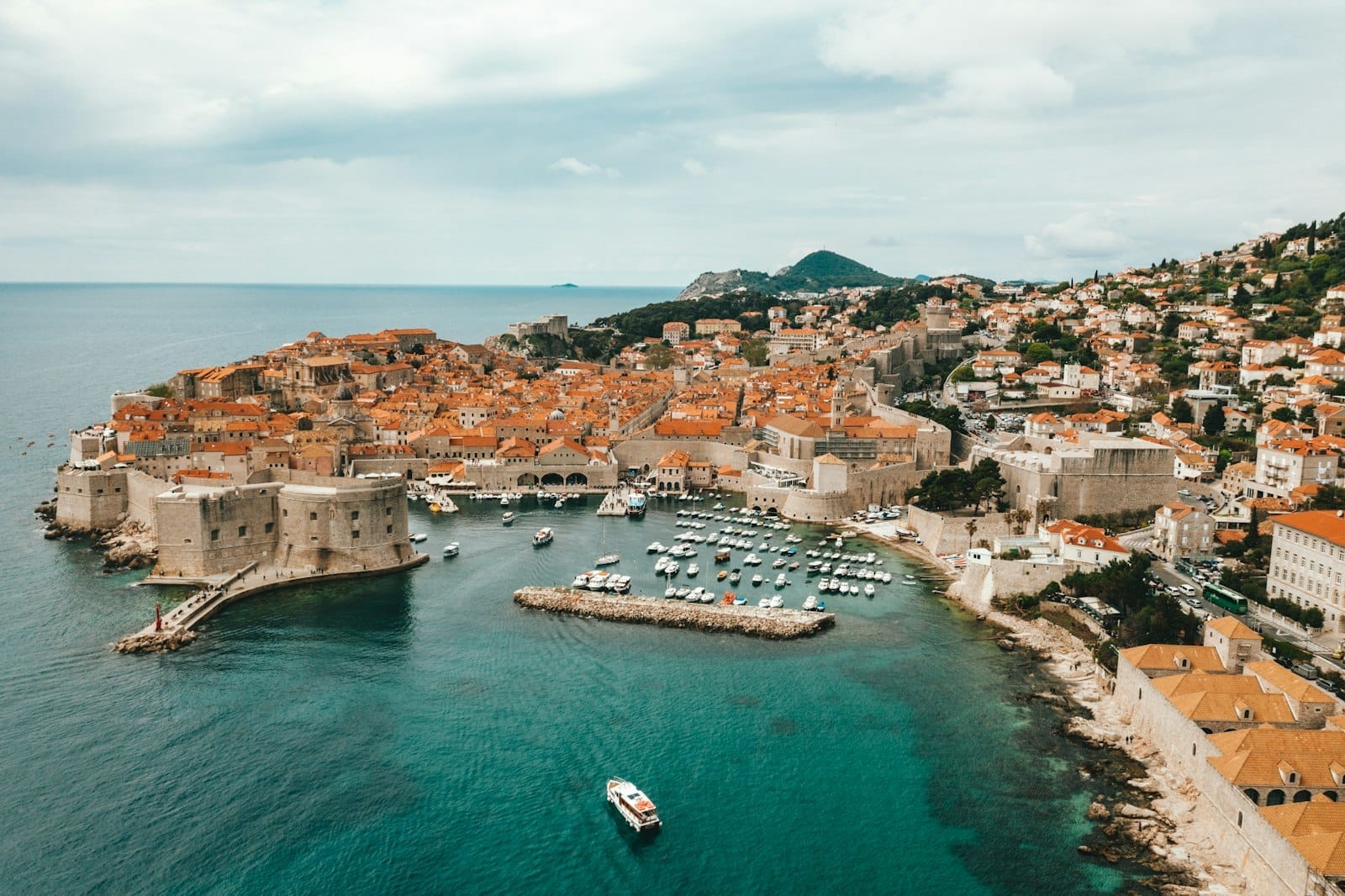
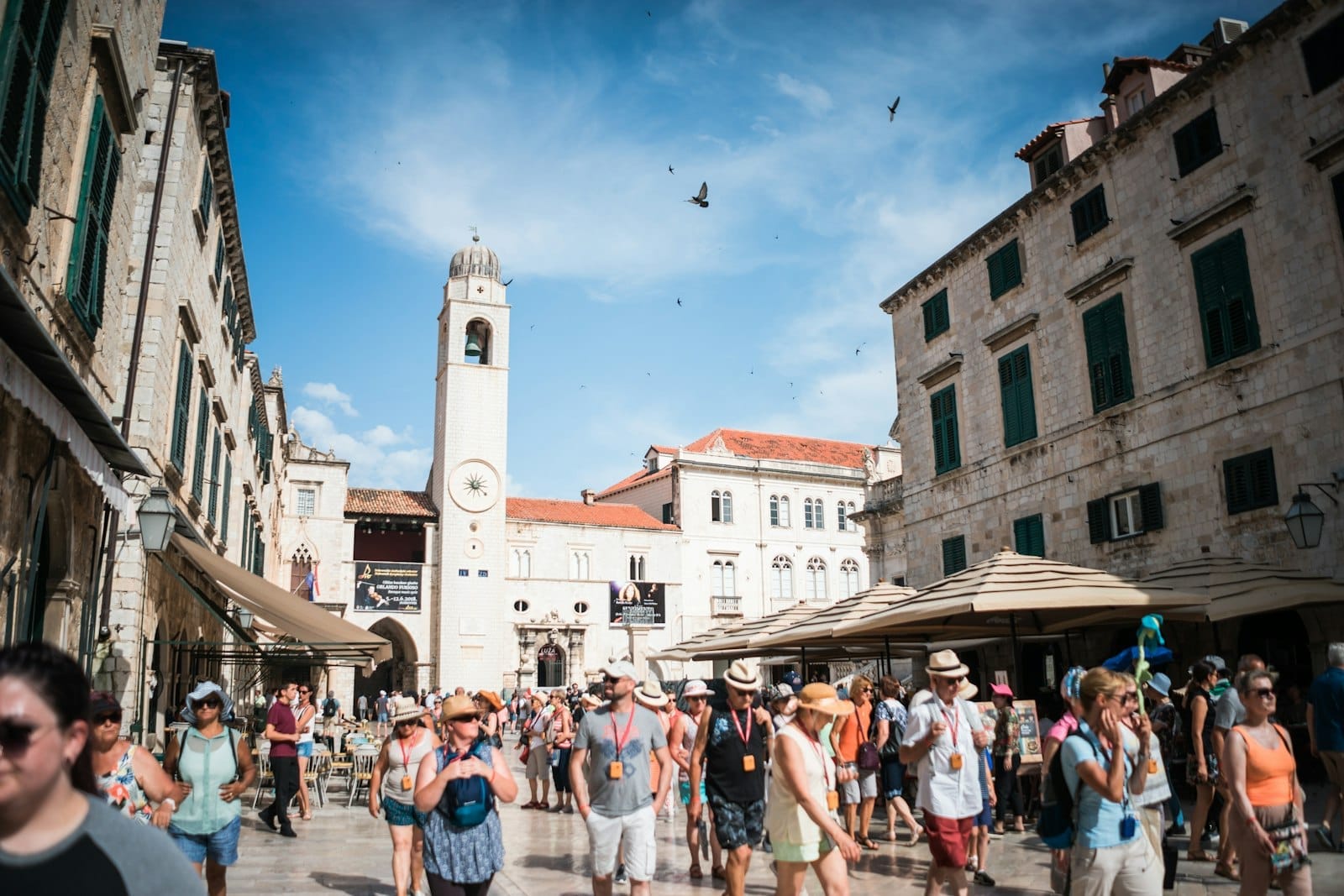
Dubrovnik is one of the most geographically compact UNESCO-listed city centers in Europe. The Old Town walls enclose roughly 1.2 square kilometers of medieval streets. In July and August, somewhere between 4,000 and 9,000 cruise passengers can arrive in a single day alongside standard hotel guests. That density, in a space that small, fundamentally changes the experience. Walking the Stradun in peak summer is shoulder-to-shoulder. The City Walls become a slow shuffle. Restaurants fill by 7pm. Understanding this dynamic is the entire basis for choosing when to come.
Dubrovnik has a classic Mediterranean climate: long, dry, hot summers and mild, wet winters. That means the best time to visit Croatia's most famous city is rarely the absolute peak of summer, unless beach swimming and the Dubrovnik Summer Festival are your primary reasons for coming. For most travelers, the shoulder seasons deliver a materially better experience at lower cost.
Spring (April to Early June): The Strongest Overall Case
This is the period that consistently delivers the best balance across weather, crowd levels, price, and activity options. April starts cool, around 13-17°C, with occasional rain, but by May temperatures settle into the 20-24°C range. The sea is still cool for serious swimming in April (around 16-18°C), but warms quickly through May into June, when it reaches a comfortable 21-23°C.
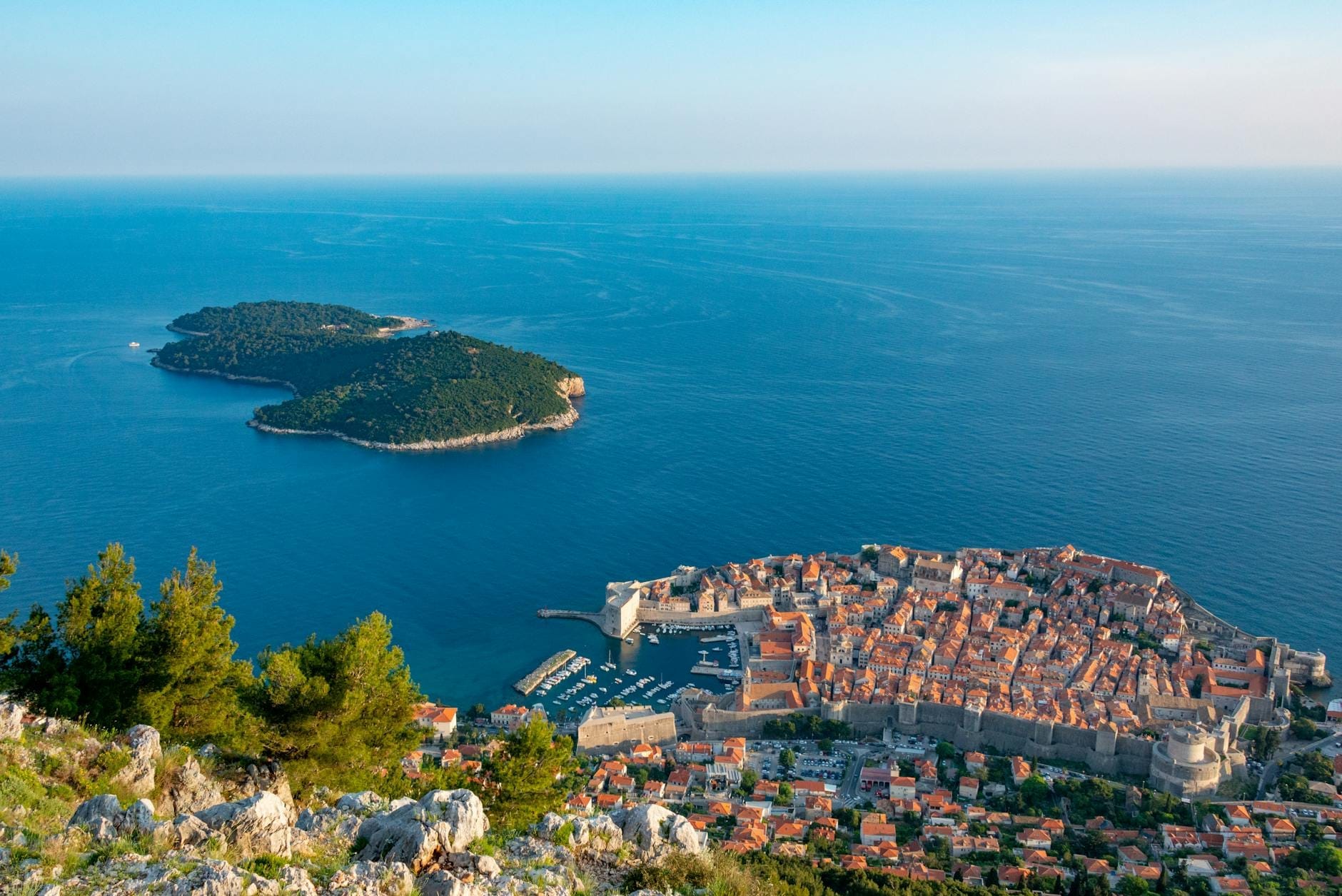
What you gain in spring is disproportionate to what you give up. The City Walls are walkable without excessive heat. The 1.94-kilometer circuit typically takes 1.5 to 2 hours, and doing it at 22°C versus 35°C is not a minor difference. The cable car up to Mount Srđ offers clear views before summer haze sets in. Restaurants have space. You can actually look at the Stradun without queuing.
✨ Pro tip
Late May is arguably the single best week to visit Dubrovnik. School holidays haven't started in most European countries, cruise ship traffic is lower than June, sea temperatures are swimmable, and hotel rates haven't yet hit peak pricing. Book accommodation at least 6-8 weeks ahead for this window.
Early June remains excellent, but watch for the transition: Croatian school holidays and early European summer travel start pushing crowds up noticeably from the second week of June onward. If your dates fall in the first half of June, you're still in good shape. Late June already starts to feel like summer peak in terms of density.
Summer (Late June to August): Worth It Only If You Know What You're Getting Into
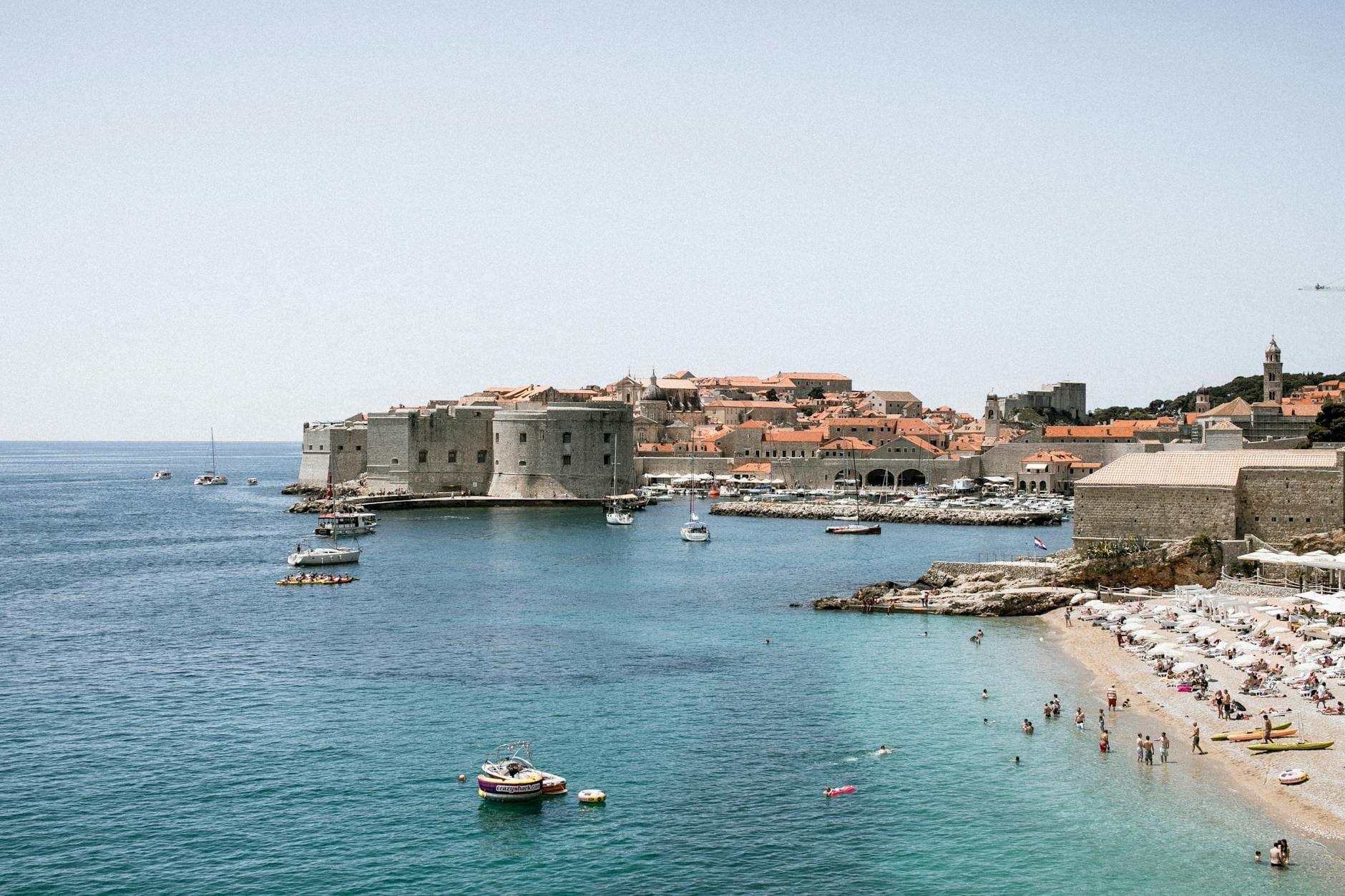
July and August are Dubrovnik at full tilt. Temperatures regularly exceed 30°C, occasionally pushing toward 35°C in late July. The Adriatic sea temperature hits 24-26°C, which is genuinely excellent for swimming. The Dubrovnik Summer Festival runs from mid-July through late August, bringing open-air theater, classical concerts, and performances in Fort Lovrijenac and other historic venues. These are real draws.
But summer also brings the crowds that have made Dubrovnik internationally discussed as a case study in overtourism. The city introduced visitor caps and cruise ship restrictions in recent years precisely because the summer influx was damaging the experience and the infrastructure. If you visit in August without pre-booking every restaurant, tour, and ticket, you will spend significant portions of your trip waiting. The City Walls ticket can sell out by mid-morning. The Buža Bar, the cliff-edge drinks spot, has queues. Even popular beaches like Banje Beach get uncomfortably packed by 10am.
- If you must visit in summer Book accommodation 3-4 months in advance. Pre-purchase City Walls and cable car tickets online. Plan City Walls for 8am when it opens, before heat and crowds peak. Escape to Lokrum Island or the Elaphiti Islands on day trips to get breathing room.
- Summer's genuine strengths Best sea swimming, full festival program, all island ferry routes running, long daylight hours (sunset around 8:30pm), liveliest nightlife and restaurant scene.
- Summer's real drawbacks Peak prices for flights and hotels (often 2-3x shoulder season rates), 30°C+ heat making sightseeing uncomfortable, daily cruise ship arrivals flooding the Old Town between 9am and 5pm.
⚠️ What to skip
Cruise ship arrival schedules are public information. On days when multiple large ships dock at Port Gruž, the Old Town can receive 5,000-8,000 additional visitors between 9am and 5pm. If your hotel check-in is on such a day, plan to arrive after 5pm or explore the Lapad or Gruž neighborhoods in the morning instead.
Autumn (September to November): Second Best Window, Often Underrated
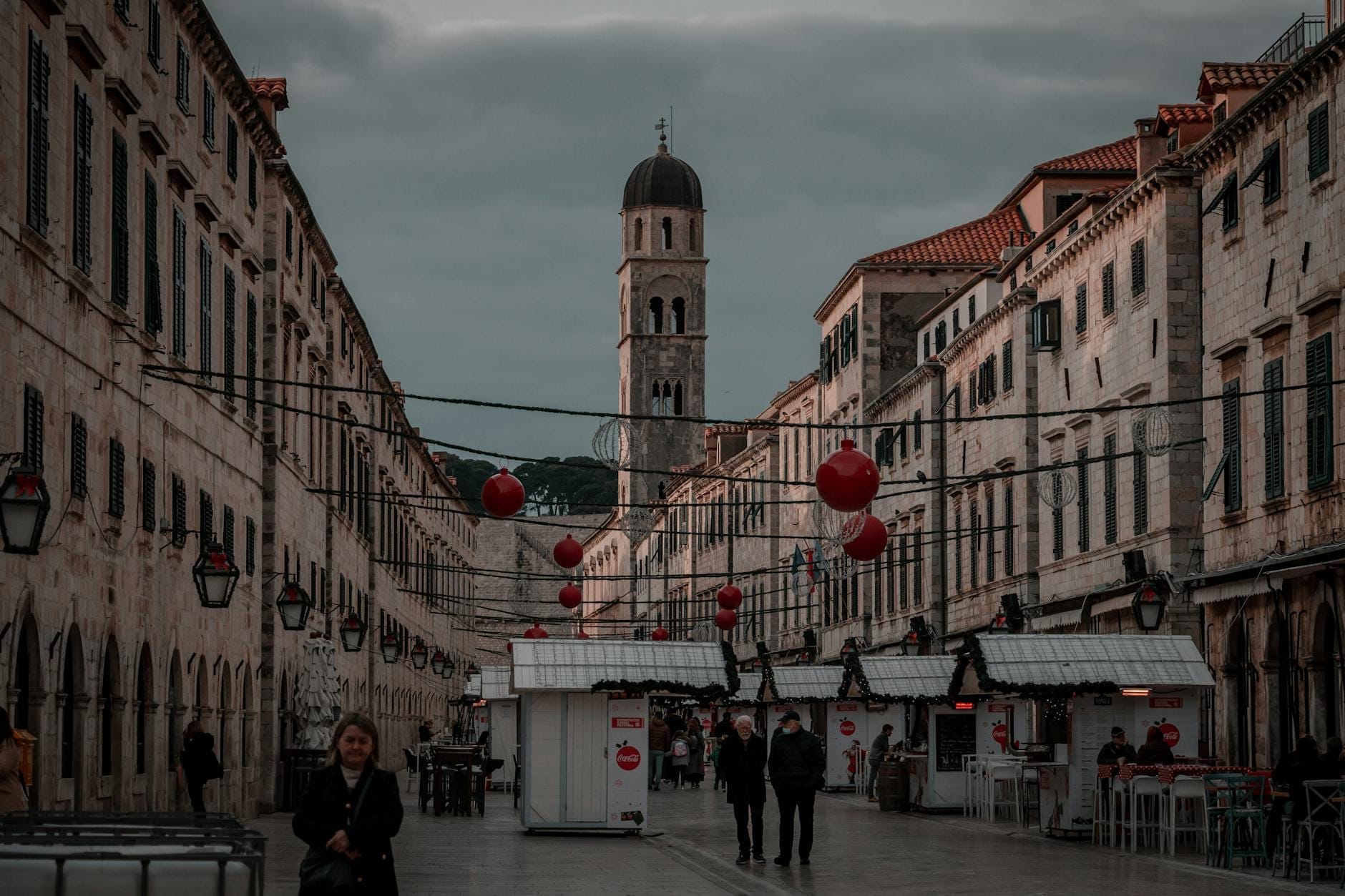
September is the sleeper pick for savvy travelers. The sea retains summer heat, hovering around 23-25°C through the month, which means swimming is actually better in September than in May. Temperatures drop from the brutal summer highs to a comfortable 22-26°C during the day. Cruise traffic begins to ease. European families with school-age children have gone home. Hotel prices start to soften.
October is excellent for hiking and cultural sightseeing. Temperatures of 17-22°C are ideal for walking the walls or taking the cable car up to Mount Srđ without sun protection being a full-time job. The Elaphiti Islands are still accessible by ferry, though schedules reduce from October. The crowds are noticeably thinner, and the light in October has a quality that photographers specifically target: golden, angled, less harsh than summer noon light.
November is where the trade-offs become more significant. Rain picks up, some restaurants close or reduce hours, and a few smaller attractions begin their winter schedules. It's still a perfectly functional time to visit for a city-focused trip, but the outdoor, beach, and island options narrow considerably. By late November, Dubrovnik is genuinely quiet, which some travelers prefer and others find underwhelming.
Winter (December to March): For Those Who Want the Real City
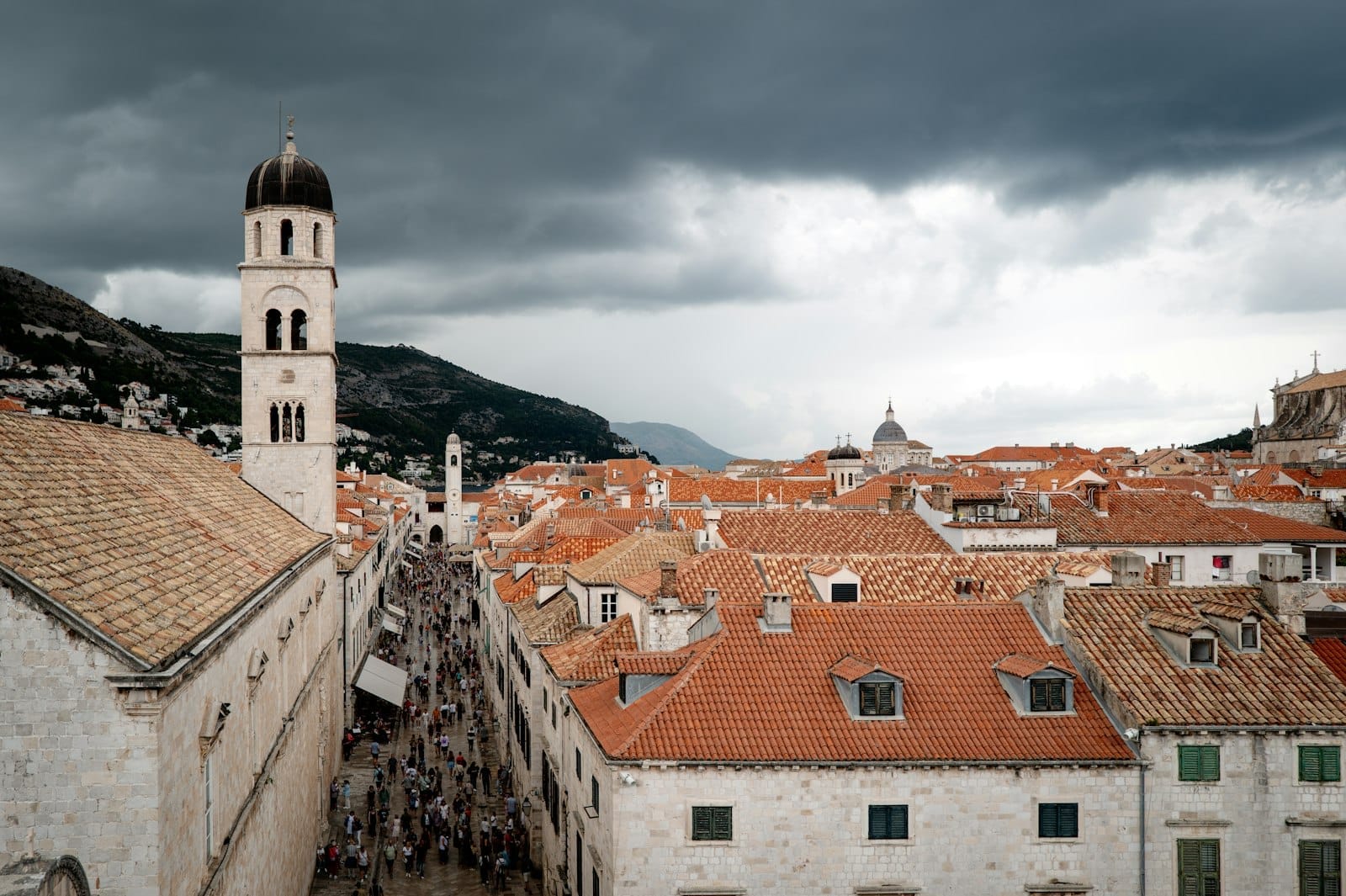
Winter in Dubrovnik is mild by the standards of northern and central Europe. Daytime temperatures typically range from 7-15°C, with frost being rare at sea level. It rains more than summer, but rarely for extended stretches. Snow in the Old Town is unusual enough to make news when it happens.
What winter offers is a Dubrovnik that actually functions like a city rather than a theme park. The Stradun has locals on it. Cafes have seats available. The Franciscan Monastery and its 16th-century pharmacy museum can be explored without rushing. The Dominican Monastery is quiet. Accommodation prices drop substantially, often 40-60% below August rates for the same properties.
ℹ️ Good to know
December brings a modest Christmas market atmosphere to the Old Town, and New Year's Eve sees fireworks launched from the walls. These are genuine local events, not manufactured tourist spectacles, though prices do spike for New Year's week accommodation.
The honest downside of winter: some beach bars, boat tour operators, and outdoor venues close entirely from November through March. The cable car may suspend operations on windy days. Lokrum Island has reduced ferry service. If your vision of Dubrovnik includes swimming, sunbathing, or island hopping, winter simply does not deliver on those terms. But for history, food, architecture, and atmosphere on a realistic budget, it is underappreciated.
Month-by-Month Quick Reference
- January & February Lowest prices, very few tourists, 7-12°C. Most attractions open with reduced hours. Good for budget travelers focused on history and food.
- March Weather improving, sea still cold (14-16°C). Quiet, affordable, occasional rain. Crowds starting to build toward Easter.
- April Easter can bring a short crowd surge. Otherwise pleasant 15-19°C, flowers, good for active sightseeing. A few beach bars begin opening.
- May One of the two best months overall. 20-24°C, sea warming, limited cruise traffic, pre-school holiday calm. Book ahead.
- June First half still excellent. Second half transitions to summer crowds and prices. Sea 21-23°C, long evenings.
- July Peak summer. 28-35°C, sea 24-26°C, Summer Festival, maximum crowds and prices. Pre-book everything weeks or months in advance.
- August The busiest month of the year. All the July factors amplified. High demand from European holidaymakers, cruise ships, and tour groups simultaneously.
- September The other best month. Warm sea, cooling air temps, shrinking crowds, softening prices. One of the most recommended windows.
- October Excellent for sightseeing and hiking. Sea swimmable early in the month. Rains begin to increase. Island ferry schedules reduce.
- November Quieter, wetter, noticeably cheaper. Some venues close. Good for city-focused trips on a budget.
- December Christmas atmosphere in the Old Town. Prices spike for New Year's week. Otherwise low season rates apply.
Practical Considerations That Affect Your Decision
Flight pricing is directly tied to season. Dubrovnik Airport (DBV), located about 19 kilometers from the city center, sees its busiest schedules from May through September, with more direct international routes available in summer. Off-season, you may need a connection through Zagreb or Split. If you're approaching by road or ferry from Split, the coastal drive takes approximately 3-4 hours. Our Split to Dubrovnik route guide covers the logistics in detail.
The Dubrovnik City Pass typically includes City Walls entry and several museums, while cable car access depends on the specific package or current promo. Its value calculation changes by season: in summer, when venues are packed and you want to move quickly, having a bundled pass can save both money and time. In winter, when queues don't exist and you can walk up and buy tickets at the door, the pass is less compelling. Factor this into your planning.
Croatia adopted the Euro in January 2023, replacing the Croatian Kuna. All transactions in Dubrovnik now use EUR, which simplifies budgeting for most European visitors. For a practical breakdown of how to manage costs across seasons, the Dubrovnik on a budget guide has specific price benchmarks for accommodation, food, and activities.
💡 Local tip
If you're visiting primarily for Game of Thrones filming locations, timing matters less than you might think since the sites are all permanent architecture. However, the experience of standing in Fort Lovrijenac or the Old Town streets is considerably more atmospheric in spring or autumn, when you're not surrounded by hundreds of other people doing the same tour simultaneously.
FAQ
What is the best time to visit Dubrovnik to avoid crowds?
Late April through early June and mid-September through October offer the best combination of good weather and manageable crowd levels. September in particular gives you warm sea temperatures with noticeably fewer visitors than peak summer. The absolute quietest period is January and February, but some outdoor activities and island ferries are limited in those months.
Is Dubrovnik worth visiting in winter?
Yes, with adjusted expectations. Winter temperatures are mild (7-15°C), most major cultural attractions remain open, and accommodation prices drop 40-60% compared to summer peaks. What you lose is beach access, island hopping, and the outdoor summer atmosphere. What you gain is an authentic, uncrowded experience of the Old Town and significantly lower costs.
When is the best time to visit Croatia more broadly if Dubrovnik is my base?
The best time to visit Croatia overall aligns closely with what works for Dubrovnik: May-June or September-October. These shoulder seasons work across the Dalmatian coast and the Adriatic islands. If you plan day trips to Split, Mostar, or the Elaphiti Islands from Dubrovnik, all of these destinations follow the same crowd and weather logic.
How hot does Dubrovnik get in summer, and is it manageable?
July and August regularly hit 30-35°C with high humidity in enclosed spaces like the Old Town walls. The City Walls walk in full midday sun at those temperatures is genuinely uncomfortable for many people. It is manageable if you start early (the walls open at 8:00am (April-October)), carry water, and take midday breaks indoors or at a beach. Children, older travelers, and anyone with heat sensitivity should weigh this carefully.
Does the Dubrovnik Summer Festival affect whether I should visit in summer?
The Summer Festival runs from mid-July to late August and includes high-quality performances of classical music, theater, and opera in genuinely spectacular historic venues like Fort Lovrijenac. If attending cultural performances is a priority, summer becomes more justifiable despite the crowds and heat. Tickets sell out for popular shows, so book as early as the program is released, typically in spring.
Tickets & tours
Live prices and dates from our booking partner. If you book, we may earn a commission at no extra cost to you.
Planning a trip? Discover personalized activities with the Nomado app.