Elaphiti Islands: The Quieter Adriatic Just Beyond Dubrovnik
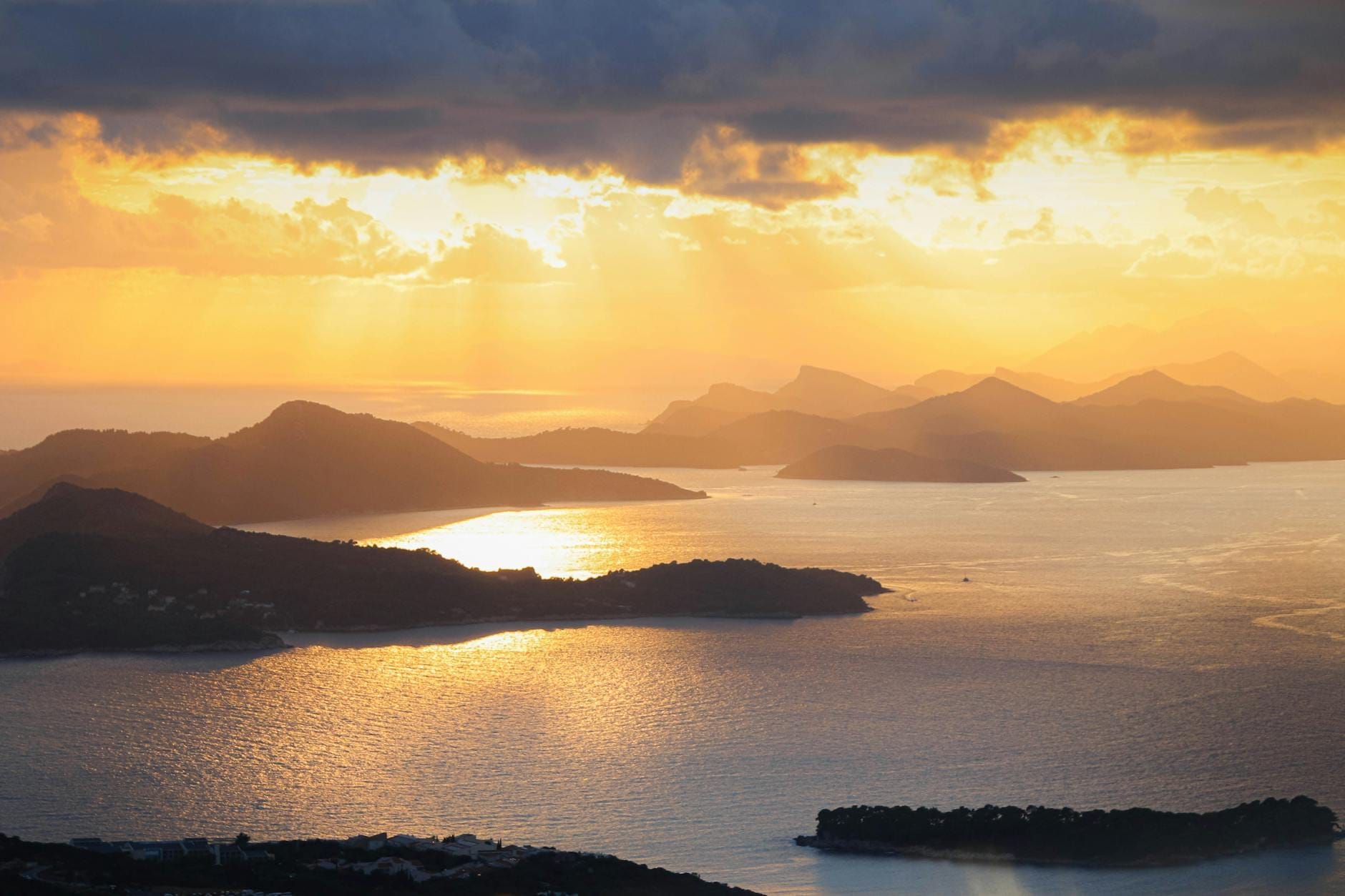
The Elaphiti Islands, an archipelago of 13 islands northwest of Dubrovnik, offer a striking contrast to the crowds of the old city. Koločep, Lopud, and Šipan, the three inhabited islands, are car-free, unhurried, and layered with medieval history. Whether you want a single beach day or a slower multi-island journey, the Elaphiti deliver.
Quick Facts
- Location
- Northwest of Dubrovnik, Adriatic Sea, Croatia
- Getting There
- Daily ferries from Gruž Harbour (Port Gruž), Dubrovnik
- Time Needed
- Half day (single island) to 2+ days (multi-island)
- Cost
- Ferry ticket required; no island entry fee. Boat tours priced separately.
- Best for
- Beach days, slow travel, walking, history, couples
What the Elaphiti Islands Actually Are
The Elaphiti Islands, known in Croatian as Elafitski otoci or simply Elafiti, form an archipelago of 13 islands scattered across the Adriatic northwest of Dubrovnik. Most are uninhabited rocky outcrops. Three carry real life: Koločep, Lopud, and Šipan, each with its own character, pace, and reason to visit. Combined, they cover roughly 30 square kilometres and are home to around 850 permanent residents.
The name traces back to the Greek word elaphos, meaning deer, a reference recorded as early as the 1st century AD by Pliny the Elder. The islands came under the control of the Dubrovnik Republic in 1272 and remained tied to the fortunes of that maritime state for centuries. Lopud was once a significant population center in the 15th century, serving as a key node in Ragusan sea trade. That world has long since contracted, and the quiet that remains is arguably the islands' greatest appeal.
ℹ️ Good to know
All three main islands are car-free or heavily car-restricted. You will walk, cycle, or take a small boat between points. Pack light and wear comfortable footwear.
Getting There: Ferries and Tours from Dubrovnik
Ferries to the Elaphiti Islands depart from Port Gruž in Dubrovnik, the main harbour located about 3 kilometres west of the Old Town. Jadrolinija, Croatia's state ferry operator, runs a scheduled route connecting Koločep, Lopud, and Šipan, with the frequency and schedule varying by season. In summer the service runs multiple times daily; off-season it is reduced significantly. Check the Jadrolinija website directly for current timetables before planning your trip.
Journey times from Gruž are roughly 25 minutes to Koločep, 50 minutes to Lopud, and around 1.5 hours to Šipan, though this depends on the specific route and stops. Return trips on the last ferry of the day are worth confirming in advance, particularly if you plan to stay until late afternoon.
Organised boat tours are a popular alternative, especially for visitors who want to see multiple islands in one day without planning ferry logistics. Many operators run full-day excursions of around 8 hours, typically departing around 10am and returning by 6pm, covering two or three islands with swimming stops included. These tours vary considerably in quality, group size, and what is included, so compare options before booking.
💡 Local tip
If you want flexibility and privacy, consider renting a small private boat from Gruž or Lapad for a half day. You can anchor in coves that the ferry routes and larger tour boats never reach.
Tickets & tours
Live prices and dates from our booking partner. If you book, we may earn a commission at no extra cost to you.
Boat tour to the Elaphiti islands with picnic
From 56 €Instant confirmationFree cancellationElaphiti Islands and Blue Cave Snorkeling Tour from Dubrovnik
From 76 €Instant confirmationFree cancellationFull-Day 3 Islands Boat Tour with Lunch and Drinks from Dubrovnik
From 65 €Instant confirmationFree cancellationElafiti islands full-day cruise from Dubrovnik
From 54 €Instant confirmationFree cancellation
Island by Island: What to Expect
Koločep: The Closest and Most Forested
Koločep is the nearest island to Dubrovnik, a fact that makes it the most accessible but also the first stop that many organised tours breeze through without giving it proper time. The island has two small settlements, Donje Čelo and Gornje Čelo, connected by a path through dense pine forest. Walking between them takes around 20 to 30 minutes and the contrast between the two harbours, one open and sandy, one more sheltered and rocky, is worth the walk.
The beach at Donje Čelo is sandy, shallow, and calm, making it suitable for families and anyone who prefers easy swimming access. Early morning, before the day-trip boats arrive, the water is glassy and the village is almost silent. By midday in peak summer it is noticeably busier, though never at the scale of beaches near Dubrovnik city itself.
Lopud: The Most Tourist-Friendly Island
Lopud is the most developed of the three inhabited islands, with a waterfront promenade lined with cafes, restaurants, and some accommodation options. The village wraps around a sheltered bay and the old harbour retains visible traces of its wealthy past: a ruined Franciscan monastery, several abandoned summer villas built by Ragusan nobles, and fragments of fortifications that were tested in a Turkish attack in 1571.
The main reason most visitors come to Lopud is Šunj Beach, a sandy crescent on the opposite side of the island reached by a 20 to 25 minute walk across the island. Šunj is one of the very few sandy beaches accessible as a day trip from Dubrovnik, and its shallow, warm water draws serious crowds in July and August. Walk across early, claim your spot before the tour groups arrive, and leave by mid-afternoon if you prefer a quieter exit. The walk itself is pleasant, passing through scrubby Mediterranean vegetation with views opening up as you near the beach.
⚠️ What to skip
Šunj Beach has a beach bar and chair rentals, but there is no shade from natural cover. Bring sunscreen, a hat, and water. In peak summer, the midday heat on the walk across is significant.
Šipan: The Largest and Least Visited
Šipan is the largest of the Elaphiti Islands and, partly because of its ferry journey time, the one that sees the fewest day-trippers. That is a reasonable argument for going. The island has two main settlements, Šipanska Luka in the west and Suđurađ in the east, each with a small harbour and the remnants of noble summer villas from the Dubrovnik Republic era. Walking trails cross the interior through olive groves and low stone walls, offering a texture of rural Adriatic life that the more visited islands have partly lost. For those interested in the wider coastal landscape, Šipan pairs well with a multi-island itinerary around Dubrovnik.
How the Islands Change Through the Day
The experience on any of the three main islands shifts significantly depending on the hour. The first ferry of the morning delivers a handful of locals or committed early travellers. The harbours are still, fishermen may be sorting nets, and the smell of salt water and pine is cleanest before the heat sets in. This is the window for walking trails and photographing the villages without crowds.
By mid-morning the organised tour boats begin arriving and the beach areas fill noticeably. Lopud's waterfront gets loud with competing sound systems from tour boats moored nearby. If your priority is calm, plan around this: arrive early or stay late on a slower ferry, and let the tour groups cycle through.
Late afternoon, after around 4pm, the day-trippers begin their return to Dubrovnik and the islands recover something of their natural rhythm. If you have the option to take an evening ferry back, the light across the water at that hour is exceptional, and the cafes on Lopud's promenade become genuinely pleasant rather than merely serviceable.
Photography and What to Look For
The Elaphiti Islands reward photographers who look beyond the obvious beach shot. On Lopud, the ruined summer villas, with their stone staircases leading to nowhere and fig trees growing through old courtyards, offer a striking kind of decay. On Koločep, the forest path between the two villages has a filtered light quality in morning that works particularly well. For those building a wider visual story of the region, the perspective of the coastline from the water, with Dubrovnik disappearing behind the headland, is something the Dubrovnik photography guide addresses in more depth.
Drone use in Croatian waters and near inhabited areas is subject to regulation. Check current Civil Aviation Authority rules before flying. Many of the island coves are also used by private and charter yachts, so water-level photography from a kayak or small boat can produce angles that are genuinely difficult to replicate.
Who Should Reconsider
The Elaphiti Islands are not the right choice for every visitor to Dubrovnik. If your time is limited to a single day and your priority is medieval architecture, walled city history, or specific cultural monuments, you will spend most of that day in transit and miss what Dubrovnik itself does best. The islands offer nature, quiet, and a slower pace, not concentrated sightseeing.
Travellers with mobility challenges should plan carefully. The terrain on all three islands involves uneven stone paths, hills, and limited infrastructure. Šunj Beach on Lopud requires a 20-minute uphill-downhill walk with no vehicle access. For families, Koločep's calm sandy beach is the most straightforward option. The guide to Dubrovnik with kids has more detail on beach and activity options by age group.
Anyone expecting resort-level amenities will also be disappointed. Restaurants exist on all three islands but menus are simple and options limited, particularly on Koločep and Šipan. Bring cash, as card readers are not universal on the smaller islands.
Insider Tips
- Take the earliest available ferry to Lopud and walk to Šunj Beach before 10am. You may have it almost entirely to yourself for an hour before the first tour boats arrive.
- On Šipan, hire a local to drive you between the two port villages by golf cart or small vehicle rather than attempting the cross-island walk in midsummer heat. Ask at the harbour.
- Koločep's Gornje Čelo village is overlooked by almost every organised tour. The rocky coves near the upper village see very little traffic and offer cleaner water than the main harbour beach.
- The Jadrolinija ferry is significantly cheaper than organised tour packages and follows the same basic route. If you are comfortable navigating a basic schedule, it gives you far more freedom on each island.
- Pack a snorkel. The rocky entry points around Koločep and the quieter coves of Šipan have clear water with good visibility, and the crowds that hit the sandy beaches rarely bother with the rockier coastline.
Who Is Elaphiti Islands For?
- Travellers looking for a beach day that avoids the commercial intensity of beaches near Dubrovnik city
- Couples wanting a slow, walking-based day away from Old Town crowds
- Photographers interested in coastal decay, Mediterranean vegetation, and water-level Adriatic shots
- Anyone with two or more days in Dubrovnik who wants variety beyond the walled city
- Sailing and boating enthusiasts using Dubrovnik as a base for exploring the Dalmatian coast
Nearby Attractions
Combine your visit with:
- Kravica Waterfalls
Kravica Waterfalls is a sweeping 25-meter high, 120-meter wide horseshoe cascade fed by the Trebižat River in southern Bosnia and Herzegovina. Reachable on a day trip from Dubrovnik, it offers one of the most dramatic swimming spots in the western Balkans — cold, clear water pooled at the base of travertine cliffs draped in fig trees and emerald moss.
- Mostar Old Town & Stari Most
Stari Most is the reconstructed 16th-century Ottoman bridge at the heart of Mostar's UNESCO-listed Old Town, roughly 150 km from Dubrovnik across the Bosnia and Herzegovina border. Free to cross, profound to see, and far easier to reach than most travelers expect, it ranks among the most emotionally resonant stops in the western Balkans.
- Trsteno Arboretum
Founded in the late 15th century as a noble summer estate, Trsteno Arboretum sits 25 km northwest of Dubrovnik and remains one of the most historically layered green spaces on the Adriatic coast. Managed by the Croatian Academy of Sciences and Arts, it combines formal Renaissance garden design with ancient Oriental plane trees, a working aqueduct, and sweeping sea views.
Planning a trip? Discover personalized activities with the Nomado app.