Port Gruž Ferry Terminal: Your Complete Guide to Dubrovnik's Harbor
Port Gruž is Dubrovnik's main ferry and cruise hub, located about 3 km northwest of the Old Town in the Gruž district. Whether you're arriving from Split, island-hopping through Dalmatia, or boarding a catamaran to the Elaphiti Islands, this working harbor is where your Adriatic adventure begins.
Quick Facts
- Location
- Obala Stjepana Radića 40, Gruž district, ~3 km northwest of Old Town
- Getting There
- Libertas city buses stop directly adjacent; taxi, Uber, and Bolt available at the terminal
- Time Needed
- 15–45 minutes (transit hub); allow extra time during peak summer arrivals
- Cost
- Free to enter (public terminal); ferry tickets vary by operator and route
- Best for
- Ferry arrivals, island day trips, cruise passengers, budget travelers connecting onward
- Official website
- www.jadrolinija.hr
What Port Gruž Actually Is
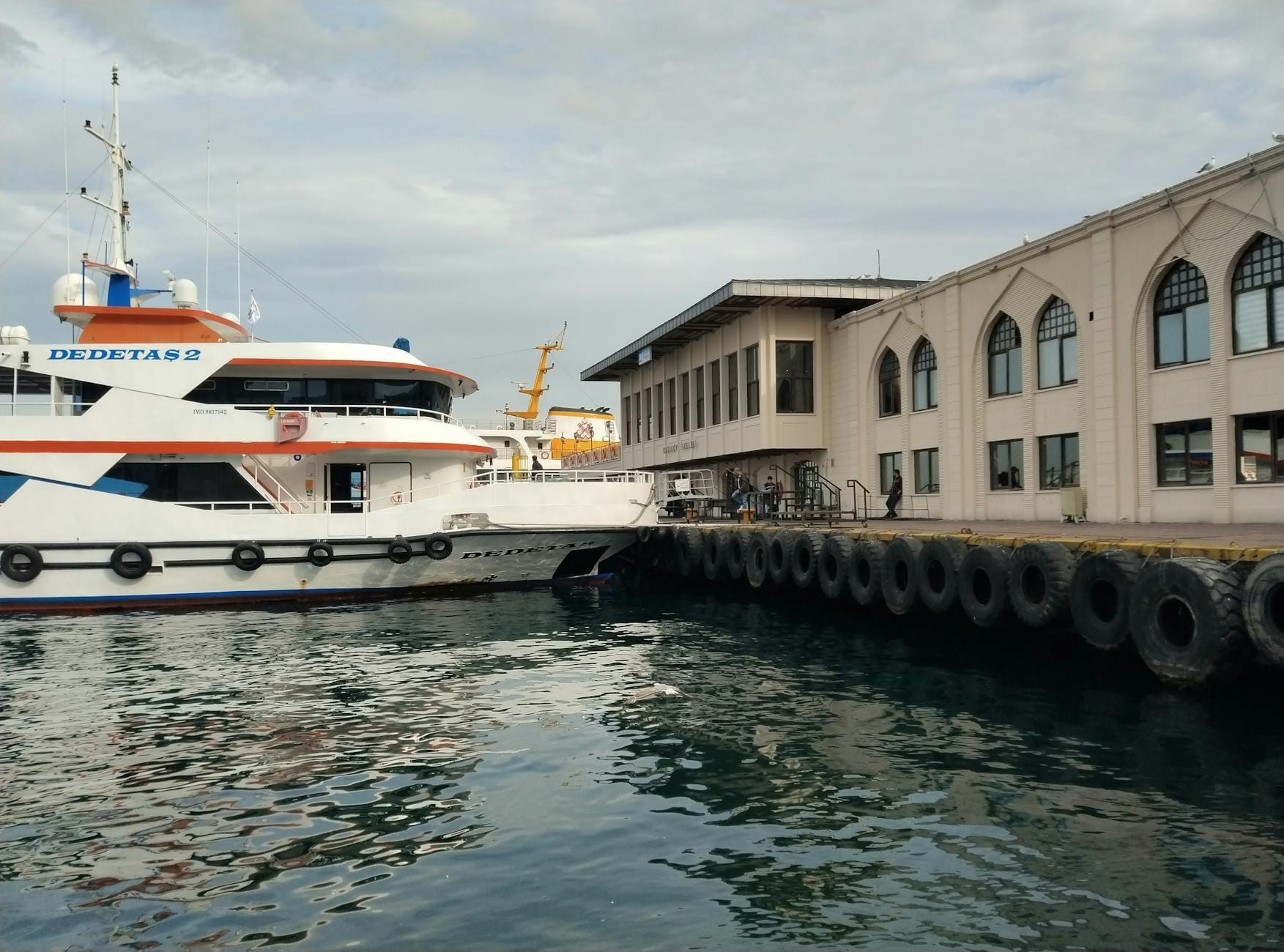
Port Gruž is the operational heart of Dubrovnik's maritime connections. This is not a tourist attraction in the conventional sense: there are no velvet ropes, no entry tickets, and no curated experience waiting inside. What you get instead is a real working harbor, the point where ferries from Split, Rijeka, Hvar, Korčula, and the Elaphiti Islands dock alongside high-season catamarans and, at a separate pier about 750 meters away, some of the largest cruise ships in the Mediterranean.
The terminal sits in the Gruž district, a neighborhood of light industry, the city's main outdoor market, and a stretch of protected bay that has sheltered vessels since the medieval period. It's approximately 3 km northwest of Dubrovnik's UNESCO-listed Old Town, and the physical contrast between the two couldn't be sharper: where the Old Town operates as a preserved monument to the Republic of Ragusa, Gruž is Dubrovnik's practical, unglamorous working side.
ℹ️ Good to know
Port Gruž is open 24 hours a day, 7 days a week, year-round. The terminal has no admission fee. Ferry ticket prices vary significantly by operator, route, and season — check Jadrolinija (jadrolinija.hr) or Krilo (krilo.hr) directly before travel.
A Brief History of the Harbor
Gruž Bay's sheltered geometry made it a natural anchorage long before Dubrovnik became a regional power. During the Austro-Hungarian period, which lasted until 1918, the harbor served military and naval functions under the empire's Adriatic administration. After the First World War, Gruž transitioned into a civilian role, and starting in December 1910, it became the terminus of Dubrovnik's tram system, a line that connected the harbor to the Old Town and ran until 1970.
The modern infrastructure tells a more recent story. Between 2016 and 2018, approximately 100 million USD was invested in a new cruise terminal at the outer end of the pier, dramatically expanding the port's capacity to handle large vessels. Today the pier is long enough to accommodate more than five cruise ships simultaneously, a fact that reshapes the character of Gruž during summer mornings when multiple ships are in dock.
Tickets & tours
Live prices and dates from our booking partner. If you book, we may earn a commission at no extra cost to you.
Dubrovnik airport to Dubrovnik private one-way transfer
From 49 €Instant confirmationFree cancellationKaraka cruise transfer from Dubrovnik old port to Gruž new port
From 20 €Instant confirmationFree cancellationMostar and Kravice Waterfalls excursion from Dubrovnik
From 120 €Instant confirmationFree cancellationDubrovnik Old Town Tour ith Cable Car Ride
From 56 €Instant confirmationFree cancellation
What to Expect When You Arrive
Arriving at Port Gruž by ferry, the first thing you notice is the smell: salt air mixed with diesel from the engines, then, as you walk toward the terminal building, the sharper scent of coffee from the small bar inside. The terminal is modern and functional, with toilets, a tourist information point, and basic seating. It is not a place designed to linger.
The main exit from the ferry pier leads north, toward the Libertas bus station that sits directly adjacent to the terminal. This is the quickest connection to the Old Town. City buses run frequently from here, and the journey to the Pile Gate area takes roughly 15 to 20 minutes depending on traffic. In July and August, that journey can stretch considerably longer during peak hours, particularly when multiple cruise ships discharge passengers at the same time.
Taxis, Uber, and Bolt all operate from the terminal area. The cruise pier is a separate structure roughly 750 meters from the main ferry terminal, walkable in about 10 minutes with luggage on flat ground, though there are no escalators or moving walkways. If you're arriving with heavy bags, a taxi from the pier to the Old Town is the cleaner option.
⚠️ What to skip
Summer mornings between 8 AM and 11 AM can bring several thousand cruise passengers into the Gruž area simultaneously. If your ferry arrives during this window, expect congestion at the bus stops and elevated taxi demand. Building in an extra 20–30 minutes is wise.
How the Port Changes Through the Day
Early mornings at Gruž, before the cruise ships wake up the neighborhood, have a genuine harbor quality. Fishing boats tie up at the edges of the bay. The outdoor Gruž market, which opens nearby in the mornings, draws locals rather than tourists. The light at this hour is flat and silvery off the water, and the surrounding hills above the bay still hold some shadow. This is the hour when Gruž feels most like a neighborhood rather than a transit point.
By mid-morning in summer, the atmosphere shifts completely. Buses queue, taxis circle, and the terminal fills with passengers moving in both directions. The noise level rises with engines, rolling luggage, and announcements. If you're departing on a ferry to the islands, arriving at the terminal at least 30 minutes before your scheduled departure is the sensible minimum.
Evenings bring a quieter rhythm. The light fades over the bay, the cruise ships have usually departed, and the remaining activity centers on passengers arriving from or departing to the islands on the last catamarans of the day. The water in the bay reflects the lights of the surrounding buildings, and the harbor takes on a softer quality that the daytime chaos entirely obscures.
Getting to and from the Old Town
The Libertas bus network is your most reliable connection between Port Gruž and the rest of Dubrovnik. Multiple lines serve the route between the ferry terminal and the Old Town, with stops near the Pile Gate. Tickets can be purchased from the driver or at kiosks. If you're planning to use public transport repeatedly during your stay, the Dubrovnik City Pass includes bus access and may save money depending on your itinerary.
The walk between Gruž and the Old Town is not recommended with heavy luggage: it's approximately 3 km along roads without consistent pedestrian infrastructure. Without bags, the walk is pleasant enough and takes around 40 minutes, passing through residential streets and offering occasional views of the bay.
For travelers with more time, the getting around Dubrovnik guide covers all transport options in detail, including bus routes, taxi pricing, and tips for avoiding the worst of the summer traffic.
Day Trips and Onward Connections
Port Gruž is the departure point for some of the most rewarding day trips from Dubrovnik. The Elaphiti Islands, a small archipelago of largely car-free islands, are reachable by regular ferry from this terminal. Korčula, Hvar, and connections north to Split all depart from here as well. For travelers planning to island-hop through Dalmatia, understanding the ferry schedule is essential, as services are significantly more frequent in summer than in shoulder seasons.
The island hopping guide covers the practical logistics in full, including which routes require advance booking (most in July and August), which operators run which lines, and how to structure a multi-day itinerary from the port.
💡 Local tip
For the Elaphiti Islands and popular catamaran routes in peak summer, book your ferry tickets at least a few days in advance online. Last-minute walk-up tickets are sometimes unavailable, particularly on the Krilo fast catamaran services to Hvar and Korčula.
Who Should Reconsider Spending Time Here
Port Gruž rewards travelers who are either departing on ferries or who have a specific interest in harbor infrastructure and working ports. For everyone else, there is limited reason to make a special trip to Gruž. The terminal building has no exhibition, no viewpoint worth noting, and no dining beyond a basic coffee bar. Travelers expecting a scenic promenade or a postcard harbor view will be better served heading to the Old Town or taking the cable car up to Mount Srđ for genuine panoramic perspective.
The Gruž neighborhood itself has more texture than the terminal alone. The Gruž market nearby is worth a morning visit, and the surrounding streets have a local character largely absent from the tourist-heavy Old Town. But if your only connection to Gruž is a ferry arrival or departure, treat it as the transit hub it is: efficient, functional, and best used as a starting point rather than a destination.
Insider Tips
- If you're arriving by ferry from Split or the islands with large luggage, the northern exit from the pier puts you closest to the Libertas bus stop. Follow signs for the main terminal building rather than walking the full pier length unnecessarily.
- The outdoor Gruž market (Tržnica Gruž) operates nearby in the mornings and is one of the few places in Dubrovnik where you'll find genuinely local produce and prices without tourist markup. It's worth arriving 20 minutes early for your ferry just to walk through it.
- Jadrolinija and Krilo run competing services on some routes, particularly to Hvar and Korčula. Krilo's fast catamarans are quicker but pricier; Jadrolinija car ferries are slower but often have more capacity and flexibility if plans change.
- In the off-season (November through March), the port is significantly quieter, ferry frequencies drop sharply, and some island routes suspend entirely. If you're planning shoulder or winter travel, verify schedules directly with operators at least two weeks before departure.
- The walk from the cruise pier to the main ferry terminal is flat and takes about 10 minutes. If you're a cruise passenger wanting to reach the Old Town independently by bus rather than via an organized shuttle, the main Libertas bus station is just past the ferry terminal building.
Who Is Port Gruž (Ferry Terminal) For?
- Travelers arriving or departing on Jadrolinija or Krilo ferry services
- Island-hoppers using Dubrovnik as a base for day trips to the Elaphiti Islands, Korčula, or Hvar
- Budget travelers who want to use public buses rather than expensive organized transfers
- Cruise passengers choosing to explore the city independently rather than through ship excursions
- Early risers who want to combine a ferry departure with a visit to the adjacent Gruž morning market
Nearby Attractions
Other things to see while in Gruž:
- Gruž Market (Tržnica Gruž)
Gruž Market, officially Tržnica Gruž, is where Dubrovnik residents actually shop. Located near the ferry port in the Gruž neighborhood, this open-air and covered market sells fresh fish, local produce, olive oil, honey, and seasonal specialties at prices the Old Town's souvenir stalls can't match. Go early, bring cash, and arrive hungry.
Planning a trip? Discover personalized activities with the Nomado app.