Island Hopping from Dubrovnik: The Elaphiti Islands and Beyond
The Elaphiti Islands sit just off Dubrovnik's coast and offer everything the city lacks in summer: quiet coves, car-free lanes, and unhurried lunches. This guide covers ferry logistics, guided tours, what each island is actually like, and how to make the most of a day on the water.
Tickets & tours
Live prices and dates from our booking partner. If you book, we may earn a commission at no extra cost to you.
TL;DR
- The Elaphiti archipelago has 13 islands; only three are inhabited and regularly visited: Koločep, Lopud, and Šipan.
- Public ferries from Gruž harbour reach Koločep in around 30 minutes; all three islands are accessible without a tour.
- Guided full-day boat tours (around €50-€100) include lunch and visit two or three islands in one trip — the most efficient option for first-timers.
- May-June and September-October are the sweet spots: water is warm, ferries run daily, and the islands are nowhere near as crowded as in peak July-August.
- Island hopping pairs well with other day trips from Dubrovnik if you're spending three or more nights in the area.
Understanding the Elaphiti Islands
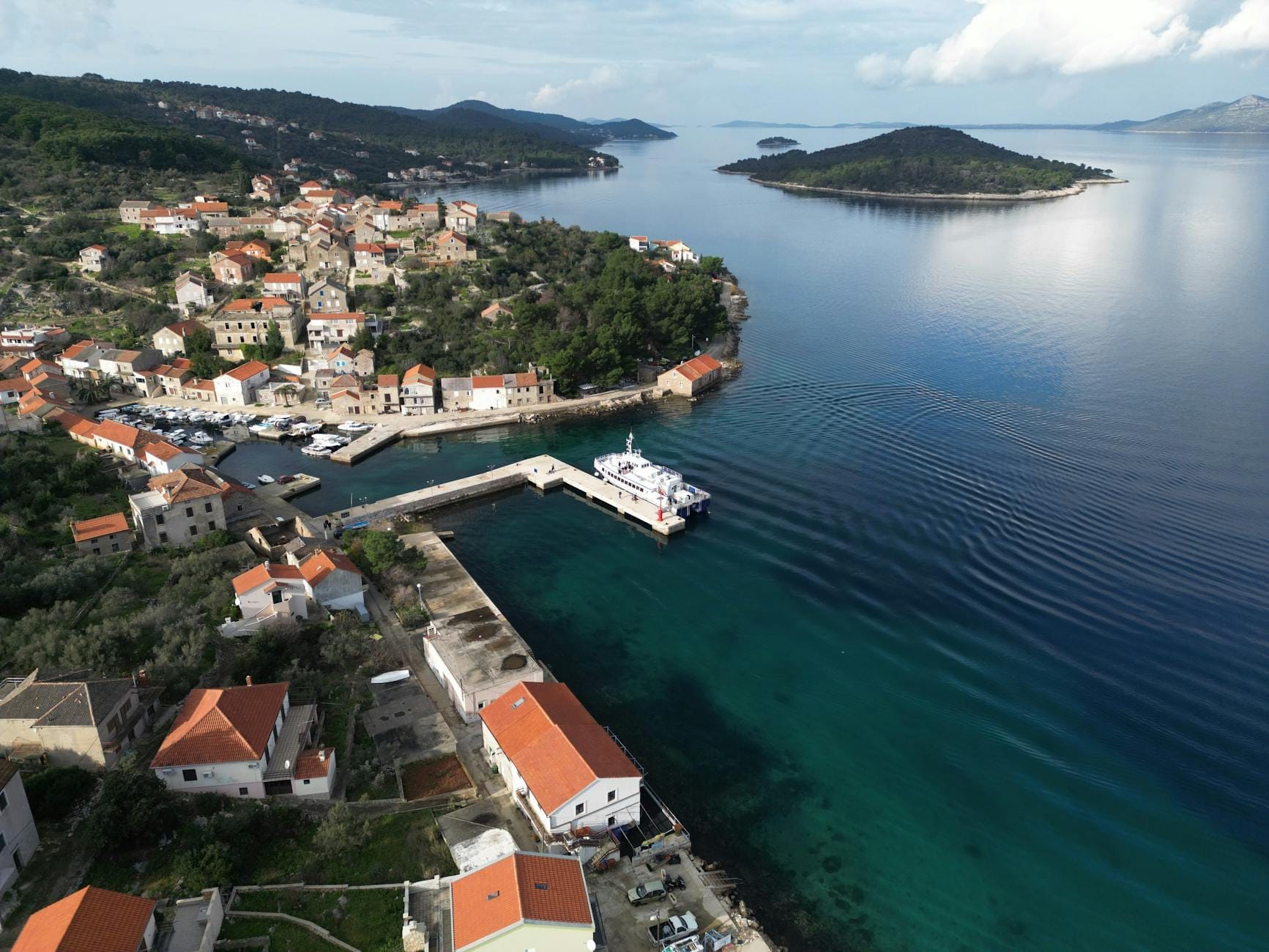
The Elaphiti (also spelled Elafiti) archipelago stretches northwest of Dubrovnik along the Dalmatian coast. The name comes from the Greek word for deer, and the islands were historically an important part of the Ragusan Republic. Of the 13 islands in the group, only Koločep, Lopud, and Šipan are permanently inhabited today. The others are rocky, uninhabited outcrops — picturesque from a boat, but there is nothing to do on them.
This is worth flagging upfront: the Elaphiti Islands are not undiscovered. They are well-established on the day-trip circuit, and on summer weekdays you will share the beaches and ferry with plenty of other travellers. What they offer, compared to Dubrovnik itself, is scale. There are no cars on Koločep or Lopud, the villages are tiny, and the pace drops considerably. If you want to escape the cruise-ship density of the Old Town for a day, the islands deliver that reliably.
ℹ️ Good to know
The Croatian name is 'Elafiti' (without the 'ph'). Both spellings appear widely in English, but you will see 'Elafiti' on Croatian ferry timetables and official signage.
The Three Main Islands: What Each One Is Like
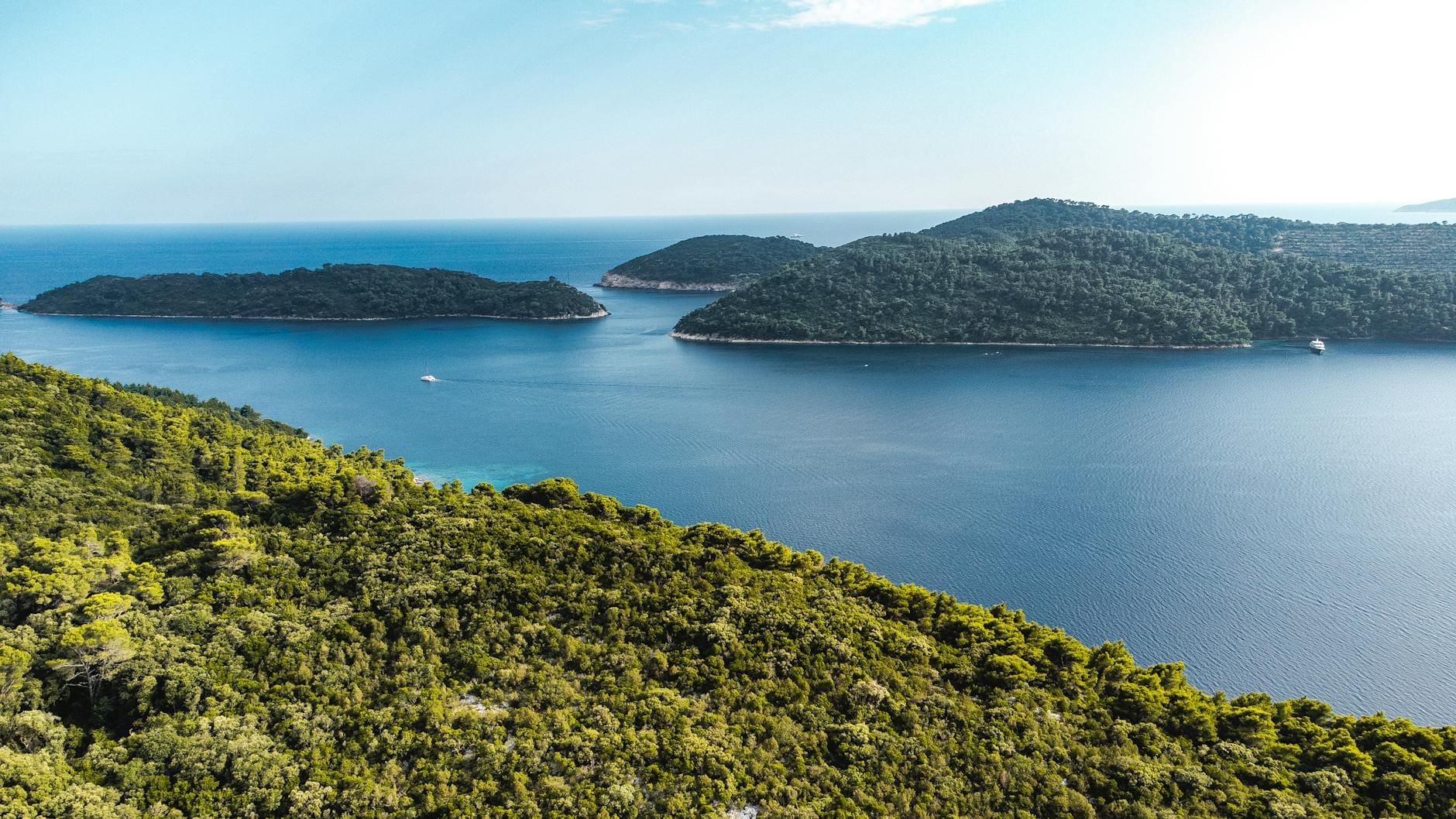
Koločep is the closest island to Dubrovnik, roughly 5 km away, and the smallest of the three inhabited islands. It is split into two villages, Donje Čelo and Gornje Čelo, connected by a trail through pine and cypress forest. The beaches are small and pebbly but the water is exceptionally clear. Koločep rewards walkers more than sunbathers. If you are island hopping independently, it makes a good half-day stop. For more on beaches in this region, the Dubrovnik beaches guide covers both mainland and island options.
Lopud is the most visited of the three, and the reason is Šunj Beach. It is one of the only genuinely sandy beaches in the Dubrovnik area, a rarity on this stretch of coast where pebble and rock dominate. Šunj sits on the far side of the island, a 20-minute walk from the ferry landing. The beach has sun lounger rentals and a café, and it gets crowded in July and August. The village itself has a medieval Franciscan monastery, a ruined castle above the harbour, and several restaurants serving fresh seafood. Lopud is the easiest island to spend a full day on.
Šipan is the largest of the Elaphiti Islands and the least visited on standard day trips. It has two villages, Šipanska Luka and Suđurađ, separated by a valley of olive groves and vineyards. There are no sandy beaches here, but the island has a slower, more authentic feel than Lopud. If you are travelling independently and want somewhere quieter, Šipan is the better choice. Expect fewer tourists, fewer restaurants, and a ferry schedule that requires more planning.
- Koločep Best for: forest walks, clear-water swimming, a quick escape. Car-free. Two small villages. Closest to Dubrovnik (~30 min ferry).
- Lopud Best for: a full day out, sandy beach at Šunj, lunch with a view. Most tourist infrastructure of the three islands. Ferry from Dubrovnik takes around 50-60 minutes.
- Šipan Best for: slower travel, olive groves, authentic village atmosphere. Larger island but fewer facilities. Ferries less frequent; plan your return carefully.
How to Get There: Ferries vs. Guided Tours
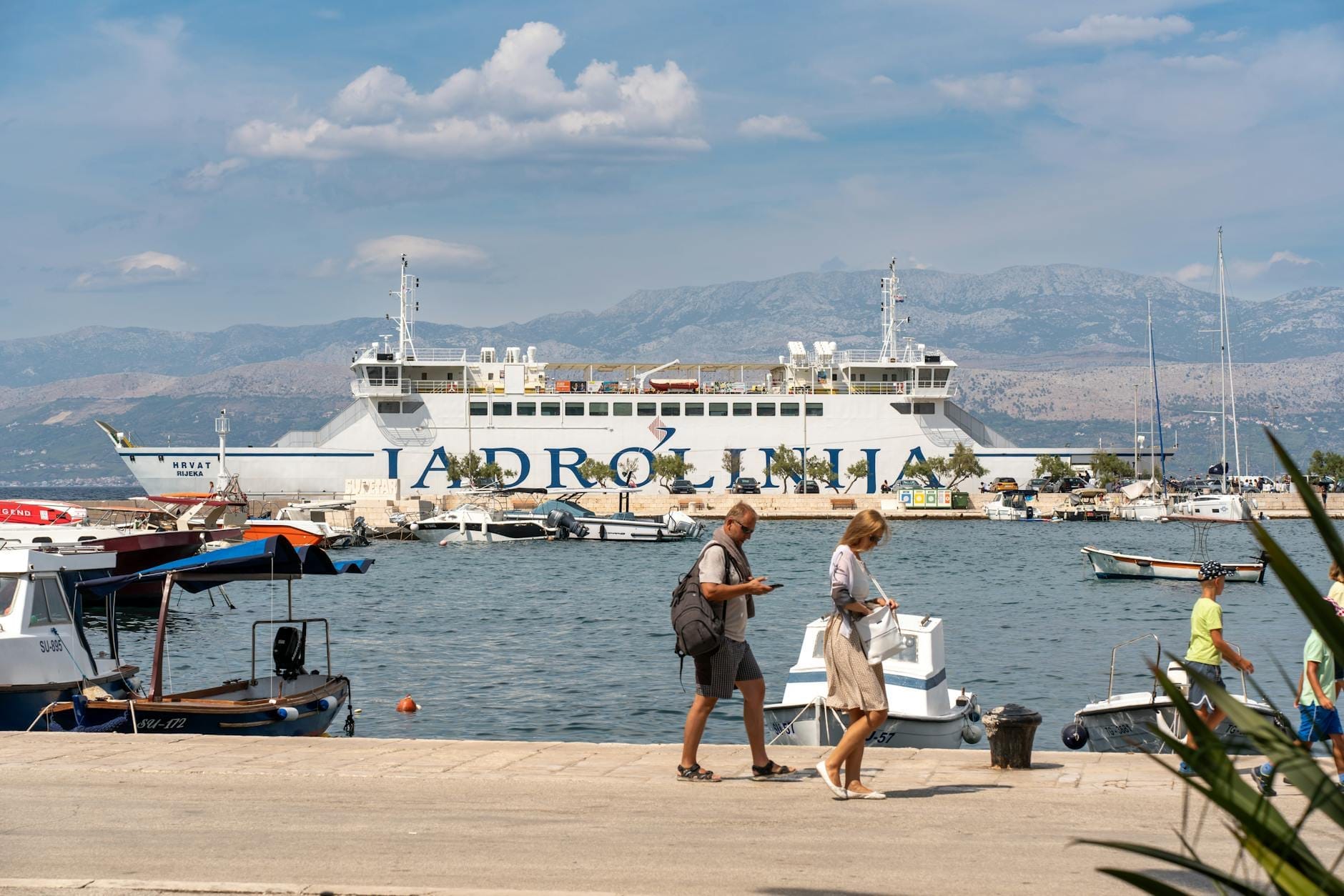
All ferries to the Elaphiti Islands depart from Port Gruž, Dubrovnik's main harbour in the Gruž district, roughly 2.5 km northwest of the Old Town. You can reach Gruž on the Libertas city bus (lines 1A and 1B from Pile Gate) in around 20 minutes. Tickets are purchased at the Jadrolinija ferry office at the port or from vending machines on the dock. The ferry is an affordable option — fares for passengers are low — though prices fluctuate seasonally and should be verified before you travel.
The practical limitation of the public ferry is the schedule. Sailings are less frequent on weekends and outside peak season, and the ferry makes multiple stops, so the journey to Šipan can take 90 minutes or more. If your goal is to visit two or three islands in a single day, the ferry makes that difficult to manage comfortably without an overnight stay.
Guided full-day boat tours solve the scheduling problem. Most run 8-9 hours, visit two or three islands, include a stop for swimming, and provide lunch and drinks on board. Prices typically fall in the €50-€100 range depending on the operator and what is included. The most recognisable vessels are replica wooden galleons like the Karaka and the Tirena, which add some theatre to the trip. These tours are not intimate experiences — groups can be sizeable in summer — but they are genuinely good value given the logistics they handle for you.
💡 Local tip
Book guided island tours at least a few days ahead in July and August. Popular operators like the Karaka sell out quickly, and last-minute dock vendors often charge more for equivalent trips.
When to Go: Crowds, Weather, and Timing
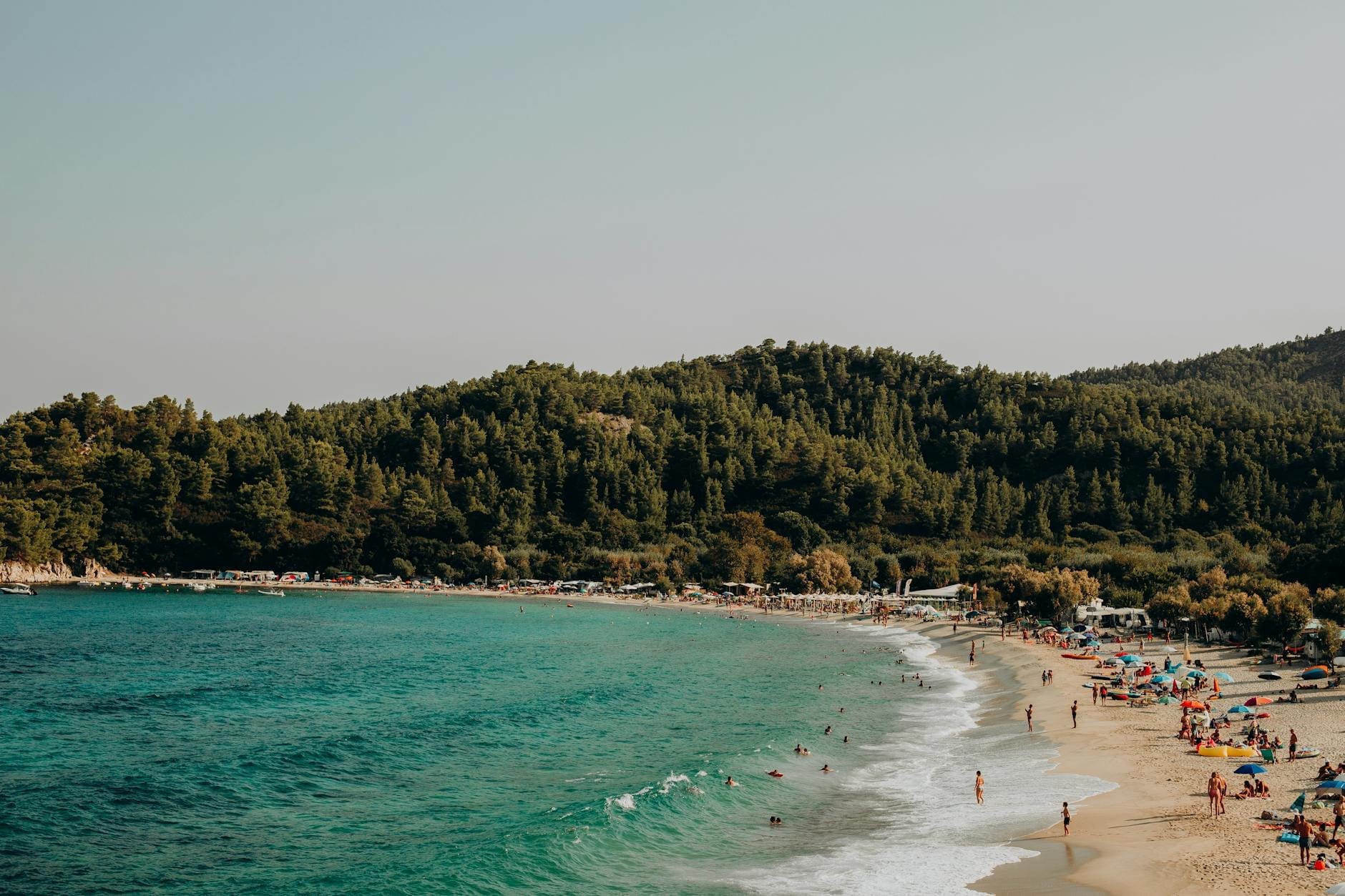
The Elaphiti Islands are accessible from April through October, with daily ferry and tour services running from roughly May to the end of September. July and August are peak season: the sea is warm, the sun is reliable, but Lopud's Šunj Beach and popular boat tours are noticeably busy. For context on how crowds build across the whole destination, the best time to visit Dubrovnik guide explains the seasonal patterns in detail.
May and June are arguably the best months for island hopping. Water temperatures are comfortable for swimming by late May, the weather is warm and mostly dry, and the islands have not yet reached summer capacity. September and October offer a similar balance on the other side of peak season, with the added advantage of lower accommodation prices on the mainland. The light in September is also excellent for photography.
- May-June: warm, dry, uncrowded — the best overall window
- July-August: hottest, busiest; ferries and popular tours run most frequently
- September-October: quieter, still swimmable, better value
- November-April: most tours suspended; ferry schedule reduced significantly; not recommended for island hopping
⚠️ What to skip
If you are visiting in late June or July, check whether the Dubrovnik Summer Festival has events scheduled in the evenings. Returning to a packed Old Town after a full day on the water without a dinner reservation can be frustrating.
Beyond the Elaphiti: Other Islands Worth Considering
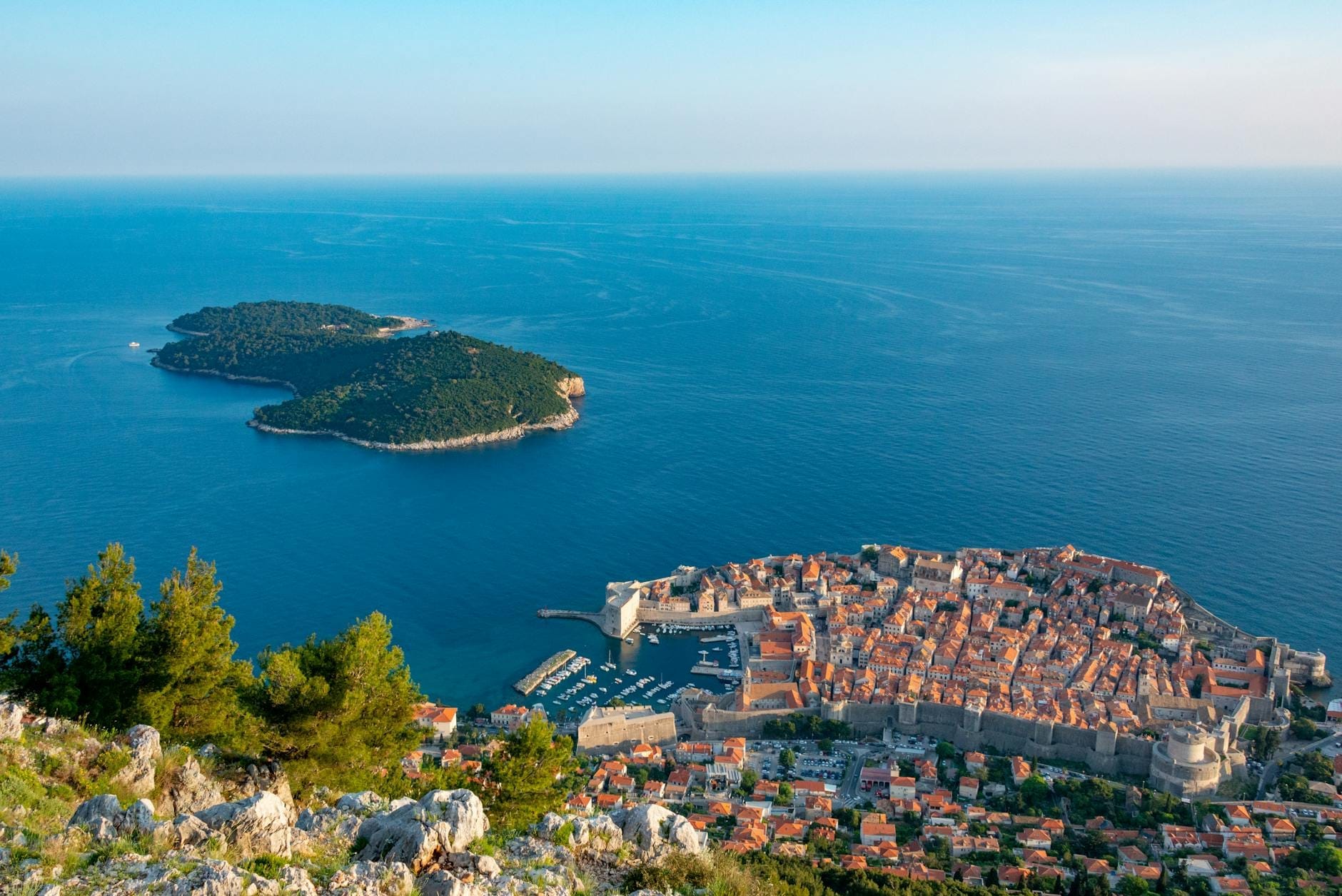
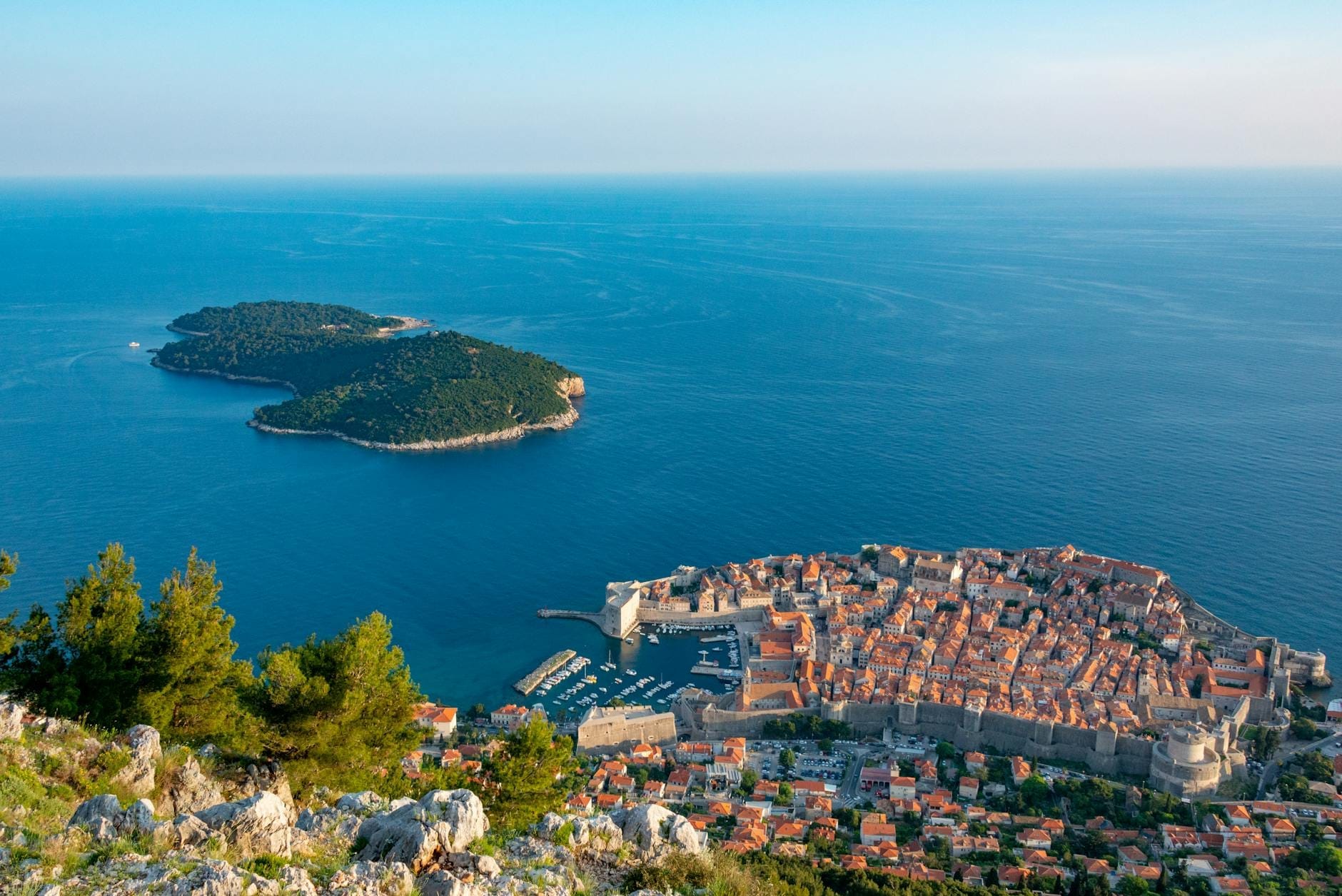
The Elaphiti Islands are the obvious choice for island hopping from Dubrovnik, but they are not the only option. Lokrum Island is technically not part of the Elaphiti group but is the closest island of all to Dubrovnik, just 600 metres off the Old Town coast. A small ferry runs from the Old Harbour (Stara Luka) every 30-45 minutes in season. Lokrum has a Benedictine monastery, a botanical garden, a small salt lake popular for swimming, and the ruins of a fort with sweeping views. It is a half-day trip rather than a full day, and it is managed as a nature reserve, which means there are no hotels or restaurants.
For a more substantial island experience, the islands of Hvar, Korčula, and Brač are all reachable from Dubrovnik by catamaran or ferry, though they require at least an overnight stay to do properly. Korčula in particular is worth considering: it has a medieval walled town often compared to Dubrovnik itself, but at a fraction of the visitor density. These longer excursions fall into the category of multi-day trips from Dubrovnik rather than simple island hops.
Lokrum deserves special mention as a standalone outing. The Lokrum Island guide covers the Benedictine monastery, the Dead Sea lake, and the botanical garden in detail. It is the best option if you have only a half-day to spare or if the main Elaphiti tours are fully booked.
Practical Tips for a Smooth Day Trip
Pack light but bring everything you need: sunscreen, a towel, cash for smaller restaurants on the islands (card machines are not always reliable on Koločep and Šipan), and a light layer for the ferry ride back in the evening. Water shoes are useful on pebbly beaches. If you are doing a guided tour, check whether snorkelling gear is included or costs extra.
Getting to Gruž on time is the most common logistical issue. The journey from the Old Town takes longer than it looks on a map, especially in summer when buses are crowded. Allow at least 40 minutes from Pile Gate to the ferry dock. Taxis and ride-hailing apps (Uber operates in Dubrovnik) are faster but cost more. For a broader look at moving around the city, the guide to getting around Dubrovnik is worth reading before you go.
✨ Pro tip
If you plan to visit the Dubrovnik City Walls, the Old Town, and take an island day trip in the same stay, spread them across separate days. Trying to do the walls in the morning and catch an afternoon ferry is a recipe for rushing both. The Dubrovnik City Pass can help reduce costs if you are stacking multiple paid attractions.
FAQ
How long does it take to get from Dubrovnik to the Elaphiti Islands?
Koločep is the closest, around 30 minutes by public ferry. Lopud takes approximately 50-60 minutes, and Šipan can take 90 minutes or more as the ferry makes intermediate stops. Guided boat tours manage the routing for you and typically depart from the Old Harbour or Gruž in the morning.
Is it better to take a guided tour or use the public ferry for the Elaphiti Islands?
It depends on your priorities. The public ferry is cheaper and gives you flexibility, but the schedule makes visiting multiple islands in a single day difficult. A guided full-day tour (around €50-€100) visits two or three islands, includes lunch, and handles all the logistics. For most visitors on a tight itinerary, the guided tour is the more practical choice.
Are the Elaphiti Islands worth visiting, or are they overhyped?
They are genuinely worth a day trip, but the expectation-management caveat is real: these are not remote, undiscovered islands. Lopud in particular sees significant visitor numbers in summer. What they offer is a change of pace from Dubrovnik's density, plus the only sandy beach in the immediate area. If you are expecting solitude, aim for Šipan or travel in May or September.
Can you island hop independently in the Elaphiti Islands, or do you need a tour?
You can do it independently using the Jadrolinija public ferry from Gruž. The challenge is timing: ferries are infrequent enough that visiting more than one island in a day requires careful planning and some waiting around. An overnight stay on Lopud or Šipan is another option if you want to explore at your own pace without rushing back.
What should I bring for an island hopping day trip from Dubrovnik?
Sunscreen, a towel, swimwear, water shoes (for pebble beaches), cash in euros, and a light jacket for the return ferry. Bring your own water if you run hot — drinks on the island can be expensive in peak season. If snorkelling interests you, check whether your tour includes gear or bring your own.
Tickets & tours
Live prices and dates from our booking partner. If you book, we may earn a commission at no extra cost to you.
Planning a trip? Discover personalized activities with the Nomado app.