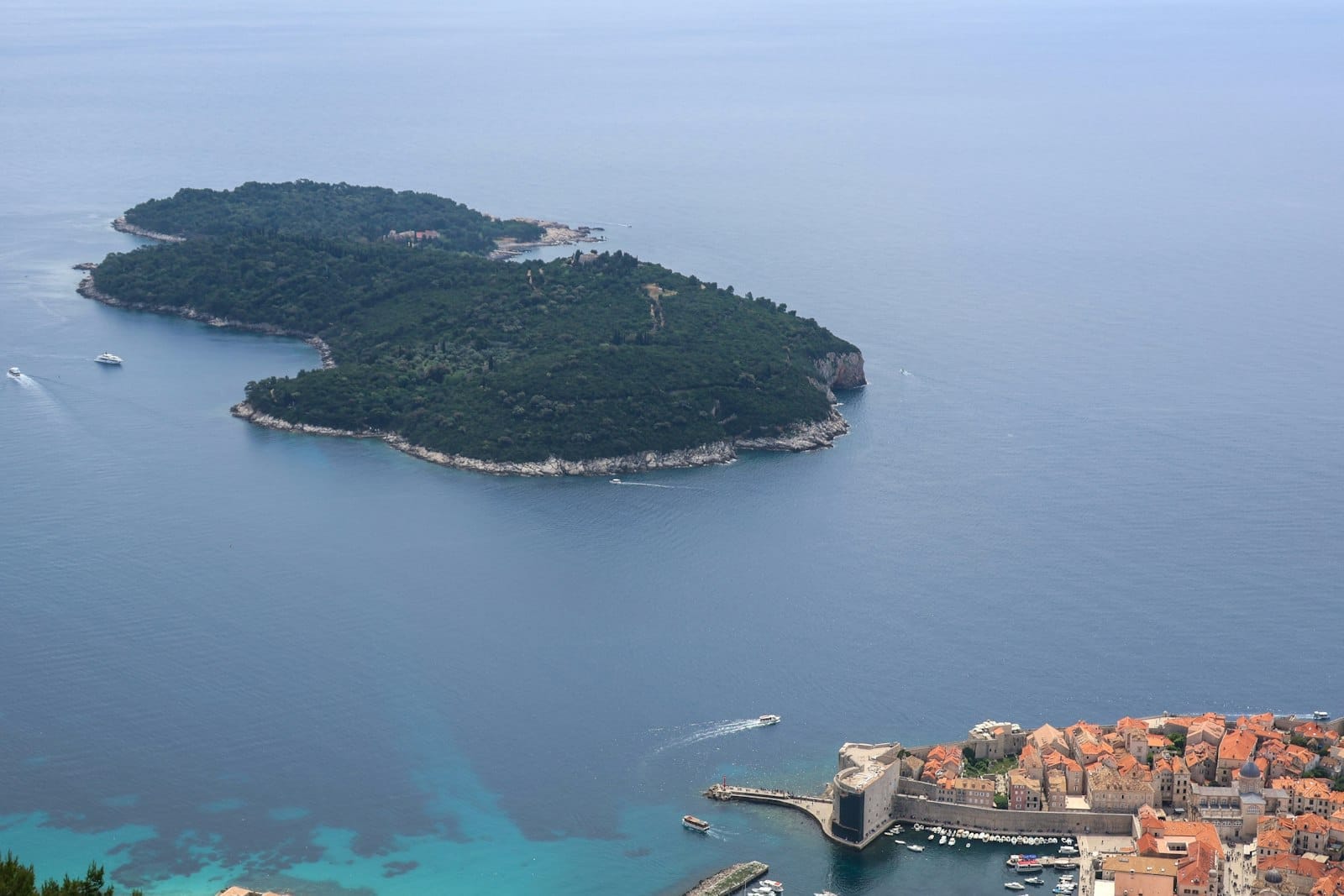
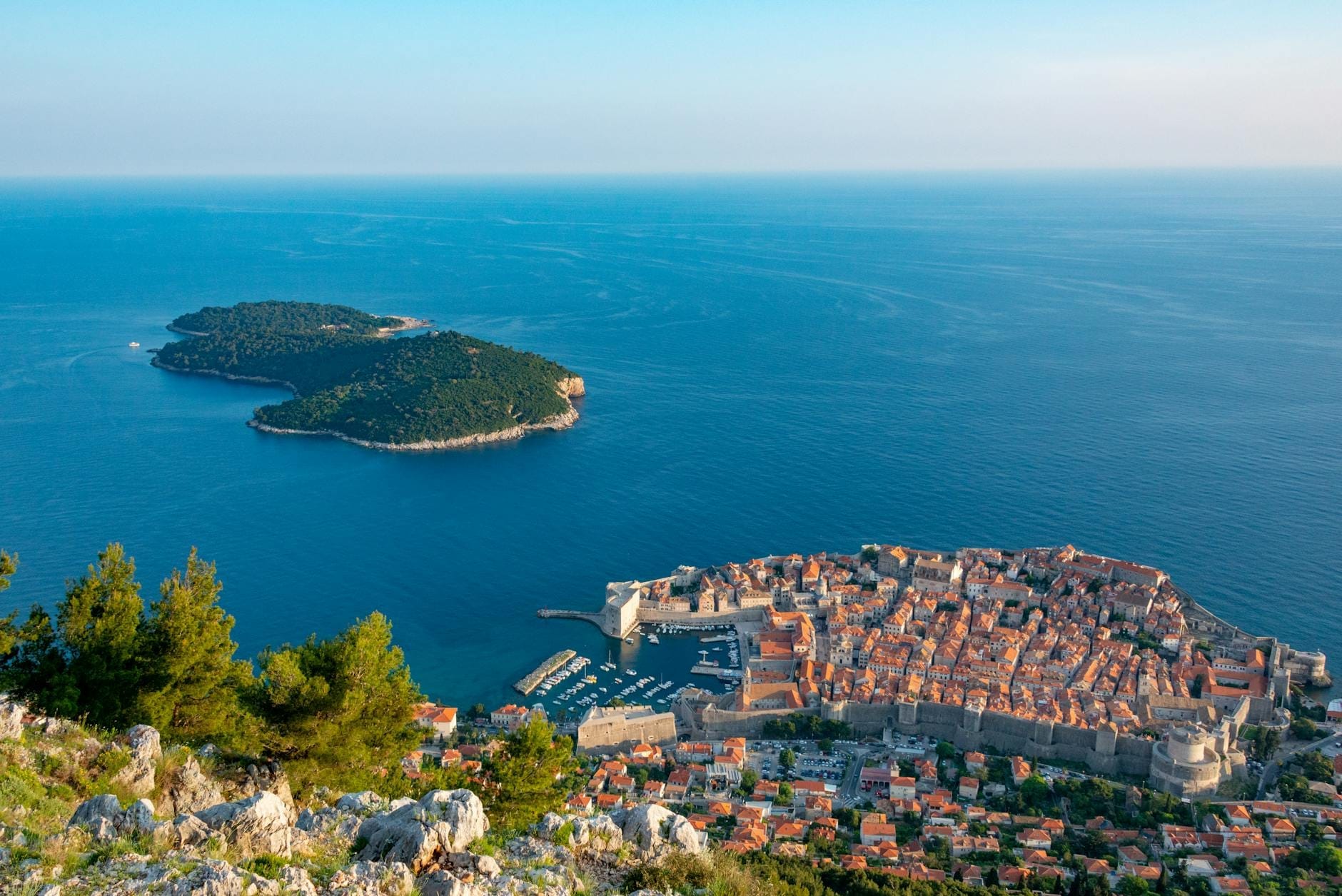
Lokrum Island sits just 600 meters off Dubrovnik's Old City, offering a protected nature reserve, a medieval Benedictine monastery, a saltwater lake, and rocky swimming spots. It is one of the most accessible escapes from the crowds of the Old Town, reachable by ferry in under 15 minutes.
Lokrum is a small, forested island sitting close enough to Dubrovnik's walls that you can see the city's terracotta rooftops from its shore, yet feel entirely removed from the summer crowds the moment you step off the ferry. Protected as a nature reserve, it has no permanent residents, no roads, and no overnight accommodation, which keeps it from feeling overrun even in peak season. The island rewards those who arrive early and take the time to walk its full circuit of trails, swim from the rocky coastline, and explore centuries of layered history.
Orientation
Lokrum stretches roughly northwest to southeast in the Adriatic Sea and sits approximately 600 meters from the eastern end of Dubrovnik's Old Town. At its widest, the island spans about 400 meters across, and a full walk around its perimeter takes a comfortable 90 minutes. The island is small enough to navigate intuitively, yet varied enough that different sections feel distinct.
Ferries dock at Portoc Bay on the island's western side, which is the natural arrival point and the location of the main café and the Benedictine Monastery complex. From here, marked trails fan out in multiple directions: north toward the botanical gardens and the naturist beach area, south toward the Dead Sea saltwater lake, and uphill toward Fort Royal at the island's high point. The rocky southern coastline is where most swimmers congregate, while the northern end is quieter and more heavily wooded.
Because Lokrum is a protected nature reserve, there are no vehicles, no hotels, and no private residences. The island closes entirely from December through March, and outside those months it operates with limited daily ferry hours, which effectively controls visitor numbers better than many mainland attractions manage. Knowing this makes trip planning straightforward: arrive on one of the morning ferries, spend four to six hours exploring, and return before the last boat.
Character and Atmosphere
The shift in atmosphere between Dubrovnik's Old Town and Lokrum is immediate and striking. Within minutes of the ferry departing, the noise of the Stradun crowds, the tour groups, and the cruise ship schedules drops away. What replaces it is the sound of cicadas in the trees, the lap of water against limestone rocks, and the occasional alarm call of a peacock somewhere in the undergrowth. Peacocks roam freely across the island and have done so for generations, a quirky legacy of the Habsburg period when Archduke Maximilian introduced exotic species to the gardens.
Mornings on Lokrum have a particular quality. The ferry from Dubrovnik's Old Port begins running around 9 to 10 am, and the first hour or two after arrival is the best time to walk the upper trails toward Fort Royal before the sun becomes intense. The light is soft, the stone of the monastery walls glows gold, and the botanical gardens are relatively quiet. By late morning, the swimming spots around the southern rocks fill up with day visitors, and the area near the café around the monastery courtyard gets lively.
By early afternoon the island reaches its daily peak. The rocky platforms around the Dead Sea lake and the southern swimming ledges are occupied, and the paths between the main attractions see steady foot traffic. This is not the same kind of crowd pressure as the Stradun at midday: Lokrum's total visitor numbers are capped by ferry capacity and operating hours, which keeps the experience manageable. By late afternoon, many day visitors have caught ferries back, and the island quietens noticeably. If the schedule allows, the late afternoon light on the monastery ruins and the view back toward Dubrovnik's walls from the rocky northern shore is worth lingering for.
💡 Local tip
Take the first or second ferry of the day to get Fort Royal and the botanical gardens largely to yourself. The swimming rocks near the Dead Sea lake are more enjoyable from mid-morning onward when the sun has moved over them.
What to See and Do
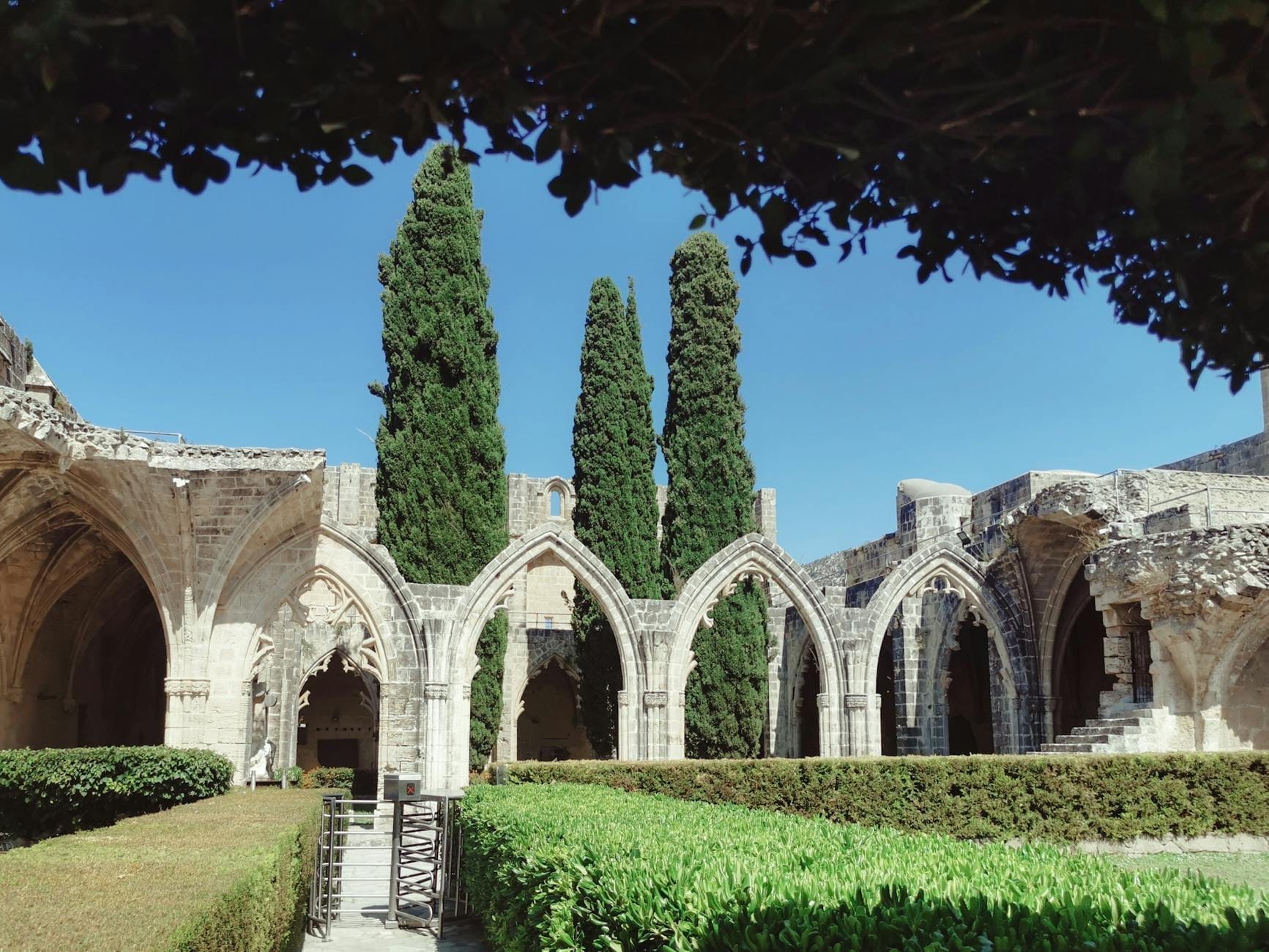
The Benedictine Monastery is the island's anchor landmark, founded in 1023 and occupying a wide complex near the ferry dock. The monastery church and cloister have passed through several hands over the centuries, including a period as Archduke Maximilian of Habsburg's summer residence in the 1850s and 1860s. Maximilian had the gardens around the monastery planted with exotic species, which is why you will find agaves, cacti, and palms growing alongside the native Mediterranean vegetation. A small café operates in the courtyard, which remains one of the most atmospheric places on the island to sit and have a coffee.
The island's highest point is occupied by Fort Royal, a fortification the French began constructing in 1806 during the Napoleonic occupation of Dubrovnik and which was completed around 1835. The climb from the monastery area takes about 20 minutes on a well-marked path. From the fort's upper terrace, the view takes in the full sweep of Dubrovnik's Old Town to the northwest, the Elaphiti Islands to the north, and open Adriatic to the south. It is one of the most complete panoramic views of Dubrovnik available anywhere, and unlike the city walls or the cable car, it involves a proper walk to reach it.
The Dead Sea lake is a saltwater lake connected to the sea through underground channels in the island's rock. The water is noticeably warmer than the open sea and calmer, making it popular with swimmers who want a more sheltered option. It takes roughly 15 minutes to walk there from the ferry dock. The surrounding rocks are flat enough to lay out a towel, and the enclosed basin gives it a different feeling from the open coastline.
Fans of Game of Thrones will find a small museum within the monastery complex where production props and costumes are displayed. Lokrum served as the filming location for several scenes set in the city of Qarth during the show's second season. For a broader look at filming locations around Dubrovnik, the Game of Thrones filming locations in the Old Town remain the most significant.
Benedictine Monastery and cloister (near ferry dock)
Fort Royal: hilltop fortification with panoramic views over Dubrovnik and the Elaphiti Islands
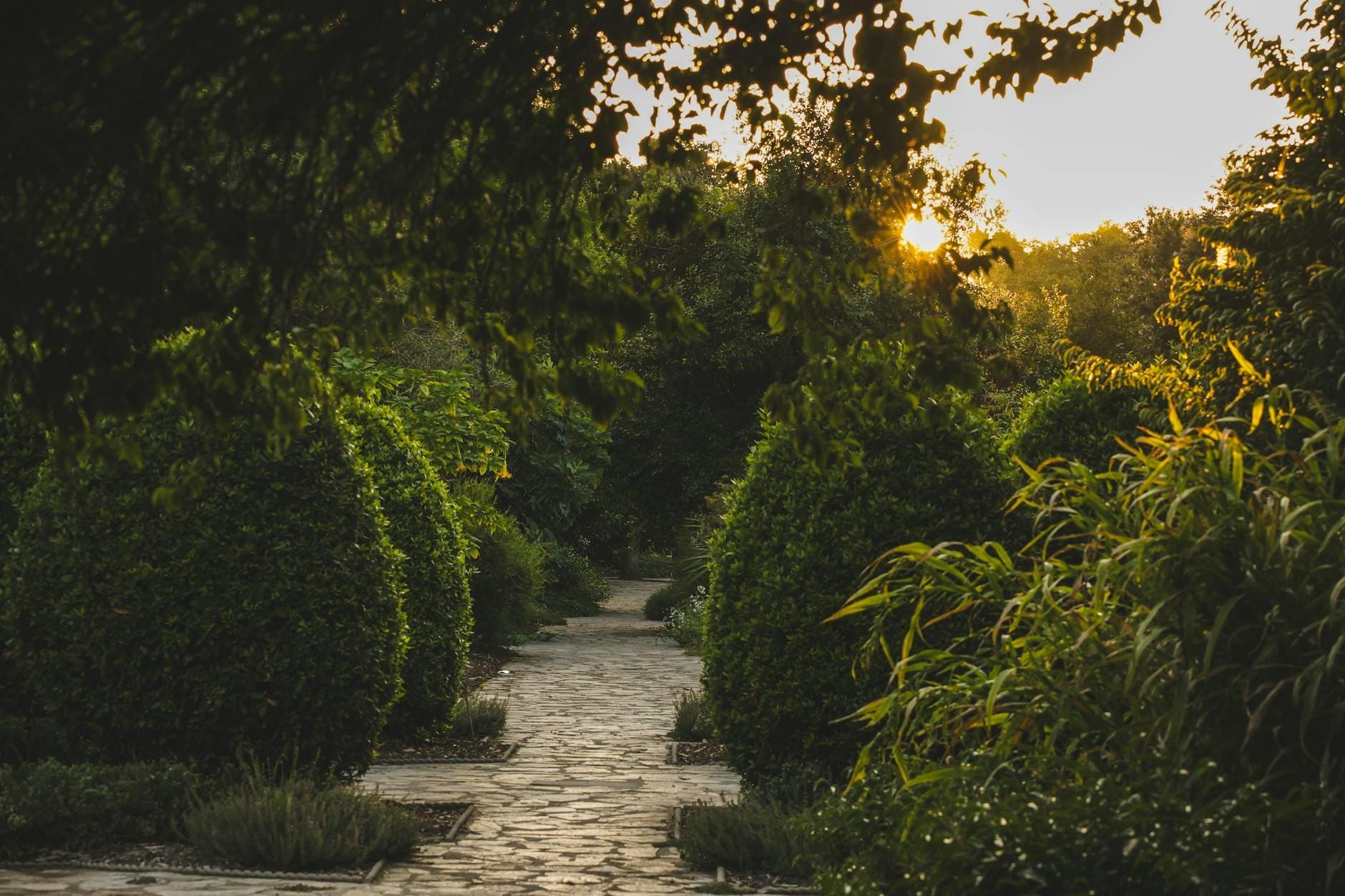
Lokrum botanical gardens: exotic species planted from 1859 onward
Dead Sea saltwater lake: sheltered swimming in warm, calm water
Rocky southern coastline: swimming ledges with iron ladders into the sea
Game of Thrones Museum: props and costumes from the HBO series
Free-roaming peacocks throughout the island
ℹ️ Good to know
Lokrum has no sandy beaches. Swimming is done from flat limestone rocks and iron ladders that descend into the sea. The water is exceptionally clear, but bring water shoes if you find bare rock uncomfortable. The Dead Sea lake is the best option for families with young children.
Eating and Drinking
Eating options on Lokrum are deliberately limited to keep the island's character as a nature reserve intact. There is one main café-restaurant within the monastery courtyard area near the ferry dock, which serves drinks, light snacks, grilled food, and basic Croatian dishes. The prices are reasonable given the location, and the courtyard setting under stone arches with peacocks wandering past is genuinely enjoyable.
There are no other commercial food outlets on the island. If you plan to spend a full day on Lokrum, bringing your own food and water is practical and sensible. The island has fresh water available at certain points, but the summer heat means carrying a water bottle is essential. Picnicking on the rocks overlooking the sea, or on the shaded benches near the botanical gardens, is one of the simple pleasures of a full-day visit.
For a proper meal before or after your visit, the restaurants along Dubrovnik's Old Port waterfront are steps from the ferry departure point. For a wider overview of where to eat well in Dubrovnik, see the complete guide to eating in Dubrovnik.
Getting There and Around
The only regular way to reach Lokrum is by ferry from Dubrovnik's Old Port. The departure point is on the eastern end of the Old Town waterfront, opposite the Poklisar restaurant. Ferries run approximately every 30 minutes during the operating season, which runs from April through November. The crossing takes 10 to 15 minutes. The round-trip ticket currently costs around 27 euros per adult and includes the nature reserve entry fee. Check current schedules at the dock, as the first departure is typically around 9 to 10 am and the last return is around 7 pm, though these times shift slightly depending on the time of year.
An alternative for the more adventurous is sea kayaking across the 600-meter channel from the Old Town. Several operators run guided kayaking excursions that include Lokrum as a destination. For details, the Dubrovnik kayaking guide covers the main options.
Once on the island, navigation is entirely on foot. There are no vehicles, no bicycles, and no internal transport of any kind. Marked trail signs point to the main landmarks from the ferry dock. The island is small enough that getting genuinely lost is unlikely, but the southern rocky coastline and the Fort Royal trail are worth following in sequence rather than backtracking. Comfortable shoes with some grip are recommended: the limestone paths are smooth in places and the rocks around the swimming areas can be slippery when wet.
To reach the Old Port ferry dock from the main Pile Gate entrance to the Old Town, walk east along the Stradun for about 10 minutes, following it through to the Gundulic Square area and continuing down toward the port. If you are coming from Lapad or Gruž, city buses run to the Pile Gate stop, which is the practical transit hub for the Old Town. See the full guide to getting around Dubrovnik for bus routes and current fare information.
⚠️ What to skip
Lokrum is closed from December through March. Overnight stays are not permitted under any circumstances, and the last ferry back to Dubrovnik departs in the early evening. Missing the last ferry would leave you stranded without accommodation, food, or shelter. Keep track of the posted return times at the dock when you arrive.
History and Background
Lokrum's recorded history stretches back over a thousand years. Benedictine monks established a monastery on the island in 1023, and the institution remained active for centuries before being suppressed by Napoleon's forces in 1798. According to persistent local legend, the monks placed a curse on anyone who attempted to own the island for private gain, a story that gained traction after several subsequent owners met unfortunate ends, including Archduke Maximilian of Habsburg, who used the monastery as a summer retreat in the 1850s before being executed in Mexico in 1867.
An even older legend holds that Richard the Lionheart was shipwrecked near Lokrum during a storm on his return from the Third Crusade in 1192, and that he funded the construction of a church in Dubrovnik's Old Town in gratitude for his survival. While historians debate the precise details, the story reflects how central the island has been to Dubrovnik's maritime identity for centuries. The island's botanical gardens, planted in 1859 by Maximilian, represent the Habsburg chapter of its history in more tangible form: the palms, agaves, and exotic trees that now grow throughout the island's interior were introduced during that period. Today Lokrum is managed jointly as a nature reserve and a UNESCO-associated heritage site, with the botanical garden maintained as one of its primary cultural assets.
Practical Considerations
Lokrum is best visited as a full-day excursion rather than a quick afternoon trip. Four to six hours allows time to walk the main trails, swim, visit Fort Royal, explore the monastery, and sit at the café without feeling rushed. For those working through a broader itinerary, it fits naturally into a three-day Dubrovnik itinerary as a dedicated half-day or full-day excursion.
The island is genuinely suitable for all ages. Children enjoy the peacocks, the lake swimming, and the short hikes without the content being too demanding. The main trails are well-maintained, and the ferry crossing is short and calm in normal summer weather. The rocky swimming areas require some care and are not ideal for toddlers, but the Dead Sea lake provides a safer alternative.
Peak summer (July and August) brings the largest visitor numbers to Lokrum, though the natural cap on ferry capacity means it never reaches the saturation levels of the Old Town walls or the Stradun. For fewer crowds on the island and lower temperatures, the shoulder months of May, June, September, and October are consistently the best. The best time to visit Dubrovnik guide covers seasonal conditions across the city in more detail.
There is no accommodation on Lokrum, which makes it a day-trip destination by definition. The closest bases for a stay are Dubrovnik's Old Town, for those who want to be closest to the ferry, or Lapad, for those who prefer a quieter residential setting. Both are practical.
TL;DR
Lokrum Island is a protected nature reserve 600 meters off Dubrovnik's Old Town, reachable by ferry in under 15 minutes from the Old Port.
Key draws include Fort Royal with panoramic city views, the medieval Benedictine Monastery, the botanical gardens planted by Maximilian of Habsburg, the Dead Sea saltwater lake, and rocky coastal swimming.
The island has no sandy beaches, no roads, no overnight accommodation, and no private residences. Swimming is from limestone rocks and iron ladders.
The ferry season runs April through November; the island is completely closed from December through March. The round-trip fare includes nature reserve entry.
Best for: day-trippers wanting a break from the Old Town crowds, swimmers, walkers, history enthusiasts, families with older children, and Game of Thrones fans. Not suitable for those wanting sandy beaches or nightlife.
Choosing the best time to visit Dubrovnik shapes your entire trip. This guide breaks down every season honestly, covering weather, crowds, costs, and what's actually worth doing in each period, so you can plan around your priorities rather than tourist brochure hype.
Buza Bar is Dubrovnik's most atmospheric drinking spot, clinging to the rocks outside the southern city walls with direct access to the Adriatic. This guide covers both locations, how to find them, what things cost, the truth about sunset views, and everything else you need before you go.
Dubrovnik rewards slow exploration, but the surrounding region is packed with destinations worth a full day out. These are the best day trips from Dubrovnik, covering Adriatic islands, Bosnian towns, coastal nature, and a UNESCO-listed arboretum.
Dubrovnik's coastline offers far more than one famous beach. From the postcard views at Banje to the calm lagoon on Lokrum Island and the car-free sandy shore of Lopud, here is where to swim, sunbathe, and cool off around the city.
The Dubrovnik Cable Car is the fastest way to reach Mount Srđ and its 412-metre panorama above the Old Town. This guide covers tickets, seasonal hours, crowd patterns, what to expect at the summit, and honest advice on whether it's worth the fare.
The Dubrovnik Pass promises free entry to the City Walls, Rector's Palace, six museums, skip-the-line access, and bus rides. But does the math work out? This guide breaks down every included attraction, the real savings by pass type, and exactly who should (and shouldn't) buy one.
The Dubrovnik City Walls are the single most impressive feature of this UNESCO-listed old city: a nearly 2 km loop of medieval fortifications with uninterrupted views over the Adriatic. This guide covers ticket prices, entry points, the best time to go, and everything the official site doesn't tell you.
Cruise ships dock at Port Gruž, roughly 3km from Dubrovnik's Old Town. This guide covers exactly how to get there, what to expect on arrival, how to spend your time ashore, and how to avoid the most common mistakes cruise passengers make.
Most visitors to Dubrovnik walk the walls, photograph the Stradun, and leave. But the city rewards those who look further. From cliff-side bars and car-free islands to a centuries-old arboretum and a wartime fortress on the hill above the city, these are the experiences that make Dubrovnik far more than its postcard image.
Dubrovnik is one of the Adriatic's most photogenic cities, and for couples it delivers something genuinely special: medieval stone streets, cliff-top bars with open sea views, private boat tours, and candlelit waterfront dining. This guide covers the most romantic things to do in Dubrovnik, the best times to visit as a couple, and practical advice that saves you from the tourist-trap pitfalls.
The Elaphiti Islands sit just off Dubrovnik's coast and offer everything the city lacks in summer: quiet coves, car-free lanes, and unhurried lunches. This guide covers ferry logistics, guided tours, what each island is actually like, and how to make the most of a day on the water.
Three days is enough to see the best of Dubrovnik without rushing. This itinerary covers the City Walls, Old Town highlights, a day trip to the islands, and practical advice on timing, pricing, and what to skip.
Paddling the Adriatic Sea along Dubrovnik's UNESCO-listed city walls is one of the most visually striking experiences the Croatian coast offers. This guide covers every sea kayak tour option, honest pricing, the best routes, top operators, and what to expect on the water.
Dubrovnik after dark is more layered than its reputation suggests. This guide covers the top things to do in Dubrovnik at night — cliff-side cocktails, beach clubs, a 16th-century fortress turned dance floor, and the quieter bars most tourists walk past. Includes prices, seasonal notes, and what to skip.
Dubrovnik has a reputation as one of Croatia's priciest destinations, and it earns it. But budget-conscious travelers still make it work every year. This guide breaks down real costs, seasonal pricing shifts, and the specific decisions that separate a €70/day trip from a €200/day one.
Dubrovnik is one of the most photogenic cities in Europe, but great shots require more than just showing up. This guide covers the best photography spots in Dubrovnik, including exact vantage points, optimal timing by season, entry costs, and honest advice on which locations are worth the effort.
Dubrovnik ranks among Croatia's safest cities, but its popularity brings a predictable set of tourist-targeted scams. This guide breaks down exactly what to watch for, where risks concentrate, and how to travel confidently without falling for overcharges, fake taxis, or phishing QR codes.
Running for 47 days across 16+ historic venues each summer, the Dubrovnik Summer Festival transforms the Old Town into an open-air cultural stage. This guide covers dates, ticket booking, the best performances to catch, and how to plan your visit without the headaches.
Walk Dubrovnik's UNESCO-listed Old Town on your own terms. This guide covers the full route from Pile Gate to the Clock Tower, every major stop along the way, the best apps to use, and honest advice on timing, crowds, and what to skip.
Dubrovnik's Mediterranean climate means sun-drenched summers, mild winters, and two golden shoulder seasons. This guide breaks down temperatures, rainfall, sea conditions, and crowd levels for every month so you can choose the visit that suits you best.
Dubrovnik is more family-friendly than its reputation suggests, but it rewards planning. This guide covers the best beaches, activities for children of all ages, seasonal timing, and practical logistics so your family trip actually works.
Dubrovnik has a reputation for being expensive, but plenty of its best experiences cost nothing at all. From wandering the Stradun to hiking Mount Srđ for panoramic views, here are the top free things to do in Dubrovnik.
Dubrovnik's Old Town doubled as King's Landing for eight seasons of Game of Thrones, and the locations are remarkably easy to visit on foot. This guide covers every major filming site, honest advice on tours versus self-guided walks, seasonal crowd warnings, and current pricing so you can plan without surprises.
Dubrovnik's Old Town is car-free, hilly, and can swallow an afternoon if you don't know the bus routes. This guide covers every transport option in the city: Libertas buses, airport shuttles, taxis, the cable car, and the Dubrovnik Pass, with real fares and honest advice on what to skip.
Dubrovnik gets more attention than almost any city its size. But does it live up to the hype? This guide cuts through the marketing noise with honest answers on costs, crowds, timing, and what makes the city genuinely special — plus what to watch out for.
Dubrovnik punches well above its size when it comes to luxury travel. This guide covers the best 5-star hotels on the Adriatic, where to eat well without the tourist markup, and how to get the most out of one of Europe's most dramatic coastal cities — without overpaying for it.
Three routes connect Split and Dubrovnik, each with a different trade-off between cost, comfort, and scenery. This guide breaks down the ferry, bus, and driving options with real pricing, seasonal schedules, and honest advice on which to choose.
St Blaise Church stands at the heart of Dubrovnik's Old Town, a Baroque masterpiece dedicated to the city's patron saint. This guide covers its architecture, the remarkable silver statue, practical visiting advice, and the annual February celebrations that bring the church to life.
Dubrovnik rewards visitors who go beyond the obvious. This guide covers the top things to do in Dubrovnik, Croatia, from the iconic City Walls walk and cable car summit to sea kayaking, island hopping, and the local spots most guides skip. Includes real prices, crowd timing, and honest take on what's worth it.
Dubrovnik's food scene runs much deeper than tourist-trap menus on the Stradun. This guide covers the essential Dalmatian dishes every visitor should try, where to actually eat them, and how to avoid wasting a meal on overpriced mediocrity.
Dubrovnik is perched on a narrow coastal promontory in southeastern Croatia, roughly 42.64° N, 18.11° E, with the Adriatic Sea on one side and the bare limestone mass of Mount Srđ on the other. This guide covers the city's precise geography, its distinct neighborhoods, the best routes in, and the seasonal realities that shape every visit.
Dubrovnik's dining scene runs from rooftop fine dining above limestone walls to burek shops wedged into medieval alleyways. This guide cuts through the tourist-trap noise to tell you exactly where to eat, what to order, and how much to pay — by neighbourhood, budget, and occasion.
Choosing where to stay in Dubrovnik shapes your entire experience. This guide covers every major neighbourhood, from the medieval Old Town to the resort strip of Lapad, with honest advice on who each area suits, what to expect, and how to avoid common booking mistakes.