Lokrum Botanical Garden: The Adriatic's Only Island Garden
Founded in 1959, the Botanical Garden on Lokrum is the island's botanical garden. Just a 10-minute ferry ride from Dubrovnik's Old City port, it spans 3.3 hectares and shelters around 500 plant species, including the largest collection of eucalyptus outside Australia.
Quick Facts
- Location
- Lokrum Island, 600 m from Dubrovnik's Old City port
- Getting There
- Ferry from Old City Port (Stara Luka); approximately 10 minutes
- Time Needed
- 1.5 to 3 hours (garden + island walk)
- Cost
- Ferry ticket required to reach the island; verify current fares at the port before travel
- Best for
- Plant enthusiasts, families, photography, peaceful escapes from Old Town crowds
- Official website
- www.lokrum.hr
What the Botanical Garden on Lokrum Actually Is
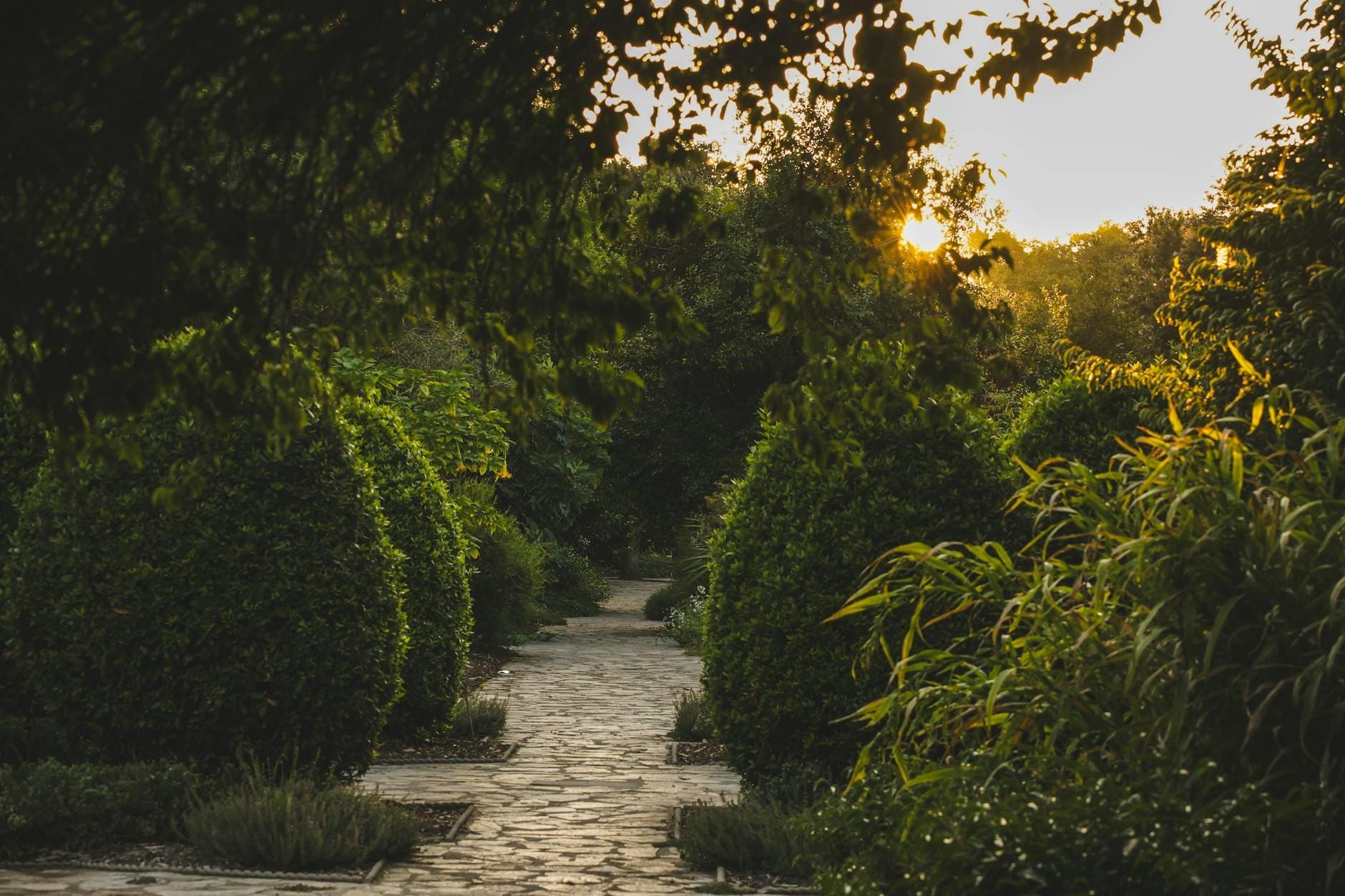
The Botanical Garden on Lokrum (Croatian: Botanički vrt Lokrum) is not a manicured park with signposted flowerbeds and gift shops. It is a working scientific garden, managed by the Institute for Marine and Coastal Research of the University of Dubrovnik, and it has the somewhat untamed character that comes with that territory. Paths wind through tall eucalyptus trunks, the air carries a faint medicinal sharpness, and the scale of the trees feels genuinely surprising for an island this size.
The garden covers 3.3 hectares in total, with 1.45 hectares dedicated to the formal exhibition area. It was founded in 1959, making it more than six decades old. The surrounding vegetation has had time to grow thick and dense, which gives the garden a very different atmosphere from what most visitors expect after walking through Dubrovnik's sun-bleached limestone streets.
ℹ️ Good to know
The Botanical Garden on Lokrum is a unique scientific garden. Admission is bundled into your Lokrum Island ferry ticket, so no separate garden entry ticket is needed once you arrive.
The Plant Collections: What Sets This Garden Apart
The centerpiece of the garden is its eucalyptus collection: 72 documented species, which is recognised as the largest collection of eucalyptus outside Australia. Standing among them, particularly in the warmer morning hours when the volatile oils in the bark warm up, the smell is distinctive and surprisingly strong. The variety of bark textures is remarkable too, ranging from smooth, papery white-grey strips to deeply furrowed chocolate-brown trunks.
Beyond eucalyptus, the garden documents 21 species of Acacia and 14 species of Callistemon (bottlebrush), along with a broader collection of Australian trees and shrubs, conifers, and succulents. The succulent collection, housed in a greenhouse outside the main exhibition area, contains approximately 200 species. It is easy to walk past this greenhouse quickly, but the range of cacti and succulents inside rewards a closer look, especially for anyone interested in Mediterranean or desert-adapted plants.
The garden's total catalogue runs to around 500 plant species. Given the compact area it occupies, the density is impressive. Signage is present but relatively minimal, so visitors with a serious interest in botany should bring a reference guide or download a plant identification app before arriving.
Tickets & tours
Live prices and dates from our booking partner. If you book, we may earn a commission at no extra cost to you.
Private Botanical Garden Trsteno visit with photo stops
From 16 €Instant confirmationFree cancellationMostar and Kravice Waterfalls excursion from Dubrovnik
From 120 €Instant confirmationFree cancellationDubrovnik Old Town Tour ith Cable Car Ride
From 56 €Instant confirmationFree cancellationMostar and Kravice Waterfalls full-day tour with pickup from Dubrovnik
From 66 €Instant confirmationFree cancellation
The Island Setting and How It Shapes the Experience
Lokrum Island sits 600 metres off Dubrovnik's waterfront, and the botanical garden occupies the interior zone near the former Benedictine monastery complex. This means arriving at the garden involves a short walk from the ferry landing through shade and light Adriatic scrub, which already starts to separate you from the city noise. The garden itself is quiet even when the island draws visitors in summer, partly because it sits away from the main beach areas on the island. For more on the island's wider setting, the Lokrum Benedictine Monastery and the unusual Lokrum Dead Sea Lake are both within easy walking distance and worth combining into the same visit.
The island is also home to 156 recorded bird species, and the garden's dense tree canopy makes it a particularly active spot for birdlife, especially in the morning. Peacocks wander freely across much of Lokrum, including through the botanical garden paths. According to local sources, the birds are descended from a group brought to the island by Archduke Maximilian of Austria from the Canary Islands. By now they are a permanent fixture and entirely unbothered by visitors, which makes for easy close-up observation if you arrive early before crowds develop.
How the Garden Changes Through the Day
Morning arrivals, before 10:00, get the most from the garden. The eucalyptus fragrance is strongest in the warmth of early sun, the peacocks move more freely before visitor numbers build, and the light filtering through the high canopy creates a cathedral-like quality that is much harder to photograph or simply enjoy once the garden fills up. The ferry from the Old City port runs from the morning through the afternoon in season, so catching an early boat is entirely practical.
Midday in July and August brings real heat. The garden's dense tree cover does provide shade that is absent on much of the island, which makes it a functional refuge from the afternoon sun, but it is not a comfortable environment for slow botanical exploration in peak heat. Late afternoon, as the temperature drops slightly and the last ferries approach, the garden quiets again and the light turns golden through the canopy.
💡 Local tip
For the best combination of cool temperatures, good light, and low crowds, take the first or second morning ferry from the Old City port and head directly to the botanical garden before exploring the rest of the island.
Practical Walkthrough: Getting There and Getting Around
The ferry to Lokrum departs from the Old City port (Stara Luka) near the Pile Gate end of the Stradun. The crossing takes approximately 10 minutes. Ferries run seasonally, typically from spring through autumn, with reduced or suspended service in winter. Always check the schedule at the port on the day of travel, as weather can affect departures.
Once on the island, the botanical garden is reached via a marked walking route from the landing area. The paths through the garden are mostly flat but unpaved in sections, with some tree roots crossing them. Sturdy sandals or walking shoes are preferable to flip-flops. The greenhouse with the succulent collection is a separate structure adjacent to the main exhibition area; it is worth asking at the island entrance whether it is open, as access can vary.
There is no dedicated botanical garden ticket booth. Entry to the garden is included with the Lokrum Island ferry fee. A restaurant operates in the former monastery building near the garden, which provides a useful stop if you are spending a half-day on the island.
⚠️ What to skip
Lokrum Island is a nature reserve. Picking plants, feeding animals, and removing any natural material is prohibited. The ferry schedule is seasonal and subject to change; verify departure times at the Old City port on the day.
Photography and Practical Notes
The botanical garden is one of the more photogenic spots on Lokrum Island for close-up natural detail. The eucalyptus bark textures, the dense tropical-feeling canopy, and the succulents in the greenhouse all reward macro or detailed photography. Wide-angle landscape shots are harder here than in the open island terrain, but the light in the early morning through the canopy is worth timing your visit for. A full photography guide for the wider destination is available in the Dubrovnik photography guide.
Accessibility is limited by the unpaved and occasionally uneven garden paths. Visitors with mobility difficulties should note that the terrain is manageable for most ambulatory visitors but would present challenges for wheelchair users or pushchairs on certain sections.
The contact for the garden is listed as +385 20 311 738 or lokrum@lokrum.hr for specific enquiries about openings or group visits.
Is the Botanical Garden Worth Your Time?
For most visitors to Dubrovnik, the botanical garden is not the headline reason to take the ferry to Lokrum, but it consistently delivers something the city itself cannot: shade, quiet, and genuine natural variety in a compact space. The eucalyptus collection alone is an unusual and specific thing, the kind of botanical fact that sounds dry until you are standing inside a grove of 72 distinct species and the smell hits you.
That said, visitors expecting a formal garden with colour-coded flowerbeds, interpretation panels, and a clear visitor path will find it less polished than anticipated. It is a research garden that happens to be publicly accessible, and that distinction matters. If Dubrovnik's tight crowds and stone surfaces are beginning to wear on you, the garden, combined with a walk around the rest of Lokrum, offers a genuinely different half-day. It pairs well with spending time at the Dead Sea lake on the same island.
Who should skip it: visitors with only one full day in Dubrovnik, who would be better served prioritising the city walls or cable car. Also, visitors travelling in winter should confirm the ferry and island are operating before planning around this attraction.
Insider Tips
- The eucalyptus fragrance is most concentrated in the garden during the first hours after the morning ferry arrives. Come early and linger before heading to the beaches.
- Peacocks regularly wander into the botanical garden paths. If you wait quietly rather than approaching them, they tend to come closer on their own terms.
- The succulent greenhouse is easy to overlook. It sits just outside the main exhibition area. Check whether it is open when you arrive at the island, as hours are not always consistent.
- Bring a plant identification app if you have a serious interest in botany. The in-situ signage is present but limited, and the species variety here goes well beyond what most visitors realise.
- The restaurant in the former monastery building is close to the garden entrance and is worth noting for a midday stop, particularly if you are combining the garden with a longer island exploration.
Who Is Lokrum Botanical Garden For?
- Plant and botany enthusiasts, particularly those interested in Australian flora and eucalyptus species
- Photographers looking for natural textures, canopy light, and unusual macro subjects
- Families with children who are happy to wander paths and encounter peacocks up close
- Visitors who need a genuine break from Dubrovnik's crowded limestone streets
- Travellers combining a half-day on Lokrum Island with swimming, monastery ruins, and the Dead Sea lake
Nearby Attractions
Other things to see while in Lokrum Island:
- Lokrum Benedictine Monastery Ruins
The ruined Benedictine Monastery of St. Mary on Lokrum Island traces its origins to 1023, making it one of the oldest religious sites in the Dubrovnik region. Set among peacocks, subtropical gardens, and Adriatic light, the crumbling cloisters offer a rare blend of medieval history and island atmosphere that no other site near Dubrovnik can replicate.
- Lokrum Dead Sea (Mrtvo More)
Mrtvo More, or the Dead Sea, is a small natural saltwater lake tucked into the southern interior of Lokrum Island, just 600 metres offshore from Dubrovnik. Fed by the Adriatic through underwater fissures and reaching 10 metres deep, it offers calm, warm swimming in a striking rocky setting far removed from the chaos of the mainland beaches.
Planning a trip? Discover personalized activities with the Nomado app.