Lokrum Dead Sea (Mrtvo More): The Saltwater Lake Worth the Ferry Ride
Mrtvo More, or the Dead Sea, is a small natural saltwater lake tucked into the southern interior of Lokrum Island, just 600 metres offshore from Dubrovnik. Fed by the Adriatic through underwater fissures and reaching 10 metres deep, it offers calm, warm swimming in a striking rocky setting far removed from the chaos of the mainland beaches.
Quick Facts
- Location
- Southern Lokrum Island, 600m from Dubrovnik Old Town harbour
- Getting There
- Seasonal ferry from Dubrovnik Old City harbour (Old Port/Ploče); ~10 min crossing
- Time Needed
- 2–4 hours (including island exploration)
- Cost
- Lokrum Island entry approx. €27/person (includes ferry); lake freely accessible once on island
- Best for
- Swimmers, families, nature lovers, anyone escaping Old Town heat
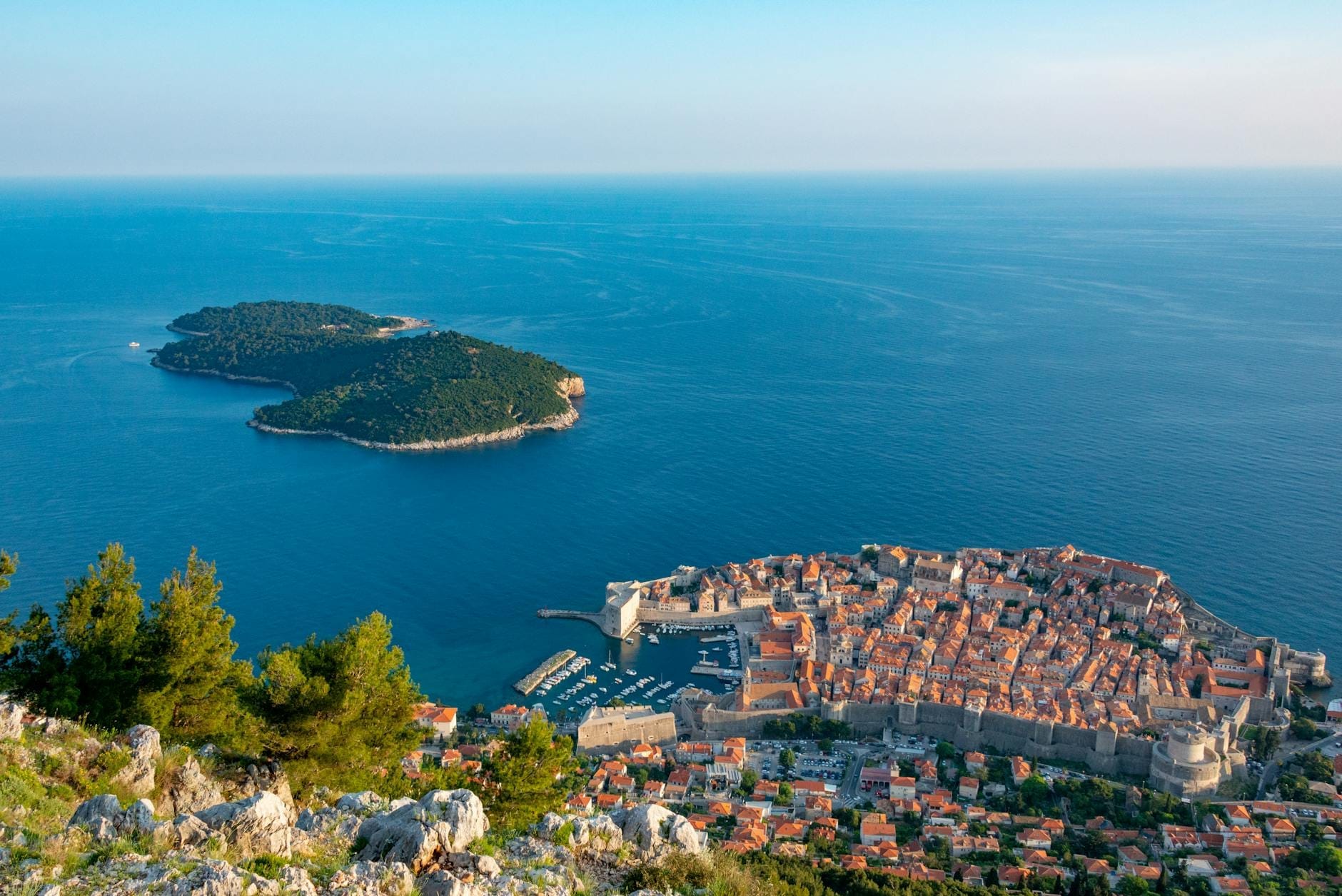
What Exactly Is the Lokrum Dead Sea?
Mrtvo More translates directly as 'Dead Sea', though the name is more poetic than descriptive. This compact saltwater lake sits in the rocky interior of Lokrum Island, connected to the open Adriatic not by any visible channel but through a network of underwater caves and geological fractures beneath the limestone. The lake formed when an ancient cavern collapsed, leaving a sheltered basin roughly 10 metres deep. The result is seawater that is calmer, often warmer, and noticeably more sheltered than anything you will find on the island's exposed shoreline.
The water clarity here is genuinely impressive. Because there is no direct surface connection to the sea, wave action is negligible and suspended sediment stays low. On a clear summer day, the green-blue water offers visibility down to the rocky bottom. The surrounding walls of pale limestone are colonised by sparse vegetation and the occasional crab picking along the waterline. It feels less like a lake and more like a natural infinity pool that the island happened to grow around.
ℹ️ Good to know
Mrtvo More is freely accessible once you are on Lokrum Island. There is no separate entry fee for the lake itself, but you must purchase the island ferry ticket (approximately €27 as of the most recent information) to get onto Lokrum at all. Verify current prices at the harbour ticket booth before departure, as seasonal pricing can shift.
Getting to Lokrum and Finding the Lake
Ferries to Lokrum depart from the Old City harbour (sometimes called the Old Port or Ploče harbour) in Dubrovnik's walled city. The crossing takes roughly 10 minutes. Ferries run seasonally, typically from spring through autumn, with departures roughly every 30 to 60 minutes depending on the time of year. This is not a year-round service, so if you are travelling outside the main season, check current schedules with the Lokrum Island operators directly before making plans.
From the ferry dock on Lokrum, Mrtvo More is reached via a signposted walking path. The walk takes around 10 to 15 minutes at an easy pace through shaded Mediterranean woodland. The paths are unpaved in places, with some uneven limestone underfoot, so sandals with grip or light trainers are more practical than flip-flops. Follow the signs for 'Mrtvo More' rather than relying on general island maps, which sometimes omit the smaller internal paths.
💡 Local tip
Arrive on the first or second ferry of the morning (typically around 9–10am) if you want the lake largely to yourself. By midday, Lokrum receives significant day-tripper traffic, and the flat rocks around Mrtvo More fill up quickly.
Tickets & tours
Live prices and dates from our booking partner. If you book, we may earn a commission at no extra cost to you.
Sea kayaking experience in Dubrovnik
From 46 €Instant confirmationFree cancellationStand-up paddleboard tour of Baćina Lakes
From 195 €Instant confirmationFree cancellationPrivate day-tour to Plitvice park from Dubrovnik
From 98 €Instant confirmationFree cancellationMostar and Kravice Waterfalls excursion from Dubrovnik
From 120 €Instant confirmationFree cancellation
The Experience: Morning, Midday, and Late Afternoon
In the early morning, the lake sits in partial shadow, the limestone still cool from overnight temperatures. The water surface is completely still and takes on a dark teal colour that contrasts with the pale rock edges. Sound carries here: the rustle of island pines, the occasional call of a seagull overhead, the quiet lap of water against rock. There are almost no artificial sounds from this spot, which makes it feel far more remote than a 10-minute ferry ride from one of Croatia's busiest tourist cities would suggest.
By late morning, as sun clears the surrounding limestone and hits the water directly, the lake shifts to a lighter green-blue and becomes significantly warmer. This is when most visitors arrive, and the flat sunbathing rocks around the perimeter fill with towels. The atmosphere is communal but unhurried. People slip in from the rocky edge rather than any designated ladder or beach, so entering the water requires a small drop from the rock surface. The depth drops off quickly from the edges, which is worth knowing if you are bringing young children.
Late afternoon, as tour groups begin to head back to the last ferries, is a second quiet window. The light at this hour hits the water at a lower angle, turning the lake almost luminescent. The temperature is at its warmest by this point in the day. If you can time your visit to arrive on an early ferry, spend time exploring the rest of Lokrum, and return to the lake in the late afternoon, you get the best of both windows without fighting the midday crowds.
Swimming and Practicalities at the Lake
Entry into the water is from natural rock shelves rather than a sandy beach or purpose-built steps. The rocks can be slippery where algae grows near the waterline, so water shoes are a sensible addition to your bag. Once in, the swimming is uncomplicated: calm, salt-supported, and free of the swell and chop that affect Lokrum's more exposed coves.
The lake is suitable for non-swimmers and children in the shallower sections near the rock edges, where the bottom is visible and depth is manageable. However, there are no lifeguards on duty at Mrtvo More, no floating safety lines, and no rescue equipment visible at the lake. Parents with young children should treat this as an unsupervised natural swimming spot and exercise corresponding caution. The lake is not a formal beach, and there are no changing rooms or toilets directly at the water's edge.
⚠️ What to skip
There are no lifeguards at Mrtvo More. Facilities are minimal. Bring water, sunscreen, and any snacks you need, as there is no vendor directly at the lake. The main cafe and facilities on Lokrum are near the ferry dock and the monastery area.
Photography at the lake works best in morning light or late afternoon. Overhead midday sun creates harsh contrast between the bright rock and the dark water, and tends to wash out the colour that makes the lake visually distinctive. A polarising filter, if you shoot with a dedicated camera, cuts reflections significantly and reveals the water's depth and colour far better than the naked eye captures in bright sun.
Lokrum Island: The Wider Context
Mrtvo More does not exist in isolation. The lake is one feature of a larger nature reserve that includes a Benedictine monastery with origins dating to 1023, a botanical garden established in the 19th century, free-roaming peacocks introduced by the monks, and a series of rocky swimming coves around the island perimeter. The monastery was significantly damaged in the 1667 earthquake that devastated much of the Dalmatian coast. Its ruins and the preserved sections together form a layered site worth at least a short exploration before or after the lake.
The Lokrum Botanical Garden sits close to the monastery complex and contains a respectable collection of Mediterranean and subtropical species, many introduced during the Habsburg period when Maximilian I of Mexico used Lokrum as a retreat in the 1850s. The island's history is surprisingly layered for somewhere most visitors treat as a half-day swimming stop.
Lokrum is officially classified as a special nature reserve, which means commercial development on the island is tightly restricted. That restriction is exactly why Mrtvo More retains its character. For broader context on what to expect from a full visit, the Dubrovnik hidden gems guide covers Lokrum alongside a handful of other spots that reward the effort of getting there.
Who Will Love It and Who Might Not
Mrtvo More suits travellers who value natural settings over polished infrastructure. If your ideal beach day involves sunbeds, a beach bar within arm's reach, and flat sand, this is not the right stop. The lake is rocky, facilities are sparse, and getting there requires planning around ferry times. These are features for some visitors and dealbreakers for others.
Travellers with mobility limitations should note that the path from the ferry dock involves uneven terrain, and the lake itself has no accessible entry points into the water. The island is largely unpaved and hilly. Wheelchair access is not noted as available for this part of Lokrum. Those seeking more straightforward beach access near the city might find Banje Beach a more practical option, though the character is entirely different.
For families with active children who are comfortable in open water, the lake is a genuinely enjoyable stop. The calm water, interesting rock formations to climb, and the novelty of swimming in what is essentially a sunken sea cave make it memorable for younger visitors. The peacocks roaming the island paths tend to be a significant highlight for children before they even reach the water.
Insider Tips
- Take the first or second ferry of the day, then walk directly to the lake before the midday crowds arrive. Use the quieter afternoon period, after tour groups leave, to return for a second swim.
- Water shoes are more useful than flip-flops here. The rocks directly at the waterline have algae growth that makes bare feet risky when entering or exiting.
- The peacocks on Lokrum are accustomed to visitors and will approach if you have visible food. Keep snacks in a closed bag, particularly around the monastery and garden area.
- If you want the best water colour for photos, shoot in the hour or two after sunrise or before sunset. Overhead light at midday flattens the green-blue tones that make Mrtvo More visually striking.
- Check the last ferry time back to Dubrovnik before you settle in at the lake. Missing it is not a dramatic situation but will require waiting and may complicate dinner plans on the mainland.
Who Is Lokrum Dead Sea (Mrtvo More) For?
- Swimmers looking for calm, sheltered saltwater away from crowded mainland beaches
- Families with children comfortable in open, deeper water
- Photographers seeking natural light and distinctive landscapes without a permit
- Travellers combining a swim with a half-day of island history at the monastery and botanical garden
- Visitors wanting a genuine contrast to the highly developed tourist infrastructure of Dubrovnik Old Town
Nearby Attractions
Other things to see while in Lokrum Island:
- Lokrum Benedictine Monastery Ruins
The ruined Benedictine Monastery of St. Mary on Lokrum Island traces its origins to 1023, making it one of the oldest religious sites in the Dubrovnik region. Set among peacocks, subtropical gardens, and Adriatic light, the crumbling cloisters offer a rare blend of medieval history and island atmosphere that no other site near Dubrovnik can replicate.
- Lokrum Botanical Garden
Founded in 1959, the Botanical Garden on Lokrum is the island's botanical garden. Just a 10-minute ferry ride from Dubrovnik's Old City port, it spans 3.3 hectares and shelters around 500 plant species, including the largest collection of eucalyptus outside Australia.
Planning a trip? Discover personalized activities with the Nomado app.