Hidden Gems in Dubrovnik: Beyond the City Walls
Most visitors to Dubrovnik walk the walls, photograph the Stradun, and leave. But the city rewards those who look further. From cliff-side bars and car-free islands to a centuries-old arboretum and a wartime fortress on the hill above the city, these are the experiences that make Dubrovnik far more than its postcard image.
Tickets & tours
Live prices and dates from our booking partner. If you book, we may earn a commission at no extra cost to you.
Dubrovnik's Old Town is extraordinary, but it can also feel relentless in peak season, with cruise crowds filling every alley by mid-morning. The city's real depth lies outside those famous limestone walls: on the slopes of Mount Srđ, across the water on Lokrum Island, in the working harbour of Gruž, and along the quieter shores of the Lapad peninsula. This guide focuses on the places that most day-trippers and first-time visitors miss entirely, and a few that are technically famous but still underappreciated. Use it alongside a 3-day Dubrovnik itinerary to make sure you see both sides of this city.
💡 Local tip
Many of these spots are at their best early in the morning or in the shoulder seasons of May, June, and September. Arriving before 9am at most locations outside the walls means you'll often have them almost entirely to yourself.
Hilltop & Fortress Escapes
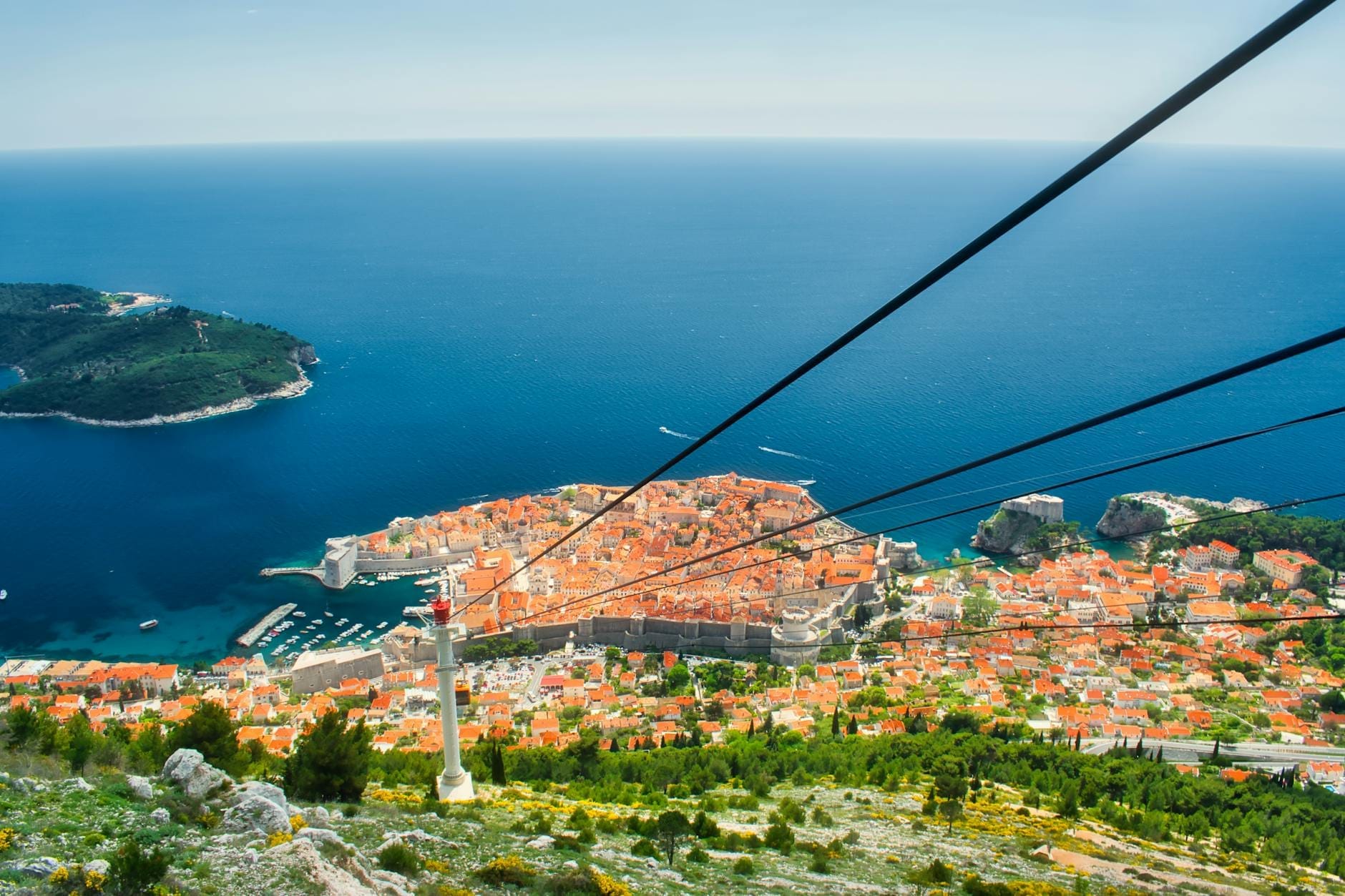
The hill rising directly behind the Old Town is one of the most overlooked parts of the Dubrovnik experience. The cable car up Mount Srđ is well known, but the fort at the top and the hiking trail below it attract far fewer visitors than the walls and Stradun. For those willing to work a little, the rewards are extraordinary.
1. Climb to Fort Imperial for 360-Degree Views and Siege History
Built by Napoleon in 1806, Fort Imperial houses the Museum of the Homeland War documenting the 1991-92 siege. The rooftop delivers a complete 360-degree panorama: walled city below, Adriatic and islands beyond. Far fewer visitors reach here than the cable car station nearby.
Explore1. Climb to Fort Imperial for 360-Degree Views and Siege History
Built by Napoleon in 1806, Fort Imperial houses the Museum of the Homeland War documenting the 1991-92 siege. The rooftop delivers a complete 360-degree panorama: walled city below, Adriatic and islands beyond. Far fewer visitors reach here than the cable car station nearby.
Explore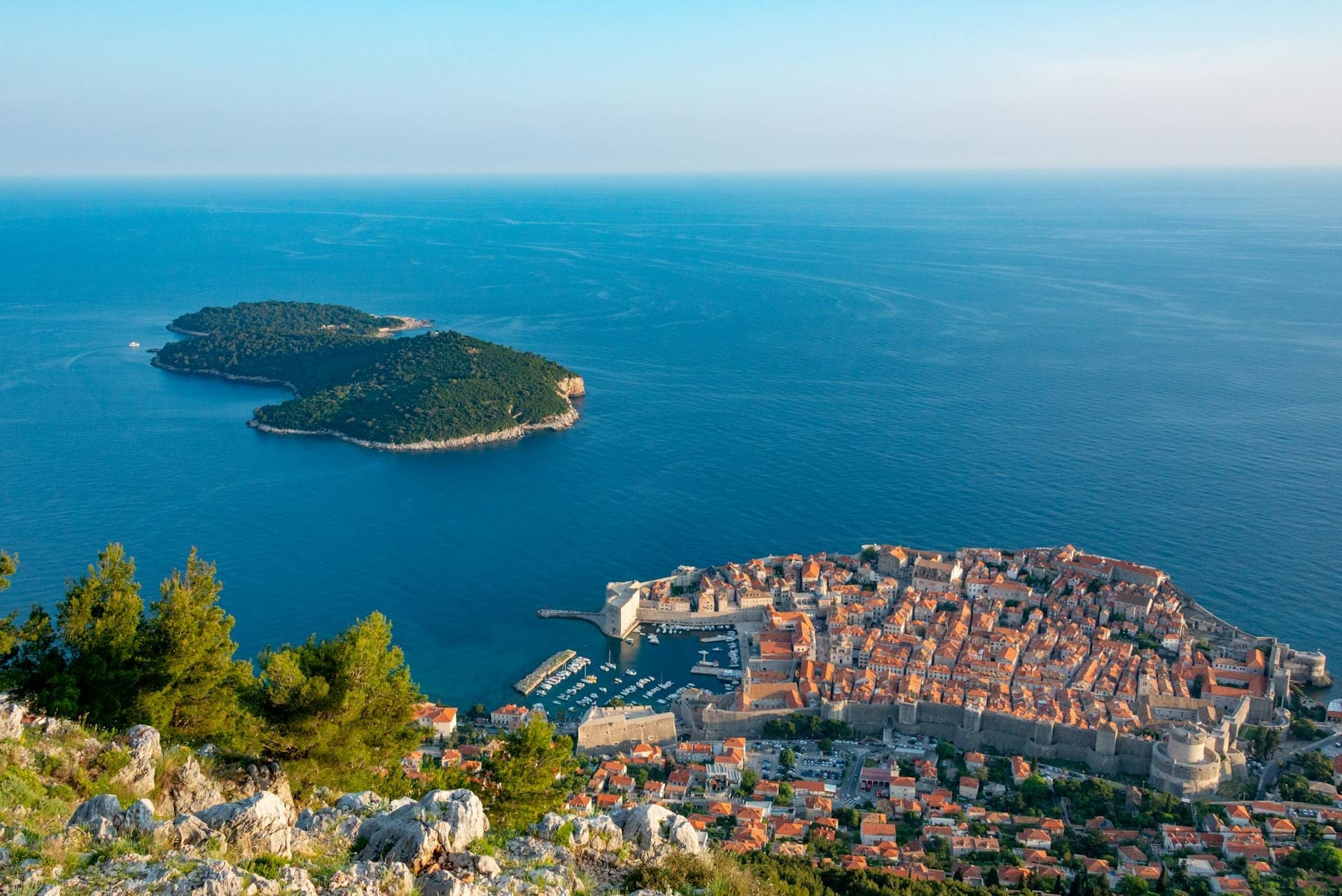
2. Hike the Trail to Mount Srđ Instead of Taking the Cable Car
The 2-3 hour trail from the Old Town to Mount Srđ's summit climbs through bare limestone scrubland, rewarding fit walkers with progressively widening coastal views. Start before 8am in summer to avoid heat. The descent by cable car is a sensible option for tired legs.
Explore2. Hike the Trail to Mount Srđ Instead of Taking the Cable Car
The 2-3 hour trail from the Old Town to Mount Srđ's summit climbs through bare limestone scrubland, rewarding fit walkers with progressively widening coastal views. Start before 8am in summer to avoid heat. The descent by cable car is a sensible option for tired legs.
Explore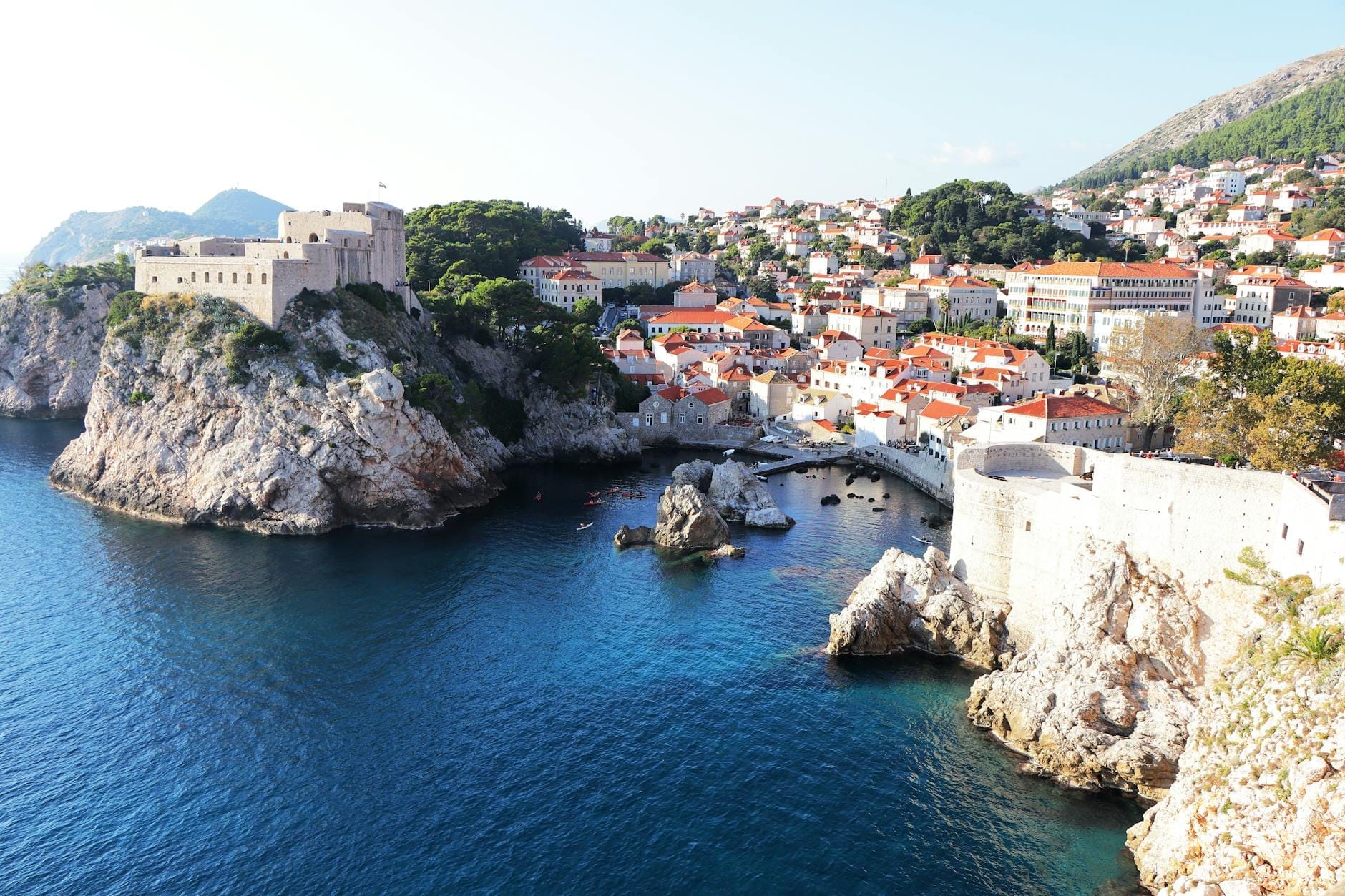
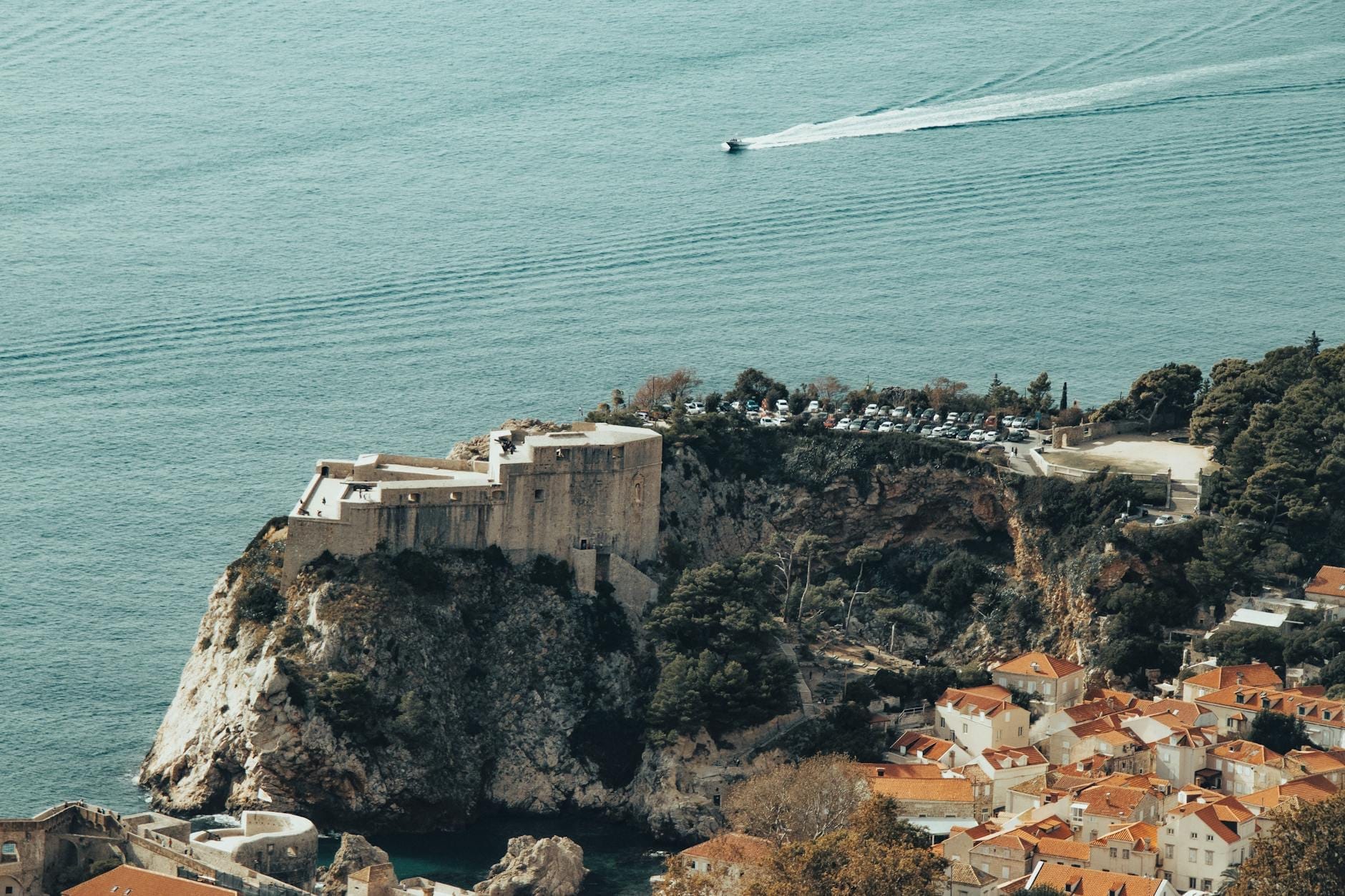
3. Find the Inscription at Fort Lovrijenac That Defined a Republic
Most visitors photograph this cliff-top fortress for its Game of Thrones connection. The real draw is its inscription: 'Freedom is not sold for all the gold in the world.' The fort's interior courtyard and sea-facing walls are worth far more than a quick snap from outside.
Explore3. Find the Inscription at Fort Lovrijenac That Defined a Republic
Most visitors photograph this cliff-top fortress for its Game of Thrones connection. The real draw is its inscription: 'Freedom is not sold for all the gold in the world.' The fort's interior courtyard and sea-facing walls are worth far more than a quick snap from outside.
ExploreIsland Escapes Worth the Boat Ride
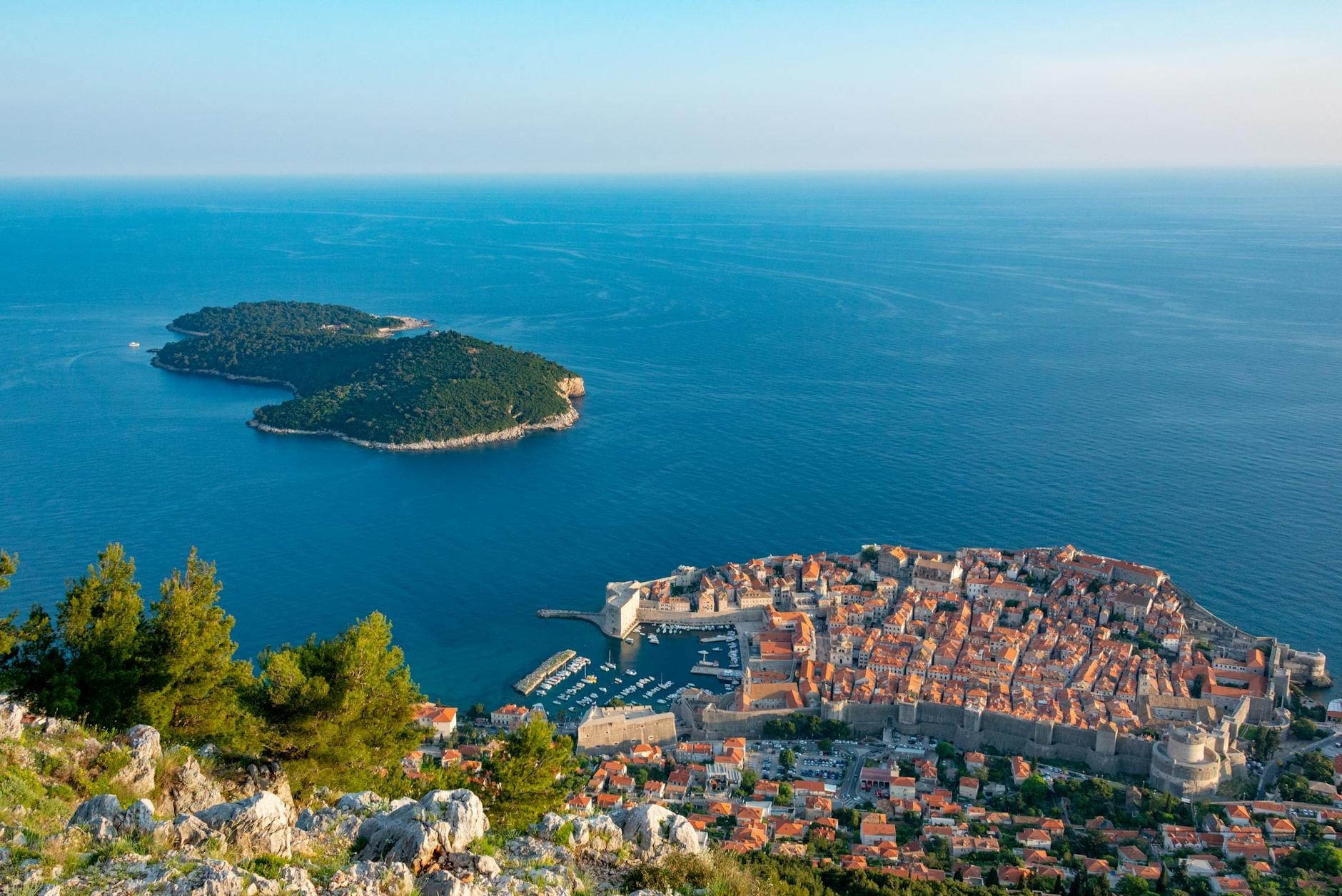
The waters around Dubrovnik hide some of the Adriatic's most rewarding short trips. Lokrum is the closest and most popular, but even it feels spacious once you move past the main ferry dock. The Elaphiti Islands are quieter still. For a guide to planning island trips, see the Dubrovnik island hopping guide.
4. Swim in Lokrum's Saltwater 'Dead Sea' Lake
A sheltered saltwater lake connected to the sea through underground channels, Lokrum's Dead Sea is calm, warm, and protected from boat traffic. It's ideal for families or anyone who finds the open sea unpredictable. Walk 10 minutes from the ferry dock to reach it.
Explore4. Swim in Lokrum's Saltwater 'Dead Sea' Lake
A sheltered saltwater lake connected to the sea through underground channels, Lokrum's Dead Sea is calm, warm, and protected from boat traffic. It's ideal for families or anyone who finds the open sea unpredictable. Walk 10 minutes from the ferry dock to reach it.
Explore
5. Walk Among Peacocks in Lokrum's 19th-Century Botanical Garden
Archduke Maximilian of Austria planted this garden in the 1850s with exotic species from around the world. Giant agaves, eucalyptus, and palms create an unexpected atmosphere, while peacocks descended from Maximilian's original flock wander freely throughout. Allow 45 minutes.
Explore5. Walk Among Peacocks in Lokrum's 19th-Century Botanical Garden
Archduke Maximilian of Austria planted this garden in the 1850s with exotic species from around the world. Giant agaves, eucalyptus, and palms create an unexpected atmosphere, while peacocks descended from Maximilian's original flock wander freely throughout. Allow 45 minutes.
Explore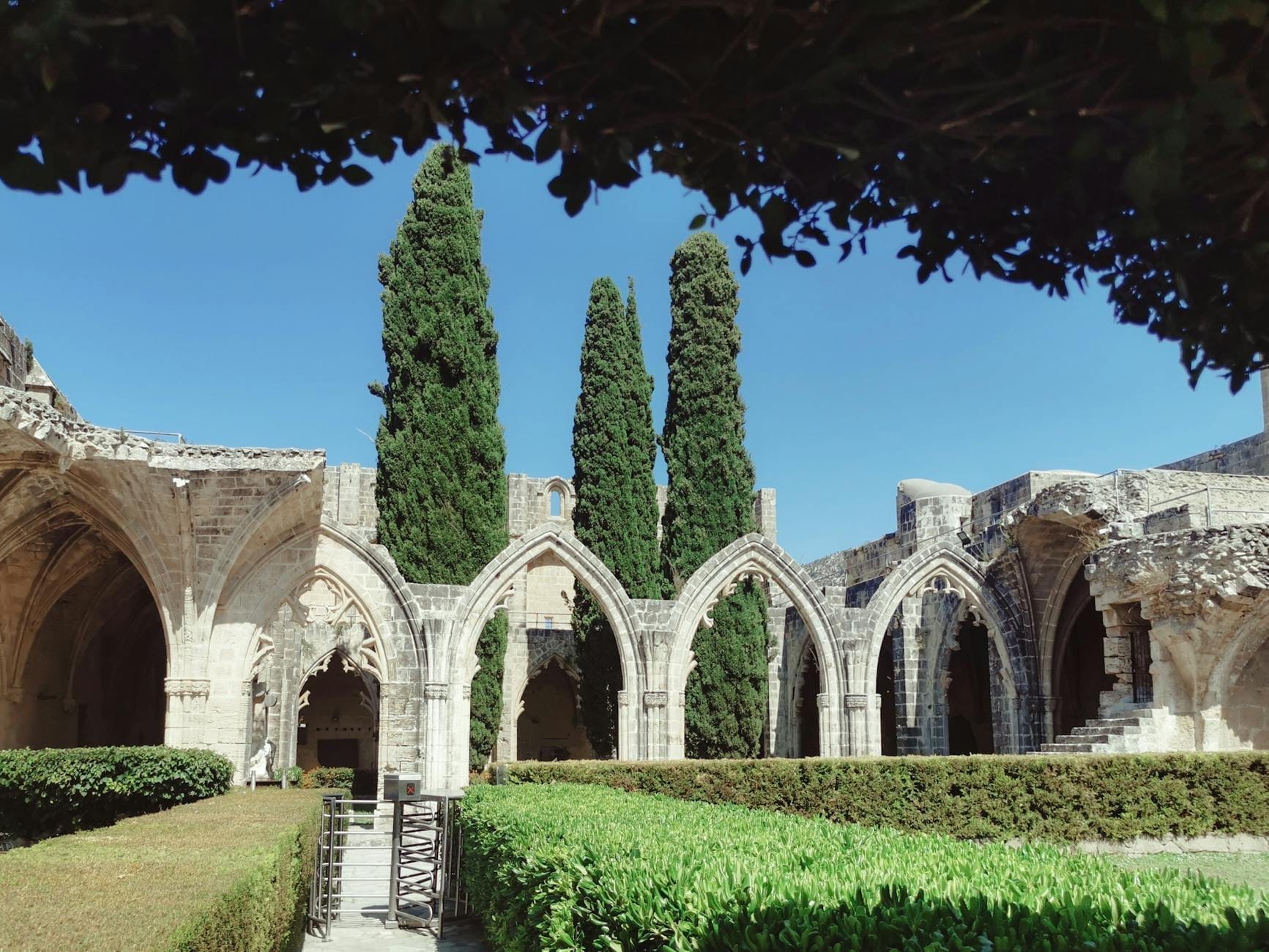
6. Explore the Monastery Ruins at the Heart of Lokrum Island
Founded in 1023, these partially restored monastery ruins sit at Lokrum's centre surrounded by a garden and a famous resident peacock colony. The cloister has a replica Iron Throne, but the real draw is the overgrown medieval atmosphere that most visitors rush past.
Explore6. Explore the Monastery Ruins at the Heart of Lokrum Island
Founded in 1023, these partially restored monastery ruins sit at Lokrum's centre surrounded by a garden and a famous resident peacock colony. The cloister has a replica Iron Throne, but the real draw is the overgrown medieval atmosphere that most visitors rush past.
Explore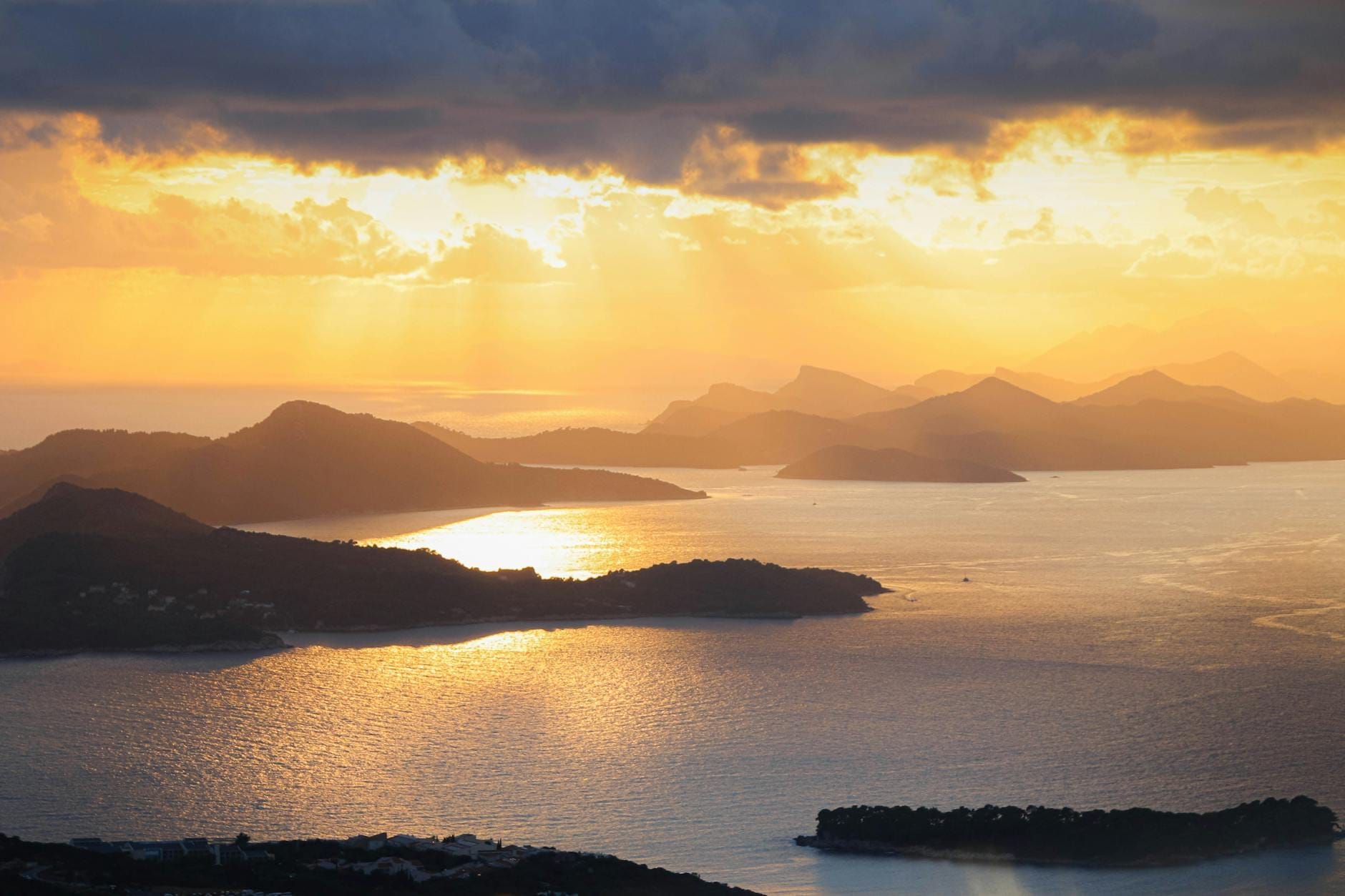
7. Take a Ferry to the Car-Free Elaphiti Islands
Koločep, Lopud, and Šipan offer a pace of life that Dubrovnik itself has largely lost to tourism. No cars, quiet villages, and crystal water. Lopud's Šunj Beach is one of the few sandy beaches reachable from Dubrovnik. Go mid-week for the most authentic experience.
Explore7. Take a Ferry to the Car-Free Elaphiti Islands
Koločep, Lopud, and Šipan offer a pace of life that Dubrovnik itself has largely lost to tourism. No cars, quiet villages, and crystal water. Lopud's Šunj Beach is one of the few sandy beaches reachable from Dubrovnik. Go mid-week for the most authentic experience.
ExploreSecret Bars, Beaches & Swimming Spots
Dubrovnik's best swimming and drinking spots often require a short walk, a squeeze through a gap in the walls, or a willingness to ignore the obvious. The full beaches guide covers the main options, but these are the ones that reward the extra effort.
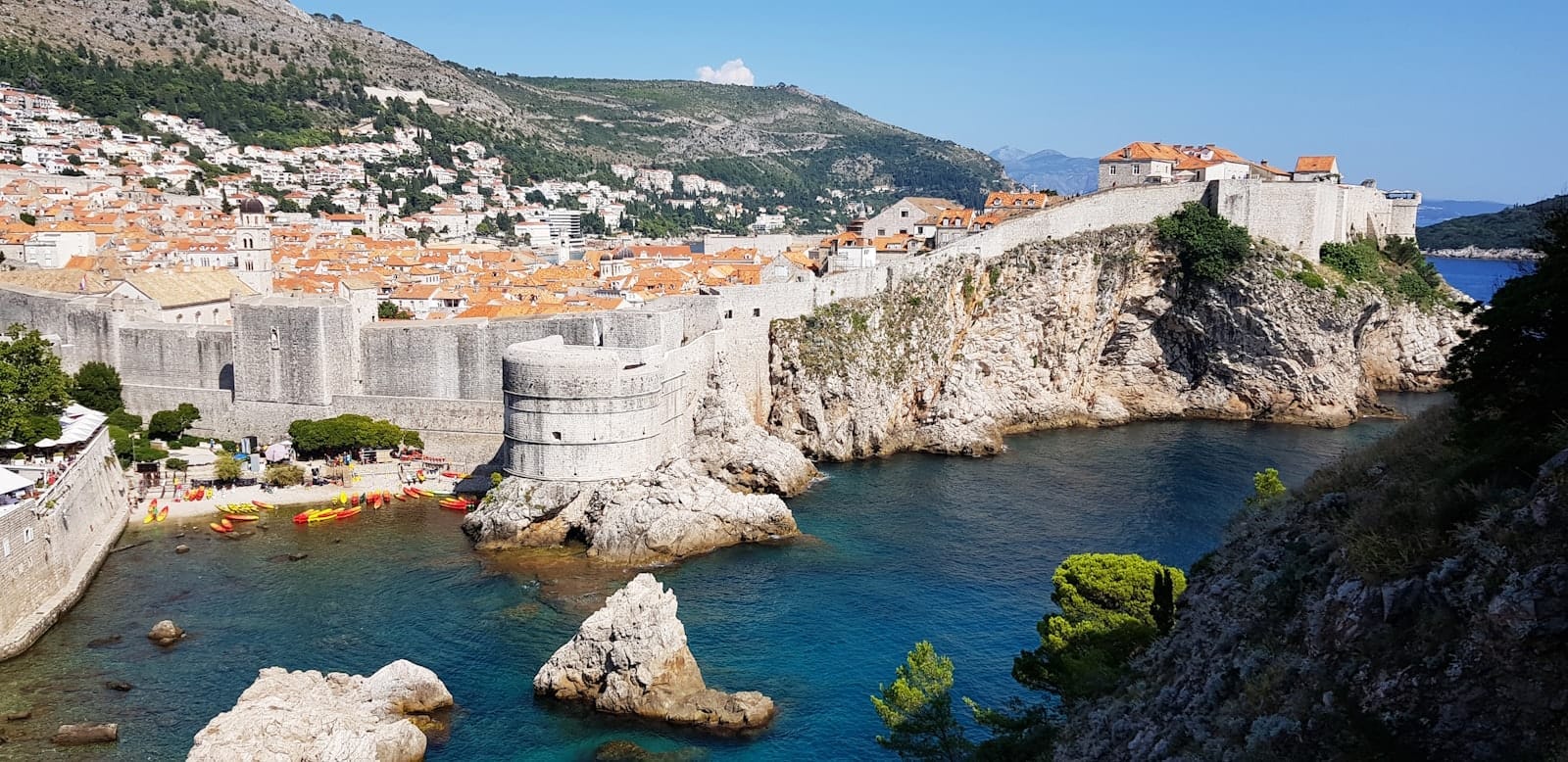
8. Drink at Buža Bar, Accessed Through a Hole in the Medieval Wall
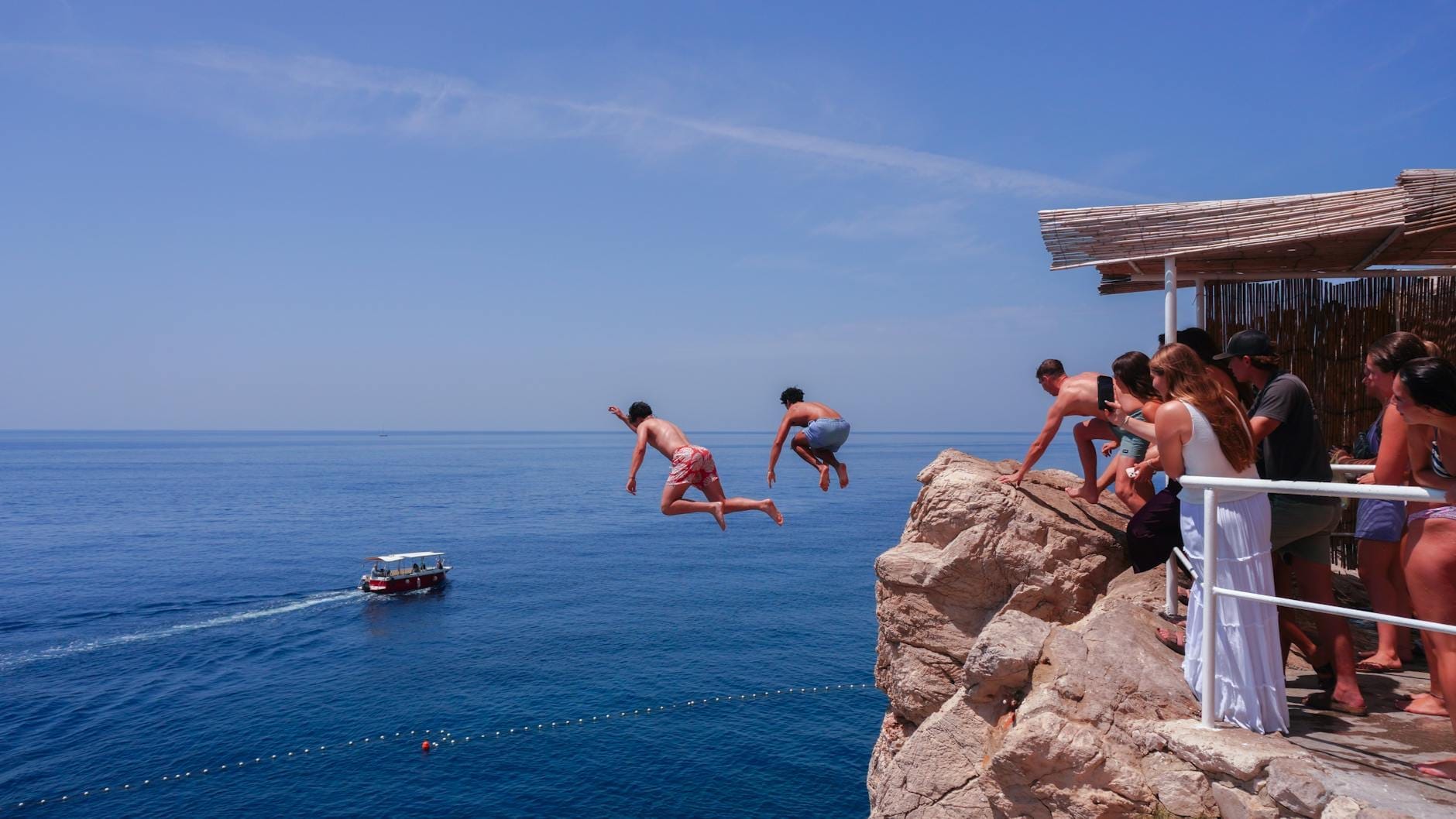
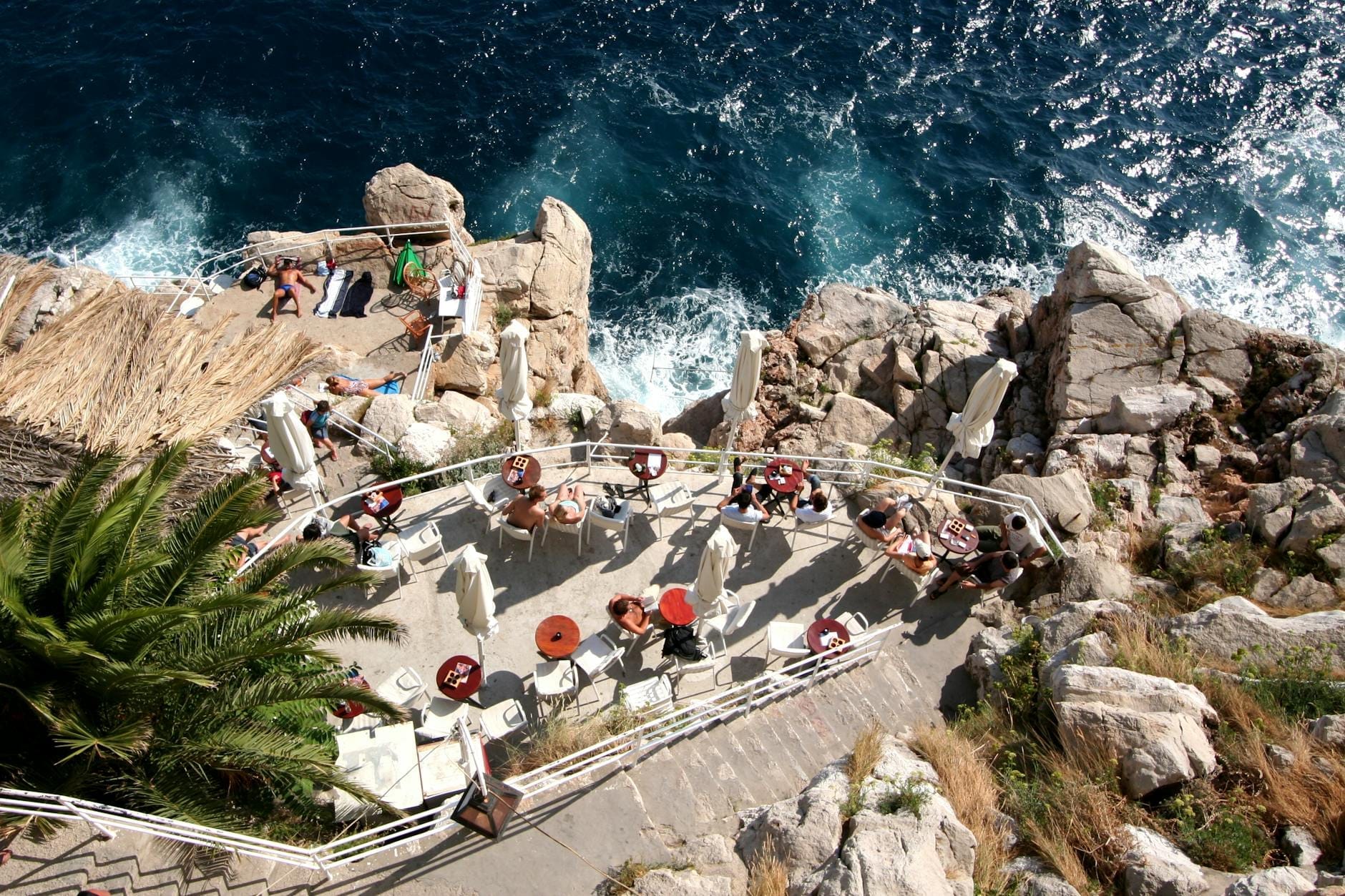
A literal hole in the Old Town's outer wall leads to this cliff-side bar perched above open sea. It is no longer secret, but nothing diminishes the first sight of it: plastic chairs, cold drinks, and the Adriatic dropping away below. Cliff jumping is possible. Go in late afternoon for the best atmosphere.
Explore8. Drink at Buža Bar, Accessed Through a Hole in the Medieval Wall
A literal hole in the Old Town's outer wall leads to this cliff-side bar perched above open sea. It is no longer secret, but nothing diminishes the first sight of it: plastic chairs, cold drinks, and the Adriatic dropping away below. Cliff jumping is possible. Go in late afternoon for the best atmosphere.
Explore
9. Reach Betina Cave Beach on the Lapad Peninsula by Foot or Sea
This rocky cove on the Lapad peninsula is accessible only by a coastal walk or by kayak. Natural shade, exceptionally clear water, and a fraction of Banje Beach's crowds make it a genuine local favourite. Go early; by midday word has spread to nearby hotel guests.
Explore9. Reach Betina Cave Beach on the Lapad Peninsula by Foot or Sea
This rocky cove on the Lapad peninsula is accessible only by a coastal walk or by kayak. Natural shade, exceptionally clear water, and a fraction of Banje Beach's crowds make it a genuine local favourite. Go early; by midday word has spread to nearby hotel guests.
Explore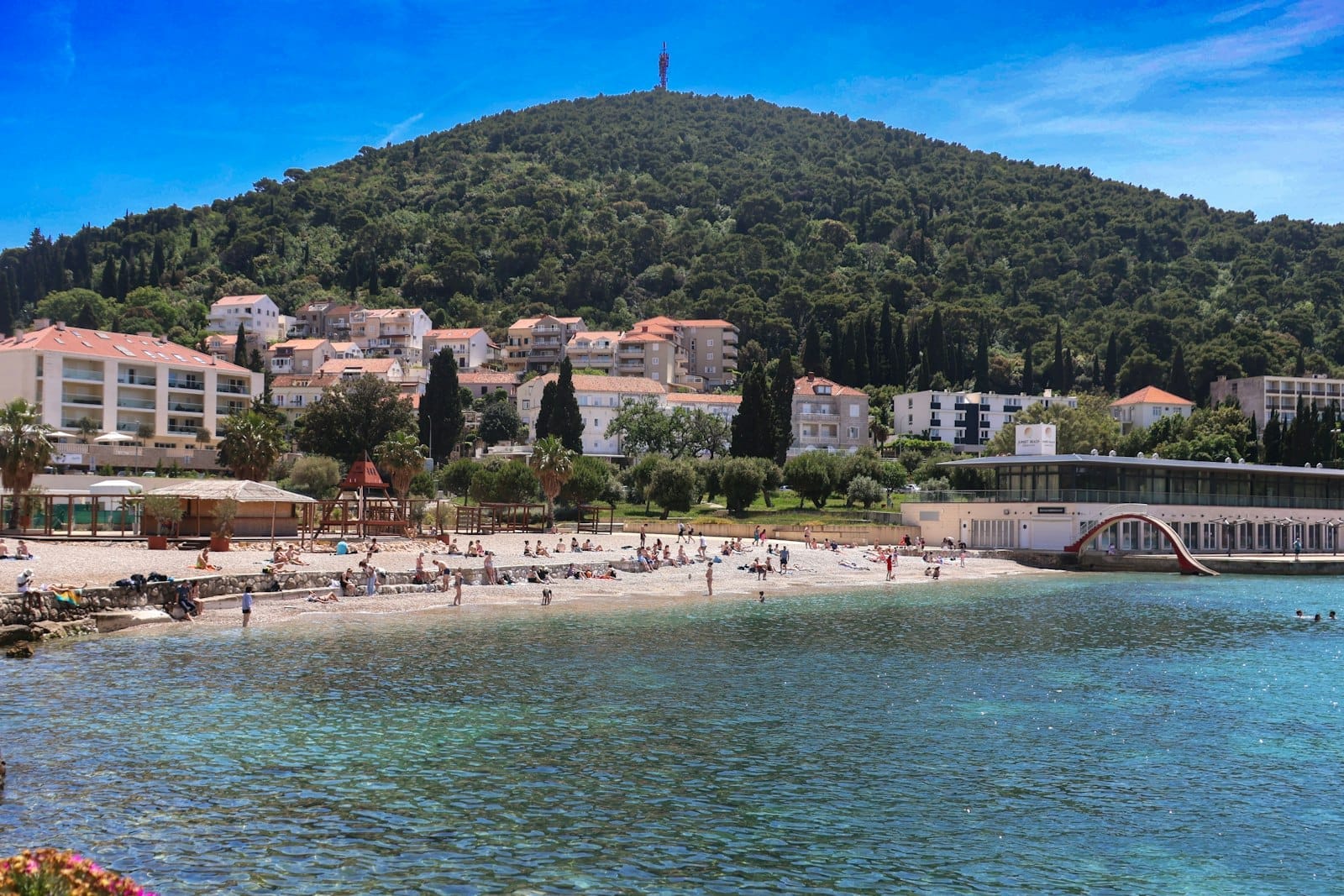
10. Escape the Old Town Crowds at Uvala Lapad's Pine-Shaded Cove
Backed by pine trees and a low-key promenade of restaurants, Uvala Lapad is Dubrovnik's best family beach and sees almost no day-trippers. A 15-minute bus ride from Pile Gate delivers you to calm, sheltered water and a noticeably more relaxed atmosphere than anything near the walls.
Explore10. Escape the Old Town Crowds at Uvala Lapad's Pine-Shaded Cove
Backed by pine trees and a low-key promenade of restaurants, Uvala Lapad is Dubrovnik's best family beach and sees almost no day-trippers. A 15-minute bus ride from Pile Gate delivers you to calm, sheltered water and a noticeably more relaxed atmosphere than anything near the walls.
ExploreLocal Markets, Neighbourhoods & Working Dubrovnik
Most visitors never make it to Gruž, which is Dubrovnik's working harbour, ferry port, and best market. It takes 15 minutes by bus from the Old Town and shows a side of the city that functions year-round, for local people, rather than for tourists.
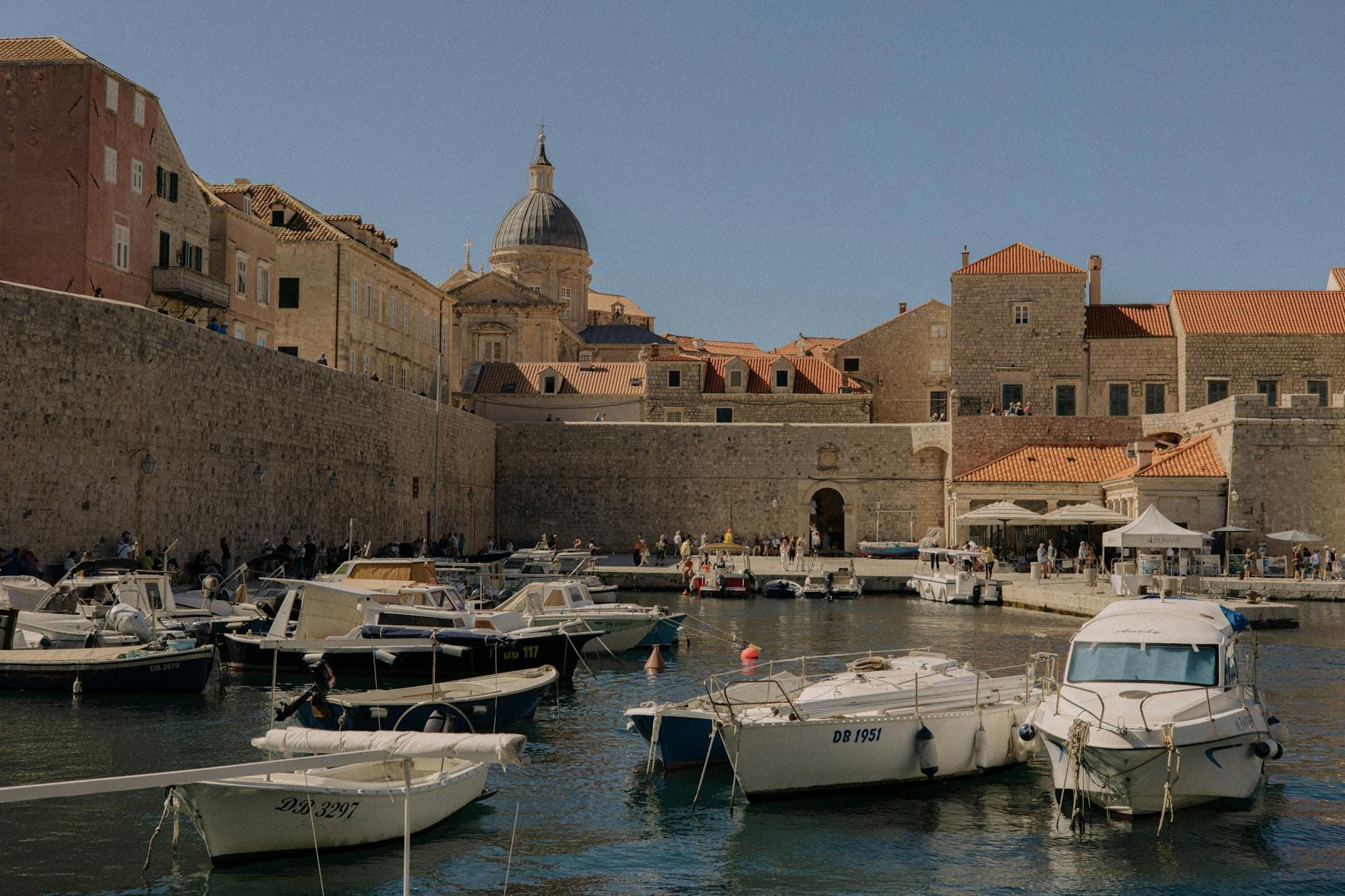
11. Shop at the Gruž Morning Market Like a Dubrovnik Local
Open every morning, this harbour-side market sells Dalmatian olive oil, fresh goat cheese, lavender, figs, and whatever is in season. Vendors are mostly local producers. Arrive before 9am for the best selection. It is the most authentic food experience within easy reach of the city.
Explore11. Shop at the Gruž Morning Market Like a Dubrovnik Local
Open every morning, this harbour-side market sells Dalmatian olive oil, fresh goat cheese, lavender, figs, and whatever is in season. Vendors are mostly local producers. Arrive before 9am for the best selection. It is the most authentic food experience within easy reach of the city.
Explore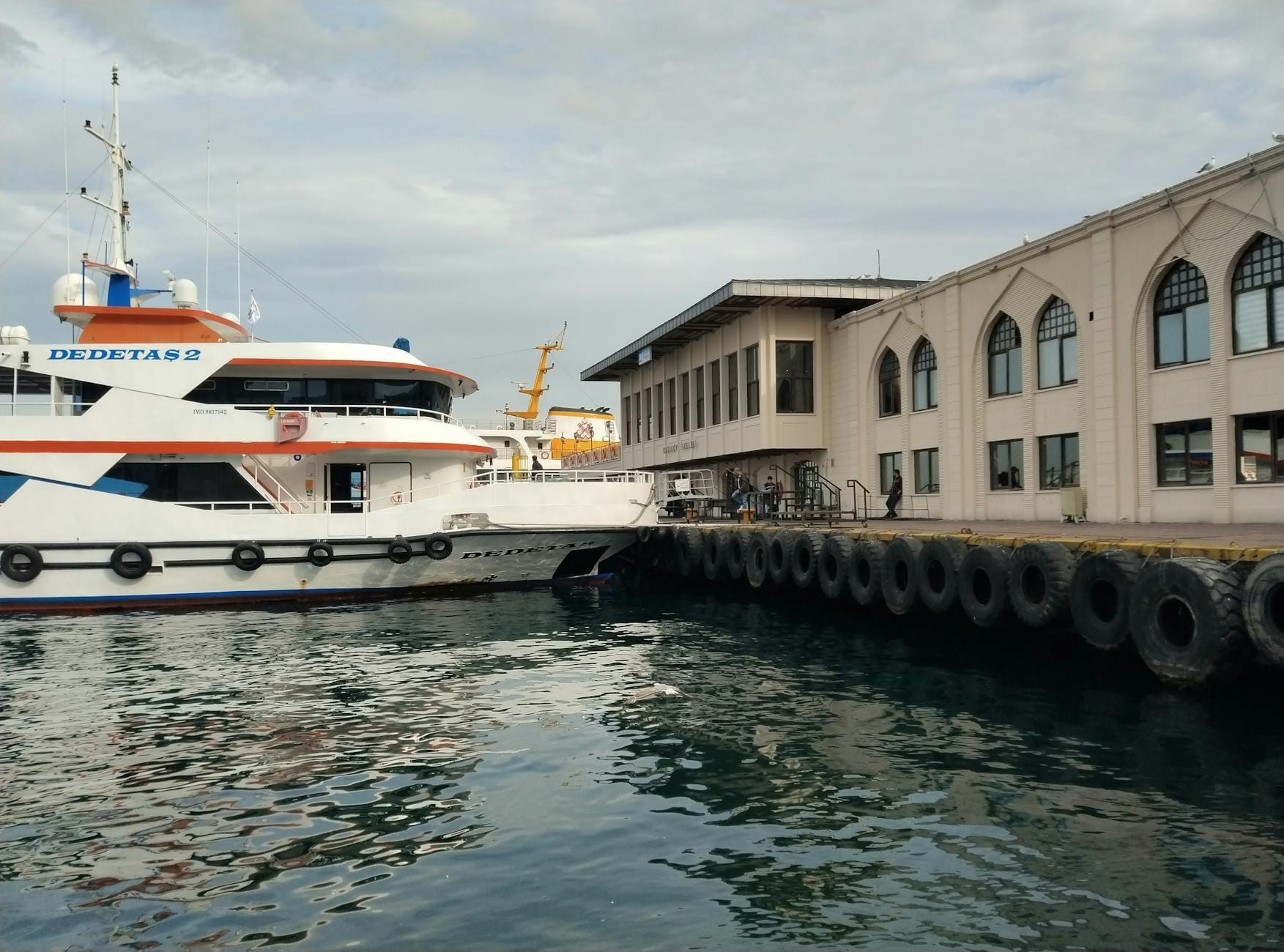
12. Watch the Ferry Traffic at Port Gruž and Eat on the Waterfront
Dubrovnik's main ferry port handles routes to the Elaphiti Islands, Split, Hvar, and Italy. The surrounding waterfront has relaxed restaurants and bars that serve locals as much as travellers. It's a useful base for island ferry departures and a pleasant alternative lunch destination.
Explore12. Watch the Ferry Traffic at Port Gruž and Eat on the Waterfront
Dubrovnik's main ferry port handles routes to the Elaphiti Islands, Split, Hvar, and Italy. The surrounding waterfront has relaxed restaurants and bars that serve locals as much as travellers. It's a useful base for island ferry departures and a pleasant alternative lunch destination.
ExploreOverlooked History Inside and Just Outside the Walls
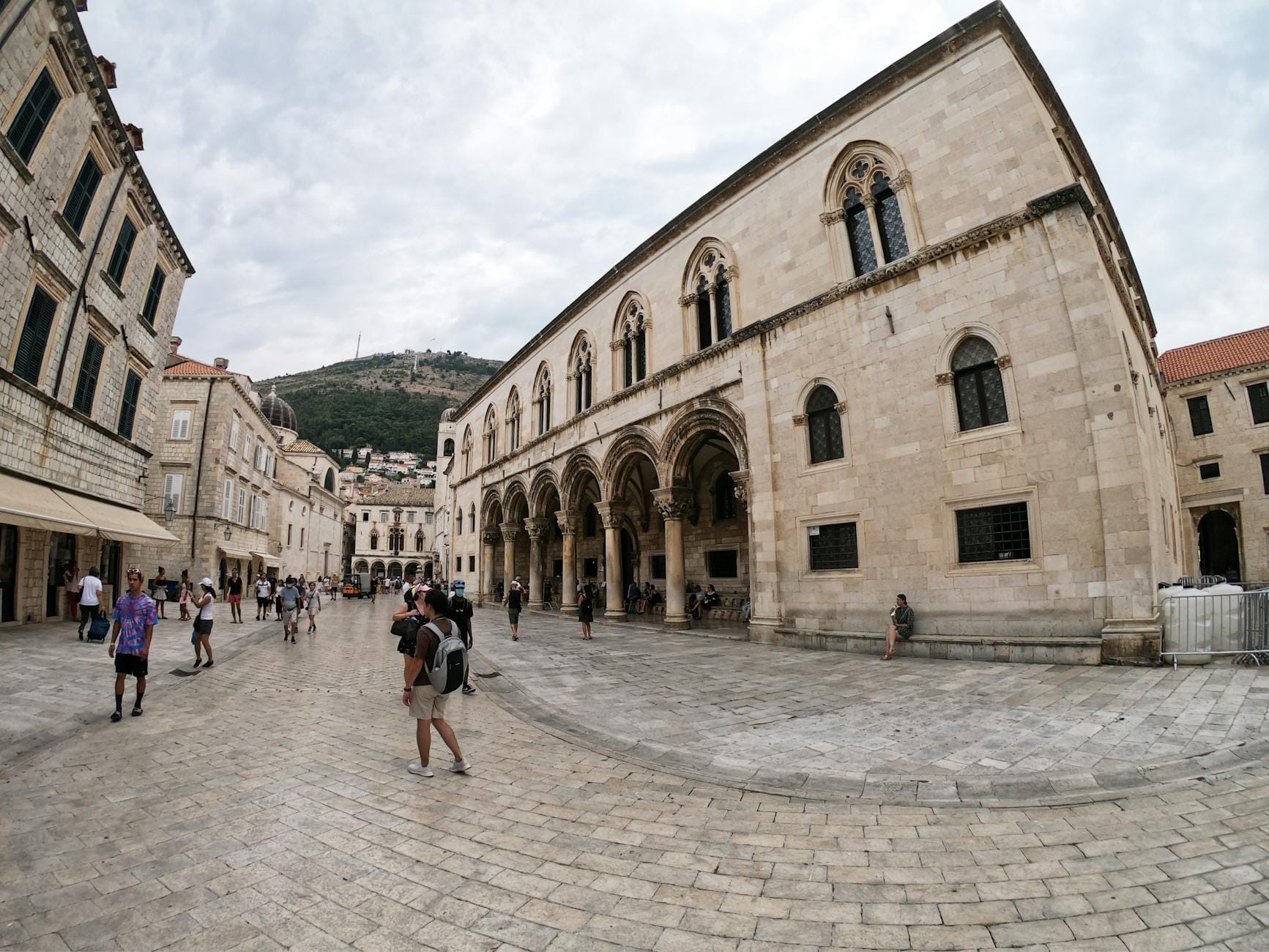
The Old Town is filled with genuinely remarkable buildings and institutions that most visitors walk past without entering. These are the ones that justify a slower pace and a bit of curiosity, particularly for those interested in Dubrovnik's unusual history as an independent republic.
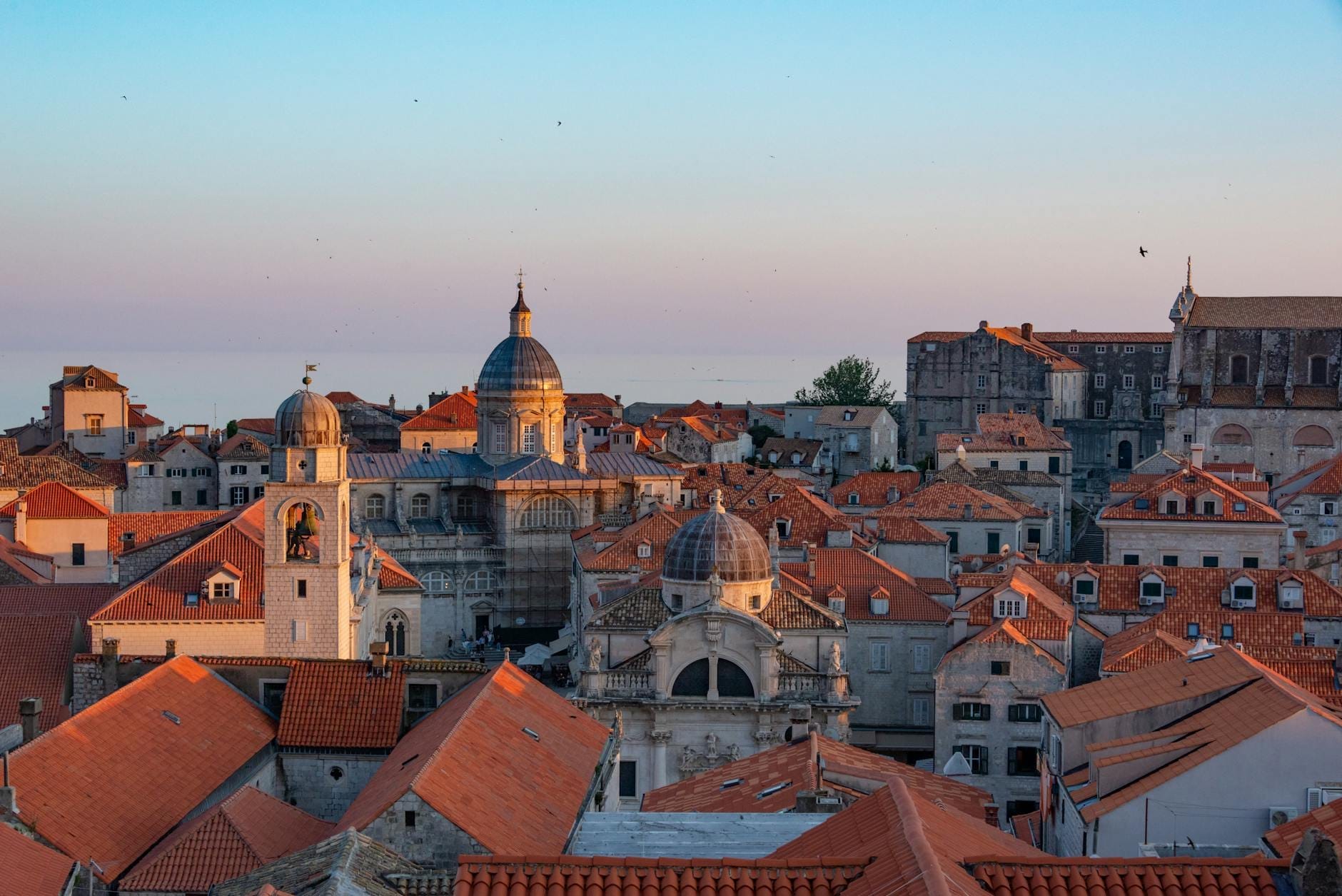
13. Visit One of Europe's Oldest Sephardic Synagogues
Founded in the 15th century by Jews expelled from Spain in 1492, this is the second-oldest functioning Sephardic synagogue in Europe. Located on a narrow Old Town lane, it houses original Torah scrolls and a small Judaica museum. Most visitors walk its street without knowing it exists.
Explore13. Visit One of Europe's Oldest Sephardic Synagogues
Founded in the 15th century by Jews expelled from Spain in 1492, this is the second-oldest functioning Sephardic synagogue in Europe. Located on a narrow Old Town lane, it houses original Torah scrolls and a small Judaica museum. Most visitors walk its street without knowing it exists.
Explore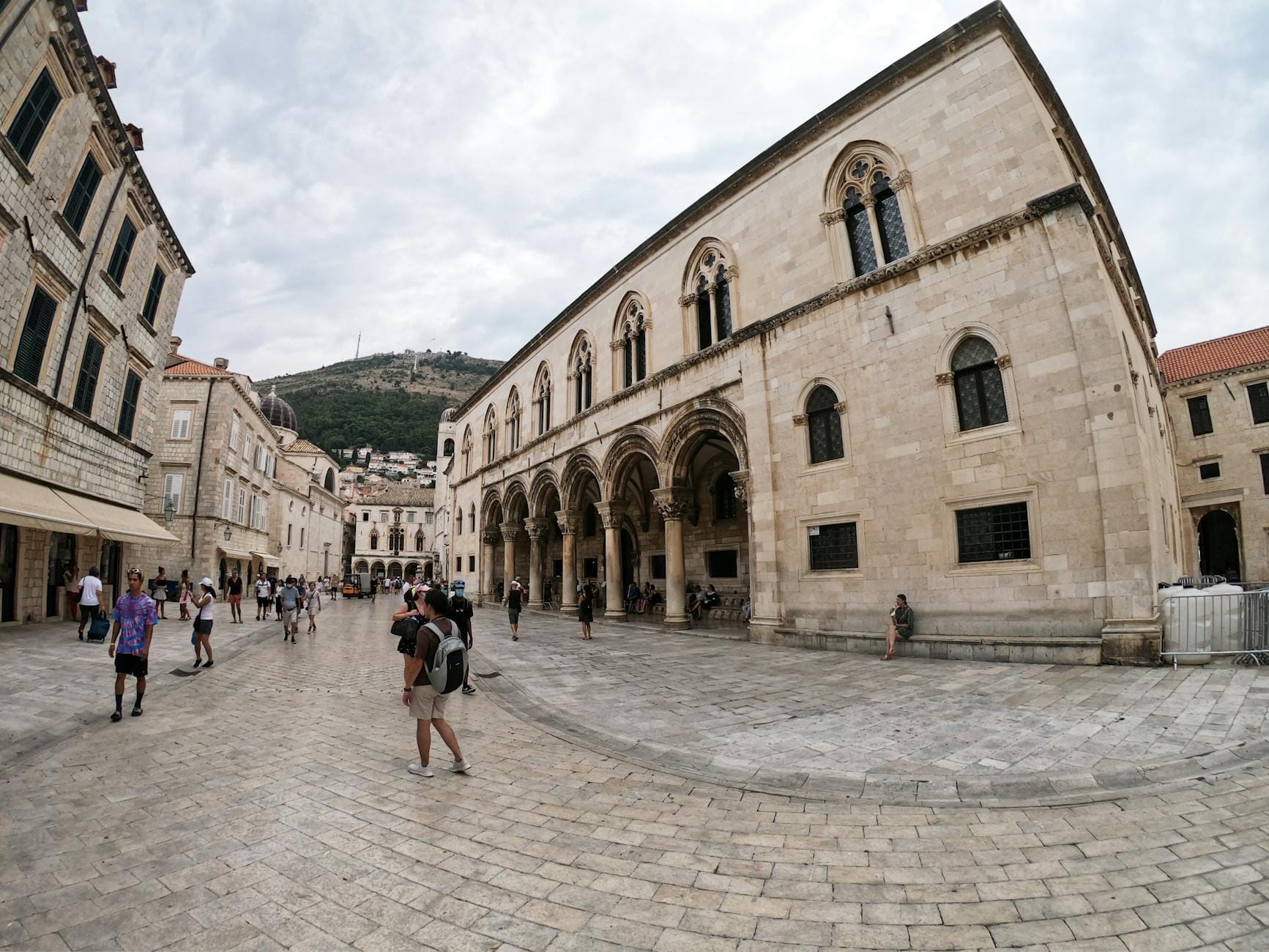
14. Enter Sponza Palace to See One of Dubrovnik's Rarest Survivals
One of the only buildings to survive the catastrophic 1667 earthquake intact, Sponza Palace served as the city's customs house, mint, and treasury. Its courtyard is free to enter. The memorial room for those killed in the 1991-92 siege is quiet, moving, and usually uncrowded.
Explore14. Enter Sponza Palace to See One of Dubrovnik's Rarest Survivals
One of the only buildings to survive the catastrophic 1667 earthquake intact, Sponza Palace served as the city's customs house, mint, and treasury. Its courtyard is free to enter. The memorial room for those killed in the 1991-92 siege is quiet, moving, and usually uncrowded.
Explore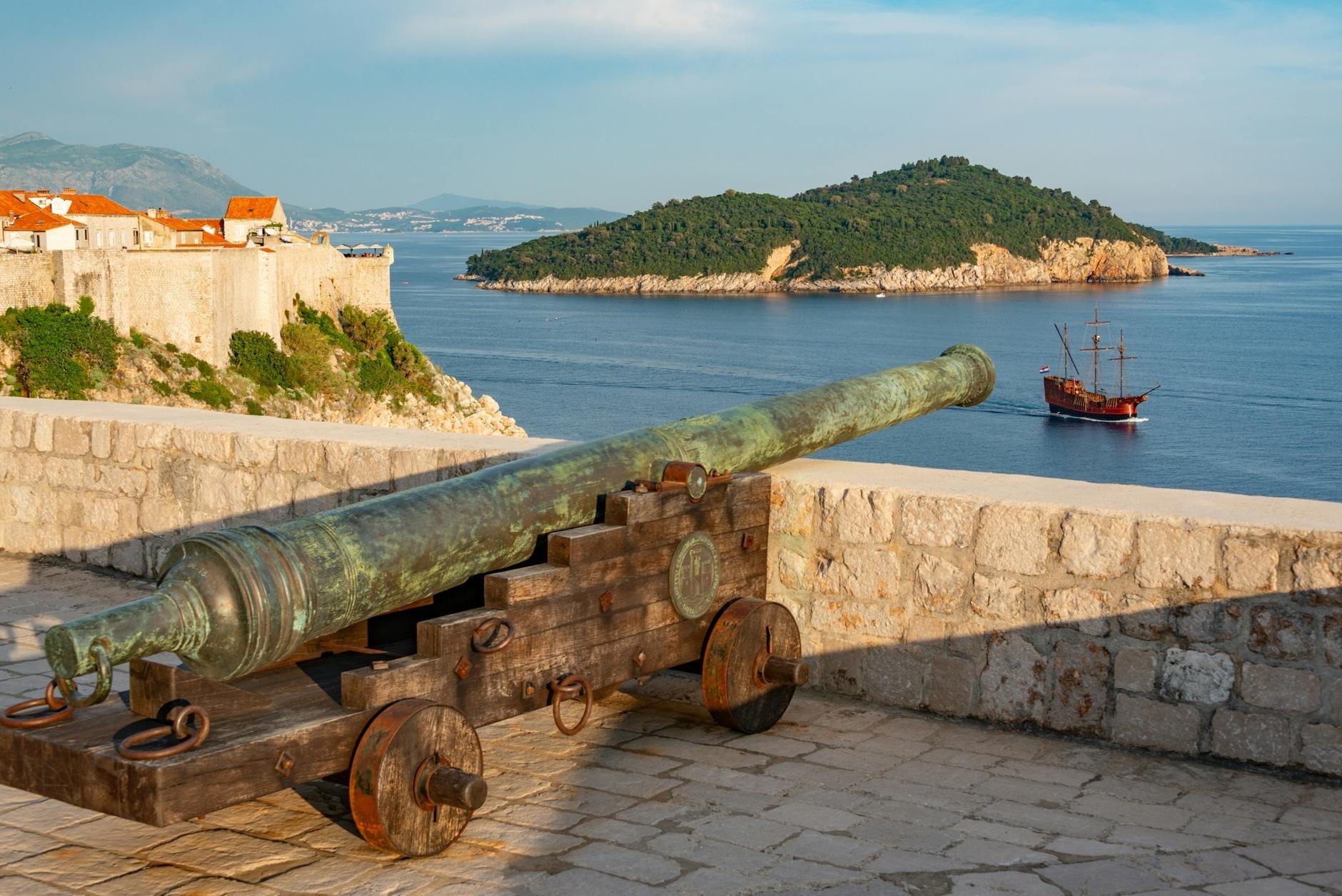
15. Discover Dubrovnik's Forgotten Identity as a Maritime Superpower
Dubrovnik's merchant fleet once rivalled Venice's. This small museum in Fort St. John uses ship models, navigational instruments, and trade records to tell that story. It sees a fraction of the traffic of the City Walls and rewards an hour of genuine attention.
Explore15. Discover Dubrovnik's Forgotten Identity as a Maritime Superpower
Dubrovnik's merchant fleet once rivalled Venice's. This small museum in Fort St. John uses ship models, navigational instruments, and trade records to tell that story. It sees a fraction of the traffic of the City Walls and rewards an hour of genuine attention.
Explore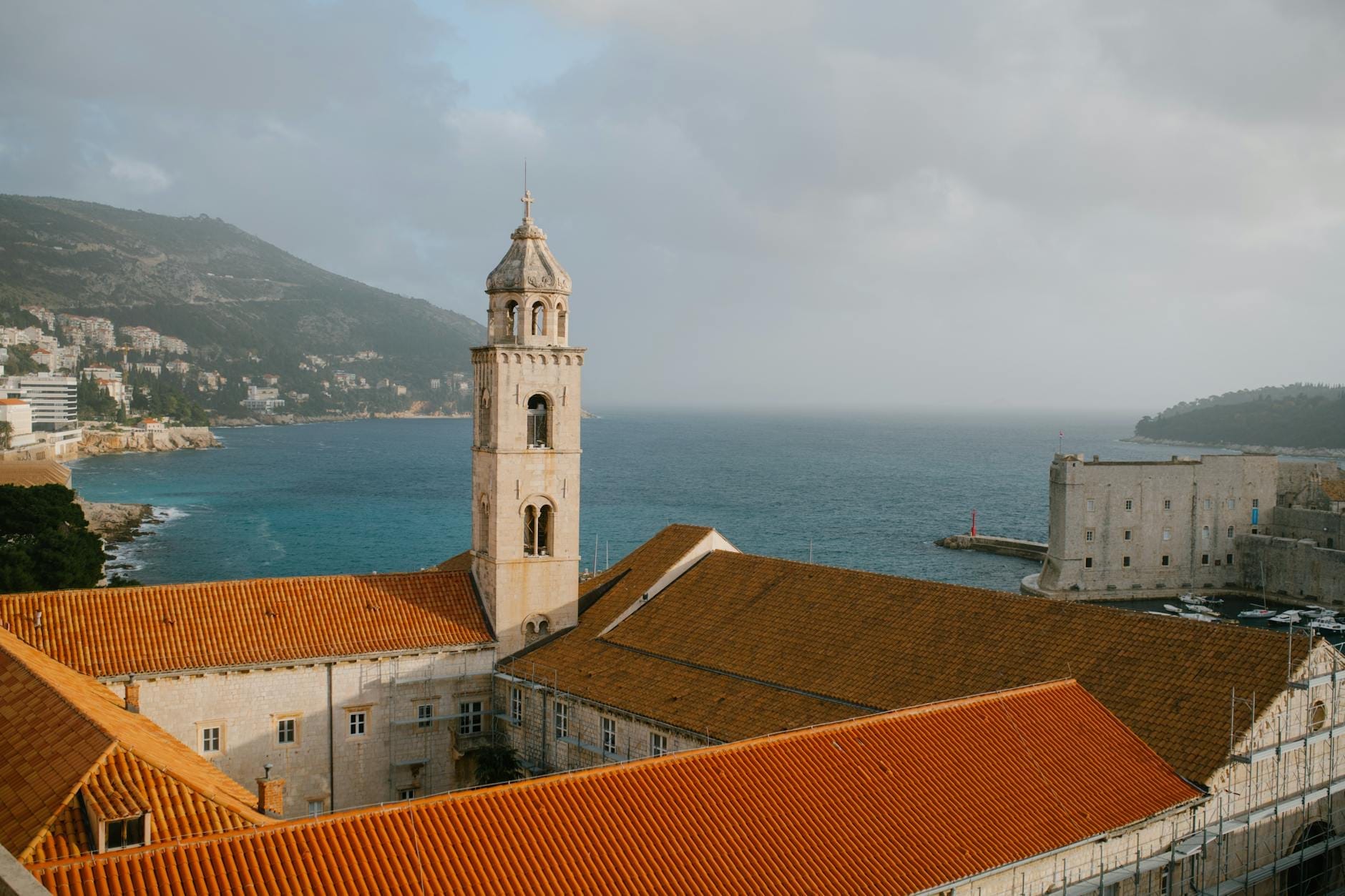
16. Find the Dominican Monastery's Renaissance Cloister in the Old Town's Eastern Corner
Tucked into the quietest corner of the Old Town near Ploče Gate, this 14th-century monastery has a Gothic-Renaissance cloister that stops most visitors cold. The adjoining museum holds exceptional Renaissance paintings by Dubrovnik masters, including Nikola Božidarević. Often half-empty.
Explore16. Find the Dominican Monastery's Renaissance Cloister in the Old Town's Eastern Corner
Tucked into the quietest corner of the Old Town near Ploče Gate, this 14th-century monastery has a Gothic-Renaissance cloister that stops most visitors cold. The adjoining museum holds exceptional Renaissance paintings by Dubrovnik masters, including Nikola Božidarević. Often half-empty.
Explore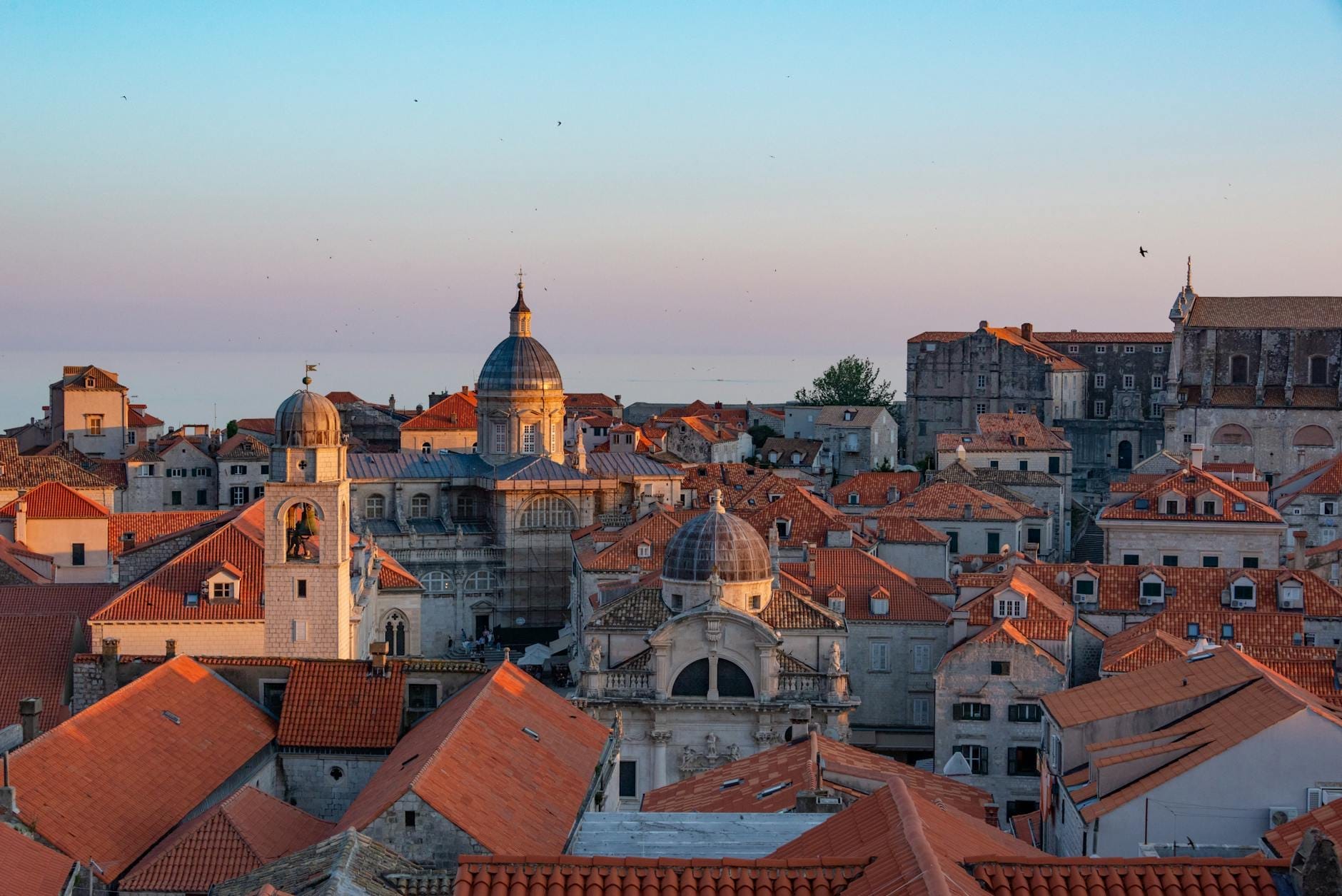
17. See the Only Renaissance Church That Survived Dubrovnik's Great Earthquake
Built in 1520 and miraculously intact after the 1667 earthquake that destroyed most of the city, St. Saviour Church at the western end of the Stradun is a rare architectural survivor. Now used for exhibitions and chamber concerts, its interior is calm and worth five minutes of your time.
Explore17. See the Only Renaissance Church That Survived Dubrovnik's Great Earthquake
Built in 1520 and miraculously intact after the 1667 earthquake that destroyed most of the city, St. Saviour Church at the western end of the Stradun is a rare architectural survivor. Now used for exhibitions and chamber concerts, its interior is calm and worth five minutes of your time.
ExploreDay Trips: Beyond the City Altogether
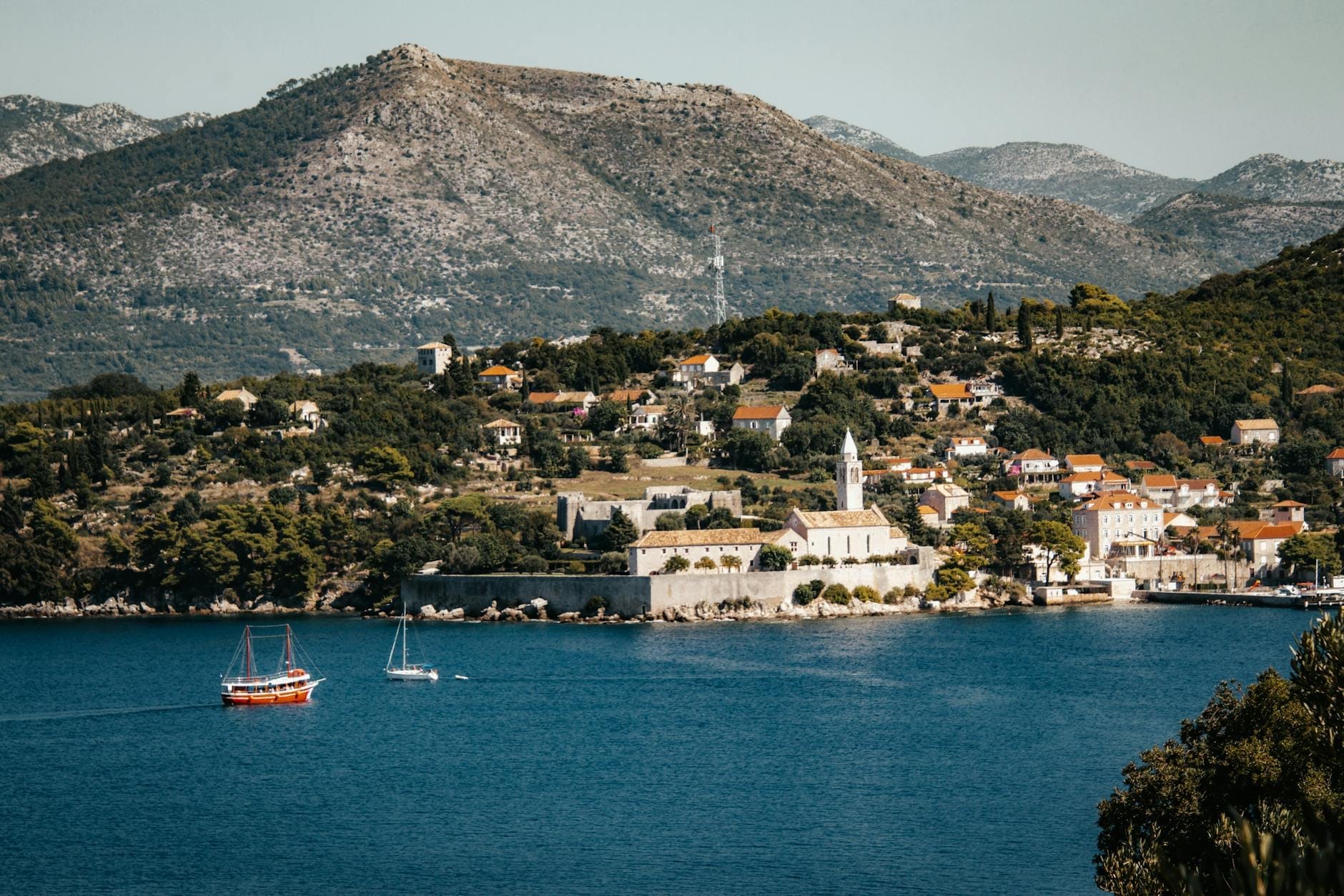
Some of the best experiences within reach of Dubrovnik require leaving the city for a few hours. The day trips from Dubrovnik guide covers all the main options, but these two stand out for their contrast with the walled city experience.
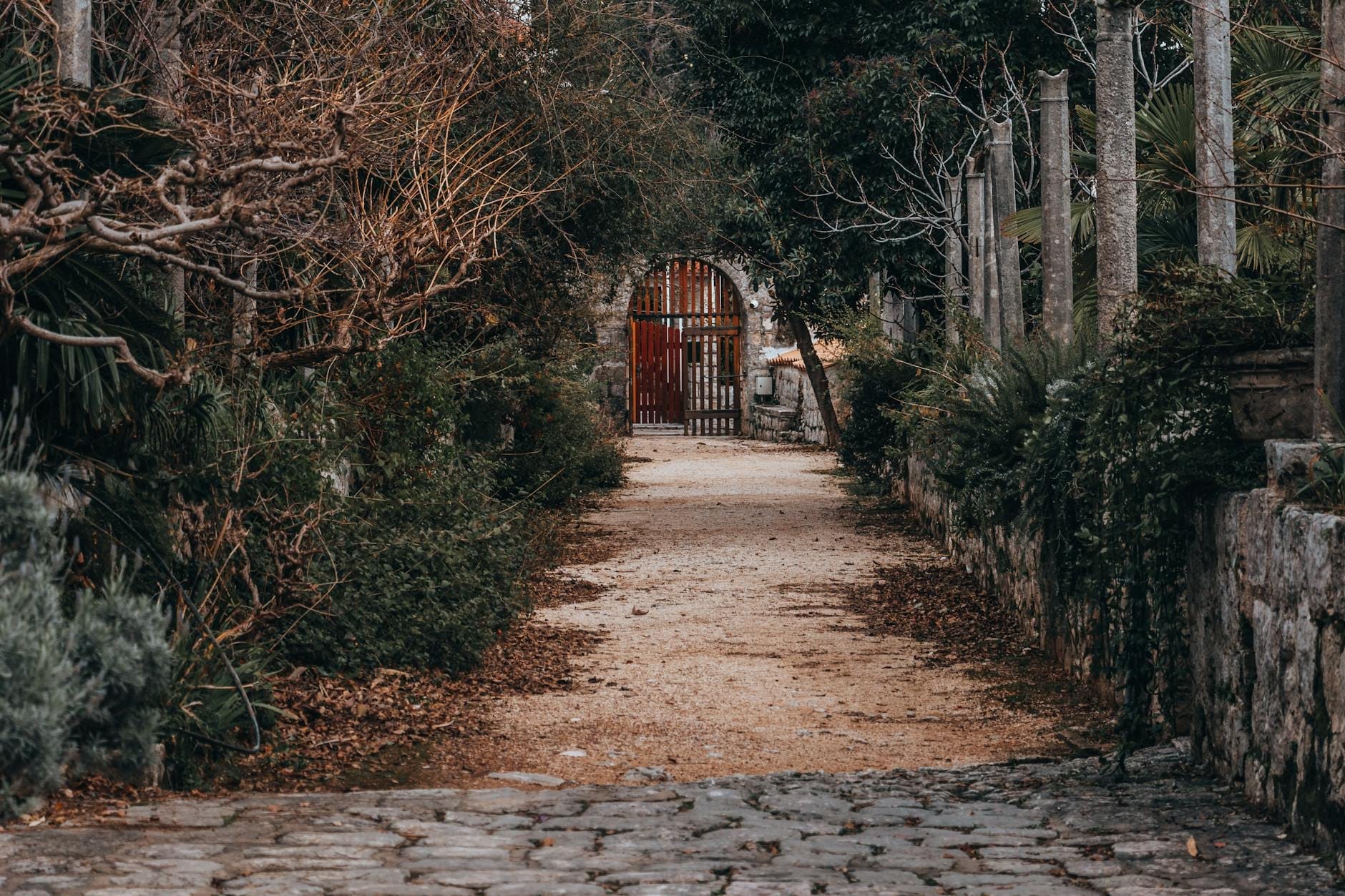
18. Wander the 15th-Century Gardens at Trsteno Arboretum
Just 18 km north of Dubrovnik, this is one of Europe's oldest arboreta, planted by a Ragusan noble family in the 1400s. Ancient plane trees, Renaissance garden layout, and an aqueduct-fed fountain make it exceptional. Game of Thrones viewers will recognise it as King's Landing's gardens.
Explore18. Wander the 15th-Century Gardens at Trsteno Arboretum
Just 18 km north of Dubrovnik, this is one of Europe's oldest arboreta, planted by a Ragusan noble family in the 1400s. Ancient plane trees, Renaissance garden layout, and an aqueduct-fed fountain make it exceptional. Game of Thrones viewers will recognise it as King's Landing's gardens.
Explore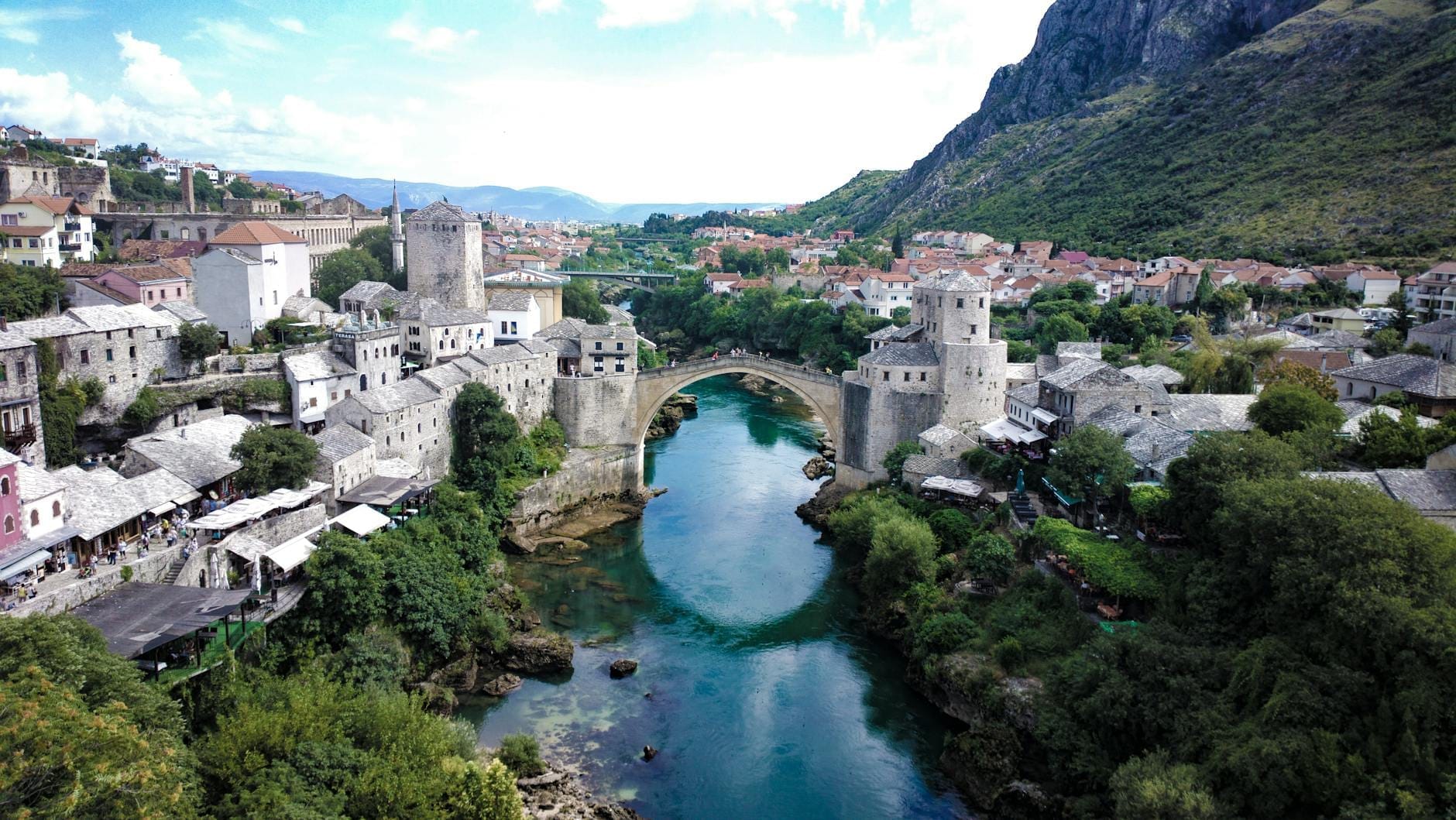
19. Cross the Stari Most Bridge in Mostar on a Day Trip from Dubrovnik
Mostar is roughly 2.5 hours from Dubrovnik by bus or organised tour and centres on a UNESCO-listed 16th-century Ottoman bridge rebuilt after its wartime destruction. The old town, bridge divers, and confluence of Balkan cultures make this the most rewarding full-day trip from Dubrovnik.
Explore19. Cross the Stari Most Bridge in Mostar on a Day Trip from Dubrovnik
Mostar is roughly 2.5 hours from Dubrovnik by bus or organised tour and centres on a UNESCO-listed 16th-century Ottoman bridge rebuilt after its wartime destruction. The old town, bridge divers, and confluence of Balkan cultures make this the most rewarding full-day trip from Dubrovnik.
Explore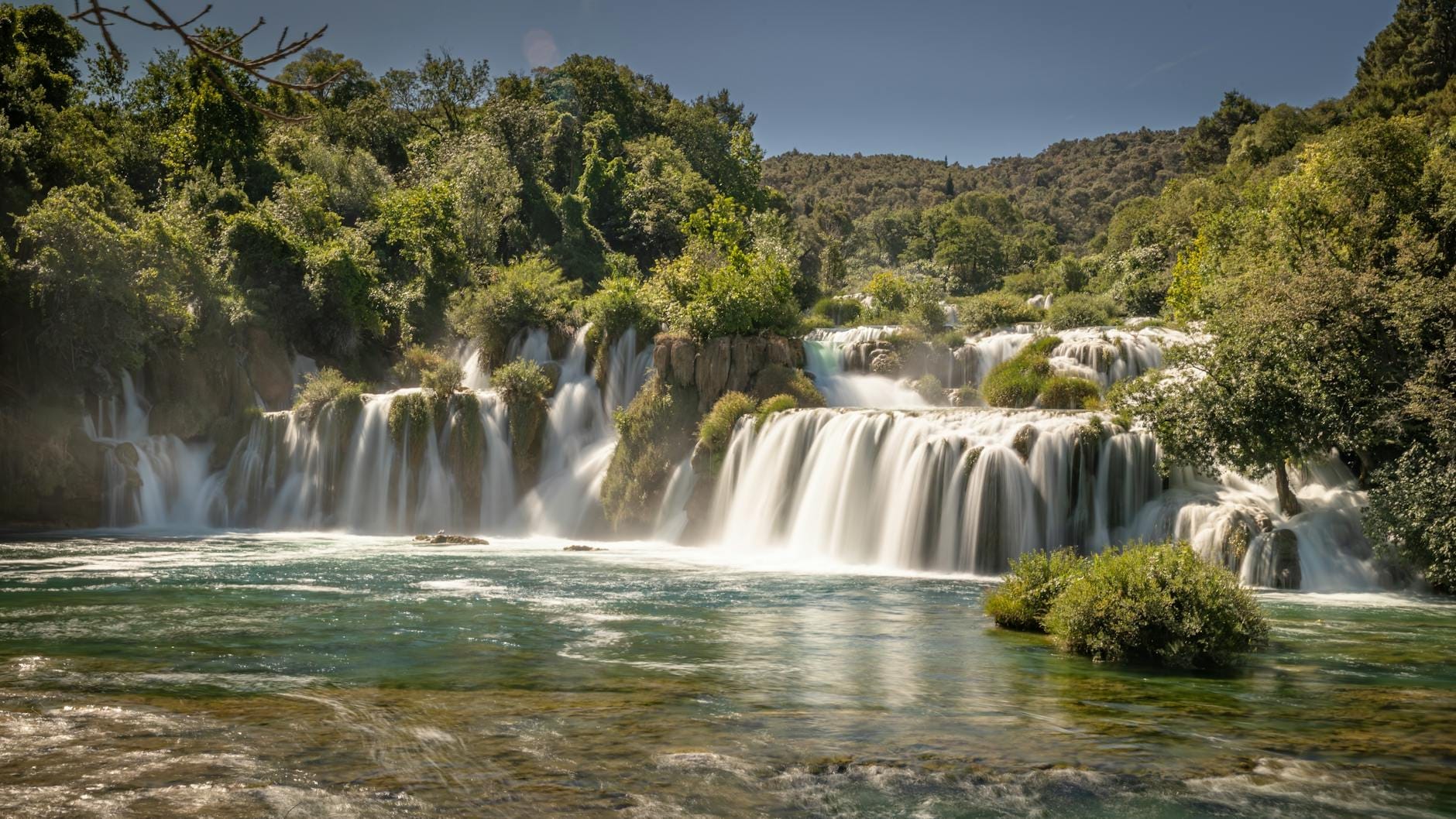
20. Swim Under the Kravica Waterfall in Bosnia and Herzegovina
About 90 minutes from Dubrovnik, Kravica's horseshoe-shaped waterfall drops 25 metres into a turquoise swimming pool. It's usually combined with a Mostar visit. Go early in the morning to avoid the midday crowds that arrive on afternoon tour buses from the coast.
Explore20. Swim Under the Kravica Waterfall in Bosnia and Herzegovina
About 90 minutes from Dubrovnik, Kravica's horseshoe-shaped waterfall drops 25 metres into a turquoise swimming pool. It's usually combined with a Mostar visit. Go early in the morning to avoid the midday crowds that arrive on afternoon tour buses from the coast.
ExploreFAQ
What are the best hidden beaches in Dubrovnik that locals actually use?
Betina Cave Beach on the Lapad peninsula is the closest thing to a genuinely local spot, accessible only by a coastal walk or by sea. Uvala Lapad is also popular with residents and hotel guests rather than day-trippers. Both are significantly less crowded than Banje Beach near the Old Town.
Is Lokrum Island worth visiting or is it too touristy?
Lokrum is absolutely worth visiting, even in peak season. Most visitors stay near the ferry dock and the nearest swimming rocks. Walk 10-15 minutes inland to the Dead Sea lake, the botanical garden, or the monastery ruins and you'll leave the crowds behind. The last ferry back to Dubrovnik departs in the early evening, so check the schedule before you go.
How do I get to Fort Imperial and the Museum of the Homeland War?
The easiest way is the Dubrovnik Cable Car, which drops you near the fort at the summit of Mount Srđ. From the cable car station it's a short walk to the fort entrance. Alternatively, hike the trail from the Old Town in 2-3 hours. The museum inside the fort covers the 1991-95 siege with photographs, weapons, and first-hand accounts.
When is the best time to visit Dubrovnik's hidden gems to avoid crowds?
May, early June, and September are the sweet spots: warm enough for swimming, far fewer cruise passengers, and most seasonal venues open. If you visit in July or August, aim for early morning starts (before 9am) at any outdoor location. The Gruž market and Dominican Monastery are good bets for avoiding crowds at any time of year.
Can I visit the Elaphiti Islands as a day trip from Dubrovnik?
Yes. Regular ferries depart from Port Gruž to Koločep, Lopud, and Šipan throughout the day. A standard day trip visits one or two islands, with Lopud being the most popular for its sandy Šunj Beach. You can also book organised boat tours that visit multiple islands in one day. Check the Jadrolinija ferry schedule for current departure times.
Tickets & tours
Live prices and dates from our booking partner. If you book, we may earn a commission at no extra cost to you.
Planning a trip? Discover personalized activities with the Nomado app.