Dubrovnik Synagogue: A Living Monument to Sephardic History in the Old Town
Tucked inside a narrow lane off Stradun, the Dubrovnik Synagogue is the oldest Sephardic synagogue still in use in the world and the second oldest in Europe. Its modest exterior conceals a Baroque interior housing Torah scrolls dating to the 13th century, making it one of the most historically dense stops in the entire Old Town.
Quick Facts
- Location
- Žudioska ulica, Old Town, Dubrovnik
- Getting There
- 10-minute walk from Pile Gate along Stradun, then left onto Žudioska ulica
- Time Needed
- 30–60 minutes
- Cost
- Small museum entry fee (verify locally; seasonal hours apply)
- Best for
- History lovers, Jewish heritage travelers, architecture enthusiasts
- Official website
- http://dubrovniksynagogue.com
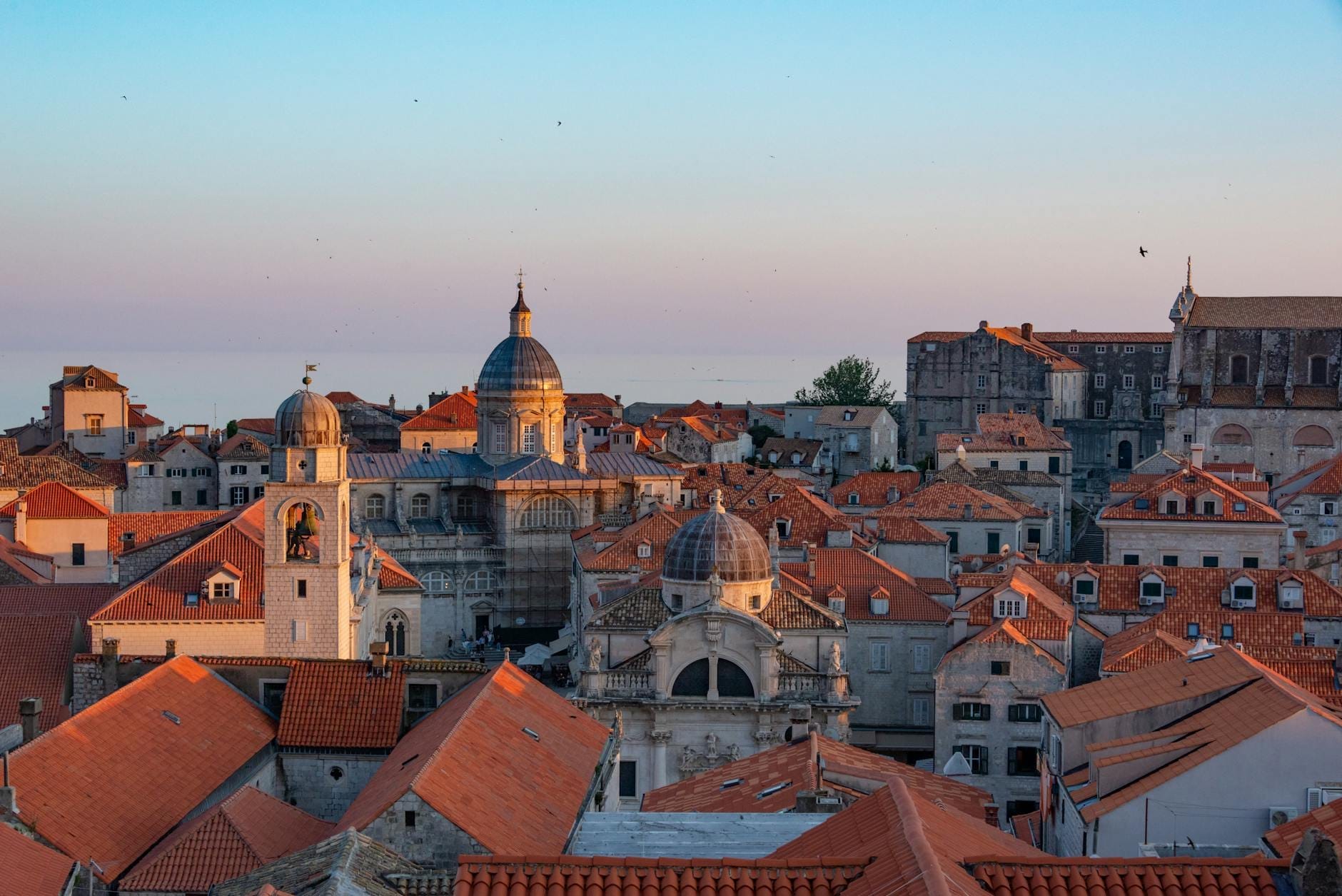
What Is the Dubrovnik Synagogue?
The Dubrovnik Synagogue, known locally as Stara sinagoga (Old Synagogue), sits on Žudioska ulica (Jewish Street) in the heart of the UNESCO-listed Old Town. It holds two extraordinary distinctions: it is the oldest Sephardic synagogue still in use anywhere in the world, and the second oldest synagogue in Europe overall. That alone gives it a weight few attractions in this city can match.
The building itself is deceptively ordinary from the outside. The narrow lane conceals a three-story structure whose wider second-floor windows are the only outward hint that something significant lies within. Jewish merchants, expelled from Spain and Portugal in 1492, settled in Dubrovnik under the Ragusan Republic, which granted them legal recognition in 1408. The synagogue was officially established by 1546, with the Baroque interior completed by 1652.
For travelers exploring the broader Jewish heritage landscape of Croatia, the synagogue fits naturally alongside a walk along Stradun, the city's main artery, which runs parallel to Žudioska ulica and has been the commercial and social spine of the Old Town since the medieval period.
Inside the Synagogue: What You Actually See
The ground floor entrance leads you into a small but carefully curated museum space. The first floor displays ritual objects, documents, and photographs tracing the history of Dubrovnik's Jewish community from the medieval era through the 20th century. The collection includes Torah scrolls dating from the 13th to the 17th century, some preserved in embroidered mantles of remarkable craftsmanship, along with Hanukkah lamps, marriage contracts, and community records.
The upper floor holds the synagogue proper: a compact prayer hall with wooden benches, a central bimah (raised reading platform), and decorative elements reflecting the Baroque aesthetic of the 17th century. The women's gallery, added in the 18th century, runs along one side. The space is small enough that you feel its intimacy immediately. The wooden interior absorbs the soft light filtering through those characteristically oversized windows, and the silence inside contrasts sharply with the foot traffic audible from the alley below.
💡 Local tip
Go early in the morning, before the mid-day crowds fill the Old Town. The narrow lane of Žudioska ulica becomes uncomfortably congested in summer afternoons, and the interior of the synagogue is small enough that even a few other visitors changes the atmosphere considerably.
Tickets & tours
Live prices and dates from our booking partner. If you book, we may earn a commission at no extra cost to you.
Mostar and Kravice Waterfalls excursion from Dubrovnik
From 120 €Instant confirmationFree cancellationDubrovnik Old Town Tour ith Cable Car Ride
From 56 €Instant confirmationFree cancellationMostar and Kravice Waterfalls full-day tour with pickup from Dubrovnik
From 66 €Instant confirmationFree cancellationSea kayaking experience in Dubrovnik
From 46 €Instant confirmationFree cancellation
Historical Depth: Survival Across Centuries
Understanding what this building has endured makes the visit considerably more meaningful. The 1667 earthquake that leveled much of Dubrovnik caused significant damage to the synagogue, requiring reconstruction. The interior Baroque decoration dates largely from the post-earthquake restoration period, which is why the 1652 completion date refers to the pre-earthquake structure, with subsequent work reshaping what visitors see today.
During the Second World War, Dubrovnik's Jewish community suffered the same fate as Jewish communities across occupied Europe. The synagogue was closed, and community members were deported. The building survived, however, and was restored to the community after the war. Most recently, it sustained damage during the 1991-1992 siege of Dubrovnik and was closed for repairs before reopening in 1997. The community that continues to use the synagogue for High Holy Days observance is small, which makes the unbroken continuity of worship here all the more remarkable.
The Ragusan Republic's relationship with its Jewish community was transactional rather than tolerant in any modern sense: Jewish merchants were confined to a ghetto on Žudioska ulica, taxed heavily, and subject to various restrictions. That pragmatic coexistence nonetheless allowed a community to survive and build a place of worship that has outlasted empires, earthquakes, and two world wars.
Finding It: A Practical Walkthrough
From Pile Gate, the main entrance to the Old Town, walk east along Stradun for roughly five to seven minutes. Look for the left turn onto Žudioska ulica, a narrow uphill lane that branches north off the main street. The synagogue is partway up on your left, identifiable by a small sign and, in warmer months, by a staff member at the entrance.
The street itself is worth a moment of attention. Žudioska ulica formed the core of the Jewish ghetto during the Ragusan period, and while the buildings have been modified over centuries, the lane's scale and character remain largely medieval. You are walking through a space that was socially and geographically bounded for a community over several hundred years.
⚠️ What to skip
Opening hours and admission prices are seasonal and subject to change. Confirm current details directly with the synagogue or via the official website before visiting, particularly if you are traveling outside the main tourist season (May to October).
Photography, Accessibility, and Practical Notes
Photography policies inside the synagogue vary and may change depending on whether a service is in progress or the museum is in standard visiting mode. Ask at the entrance before raising your camera. The wooden interior and filtered light make for compelling photographs, but respectful discretion is expected.
Accessibility is limited by the realities of a medieval building on a narrow hillside lane. The multi-story interior involves stairs, and the women's gallery in particular requires climbing. There are no specific accessibility accommodations noted, and the lane outside is uneven stone. Visitors with mobility considerations should be aware of this before making the trip.
For visitors building a full day in the Old Town, the synagogue pairs naturally with a visit to Rector's Palace and Sponza Palace, both of which offer complementary windows into Dubrovnik's medieval civic and mercantile history. None of these require more than an hour each, so they can be combined comfortably in a single morning.
Is It Worth Your Time?
For travelers who approach Dubrovnik primarily as a beach destination or a Game of Thrones location, the synagogue will likely feel peripheral. The space is small, the museum modest in scale, and the visit brief. If your day is already packed with wall-walking and island trips, it is easy to skip without regret.
For anyone with an interest in Jewish history, medieval European heritage, or the layered human story behind Dubrovnik's polished stone facades, it is genuinely irreplaceable. There is no other place in the world where you can stand in a Sephardic synagogue with an unbroken history stretching back to the 14th century that is still used for worship today. That specificity is what gives this small room on a narrow lane its outsized significance.
If you want to situate the synagogue within a fuller understanding of what makes this city tick, the Dubrovnik Old Town walking tour guide covers the surrounding neighborhood context in useful detail, including the spatial logic of how the Ragusan Republic organized its city around commerce, religion, and social hierarchy.
Insider Tips
- Visit on a weekday morning in shoulder season (May or September) for the quietest experience. Summer afternoons turn Žudioska ulica into a bottleneck, and the interior's small scale means even ten other visitors changes the atmosphere.
- The Torah scrolls on display are among the oldest surviving examples in continuous use anywhere in Europe. Ask the staff about their provenance if someone is available to speak with you; the stories attached to individual objects are often more compelling than the display labels alone convey.
- The building's exterior deliberately avoids announcing itself. This was not accidental: Jewish buildings in medieval Dubrovnik were architecturally restrained by law and by practical necessity. Looking for the wider second-floor windows is the easiest way to identify it from the lane.
- If you are visiting during the High Holy Days period (typically September or October), the synagogue may shift from museum to active worship mode. Check ahead to confirm visiting arrangements during that period.
- Combine your visit with a walk along the full length of Žudioska ulica, which is short but historically layered. The lane itself is as much a part of the story as the building at its center.
Who Is Dubrovnik Synagogue For?
- Travelers with a specific interest in Jewish history and Sephardic heritage
- History-focused visitors who want context beyond Dubrovnik's medieval Christian architecture
- Slow travelers willing to spend time with a small but densely meaningful space
- Those building a comprehensive Old Town itinerary covering multiple heritage sites in a single day
- Visitors who appreciate the contrast between modest exteriors and significant interiors
Nearby Attractions
Other things to see while in Old Town (Stari Grad):
- Banje Beach
Banje Beach is Dubrovnik's closest and most photographed beach, sitting just east of the Old Town walls with direct views of the medieval fortifications and Lokrum Island. It's a pebbly, organized beach with free public access, paid lounger rentals, and a restaurant-bar that runs well into the night. Convenient, yes. Quiet, no.
- Buža Bar
Buža Bar is a no-frills open-air bar carved into a gap in Dubrovnik's ancient city walls, perched directly above the Adriatic Sea. Reached through a low iron-gated hole in the stonework, it offers cold drinks, cliff-jumping, and some of the most dramatic coastal views in the Mediterranean. There is no admission charge, no kitchen, and no pretense.
- Cathedral of the Assumption of the Virgin Mary
Rising from the rubble of a 1667 earthquake, the Cathedral of the Assumption of the Virgin Mary anchors the heart of Dubrovnik's Old Town with its commanding Baroque dome and a treasury that holds relics spanning a millennium. It's quieter than the city walls and more revealing than most visitors expect.
- Dominican Monastery & Museum
Built from 1225 and shaped through the 15th century, the Dominican Monastery in Dubrovnik's eastern Old Town holds one of Dalmatia's finest collections of medieval and Renaissance art. The Gothic-Renaissance cloister, a Titian altarpiece from 1554, and works by the Dubrovnik School of painters make this one of the most intellectually rewarding stops in the city.
Planning a trip? Discover personalized activities with the Nomado app.