3 Days in Dubrovnik: The Perfect Itinerary
Three days is enough to see the best of Dubrovnik without rushing. This itinerary covers the City Walls, Old Town highlights, a day trip to the islands, and practical advice on timing, pricing, and what to skip.
Tickets & tours
Live prices and dates from our booking partner. If you book, we may earn a commission at no extra cost to you.
TL;DR
- Three days covers the City Walls, Old Town core, and one solid day trip — any less and you're cutting corners.
- Walk the walls early (before 9am in summer) or buy tickets in advance — at €35-40 per adult, the Dubrovnik City Pass often pays for itself across multiple sites.
- Day 3 is best spent on a day trip to the Elaphiti Islands or Lokrum Island — book ferries in advance in peak season.
- Shoulder season (May, September, October) transforms the experience: fewer cruise ship crowds, lower prices, and tolerable heat.
- Wear proper footwear — Dubrovnik's limestone streets and wall staircases are slippery and steep.
Before You Arrive: What to Know About Dubrovnik
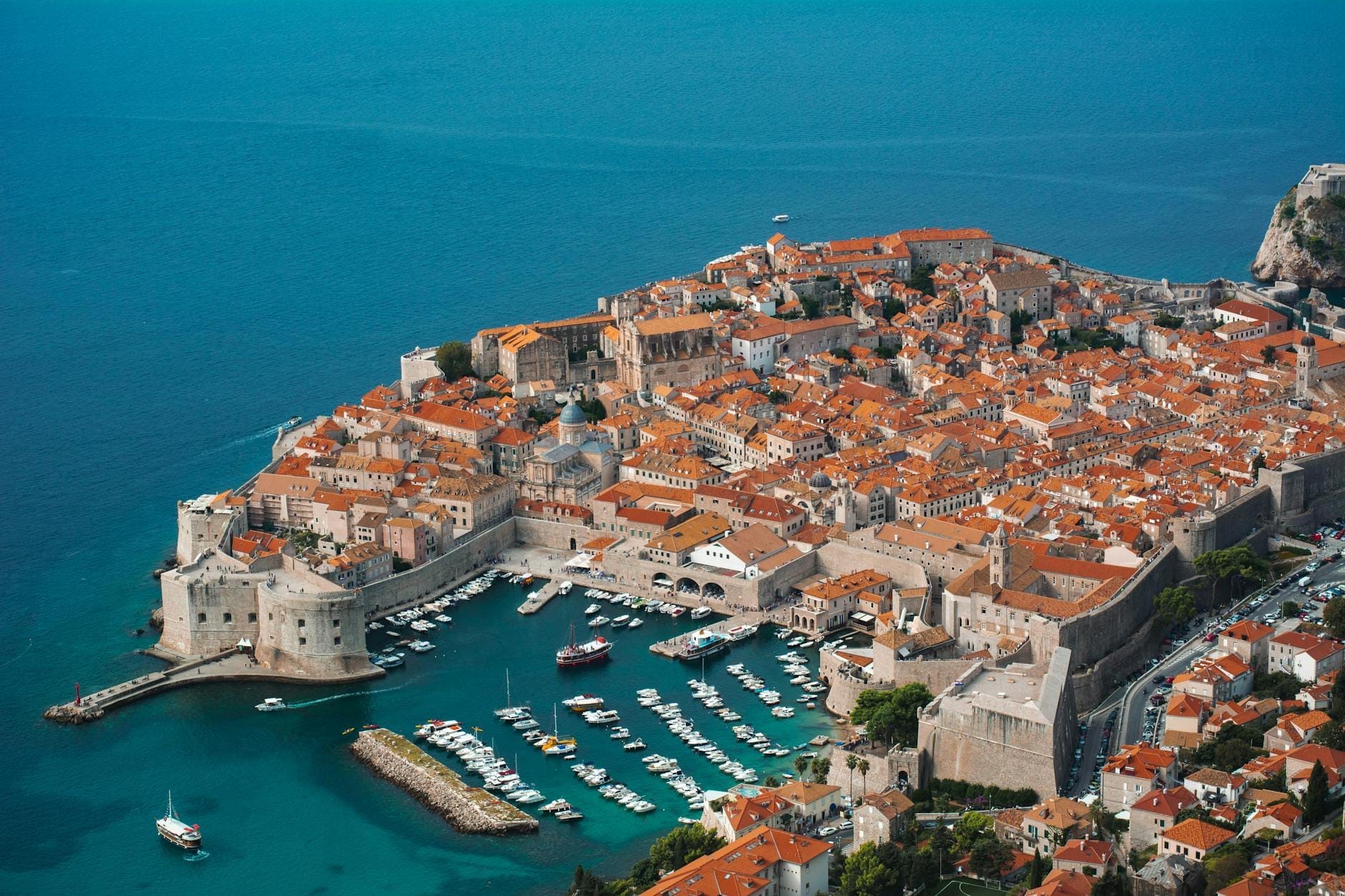
Dubrovnik sits on a rocky promontory jutting into the Adriatic Sea in southern Croatia, roughly 20 km from Dubrovnik Airport (DBV). The city has no metro or rail — the Libertas public bus system connects the airport, the modern port district of Gruž, the hotel-heavy suburb of Lapad, and the Old Town. A bus from the airport takes 30-45 minutes and costs around €5-7. A taxi or rideshare runs €25-40 depending on traffic and negotiation skills.
The currency is the Euro (Croatia adopted it in 2023). English is widely spoken in tourist areas. Tap water is safe to drink throughout the Old Town. If you're planning to see multiple paid attractions, look hard at the Dubrovnik City Pass, which bundles the City Walls, Rector's Palace, Franciscan Monastery, public transport, and several other sites. Whether it saves you money depends on how many museums you actually plan to enter — do the math before buying.
⚠️ What to skip
Dubrovnik receives an outsized number of cruise ship visitors between June and August. On peak days, thousands of day-trippers pour through Pile Gate between 10am and 4pm. If that's when you're visiting, plan your major sights for early morning or after 5pm when ships have departed and the light is better anyway.
Day 1: The Old Town on Foot
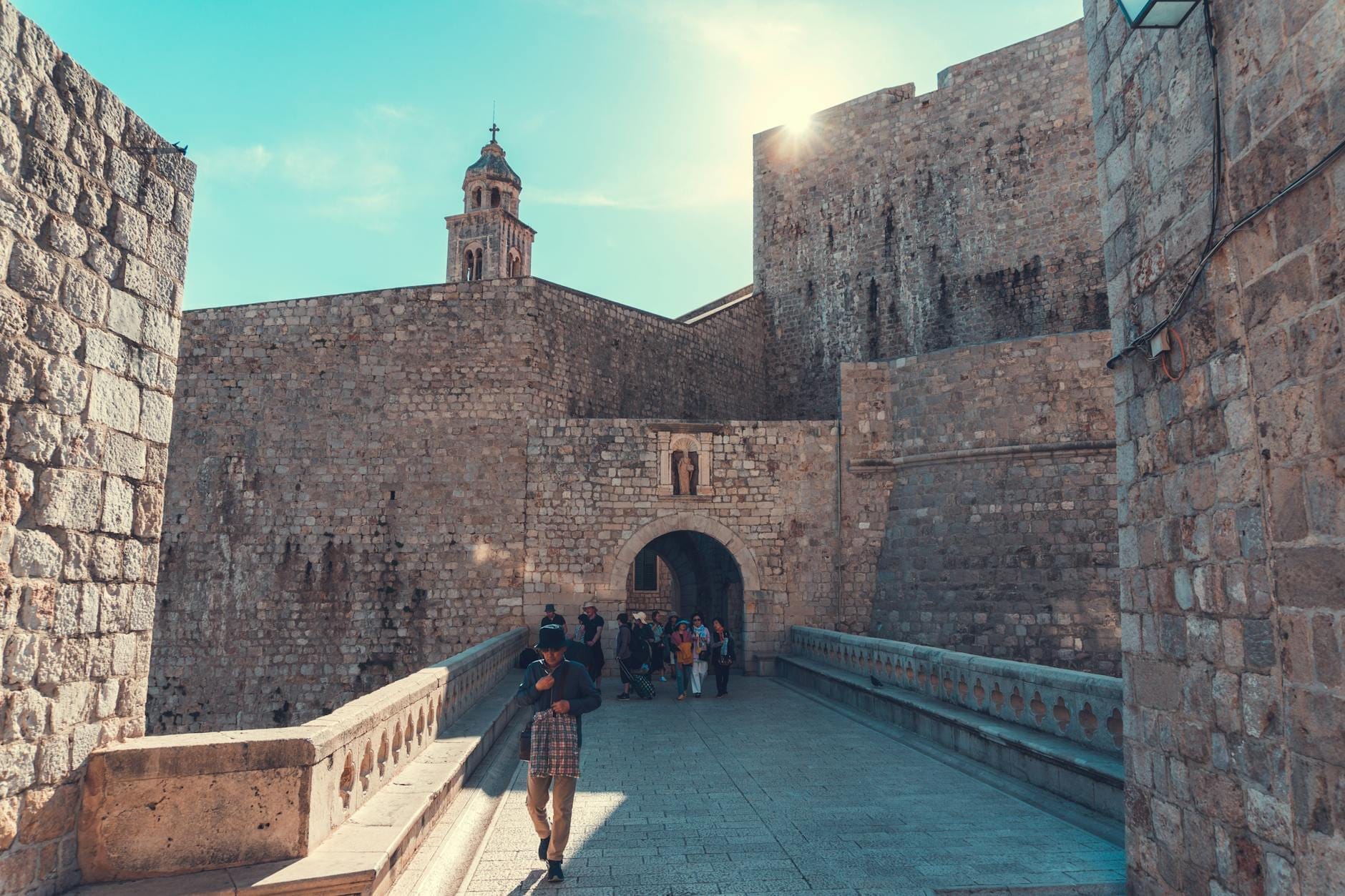
Start at Pile Gate, the main western entrance to the Old Town, ideally before 9am. The walk along the Stradun — the wide limestone-paved main street — is far more pleasant without crowds. The Stradun connects Pile Gate to Ploče Gate on the eastern side, running roughly 300 metres straight through the city's heart.
On the way down the Stradun, stop at the Large Fountain of Onofrio (a 15th-century water supply system still functioning today) and duck into the Franciscan Monastery, which houses one of Europe's oldest continually operating pharmacies — in business since 1317. The monastery cloister is genuinely worth the entrance fee; the pharmacy sells its own skincare products if you want something more interesting than a fridge magnet.
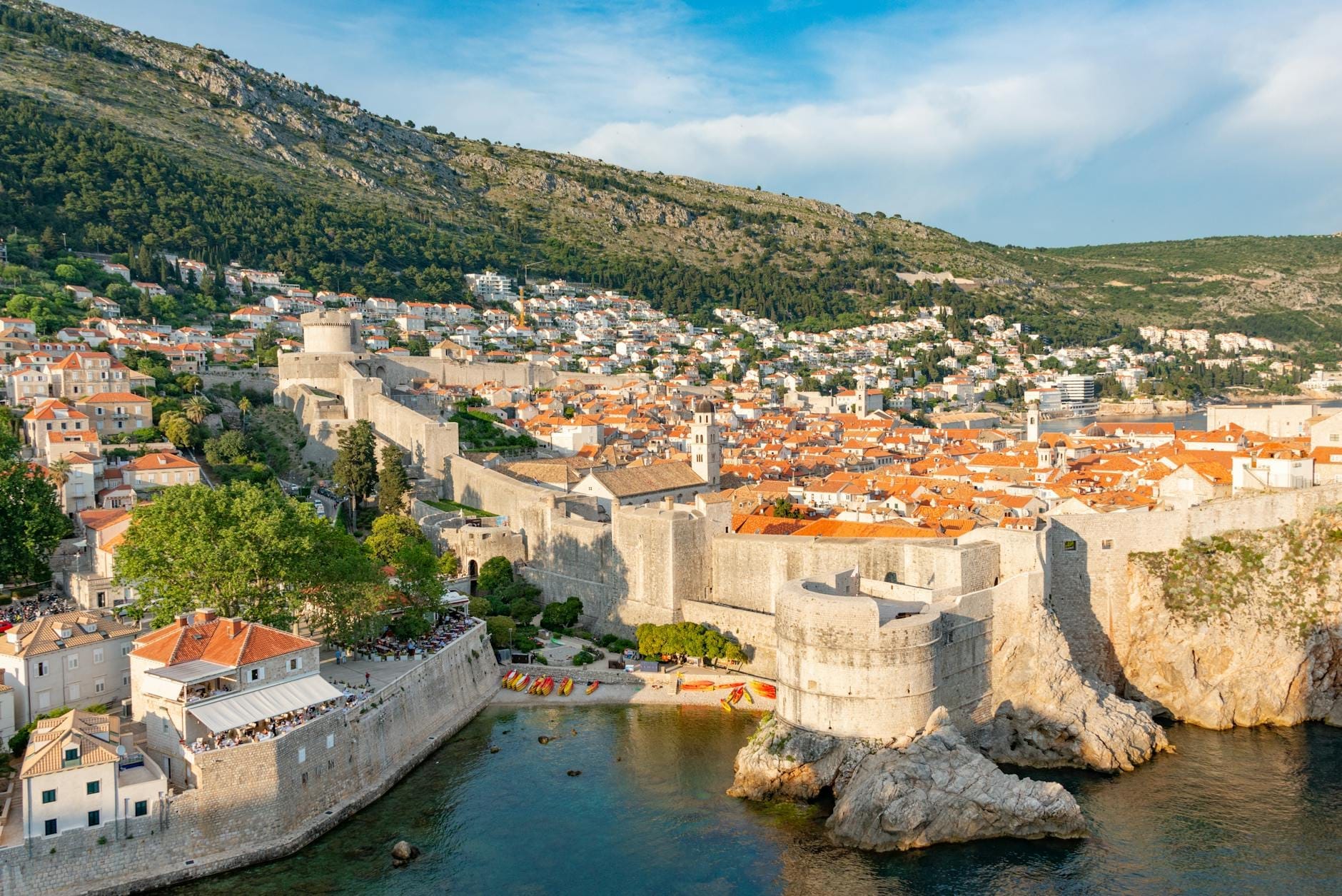
Afternoon is the right time for the City Walls walk. The circuit runs approximately 2 km and takes 1.5 to 2 hours at a relaxed pace. Go counterclockwise from Pile Gate — you'll hit the seaward side first with the best views, before the worst of the afternoon heat and crowds build up on the landward stretch. There is almost no shade on the walls; bring water and sun protection regardless of season. The adult ticket is around €40 and grants single entry, so plan your stops accordingly.
💡 Local tip
The views from the walls over the Old Town rooftops and the Adriatic are genuinely spectacular, but the photographic sweet spots are on the seaward (southern) section and from the Minceta Tower in the northwest. If you're visiting for photography, late afternoon light hits the old terracotta rooftops beautifully.
End Day 1 with a drink at Buža Bar, a cliff-side bar built into the southern wall of the Old Town. Access is through a hole in the city wall (literally — 'buža' means hole in Croatian). There are two Buža bars adjacent to each other; both offer cold drinks and sea views. It's not cheap and the bar food is forgettable, but the late-afternoon atmosphere is one of the better experiences in the city.
Day 2: Mount Srđ, Beaches, and the Deeper Old Town
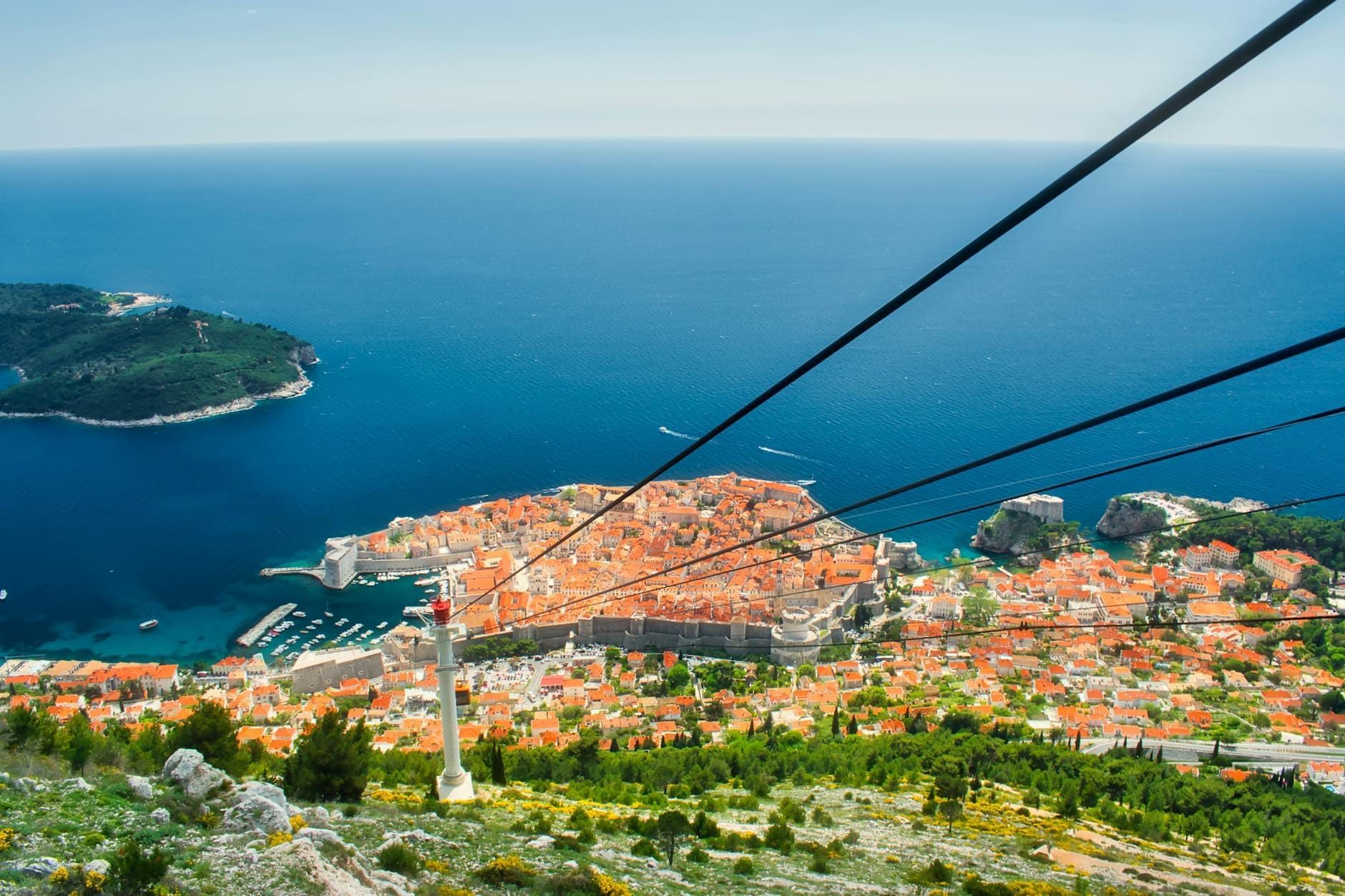
Take the Dubrovnik Cable Car up to Mount Srđ first thing in the morning. The ride takes about four minutes and drops you at 405 metres above sea level, where the views over the Old Town, the islands, and the Croatian coastline are comprehensive. At the top, Fort Imperial houses a museum dedicated to the 1991-1992 Siege of Dubrovnik — an often-overlooked exhibit that provides essential context for understanding the city's modern history.
Back in the Old Town, the afternoon is for the monuments the crowds typically rush past. The Rector's Palace, once the seat of the Ragusan Republic's government, is a well-preserved Gothic-Renaissance building with a fine courtyard. The Dominican Monastery on the eastern side of the Old Town holds a notable art collection in relative quiet — far fewer visitors than the Franciscan counterpart on the Stradun.
For beaches, Banje Beach is the closest to the Old Town (a 10-minute walk from Ploče Gate) and has a mix of public and private sections. It's popular and gets crowded by midday in summer. If you're staying in Lapad, the beaches there are quieter and better suited to a relaxed afternoon swim. Neither Dubrovnik beach option is a classic sandy affair — these are pebble and concrete platform beaches typical of the Dalmatian coast.
- Rector's Palace Gothic-Renaissance palace and museum; one of the finest civic buildings in Dalmatia. More interesting than it looks from outside.
- Dominican Monastery Fine 14th-century Gothic cloister with a small but quality collection of Renaissance paintings. Quieter than the Franciscan Monastery.
- Fort Lovrijenac The standalone fortress just west of Pile Gate offers a separate ticket and panoramic views back over the city walls. A frequent Game of Thrones filming location.
- Dubrovnik Synagogue One of the oldest Sephardic synagogues in Europe, tucked up a narrow lane in the Old Town. The attached museum is small but historically significant.
- War Photo Limited A serious photojournalism gallery with rotating exhibitions on conflict worldwide. Not for everyone, but one of the most thoughtful cultural spaces in the city.
Day 3: Island Day Trip or Coastal Exploration
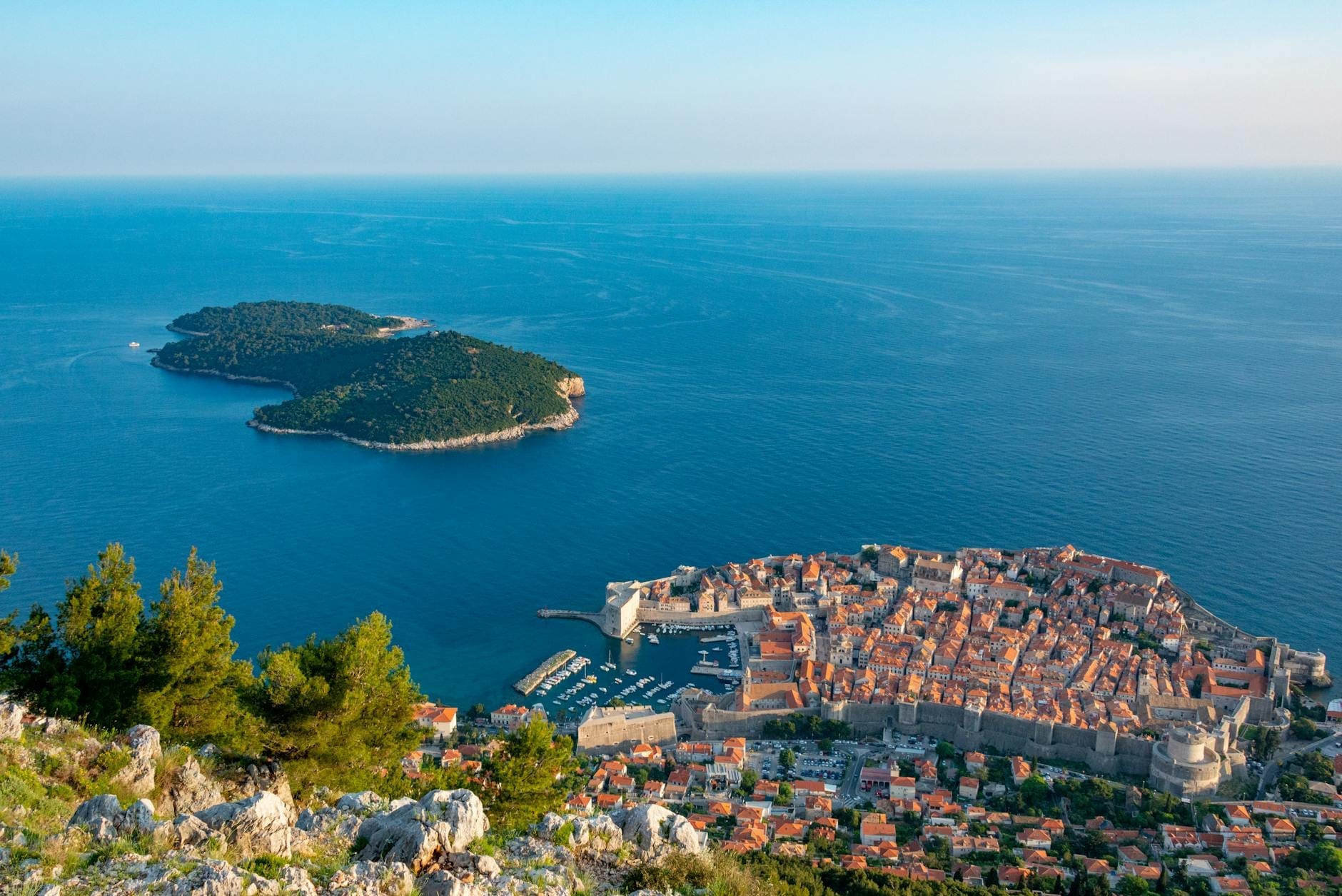
Day 3 is where the Dubrovnik itinerary opens up. The two most popular options are Lokrum Island and the Elaphiti Islands. Lokrum is 15 minutes by ferry from the Old Town's port and is car-free, forested, and owned by a nature reserve. The island has a botanical garden, a Benedictine monastery ruin, a saltwater lake (the Dead Sea Lake, ideal for swimming), and hiking trails up to a small fort with good views. A day ticket covers the ferry and island entry. It's a solid half-day option if you want to return to Dubrovnik for the evening.
The Elaphiti Islands (Koločep, Lopud, and Šipan) require a full day. The most common approach is a boat tour that visits two or three islands with swimming stops. Lopud is walkable and has Šunj Beach on its far side — one of the few actual sandy beaches in the region. Šipan is the largest and least visited of the three. Organised boat tours depart from Port Gruž and typically run from around 9am to 6pm, costing roughly €50-80 per person depending on whether meals are included.
✨ Pro tip
If you want a day trip beyond the islands, Mostar in Bosnia and Herzegovina is around 2.5 hours by road and easily done as a long day excursion. The reconstructed Ottoman bridge (Stari Most) and the old bazaar are worth the trip. Organised day tours from Dubrovnik run frequently in season. Alternatively, the Trsteno Arboretum — a Renaissance garden 20 km up the coast — makes a quieter half-day option, particularly for anyone who has seen enough medieval architecture.
Practical Logistics: Getting Around and Staying on Budget
Navigating Dubrovnik without a plan can get expensive fast. The Old Town is entirely walkable and cars are prohibited inside the walls, but getting between the Old Town, Lapad, and Gruž relies on the Libertas bus system. Key routes connect Pile Gate with Lapad and Gruž. Single tickets are around €1.50-2 when bought from the driver; multi-day passes are cheaper if you're staying outside the Old Town. For a full breakdown of routes and timing, the getting around Dubrovnik guide covers everything in detail.
Accommodation inside the Old Town is expensive and loud at night — worth it if budget isn't a concern, but Lapad offers better value and direct bus connections. If you're watching costs, there are several ways to cut spending without cutting experience. The Dubrovnik budget guide covers free sights, cheap eating spots, and which paid attractions are actually worth the entry fee.
- Book City Walls tickets online or arrive before 8:30am to beat queues — the walls open at 8am
- Eat lunch away from the Stradun: side streets and restaurants one block off the main drag are noticeably cheaper
- Grocery shops inside the Old Town exist but are pricier than those in Lapad or Gruž — stock up on water and snacks before entering
- Tipping is not mandatory but rounding up or leaving 10% in restaurants is standard practice
- The Dubrovnik City Pass requires you to activate it on the first use, not purchase day — activate it strategically
- Ferry tickets to Lokrum sell out on summer peak days: buy them at the port booth early in the morning
When to Go: Honest Seasonal Advice
This matters more in Dubrovnik than almost anywhere else in Europe. Peak season (July and August) brings serious overcrowding, particularly on weekends and cruise ship days when the Old Town can feel physically difficult to move through. Temperatures regularly hit 32-35°C with high humidity. For most travellers, this is not the optimal time to walk 2 km of exposed limestone walls. For a fuller breakdown of what each month actually looks like on the ground, the best time to visit Dubrovnik guide includes crowd levels, weather data, and festival schedules.
May and early June offer warm weather (22-26°C), open beaches, and all attractions running at full schedule without the crushing July crowds. September and October are arguably the best months: the sea is still warm from summer, prices drop noticeably, and the light quality in the late afternoon is excellent for photography. November through March is quiet, cheaper, and genuinely pleasant for walking the Old Town — but some island ferries run reduced schedules and a few beach-oriented businesses close entirely.
ℹ️ Good to know
The Dubrovnik Summer Festival runs from mid-July to mid-August with theatre, music, and dance performances staged across Old Town venues including Fort Lovrijenac and the Rector's Palace courtyard. If you're visiting during this window, it's worth planning around — tickets for popular performances sell out weeks in advance.
FAQ
Is 3 days enough for Dubrovnik?
Three days is genuinely sufficient to cover the main highlights: the City Walls, the Old Town's key monuments, one day trip to the islands, and enough time for beaches and evening meals. If you want to add a longer excursion like Mostar or spend serious time hiking, four days gives more breathing room. Three days becomes tight if you spend half a day recovering from over-scheduling — build in some unstructured time.
What is the best order to do a 2-day Dubrovnik itinerary if I only have two days?
With two days, prioritise the City Walls and Old Town core on Day 1 (morning walls walk, afternoon monuments, early-evening drinks at Buža Bar), and a half-day Lokrum Island trip plus the Cable Car on Day 2. Skip War Photo Limited and the smaller museums on a short visit — the walls and the island provide the most distinctive Dubrovnik experience.
How much does a 3-day trip to Dubrovnik cost?
Budget roughly €40 for City Walls entry, €15-25 for the Cable Car return, €15-20 for a Lokrum day ticket, and €50-80 for an Elaphiti Islands boat tour. Add accommodation (€80-200 per night depending on location and season), meals (€15-30 per person per meal at a mid-range restaurant), and transport. A realistic mid-range budget for 3 days excluding flights is €400-600 per person.
Should I buy the Dubrovnik City Pass?
The City Pass makes financial sense if you plan to visit the City Walls, at least two or three museums, and use public transport multiple times. If you're only doing the walls and one other paid attraction, individual tickets often work out similar in cost. Check the current pass inclusions on the official tourist board website before purchasing, as the bundle changes slightly year to year.
Where should I stay for a 3-day Dubrovnik itinerary?
Staying inside the Old Town is atmospheric but expensive, noisy at night, and requires hauling luggage up steep steps. Lapad is the practical choice for most travellers: quieter, better value, easy bus access to Pile Gate. Gruž works well if you're arriving or departing by ferry. Avoid booking anywhere that requires a long taxi ride to the Old Town unless you have a car.
Tickets & tours
Live prices and dates from our booking partner. If you book, we may earn a commission at no extra cost to you.
Planning a trip? Discover personalized activities with the Nomado app.