Getting Around Dubrovnik: The Complete Transport Guide
Dubrovnik's Old Town is car-free, hilly, and can swallow an afternoon if you don't know the bus routes. This guide covers every transport option in the city: Libertas buses, airport shuttles, taxis, the cable car, and the Dubrovnik Pass, with real fares and honest advice on what to skip.
Tickets & tours
Live prices and dates from our booking partner. If you book, we may earn a commission at no extra cost to you.
TL;DR
- Dubrovnik's Old Town is fully pedestrian. No unauthorized cars; scooters allowed. Your feet are your primary transport inside the walls.
- The Libertas bus network covers the whole city. Buy tickets at kiosks (€1.70) rather than onboard (€2) to save money.
- The Platanus airport shuttle costs around €10 and is far cheaper than a taxi. The Dubrovnik City Pass includes unlimited bus travel and is worth it if you plan to visit multiple attractions.
- Taxis are metered but surge heavily in peak summer. Uber operates in Dubrovnik and is often cheaper.
- In July and August, budget extra time for everything. Traffic between the airport and Old Town can stretch a 30-minute transfer to over an hour.
Understanding Dubrovnik's Layout Before You Navigate It
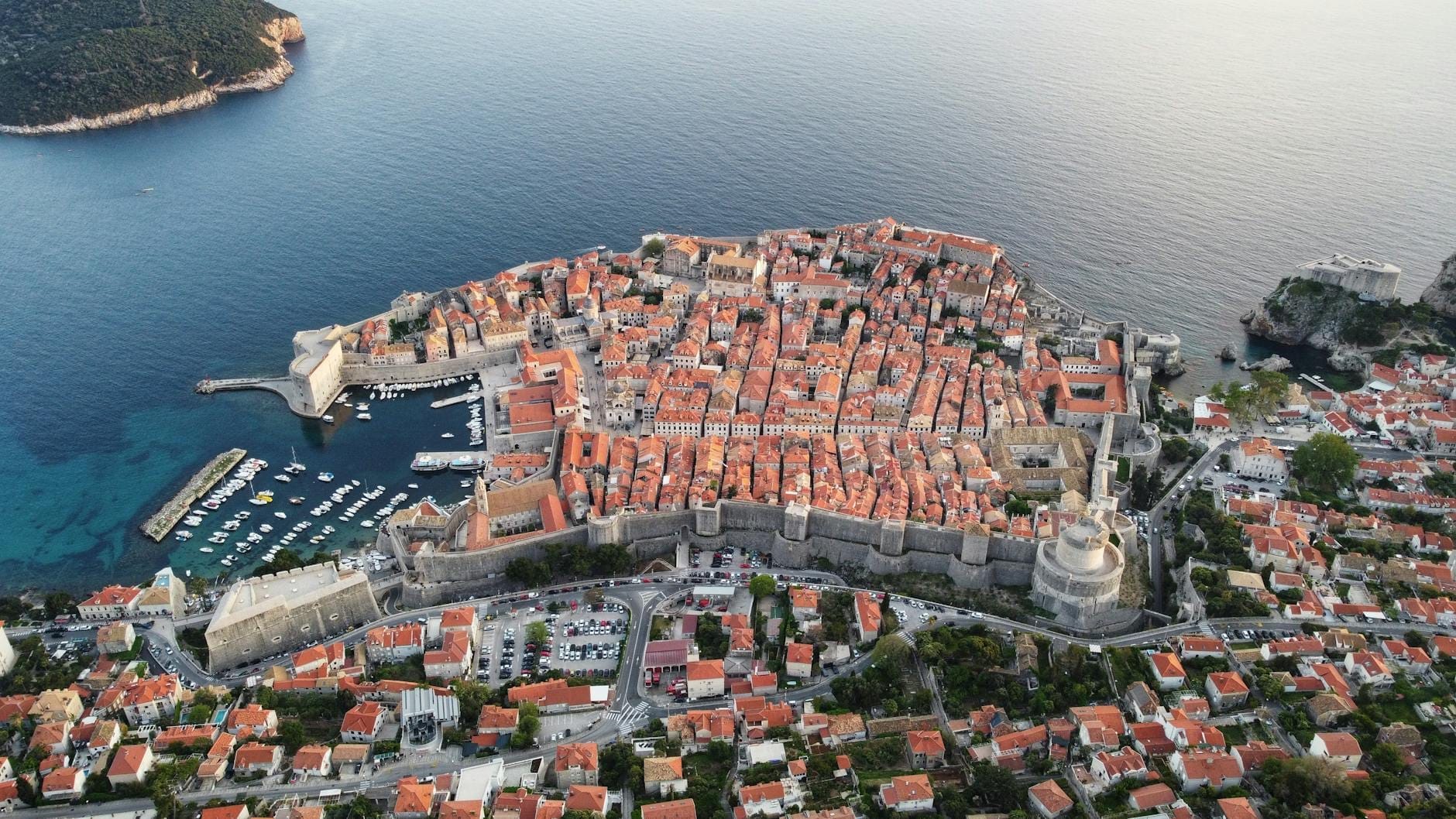
Dubrovnik is not a city you can navigate by instinct on your first day. The geography is unusual: a compact medieval core perched on a limestone promontory, ringed by walls, with steep hillsides above and the Adriatic below. The main neighborhoods you'll move between are Old Town (Stari Grad), the port district of Gruž, the beach suburb of Lapad, and the hilltop cable car station above the city.
Old Town has no motor traffic at all. Pile Gate on the western side and Ploče Gate on the east are the main pedestrian entrances. Buses stop just outside both gates but do not enter. If your accommodation is inside the walls, you will carry your luggage on foot, sometimes up steep marble staircases. Factor this in when booking.
⚠️ What to skip
Do not try to drive into the Old Town. It is fully pedestrian and physically impossible to enter by car. Many visitors waste time searching for a drop-off point that does not exist. Pile Gate is the closest vehicle drop-off on the western side.
Libertas Public Buses: The Smart Way to Get Around
Libertas runs 13 bus routes across Dubrovnik, and for most visitors this is all they need outside the Old Town. Routes converge at Pile Gate, making it the natural transit hub. The network reaches Lapad, Babin Kuk, Gruž harbour, and several beach areas. Service runs approximately 6am to midnight, with reduced frequency on weekends and public holidays.
- Routes 1A and 1B Connect Pile Gate to Gruž port, useful for ferry connections and the market.
- Route 3 Also serves Gruž via a slightly different path through the city.
- Route 6 The most useful for beach-goers: runs to Lapad and Babin Kuk every 15 minutes in summer.
- Route 8 Takes you to the lower cable car station, saving a long uphill walk.
Tickets cost €2 if you pay the driver onboard, but only €1.70 if you buy them in advance from kiosks, newsstands, or tobacco shops. The pre-purchased ticket gives you unlimited transfers within one hour. A 24-hour pass costs around €5.30 and is the right call if you are making three or more trips in a day. Drivers do not give change, so onboard payment requires exact coins.
💡 Local tip
Buy a strip of bus tickets from a newsstand near Pile Gate on your first morning. Paying €1.73 per journey instead of €2.50 adds up quickly over a week, and you will never be scrambling for exact change.
Getting from Dubrovnik Airport to the City

Dubrovnik Airport (IATA: DBV) sits about 22 kilometres from Old Town, near the village of Čilipi. Under normal conditions the transfer takes 30 to 45 minutes. In July and August, road congestion on the coastal highway can push this past an hour. If you have a ferry to catch or a check-in deadline, build in a buffer.
The Platanus shuttle bus is the most practical airport transfer for most travellers. It costs around €10 to Gruž bus station or Ploče Gate, departs timed to flight arrivals, and drops you close enough to the Old Town to walk or take a connecting bus. Taxis from the airport run €25 to €40 depending on the company, time of day, and whether there is a surcharge for luggage. Uber is available in Dubrovnik and is generally cheaper than a metered taxi for the airport run. Check the app before agreeing to a fixed-price taxi.
✨ Pro tip
The Platanus shuttle timetable is published on their website and is synced to most scheduled flight arrivals. If your flight is significantly delayed, check whether the shuttle still runs for your arrival time. In that case, Uber or a taxi becomes the fallback.
Taxis and Ride-Hailing in Dubrovnik
Licensed taxis in Dubrovnik use meters, but the starting rates are higher than in most Croatian cities, and peak-season surcharges apply after 10pm and on Sundays. For short hops between Pile Gate and Gruž, a taxi will typically cost €8 to €15. For the airport, expect €25 to €40. Always confirm whether the driver will use the meter before you get in, or agree on a price upfront.
Uber operates in Dubrovnik and tends to offer slightly better price transparency than street taxis. It is particularly useful late at night when bus service has ended. That said, surge pricing during peak summer evenings can push Uber fares close to taxi rates. For longer transfers, compare both options before committing. If you are travelling as a group from the airport, splitting a taxi often works out cheaper than the shuttle. For solo travellers, the budget-friendly Platanus shuttle is hard to beat.
The Dubrovnik Cable Car: Transport and Attraction in One
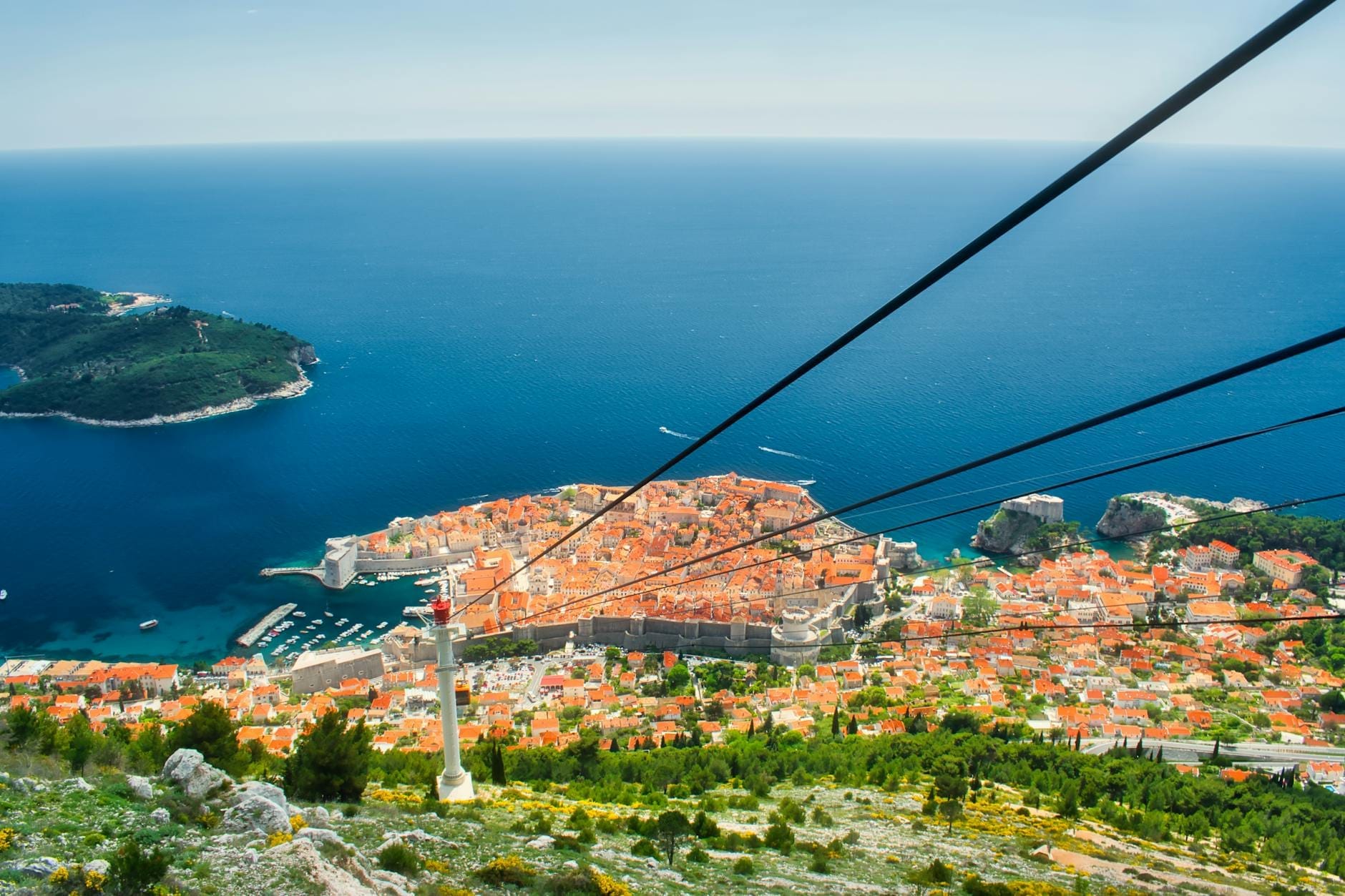
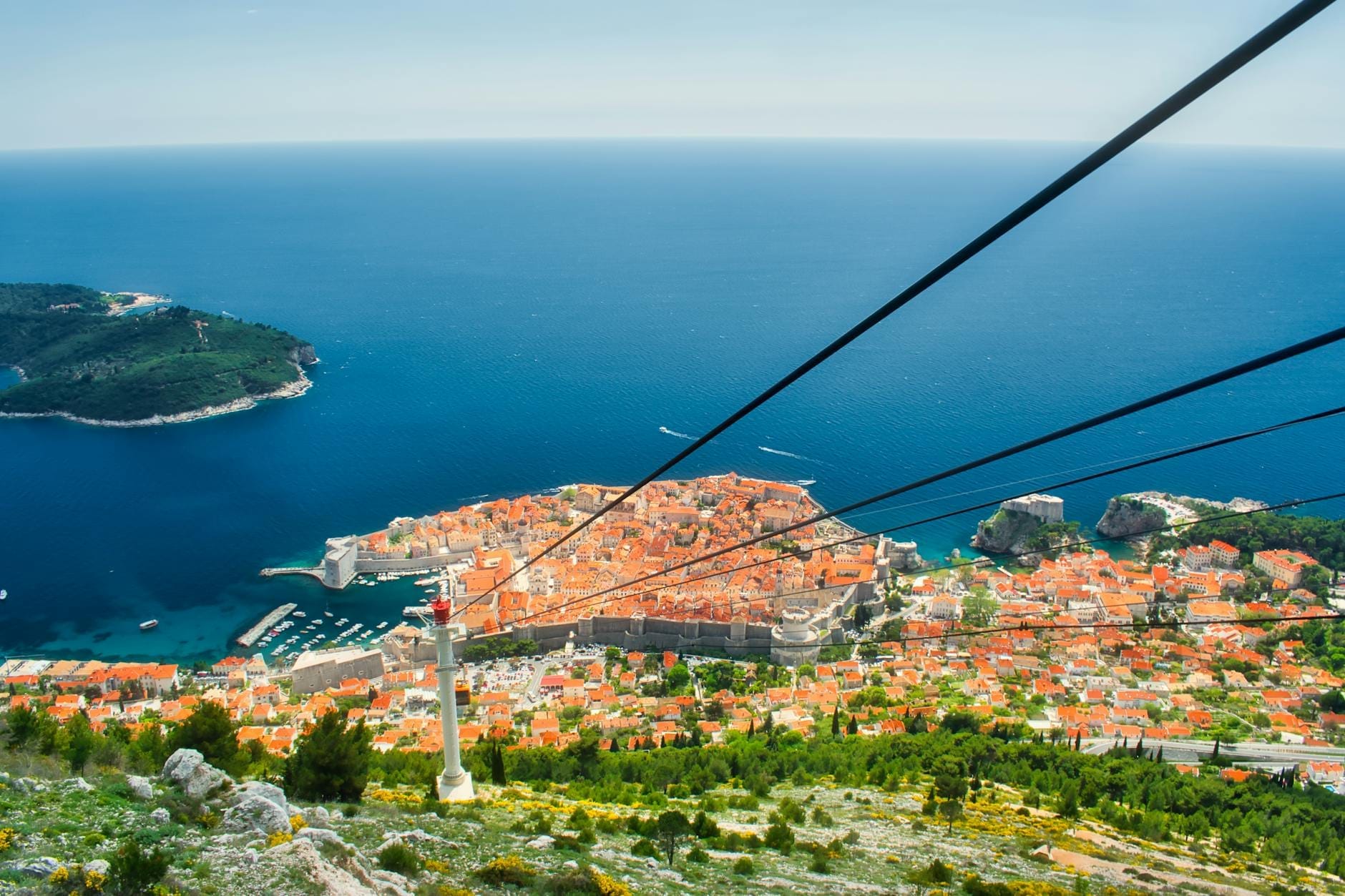
The Dubrovnik cable car runs from a station above the Old Town up to the summit of Mount Srđ at 412 metres above sea level. The ride takes about 3.5 to 4 minutes over 778 metres of track. From the top, you get a panoramic view over the city walls, the islands, and the Croatian coastline that justifies the ticket price on its own. At the summit there is a restaurant, a terrace, and access to Fort Imperial, the Napoleonic fortress that houses a museum about the 1991-1992 Siege of Dubrovnik.
Cable car operations are seasonal, with shortest hours in shoulder months and potential closure in the deepest winter period. Ticket prices run around €15 to €20 return for adults. The lower station is served by bus route 8 from Pile Gate, which saves you a steep uphill walk. Alternatively, the city walls walk ends close to the cable car lower station if you want to chain both activities. If you prefer to hike, the Mount Srđ hike follows a marked trail up the hill and takes around 45 minutes to an hour.
Ferries, Day Trips, and Getting Beyond the City
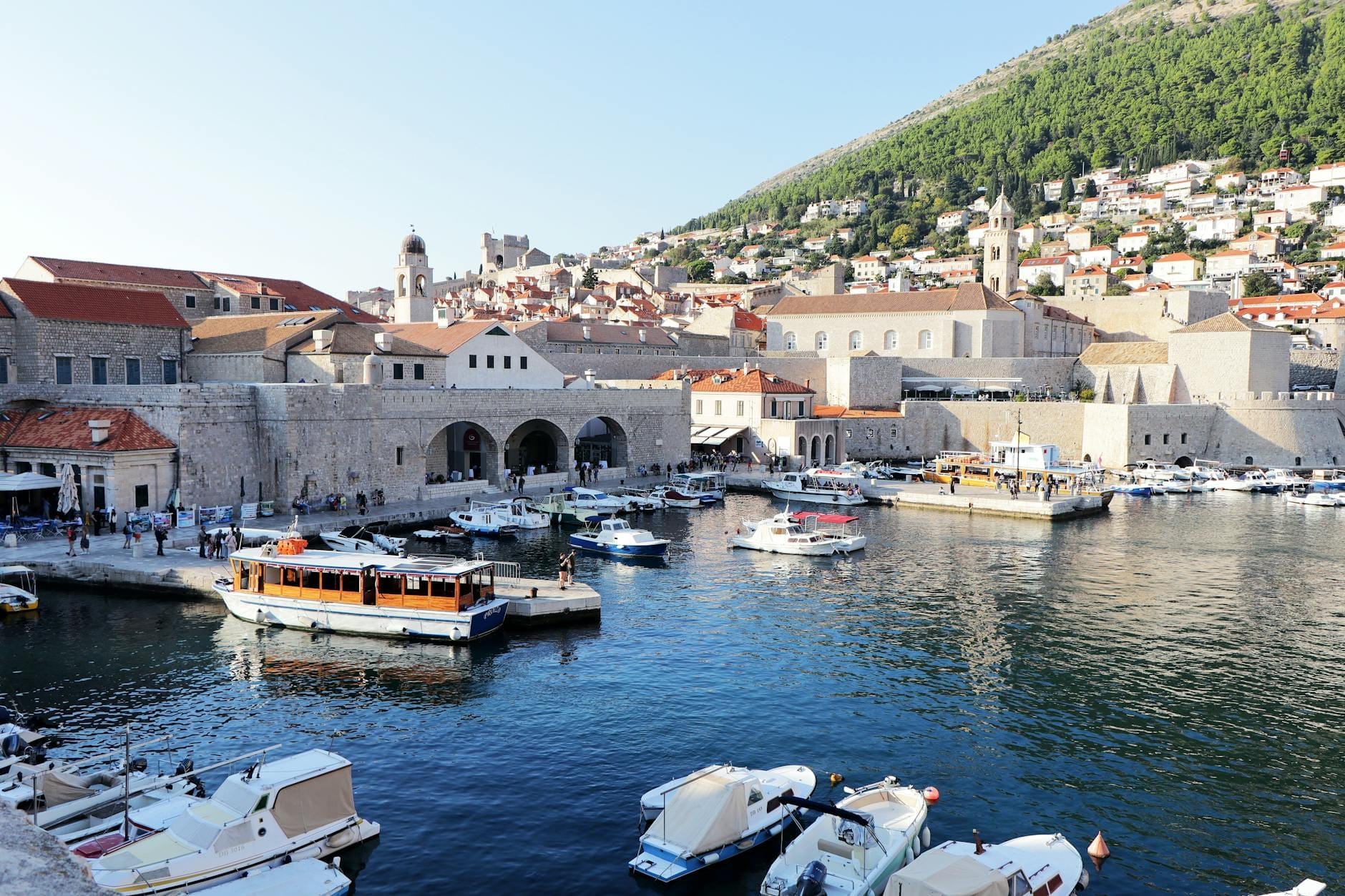
Dubrovnik's ferry port at Gruž connects the city to the islands and to the broader Adriatic ferry network. The most popular boat trips from Gruž include the Elaphiti Islands and the short crossing to Lokrum Island, which departs from the Old Port just outside the city walls rather than from Gruž. Lokrum boats run roughly every 30 to 60 minutes in summer and cost around €15 to €20 return.
For longer day trips, the ferry terminal at Gruž handles services to Split, Hvar, Korčula, and international routes to Bari in Italy. Buses 1A, 1B, and 3 connect Pile Gate to Gruž port in around 15 minutes. Check Jadrolinija's timetable in advance during summer, as sailings fill up and foot-passenger queues at the terminal can be long. For reaching Split overland, the coastal highway journey takes around four to five hours by bus.
The Dubrovnik City Pass: Is the Transport Bundle Worth It?
The Dubrovnik City Pass comes in one-day, three-day, and seven-day versions. All versions include unlimited rides on the Libertas bus network and entry or discounts for several attractions including the city walls, Rector's Palace, and various museums. Cable car inclusion depends on the specific package and current offers, so verify before purchase.
The maths on whether the pass saves you money depends on your itinerary. For a single day, the pass is marginal unless you plan to visit the walls, the cable car, and use the bus several times. Over three days, it almost always pays off for active sightseers. The seven-day pass is genuinely good value for visitors spending a full week and planning to visit multiple museums. It does not cover the Lokrum ferry, which is operated separately.
- Buy the City Pass before you arrive if possible, to avoid queues at the city walls ticket office
- Confirm which attractions are included in your specific pass version, as inclusions occasionally change
- The bus benefit is only valuable if you are staying outside the Old Town walls, for example in Lapad or Gruž
- The pass does not include the Platanus airport shuttle or inter-island ferries
ℹ️ Good to know
Dubrovnik switched from the Croatian Kuna to the Euro in January 2023. All fares and prices throughout this guide are in EUR. Card payments are widely accepted on the Libertas network and at major transport hubs, but carrying a small amount of cash is useful for kiosk tickets and smaller transactions.
Practical Transport Tips by Season
Timing your visit affects transport significantly. June and September are the sweet spot: warm enough to swim, short enough queues that buses run on schedule and the cable car does not have a 30-minute wait. If you are visiting in peak July or August, read the best time to visit Dubrovnik guide before finalising dates.
- May to June Buses are uncrowded, the cable car operates without queues, and the airport transfer is straightforward. Ideal for stress-free transport.
- July to August Expect congestion on all routes. Add 30 minutes to any transfer estimate near the airport. The cable car can have queues of 45 minutes or more at peak hours. Go early.
- September to October Crowds ease noticeably by mid-September. Bus frequency stays high while passenger loads drop. The cable car closes for the season in late October or November.
- November to March The cable car is closed. Bus frequency drops, especially on weekends. Fewer tourists means more comfortable travel, but some routes run only every 30 to 60 minutes.
FAQ
Is there a metro or tram in Dubrovnik?
No. Dubrovnik has no metro, tram, or rail system. The city is served entirely by the Libertas bus network, taxis, and ride-hailing apps. Inside the Old Town, walking is the only option.
How do I get from Dubrovnik Airport to Old Town?
The Platanus airport shuttle is the cheapest option at around €10, dropping you at Gruž bus station or Ploče Gate. Taxis cost €25 to €40. Uber is also available and is often slightly cheaper than a metered taxi. Journey time is 30 to 45 minutes outside peak summer traffic.
Can I use a credit card on Dubrovnik buses?
Card payment availability on Libertas buses varies by route and vehicle. To be safe, buy tickets in advance from kiosks or newsstands using cash or card. Pre-purchased tickets also cost less than paying the driver onboard.
Is it worth renting a car in Dubrovnik?
For most visitors, no. Old Town is car-free, parking is scarce and expensive in the surrounding areas, and the bus network covers the main destinations efficiently. A car becomes useful if you are planning day trips to places like Mostar, the Pelješac Peninsula, or the Neretva Delta that are not well served by public transport.
How do I get to Lokrum Island from Dubrovnik?
Lokrum ferries depart from the Old Port inside the city walls, not from Gruž. The return ticket costs around €15 to €20, and boats run roughly every 30 to 60 minutes in summer. The island is closed to overnight visitors; the last ferry back departs in the early evening.
Tickets & tours
Live prices and dates from our booking partner. If you book, we may earn a commission at no extra cost to you.
Planning a trip? Discover personalized activities with the Nomado app.