Dubrovnik Cable Car: Everything You Need to Know
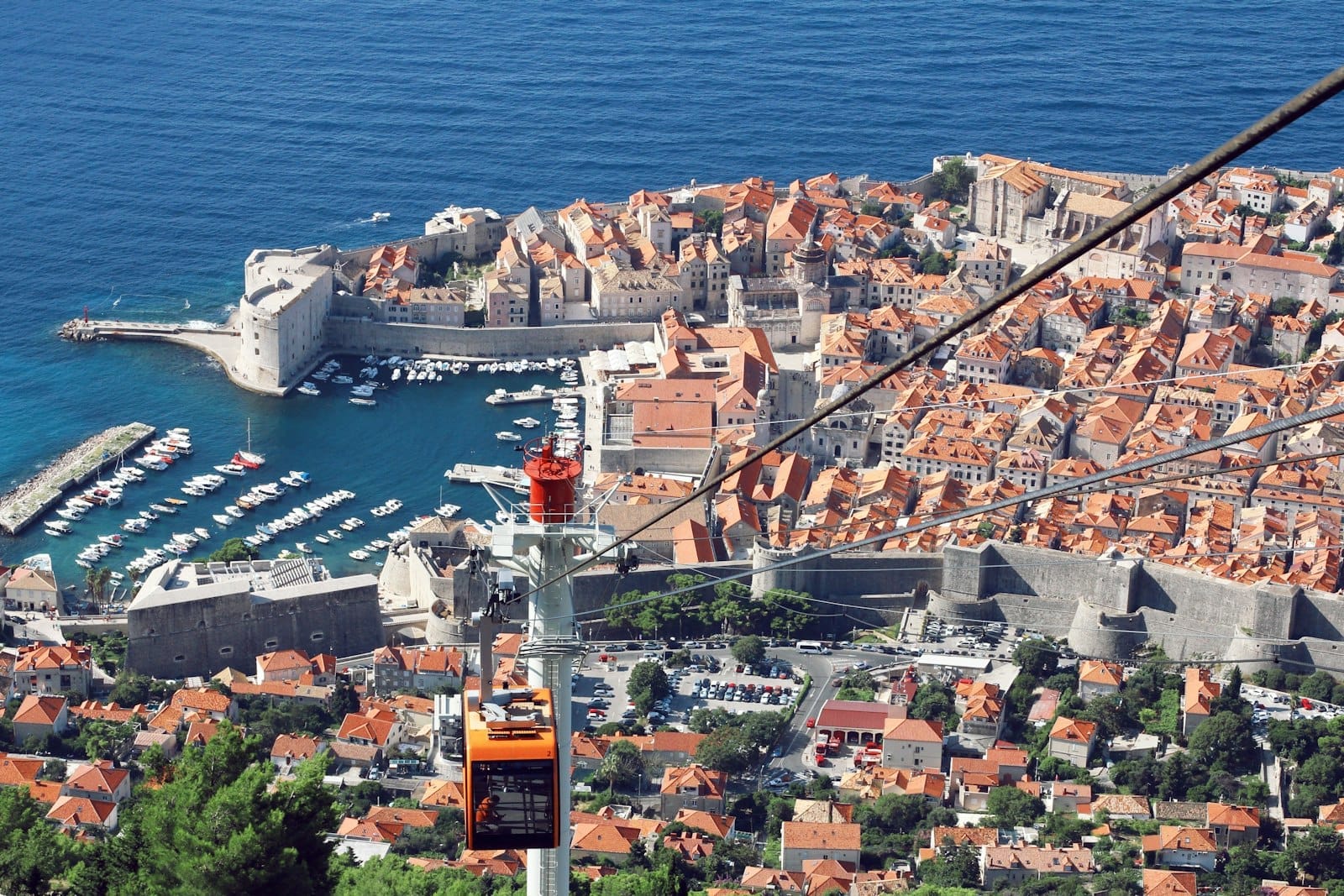
The Dubrovnik Cable Car is the fastest way to reach Mount Srđ and its 412-metre panorama above the Old Town. This guide covers tickets, seasonal hours, crowd patterns, what to expect at the summit, and honest advice on whether it's worth the fare.
Tickets & tours
Live prices and dates from our booking partner. If you book, we may earn a commission at no extra cost to you.
TL;DR
- The cable car runs from near Pile Gate to the summit of Mount Srđ (412m above sea level) in just 3.5 minutes, covering 778 metres of track.
- Adult round-trip tickets cost around €15–20; book online to skip queues, especially in summer. The Dubrovnik Cable Car is closed in January and February.
- Go at sunset or just after dark in summer for the best views and thinner crowds compared to midday.
- At the top, combine the ride with a walk to Fort Imperial and its Siege of Dubrovnik museum.
- Strong winds can close the cable car without warning — always have a backup plan if you're visiting in shoulder season.
A Brief History of the Cable Car
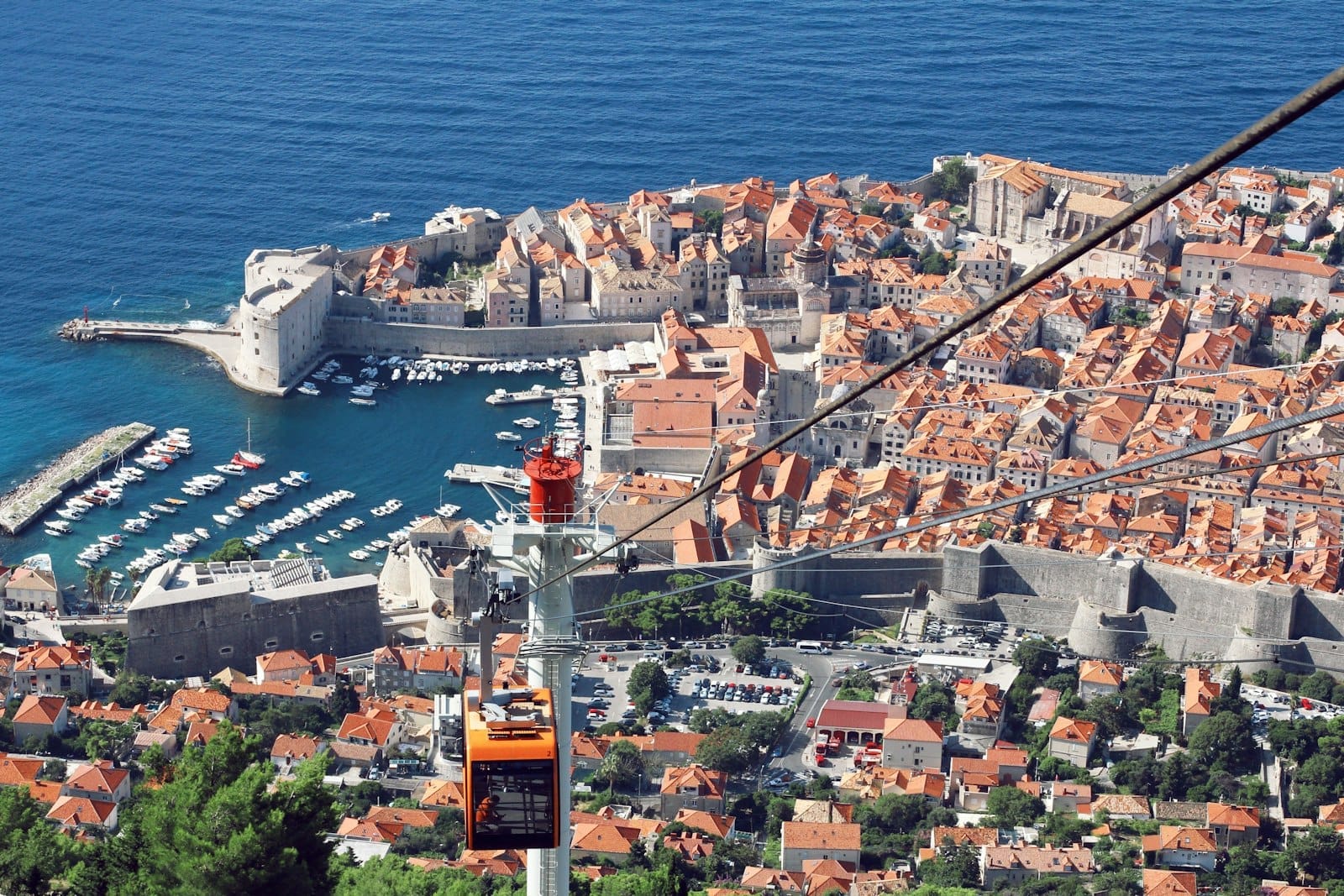
Dubrovnik's cable car has a more dramatic backstory than most. When it first opened in 1969, it was the only cable car on the Adriatic coast, carrying 15 passengers per cabin up to Mount Srđ. It became a fixture of the city for over two decades until 1991, when it was destroyed during the Croatian War of Independence. For nearly 20 years, the hilltop was accessible only by road or on foot. The rebuilt system opened in 2010 with modern cabins, upgraded engineering, and double the original passenger capacity. Far from being a replacement consolation prize, the current cable car is significantly superior to what existed before.
The technical upgrade is worth noting: each cabin now holds 32 passengers (up from 30), weighs 3,100kg empty and up to 5,500kg loaded, and travels at 6.5 metres per second. The journey takes 3.5 minutes. These aren't just trivia points — they explain why the cable car can handle the volume of summer visitors without constant hour-long waits, as long as you time your visit sensibly.
Tickets, Prices, and Where to Buy
Adult round-trip tickets are approximately €26–27; children aged 4–12 pay around €7 for a round-trip or €4 for a one-way. Children under 4 ride free. One-way tickets for adults are also available if you plan to hike down (see the section on the summit below). Prices are paid in euros — Croatia adopted the euro in January 2023, so there is no need to carry Croatian kuna.
⚠️ What to skip
Prices and hours change seasonally and are not always updated in third-party guides. Always check the official website at dubrovnikcablecar.com before your visit to confirm current fares and operating times.
- On-site at the lower station Located on Petra Krešimira IV, a short walk uphill from Pile Gate. Accepts euros and credit cards. Queues can be 30–45 minutes long in July and August during peak hours.
- Online via the official website Strongly recommended in summer. You still need to arrive at a set time, but you bypass the ticketing queue entirely. Print your ticket or have it ready on your phone.
- Dubrovnik City Pass The cable car is not automatically included in the standard City Pass, but bundled deals exist. Check the current pass inclusions before assuming it's covered.
✨ Pro tip
If you plan to visit both the cable car and the City Walls in the same day, buy your Dubrovnik City Pass in advance and cross-check what's included. The savings can be significant in peak season when both attractions charge full price.
Opening Hours and Seasonal Schedule
The cable car does not operate year-round. The cable car is typically closed in January–March. From March onward, hours expand progressively as the season builds, reaching their maximum in summer when the car runs until midnight. This extended evening operation in June through September is one of the best-kept practical secrets about the attraction — night rides with the illuminated Old Town below are genuinely spectacular and far less crowded than the midday rush.
- January–March: Closed
- April and November: Approximately 9AM–5PM
- April: Approximately 9AM–9PM
- May and October: Approximately 9AM–8PM (verify, as October hours can vary)
- June–September: Approximately 9AM–midnight
💡 Local tip
Strong winds (the regional bura wind is common in winter and spring) can force temporary closures without notice. If you're visiting in March, April, or November, have a backup activity planned. In summer, closures are rare but still possible during afternoon storms.
For shoulder-season travelers wondering when to visit Dubrovnik, the cable car's operating window is a useful proxy for overall season readiness. When the car runs late into the evening, the rest of the city is fully open too.
Getting to the Lower Station
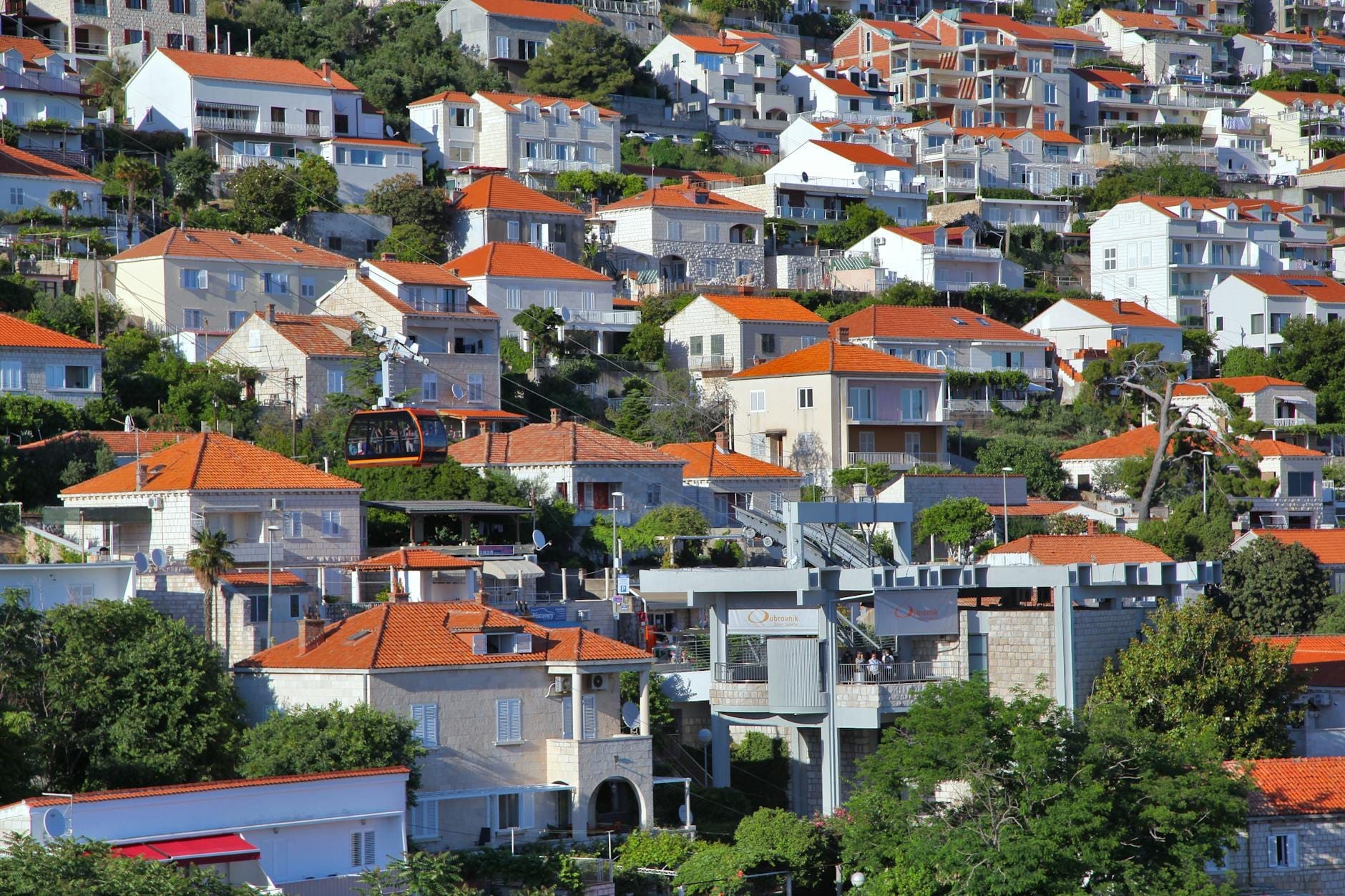
The lower cable car station sits above the Old Town, on the street Petra Krešimira IV. On foot from Pile Gate, it's a steady uphill walk of around 10 minutes. It's manageable but warm in summer. From the Stradun, add another 5 minutes.
Cruise passengers arriving at Gruž Harbour face a longer journey: the harbour is roughly 4.5km from the cable car station. Take bus number 8 toward Pile Gate, then walk up to the station. A taxi from Gruž to the cable car area costs around €10–15 depending on traffic. Factor this into your schedule if you're on a tight port window.
There is no dedicated parking at the lower station. If you're traveling with a rental car — and Dubrovnik car rental can be useful for day trips to places like Kravica Waterfalls or the Pelješac Peninsula — park at Parking Gruz or Parking Ilijina Glavica and take the bus or walk in.
What to Do at the Top: Mount Srđ
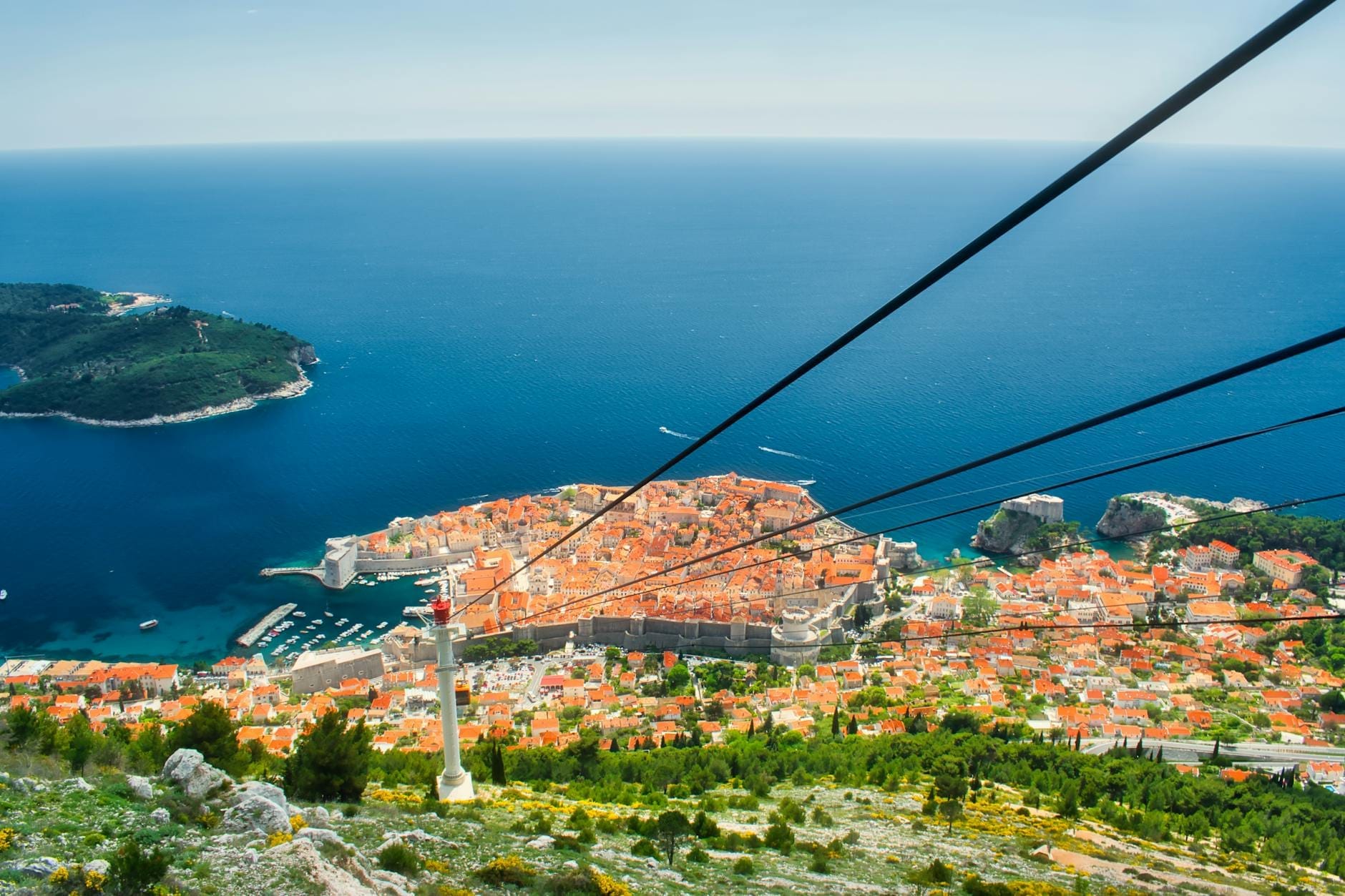
The upper station sits at 405 metres above sea level on Mount Srđ. On a clear day, the view extends roughly 60km: the Old Town walls below, Lokrum Island directly offshore, the Elaphiti Islands to the northwest, and the Adriatic stretching south toward Montenegro. In terms of sheer photographic payoff per minute invested, few spots in Croatia compete with this.
The summit isn't just a viewpoint. Fort Imperial, a Napoleonic-era fortress built in 1806, sits at the top and houses the Museum of the Homeland War, documenting the 1991–1992 Siege of Dubrovnik. It's a sobering and worthwhile 30–45 minutes. Entry fees are modest — verify current pricing on-site. The museum context makes the hilltop experience substantially richer than just a viewpoint stop.
There is a restaurant and bar at the top, with predictably tourist-oriented pricing. Coffee and a drink with that view are reasonable enough; a full meal is overpriced relative to what you'd pay in the Old Town. The terrace seating is excellent for sunset drinks if you time it right.
Hikers can descend on foot back to the city via a marked trail rather than taking the cable car down. The descent takes around 45–60 minutes and ends near Pile Gate. It's rocky underfoot and requires proper footwear — sandals are not a good idea. If you go one-way up by cable car and hike down, buy a single ticket. Note that the Mount Srđ hike can also be done in reverse: walk up and take the cable car down.
Best Time to Ride: Crowds, Light, and Logistics
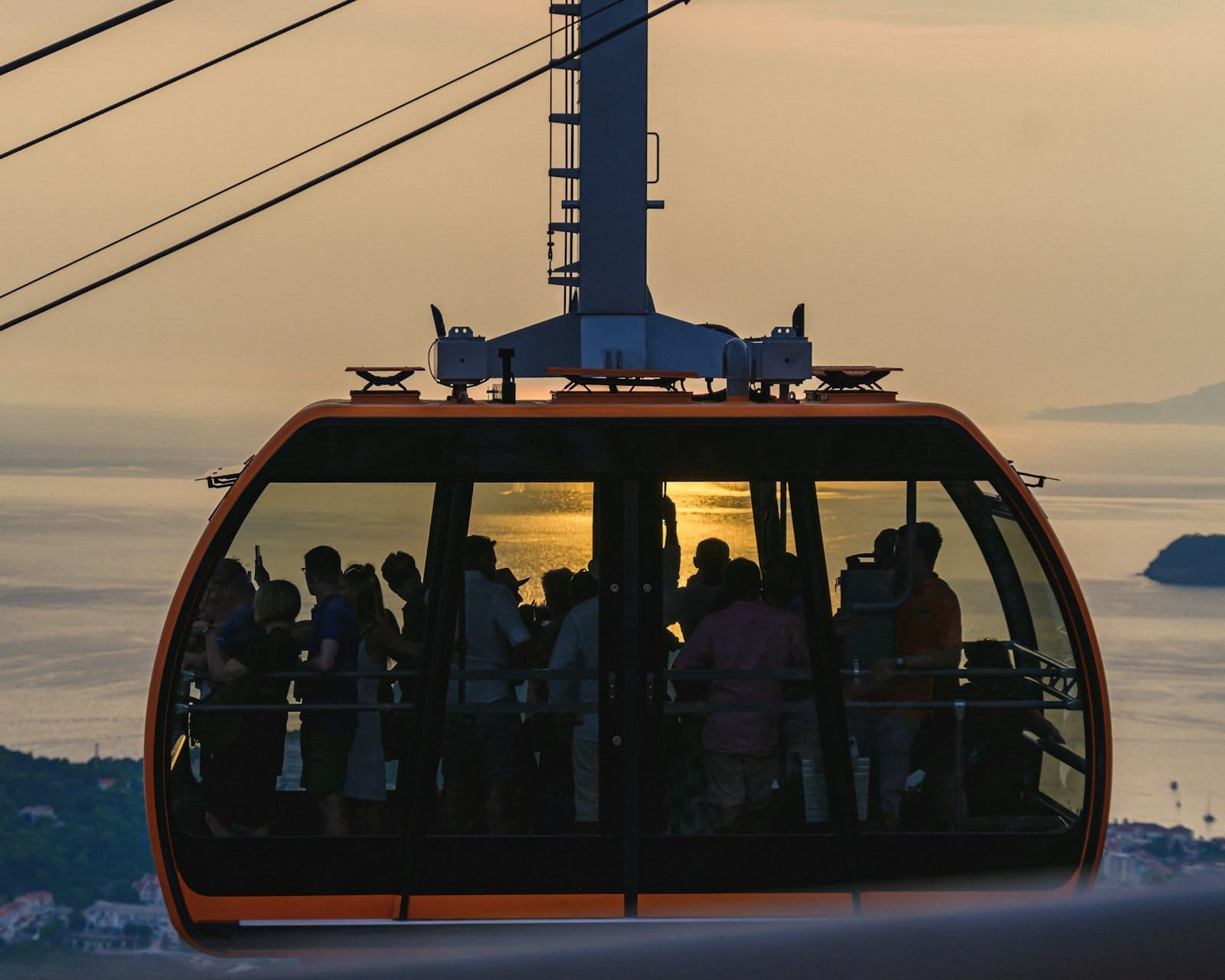
July and August see the heaviest queues, typically between 10AM and 4PM. This is when cruise ships are docked, tour groups are in full flow, and waiting times at the lower station can stretch to 45 minutes or more. The fix is simple: go early (the 9AM opening is quiet), or go late in the evening when summer hours extend to midnight.
For photography, the optimal light for shooting downward toward the Dubrovnik city walls is late afternoon, roughly 4–6PM in summer. The sun moves to the west, illuminating the terracotta rooftops and the Adriatic from a flattering angle. Sunrise from the summit is also extraordinary but requires either very early cable car access (check hours) or hiking up in the dark. See our Dubrovnik photography guide for more vantage points and timing advice.
May, June, September, and October offer the best balance overall: cable car running on extended hours, far fewer visitors, and comfortable temperatures at the summit. In peak summer, the hilltop can actually be cooler than the Old Town streets below, which is a welcome bonus.
Is the Cable Car Worth It?
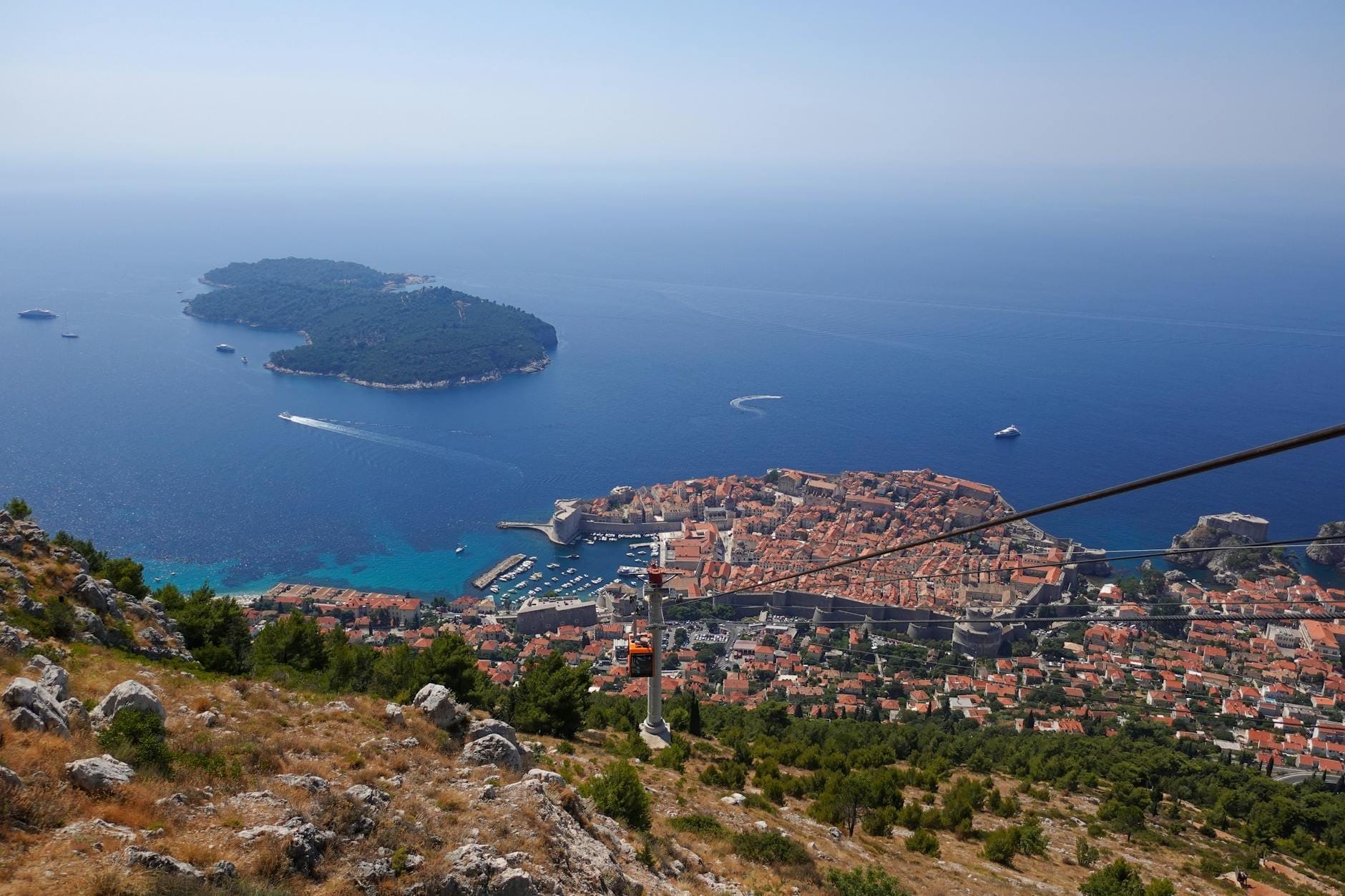
Honest answer: yes, for most visitors, but with caveats. The view from Mount Srđ is genuinely one of the best urban panoramas in the Mediterranean. If you're spending two or more days in Dubrovnik, it belongs on your itinerary alongside the City Walls and a boat trip to Lokrum Island. For visitors on a very tight budget, the Dubrovnik cable car tickets feel steep relative to some other European cities — but the 3.5-minute ride genuinely delivers.
Who might skip it: visitors with mobility issues who find the summit area too exposed and uneven, anyone with a fear of heights (the ride is smooth but the exposure is real), and budget travelers who have only one or two days and are prioritizing the walls and beaches. The hilltop hike is a free alternative that gives the same view for the cost of about an hour's effort.
FAQ
How much are Dubrovnik cable car tickets?
Adult round-trip tickets are approximately €26–27. Children aged 4–12 pay around €7 for a round-trip. Children under 4 ride free. One-way tickets are also available. Prices change seasonally, so confirm the current rate at dubrovnikcablecar.com before you visit.
How long does the Dubrovnik cable car take?
The ride covers 778 metres and takes 3.5 minutes each way, traveling at 6.5 metres per second. Plan to spend at least 1–2 hours at the summit to make the most of the views and Fort Imperial.
Is the Dubrovnik cable car open year-round?
No. The cable car is closed in January and February. It reopens in March with limited hours (around 9AM–5PM) and reaches maximum summer hours (9AM–midnight) from June through September. Strong winds can also cause temporary closures year-round.
Can you walk up to Mount Srđ instead of taking the cable car?
Yes. A marked hiking trail from near Pile Gate reaches the summit in roughly 60–90 minutes depending on fitness. The trail is rocky and exposed, so proper footwear is essential. Some visitors hike one way and take the cable car the other, buying a single ticket.
When is the best time to ride the Dubrovnik cable car to avoid crowds?
Early morning at opening (9AM) or evening (after 7PM in summer when hours extend to midnight) see the fewest visitors. Midday in July and August is the worst time, with queues potentially exceeding 30–45 minutes. Shoulder months of May, June, September, and October are significantly quieter throughout the day.
Tickets & tours
Live prices and dates from our booking partner. If you book, we may earn a commission at no extra cost to you.
Planning a trip? Discover personalized activities with the Nomado app.