Betina Cave Beach: Dubrovnik's Secret Sea Cave
Betina Cave Beach (Betina špilja) is a natural sea cave carved into the limestone cliffs east of Dubrovnik's Old Town, accessible only by water. Free to visit and genuinely uncrowded, it rewards kayakers and boat-trippers with turquoise water, dramatic rock walls, and a story tied to one of Dubrovnik's most brilliant Renaissance scientists.
Quick Facts
- Location
- Vlaha Bukovca Street, 500m east of Villa Sheherezada (Lapad/eastern coastline)
- Getting There
- Boat, kayak, or jet ski only — no land access. Kayak tours depart from Banje Beach and Old Town area.
- Time Needed
- 30–60 minutes at the cave; factor in transit by water (15–30 min each way)
- Cost
- Free entry. Kayak rental or guided tour costs vary — budget €30–60 for a guided sea kayaking excursion.
- Best for
- Kayakers, snorkelers, history enthusiasts, photographers seeking something beyond the main beaches
What Betina Cave Beach Actually Is
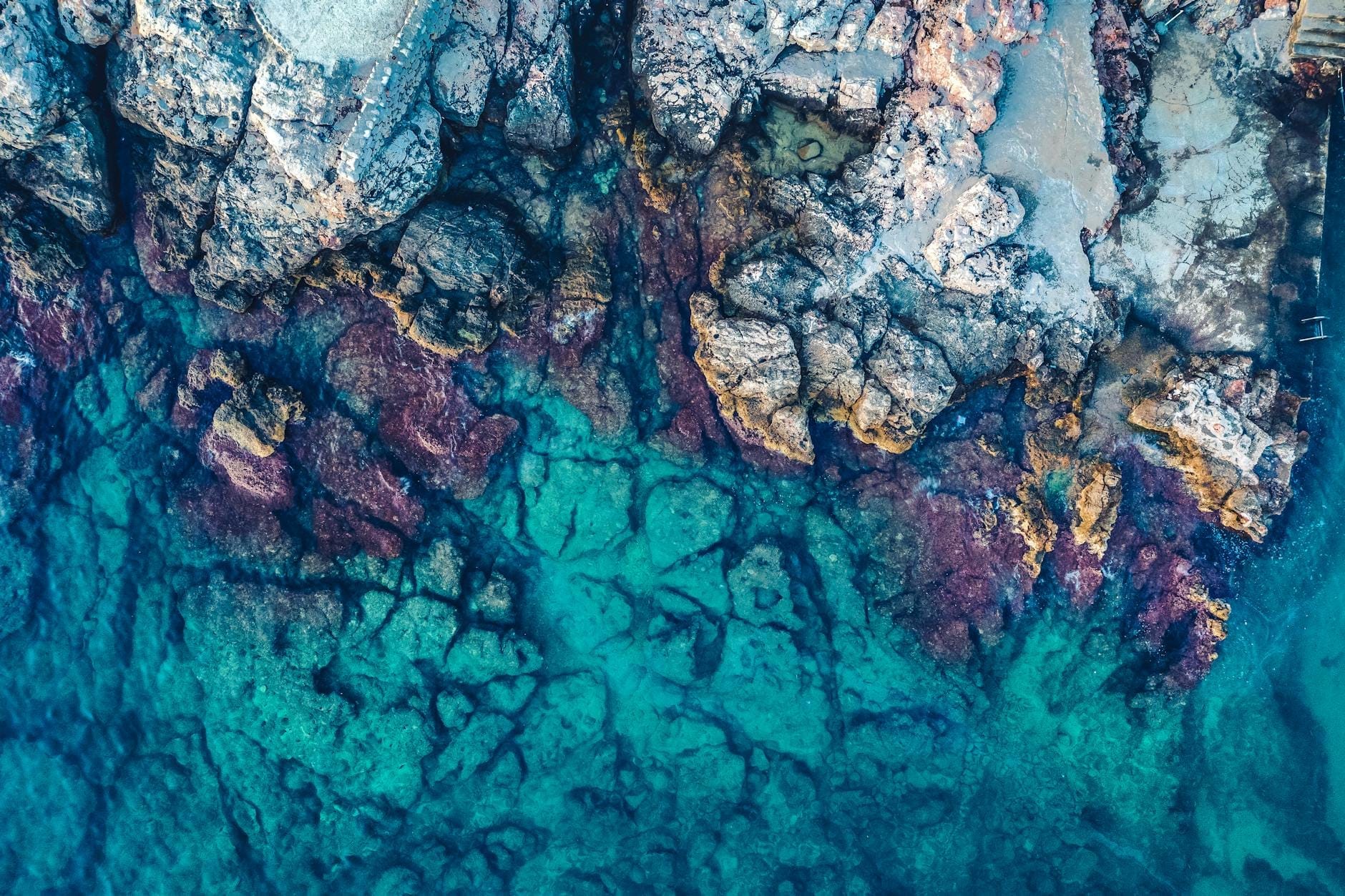
Betina špilja is a sea cave cut into the limestone cliffs of Dubrovnik's eastern coastline, situated between Villa Sheherezada and Gjivojici Beach along Vlaha Bukovca Street. The cave opens directly onto the Adriatic, creating a sheltered chamber where the water inside glows in shades of green and blue depending on the time of day and the angle of sunlight. The 'beach' inside is minimal — a narrow ledge of rock and coarse pebble, more of a landing spot than a traditional strand — but the surrounding cave walls and the quality of the light make it one of the more genuinely striking natural spots accessible from the city.
This is not a beach in the towels-and-sunbeds sense. There is no infrastructure, no bar, no shade rental. What you get is raw limestone, crystalline water, and relative quiet — even in July and August, the sea-only access keeps numbers manageable. If your definition of a beach requires sand and a snack kiosk, this is not the place. If you're willing to arrive by paddle or boat and sit with the sound of water echoing off cave rock, it earns its reputation.
⚠️ What to skip
Betina Cave Beach has no land access. The cliffs surrounding it are steep and unstable. Do not attempt to reach it on foot from the coastal path — the only safe approach is by kayak, boat, or jet ski.
The Science Behind the Name
The cave takes its name from Marin Getaldić, a Ragusan mathematician and physicist who was one of the leading scientific minds of the late Renaissance. Known locally by the nickname 'Bete', Getaldić used this cave as a natural laboratory to conduct experiments in optics and parabolic mirrors until his death in 1626. The cave's curved walls and consistent natural light made it an ideal environment for observing the behavior of reflected light.
Getaldić corresponded with Galileo and is credited with significant contributions to the study of refraction. Standing inside the cave now, looking at the way afternoon light refracts through the water and bounces off the walls, the choice of location makes intuitive sense. It adds a layer to the visit that most beaches simply don't have. You're not just swimming in a cave — you're in a place that was once, in a quiet way, a working scientific institution.
Tickets & tours
Live prices and dates from our booking partner. If you book, we may earn a commission at no extra cost to you.
Blue Cave and Green Cave boat excursion with Koločep Island
From 70 €Instant confirmationFree cancellationElaphiti Islands and Blue Cave Snorkeling Tour from Dubrovnik
From 76 €Instant confirmationFree cancellationCaves, snorkeling and swimming tour in Dubrovnik
From 78 €Instant confirmationFree cancellationMostar and Kravice Waterfalls excursion from Dubrovnik
From 120 €Instant confirmationFree cancellation
How to Get There
The most practical option for most visitors is a guided sea kayaking tour departing from Banje Beach or the Old Town waterfront. These tours typically include a stop at Betina Cave as part of a broader coastal route. For context on the full kayaking experience around Dubrovnik's coast, see the Dubrovnik kayaking guide.
Alternatively, you can rent a small motorboat or arrange a private water taxi from Gruž Harbor or the Old Town port and ask to be dropped at the cave entrance. Some jet ski rental operators also offer cave visits as part of their routes. If you are a confident open-water swimmer, it is technically possible to reach the cave by swimming from the nearest accessible shoreline, but this involves navigating rocky outcrops and boat traffic — it is not recommended without local knowledge and a support vessel.
The cave sits just 500m east of Villa Sheherezada, which means the paddle itself offers views of the city's seaward fortifications, the cliffs below Fort Lovrijenac, and the open channel toward Lokrum Island. The journey is as worthwhile as the destination.
💡 Local tip
Book a morning kayak tour (departing before 9am) to reach Betina Cave before the boat traffic picks up and while the light inside the cave is at its most dramatic. Afternoon visits are still worthwhile but the cave gets more wake from passing vessels.
Inside the Cave: What to Expect
The cave mouth is wide enough to paddle into comfortably by kayak. Once inside, the ceiling rises several meters above the waterline, and the walls narrow into a roughly oval chamber. The water is clear enough to see the rocky bottom in the shallower sections near the edges. Depending on conditions, there may be a faint echo, and the drop in temperature compared to the open sea is immediately noticeable — the rock keeps the interior cool even on hot summer days.
Snorkeling inside the cave is possible and worthwhile. The underwater rock formations and the refracted light create an unusual visual environment. Bring your own mask and fins — nothing is available to rent on-site. Water shoes are also useful for anyone climbing out onto the rocky ledge inside.
The cave is at its most photogenic in mid-morning, roughly between 9am and 11am, when direct sunlight enters at an angle that illuminates the water from below, producing the blue-green glow that appears in most photographs. In the afternoon, the light shifts and the effect is more muted, though the cave remains atmospheric. Overcast days actually produce a softer, more even light inside that works well for photography without the harsh contrast.
Crowds, Seasonality, and Honest Expectations
Betina Cave never gets as crowded as Banje Beach or the main Old Town swimming spots, simply because you have to make an active effort to reach it. In peak season (July and August), you may share the cave with three or four other kayaks or a small boat at any given time. That's still a far cry from solitude, but it's manageable. In May, June, September, and October, it's common to have the cave entirely to yourself.
The cave is not a good destination in rough or choppy conditions. When the bora wind picks up or after storms, the entrance can have significant wave action that makes paddling in unsafe. Check sea conditions before heading out — the Dubrovnik weather guide has useful context on seasonal wind patterns.
Travelers who are not comfortable on the water, who have limited mobility, or who are visiting with young children should be realistic about this attraction. The water-only access and rocky interior make it unsuitable for anyone who cannot safely paddle or swim in open sea conditions. It is also worth noting that the 'beach' interior is genuinely small — if you arrive expecting a swim destination where you can spread out, you will be disappointed.
Combining Betina Cave with the Surrounding Area
Betina Cave is most rewarding as part of a broader coastal exploration rather than a standalone destination. Most kayak tours from the Old Town combine it with a route along the city walls from the sea, views of Fort Lovrijenac rising above the water, and often a crossing to Lokrum Island. Combining these in a half-day on the water gives the cave the right context.
If you are based in the Lapad neighborhood, the cave is practically in your backyard by water. Lapad's bay is sheltered and calm, making it an easy departure point for independent kayakers. The neighborhood also has the most accessible beaches in Dubrovnik, which makes for a logical full-day itinerary: paddle to Betina Cave in the morning, return to Uvala Lapad Beach for the afternoon.
For travelers building a wider Dubrovnik itinerary, Betina Cave pairs well as a contrast to the city's architectural landmarks. On the same day, you could walk the Dubrovnik City Walls in the morning before taking to the water in the afternoon — you will actually be able to see the cave's cliff section from the walls' southern stretch.
Photography Notes
A waterproof camera or a phone in a waterproof case is non-negotiable. Conditions inside a sea cave with a kayak are unpredictable, and regular phones do not survive a capsize. The best interior shots are taken from inside the cave facing outward, using the cave mouth as a natural frame with the open sea and cliff faces beyond.
For aerial perspective, a drone flight along this section of coastline would capture the cave entrance from above, but check local regulations before flying near Dubrovnik's city centre. The Dubrovnik photography guide covers what's permitted and where the best coastal shooting positions are.
Insider Tips
- Ask your kayak tour operator specifically which route passes closest to the cave mouth — some tours skirt it without going inside. Confirm that a full cave entry is included before booking.
- The water inside is noticeably cooler than the open Adriatic, even in August. If you plan to snorkel, a short wetsuit top or rash guard will extend your comfort in the water significantly.
- Arrive by boat or kayak without a tour? Anchor or hold your position carefully — the cave bottom is shallow near the rock ledge, and prop wash in a motorboat can damage the rock and disturb sediment. Kayaks and paddleboards are the most appropriate vessels for entering fully.
- If you are a confident swimmer, the cliff face between the cave and the nearest accessible shore offers some of the best free-diving in the immediate Dubrovnik area — the underwater topography is complex and largely overlooked by casual tourists.
- Tides in the Adriatic are minor compared to Atlantic coastlines, but after heavy southerly winds, water levels inside the cave can be slightly elevated — this can actually improve the light effect inside by raising the water surface closer to the cave openings.
Who Is Betina Cave Beach For?
- Sea kayakers and paddleboarders looking for a destination beyond open water
- Snorkelers wanting clear, sheltered water with interesting underwater formations
- History and science enthusiasts interested in Renaissance-era Dubrovnik
- Photographers seeking coastal cave light effects not found on standard beaches
- Couples or small groups wanting a genuinely uncrowded Adriatic experience
Nearby Attractions
Other things to see while in Lapad:
- Uvala Lapad Beach
Uvala Lapad is a sheltered pebble bay on the Lapad Peninsula, about 3 kilometres west of the Old Town. Free to enter and backed by a shaded promenade, it draws a mix of local families, hotel guests, and travellers looking for calm water without the Old Town crowds.
Planning a trip? Discover personalized activities with the Nomado app.