Dubrovnik Weather: A Month-by-Month Climate Guide for Every Type of Traveler
Dubrovnik's Mediterranean climate means sun-drenched summers, mild winters, and two golden shoulder seasons. This guide breaks down temperatures, rainfall, sea conditions, and crowd levels for every month so you can choose the visit that suits you best.
Tickets & tours
Live prices and dates from our booking partner. If you book, we may earn a commission at no extra cost to you.
TL;DR
- Dubrovnik has a true Mediterranean climate: hot, dry summers (25–35°C) and mild, wet winters (7–13°C) with rarely any frost.
- May, June, September, and October are the best months overall: comfortable temperatures around 20–26°C, fewer crowds, and lower prices. See the full breakdown in our best time to visit Dubrovnik guide.
- July and August are peak season: temperatures regularly hit 30–35°C, crowds are at maximum, and accommodation prices spike sharply.
- Winter is wetter but not cold: December averages 12.5°C highs with around 14 rainy days, making it workable for sightseeing if you pack a layer.
- The sea is swimmable from June through October, peaking at 27°C in August.
Understanding Dubrovnik's Climate: The Basics
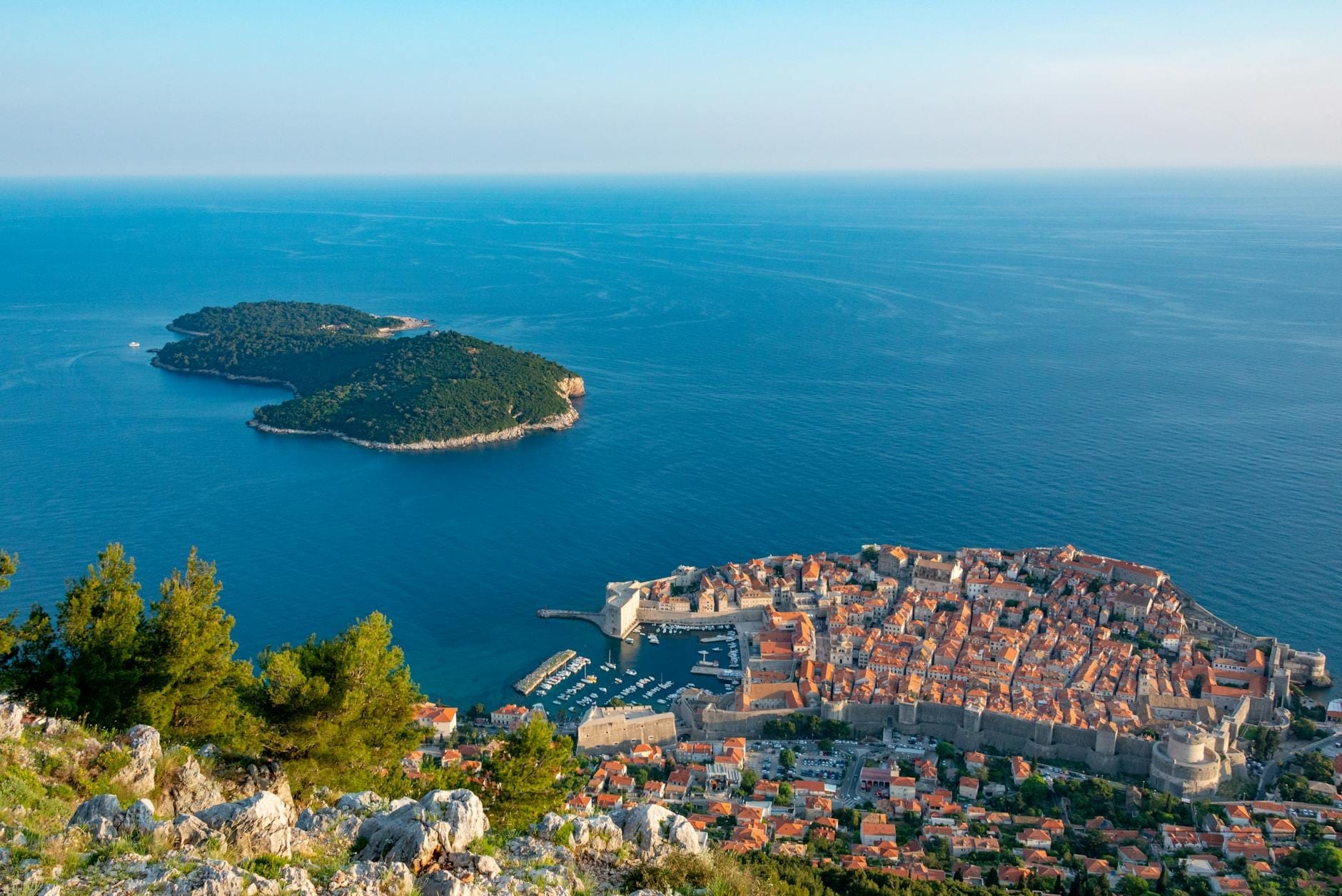
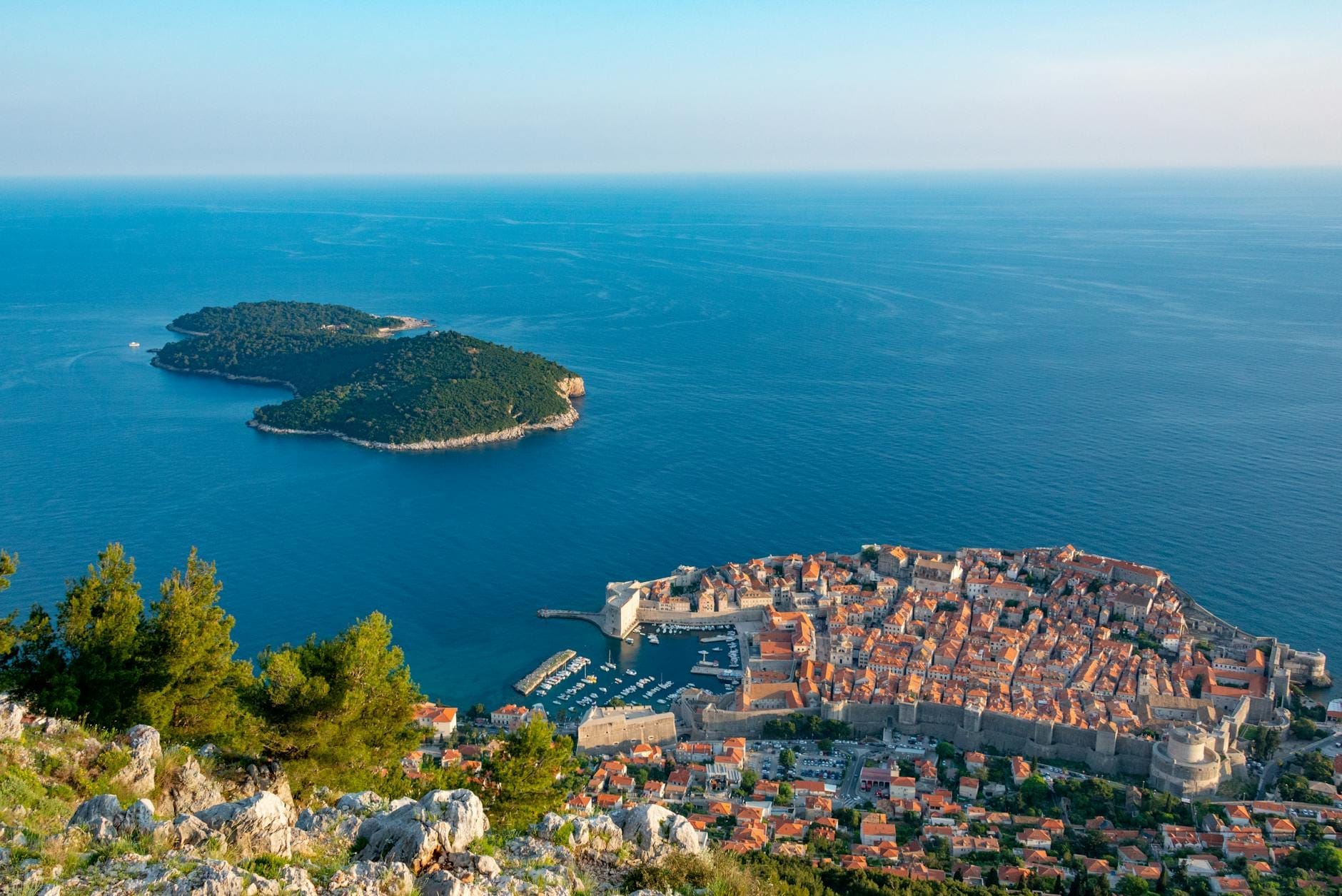
Dubrovnik sits on a limestone promontory jutting into the Adriatic Sea, sheltered to the north by the bare rocky mass of Mount Srđ. That geography gives the city one of the most reliably sunny climates in Europe. The classification is Mediterranean (Köppen Csa): long, dry, hot summers with intense sunshine, followed by mild winters where rain arrives in short, sometimes heavy bursts rather than persistent grey drizzle.
Annual average highs range from around 12–13°C in the coldest months up to 31–35°C at peak summer. Lows rarely drop below 4–7°C even in January and February. Frost is genuinely rare and snow in the old city is almost unheard of. On the other end, heatwaves can push temperatures above 38°C in late July and August, which is worth knowing if you plan to walk the city walls.
ℹ️ Good to know
For live forecasts, the Croatian Meteorological and Hydrological Service (meteo.hr) is the authoritative source. Local forecasts are generally reliable 5–7 days out given the stable summer pattern, but autumn and winter can bring sudden changes in Atlantic-influenced systems.
Month-by-Month Weather Breakdown
Here is what each month actually looks like on the ground, combining temperature, rainfall, sea conditions, and the practical reality of visiting at that time.
- January & February (7–13°C highs) The wettest and quietest period. January averages around 12–13°C highs, 7°C lows, and roughly 13 rainy days with 140mm of rainfall. The sea drops to 14°C, too cold for swimming. Sunshine averages just 3 hours per day. That said, the old city is yours to explore without queues, and the few restaurants that stay open often have an authentic, local feel. Pack a waterproof jacket and layers.
- March & April (14–19°C highs) Spring arrives gradually. March is still fairly wet (around 10–12 rainy days) but temperatures climb. By April, highs reach 17–19°C, the limestone walls catch the afternoon sun, and wildflowers appear on the hillsides around Lapad and Trsteno. The sea is still chilly at 15–16°C, but walking conditions are excellent. Crowds are light, prices are lower, and the Libertas buses run on reduced but functional schedules.
- May (20–23°C highs) One of the best months to visit. Temperatures are comfortable, averaging 20–23°C with highs occasionally touching 25°C. Rainfall drops significantly to around 8–10 rainy days per month, often short afternoon showers rather than all-day rain. The sea reaches 18–20°C, borderline swimmable for those with tolerance. Tourist infrastructure is fully open but peak-season crowds have not yet arrived. Hotel prices are noticeably lower than July rates.
- June (24–28°C highs, ~10 rainy days) June is often misunderstood. Many guides describe it as reliably dry, but it actually averages around 10 rainy days, the highest of any summer month. These tend to be short thunderstorms rather than wash-out days, and sunshine still averages 9–10 hours daily. Temperatures are genuinely pleasant at 24–28°C, the sea hits 22°C and becomes properly swimmable, and the summer festival season begins. The first two weeks of June offer a sweet spot before the school holiday surge.
- July & August (31–35°C highs, 4–7 rainy days) Peak summer in every sense. July and August are the driest months (4–7 rainy days) with 10+ hours of sunshine daily. Sea temperatures peak at 24–27°C in late July and 27°C in August. The trade-off is severe: the old city gets dangerously crowded (up to 10,000 cruise passengers on a single day), temperatures regularly exceed 32°C and can spike above 38°C, and the city walls become an endurance test by midday. Accommodation prices hit their annual peak.
- September (24–27°C highs, ~8 rainy days) Widely regarded as the single best month for most travelers. Temperatures stay warm at 24–27°C, the sea holds at 24–26°C (better than early summer), cruise traffic drops sharply after the first week, and rainfall increases only modestly. The Dubrovnik Summer Festival ends in late August, so cultural life shifts to a quieter register. You get summer conditions without the summer chaos.
- October (19–22°C highs, ~10 rainy days) October is underrated. Highs of 19–22°C are ideal for walking and hiking. The sea remains swimmable at 21–23°C through mid-month. Rainfall increases to around 10 rainy days, but storms pass quickly and the light is dramatically beautiful for photography. Prices drop 20–40% below peak rates at most hotels. A light jacket and layers will see you through any evening cool.
- November & December (12–15°C highs, 12–14 rainy days) The rainy season proper. November sees around 13 rainy days, December around 14, with December averaging the highest monthly rainfall at roughly 167mm. Highs of 12–15°C are perfectly comfortable for walking, though the bura (a cold, dry northeast wind) can make exposed viewpoints feel much colder. December's low tourist numbers make the old city feel like a different place entirely. Christmas lights along the Stradun and the local Christmas market are genuine pleasures, not tourist theater.
The Honest Truth About Peak Season
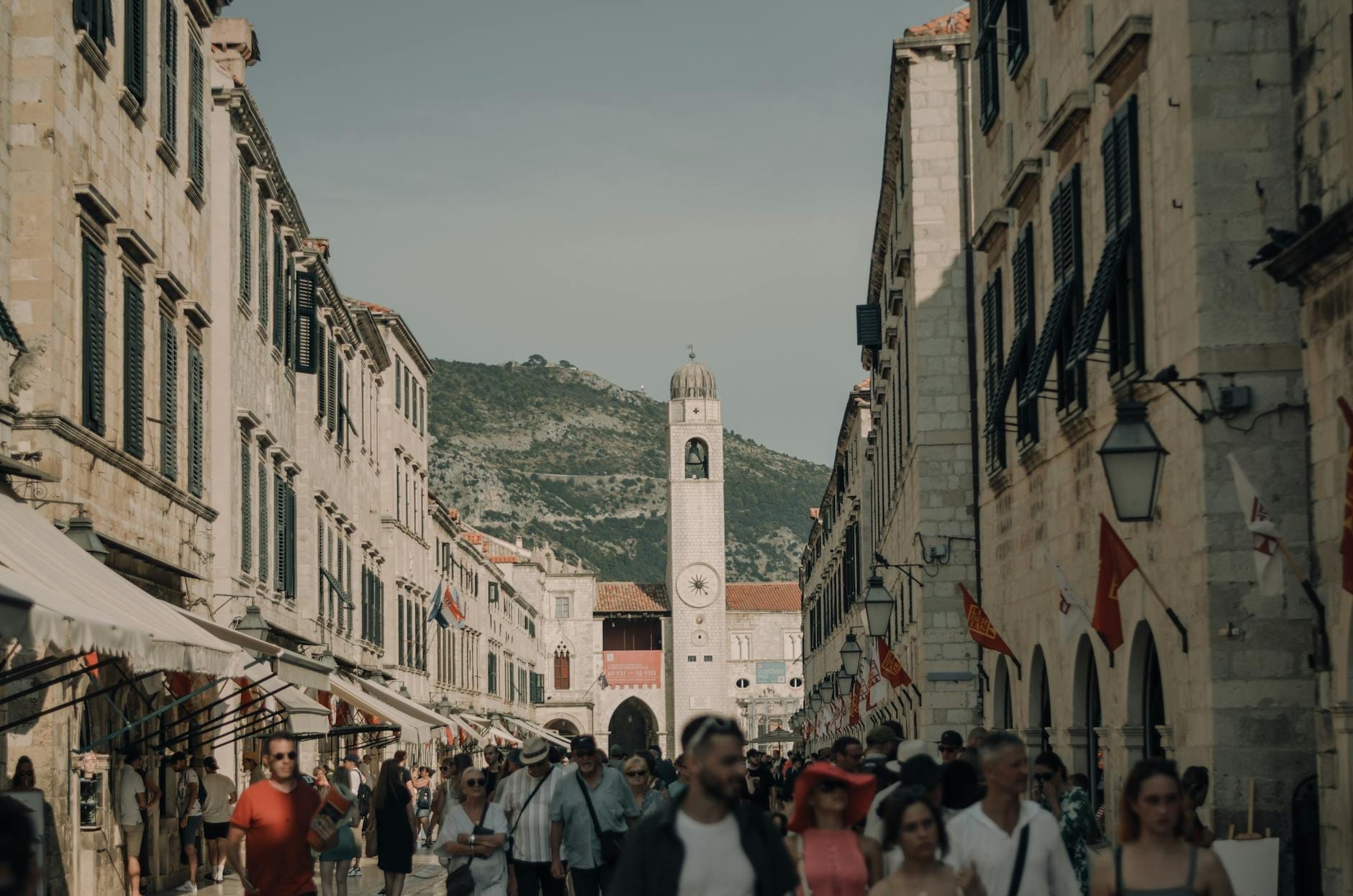
July and August deliver the weather most people imagine when they picture Dubrovnik's old town: blazing sunshine, a glittering Adriatic, warm evenings on terrace restaurants. The problem is that everyone else has made the same calculation. The city's permanent population is under 30,000, and on the busiest days the old city alone absorbs more visitors than that. Walking the city walls at 11am in August means queuing, heat radiating off exposed limestone, and shoulder-to-shoulder crowds on the narrower sections.
⚠️ What to skip
If you must visit in July or August, walk the city walls before 9am or after 5pm to avoid the worst of both the heat and the crowds. Carry water: there are very few shaded sections and no water fountains on the walls themselves. A single loop is roughly 2km and takes 1–2 hours depending on stops.
For families, the beach situation in peak season also requires planning. Popular spots like Banje Beach fill up by 10am and sun lounger prices spike. Quieter alternatives in Lapad or a short boat trip to Lokrum Island offer more breathing room, though Lokrum itself gets busy by noon on weekends.
Shoulder Season: Why May, June, September, and October Win
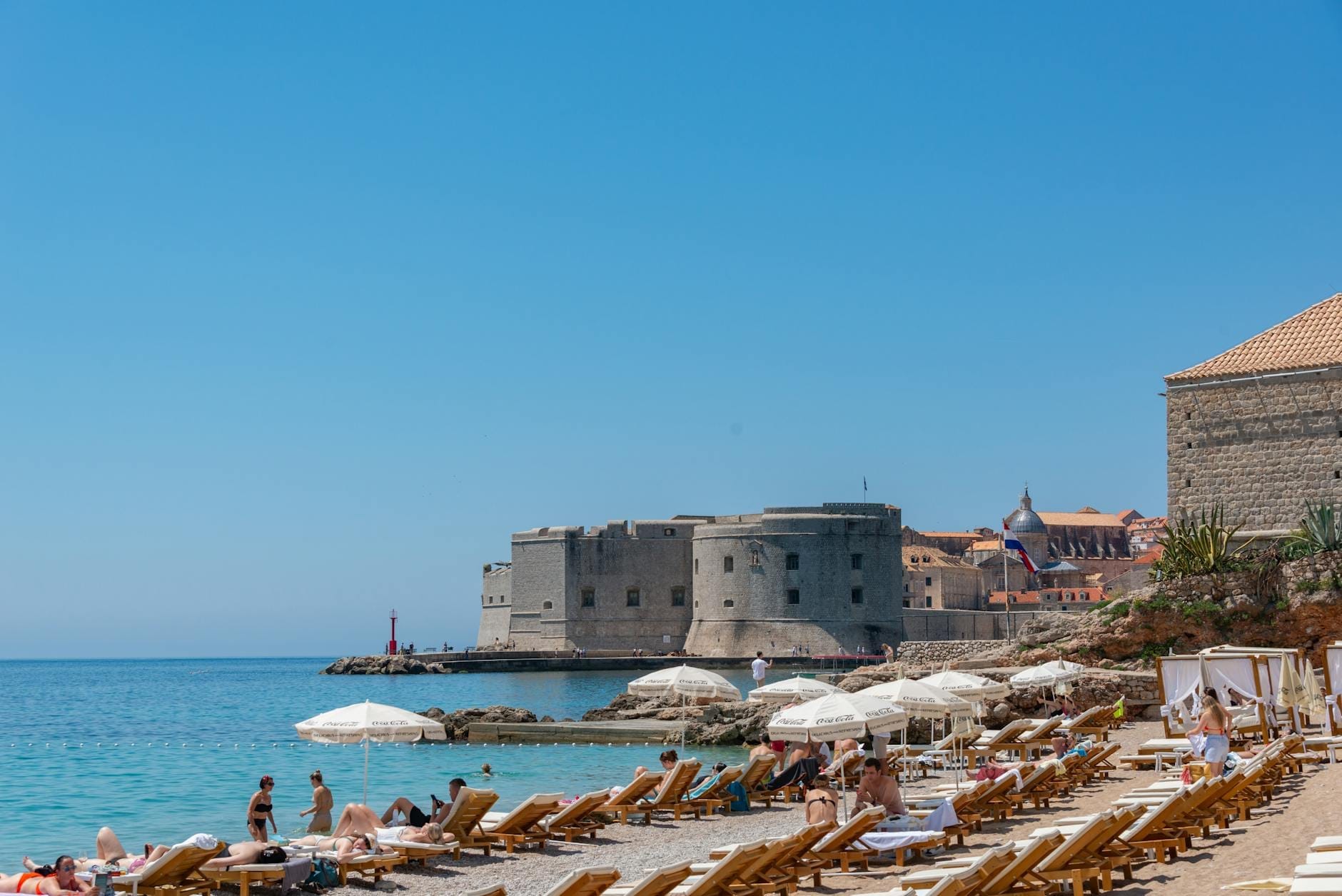
The shoulder months deliver the best overall experience for most travelers: weather warm enough for beaches and outdoor sightseeing, sea temperatures suitable for swimming, and a city that still feels manageable. The financial argument is also compelling: hotels and apartments routinely cost 25–40% less than August rates, and flights from major European hubs drop significantly.
September in particular hits a near-perfect balance. The Adriatic is at its warmest relative to the air temperature, the Dubrovnik Summer Festival wraps up, and the city transitions back toward something resembling daily life. Restaurant reservations are easier to get, the Dubrovnik cable car to Mount Srđ has shorter queues, and you can walk the Stradun without being constantly jostled.
May and early June suit those who prefer cooler conditions for active sightseeing, particularly hiking, kayaking, or day trips to the Elaphiti Islands. The bora wind has largely subsided by May, the vegetation around the coast is green from winter rains, and the water clarity is exceptional before the summer boat traffic kicks in.
Winter in Dubrovnik: The Case For and Against
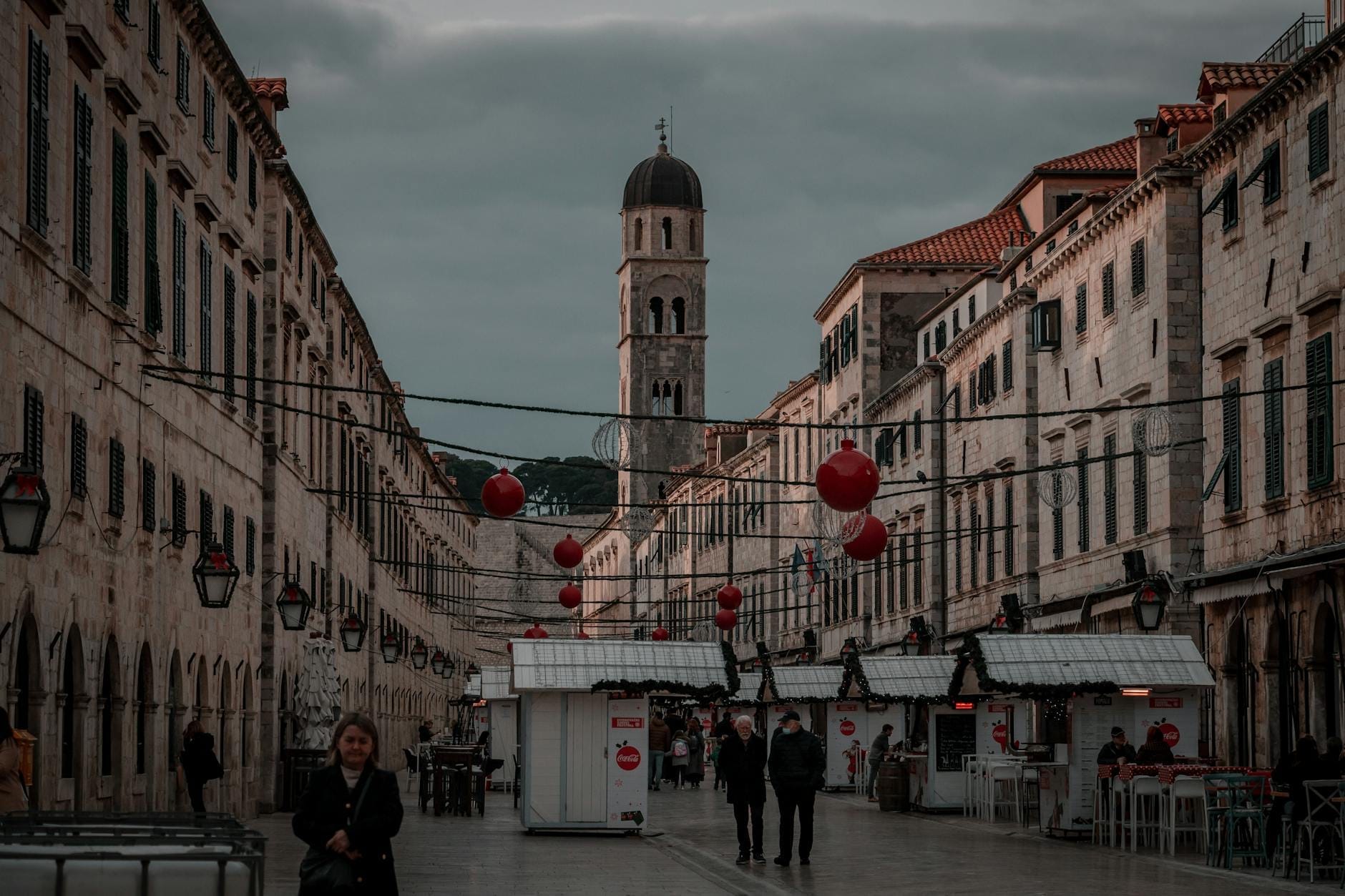
Winter gets unfairly dismissed. Yes, December through February is wet and the sea is cold, but Dubrovnik in low season has a character that peak season visitors never see. Prices for quality accommodation drop dramatically. The old city's marble streets and Baroque facades photograph beautifully under dramatic winter light and cloud formations. Major attractions like the city walls, the Franciscan Monastery, and the Rector's Palace are accessible without crowds.
The practical considerations are real, though. Some smaller restaurants, beach bars (including Buža Bar), and seasonal boat services shut down between November and March. The bura wind, a cold dry northeast wind that can gust strongly down the Adriatic coast, occasionally makes outdoor activities unpleasant for a day or two. It rarely lasts more than 48 hours, but if you are planning a day trip from Dubrovnik to nearby islands or Montenegro, check wind forecasts before booking ferry tickets.
✨ Pro tip
January and February are the best months for budget travelers who want to experience the old city authentically. Many high-end restaurants that normally cater to tourists shift their menus toward local dishes in winter. You will also find it much easier to get a table at well-regarded local spots without a reservation.
Sea Temperatures and Swimming Season
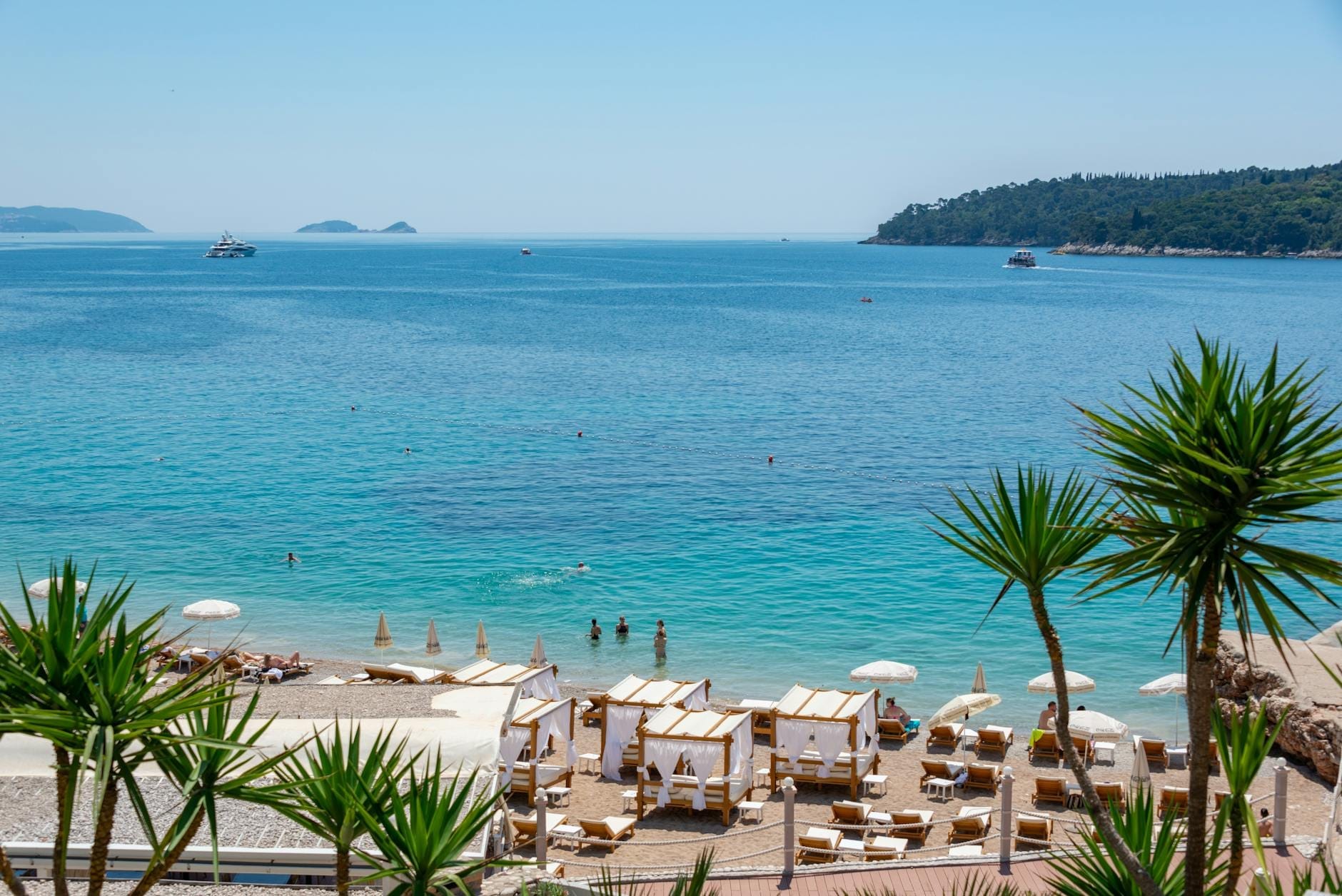
The Adriatic around Dubrovnik is swimmable for a longer season than many travelers expect. Sea temperatures follow a predictable curve: around 14°C in January and February (cold by any standard), climbing through spring, reaching 22°C by June, peaking at 26–27°C in August, and staying warm through September and October before dropping again in November.
- January–April: 14–17°C. Suitable only for cold-water swimmers or wetsuit users.
- May–June: 18–22°C. Refreshing rather than warm, but enjoyable for most swimmers.
- July–August: 24–27°C. Ideal conditions. The sea holds heat through warm nights.
- September–October: 21–24°C. Often warmer than June, excellent for swimming without summer crowds.
- November–December: 15–17°C. Most visitors will find it too cold without a wetsuit.
💡 Local tip
October is the most underrated month for swimming in Dubrovnik. The sea temperature often remains above 22°C through the first two weeks of the month, the beaches are largely empty of tourists, and accommodation prices have fallen sharply from summer peaks. If beach time is a priority, early October can outperform early June on almost every metric.
For those keen on water activities beyond swimming, the shoulder months are ideal. Sea kayaking around the city walls is most enjoyable in May, June, and September when sea conditions are calm and the light is good for photography. Peak summer kayaking is perfectly doable but the sea around the walls gets choppy from boat wakes during busy afternoon periods.
FAQ
What is the weather like in Dubrovnik in June?
June in Dubrovnik averages highs of 24–28°C with around 9–10 hours of sunshine daily. Contrary to what many guides suggest, June actually has the most rainy days of any summer month, around 10, though these are typically short afternoon thunderstorms rather than persistent rain. The sea reaches 22°C and is fully swimmable. Early June is particularly good: warm and sunny with noticeably fewer crowds than July.
What is the weather like in Dubrovnik in September?
September is widely considered the best month to visit Dubrovnik. Temperatures average 24–27°C, the sea holds at 24–26°C (warmer than June), rainfall increases only slightly to around 8 rainy days per month, and the summer crowds thin out considerably after the first week. It combines genuine summer beach conditions with a more relaxed city atmosphere.
What is the Dubrovnik weather in October?
October brings highs of 19–22°C with around 10 rainy days per month, a mix of sunny spells and brief showers. The sea remains swimmable at 21–23°C through mid-month. It is excellent weather for walking, hiking Mount Srđ, or exploring the old city. Prices drop 20–40% below peak season rates, making it one of the best value months.
Does it rain a lot in Dubrovnik in summer?
July and August are genuinely dry: 4–7 rainy days per month and over 10 hours of daily sunshine. June is wetter than most travelers expect at around 10 rainy days, though these are usually short thunderstorms. The dry season broadly runs from late June through September. Winter (November through March) is when the bulk of Dubrovnik's annual rainfall arrives.
Is Dubrovnik worth visiting in winter?
Yes, for the right type of traveler. Winter temperatures are mild (7–13°C), frost is rare, and the old city is dramatically uncrowded. The trade-offs are real: 12–14 rainy days per month in December and January, fewer restaurants and seasonal venues open, and some ferry routes to nearby islands suspended. Budget travelers and those who prioritize atmosphere over beach time often prefer it to peak season.
Tickets & tours
Live prices and dates from our booking partner. If you book, we may earn a commission at no extra cost to you.
Planning a trip? Discover personalized activities with the Nomado app.