Dubrovnik Summer Festival: Guide to Croatia's Biggest Cultural Event
Running for 47 days across 16+ historic venues each summer, the Dubrovnik Summer Festival transforms the Old Town into an open-air cultural stage. This guide covers dates, ticket booking, the best performances to catch, and how to plan your visit without the headaches.
Tickets & tours
Live prices and dates from our booking partner. If you book, we may earn a commission at no extra cost to you.
TL;DR
- The Dubrovnik Summer Festival runs annually from July 10 to August 25, spanning 47 days of theatre, opera, ballet, music, and art.
- Performances take place at 16+ historic venues including Fort Lovrijenac, Rector's Palace, Minčeta Tower, and Lokrum Island.
- Book tickets in advance at dubrovnik-festival.hr — popular events sell out weeks ahead, especially during peak July crowds. Check our best time to visit Dubrovnik guide for broader timing advice.
- The opening ceremony at Luža Square with the Libertas flag-raising and fireworks is free to watch and worth attending.
- July and August are the hottest and most crowded months in Dubrovnik — factor that into your event planning and accommodation strategy.
What Is the Dubrovnik Summer Festival?
The Dubrovnik Summer Festival (Dubrovačke ljetne igre in Croatian) is the country's most prestigious cultural event, founded in 1950 originally as a theatre festival. Over 70+ editions, it has grown into a fully multimedia program spanning opera, classical music, jazz, dance, ballet, dramatic theatre, contemporary art exhibitions, workshops, and masterclasses. The format has remained consistent in recent years: approximately 40 distinct productions staged across the city between July 10 and August 25 each year.
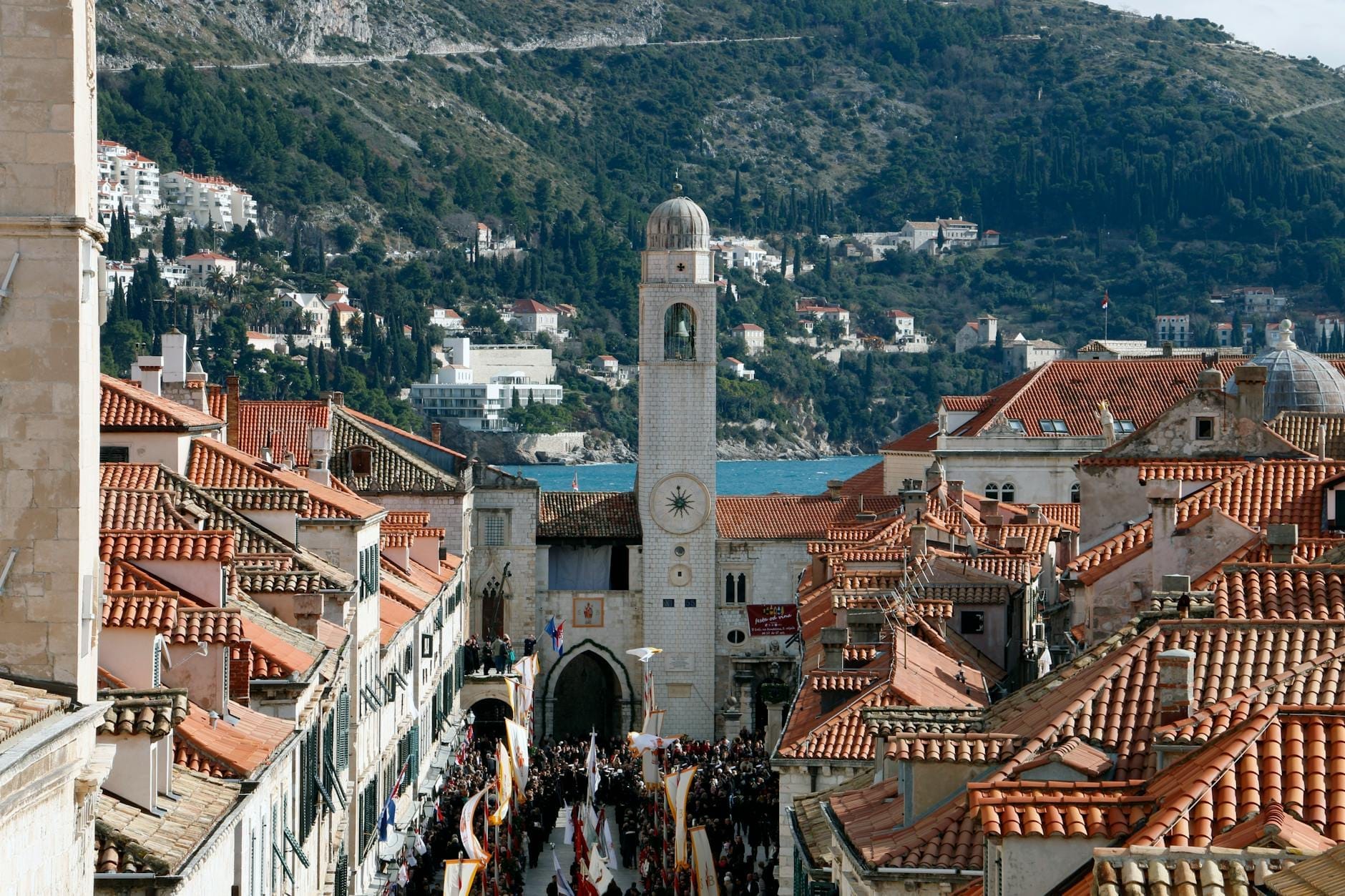
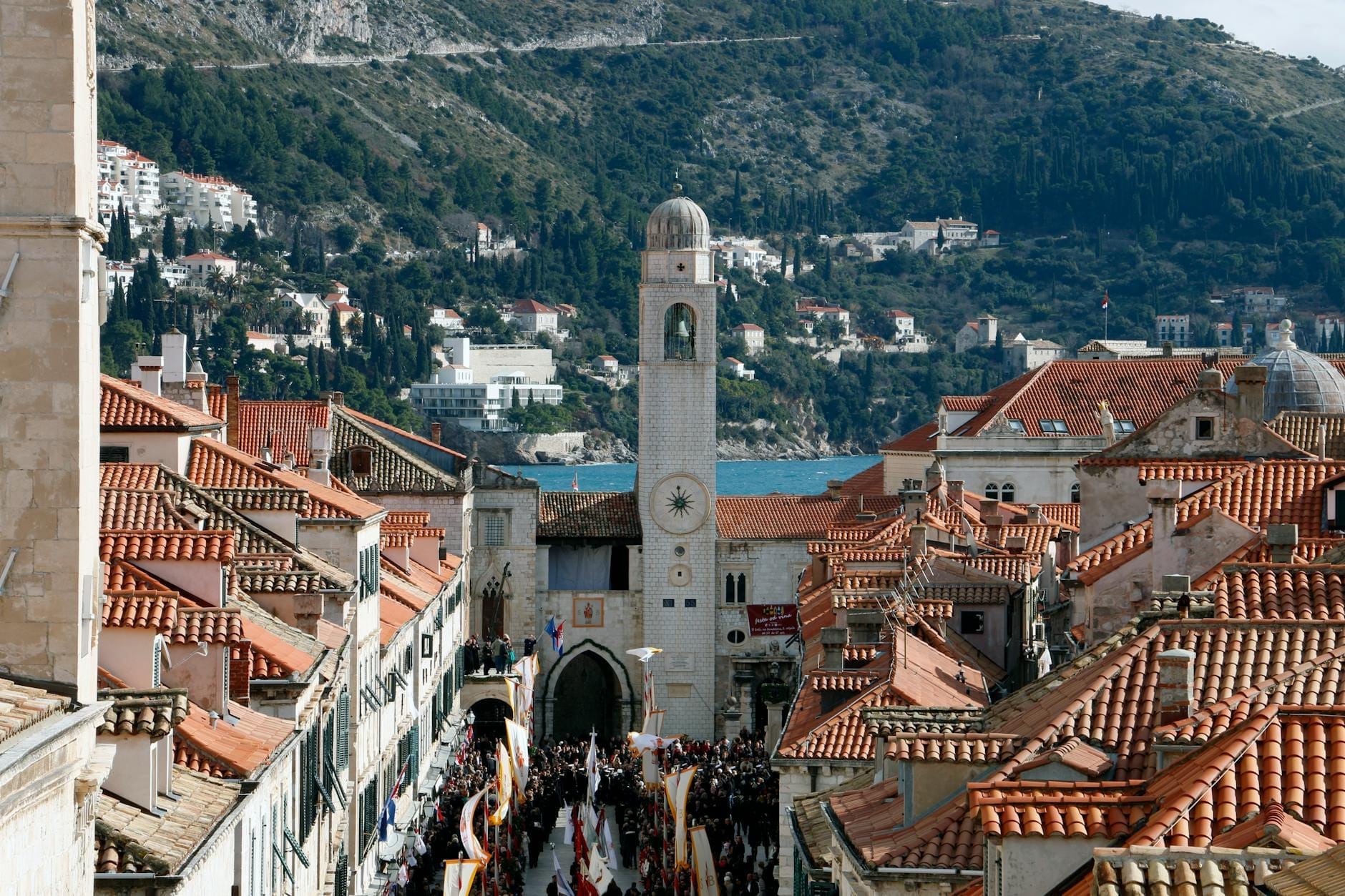
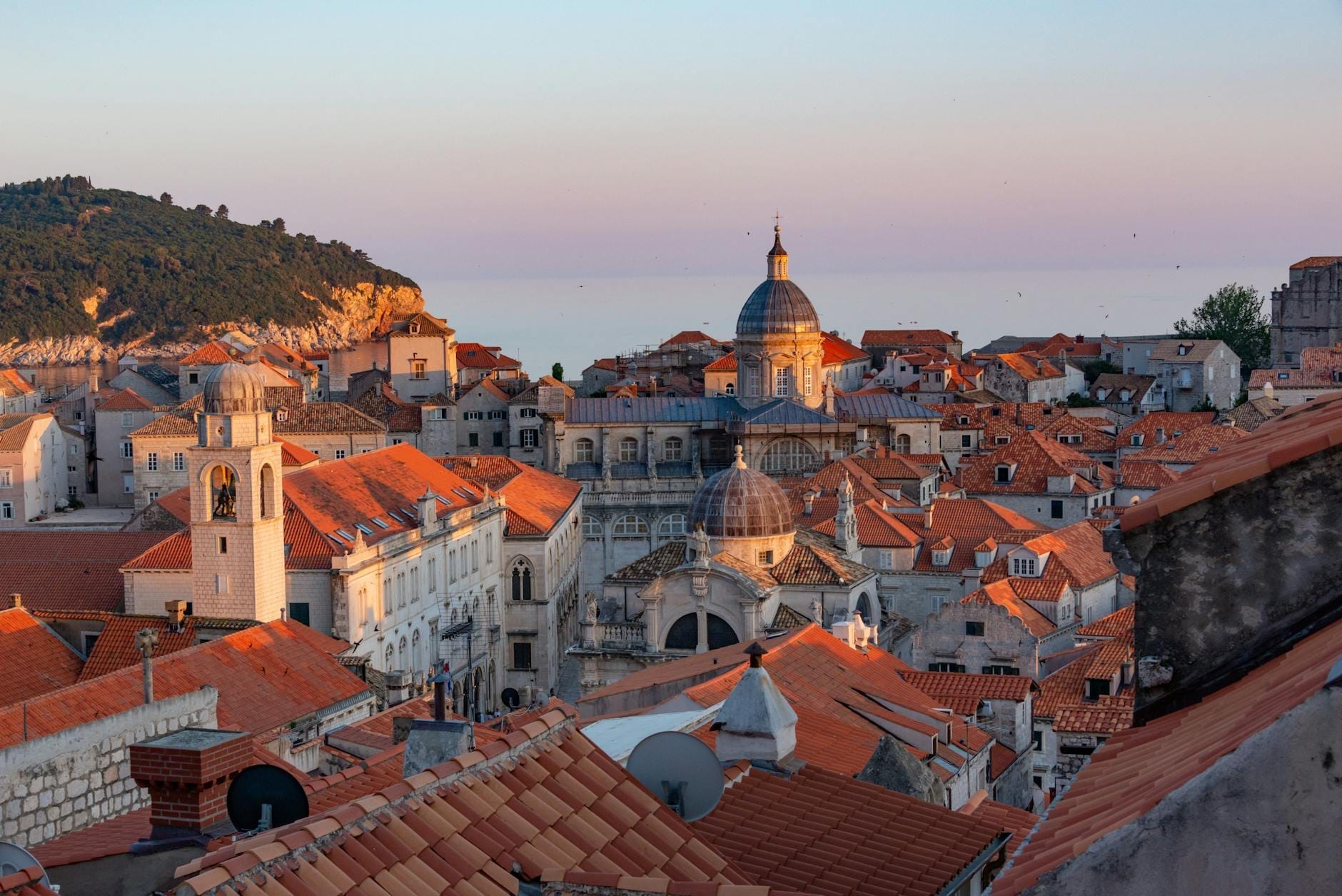
What sets this festival apart from most European summer events is its venue. Performances don't happen in purpose-built concert halls or festival tents. They happen inside a living, UNESCO-listed medieval city. Fort Lovrijenac, a 11th-century fortress perched on a 37-metre rock outside the city walls, regularly hosts Shakespeare productions. Rector's Palace courtyard becomes an intimate concert venue. Gundulić Square, where the morning market normally operates, transforms into a stage at night. The architecture isn't backdrop decoration — it's structurally part of the performances.
ℹ️ Good to know
The festival's official name in Croatian is 'Dubrovačke ljetne igre,' which translates literally as 'Dubrovnik Summer Games.' The word 'igre' (games/plays) reflects the original theatrical roots of the festival, founded just five years after World War II as a statement of cultural resilience.
Key Dates, Venues, and Program Structure
The festival officially opens on July 10 with a ceremony in front of St. Blaise Church (also called St. Blaise's Church). The ritual involves the raising of the Libertas flag (Dubrovnik's historic symbol of freedom), formal declarations, live performances, and fireworks over the Old Town. This opening ceremony is free to attend and draws large crowds of both locals and tourists. Arrive early — the square fills up from around 9:00 PM.
There is also a tradition worth knowing about: the night before the official opening, a 'general rehearsal' takes place. This is less a technical dress rehearsal and more a beloved local ritual. Dubrovnik residents attend, and it's considered their right to voice opinions loudly — booing, cheering, or otherwise making their feelings known. For visitors, it's a chance to see a performance at lower ticket prices in a charged, authentic atmosphere. The main venues include Fort Lovrijenac, Rector's Palace, Revelin Fortress, Minčeta Tower, Gundulić Square, and even Lokrum Island for select productions.
- Fort Lovrijenac The most atmospheric venue — Shakespeare's Hamlet is a recurring production here, with the battlements serving as a natural set. Capacity is limited, so book early.
- Rector's Palace Courtyard Intimate and acoustically unique, best suited to chamber music and smaller theatrical pieces. One of the most photogenic settings in the entire festival.
- Revelin Fortress A larger covered venue used for dance performances, ballet, and larger-scale musical productions. More sheltered from wind than the open-air stages.
- Minčeta Tower Used selectively for atmospheric evening events. The tower is the highest point on the city walls and offers dramatic sightlines.
- Gundulić Square Outdoor, central, and free-flowing. Some performances here are ticketed; the square itself is always accessible.
- Lokrum Island Select evening events on the island require both a boat transfer and a festival ticket. The combination makes for a genuinely unusual night out.
💡 Local tip
The program is divided into three main strands: Music, Theatre, and Art. The official festival website (dubrovnik-festival.hr) publishes the full program, usually in spring before the July start. Set a reminder to check in April or May — the most sought-after performances at Fort Lovrijenac sell out in the first weeks of booking.
Tickets: How to Buy, What to Expect, and What to Avoid
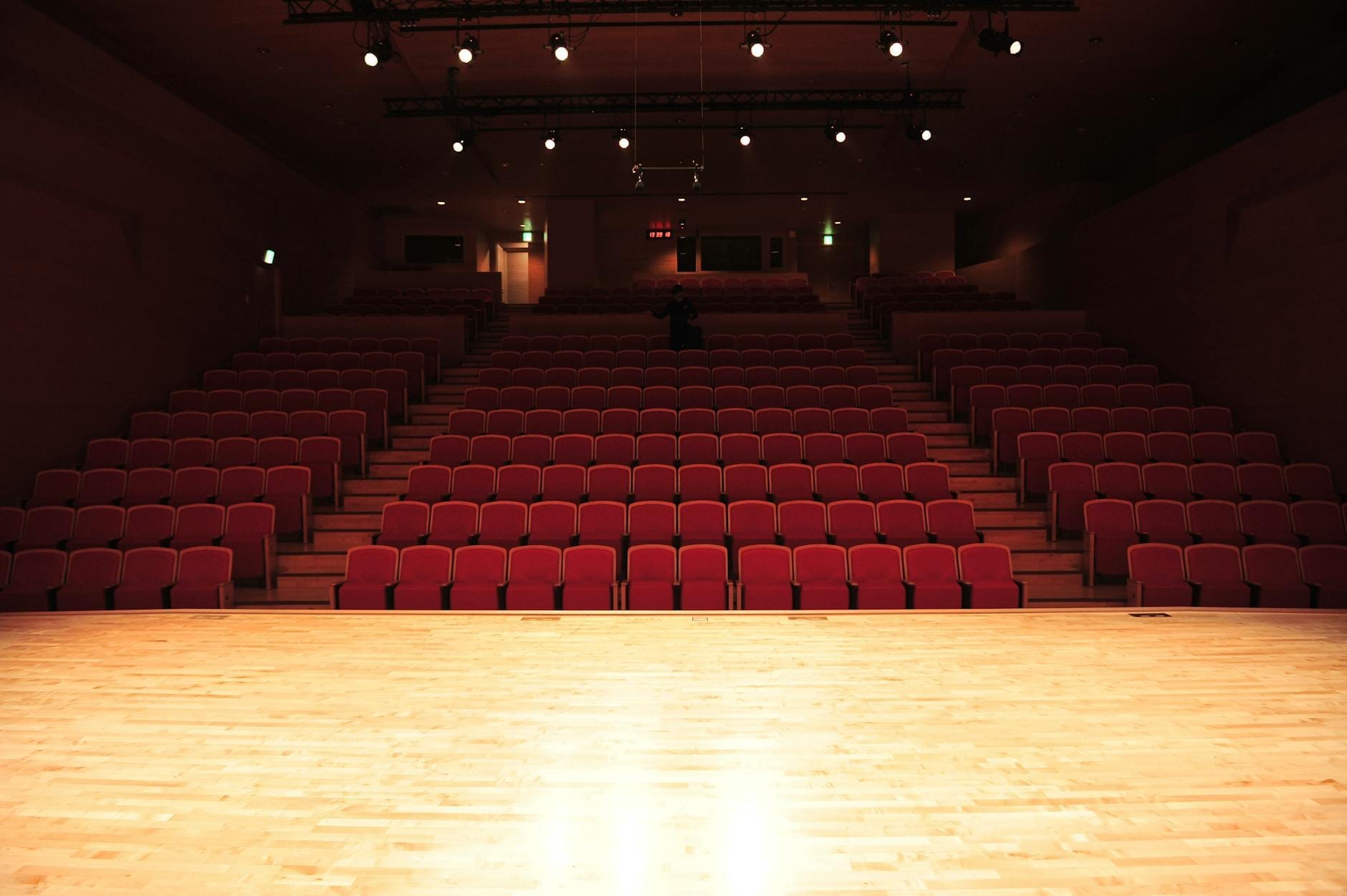
Ticket prices for the Dubrovnik Summer Festival vary significantly depending on the event type, venue, and production. Opera and major theatrical productions at premium venues like Fort Lovrijenac command higher prices, while smaller recitals, exhibitions, and workshop events are considerably cheaper or even free. As a general range, expect to pay anywhere from around 10 EUR for a student recital to 60-100 EUR or more for flagship opera or ballet performances at key venues. Exact prices are listed on the official site when the program drops.
The safest and most straightforward booking method is through dubrovnik-festival.hr, which offers an English-language interface and handles international card payments. Physical tickets can also be purchased at the festival box office inside the Luža building on Stradun during the festival period. Avoid third-party resellers charging inflated rates — this is a well-organized institution with solid online infrastructure, and there's no reason to pay a premium to a middleman.
⚠️ What to skip
Do not show up hoping to buy tickets at the gate for popular productions. Fort Lovrijenac's Hamlet, in particular, is a perennial sell-out. If you're visiting Dubrovnik specifically for a high-profile performance, book before you finalize your travel arrangements — not after.
Planning Your Visit Around the Festival
The festival runs during Dubrovnik's absolute peak season. July and August are the hottest months (regularly 28-33°C), the most crowded, and the most expensive. The Old Town can feel genuinely overwhelming at midday in late July — cruise ship arrivals mean the Stradun fills to capacity between 10 AM and 5 PM. The festival actually gives you a reason to shift your schedule: sleep late, spend the afternoon at a beach or in the shade, then head into the Old Town in the evening when temperatures drop and the energy shifts. Nights during festival season are among the best times to experience Dubrovnik.
For accommodation, booking well in advance is essential. Properties inside or immediately adjacent to the Old Town fill up months before July. Staying in Lapad or Gruž gives you more options, lower prices, and easy bus access to the Old Town via the Libertas network. The number 4 and number 6 buses connect both neighborhoods to Pile Gate, which is a 10-minute walk to Luža Square and most festival venues.
- Book accommodation and festival tickets simultaneously — don't assume you can sort one after the other.
- Check whether your preferred performance has a dress code or smart-casual expectation. Most outdoor events are casual; the Rector's Palace and Revelin can be more formal.
- Bring a light layer for evening performances — temperatures drop noticeably after 9 PM, especially at exposed coastal venues like Fort Lovrijenac.
- Most venues are inside the walled city, meaning cobblestones and stairs. Comfortable footwear matters more than you'd think after a full evening on stone.
- Photography rules vary by production — some performances prohibit cameras entirely. Check the ticket terms when booking.
Beyond the Main Program: Free Events and the Festival Atmosphere
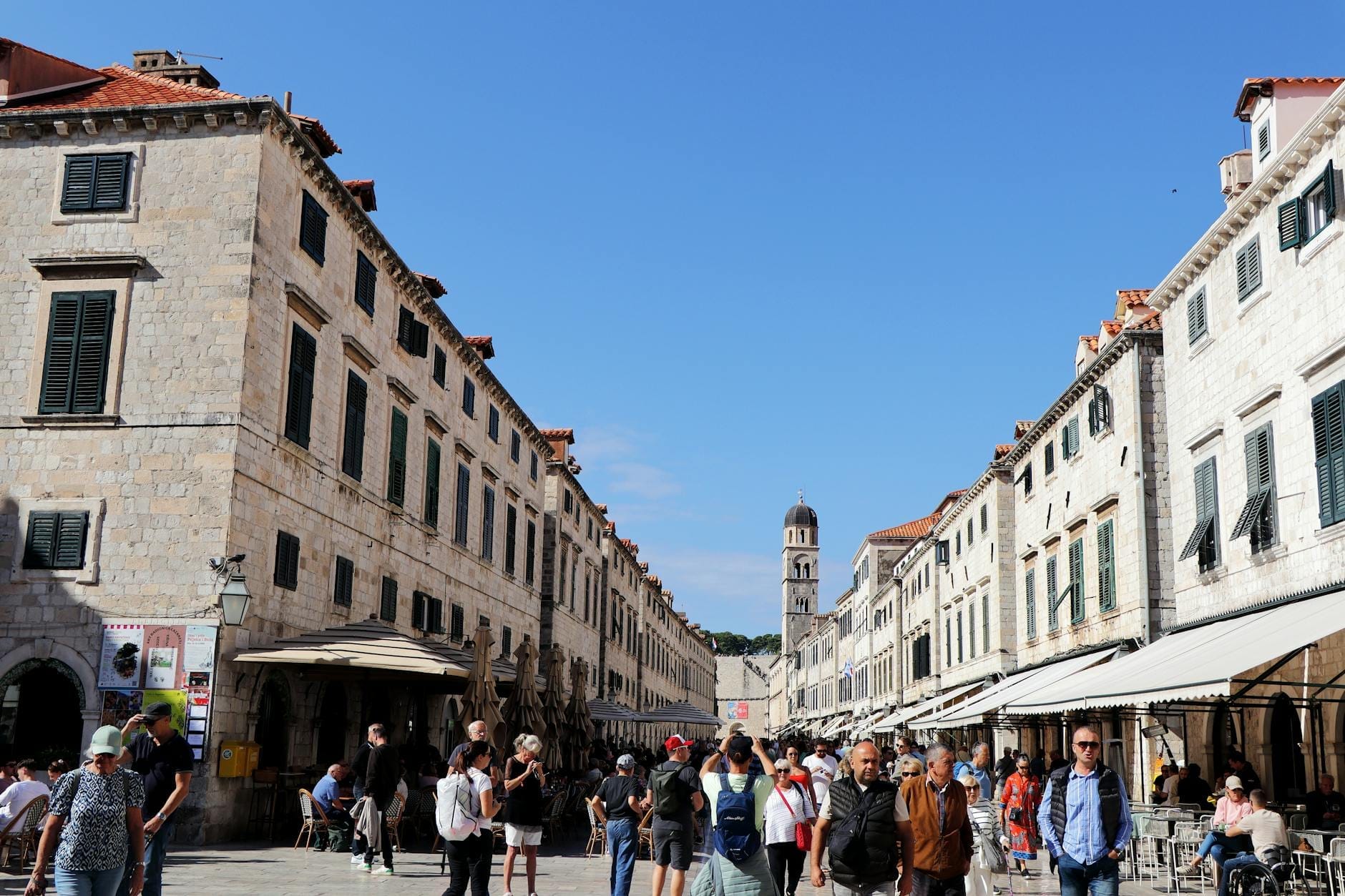
Not everything at the Dubrovnik Summer Festival requires a ticket. The opening ceremony is free. Several exhibitions across the Old Town run throughout the 47-day period without charge. Workshops and masterclasses, often aimed at students and young artists, are ticketed but significantly cheaper than main productions. The general atmosphere of the city during festival season is itself worth experiencing, even if you don't attend a single formal event.
If your budget is tight but you still want cultural programming, check the free things to do in Dubrovnik for a broader picture of what's accessible without spending. The festival's fringe events, street performances, and the charged evening atmosphere on the Stradun during summer all add up to a cultural experience that goes beyond any individual performance. The Stradun in particular takes on a different character during festival weeks — less tourist thoroughfare, more civic promenade.
For visitors combining the festival with broader sightseeing, note that the Dubrovnik city walls and the Dubrovnik cable car are most enjoyable in early morning during peak season. Save the evenings exclusively for the festival and the Old Town atmosphere.
✨ Pro tip
If you can only catch one event, prioritize a theatrical production at Fort Lovrijenac over a concert at an indoor venue. The combination of the fortress setting, the Adriatic in the background, and live performance is genuinely unlike anything else in European cultural tourism. It justifies the trip on its own terms.
Historical Context and Why the Festival Matters
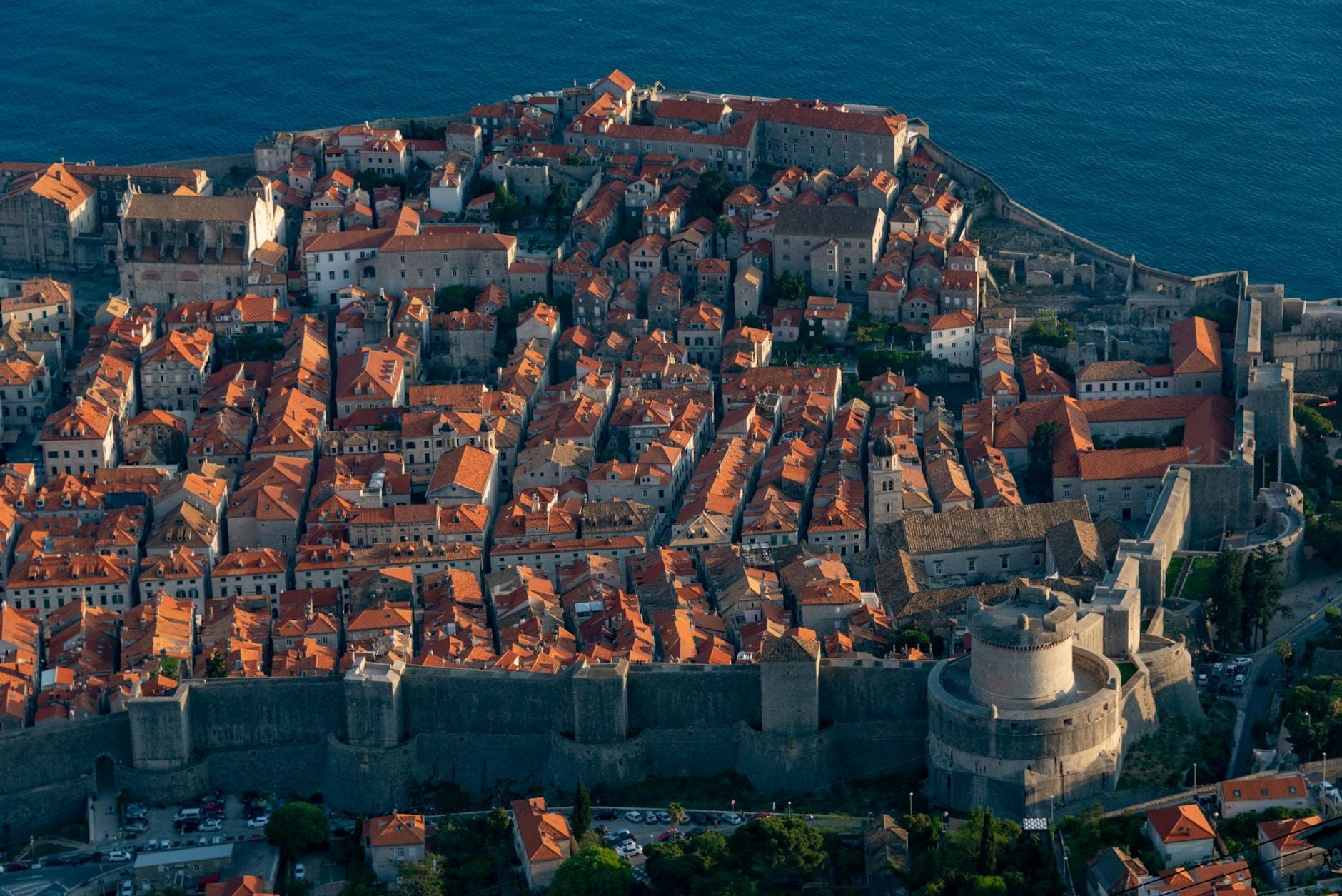
Founded in 1950, the Dubrovnik Summer Festival emerged in the post-war period as a deliberate assertion of cultural identity and civic pride. Yugoslavia under Tito was attempting to carve out a distinct cultural position separate from the Soviet bloc, and Dubrovnik's international festival served that purpose well — bringing foreign artists and audiences into contact with Yugoslav culture and vice versa. The choice of venues was never incidental: performing inside the medieval fortifications was a statement about the continuity of Dubrovnik's identity as a free city, referencing the old Republic of Ragusa, which maintained independence for centuries.
The festival continued through the 1991-1992 Siege of Dubrovnik, when the city came under sustained military attack. That it survived and resumed is considered a point of significant civic pride. Today the festival sits alongside the city walls and the St. Blaise Church as one of Dubrovnik's core cultural institutions. For visitors with even a passing interest in European history and cultural resilience, understanding that context adds real depth to attending a performance.
FAQ
When does the Dubrovnik Summer Festival take place?
The festival runs annually from July 10 to August 25, spanning 47 days. Dates have been consistent for many years, but confirm exact dates on dubrovnik-festival.hr closer to the season.
How do I buy tickets for the Dubrovnik Summer Festival?
Tickets are sold through the official website dubrovnik-festival.hr, which supports international card payments and has an English-language interface. A physical box office operates inside the Luža building on Stradun during the festival period. Avoid third-party resellers. The most popular performances sell out in the first weeks of booking, usually in spring.
Is the Dubrovnik Summer Festival suitable for children?
Some events, particularly outdoor evening performances and certain dance or music productions, are accessible and enjoyable for older children. However, many flagship theatrical and opera productions are adult-oriented and run late into the evening. Check the specific program listing for age recommendations before buying tickets.
What should I wear to festival performances in Dubrovnik?
Most outdoor performances have no strict dress code, but smart-casual is standard at the Rector's Palace and Revelin Fortress venues. More importantly, bring a light layer — temperatures drop after dark, especially at exposed venues like Fort Lovrijenac. Comfortable, flat shoes are essential given the cobblestone surfaces throughout the Old Town.
Can I enjoy the festival without buying tickets?
Yes. The opening ceremony at Luža Square on July 10 is free and includes fireworks. Several exhibitions run throughout the festival period at no charge. The general atmosphere of the Old Town during festival weeks, including outdoor performances and street entertainment, adds significant cultural value even for visitors who don't attend ticketed events.
Tickets & tours
Live prices and dates from our booking partner. If you book, we may earn a commission at no extra cost to you.
Planning a trip? Discover personalized activities with the Nomado app.