Trsteno Arboretum: Croatia's Oldest Renaissance Garden Near Dubrovnik
Founded in the late 15th century as a noble summer estate, Trsteno Arboretum sits 25 km northwest of Dubrovnik and remains one of the most historically layered green spaces on the Adriatic coast. Managed by the Croatian Academy of Sciences and Arts, it combines formal Renaissance garden design with ancient Oriental plane trees, a working aqueduct, and sweeping sea views.
Quick Facts
- Location
- Potok 20, Trsteno — 20 km northwest of Dubrovnik
- Getting There
- Local buses 12, 15, 21, 22 or 35 from Dubrovnik’s bus station near the ferry port (Gruž); alight at Trsteno village
- Time Needed
- 1.5 to 2.5 hours
- Cost
- Admission fee applies; verify current price at arboretum before visiting
- Best for
- History lovers, garden enthusiasts, Game of Thrones fans, photographers
- Official website
- www.info.hazu.hr/en/jedinice/arboretum-trsteno
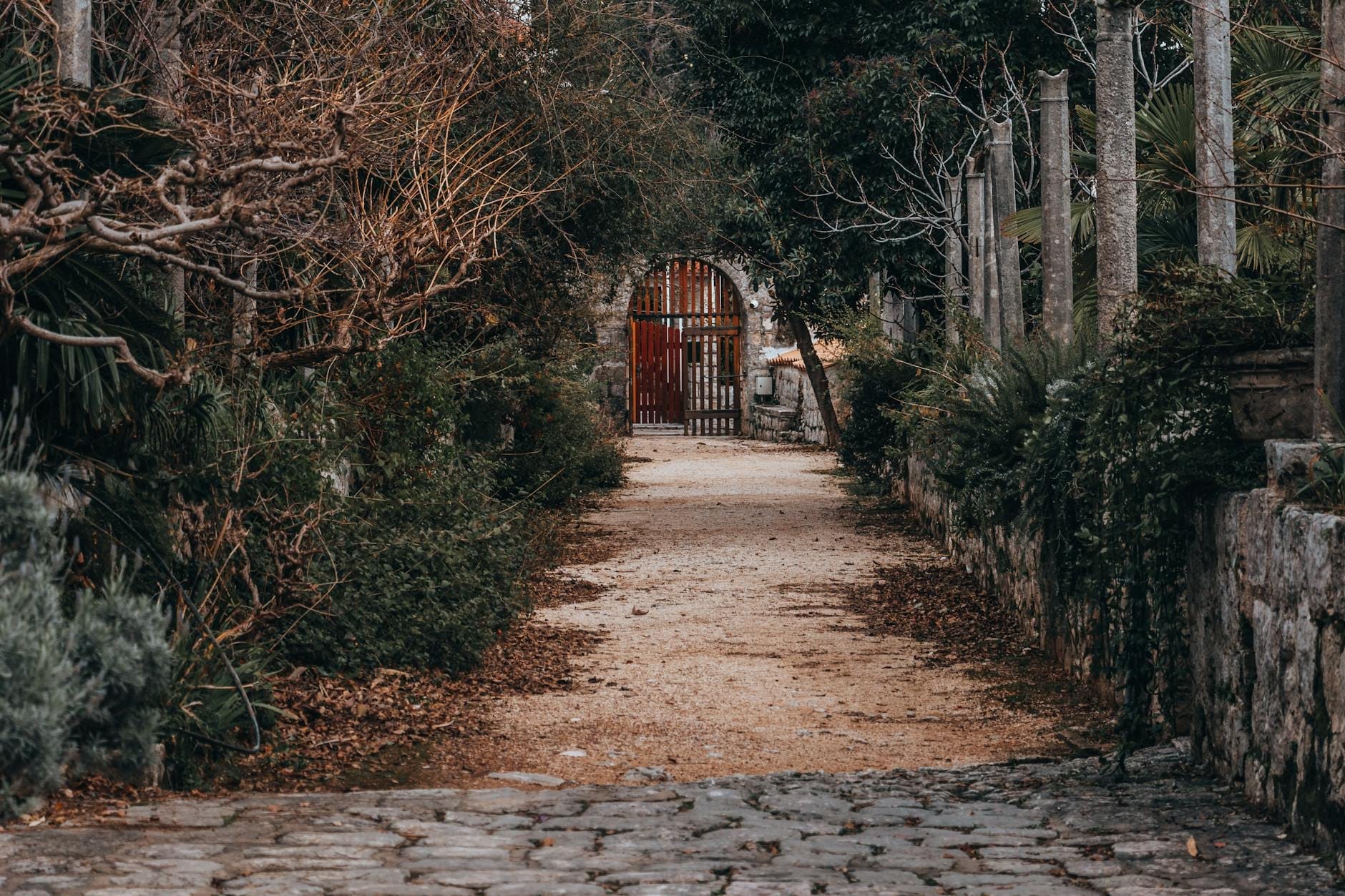
What Trsteno Arboretum Actually Is
Trsteno Arboretum is the oldest Renaissance park in Croatia, first laid out in 1494 by the Dubrovnik noble family Gučetić-Gozze as a summer retreat on their coastal estate. That founding date matters: this garden predates most formal parks in northern Europe, and it was designed at a time when Dubrovnik (then the Republic of Ragusa) was a serious Mediterranean power with cultural ambitions to match. The estate passed into state ownership in 1945, became a formal arboretum in 1948, and has been managed by the Croatian Academy of Sciences and Arts since 1950. In 1962 it was declared a protected monument of garden architecture.
The grounds cover between 25 and 28 hectares of sloped coastal land, incorporating formal Renaissance parterres, an olive grove, a historic aqueduct system, exotic plant collections, and direct access to the Adriatic shoreline. It is a working scientific institution as much as a visitor attraction, and that dual identity shapes the experience: less manicured theme park, more living archive.
ℹ️ Good to know
Trsteno is 20 km from Dubrovnik's Old Town. Budget at least 45 minutes travel each way if taking the coastal bus from Gruž harbor. The bus runs regularly but schedules vary by season — check current timetables before you go.
The Two Plane Trees: The First Thing You Notice
Before you reach the formal garden, two Oriental plane trees (Platanus orientalis) stop most visitors in their tracks. Both are over 500 years old, which means they were saplings when Columbus reached the Americas. The larger specimens reach around 45 metres in height, with trunk diameters of around 5 metres. Their canopies have grown so wide that they create a green tunnel over the entrance approach, filtering light into something diffuse and greenish even on bright summer afternoons. The bark has the characteristic mottled scaling of the species, pale grey and ochre, deeply grooved where branches split from the main trunk.
These are not garden ornaments. They are among the oldest cultivated trees in Croatia. Reaching out and touching the bark, which most visitors instinctively do, gives a tangible sense of duration that a museum cabinet rarely achieves. In summer the shade they cast is genuinely useful: temperatures under the canopy drop noticeably compared to the sun-exposed paths nearby.
Tickets & tours
Live prices and dates from our booking partner. If you book, we may earn a commission at no extra cost to you.
Private Botanical Garden Trsteno visit with photo stops
From 16 €Instant confirmationFree cancellationTrsteno, Ston and Peljesac wine experience from Dubrovnik
From 79 €Instant confirmationFree cancellationMostar and Kravice Waterfalls excursion from Dubrovnik
From 120 €Instant confirmationFree cancellationDubrovnik Old Town Tour ith Cable Car Ride
From 56 €Instant confirmationFree cancellation
The Renaissance Garden and Neptune Fountain
The formal garden section dates to the original 15th-century design and follows Italian Renaissance principles: geometric beds, axial symmetry, and the deliberate framing of sea views as part of the composition. The central feature is a Neptune fountain, depicting the god of the sea flanked by nymphs, set above a rectangular pond. Water for the fountain, and historically for the estate's irrigation, was supplied by a stone aqueduct channel that still runs through the property — one of the few surviving examples of Renaissance hydraulic engineering in Dalmatia.
The fountain area is the most photographed part of the arboretum, and for good reason: the combination of baroque statuary, the sound of moving water, and the framed view down to the sea is genuinely composed. Photographers will find the best light here in the early morning, when the low angle catches the stone surfaces without the harsh mid-day shadows. By midday in July or August, the contrast is too strong for satisfying images unless you're shooting deliberately in black and white.
Game of Thrones visitors will recognize this location: the garden scenes set in the gardens of King's Landing were filmed here. The Game of Thrones filming locations in Dubrovnik draw a specific category of visitor to Trsteno, but the arboretum stands on its own historical and botanical merit regardless of its screen appearances.
Walking the Grounds: What to Expect
Beyond the formal garden, the arboretum spreads across sloped terrain toward the coast. Paths wind through collections of exotic species accumulated over centuries, including Lebanese cedar, Mexican agave, South American cacti, and subtropical specimens brought back by Ragusan sailors and merchants. The range of species reflects Dubrovnik's historical reach as a trading republic — this is, in miniature, a botanical record of old maritime connections.
The olive grove section feels older and less curated, which is part of its appeal. Gnarled trunks, loose stone walls, and the smell of sun-warmed vegetation give it a more Mediterranean character than the formal garden. In autumn, the grove is often active with harvesting, and the sound of olives hitting collection nets carries clearly on the quiet.
The terrain is sloped throughout and some paths are uneven stone or compacted earth. Visitors with mobility limitations should be aware that there is no flat loop route — navigating the full site requires managing inclines and irregular surfaces. Sturdy footwear is worth wearing regardless of season.
💡 Local tip
Arrive before 9 a.m. in peak summer months (June to August) if you want the garden largely to yourself. Tour groups from Dubrovnik cruise ships typically arrive mid-morning and leave by early afternoon. Late afternoon visits are also quieter but the light is lower for photography.
Getting There from Dubrovnik
The most straightforward public transport option is the intercity bus from Gruž harbor in Dubrovnik, heading north along the coastal road toward Pelješac or Split. Ask the driver for Trsteno, or check the stop name on current timetables, as it is a small village and not all passengers announce it. The ride takes roughly 30 to 40 minutes depending on traffic, which can be significant in summer. The arboretum entrance is a short walk from the main road stop.
By car, the drive follows the Jadranska magistrala (Adriatic Highway) northwest from Dubrovnik and takes around 25 minutes in light traffic. Parking near the entrance is available, though spaces fill on busy summer weekends. If you are combining the arboretum with other day trips from Dubrovnik, a car gives you the most flexibility to add the coastal villages further north.
Organised tours from Dubrovnik that combine Trsteno with the Pelješac peninsula or wine region stops are available through local operators. These solve the transport problem but compress time at the arboretum to around an hour, which is tight for a considered visit.
Seasonal Differences and When to Visit
The arboretum is open year-round, with adjusted hours by season: May through October from 7 a.m. to 7 p.m., and November through April from 8 a.m. to 4 p.m. The experience changes considerably depending on when you go. Dubrovnik's shoulder seasons — May, early June, September, and October — are the most comfortable for visiting the arboretum. Temperatures are moderate, the garden is in full growth without the parched look it can develop in August drought, and the Adriatic light is warmer and softer.
July and August bring the most visitors and the most intense heat. The arboretum's shade canopy provides relief, but the formal garden sections with exposed stonework get genuinely hot by midday. Bring water. The winter months, while quiet, have their own appeal: the plane trees are bare, showing their full structural scale, and the garden takes on a more austere character that makes the Renaissance geometry clearer. Some exotic species will have died back, but the cedars and evergreen components remain.
⚠️ What to skip
Trsteno Arboretum suffered serious fire damage in 2000, which destroyed a significant portion of the plant collection. Recovery has been ongoing for over two decades and continues. Some areas may appear underdeveloped relative to historic photographs — this is part of the current reality of the site, not neglect.
Honest Assessment: Is It Worth the Trip?
For visitors with a specific interest in historic gardens, botany, or Renaissance Dalmatian culture, Trsteno is a serious attraction and genuinely rewards careful attention. The combination of botanical diversity, intact hydraulic infrastructure, and 500-year-old trees in a coastal setting is unusual in Europe, let alone Croatia.
For general tourists working through a standard Dubrovnik itinerary, the calculation is different. The arboretum requires a deliberate half-day commitment including travel, and it delivers a quiet, contemplative experience rather than a dramatic one. Visitors expecting the intensity of the Old Town walls or the spectacle of the cable car view will find Trsteno understated.
Families with younger children may find the arboretum holds attention for around an hour before restlessness sets in. If you are traveling with kids and prioritising their experience, the guide to Dubrovnik with kids lists more immediately engaging options. That said, the plane trees tend to impress children who can grasp scale — standing next to a 500-year-old trunk lands differently than reading about history.
Budget-conscious travelers should note that Trsteno involves both an admission fee and transport cost. If money is tight, the bus ride alone is a pleasant coastal journey, and the views of the arboretum from the road are visible without entering — though that misses the point considerably.
Insider Tips
- The stone aqueduct channel is easy to walk past without noticing — look for it running along the upper edge of the formal garden. It is one of the few intact examples of Renaissance water engineering in Dalmatia and worth pausing to trace its full visible length.
- If you are coming by bus and are uncertain about the return journey, photograph the bus stop sign on arrival and check the outbound timetable there and then. Buses run less frequently in the afternoon and the next service can be 60 to 90 minutes away in low season.
- The coastal path below the formal garden leads to a small pebble beach and direct sea access. On hot days, locals from Trsteno village swim here. It is not signposted prominently from the main garden circuit, but the path down is accessible from the lower terrace.
- The Neptune fountain photographs best from slightly below and to the left, which gives you the statue, the pond, and a strip of sea in the same frame. The straight-on shot is what everyone takes; the angled lower position is more interesting.
- Trsteno village itself has a small konoba (tavern) near the bus stop that serves local wine and simple food. It is not a destination meal, but it is a reasonable place to wait for the bus back and notably cheaper than anything in Dubrovnik Old Town.
Who Is Trsteno Arboretum For?
- Travelers interested in Renaissance garden history and landscape design
- Botany and natural history enthusiasts wanting to see documented 500-year-old specimen trees
- Game of Thrones visitors seeking the King's Landing garden filming location
- Photographers looking for coastal garden subjects outside the Dubrovnik crowds
- Anyone wanting a half-day of quiet away from the intensity of Old Town in peak season
Nearby Attractions
Combine your visit with:
- Elaphiti Islands
The Elaphiti Islands, an archipelago of 13 islands northwest of Dubrovnik, offer a striking contrast to the crowds of the old city. Koločep, Lopud, and Šipan, the three inhabited islands, are car-free, unhurried, and layered with medieval history. Whether you want a single beach day or a slower multi-island journey, the Elaphiti deliver.
- Kravica Waterfalls
Kravica Waterfalls is a sweeping 25-meter high, 120-meter wide horseshoe cascade fed by the Trebižat River in southern Bosnia and Herzegovina. Reachable on a day trip from Dubrovnik, it offers one of the most dramatic swimming spots in the western Balkans — cold, clear water pooled at the base of travertine cliffs draped in fig trees and emerald moss.
- Mostar Old Town & Stari Most
Stari Most is the reconstructed 16th-century Ottoman bridge at the heart of Mostar's UNESCO-listed Old Town, roughly 150 km from Dubrovnik across the Bosnia and Herzegovina border. Free to cross, profound to see, and far easier to reach than most travelers expect, it ranks among the most emotionally resonant stops in the western Balkans.
Planning a trip? Discover personalized activities with the Nomado app.