Dubrovnik with Kids: The Complete Family Travel Guide
Dubrovnik is more family-friendly than its reputation suggests, but it rewards planning. This guide covers the best beaches, activities for children of all ages, seasonal timing, and practical logistics so your family trip actually works.
Tickets & tours
Live prices and dates from our booking partner. If you book, we may earn a commission at no extra cost to you.
TL;DR
- Late May, June, and early September are the best times for Dubrovnik travel with kids: warm sea, fewer crowds, and manageable heat.
- Base yourself in Lapad or Babin Kuk for beach access, playgrounds, and easier logistics — Old Town is magical but impractical as a family base.
- The City Walls walk costs €40 for adults and €15 for children; start at 8am to beat the heat and the crowds.
- Day trips to the Elaphiti Islands and Lokrum are easy, affordable, and genuinely exciting for children.
- Old Town is traffic-free and walkable with a stroller on flat sections — the walls and fort staircases are the real challenge, not the city itself.
Why Dubrovnik Works for Families (And Where It Doesn't)
Dubrovnik carries an undeserved reputation as a destination suited only to couples and history buffs. In practice, families find a city with a traffic-free medieval core, crystal-clear Adriatic water within minutes of the center, and a variety of activities that scale from toddler-level beach days to teenage adventure excursions. The caveat: peak summer crowds in July and August are real, and the Old Town's 5,000-plus stone steps are genuinely exhausting with small children. Plan around those two facts and Dubrovnik becomes one of the more rewarding family destinations on the Dalmatian coast.
The city breaks down into distinct zones that suit families differently. Old Town (Stari Grad) delivers the wow factor, the history, and the photo opportunities — but it's not where you want to be staying with children in peak season. The Lapad Peninsula and Babin Kuk, 10-15 minutes from Old Town by bus, offer wide pavements, playgrounds, shallower beaches, and far more accommodation options at sensible prices.
💡 Local tip
If you have children under 10, book accommodation in Lapad or Babin Kuk rather than Old Town. You'll get beach access without the steep steps, easier parking if you have a rental car, and quieter evenings once the day-trippers leave.
Best Time to Visit Dubrovnik with Kids
The honest answer is late May, the first three weeks of June, or the first two weeks of September. The Adriatic is warm enough to swim (around 22-24°C), the days are long, and you avoid the peak-season compression that makes Old Town feel genuinely unpleasant between 10am and 5pm in July and August. Dubrovnik averages over 300 sunny days per year, so even the shoulder months deliver reliable beach weather.
July and August are manageable if you adjust your rhythm: start mornings at 7-8am, retreat to your accommodation or a beach for a long midday break, then re-enter Old Town in the late afternoon. Cruise ship passenger limits of around 6,000 per day introduced in recent years have helped reduce the worst congestion. For a deeper look at seasonal patterns, the best time to visit Dubrovnik guide breaks down month-by-month conditions.
- Late May & June Sea temperature 20-24°C, crowds at 60-70% of peak, full daylight until 9pm. Best overall window for families.
- July & August Hottest and busiest. Early starts essential. Water parks and beach facilities fully operational. Prices are highest.
- September Sea stays warm (24-26°C from stored summer heat), crowds drop sharply after the first week, prices fall 20-30%. Arguably the single best month for families.
- October onwards Swimming becomes marginal for most children. City walls and historic sites are far quieter, and cultural visits become more practical.
Top Activities for Kids in Dubrovnik
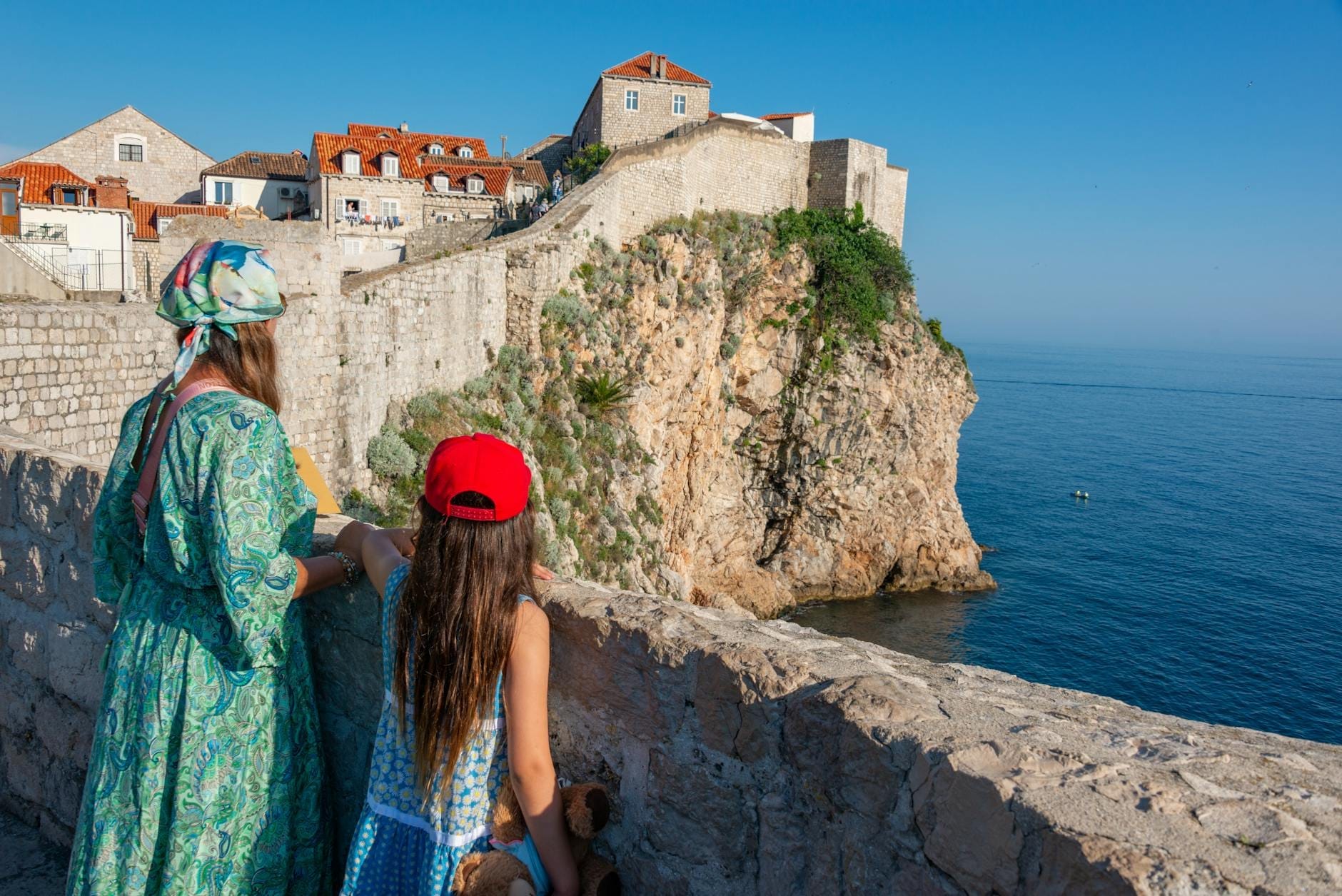
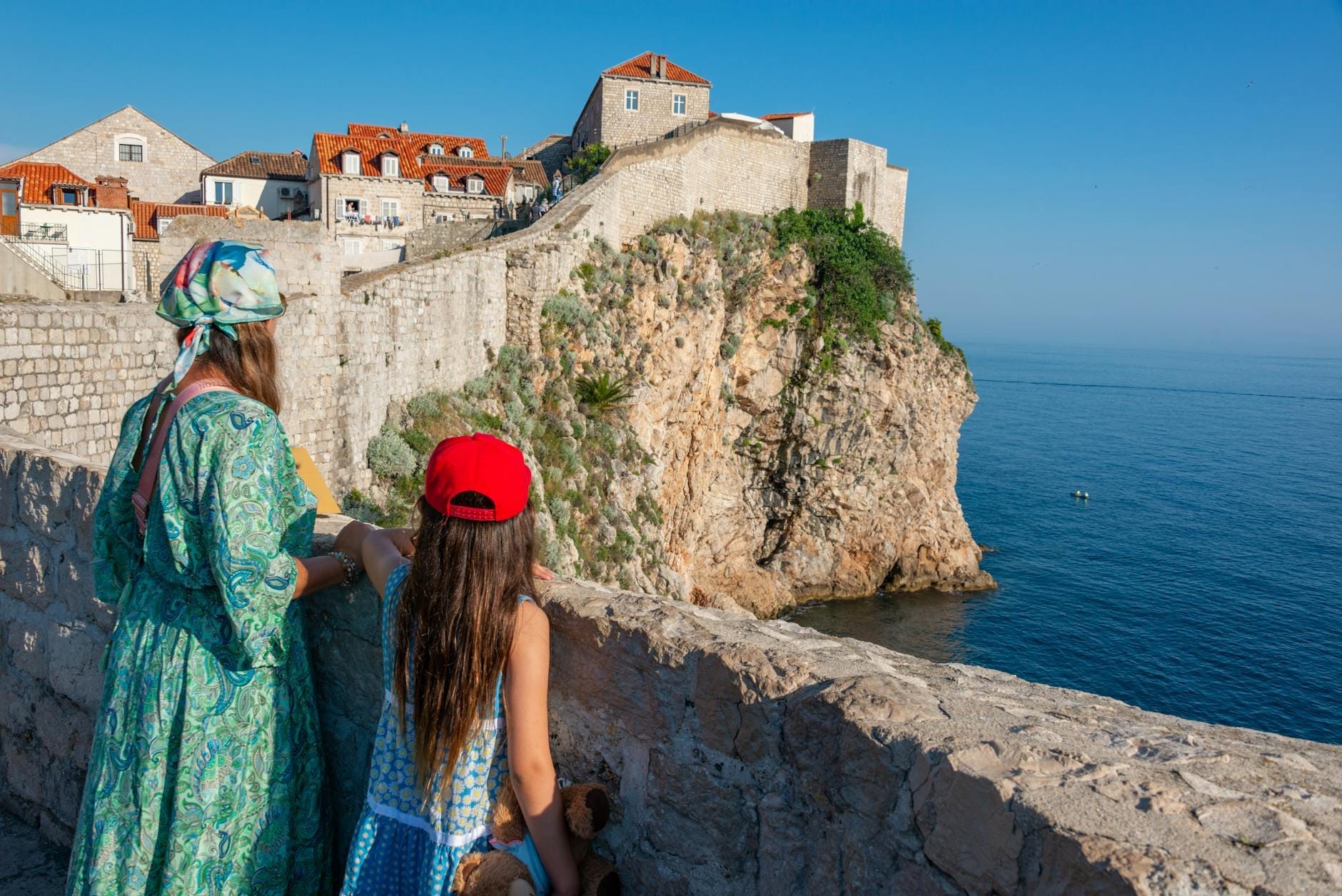
Walking the City Walls is the experience most families come for, and it delivers — but it needs realistic expectations. The full 1,940-metre circuit takes 1.5 to 2 hours and includes significant elevation changes, sun exposure, and narrow sections. Tickets are €35 for adults and €12 for children (7-17 years) (verify current prices at wallsdubrovnik.hr before booking). Start from Ploče Gate as early as 8am, before the heat builds and before tour groups arrive. Children aged 6 and above typically manage the full circuit; younger ones may need carrying on the steeper sections.
The cable car to Mount Srđ is one of the easiest family wins in the city. The ride takes under four minutes and arrives at a summit with panoramic views of Old Town, the islands, and the Adriatic. The hilltop has a restaurant and the Homeland War Museum, which is appropriate for older children and teenagers interested in Croatia's 1990s conflict. Younger children will be happy with the views and the open terrace.
For beach time, Copacabana Beach on the Babin Kuk peninsula is the most practical family option. The water is shallow at the edges, facilities include restrooms and restaurants, and seasonal inflatable water parks operate from roughly June through September at around €10-15 per hour per child. It's not a secluded cove, but it's exactly what families with younger children need. If your kids are older and want something more adventurous, sea kayaking tours around the city walls typically accept children aged 8 and above.
✨ Pro tip
Book the cable car tickets online in advance during peak season. The queues at the bottom station can run 45+ minutes in July, and standing in direct sun with tired children is not how you want to spend that time.
- City Walls walk: €35/adult, €12/child (7-17 years) — start at 8am from Ploče Gate
- Cable car to Mount Srđ: short ride, summit restaurant, suitable for all ages
- Copacabana Beach: shallow water, inflatable water park June-September, €10-15/hour/child
- Lokrum Island: 15-minute ferry from Old Town port, botanical gardens, peacocks, and a saltwater lake (Dead Sea Lake) safe for small swimmers
- Sea kayaking: from €40-60 per person, children 8+ accepted on most guided tours
- Game of Thrones locations: teenage fans will recognize Fort Lovrijenac, Minceta Tower, and the Rector's Palace
Day Trips Worth Making with Children
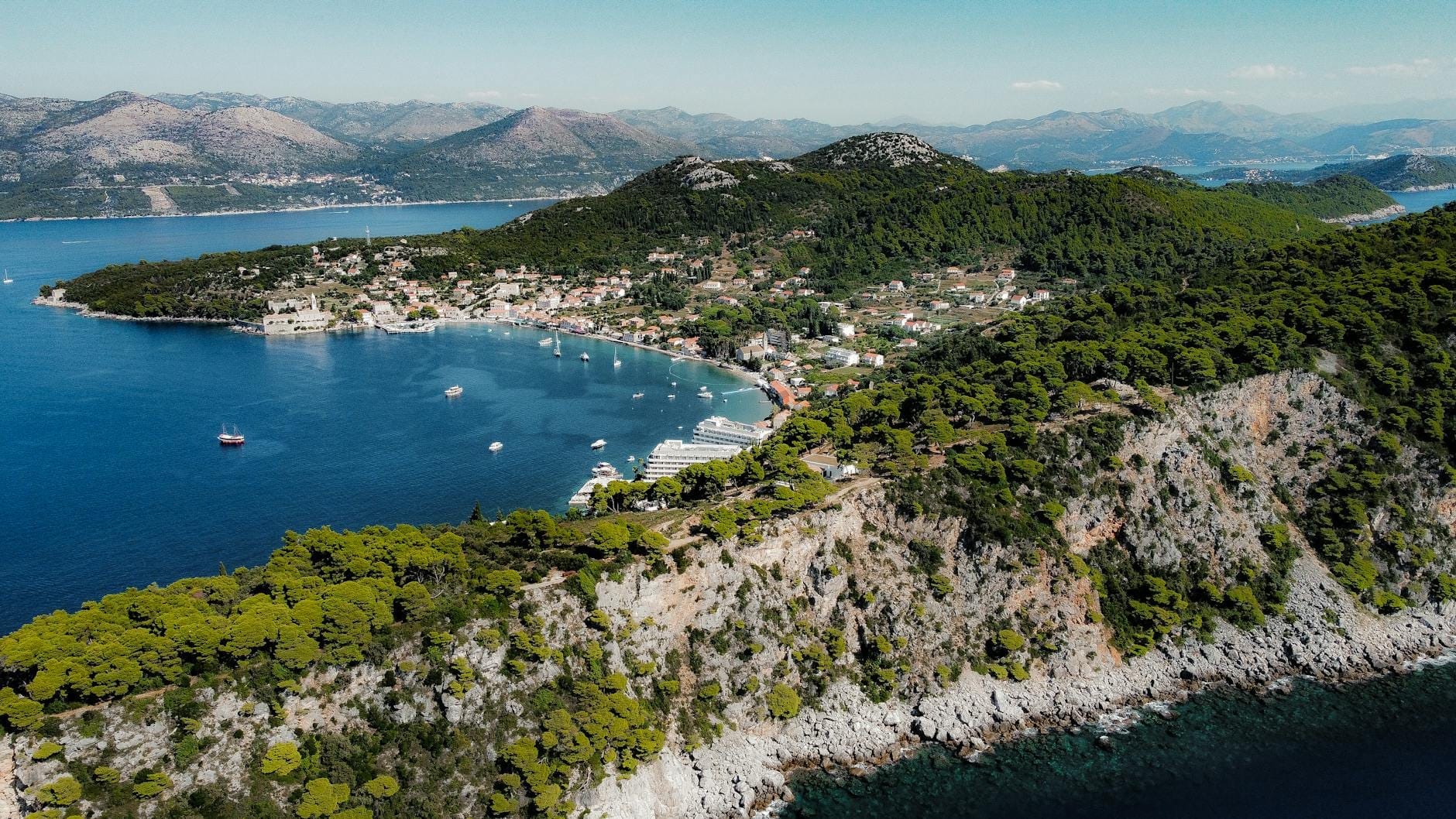
Dubrovnik's position on the southern Dalmatian coast makes it an excellent base for day excursions. The Elaphiti Islands — Šipan, Lopud, and Koločep — are accessible by regular ferry from Port Gruž in 15 to 45 minutes depending on the island. Lopud is the most practical for families: it's largely car-free, has a sandy beach (Šunj Beach, one of the few in the region), and is easy to navigate on foot. A day trip here costs little beyond the ferry ticket and lunch.
Lokrum Island deserves its own mention even though it's just 15 minutes from Old Town by ferry. The island has a Benedictine monastery, a botanical garden with roaming peacocks, shaded walking paths, and the Dead Sea Lake, a sheltered saltwater pool connected to the sea that's calm enough for children who aren't confident swimmers. The Dead Sea Lake on Lokrum is consistently one of the most memorable stops for families visiting Dubrovnik.
For families with older children, Kravica Waterfalls in Bosnia and Herzegovina make for a spectacular day trip, typically offered as a guided excursion. The drive takes around 2.5 hours from Dubrovnik but passes through interesting border formalities that older children often find fascinating. Check our day trips from Dubrovnik guide for full logistics on these and other options including Mostar.
Practical Logistics: Getting Around with Children
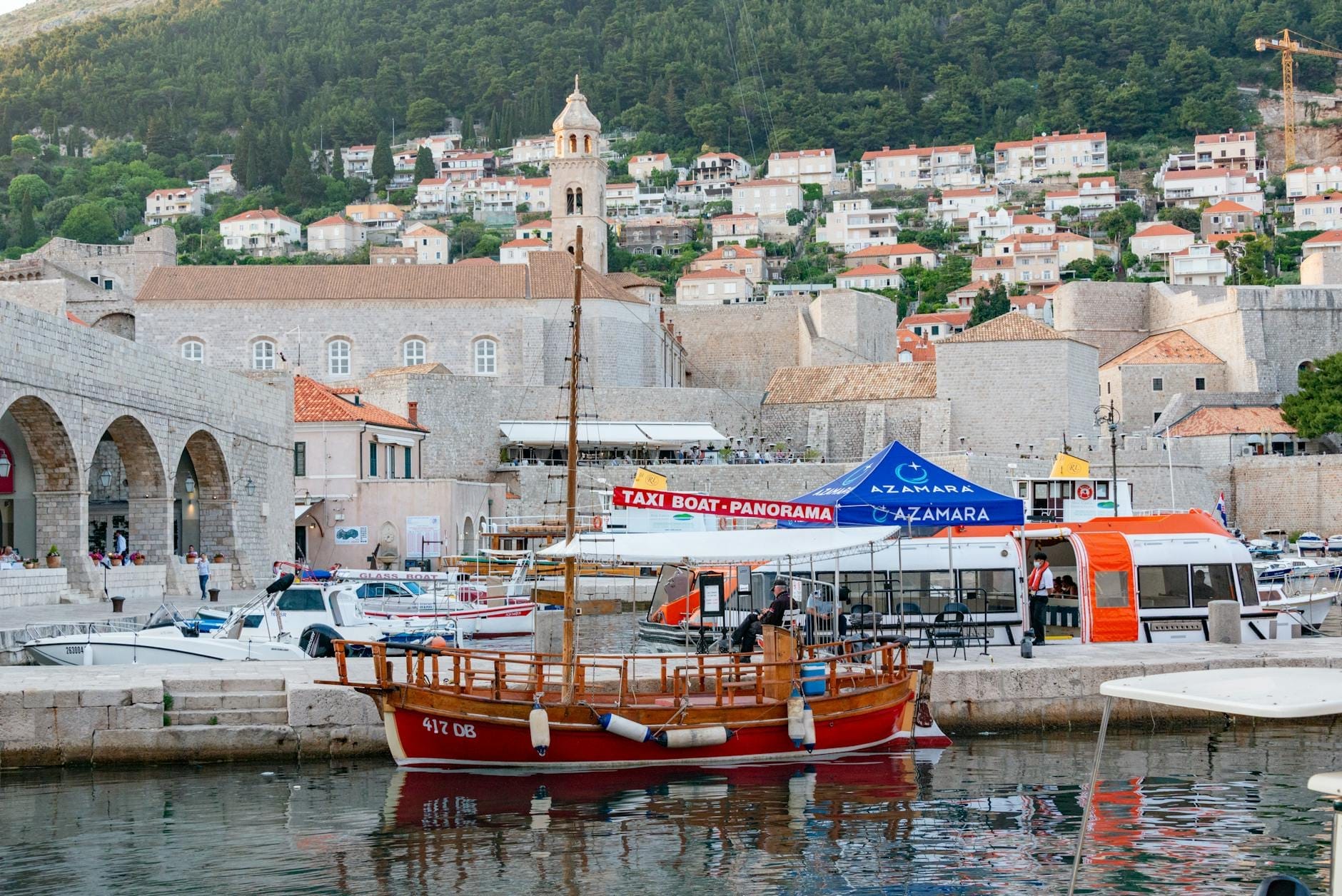
Dubrovnik Airport (DBV) is 20 kilometres from the city centre. The Libertas public bus runs to Old Town and Lapad in roughly 30-45 minutes for around €9 per adult; children under a certain age travel free or at reduced rates (confirm with the driver). Taxis run €25-40 for the same journey and are far more practical if you're arriving with luggage and tired children. Uber also operates in Dubrovnik, generally at competitive rates versus local taxis.
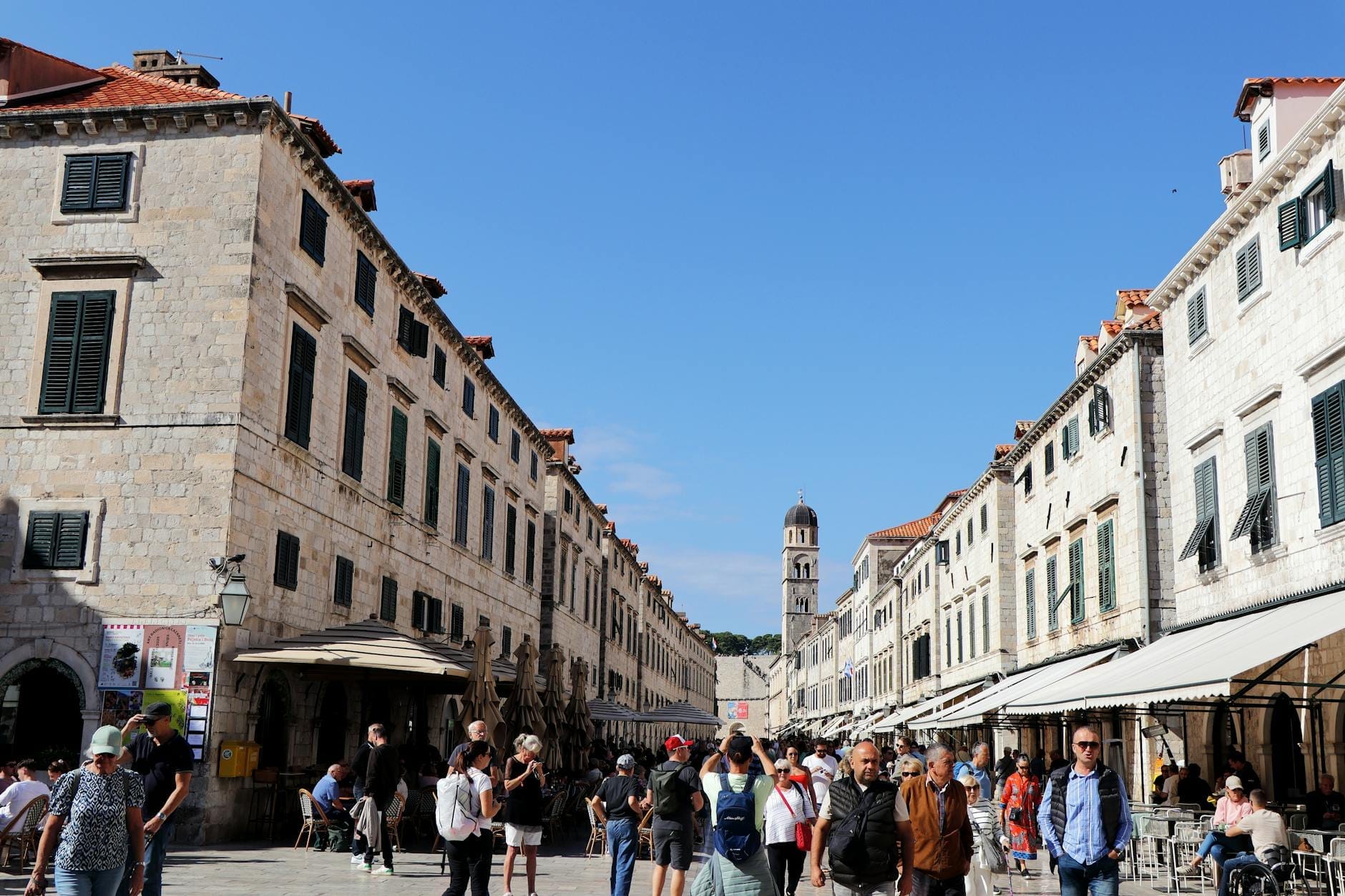
Within the city, the Libertas bus network is reliable and covers all main family destinations including Lapad, Babin Kuk, the Old Town bus stops, and the cable car base station. Single tickets cost around €2 purchased on board. Old Town itself is pedestrianised: the Stradun (Placa) is flat limestone and manageable with a stroller on the main level, though side streets climb steeply. The walls, Fort Lovrijenac, and most staircases are not stroller-accessible and require carrying or leaving the stroller at the entrance.
⚠️ What to skip
The limestone streets of Old Town become extremely slippery when wet — more so than they appear. Dress children in shoes with grip, especially if visiting outside the dry summer months. Flip-flops on a wet Stradun are a genuine hazard.
For families planning multiple paid attractions, the Dubrovnik City Pass covers the cable car, City Walls, and several museums, and can offer meaningful savings over a multi-day visit. Run the numbers against your specific itinerary before buying — if your children are under the entry age for several attractions, the adult-only pass may not justify the cost.
Eating and Staying: What Families Should Know
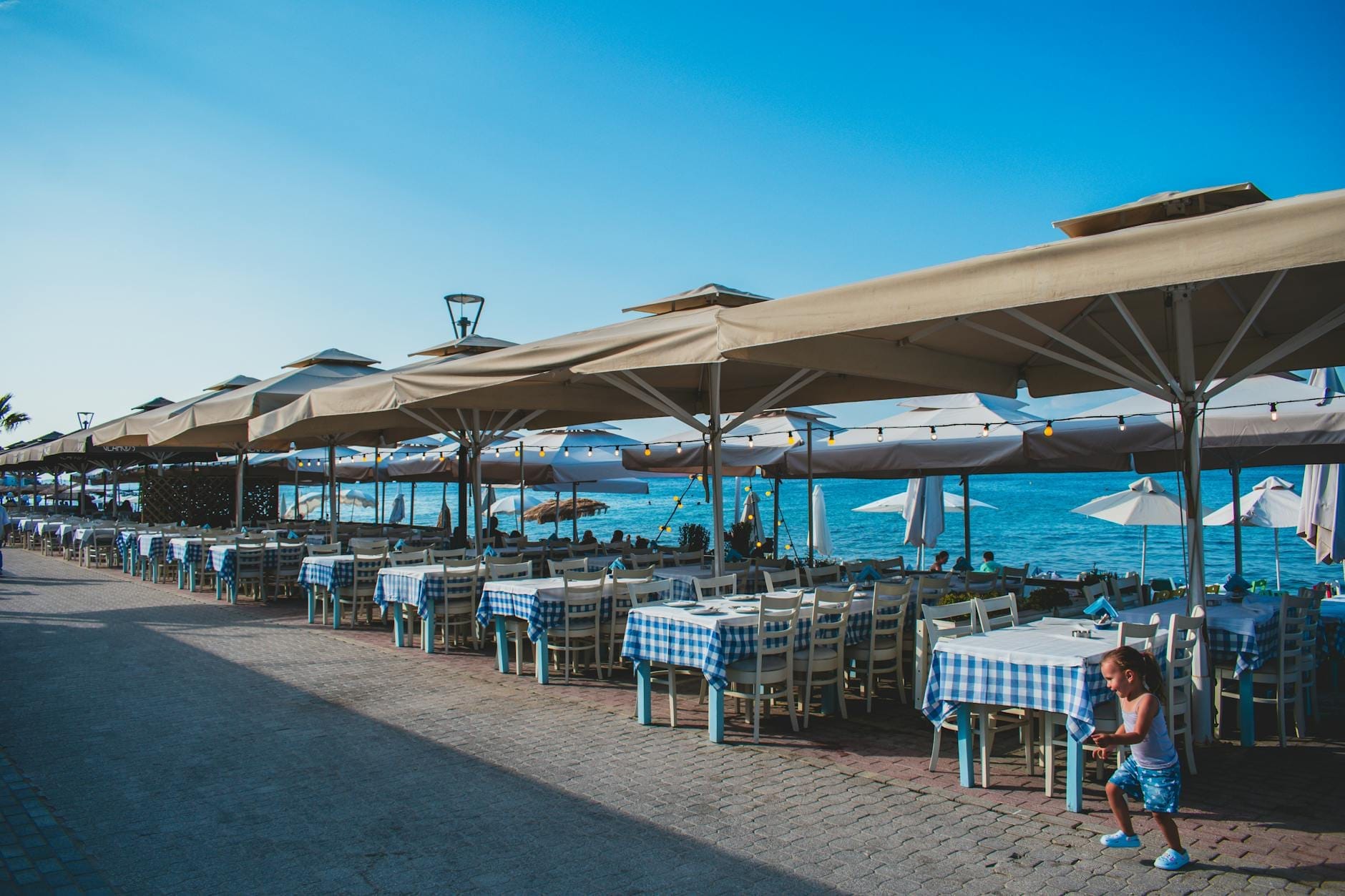
Restaurants in Dubrovnik are generally child-friendly without making a performance of it. Croatian food — grilled fish, pasta, pizza, risotto, grilled meats — travels well with children's palates. The most practical eating strategy for families is to avoid the most tourist-facing restaurants directly on the Stradun or immediately outside Pile Gate, where portions are smaller and prices are highest. The best places to eat in Dubrovnik guide points to options across price ranges and neighborhoods.
For accommodation, Lapad and Babin Kuk give families the most options: hotel complexes with pools, apartment rentals with kitchens, and proximity to beaches mean you're not dependent on restaurants for every meal. Staying in Old Town is romantic and convenient for sightseeing but expect narrow access, no car parking nearby, and limited space in most historic buildings. For a broader overview of where to sleep, the Dubrovnik accommodation guide covers all neighbourhoods with honest trade-offs.
Tap water is safe to drink throughout Dubrovnik, including in Old Town. This is worth knowing given how quickly children (and adults) get through water bottles in summer heat. Bring refillable bottles and use the large Onofrio Fountain at the Pile Gate entrance as a fill-up point — the water there is fresh and drinkable, a fact locals have relied on for centuries.
FAQ
Is Dubrovnik good for families with young children?
Yes, with realistic expectations. Old Town is traffic-free and the beaches in Lapad and Babin Kuk are calm and shallow. The main challenges are the heat in July and August, the uneven stone streets, and the stairs at major sights like the City Walls. Families with children under 5 tend to find Lapad more comfortable as a base than Old Town.
What age do children need to pay for the City Walls?
Children's tickets for the City Walls are around €12 (7-17 years), substantially less than the adult price of €35. The exact age cutoffs for child pricing can change seasonally — check the official wallsdubrovnik.hr site before visiting. Children under 7 are often admitted free, but this should be verified.
Are there stroller-friendly areas in Dubrovnik?
The flat main street of Old Town (the Stradun) and most of the Lapad and Babin Kuk neighbourhoods are manageable with a stroller. However, the City Walls, most staircases leading to viewpoints, Fort Lovrijenac, and many side streets in Old Town are not accessible with a pushchair. A lightweight, foldable stroller is preferable to a large travel system.
What is the best beach for families in Dubrovnik?
Copacabana Beach on the Babin Kuk peninsula is the most practical for families: shallow entry, good facilities, restaurants, restrooms, and seasonal inflatable water parks for children. Banje Beach is closer to Old Town and more scenic, but it has rockier entry points and tends to get crowded faster.
Is the Dubrovnik City Pass worth buying for families?
It depends on your children's ages and your itinerary. The pass typically covers the City Walls, public buses, and multiple museums, while cable car inclusion depends on the package and current offers. If you plan to visit several paid sights over two or more days, it can still pay off for adult tickets. Children's admission is already discounted, so calculate the combined cost for your specific group before purchasing.
Tickets & tours
Live prices and dates from our booking partner. If you book, we may earn a commission at no extra cost to you.
Planning a trip? Discover personalized activities with the Nomado app.