Where to Stay in Dubrovnik: Best Areas & Hotels for Every Budget
Choosing where to stay in Dubrovnik shapes your entire experience. This guide covers every major neighbourhood, from the medieval Old Town to the resort strip of Lapad, with honest advice on who each area suits, what to expect, and how to avoid common booking mistakes.
Tickets & tours
Live prices and dates from our booking partner. If you book, we may earn a commission at no extra cost to you.
TL;DR
- Old Town is atmospheric and walkable but genuinely loud in July and August — it suits short stays and light sleepers should look elsewhere.
- Ploče (east of the walls) offers the best balance: luxury hotels, Banje Beach access, and a 10-minute walk to the Stradun.
- Lapad and Babin Kuk are the go-to zones for families and anyone wanting a pool or beach resort without paying Old Town prices.
- Shoulder season (May-June or September-October) cuts prices noticeably and makes every neighbourhood more liveable.
- See the full breakdown of what to do once you've arrived in our things to do in Dubrovnik guide.
How to Choose the Right Area in Dubrovnik
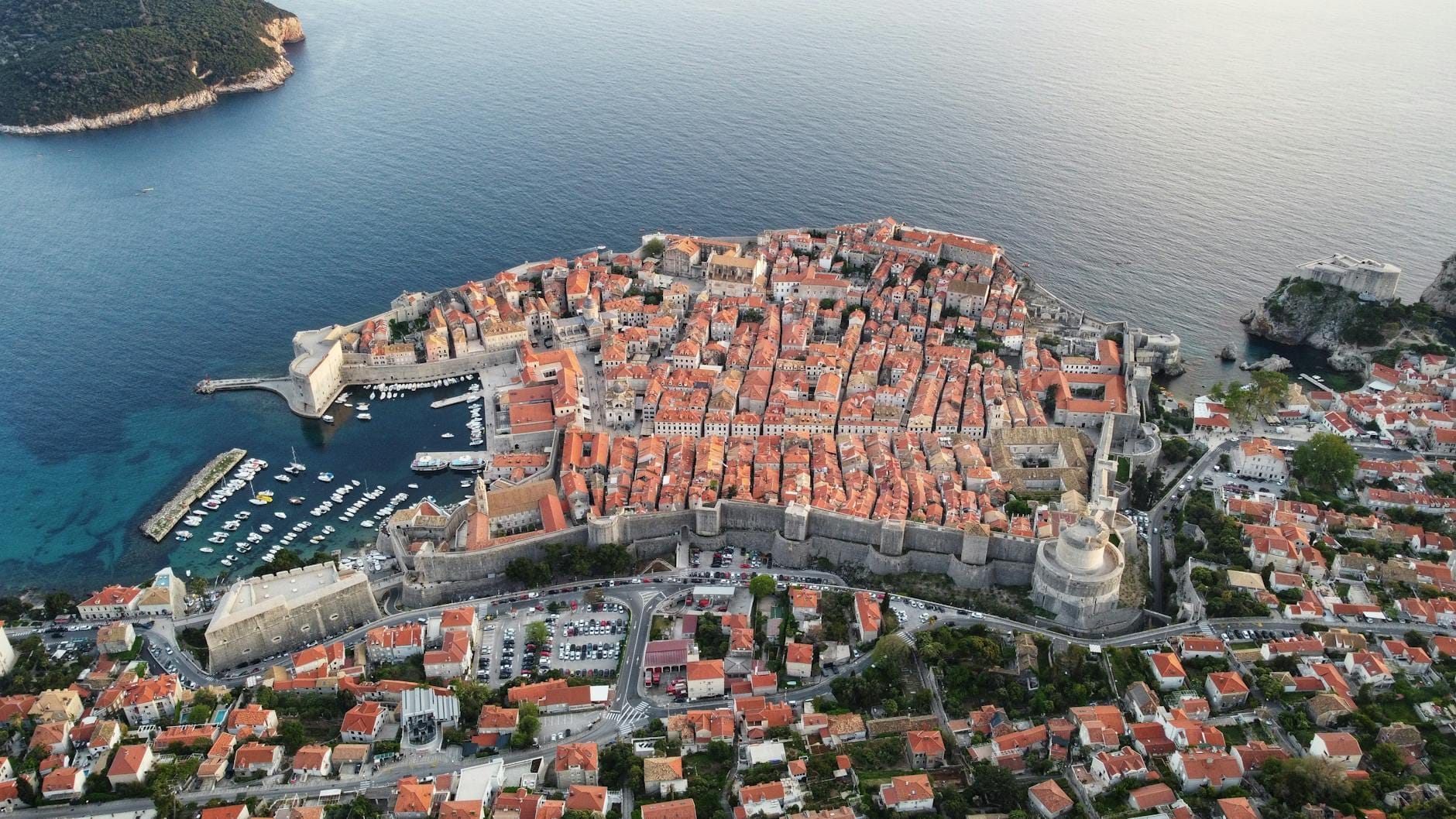
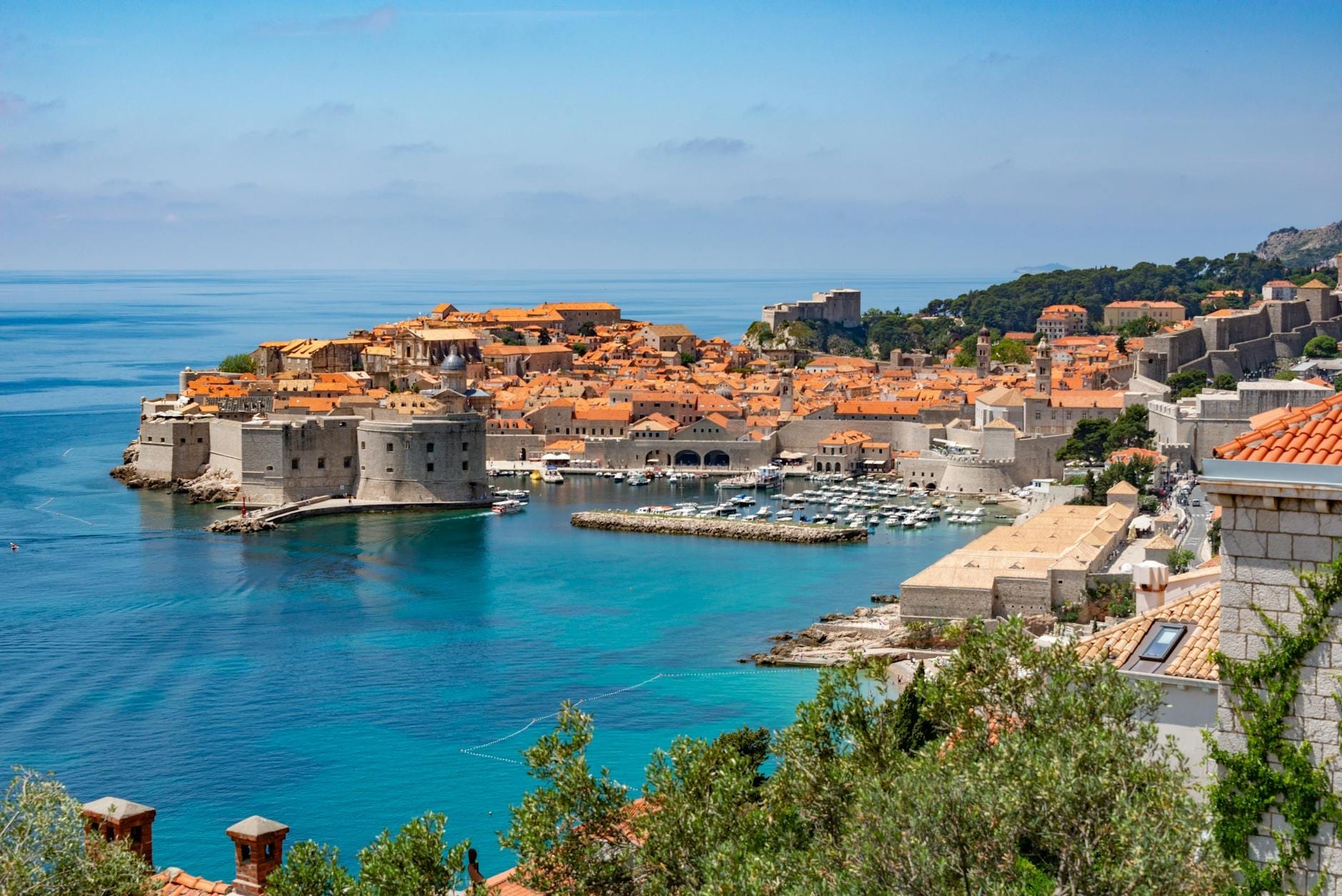
Dubrovnik is not a sprawling city. The metropolitan area stretches along a narrow coastal strip backed by the Dinaric karst, so no neighbourhood is more than about 30 minutes from the Old Town by bus. That said, where you sleep matters more here than in most cities because the tourist experience is concentrated so tightly inside and immediately around the medieval walls.
The key variables are noise tolerance, proximity to the walls, beach access, and budget. The Old Town maximises atmosphere but comes with a real summer noise problem: bars, tours, and cruise groups push through the limestone streets until late. Ploče keeps you close without immersing you in the crowds. Lapad and Babin Kuk offer proper resort infrastructure. Pile sits in between all of them. Understanding these trade-offs is more useful than chasing the "best" area, which simply depends on your priorities.
ℹ️ Good to know
Dubrovnik uses the Euro (EUR) since 2023, making budgeting straightforward for most European visitors. The city's public bus network, operated by Libertas, connects all major neighbourhoods to the Old Town for around 1.50-2 EUR per single journey.
Old Town (Stari Grad): Maximum Atmosphere, Minimum Peace
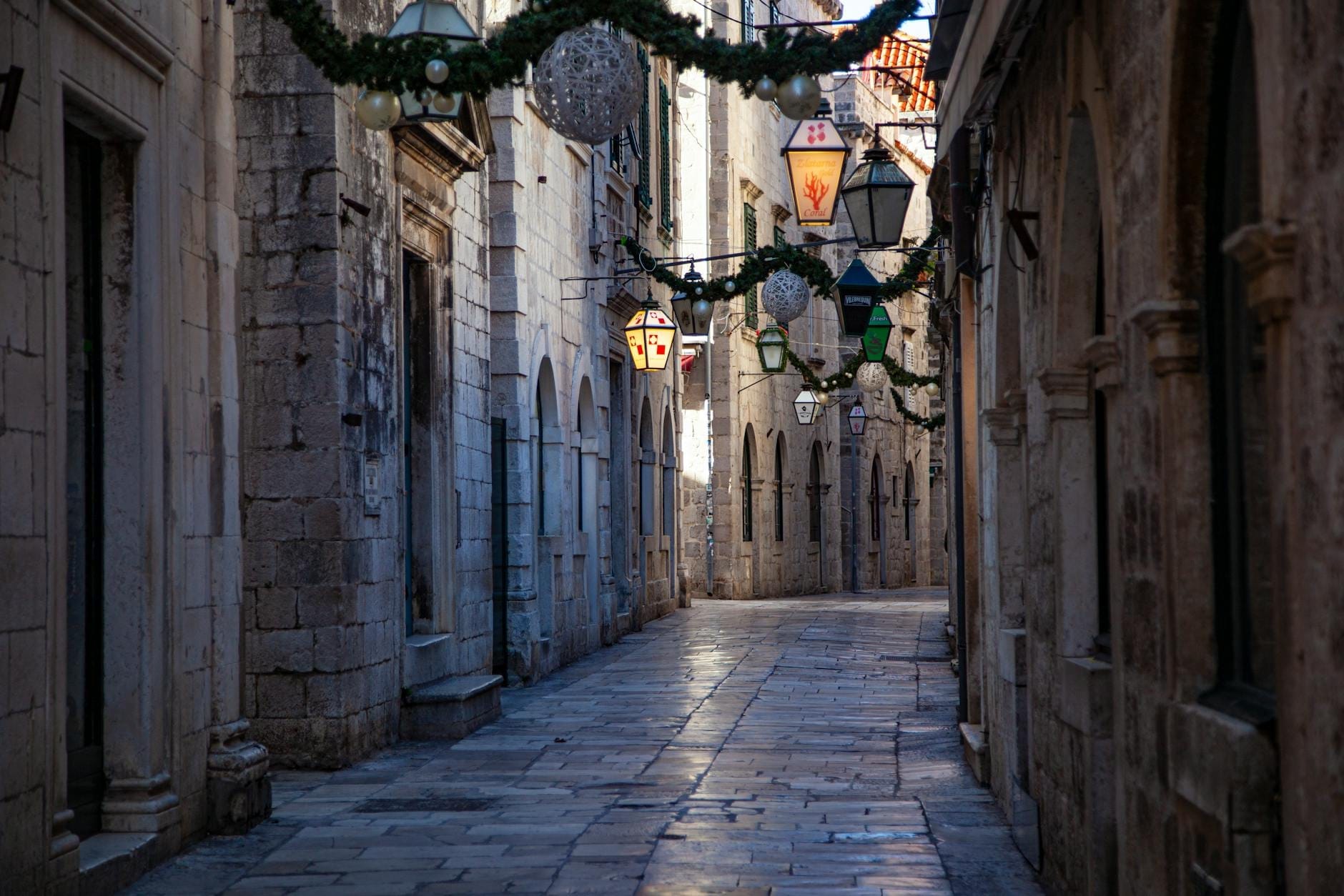
Staying inside the walls is an experience you cannot replicate elsewhere. Waking up to empty limestone streets before 8am, walking to the Stradun in under two minutes, having immediate access to the Dominican Monastery or Onofrio's Fountain before the first tour groups arrive — these are real advantages for first-time visitors or anyone on a tight schedule.
The trade-offs are significant. The Old Town is pedestrian-only, which means no car access to your accommodation. Luggage must be carried over cobblestones, sometimes up steep stairways. In July and August, the streets are genuinely loud until midnight or later. Accommodation options lean toward boutique guesthouses, apartments, and a handful of small luxury properties. Notable options include Hotel Stari Grad and 7oaks Noble House. Prices are among the highest in Croatia for the category. For context on what else you can do nearby, the Old Town walking tour guide is worth reading before you book.
- Best for First-time visitors, couples on short breaks, travellers without a car who want to walk everywhere.
- Not ideal for Light sleepers in peak summer, families with luggage or pushchairs, anyone wanting a pool or beach resort experience.
- Price range Boutique guesthouses from around 150 EUR/night; apartments vary widely on Airbnb.
- Noise level High June-September, moderate in shoulder seasons, very quiet October-April.
Ploče and the Riviera: The Best All-Round Location
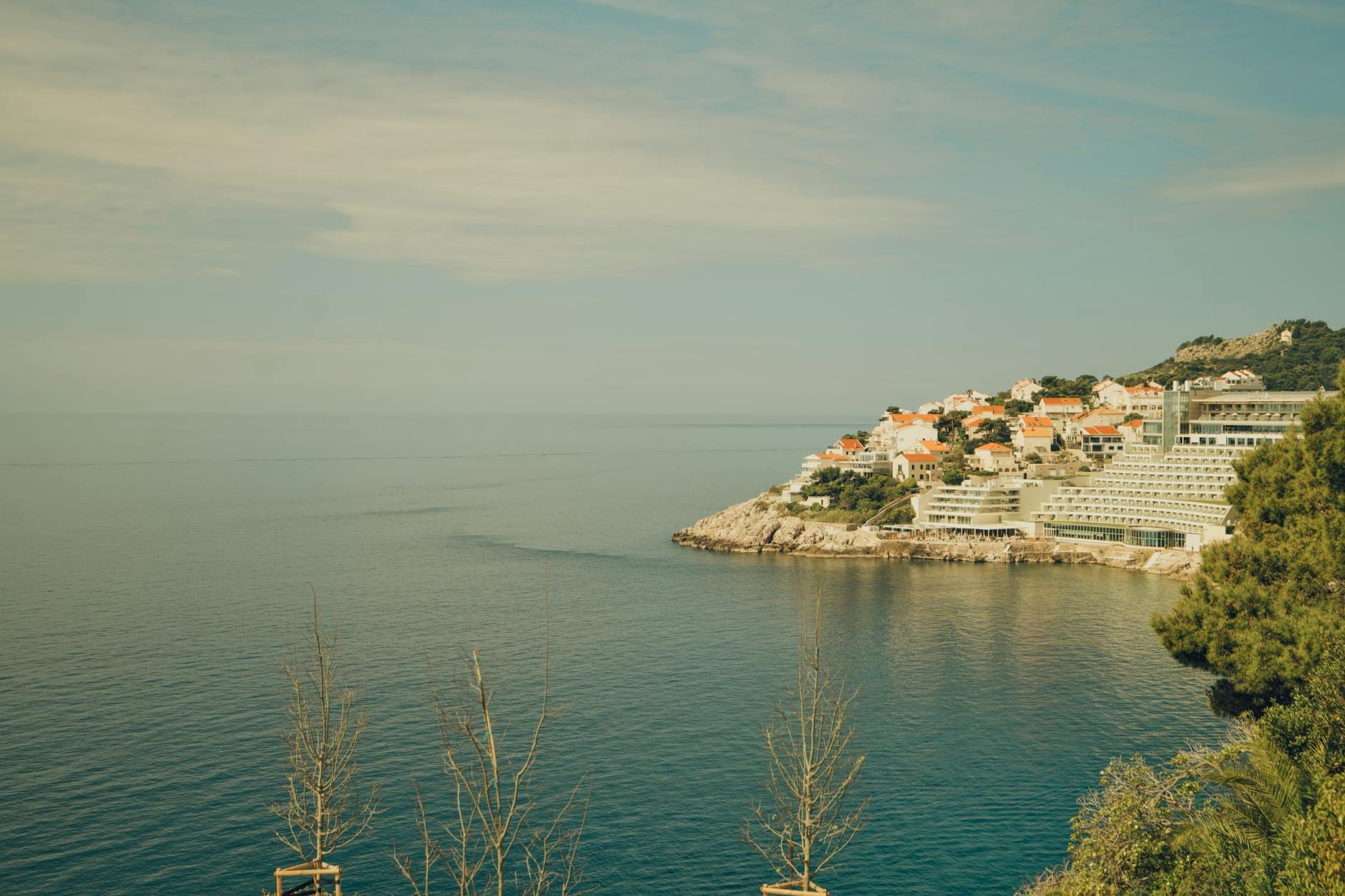
Ploče sits directly east of the city walls, between the Ploče Gate and the coast. It is the single strongest neighbourhood for most travellers who want luxury or mid-range accommodation without the summer noise of the Old Town interior. The main cluster of prestige hotels here includes Villa Dubrovnik, Grand Villa Argentina, and Hotel Excelsior, all of which sit on or near the water with views back across the walls.
The walk to the Pile Gate or Ploče Gate takes around 8-12 minutes on foot along relatively flat terrain. Banje Beach is within easy walking distance, making Ploče the rare area that combines genuine beach access with proximity to the Old Town. This is also the area to consider if you are researching luxury Dubrovnik hotels specifically. The drawback is price: expect to pay a significant premium over Lapad for comparable room quality.
✨ Pro tip
Several Ploče hotels include shuttle boats or water taxis to the Old Town as part of their service. When comparing rates, factor this in against taxis, which from the eastern suburbs can add up quickly over a week-long stay.
Lapad and Babin Kuk: Resort Infrastructure Without the Hype
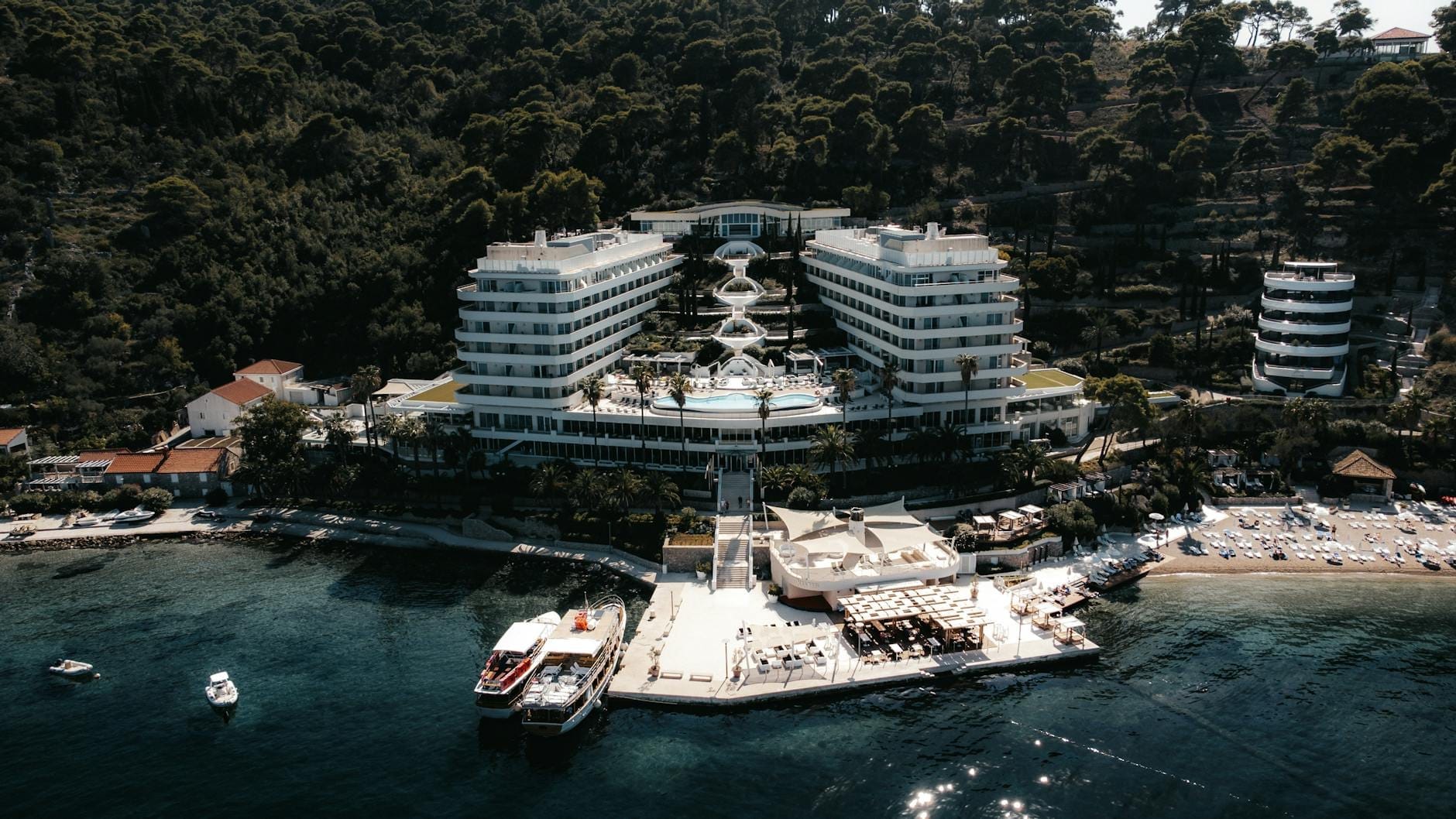
Lapad is a peninsula about 3 kilometres west of the Old Town, connected by frequent Libertas buses from the Gruž port area. It is where Dubrovnik keeps its full-scale resort hotels: pools, spa facilities, multiple restaurants, direct beach access. The Rixos Premium Dubrovnik is the headline property in Babin Kuk (the northern tip of the peninsula), and the President Hotel has a long-standing reputation for its Balance Mediterranean Spa. Sunset Beach and Copacabana Beach are both accessible on foot from the main hotel strip.
The bus journey to the Old Town takes 15-20 minutes, which is longer than it sounds after a full day of sightseeing. Lapad works best for travellers who are spending several days and do not feel compelled to walk to the walls every morning. Families with children particularly benefit here: the beaches are calmer than Banje, there are more casual dining options, and the pace is noticeably slower. For a full picture of the beach options across the city, see the Dubrovnik beaches guide.
- Bus line 4 and 6 connect Lapad to the Old Town Pile Gate area — journey time roughly 15-20 minutes, very frequent in summer.
- Lapad has its own strip of restaurants, cafes, and a small harbour, so you are not dependent on the Old Town for every meal.
- Mid-range apartments are more readily available here than anywhere near the walls, making it the default choice for self-catering stays.
- Parking is actually possible in Lapad — rare in Dubrovnik — which matters if you are hiring a car for day trips.
Pile, Montovjerna, and Gruž: The In-Between Options
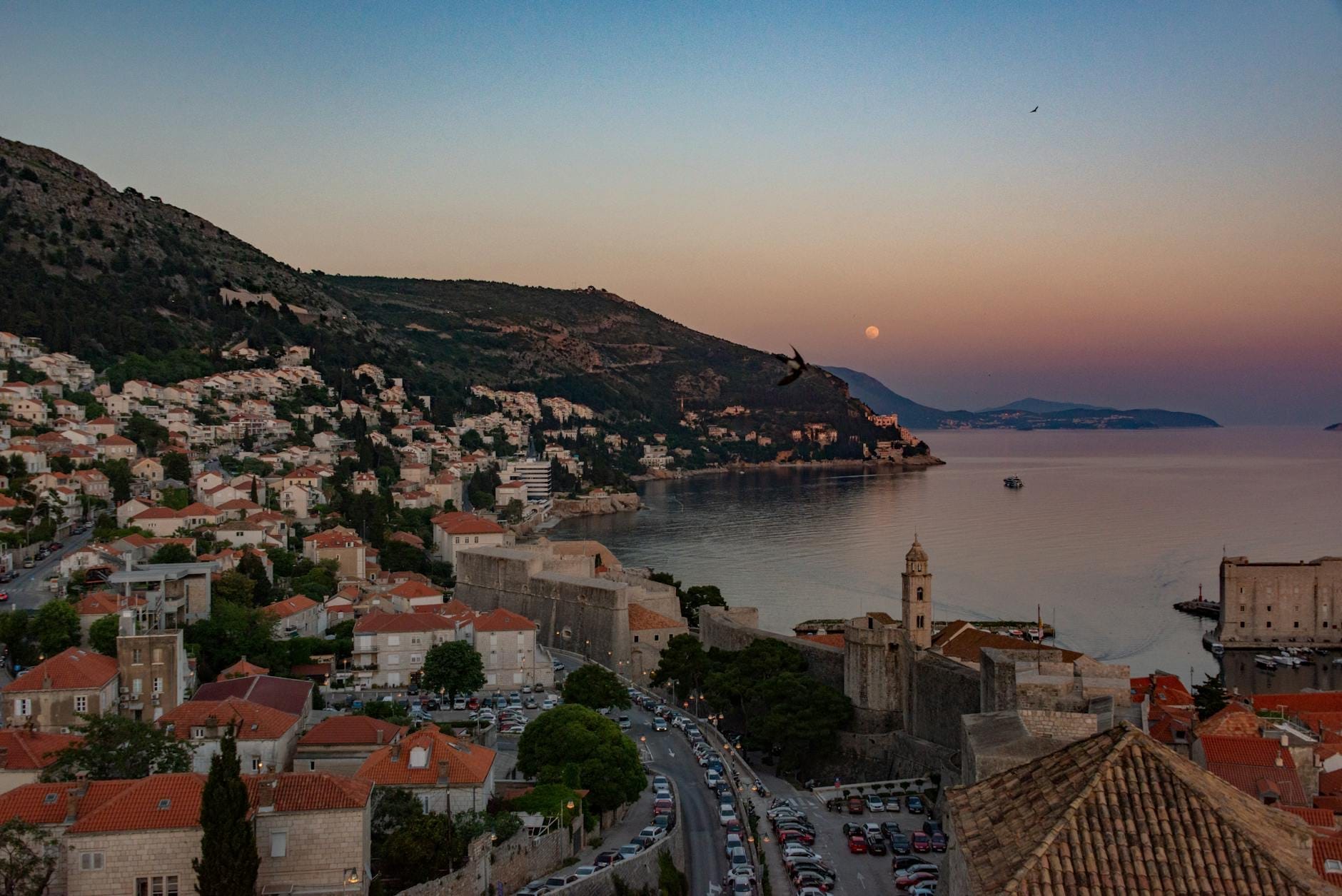
Pile is technically just outside the western gate of the Old Town. It functions as a transition zone: quieter than inside the walls at night, but close enough that the walk to the Stradun takes under 10 minutes. Several guesthouses and apartments operate here at slightly lower prices than the Old Town interior. Fort Lovrijenac, the detached fortress that juts over the sea west of the walls, is effectively on your doorstep.
Montovjerna is a quiet residential district roughly one mile from the Old Town on the western coast. It is genuinely peaceful in summer when everywhere else is heaving, and Bellevue Beach (a shingle and rock cove below a cliff) is walkable. It suits independent travellers who want a calmer base and do not mind a 20-minute walk or short bus ride to the walls. For context on the neighbourhood just further west, the Lapad area guide covers what to expect in the peninsula hotels.
Gruž, where the ferry port and Gruž market are located, is primarily a transit and working harbour area. Accommodation here is limited and the environment is functional rather than scenic. It is worth knowing about only if you are catching an early ferry to the islands — otherwise, it is not a recommended base.
⚠️ What to skip
Avoid booking accommodation described as 'Old Town views' without verifying the exact location on a map. Several properties marketed this way are a 30-minute walk or more from the walls, particularly those listed without a precise address in areas like Župa Dubrovačka to the south-east.
Seasonal Timing and What It Means for Your Booking
Peak season (July-August) is when Dubrovnik reaches its highest pressure point. Cruise ships can unload over 10,000 visitors in a single day into a UNESCO site that was built for a medieval population. If you are flexible, May-June and September-October are significantly better months to visit: hotel rates drop by 20-40% in shoulder season, temperatures are still warm (20-26°C), and the Old Town is actually enjoyable to walk through rather than something to survive.
In winter (November-March), the Old Town is largely reclaimed by residents. Many Lapad resort hotels close entirely or operate on skeleton schedules. The city is genuinely quiet, prices are low, and the architecture reads completely differently without crowds. It is worth considering for travellers more interested in the history and atmosphere than beach weather, though some restaurants and attractions operate reduced hours.
Booking lead time matters enormously here. For July and August, the best-located properties in Old Town and Ploče can fill 6-9 months in advance. For shoulder season, 3 months is usually sufficient. Last-minute deals are rare in peak season but common in winter.
Practical Tips Before You Book
- Confirm luggage logistics Old Town properties are cobblestone-only. Confirm with the hotel whether they offer luggage transfer from the gate, or plan to carry everything yourself.
- Check for air conditioning Not all smaller guesthouses have AC. In July and August, this is not optional — temperatures regularly exceed 30°C and the stone buildings retain heat.
- Look at transfer costs from DBV Dubrovnik Airport (DBV) is 20 km south-east of the city. Airport taxi transfers typically cost 25-40 EUR. Factor this into your total accommodation budget, especially for Lapad properties.
- Read the cancellation policy carefully Many Dubrovnik properties, especially smaller apartments, enforce strict non-refundable rates in peak season. The price difference versus a flexible rate is usually worth scrutinising.
- Parking only applies to Lapad and Gruž If you are renting a car, there is no meaningful parking near the Old Town. Car-based itineraries only work logistically if you are based in Lapad or Babin Kuk.
💡 Local tip
If you are planning day trips to the Elaphiti Islands, Mostar, or the Pelješac Peninsula, staying near Gruž port or in Lapad cuts your morning commute to the ferry terminal significantly compared to an Old Town base.
FAQ
Is it worth staying inside the Old Town walls in Dubrovnik?
For a first visit, yes — but with realistic expectations. The atmosphere inside the walls is unlike anywhere else in Croatia, especially early morning and late evening. The problem is summer noise: bars, tour groups, and foot traffic make it genuinely disruptive for light sleepers between June and September. If you are visiting in shoulder season, staying inside the walls is an easy recommendation. In peak summer, Ploče gives you almost the same access without the noise.
What is the best area to stay in Dubrovnik for families?
Lapad and Babin Kuk are the strongest choices for families. The beaches are calmer and more child-friendly than Banje Beach, resort hotels have pools and kids' facilities, and the dining options are more casual and varied. The bus to the Old Town is frequent and takes around 15-20 minutes, which is manageable even with young children.
How far is Lapad from the Dubrovnik Old Town?
Lapad is roughly 3 kilometres west of the Old Town by road, or around 15-20 minutes on the Libertas bus. It is not walkable in any practical sense — the terrain is hilly and the road is not pedestrian-friendly. The bus is frequent in summer, running every 10-15 minutes on the main routes from Gruž port.
Which Dubrovnik neighbourhood has the best beach access?
For beach-hotel combinations, Ploče gives you Banje Beach within walking distance of a luxury hotel. For a proper sandy or shingle beach resort experience, Lapad and Babin Kuk are better: Sunset Beach and Copacabana Beach are the main options, and several hotels have direct beach or pool access included in the rate.
When should I book hotels in Dubrovnik to get the best rates?
For July and August, book at least 5-6 months in advance for the better-located properties, especially in Old Town and Ploče. Shoulder season (May-June, September-October) requires 2-3 months lead time. Winter bookings can often be made much closer to the date, and rates are considerably lower across all areas.
Tickets & tours
Live prices and dates from our booking partner. If you book, we may earn a commission at no extra cost to you.
Planning a trip? Discover personalized activities with the Nomado app.