Best Things to Do in Dubrovnik: The Complete Expert Guide
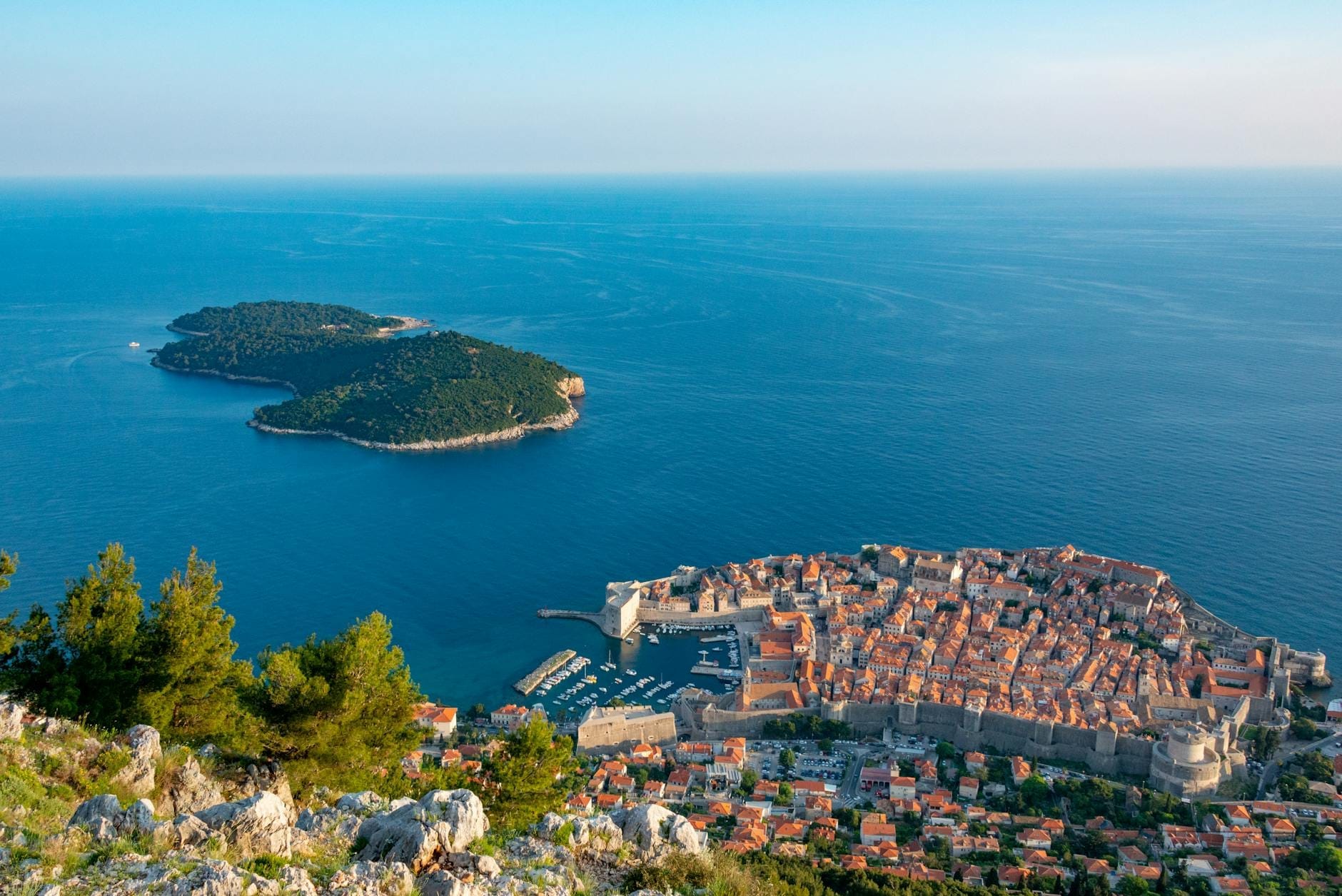
Dubrovnik rewards visitors who go beyond the obvious. This guide covers the top things to do in Dubrovnik, Croatia, from the iconic City Walls walk and cable car summit to sea kayaking, island hopping, and the local spots most guides skip. Includes real prices, crowd timing, and honest take on what's worth it.
Tickets & tours
Live prices and dates from our booking partner. If you book, we may earn a commission at no extra cost to you.
TL;DR
- Walk the 2km City Walls early morning (opens 8AM) to beat crowds; adult tickets are typically around €35. See our Dubrovnik City Walls guide for the full breakdown.
- The cable car to Mount Srđ takes 5 minutes and costs around €27 return — worth every cent for the panoramic view over the Old Town and Lokrum Island.
- Sea kayaking tours (€35-50) and Elaphiti Islands day trips are the best ways to see Dubrovnik from the water.
- Shoulder season (May-June or September-October) cuts crowds significantly without sacrificing weather — peak summer heat and tour buses make July-August genuinely difficult.
- Dubrovnik is more than Game of Thrones locations: the City Walls date to the 14th century, the Franciscan Monastery pharmacy has been operating since 1317, and the Old Town's history as the independent Republic of Ragusa runs far deeper than any TV show.
Walk the City Walls: Still the Single Best Activity in Dubrovnik
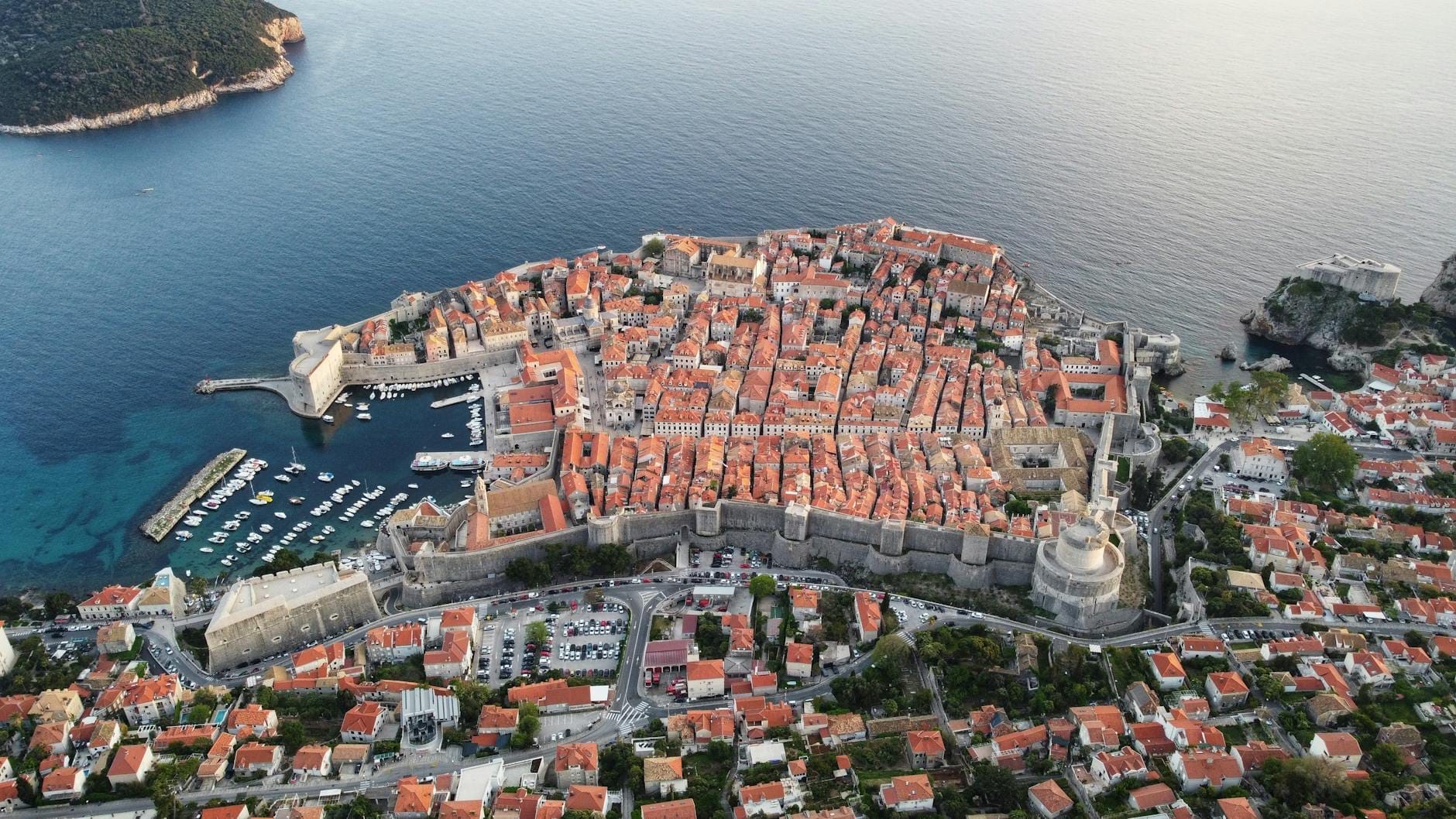
If you only do one thing in Dubrovnik, walk the City Walls. The 2km loop circles the entire Old Town at height, delivering uninterrupted views of terracotta rooftops, the Adriatic, and the limestone bulk of Mount Srđ above. The walls are largely intact and largely medieval, which is remarkable given the 1991-1992 siege that caused significant damage to the city. The restoration work is so thorough that first-time visitors often don't realise how recent some of it is.
Tickets cost around €20 for adults (verify current pricing at the official Dubrovnik Museums ticket office). The walls open daily at 8AM, and that is the best time to go, full stop. By 10AM in July and August, the walkway becomes a slow-moving queue in direct sun with no shade. In April and October, the evening closing time is around 7PM (last entry 6PM), so there is more flexibility. Note that the Dubrovnik City Pass covers wall entry, which can make it worthwhile if you're planning several attractions.
💡 Local tip
Bring water and wear proper shoes. The walls involve constant uneven stone steps with no railings in places. Flip flops are a genuinely bad idea. In July and August, the walls act as a heat trap — sunscreen and a hat are non-negotiable, not just a suggestion.
The highest point of the loop is Minčeta Tower, a 15th-century fortification that featured as the House of the Undying in Game of Thrones. Fort Lovrijenac, just outside the main walls to the west, is technically a separate ticket but pairs naturally with the walls walk. For more on the city's history seen from above, the Dubrovnik Old Town walking tour gives good ground-level context to go alongside the elevated perspective.
Mount Srđ and the Cable Car: Views That Reframe the City
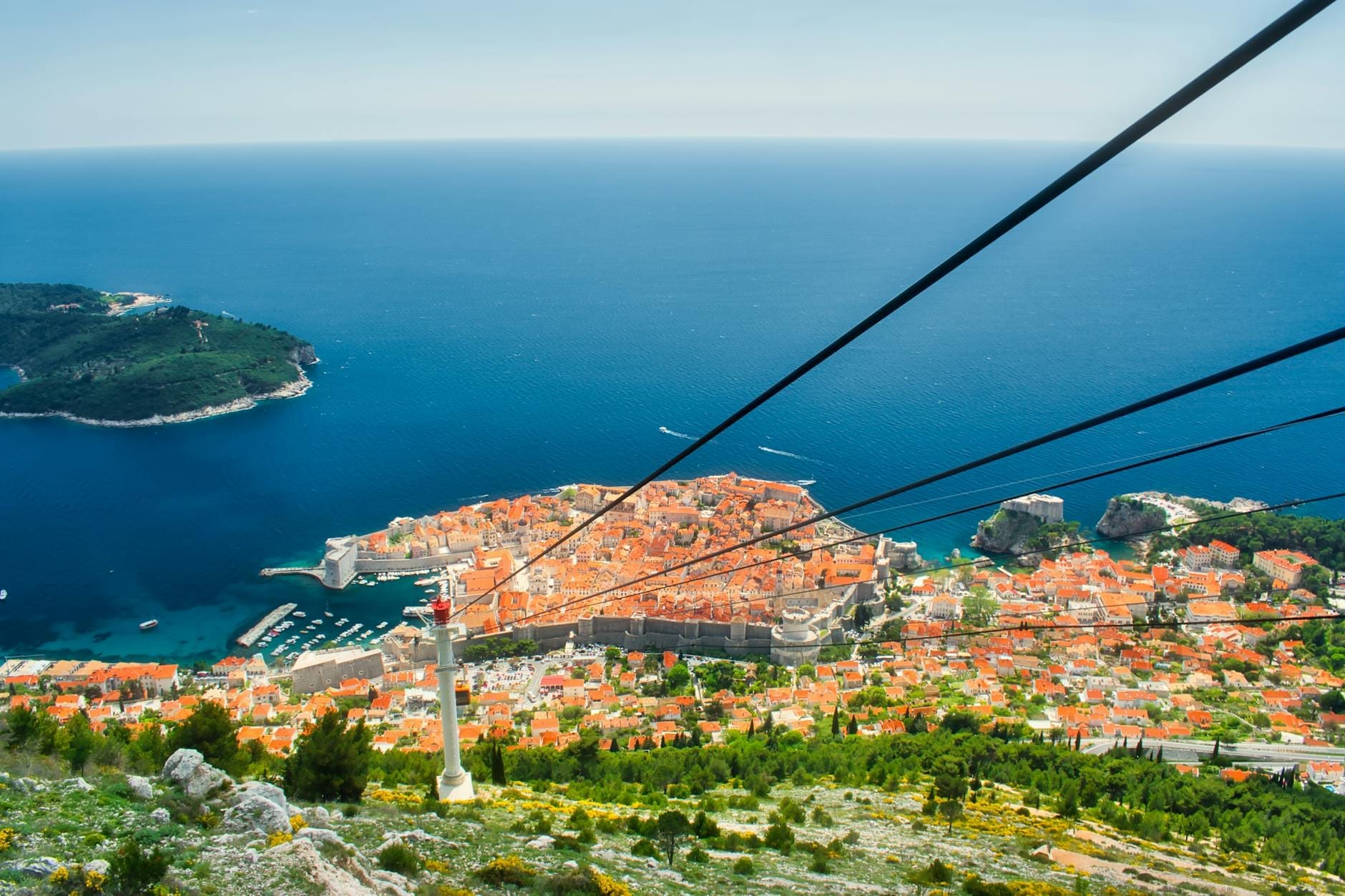
The Dubrovnik cable car climbs 412 metres to the summit of Mount Srđ in about five minutes. The view from the top is categorically different from the walls: you see the full oval of the Old Town from above, Lokrum Island directly below, and on clear days the Elaphiti Islands stretching northward. Round-trip tickets cost around €27 for adults (verify current pricing). The cable car runs from 9AM to around midnight in peak season, shorter hours in winter.
At the summit, Fort Imperial houses a museum covering the 1991-1992 Homeland War siege, which is sobering and worthwhile. For people who want more than a cable car ride, the hike up Mount Srđ on foot is a legitimate option — it takes around 45-60 minutes on a rocky trail and rewards with the same views plus the satisfaction of earning them. The heat in July and August makes this a morning-only proposition. Sunset from the summit is exceptional at any time of year.
✨ Pro tip
The summit restaurant gets crowded fast. If you want to eat up there, arrive early or come close to opening. Alternatively, grab a drink at the viewing terrace and save the meal for the Old Town below, where the quality-to-price ratio is generally better.
Getting on the Water: Kayaking, Beaches, and Island Trips
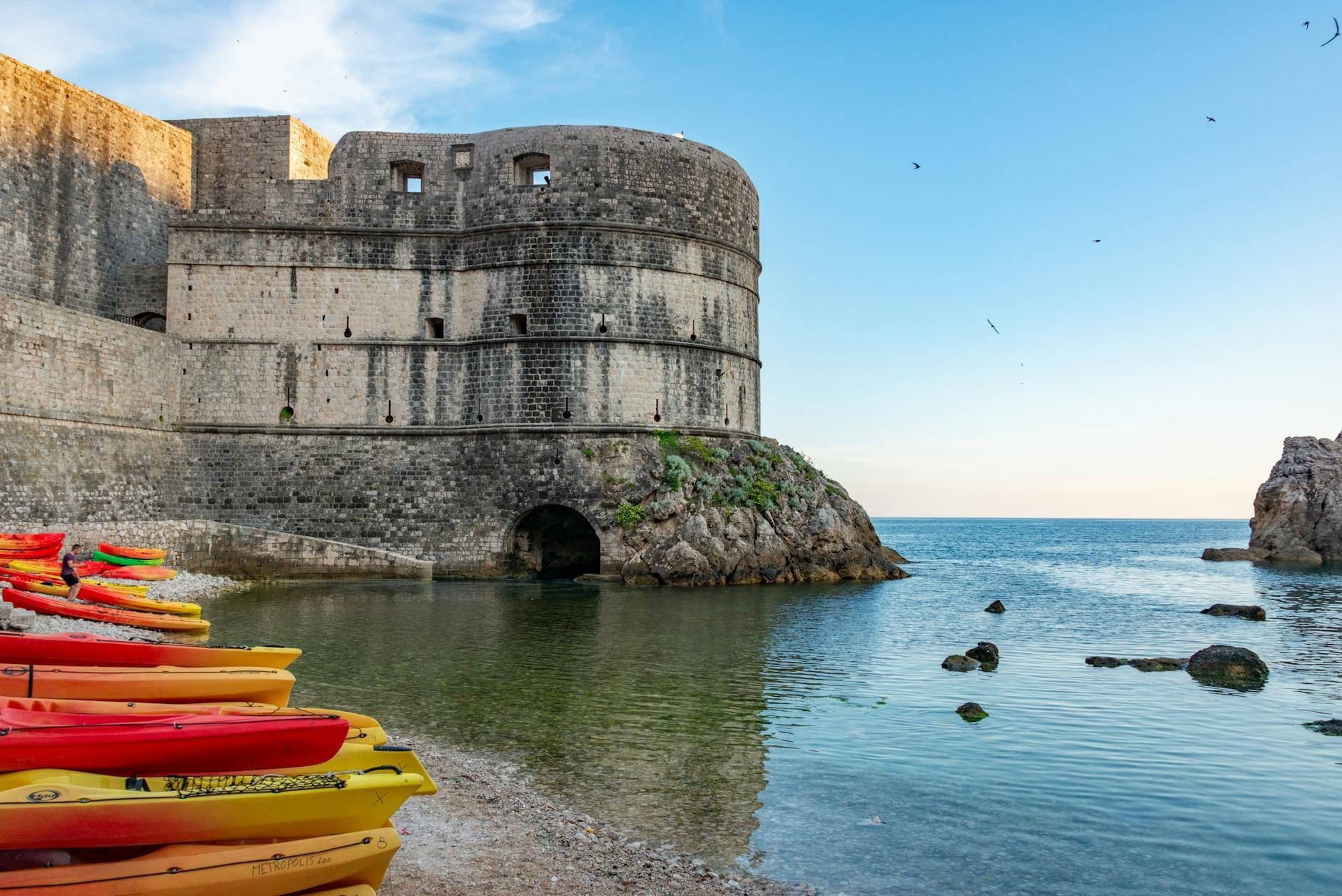
Dubrovnik is best understood as a coastal city, and spending at least half a day on the water is one of the best decisions you can make. Sea kayaking tours depart from near Pile Gate and Banje Beach, typically running 2-3 hours with stops at Betina Cave and the waters around Lokrum Island. Most tours include snorkeling gear. Prices range from around €35-50 per person, with morning and sunset options available. Double kayaks mean families and couples can go together, and most operators accommodate beginners.
For a full day on the water, an Elaphiti Islands boat trip covers multiple islands north of the city, with swimming stops in clear bays. These run from around €50-70 for a full-day excursion. The smaller operator boats (rather than the large catamaran party tours) tend to access quieter spots. Lokrum Island is a separate, cheaper option: regular ferries run from the Old Harbour every 30-60 minutes in season, and the island has a botanical garden, a Benedictine monastery, and the famous Dead Sea Lake for swimming.
For beach time, Banje Beach is the closest to the Old Town, a 5-minute walk from Pile Gate with clear turquoise water and a view straight back at the walls. It is a pebble beach, as are almost all beaches in this part of Croatia, so water shoes make swimming more comfortable. Lapad Bay has calmer, more sheltered water and is better for families. Neither beach is the kind of long sandy stretch you might be picturing — adjust expectations accordingly.
Inside the Old Town: History That Actually Rewards Attention
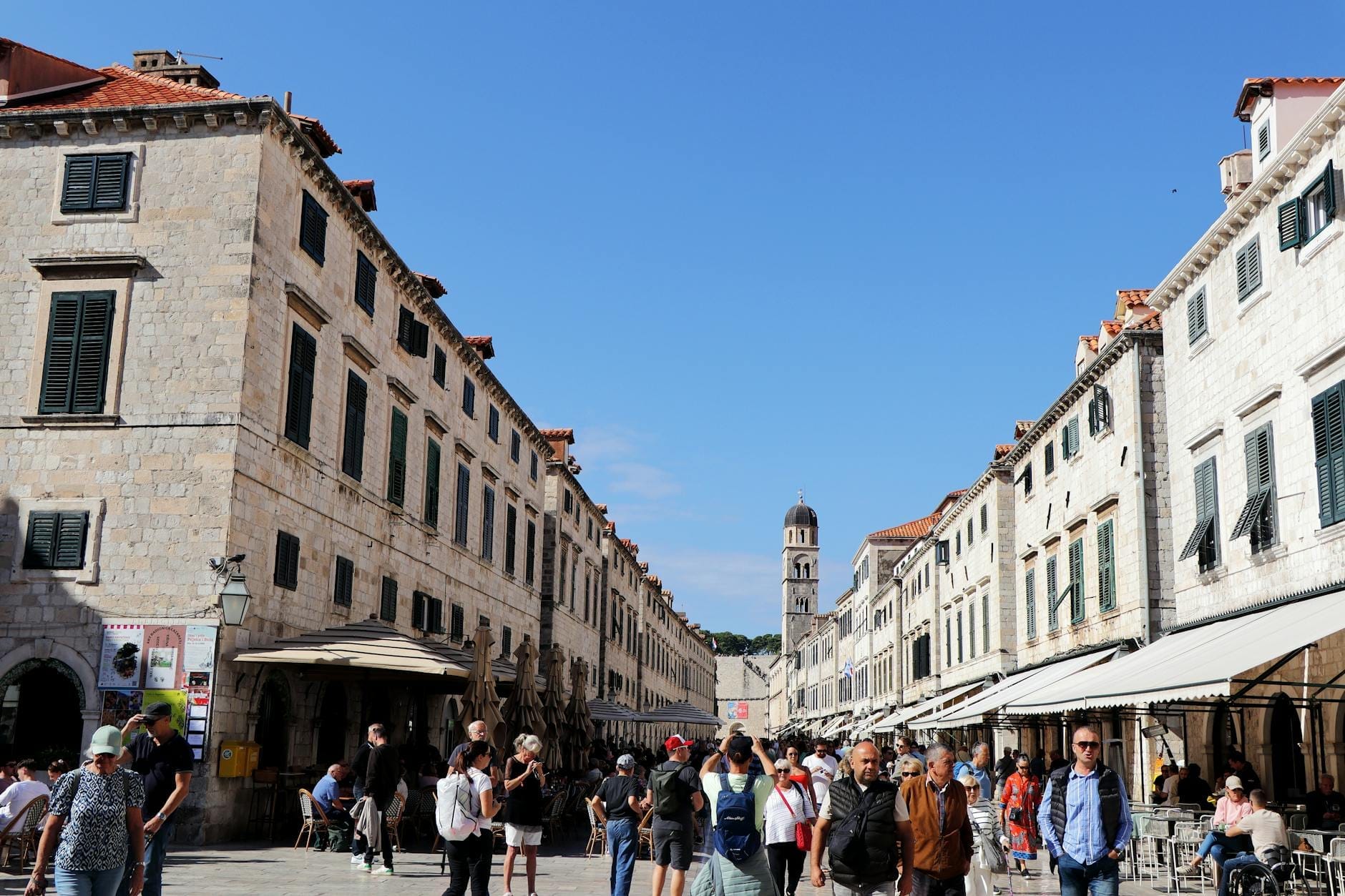
The Stradun, the main limestone-paved street of the Old Town, is where everyone ends up. It runs about 300 metres from Pile Gate to the Old Harbour, flanked by baroque palaces and ground-floor cafes. The stone is polished to a near-mirror shine from centuries of foot traffic, which is a genuinely striking detail that photographs struggle to capture accurately.
The Franciscan Monastery at the western end of the Stradun contains one of the oldest functioning pharmacies in Europe, established in 1317. The small museum attached to the cloister is genuinely worth visiting. The Rector's Palace across from the cathedral is another underrated stop: the Republic of Ragusa's elaborate system of governance (the Rector was elected for one month only, to prevent accumulation of power) is one of the more fascinating political histories in medieval Europe, and the palace tells that story well.
- Franciscan Monastery and Pharmacy Functioning pharmacy since 1317, beautiful cloister, small museum. Entrance around €5. Worth 45 minutes.
- Rector's Palace Best museum in the Old Town for understanding the Republic of Ragusa's political history. Allow 1 hour.
- Dominican Monastery Less visited than the Franciscan, with a superior collection of Renaissance paintings from the Dubrovnik school.
- Cathedral of the Assumption Baroque interior with a treasury that includes a reliquary arm of Saint Blaise and allegedly part of the True Cross.
- Sponza Palace 16th-century Gothic-Renaissance building on the Stradun. Free to enter the courtyard; houses the Memorial Room of the Dubrovnik Defenders.
⚠️ What to skip
The Buža bars (the cliffside bars cut into the walls above the sea, accessible from the Old Town) are now clearly signposted and no longer qualify as off-the-beaten-path. They are worth visiting for the experience of drinking above the Adriatic, but expect queues for cliff-jumping spots in summer and elevated prices for the setting. Budget around €5-8 for a beer.
Day Trips and Getting Beyond the Old Town
Dubrovnik is geographically compact, and its position on the southern Dalmatian coast puts some excellent day trips within reach. Mostar in Bosnia and Herzegovina is around 90 minutes by road and is one of the more rewarding cross-border excursions in this part of Europe. The Kravica Waterfalls are often combined with a Mostar trip. Closer to the city, the Trsteno Arboretum — a Renaissance garden about 18km north on the coastal road — is photogenic, quiet, and takes about 2 hours. It featured as the Red Keep gardens in Game of Thrones, which is either interesting or irrelevant depending on your perspective.
For a full overview of excursion options beyond the city, the day trips from Dubrovnik guide covers distances, logistics, and which trips are genuinely worth the travel time. One note: Split is about 3.5-4 hours north by road or bus, which makes it a long day but a doable overnight if you want to see more of Dalmatia.
Practical Tips: Timing, Costs, and Avoiding Frustration
Dubrovnik is one of the most visited cities in Europe relative to its size, and the logistics reflect that. The Old Town covers a relatively small area, and in July and August it can feel genuinely overcrowded, especially when multiple cruise ships are in port. Checking the cruise schedule before you plan specific activities is practical: on heavy cruise days (sometimes 3-4 ships simultaneously), the Stradun and the City Walls become very congested between 10AM and 4PM.
- Visit the City Walls before 9AM or after 5PM in summer. The light is better for photography in the early morning anyway.
- The Dubrovnik City Pass typically covers walls entry and several museums, while cable car access depends on package details — worth checking current inclusions for your specific itinerary.
- The Libertas bus network connects the Old Town (Pile Gate), Gruž port, Lapad, and the airport. A single ride costs around €2 paid on board, less with a card.
- Tap water in the Old Town is safe to drink. Bottled water at tourist restaurants is marked up significantly.
- English is widely spoken throughout the tourism areas. Croatian phrases are appreciated but not necessary.
- Tipping 5-10% in restaurants is standard. It is not mandatory but is expected at sit-down establishments.
On the question of budget: Dubrovnik is not cheap by Croatian standards. Meals in the Old Town average €15-30 per person at sit-down restaurants. The Dubrovnik on a budget guide covers where to eat and sleep without paying Old Town premium prices across the board. The Gruž market is the best place to buy fresh produce and local food if you have kitchen access. Moving accommodation to Lapad cuts hotel costs significantly with only a 15-minute bus ride into the centre.
FAQ
How many days do you need in Dubrovnik?
Two full days covers the main attractions: City Walls, Old Town sights, cable car, and a half-day on the water. Three days allows for a day trip (Lokrum, Elaphiti Islands, or Mostar) and a more relaxed pace. Anything less than two full days means rushing through what is genuinely a city worth slowing down in.
What are the best free things to do in Dubrovnik?
Walking the Stradun costs nothing. The Fort Lovrijenac exterior, the Pile Gate entrance area, and the Old Harbour are all free to explore. Pile Gate's drawbridge and the Large Fountain of Onofrio (1438) are visible from the street. Swimming at Banje Beach is free if you skip the sunbed hire. The Sponza Palace courtyard is free to enter. For a full list, see the free things to do in Dubrovnik guide.
Is Dubrovnik worth visiting with kids?
Yes, with some caveats. The City Walls are fine for older children but involve a lot of uneven steps — not suitable for pushchairs. Kayaking tours often accommodate families with children aged 6 and up. Lokrum Island is excellent for kids, with shallow swimming at the Dead Sea Lake and peacocks wandering the grounds. The Old Town's cobblestones are hard going with a pram. Lapad is the most practical base for families, with calmer beaches and flatter terrain.
When is the best time to visit Dubrovnik?
May-June and September-October are the strongest arguments for shoulder season: temperatures sit between 18-26°C, the sea is warm enough to swim, and crowd levels are noticeably lower than July and August. The Dubrovnik Summer Festival runs mid-July through mid-August if cultural performances are a priority. Winter is quiet and atmospheric but some attractions run reduced hours and sea swimming is not realistic below 15°C.
Do I need to book Dubrovnik City Walls tickets in advance?
In July and August, booking online in advance is strongly recommended — the walls have a daily visitor cap and do sell out on busy days. In shoulder season (May-June, September-October), walk-up tickets are usually available, but booking ahead still saves time queuing. The official Dubrovnik Museums website is the correct place to purchase tickets; avoid third-party resellers charging significant markups.
Tickets & tours
Live prices and dates from our booking partner. If you book, we may earn a commission at no extra cost to you.
Planning a trip? Discover personalized activities with the Nomado app.