Where to Eat in Dubrovnik: Best Restaurants & Areas
Dubrovnik's dining scene runs from rooftop fine dining above limestone walls to burek shops wedged into medieval alleyways. This guide cuts through the tourist-trap noise to tell you exactly where to eat, what to order, and how much to pay — by neighbourhood, budget, and occasion.
Tickets & tours
Live prices and dates from our booking partner. If you book, we may earn a commission at no extra cost to you.
TL;DR
- Old Town restaurants are convenient but pricey; eating one neighbourhood out (Lapad, Gruž) saves 20-40% on identical food quality.
- Dubrovnik food is rooted in Dalmatian seafood: black risotto, grilled fish by the kilogram, peka (slow-cooked under an iron bell). See what to eat in Dubrovnik for a full breakdown of local dishes.
- Street food options like Igra Street Food and Soul Kitchen are consistently the highest-rated spots in the city — and cost a fraction of sit-down meals.
- Book fine dining (Restaurant 360, Restaurant Dubrovnik) at least 2-3 days ahead in July and August.
- The Dubrovnik City Pass includes a discount at Poklisar restaurant in the Old Port — worth factoring in if you're already buying the pass.
Understanding the Dubrovnik Dining Landscape
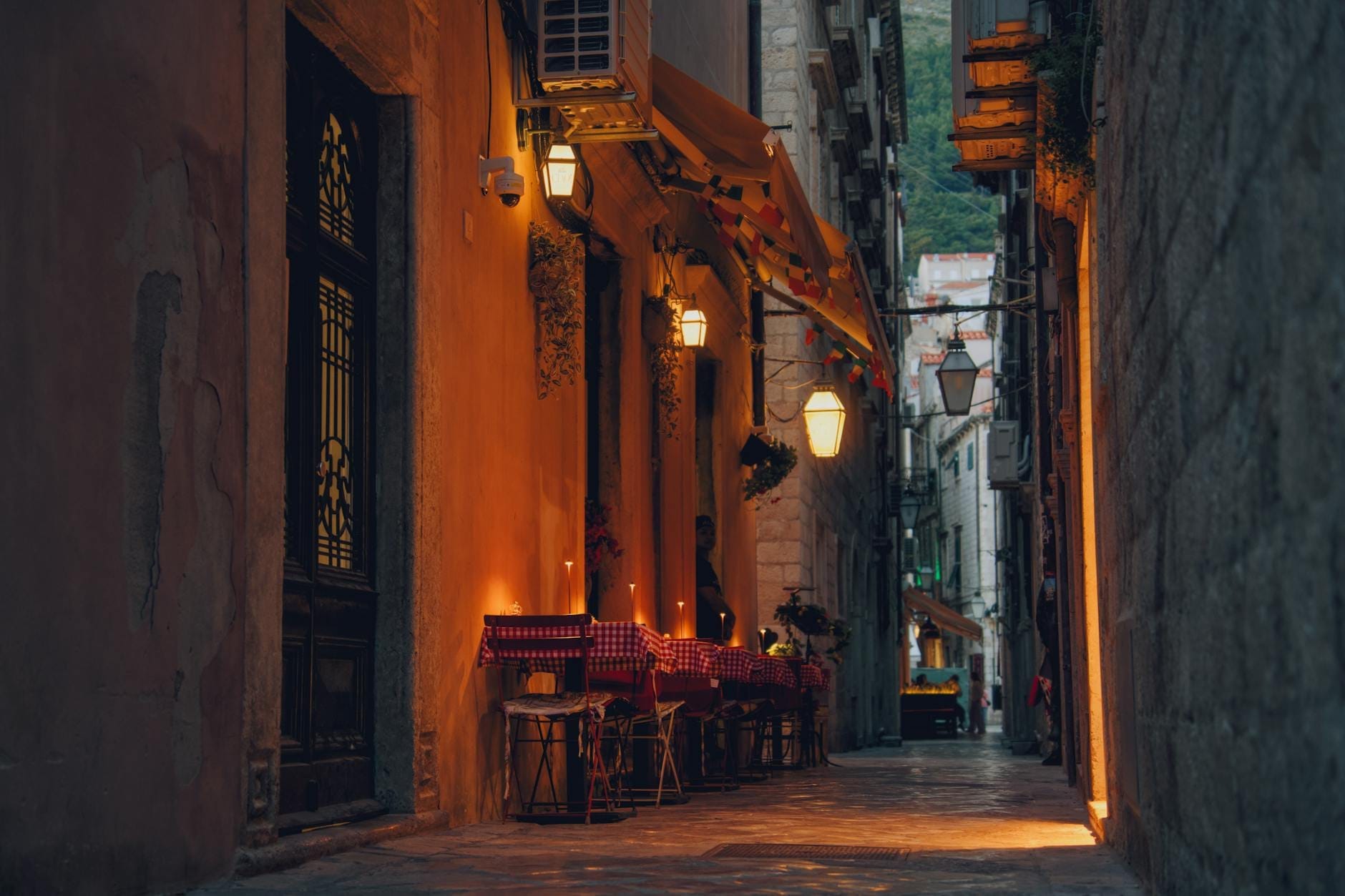
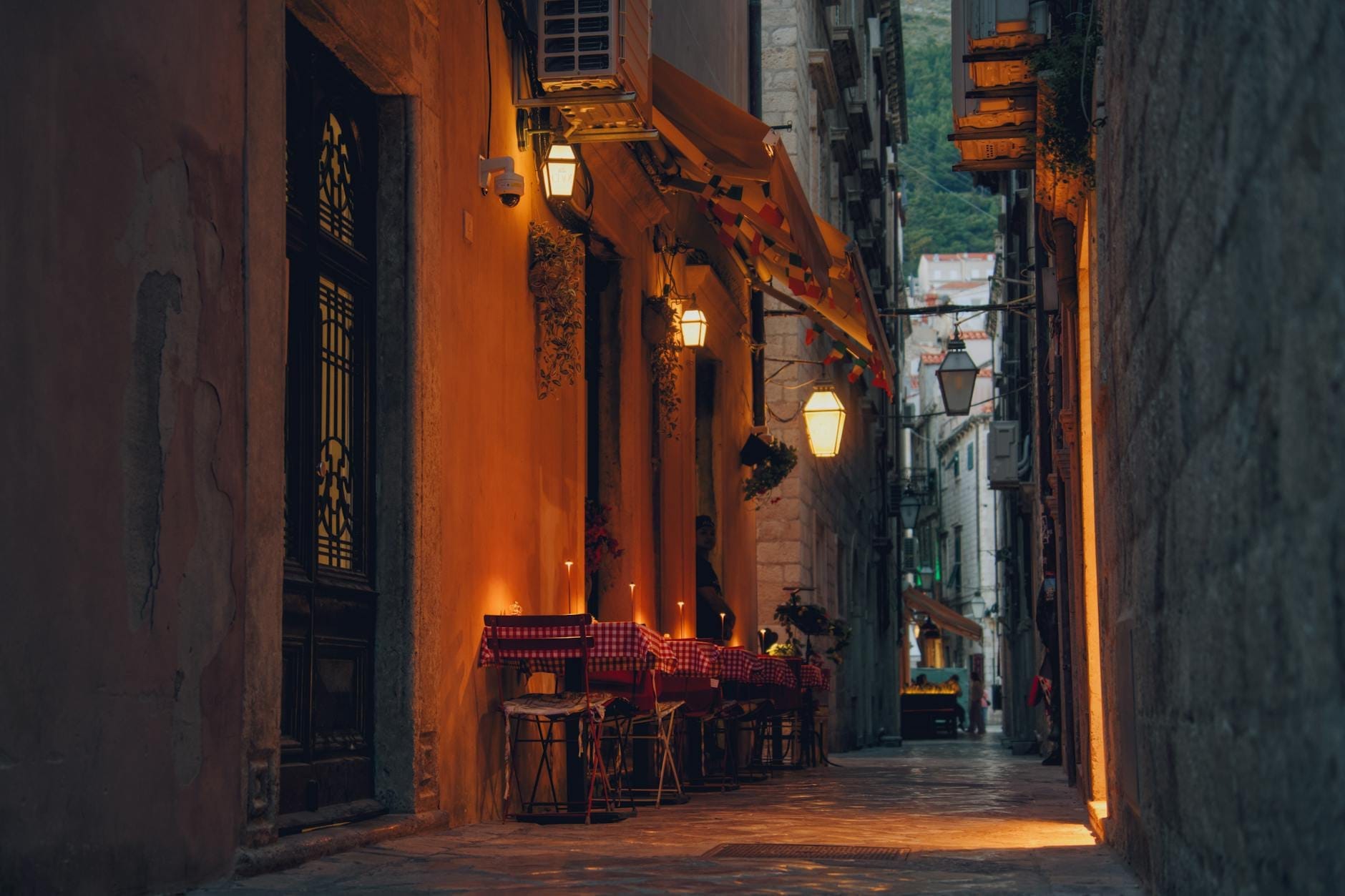
Dubrovnik has a reputation as one of the most expensive cities on the Adriatic coast, and in the Old Town that reputation is earned. A sit-down dinner with wine on the Stradun or around Gundulićeva Poljana can easily run €40-60 per person. But step back from the main drag and the picture changes significantly. The same grilled sea bass, same Plavac Mali wine, and same peka-cooked lamb appears on menus in Lapad for a third less.
The dining scene divides roughly into three tiers: Michelin-recognized fine dining (Restaurant 360, Proto Fish, Restaurant Dubrovnik), mid-range konobas serving traditional Dalmatian food (Konoba Dubrava, Dubravka 1836), and fast casual or street food options that punch well above their price point. Knowing which tier suits your plans — and on which day — is the real skill.
⚠️ What to skip
Restaurants lining the Stradun and Pile Gate area often use tourist-menu pricing: lower stated prices don't include the bread cover charge (kruh), which can add €2-4 per person. Always ask if cover is included before ordering.
Old Town Dining: Where to Splurge and Where to Save
The UNESCO-listed Old Town is where most visitors eat simply because it's where they spend their time. That's fine — but go in with a strategy. The Nautika group runs several prominent Old Town spots including Gradska Kavana Arsenal and Dubravka 1836, both open 8AM to midnight daily. Dubravka's terrace faces the Pile Gate and serves seafood and pizza at mid-range prices (mains around €15-25). It's not the most adventurous food in town, but the location is hard to argue with for a casual lunch.
For serious dining, Restaurant 360 is the benchmark. Located in the castle in the middle of the old town with its kitchen open toward the sea, it has held Michelin recognition and delivers modern Dalmatian cuisine with serious technique. Expect to pay €70-100 per person with wine. Reservations in peak season (June through August) should be made at least a week out. Proto Fish, in a 15th-century building near the Dominican Monastery, is the classic choice for traditional fish cookery — it's been feeding guests since 1886 and shows no sign of coasting on reputation.
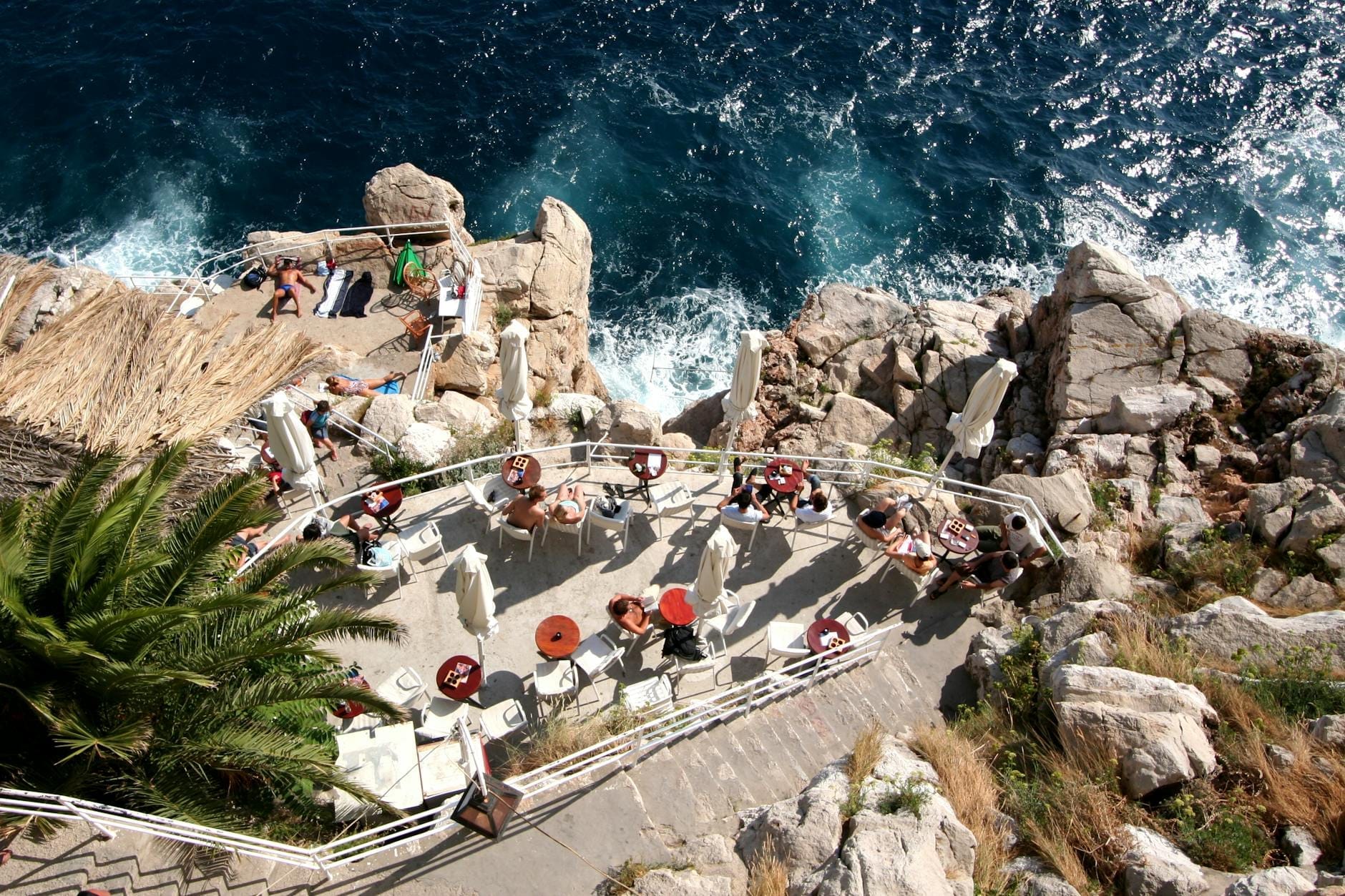
Restaurant Dubrovnik takes a different approach: rooftop terrace, modern interpretations of Dalmatian recipes, and a setting above the old city roofline. It's the kind of place worth booking for a special evening. For something considerably more casual within the walls, Buža Bar sells simple snacks, cold beer, and the kind of cliff-edge view that makes an ordinary sandwich feel remarkable. It's not a restaurant — but for a mid-afternoon break, it earns its place on this list.
- Restaurant 360 Michelin-recognized, on the city walls, modern Dalmatian cuisine. Budget €70-100/person. Book well ahead.
- Proto Fish Restaurant Old-school fish cookery in a historic building. Mid-to-high range, consistent quality.
- Dubravka 1836 Nautika group, Pile Gate terrace, good seafood and pizza. Reliable mid-range option, open daily.
- Gradska Kavana Arsenal Nautika group, inside the Arsenal building. Good for coffee and casual meals; open from 8AM.
- Poklisar Old Port location, casual Mediterranean, accepts Dubrovnik Card discount. Good for a post-walk lunch.
Street Food and Cheap Eats: The Best Value in the City
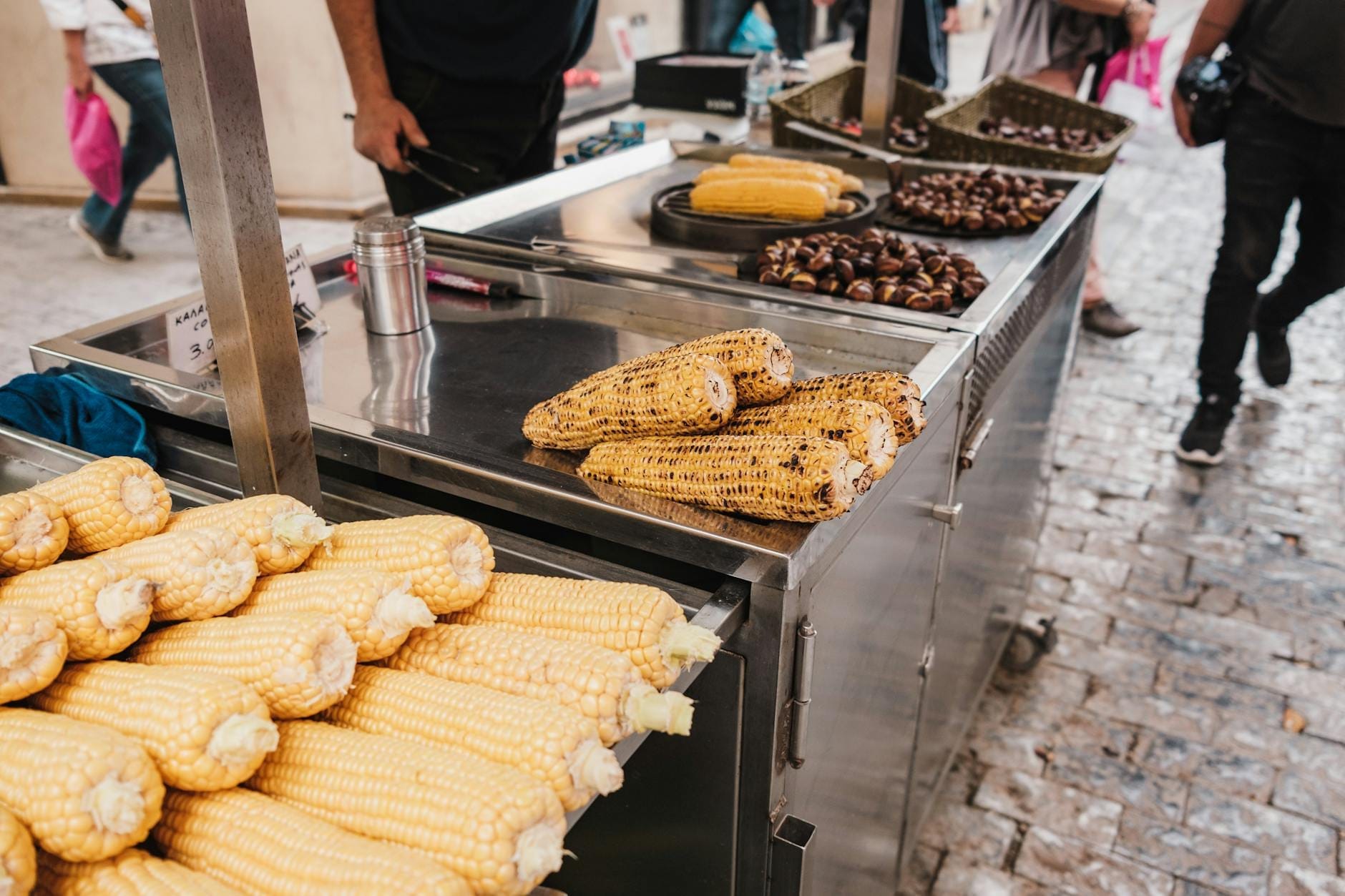
Here is the genuine surprise of eating in Dubrovnik: the highest-rated restaurants on TripAdvisor are street food spots like Soul Kitchen and Igra Street Food, both highly rated on TripAdvisor. Neither requires a reservation, a dress code, or a credit card with a high limit. This is worth sitting with for a moment: the food locals and repeat visitors actually rave about is cheap, casual, and frequently sold from a counter.
Burek is the entry point for anyone eating on a budget. Holy Burek (open 9AM to 7PM) sells the flaky, cheese- or meat-filled pastry that functions as Dubrovnik's default street snack. A portion costs around €2-3. Jack's Food and Beer is another solid cheap-eats option, popular with younger visitors and expats. For sit-down meals at non-tourist prices, Konoba Dubrava consistently appears in the family-friendly category: honest portions, traditional recipes, and a bill that won't require renegotiating your holiday budget.
✨ Pro tip
The Gruž daily market (open mornings, closed Sundays) sells fresh produce, local cheeses, olives, and cured meats. Assembling a picnic here costs around €5-8 and is genuinely one of the better ways to eat in Dubrovnik — especially before a morning spent on the city walls or a boat to the islands.
If you're planning a day trip to the Elaphiti Islands or Lokrum, eat before you board or pack food from Gruž market. Restaurant options on the smaller islands are limited and expensive by necessity.
Eating by Neighbourhood: Old Town vs. Lapad vs. Gruž
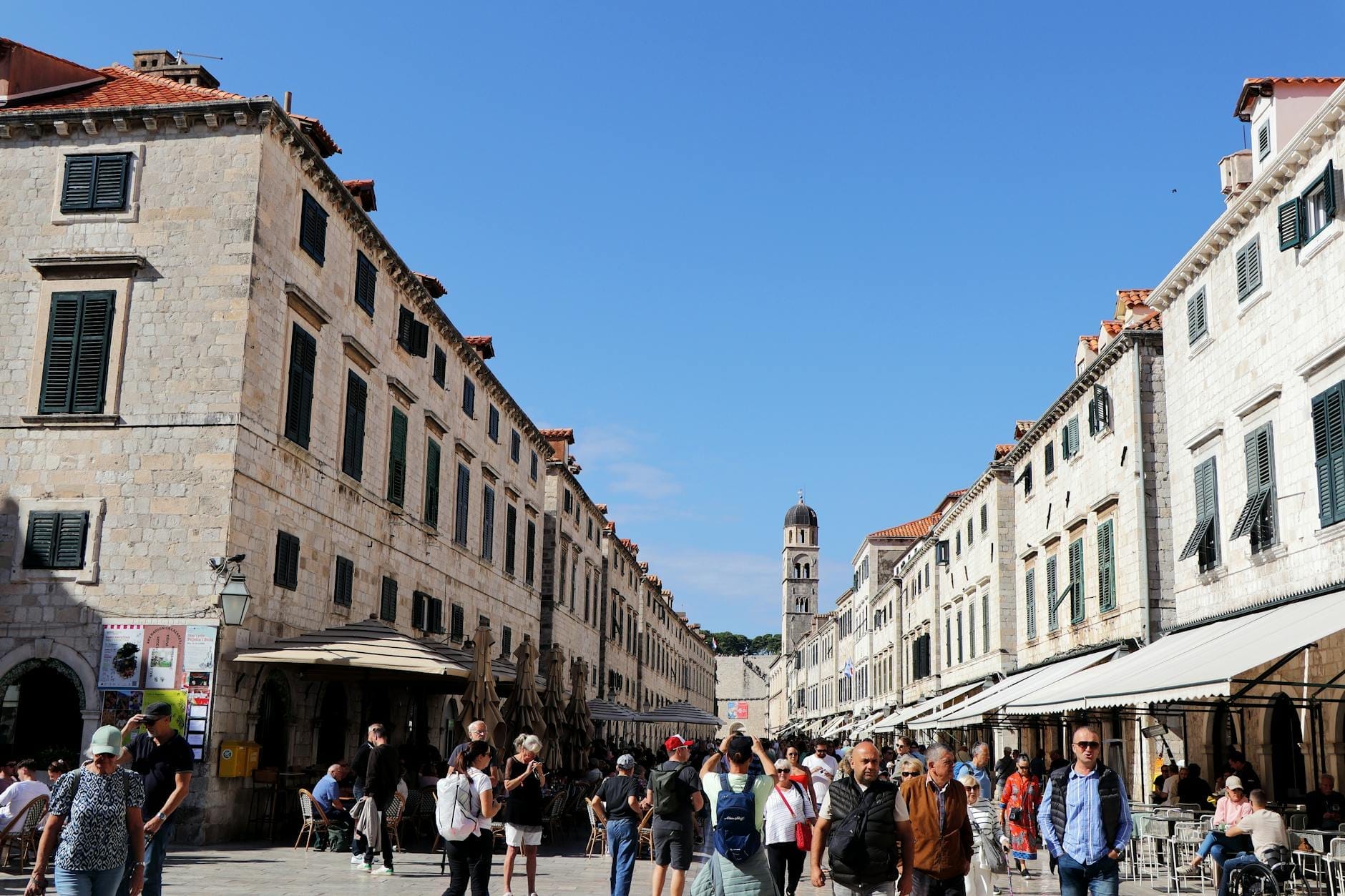
Where you're staying shapes where you'll eat, and each neighbourhood has a distinct character. Old Town is walkable but expensive. Lapad, the coastal suburb about 3 km west of the old city, has a genuine local restaurant strip along Šetalište kralja Zvonimira with seafood konobas, pizzerias, and cafes that cater primarily to Croatian families on holiday rather than cruise passengers. Prices here are noticeably lower, and the atmosphere is more relaxed.
Gruž, the port neighbourhood, is the most authentic. The Gruž market sets the tone: this is where people shop for ingredients, drink coffee at pavement tables, and eat lunch before ferries leave for the islands. It lacks the architectural drama of the Old Town, but restaurant prices are 20-30% lower and the fish is just as fresh.
- Old Town: Best for special occasion dining and convenience. Worst for value. Book ahead in summer.
- Lapad: Best for relaxed mid-range meals and beach proximity. Good for families. Short bus ride from the Old Town.
- Gruž: Best for market food, casual konobas, and authentic local atmosphere. No tourist theatre.
- Old Port (Stari Grad waterfront): Good balance: less expensive than Stradun, still scenic. Poklisar is the standout here.
What to Order: Dubrovnik Food Worth Seeking Out
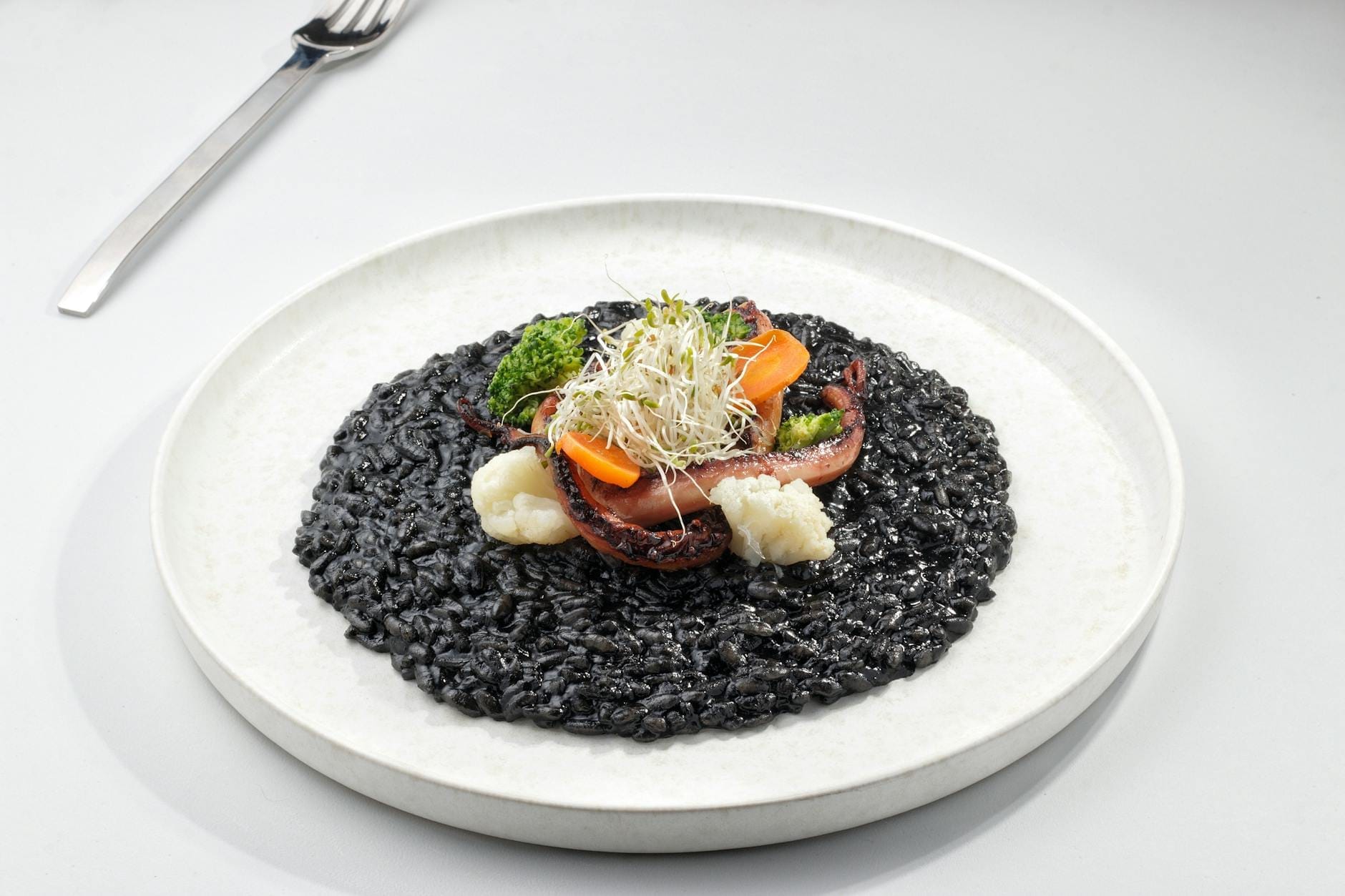
The core of Dalmatian cooking is straightforward: very fresh seafood, olive oil, local wine, and restraint. Black risotto (crni rižot) is made with cuttlefish ink and is the dish most visitors remember. Grilled fish is sold by the kilogram — sea bass (brancin) and sea bream (orada) are the standards. Ask the price per kilogram before ordering, as a 500g fish at €30/kg adds up faster than expected.
Peka is worth going out of your way for: meat or seafood slow-cooked under a heavy iron bell covered with embers. It requires advance ordering (usually 24-48 hours) at konobas that offer it. The result is deeply flavoured and unlike anything produced in a regular oven. Peka lamb and octopus peka are the two versions most commonly available. Pair either with local Plavac Mali red wine or Posip white, both from the Dalmatian islands.
💡 Local tip
Tipping is not mandatory in Croatia but is appreciated. In restaurants, 5-10% is the norm. Rounding up the bill is entirely acceptable. Tap water is drinkable throughout Dubrovnik, including in the Old Town — you do not need to buy bottled water at meals unless you want sparkling.
For a deeper dive into regional dishes, local wine pairings, and what to avoid ordering (overpriced tourist-menu mixed platters, for one), the Dubrovnik food guide covers the full picture. If you're on a tight budget, eating in Dubrovnik on a budget has specific strategies that can cut your daily food spend substantially.
Practical Booking and Timing Advice
Most restaurants in Dubrovnik operate from around 8AM to midnight during the summer season (May through October). Off-season hours tighten: some restaurants close entirely from November to March, others reduce to lunch service only. If you're visiting in April or November, call ahead or check current hours before walking across town for a specific spot.
For fine dining reservations, use restaurant websites directly or TripAdvisor's booking function. Restaurant 360 and Restaurant Dubrovnik both take reservations online. For popular mid-range spots in high season, a same-day booking for dinner is possible but risky. Aim for early evening (6:30-7PM) or late (9:30PM plus) if you want a table without waiting. The lunch window (noon to 2PM) at most Old Town restaurants is often less crowded than dinner and occasionally offers a better-value set menu.
If your trip overlaps with the summer festival season, check whether any special dining events are scheduled around the Dubrovnik Summer Festival (July-August). Some venues offer event menus or extend hours significantly during this period. Crowds are highest during these weeks, and Old Town restaurant capacity is genuinely strained.
FAQ
Where is the best place to eat in Dubrovnik without paying tourist prices?
Head to Lapad or Gruž. Both neighbourhoods have konobas and seafood restaurants serving the same Dalmatian dishes at 20-40% less than Old Town equivalents. The Gruž market area in particular has a genuine local atmosphere and affordable lunch spots.
Do I need to book restaurants in advance in Dubrovnik?
For fine dining (Restaurant 360, Restaurant Dubrovnik, Proto Fish), yes — book 2-7 days ahead in July and August. For mid-range konobas and casual spots, same-day is usually fine, though arriving before 7PM or after 9PM helps. Street food and market stalls never require booking.
What is the local food in Dubrovnik worth trying?
Black risotto (crni rižot), grilled fish sold by the kilogram, peka (slow-cooked meat or octopus under an iron bell), fresh oysters from the Pelješac peninsula, and burek for breakfast or a snack. Wash it down with Plavac Mali red or Posip white wine from the Dalmatian islands.
Is eating in Dubrovnik expensive?
Old Town restaurants are among the priciest on the Croatian coast. Dinner for two with wine at a mid-range Old Town restaurant typically runs €60-90. Fine dining pushes €150-200. But street food, market meals, and restaurants in Lapad or Gruž can bring daily food costs down to €20-30 per person without sacrificing quality.
Are there good cheap eats in the Dubrovnik Old Town?
Yes, a few. Holy Burek sells pastries for €2-3. Soul Kitchen and Igra Street Food are both highly rated for affordable fast-casual meals. The key is to avoid the restaurant terraces directly on the Stradun and Gundulićeva Poljana, which charge premium prices for the real estate as much as the food.
Tickets & tours
Live prices and dates from our booking partner. If you book, we may earn a commission at no extra cost to you.
Planning a trip? Discover personalized activities with the Nomado app.