What to Eat in Dubrovnik: A Dalmatian Food Guide
Dubrovnik's food scene runs much deeper than tourist-trap menus on the Stradun. This guide covers the essential Dalmatian dishes every visitor should try, where to actually eat them, and how to avoid wasting a meal on overpriced mediocrity.
Tickets & tours
Live prices and dates from our booking partner. If you book, we may earn a commission at no extra cost to you.
TL;DR
- Black risotto (crni rižot) and buzara mussels are the two dishes most worth seeking out in Dubrovnik.
- Šporki makaruli is a Dubrovnik-specific specialty rarely found elsewhere — try it at a traditional konoba rather than a terrace restaurant on the Stradun.
- Buffet Kamenice is the best budget option in the Old Town for a proper local sandwich.
- Fresh fish quality varies by season: spring brings John Dory and dentex; summer shifts to monkfish, turbot, and hake.
- For a broader sense of where to spend your dining budget, see the full where to eat in Dubrovnik guide.
The Dalmatian Food Culture Behind the Menu
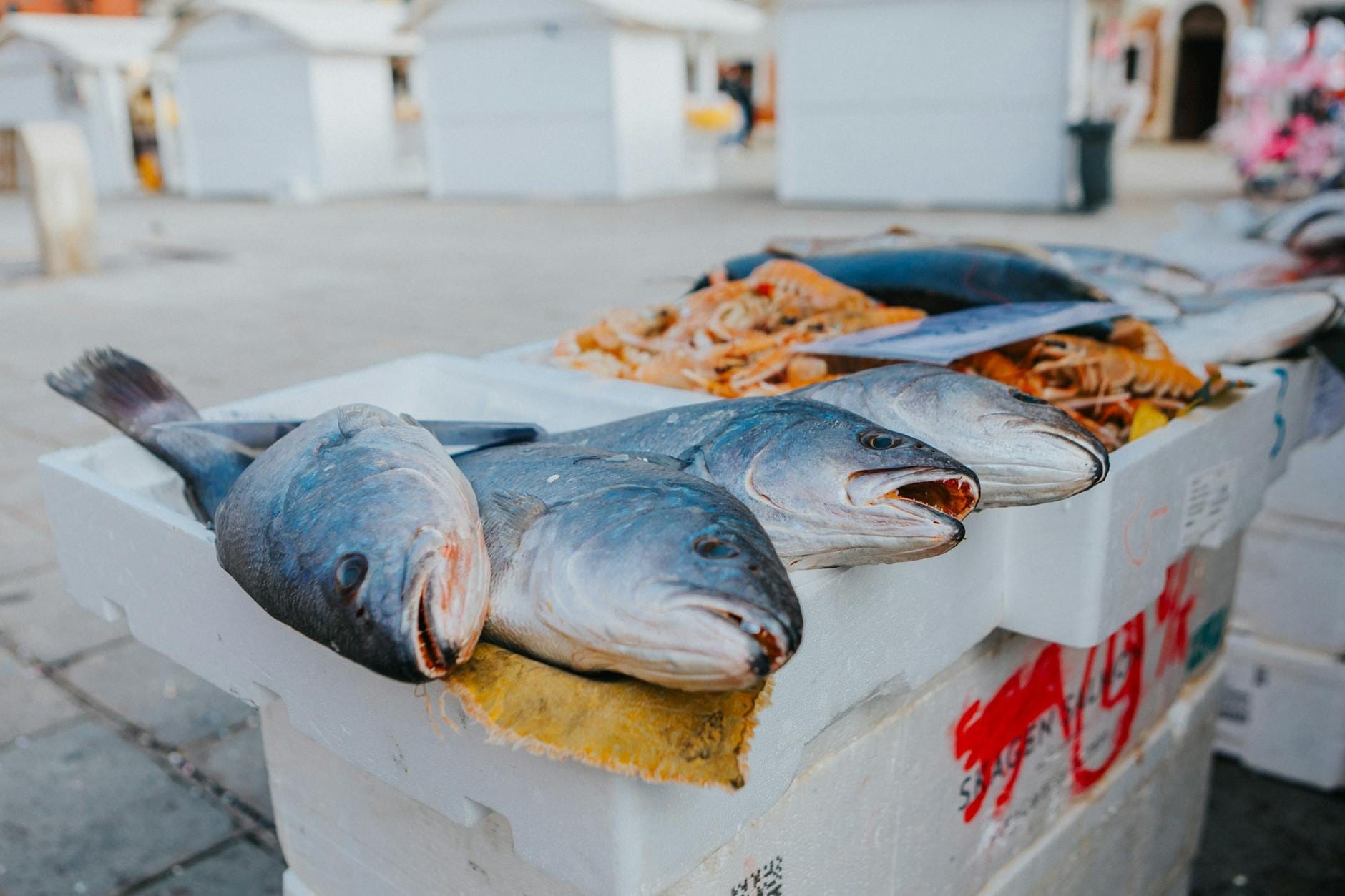
Dalmatian cuisine is one of the most coherent regional food traditions in the Mediterranean. It prizes restraint: fresh ingredients prepared simply, with olive oil, garlic, and Adriatic seafood doing most of the heavy lifting. There are no rich cream sauces, no elaborate preparations. When something is grilled na žaru, it arrives with a drizzle of local olive oil and a lemon wedge, and that is precisely the point.
Dubrovnik sits at the southern end of the Dalmatian coast, which gives it a slightly different character from Split or Šibenik. The city's history as the independent Republic of Ragusa for centuries left behind its own culinary identity, including dishes like šporki makaruli that you won't find further north. The waters around the southern Adriatic are also particularly productive, which is why grilled fish in Dubrovnik at a good konoba can be an exceptional meal.
ℹ️ Good to know
A konoba is the Dalmatian equivalent of a family tavern: informal, often without printed menus in multiple languages, and usually producing more honest food than a polished restaurant with a harbor view. Seek them out over terrace spots targeting tourists.
The Essential Dishes to Order in Dubrovnik
Crni rižot, or black risotto, is the dish most closely associated with Dalmatian coastal cooking. It gets its color and depth from cuttlefish ink, combined with squid, garlic, onion, and white wine. The result is intensely savory, slightly briny, and nothing like an Italian risotto in texture or taste. It should be slightly looser than a northern Italian version. If it arrives stiff and dry, the kitchen has overcooked it.
Buzara mussels are the other non-negotiable order. The preparation is simple: mussels cooked in white wine with garlic, parsley, olive oil, and breadcrumbs to thicken the sauce slightly. The bread that comes alongside is not decoration — you use it to clean the bowl. Prstaci (date mussels) were historically eaten in Dubrovnik but are now a protected species and illegal to harvest, so any menu offering them should be avoided on principle.
Šporki makaruli translates literally as 'dirty macaroni,' which is a poor description of what is actually a rich, slow-cooked meat sauce made with beef, tomato, cinnamon, and clove served over pasta. The name comes from the dark, deeply colored sauce rather than anything unpleasant. This is a Dubrovnik festival dish historically served during Carnival, but you'll now find it year-round at traditional restaurants. The cinnamon and clove combination reflects the city's old trade connections with the eastern Mediterranean.
- Crni rižot (black risotto) Cuttlefish ink, squid, garlic, white wine. The signature Dalmatian dish. Should be slightly loose in texture.
- Buzara mussels White wine, garlic, parsley, breadcrumbs. Order with extra bread. Best when the mussels are small and sweet.
- Šporki makaruli Dubrovnik-specific pasta dish with spiced beef sauce. Look for it at konobas rather than tourist restaurants.
- Grilled fish na žaru Whole fish, simply grilled. Priced by weight — always ask before ordering. Quality depends entirely on the day's catch.
- Dalmatinski pršut Air-dried prosciutto from the Dalmatian hinterland. Saltier and drier than Italian prosciutto. Excellent on fresh bread.
⚠️ What to skip
Grilled fish is priced by the kilogram at most restaurants, and the price listed on the menu is per 100g. A single sea bass can easily run to 250-350g. Always ask the kitchen to weigh the fish and confirm the price before they cook it, or your bill will be significantly higher than expected.
Where to Actually Eat: Honest Restaurant Picks
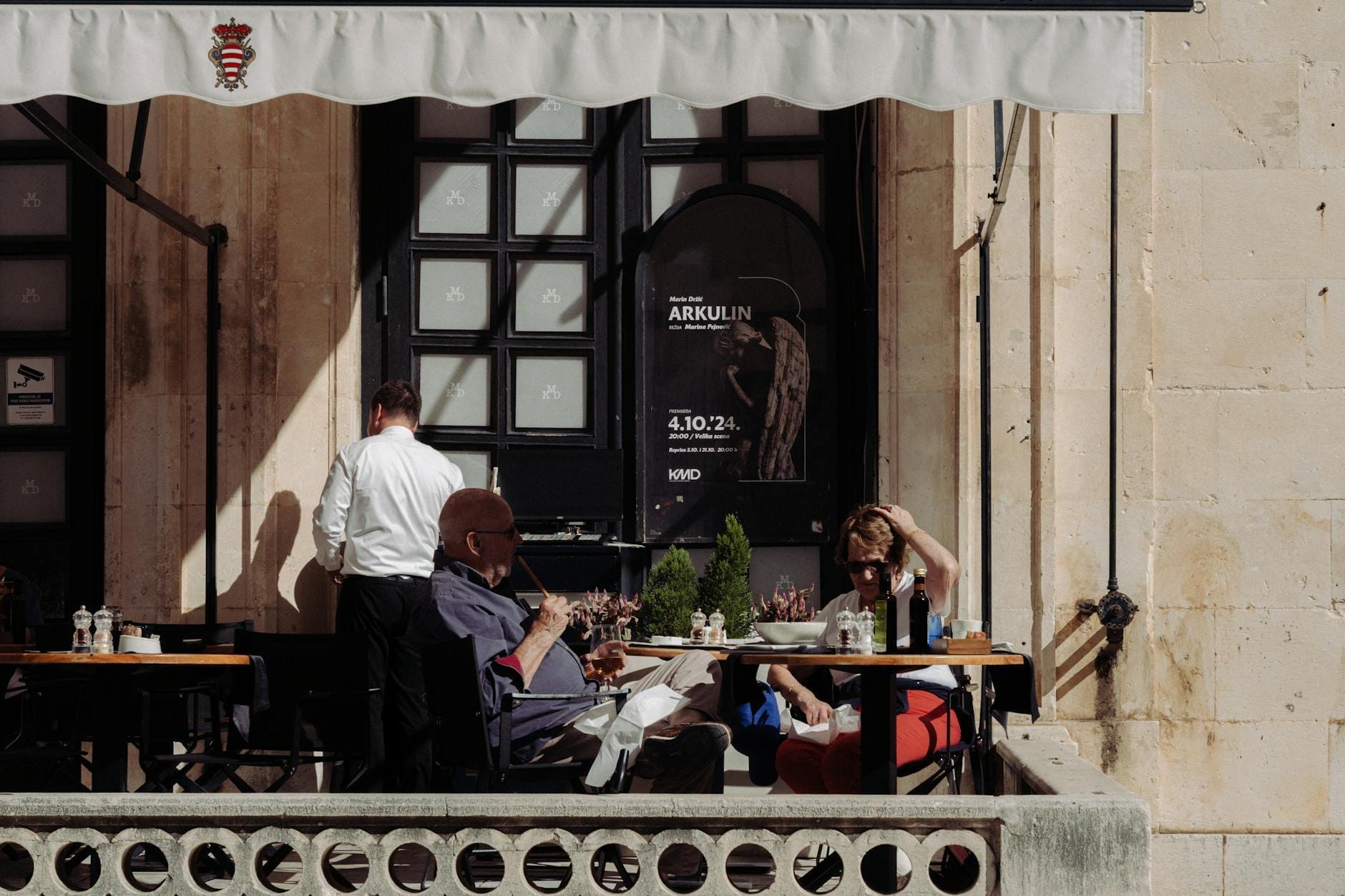
The Old Town contains both some of the most overpriced tourist food in Croatia and a few genuinely worthwhile spots. The difference usually comes down to location: restaurants on or immediately adjacent to the Stradun charge a premium for the view. Walk two streets back and prices drop noticeably.
Buffet Kamenice is the best argument against spending 20 EUR on a mediocre lunch. It serves pršut sandwiches on fresh bread at prices that feel almost embarrassingly reasonable for the Old Town. There is no seating, or minimal seating at best, and no menu to deliberate over. You go, you order a sandwich, you eat. It is exactly what it is and does not try to be anything else.
Taj Mahal, despite the name, serves Bosnian grilled meat and is genuinely worth visiting if you want to eat beyond the seafood circuit. A grilled meat platter for two runs around 50 EUR and is generous enough that most couples will not finish it. The restaurant is located at Ul. Nikole Gučetića 2, a short walk from the main drag. It draws both locals and visitors and tends to have a more authentic atmosphere than the harbor terraces.
Barba is the place for seafood in a more casual format — think a well-executed seafood sampler platter rather than a white tablecloth experience. Located on Boškovićeva ul. 5, it works well for a lunch stop. Dalmatino, also in the Old Town and open 08:00-23:00 daily, leans into seasonal cooking with a menu that shifts between fish and meat depending on what is available. It is a step up in price from the konoba options but justifies it.
Eating by Season: How the Menu Changes
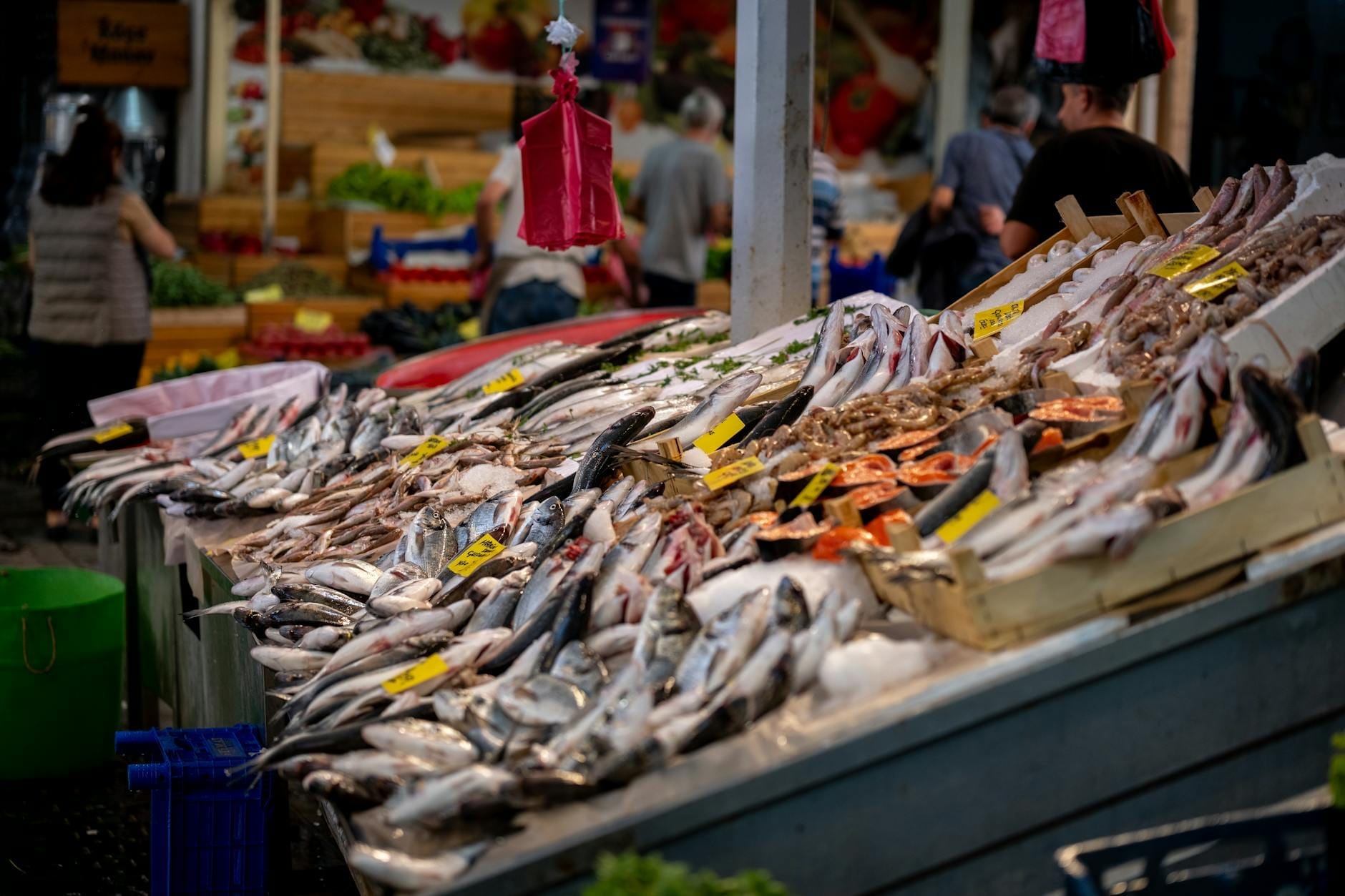
The quality of a fish meal in Dubrovnik is directly tied to when you visit. Spring brings John Dory, scorpionfish, and dentex to the market — these are lean, finely flavored fish that suffer when frozen and genuinely shine when cooked within hours of landing. If you're visiting in May or early June, ordering the catch of the day at a decent restaurant is almost always a good decision.
Summer shifts the daily catch toward monkfish, turbot, and hake. These are robust fish that handle grilling well and are more forgiving for kitchens dealing with high volume. The challenge in July and August is that restaurants are at full capacity, kitchen quality can drop under pressure, and the temptation to use frozen product increases at busier establishments. Asking directly whether the fish is fresh (svježa riba) versus frozen (smrznuta riba) is not rude — it is a normal question that any honest kitchen will answer.
✨ Pro tip
The Gruž market (Tržnica Gruž) near the ferry port operates Tuesday through Sunday mornings and is where local restaurants buy their produce and fish. Visiting early gives you a clear picture of what is actually in season and fresh that day — and it's one of the more grounded experiences available in a city that can feel heavily tourist-oriented. See the full guide to the Gruž area for context.
Visiting in September or October is arguably the best time for food tourism in Dubrovnik. Crowds thin out after peak summer, kitchens return to a more considered pace, and the autumn fish varieties are excellent. Paired with the overall advice in the best time to visit Dubrovnik guide, shoulder season stacks up well for anyone who prioritizes eating well.
Drinks, Desserts, and Things to Try Beyond the Main Course
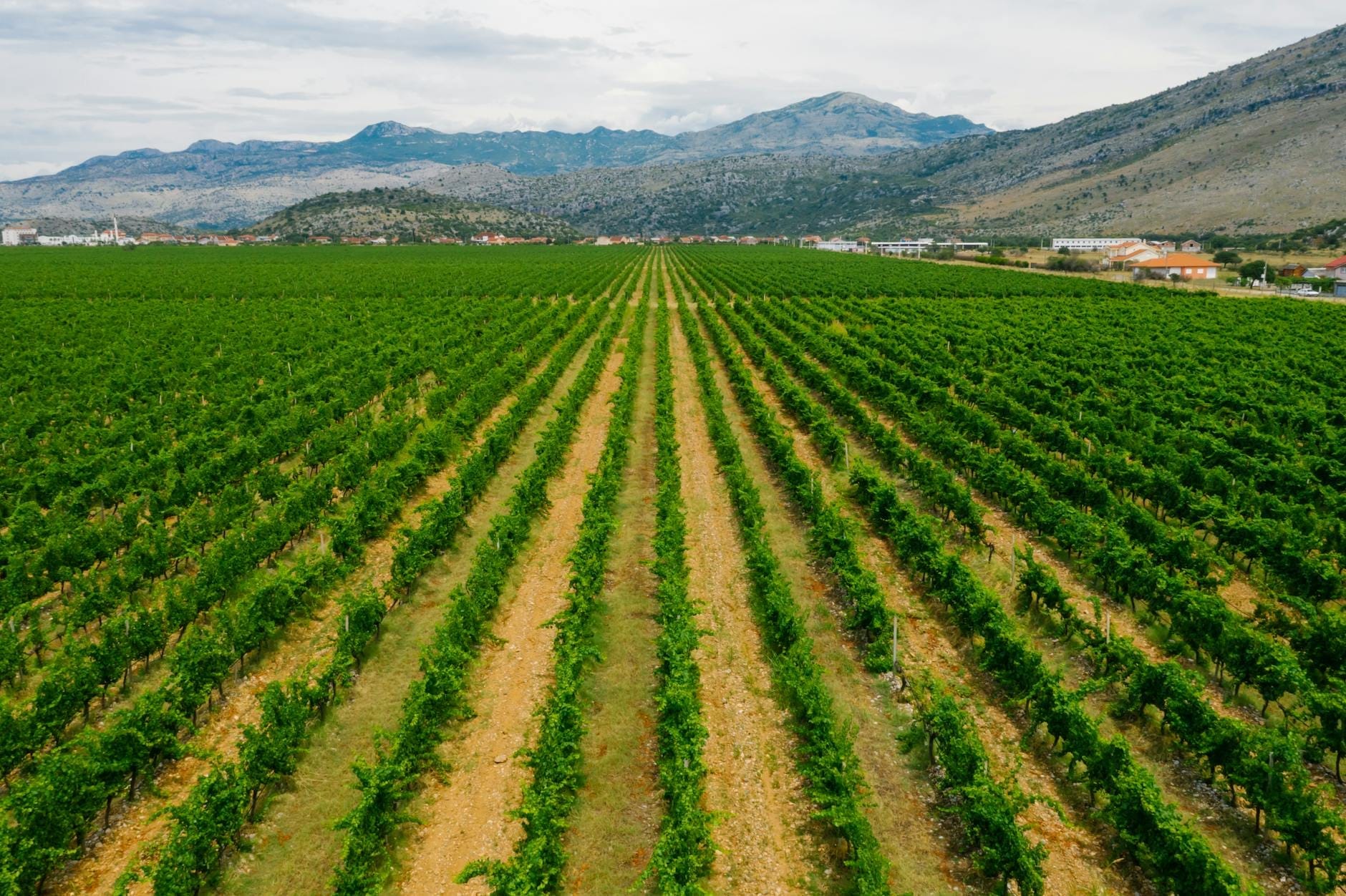
Plavac Mali is the dominant red grape on the Dalmatian coast and produces wines that range from dense and tannic to more fruit-forward styles depending on the producer. Dingač from the Pelješac peninsula, about 80 km north of Dubrovnik, is the most respected appellation and a reasonable benchmark for quality. By the glass, expect to pay 3-6 EUR at a konoba; considerably more at a formal restaurant.
Rakija is the catch-all term for fruit brandy and is offered as a digestif everywhere. Travarica, the herb-infused version, is the most common. It is free at many konobas at the end of a meal — a genuine local custom rather than a marketing gesture. If you are offered a small glass at the end of dinner, accept it. If you are charged for it without warning, that is worth noting when you review the place.
- Rožata: The Dubrovnik answer to crème caramel, flavored with rose liqueur. Lighter and more delicate than the Spanish version. Worth ordering if it appears on a menu.
- Fritule: Small fried dough balls with raisins, citrus, and sometimes rakija in the batter. More common at street stalls during festivals but occasionally available year-round.
- Rozmarinuša: A local cake flavored with rosemary, lemon, and almonds. A Dubrovnik specialty that most visitors never encounter because they don't look past the standard dessert menus.
- Plavac Mali: The dominant local red wine. Dingač from Pelješac is the quality benchmark — ask for it by name.
- Prošek: A sweet dessert wine from dried grapes. Not for everyone, but pairs well with rožata or local cheese.
Practical Eating Tips for Dubrovnik
Dubrovnik is an expensive city by Croatian standards, and dining in the Old Town reflects that. A realistic budget for a two-course lunch with a glass of wine at a mid-range restaurant is 30-45 EUR per person. Dinner at the same level runs 40-60 EUR. If that is beyond your budget, the Dubrovnik on a budget guide has specific strategies for eating well without overspending, including options outside the Old Town walls.
The Lapad neighborhood, roughly 3 km west of the Old Town, has a range of restaurants that cater more to long-stay visitors and locals than day-trippers. Prices are noticeably lower, quality is generally comparable, and the atmosphere is considerably more relaxed. If you are staying in Lapad, there is no need to go into the Old Town for every meal.
Tipping customs in Dubrovnik follow the broader Croatian norm: 5-10% is appreciated and considered good practice at sit-down restaurants, but it is not mandatory and staff will not chase you for it. Rounding up the bill is the most common approach. Paying by card is widely accepted in the city; Croatia adopted the Euro in 2023, so there is no currency conversion to worry about.
💡 Local tip
Lunch is significantly better value than dinner at most Old Town restaurants. Identical dishes often cost 15-20% less at midday, and fixed-price lunch menus (where available) represent the best value in the city. Book dinner in advance in summer; for lunch, walk-ins are usually fine.
FAQ
What is the most traditional food in Dubrovnik?
Šporki makaruli is the most distinctly Dubrovnik dish — a slow-cooked beef pasta with cinnamon and clove that reflects the city's historic trade routes. Black risotto (crni rižot) is the most iconic Dalmatian dish more broadly, but šporki makaruli is the one specific to this city.
Is there a panorama restaurant in Dubrovnik with good food?
The Panorama Restaurant at the top of the cable car on Mount Srđ offers dramatic views over the Old Town and the Adriatic. It is a worthwhile stop for a drink or light bite after the cable car ride, though it functions more as a scenic terrace than a destination dining experience. For serious food, return to the Old Town or Lapad.
Are there good garden restaurants in Dubrovnik?
Several restaurants in Dubrovnik offer courtyard or terrace dining that could be described as garden settings. The Old Town's stone architecture creates naturally sheltered outdoor spaces. Dalmatino and similar mid-range restaurants in the Old Town typically have pleasant outdoor areas. For a quieter setting with greenery, Lapad and the areas around Gruž tend to have more relaxed outdoor dining options.
Is the food in the Dubrovnik Old Town overpriced?
Some of it, yes. Restaurants directly on or adjacent to the Stradun charge a premium that is not always reflected in the quality. However, options like Buffet Kamenice prove that affordable, genuine food exists inside the walls if you look for it. Walking one or two streets off the main route consistently turns up better value.
What should I avoid eating in Dubrovnik?
Avoid frozen fish served as fresh — always ask. Avoid restaurants where staff actively solicit you from the doorway, as this is a reliable indicator of a tourist-trap operation. Prstaci (date mussels) are a protected species and illegal to harvest, so any restaurant offering them should be skipped entirely. And skip the pizza unless you specifically want pizza — Dubrovnik is not the place for it.
Tickets & tours
Live prices and dates from our booking partner. If you book, we may earn a commission at no extra cost to you.
Planning a trip? Discover personalized activities with the Nomado app.