Dubrovnik Cruise Port Guide: Everything You Need to Know
Cruise ships dock at Port Gruž, roughly 3km from Dubrovnik's Old Town. This guide covers exactly how to get there, what to expect on arrival, how to spend your time ashore, and how to avoid the most common mistakes cruise passengers make.
Tickets & tours
Live prices and dates from our booking partner. If you book, we may earn a commission at no extra cost to you.
TL;DR
- Cruise ships dock at Port Gruž (Gruž Harbour), roughly 2-3km northwest of the Old Town, not beside the city walls.
- Local bus Line 1A/1B runs from Gruž to Pile Gate in around 10-15 minutes for roughly €2.50; many cruise lines also run free shuttles to Pile Gate.
- Peak summer (June to August) can bring up to 10 ships a day and severe overcrowding in the Old Town. If your ship arrives at 7am, use that window.
- The City Walls and cable car are the two headline experiences worth booking in advance; both sell out on busy days.
- Tendering is now rare. Nearly all ships berth directly at Gruž; the tender to Old Port is reserved for overflow situations or small vessels.
Where Cruise Ships Dock in Dubrovnik
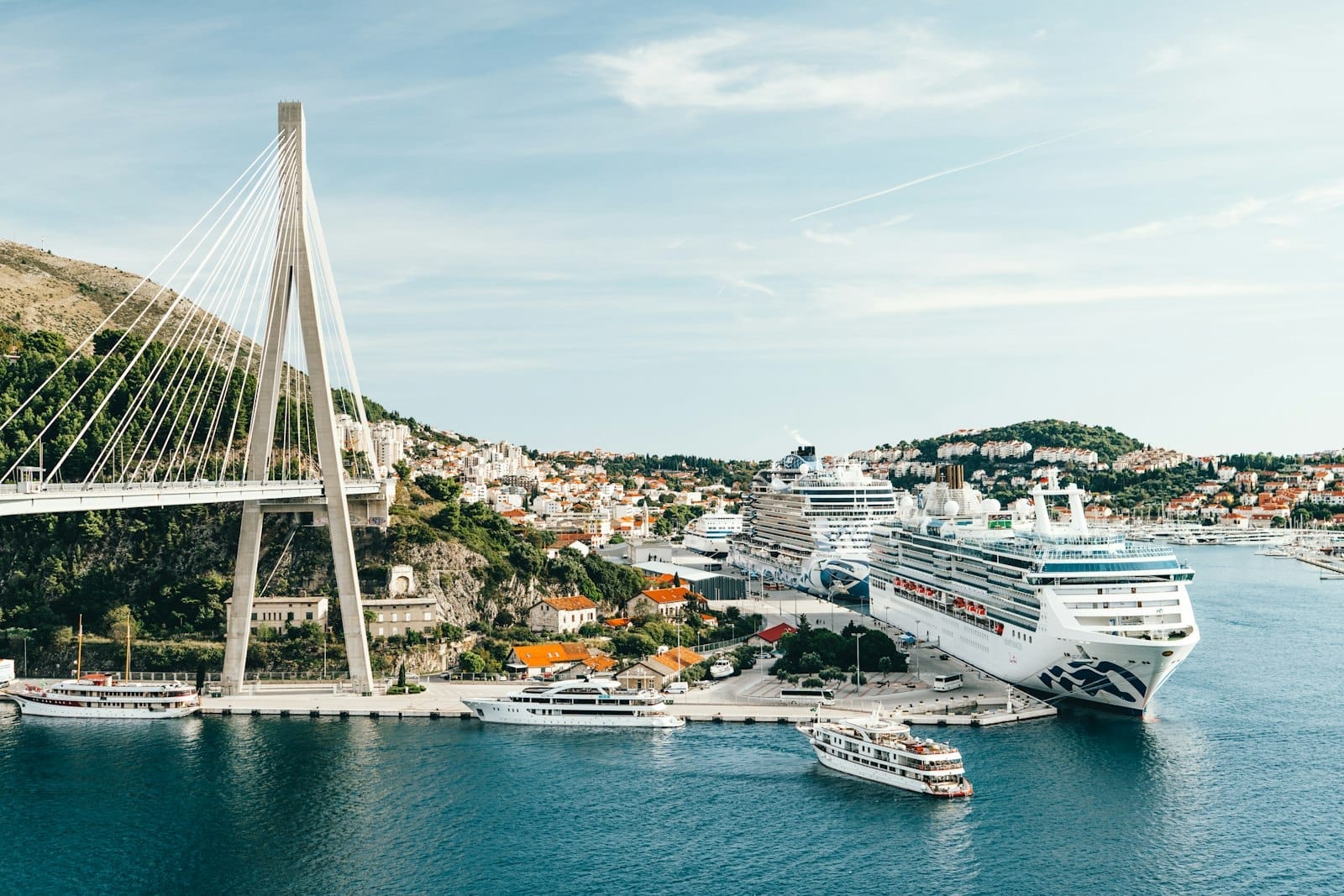
The primary cruise terminal is Port Gruž, a working commercial harbour on the northwestern edge of the city. It handles the vast majority of cruise traffic, including mega-ships from Royal Caribbean, MSC, and Celebrity. The terminal sits roughly 2-3km from the Pile Gate entrance to the Old Town, which surprises passengers expecting to step off the gangway and find themselves beside the city walls.
A second, smaller docking point exists at the Old Port (Stara Luka) inside the city walls, but it is almost exclusively used by small expedition vessels and the occasional tender transfer when Gruž reaches capacity. Do not count on this option. For practical planning purposes, assume Gruž is your arrival point.
ℹ️ Good to know
Dubrovnik handled around 440 ships and 750,000 cruise passengers in a single pre-pandemic year, making it one of the busiest cruise ports in the Mediterranean. The terminal can berth up to three mega-ships and two mid-size vessels simultaneously, though peak days regularly push that limit.
The Port Gruž terminal itself is well-equipped. You will find ATMs, currency exchange desks, a tourist information booth, a supermarket, car rental offices, and several cafes within walking distance. A local produce market operates nearby in the mornings, and there is a craft brewery in the neighbourhood if you want a Dalmatian beer before reboarding. These are not tourist traps. They are functional amenities serving a real neighbourhood.
Getting from Port Gruž to the Old Town
You have four realistic options, and the right choice depends on your mobility, budget, and how much time you have ashore.
- Local Bus (Lines 1A / 1B) The cheapest and usually fastest option in good traffic. Buses run frequently, cost around €2.50 per journey, and drop you at Pile Gate in 10-15 minutes. Buy a ticket from the driver. Buses get crowded mid-morning when multiple ships discharge at once.
- Cruise Line Shuttle Many lines offer a complimentary or low-cost shuttle to Pile Gate. Check your ship's daily programme the night before. These run on a fixed schedule, which means waiting time at both ends, but they are comfortable and require no navigation.
- Taxi or Ride-Share A taxi from Gruž to Pile Gate costs roughly €15-20, traffic depending. Uber operates in Dubrovnik and is often slightly cheaper. In peak summer, taxis queue outside the terminal, but the road into the Old Town area backs up badly between 10am and 2pm.
- Walking The walk from Gruž along the waterfront to Pile Gate takes about 35-45 minutes and is flat most of the way. It passes through a residential district and gives a more honest picture of Dubrovnik than the tourist corridor. Reasonable in spring and autumn; punishing in July and August heat.
💡 Local tip
Arrive at the bus stop early. When two or three ships discharge passengers at the same time, the queue for Line 1A can stretch long enough that you miss the first two buses. Being 15 minutes ahead of the crowd makes a real difference.
What to Prioritise With Limited Time Ashore
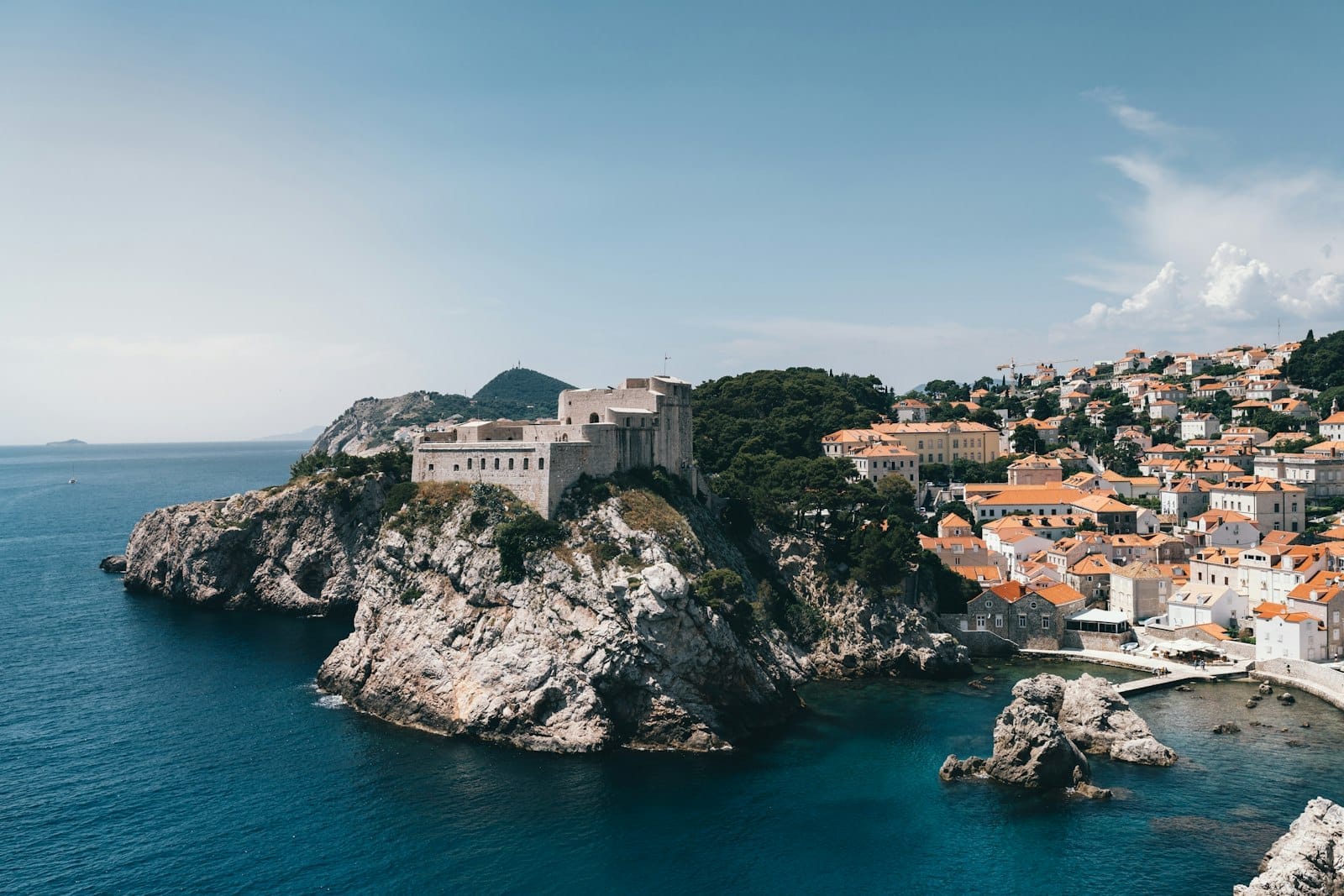
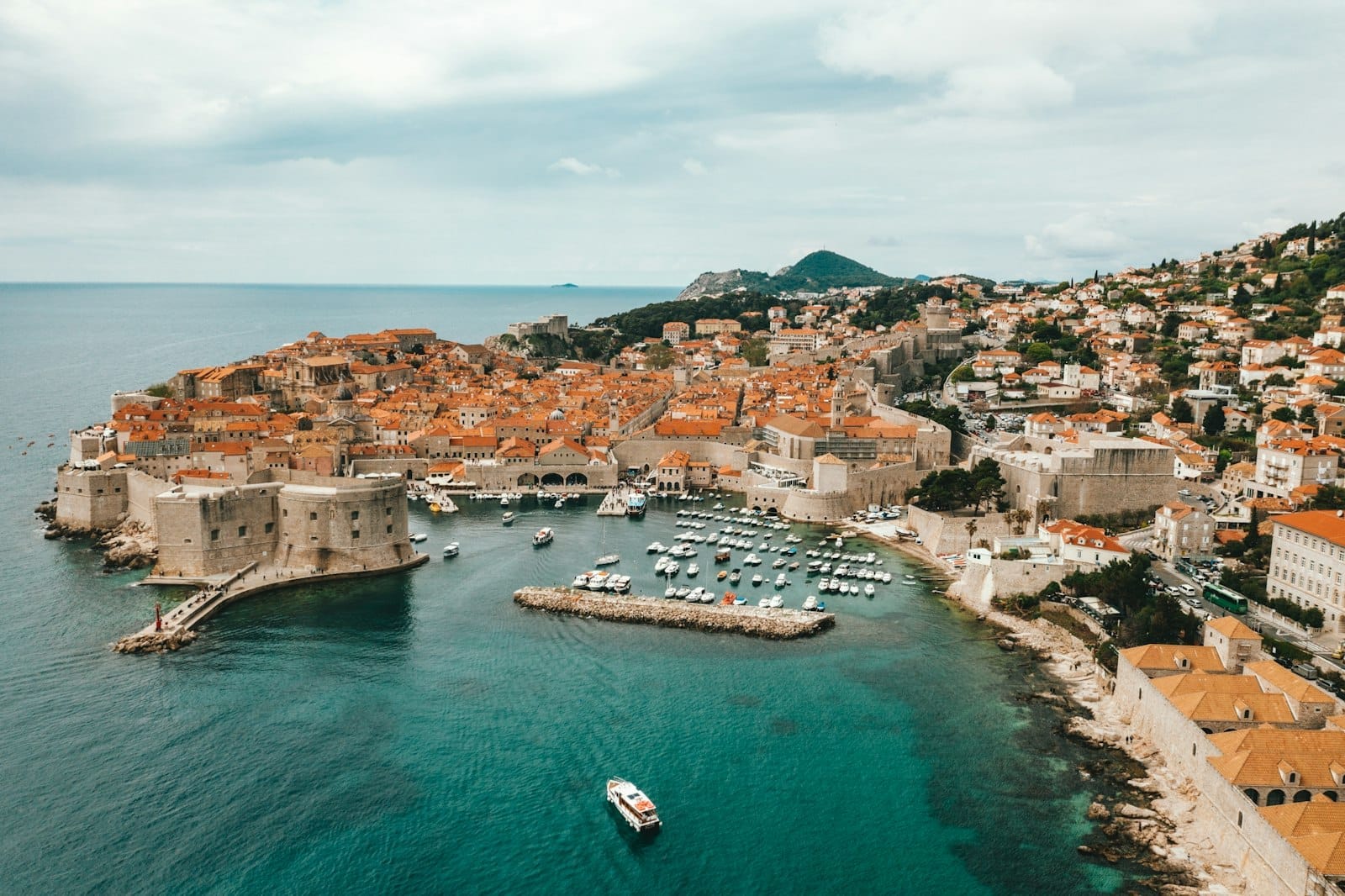
A typical port day gives you six to eight hours in Dubrovnik. That is enough time to cover the essential sights if you plan deliberately. The single best investment is a walk along the City Walls. The circuit runs about 2km and takes 60-90 minutes at a relaxed pace, with views over the old rooftops, the Adriatic, and the island of Lokrum. Tickets are purchased at the wall entrance, but on peak days (July and August especially), consider booking in advance to avoid long queues.
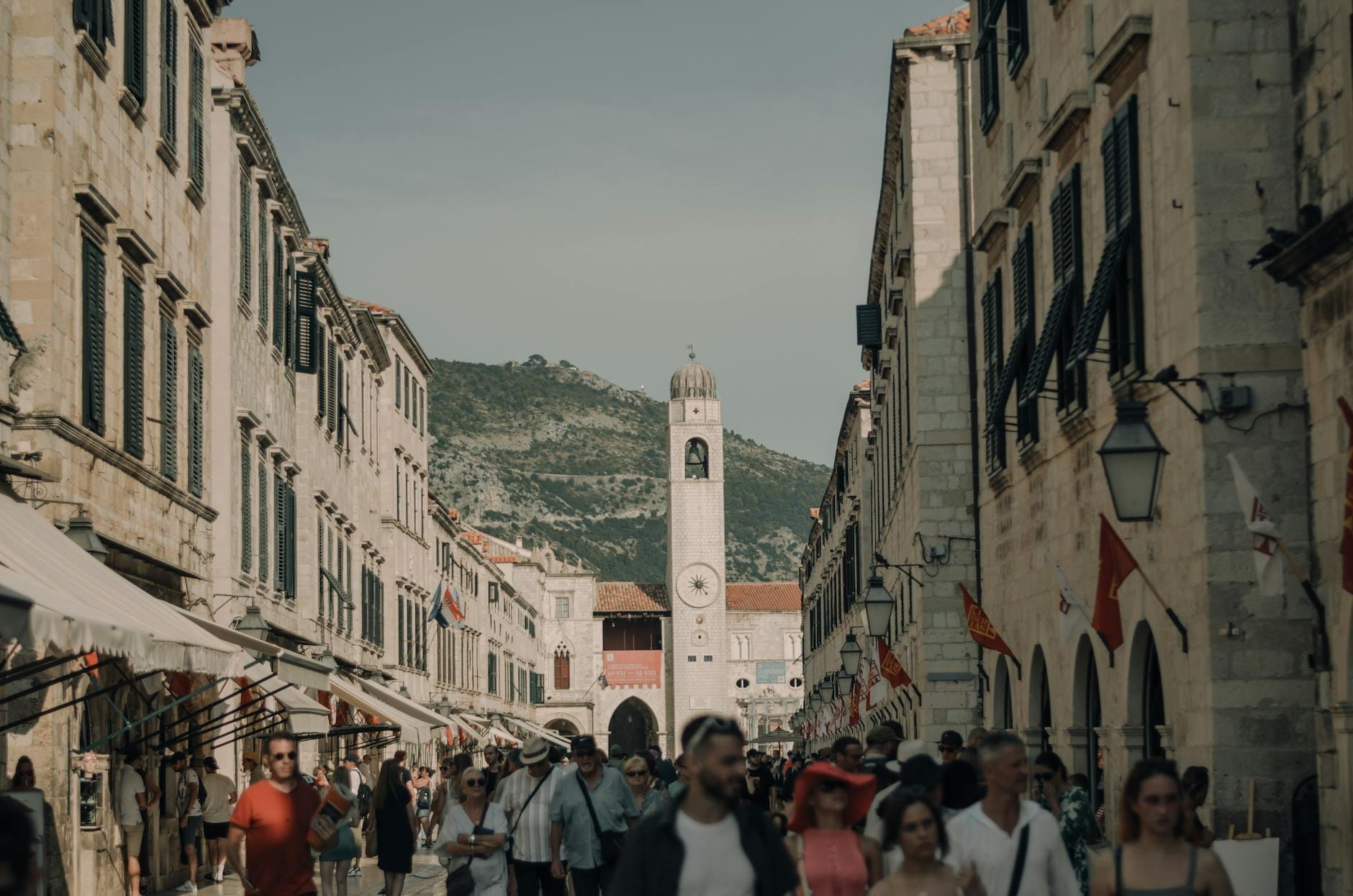
After the walls, the logical move is to walk Stradun, the limestone-paved main street of the Old Town, ideally before 10am when the light is better and the crowds are thinner. Stradun connects Pile Gate to the Old Port and passes the Large Fountain of Onofrio and the Franciscan Monastery, both worth a brief stop.
If time allows, the Dubrovnik Cable Car up to Mount Srđ is worth the trip for the panoramic view over the Old Town and the islands. The ride takes about four minutes, the summit is at 405 metres, and the views genuinely clarify the city's geography in a way that no map can. Check for closures due to wind before committing your time.
Timing and Crowd Realities
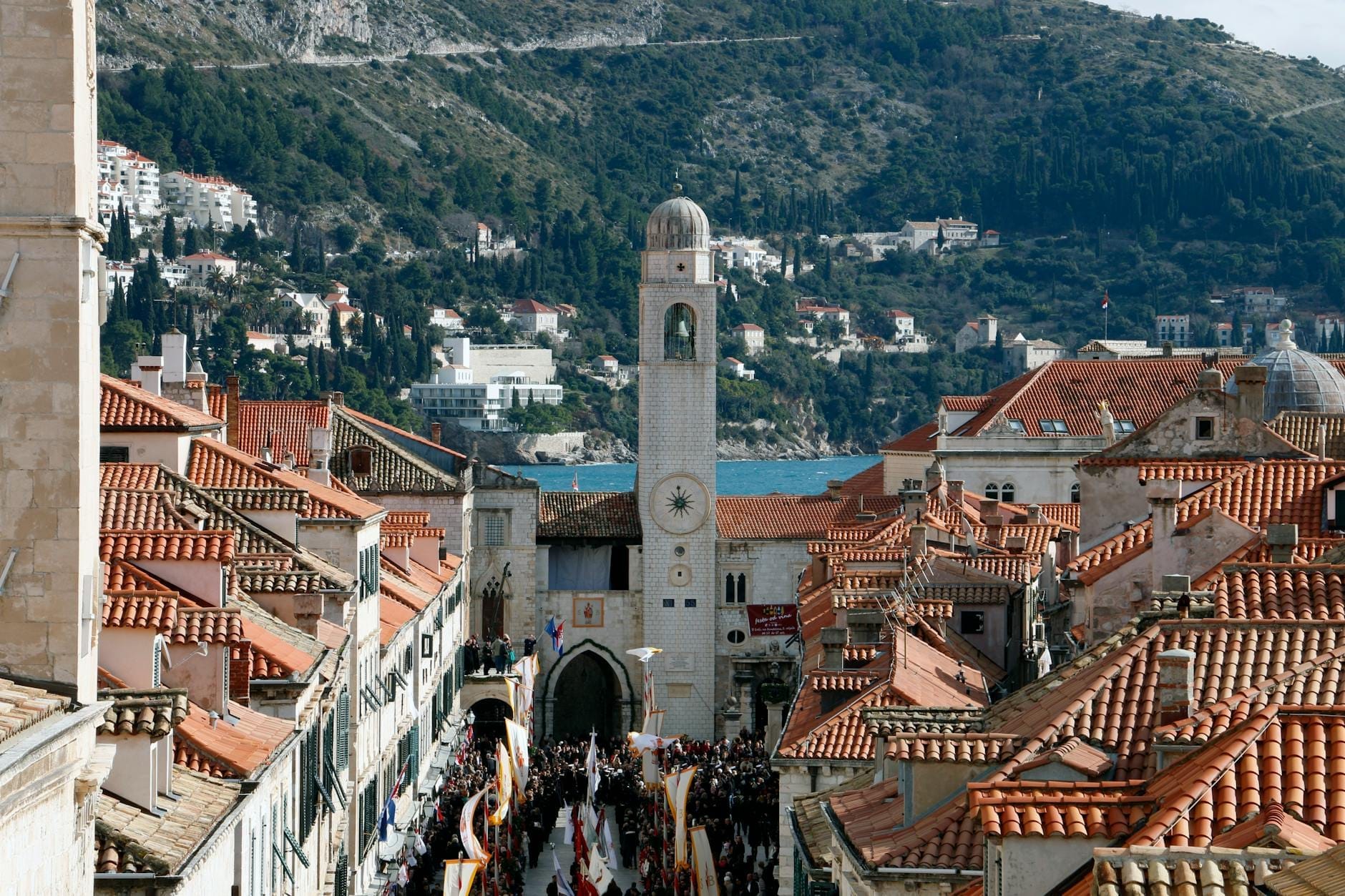
This is the part most cruise guides underplay. Dubrovnik's Old Town covers roughly 1.3 square kilometres. On a peak summer day, it receives passengers from multiple ships simultaneously, plus independent tourists staying in the city. The result is genuine overcrowding, particularly between 10am and 2pm. The narrow streets become slow-moving queues. Restaurants fill early and rush service.
The practical response is to move early and move fast. If your ship anchors at 7am, be on the first tender or the first shuttle. The Old Town at 8am is a different place to the Old Town at 11am. The walls are quieter, the light for photography is better, and you can actually pause on Stradun without blocking foot traffic.
⚠️ What to skip
June, July, and August see the heaviest cruise traffic. Some days bring up to ten ships simultaneously. If your itinerary is flexible and you can visit in May, September, or October, the experience is noticeably more manageable and the weather is still warm. For a full breakdown of seasonal conditions, see our guide on the best time to visit Dubrovnik.
Off-season arrivals (October through April) find a quieter, cheaper, and more atmospheric city. Some attractions have reduced hours and a handful of restaurants close for winter, but the core sights remain open. For a deeper look at seasonal trade-offs, the best time to visit Dubrovnik guide covers this in detail.
Shore Excursions vs. Going Independent
Cruise lines sell a full menu of organised excursions from Dubrovnik, and some are genuinely useful. The walking tours led by licensed local guides provide historical context that self-guided visits miss, particularly around the 1991-1992 Siege of Dubrovnik and the restoration of the walls and buildings that followed. If you want to understand the city rather than simply photograph it, a guided walking tour is worthwhile.
Independent exploration is, however, entirely straightforward for most itineraries. The Old Town is compact and walkable. Signs are clear. English is widely spoken in tourist areas. The main risk of going independent is misjudging time: it is easy to spend longer than expected on the walls, get absorbed in the side streets, and suddenly face a sprint back to the terminal. Build in a buffer of at least 45 minutes before your all-aboard time. The bus back to Gruž runs regularly, but summer traffic can add 10-15 minutes to the journey. If you want to cover more ground than the Old Town allows in a day, the day trips from Dubrovnik guide covers options like Mostar, the Elaphiti Islands, and Montenegro, though these require careful timing for a port day.
- Choose a cruise excursion if: you want historical narration, you are visiting in peak season and want logistics handled, or you are doing a longer trip to Mostar or Montenegro where independent transport is complex.
- Go independent if: you want flexibility, you are comfortable navigating on your own, or you plan to focus on the Old Town and walls where self-guided works perfectly well.
- Avoid over-scheduling: Two or three focused priorities in six hours is realistic. Five or six attractions is not, particularly in summer heat.
Practical Details for Arrival Day
Croatia adopted the Euro in January 2023, so you no longer need to exchange currency for local kuna. Cards are widely accepted in the Old Town, though some smaller vendors and market stalls are cash-only. ATMs are available at the Gruž terminal and throughout the Old Town. The emergency number across Croatia is 112. Tap water is safe to drink in Dubrovnik's Old Town.
Footwear deserves a specific note. Stradun and the walls are polished limestone, which becomes slippery when wet and is hard on feet after a few hours. Wear closed, flat-soled shoes with grip. Sandals work in dry conditions but become a hazard on wet stone steps inside the walls. For a full breakdown of what to see and where to eat on a short visit, the Dubrovnik 3-day itinerary can be adapted for a single port day by simply taking the first day's priorities.
✨ Pro tip
If you hold a Dubrovnik City Pass, it can cover wall entry and several museum admissions in a single purchase. Cable car inclusion depends on the package and current offers. On a full port day with ambitious plans, the pass can represent real value. Check what is currently included before buying, as the pass contents are updated periodically.
FAQ
Do cruise ships dock near Dubrovnik's Old Town?
No. Nearly all cruise ships dock at Port Gruž, roughly 2-3km northwest of the Old Town. The walk takes 35-45 minutes, but buses (Lines 1A and 1B) run frequently and reach Pile Gate in about 10-15 minutes for around €2.50. Many cruise lines also operate free or low-cost shuttles to the same gate.
Is tendering required at Dubrovnik's cruise port?
Tendering is now uncommon. Port Gruž has capacity for multiple large ships and the vast majority of cruises berth directly at the terminal. Tendering to the Old Port may occur during unusual peak capacity situations or with very small expedition vessels, but you should not plan around it.
How long does it take to get from Port Gruž to the Old Town?
By bus: 10-15 minutes. By taxi or Uber: 10-20 minutes depending on traffic. On foot: 35-45 minutes. In peak summer, road traffic between 10am and 2pm can extend taxi and shuttle journey times, so the bus is often the most predictable option.
What currency is used in Dubrovnik?
Croatia adopted the Euro (EUR) in January 2023. You can pay by card at most restaurants, shops, and tourist attractions in the Old Town. Some market stalls and smaller vendors are cash-only. ATMs are available at the Gruž terminal and throughout the Old Town.
What is the most important thing to do in Dubrovnik on a port day?
The City Walls circuit (approximately 2km, 60-90 minutes) is the single experience that defines Dubrovnik. Book or arrive early, as queues build quickly on summer mornings. If you have two to three hours after the walls, the cable car to Mount Srđ and a walk along Stradun cover the essential character of the city.
Tickets & tours
Live prices and dates from our booking partner. If you book, we may earn a commission at no extra cost to you.
Planning a trip? Discover personalized activities with the Nomado app.