Is Dubrovnik Safe? An Honest Guide to Scams, Safety & Smart Travel
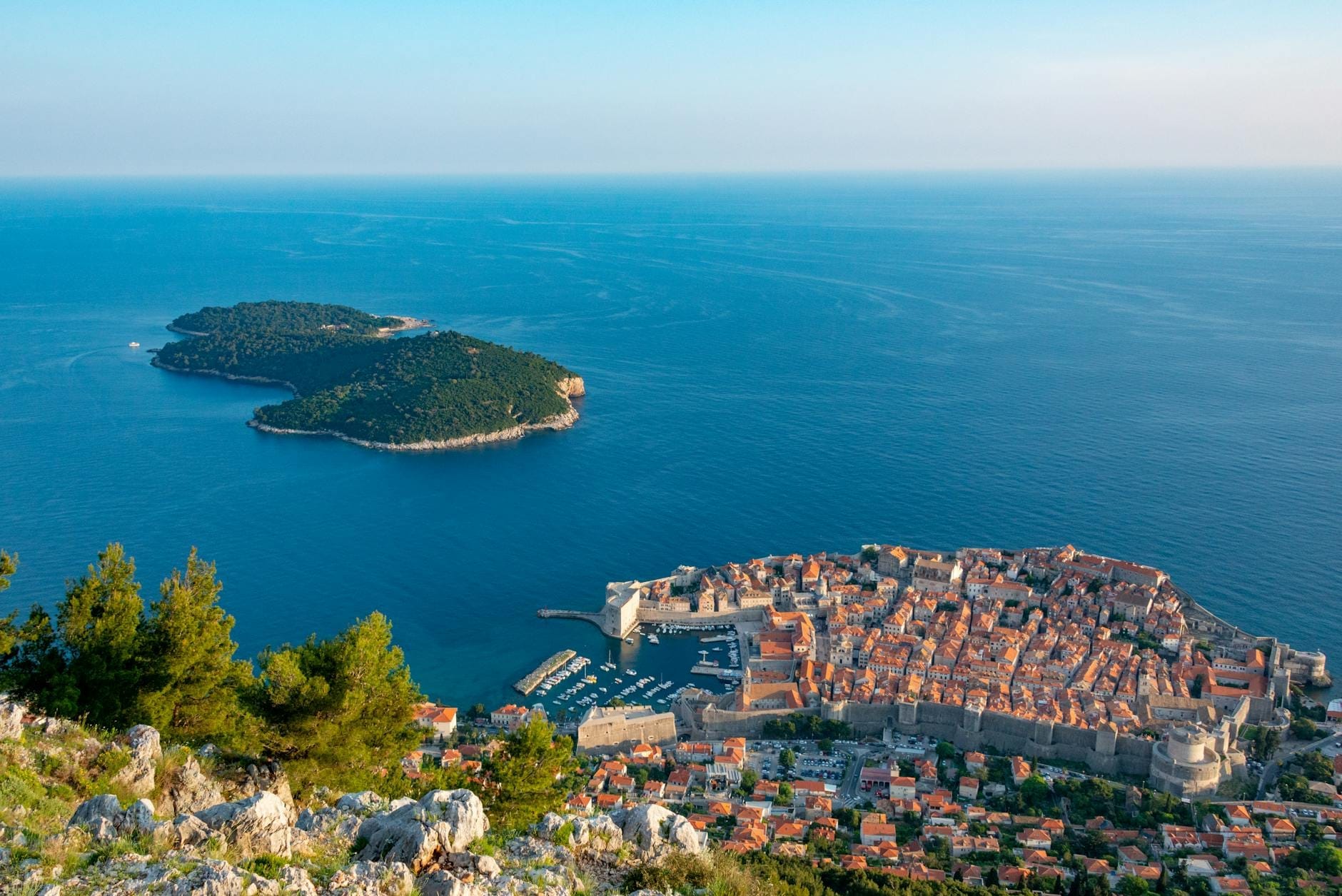
Dubrovnik ranks among Croatia's safest cities, but its popularity brings a predictable set of tourist-targeted scams. This guide breaks down exactly what to watch for, where risks concentrate, and how to travel confidently without falling for overcharges, fake taxis, or phishing QR codes.
Tickets & tours
Live prices and dates from our booking partner. If you book, we may earn a commission at no extra cost to you.
TL;DR
- Dubrovnik is genuinely safe for tourists — violent crime is rare and the scam scene is 'soft' (overcharges and misdirection, not aggressive theft or fake police).
- The highest-risk spots are the Stradun, Pile Gate, Gruž Port, and the Ploče area, especially from May through September.
- Buy City Walls tickets directly at the Pile Gate booth or dubrovnikpass.com — third-party resellers charge €45-70 for a €35 ticket with no added benefit.
- Decline Dynamic Currency Conversion (DCC) at every ATM and card terminal — always pay in Euros, not your home currency.
- Use Uber or Bolt from the port and airport to avoid unlicensed taxi overcharges.
The Honest Answer: How Safe Is Dubrovnik?
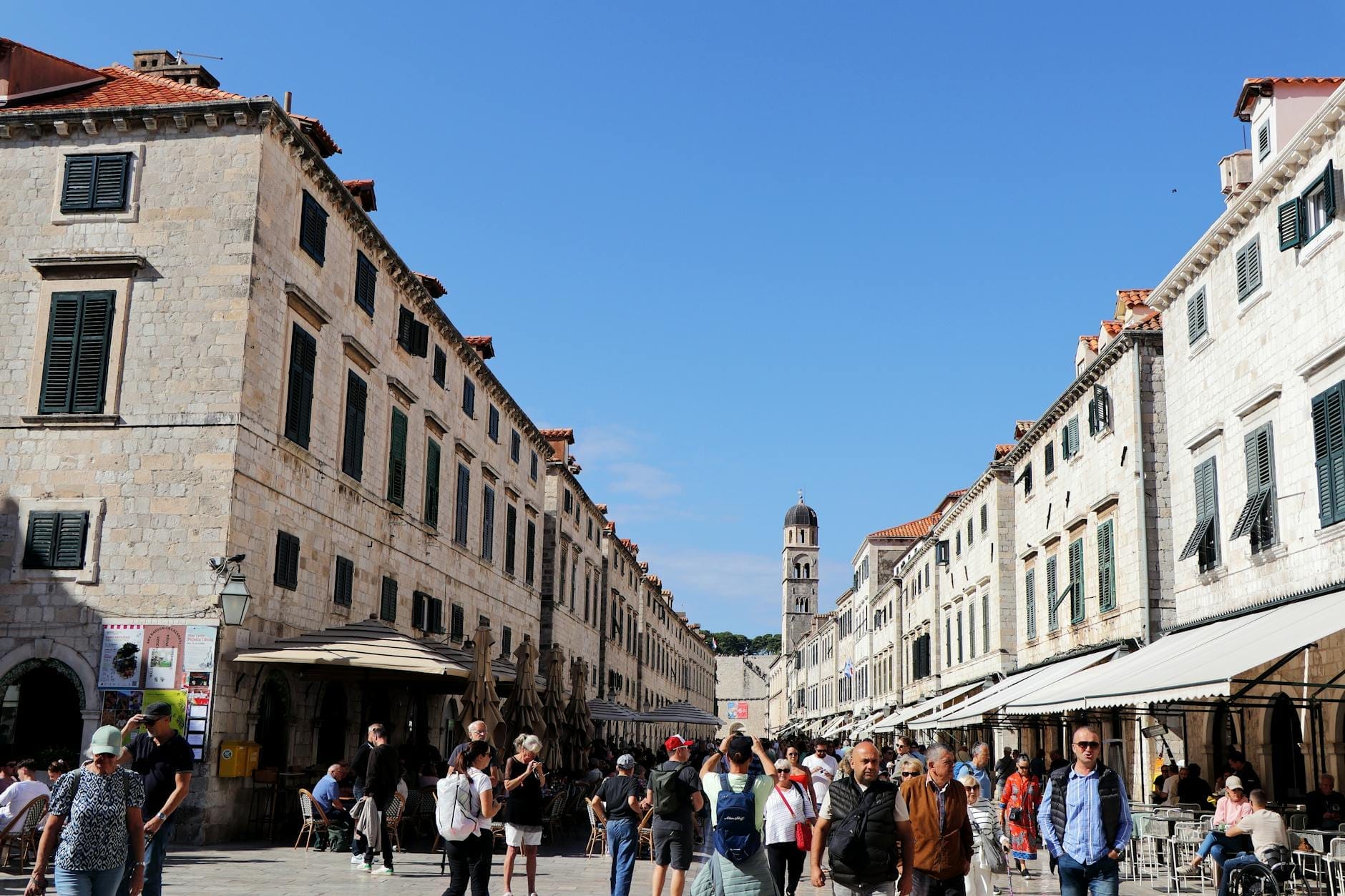
Dubrovnik is safe. That's the short answer, and it's worth stating clearly before diving into the nuances. Croatia consistently records low rates of violent crime, and Dubrovnik specifically benefits from a small, tight-knit permanent population of around 28,000 permanent residents who have a strong economic interest in maintaining the city's reputation. The risks that do exist are almost entirely financial: overcharges, misdirection, and opportunistic schemes targeting tourists who haven't done their research.
Context matters here. Compared to major European tourist cities like Barcelona or Rome, Dubrovnik's scam environment is genuinely mild. There are no organised gangs running fake police scams, no aggressive street harassment, and pickpocketing, while possible in peak crowds around Pile Gate and the Stradun, is far less common than in Western European capitals. Game of Thrones tourism did increase the volume of tourist-targeted incidents from around 2016 onward, but it didn't change the character of those incidents. Preparation, not paranoia, is the right mindset.
ℹ️ Good to know
Emergency number in Croatia: 112 (EU standard). For the Dubrovnik police directly: +385 20 443 333. Tap water in the Old Town is safe to drink — skip the bottled water markup at Old Town cafés.
The Most Common Scams in Dubrovnik (And How to Spot Them)
Understanding where money actually disappears helps you guard against it. The following scams recur season after season because they work on tired, excited, or first-time visitors. None require you to be naïve — just uninformed.
- Restaurant overcharging Menus outside often show lower prices than the bill inside. Watch for unlisted service charges (sometimes 10-15%), ambiguous pricing on specials, and — a specific red flag — any menu still mentioning Croatian Kuna. Croatia adopted the Euro in January 2023; Kuna references today are either outdated or deliberately confusing.
- Fake or unlicensed taxi drivers Unofficial drivers wait at Gruž Port (especially during cruise ship arrivals) and outside Pile Gate. They quote flat rates that sound reasonable but are 2-3x the metered fare. Licensed taxis display a photo ID and taxi plate; always confirm the meter is running, or use Uber or Bolt, which show the fare upfront.
- Private boat tour scams Men offering 'private island tours' at the port sometimes operate uninsured vessels with no official licence. Before boarding any private boat, ask for: the operator's name, vessel registration, insurance confirmation, full price breakdown, and whether fuel is included. Legitimate operators answer all five without hesitation.
- City Walls ticket resellers The official adult ticket for the City Walls costs €35. Street resellers and some third-party online platforms charge €45-70, occasionally falsely claiming to offer skip-the-line access (there is no official skip-the-line product for the walls). Buy only at the Pile Gate or Ploče Gate booths, or at dubrovnikpass.com.
- ATM Dynamic Currency Conversion (DCC) When an ATM or card terminal asks if you want to pay in your home currency (GBP, USD, AUD, etc.), decline every time. DCC applies a poor exchange rate with a markup that can add 3-8% to every transaction. Always choose to pay in Euros, and use Croatian bank ATMs (Zagrebačka banka, Erste, Privredna banka) over standalone machines in tourist zones.
- Fake parking QR codes There have been reports of fake QR codes placed over legitimate parking meter stickers, redirecting drivers to phishing payment pages. Use the official Sanitat payDo+ app or pay directly at the physical meter. Verify QR codes on parking meters by checking sanitat.hr directly.
- Bracelet and friendship touts Less common than in Southeast Asia but present near the gates: someone ties a bracelet on your wrist and then demands €5-15. The standard defence is to keep both hands in motion and politely decline before physical contact. Once it's on, the social pressure is their tool.
- Duplicate accommodation listings Fake or misleading rental listings spike in peak season (May to September), sometimes collecting deposits before disappearing. Never transfer a deposit outside of Booking.com or Airbnb's official payment systems, regardless of what the 'host' claims about platform fees.
⚠️ What to skip
If a restaurant bill arrives without an itemised receipt, ask for one before paying. In Croatia, businesses are legally required to issue a fiscal receipt (račun). A restaurant that resists producing one is a restaurant to report — and avoid.
Where in Dubrovnik Risks Are Highest
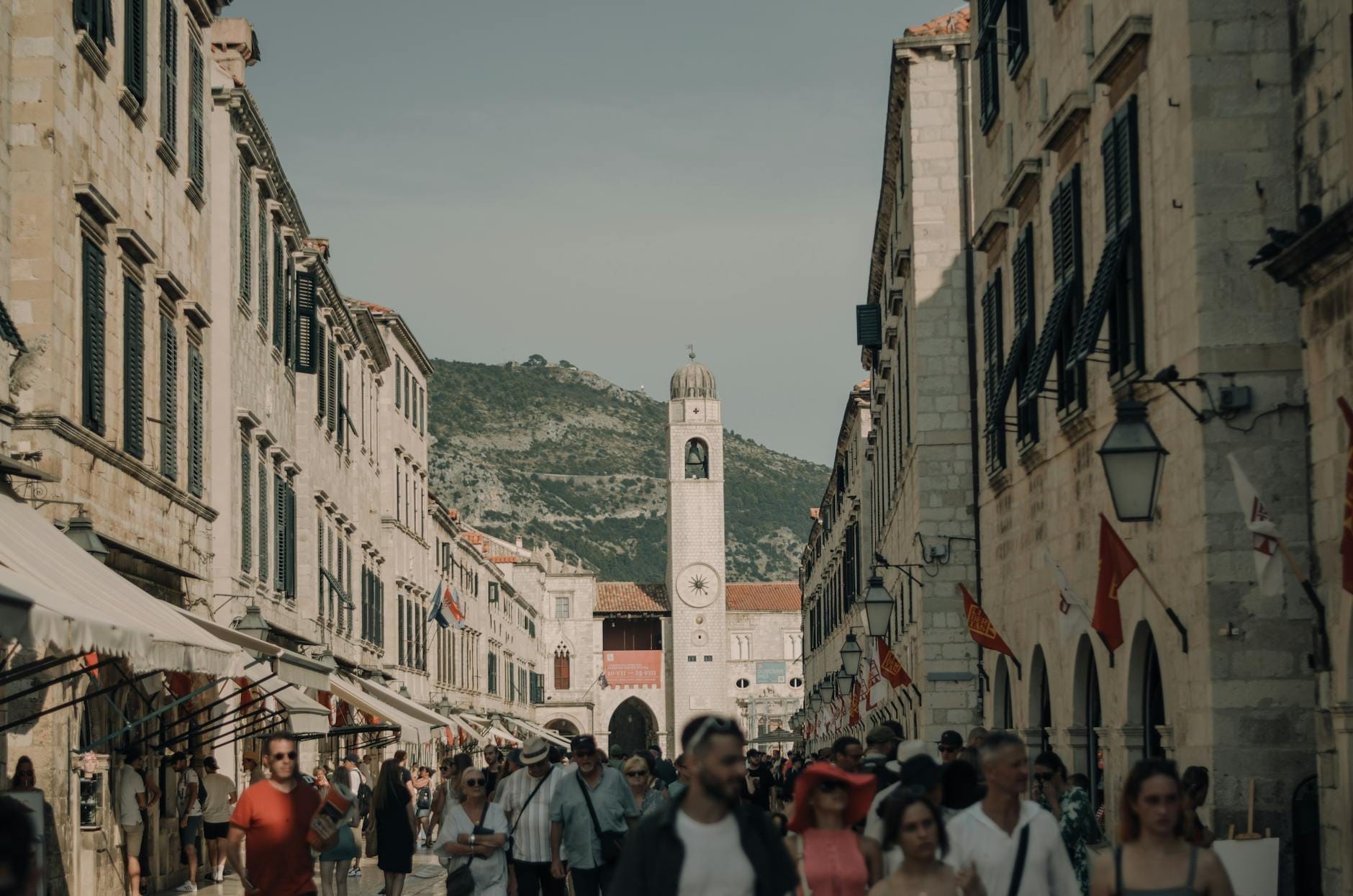
Risk isn't spread evenly across the city. The Old Town is the epicentre simply because that's where tourist density peaks. The Stradun (the main limestone-paved street), the area immediately outside Pile Gate, and the restaurant strips near the harbour see the most overcharging and tout activity. Outside the walls, Gruž Port is the second concentration point, particularly when cruise ships dock and thousands of day-visitors arrive within a short window.
The Lapad neighbourhood, where many hotels are located, is considerably calmer. The tourist police (Hrvatska Turistička Policija) increase patrols at Pile Gate and Gruž during summer, which does deter the more brazen schemes, but it doesn't eliminate them. The cable car area on Mount Srđ is low-risk; the main concern there is unofficial transport offers at the base, not at the summit.
💡 Local tip
Visiting in May, June, or September significantly reduces your exposure to scams. Fewer crowds mean less cover for opportunists, and the tourist police presence is lighter because it's less needed. If July and August are your only options, the Stradun is at its most chaotic between 10am and 6pm — plan Old Town visits for early morning or evening.
Practical Safety Tips: Transport, Money, and Accommodation
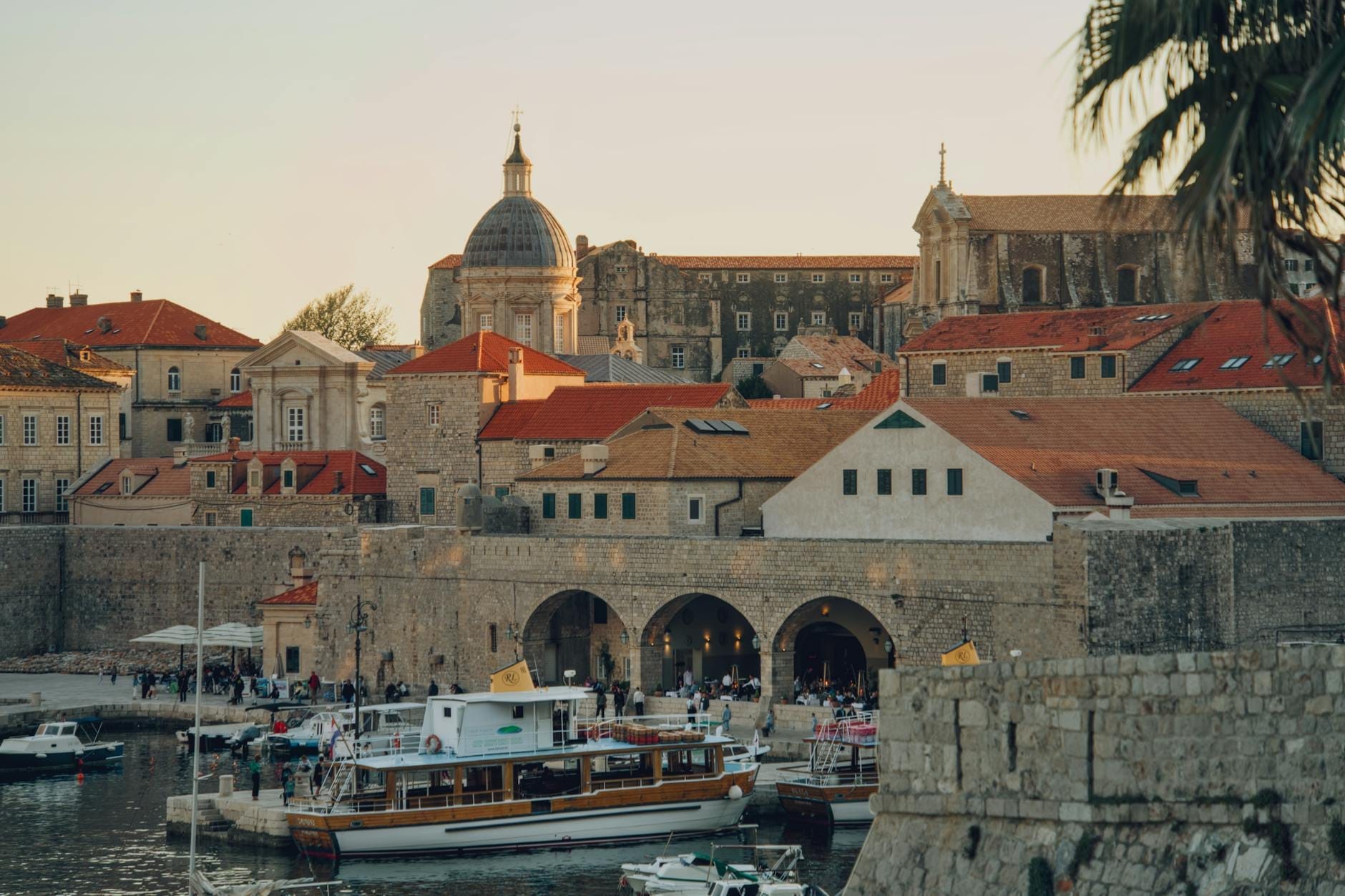
Getting from Dubrovnik Airport (DBV) to the city without overpaying is the first test. The airport sits about 20 km from the city centre. The Libertas bus runs to Pile Gate (line 1A or 1B, around €5-7, journey time 30-45 minutes depending on traffic). Licensed taxis and shuttle services cost roughly €25-40 for the same journey. Uber and Bolt operate from the airport and show the fare before you confirm — this transparency alone makes them worth using if your schedule and luggage allow.
Within the city, the Libertas bus network covers the key routes. Bus 1A and 1B connect Gruž Port to Pile Gate for around €2 per journey. For getting around the wider city and making day trips from Dubrovnik, ferries operate from Gruž to the Elaphiti Islands and other coastal destinations. The Dubrovnik cable car sells tickets at the lower terminus on Petra Krešimira IV — there's no reason to buy from anyone at street level.
- Use Uber or Bolt for airport and port transfers — upfront pricing eliminates negotiation.
- Pay for Libertas buses with cash (exact change preferred) or a contactless card.
- At ATMs, always choose 'continue without conversion' or 'pay in EUR' when prompted.
- For the City Walls, book online at dubrovnikpass.com or pay at the gate — the €35 ticket is the same price either way, but online booking confirms availability.
- Keep a crossbody bag with the clasp facing inward when walking Stradun during peak hours.
- Screenshot your accommodation booking confirmation with the address before you lose connectivity.
What Dubrovnik Gets Right: Genuine Safety for Travellers
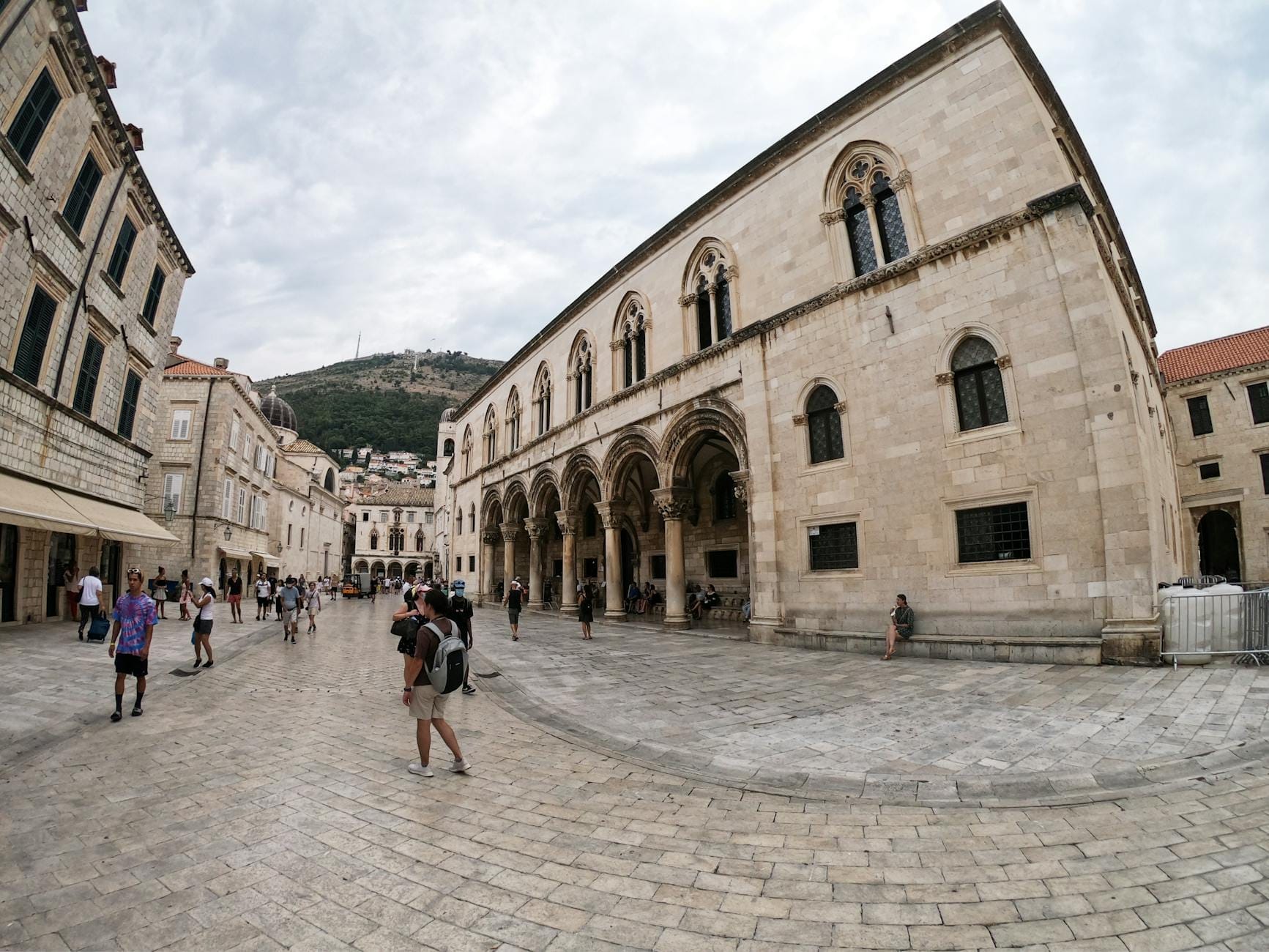
It's worth stepping back from the scam catalogue to note what Dubrovnik does well. Solo female travellers consistently report feeling safe in the city, including walking back to accommodation after dinner. The Old Town's compact geography means you're rarely more than a few minutes from a busy street or open café. Street lighting inside the walls is adequate. Alcohol-related trouble exists in the nightlife zone near Banje Beach and the Old Harbour, but it's low-level compared to Adriatic party destinations like Split's Bacvice strip.
The city's medical infrastructure is reasonable for a destination of its size. The Dubrovnik General Hospital (Opća bolnica Dubrovnik) handles tourist-related incidents. EU citizens with a valid EHIC card access public healthcare on the same basis as Croatian nationals. Non-EU visitors, particularly those from the US and Australia, should carry comprehensive travel insurance — healthcare costs in Croatia without coverage can be significant. For visa questions, most Western nationalities enter Croatia visa-free for up to 90 days as Croatia is in the Schengen Area, though ETIAS requirements for US, UK, and other non-EU travellers should be verified before travel as implementation timelines have shifted. For more on timing your visit, the best time to visit Dubrovnik guide covers seasonal crowd and weather patterns in detail.
✨ Pro tip
The Dubrovnik City Pass bundles City Walls entry, public transport, and several museums into one purchase. Cable car inclusion depends on the package and current offers, so verify before buying. If your itinerary includes multiple paid sights, it can be better value than buying separately — and it sidesteps the reseller market entirely. Check current pricing at dubrovnikpass.com before buying from any third party.
Seasonal Safety Patterns and When to Be Most Alert
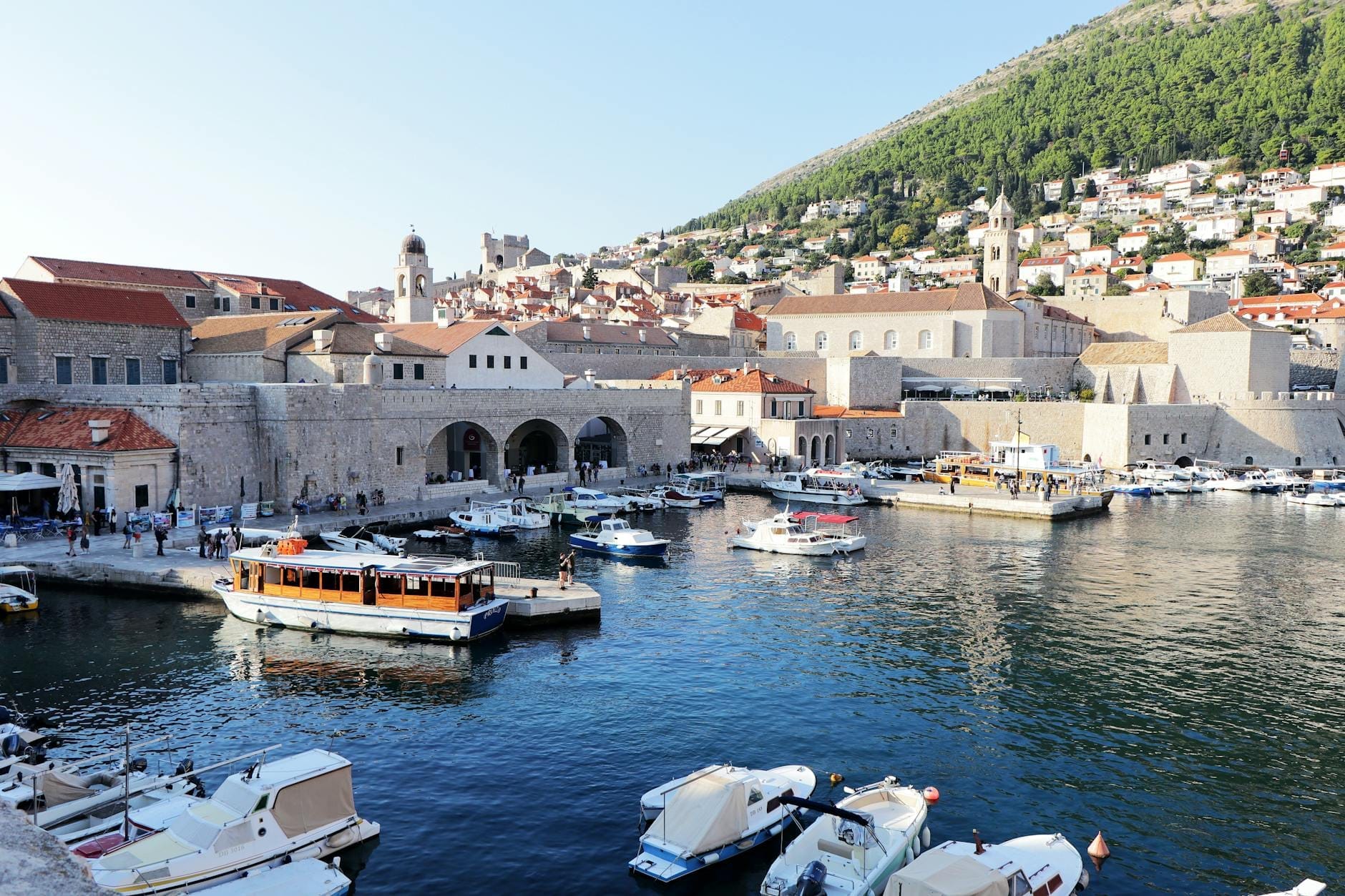
Scam frequency in Dubrovnik tracks directly with tourist volume. The period from late May through early September is when opportunists are most active, boat tour touts are most persistent at Gruž, and restaurant overcharging is most likely. If you're travelling during this window, being familiar with how to manage costs in Dubrovnik is doubly useful — it's both a budget strategy and a scam-avoidance framework, since the two overlap significantly.
October through April is a different city. Cruise ships barely call, Old Town restaurants have vacancy signs rather than queue-manipulation tactics outside, and the bracelet touts have moved on entirely. The trade-off is that some attractions reduce hours or close for maintenance, and the Adriatic isn't swimmable. But for travellers whose priority is the architecture, the food, and the atmosphere rather than beach days, shoulder and off-season Dubrovnik is arguably the better experience — and the substantially safer one from a financial risk perspective.
FAQ
Is Dubrovnik safe for solo female travellers?
Yes. Solo female travellers consistently report Dubrovnik as one of the more comfortable destinations on the Adriatic coast. Street harassment is uncommon, the Old Town is well-lit and compact, and the tourist police presence during summer is visible. Standard urban precautions apply: avoid walking alone in unlit areas late at night, and be aware of your surroundings in the nightlife zone near Banje Beach after midnight.
Are taxis in Dubrovnik safe?
Licensed taxis are safe. The risk is financial, not physical: unlicensed drivers at Gruž Port and Pile Gate quote inflated flat rates. To avoid this, use Uber or Bolt (both operate in Dubrovnik and show the fare upfront), or confirm with any taxi driver that the meter is running before you set off. Licensed taxis display a photo ID card and an official taxi plate.
Is it safe to swim at Dubrovnik beaches?
Yes. The Adriatic around Dubrovnik has excellent water quality — Croatia consistently performs well in EU bathing water assessments. There are no significant rip current risks at main beaches like Banje. The practical safety concern is more about rocky entry points (water shoes are useful) and sun exposure on limestone surfaces that reflect heat intensely in July and August.
What should I do if I get scammed in Dubrovnik?
For restaurant overcharging, request an itemised fiscal receipt (račun) — businesses are legally required to provide one. If they refuse, contact the State Inspectorate (Državni inspektorat). For larger financial fraud or theft, contact the Dubrovnik police directly on +385 20 443 333, or call 112 for the general emergency line. Keep records: screenshots of menus, booking confirmations, and ATM receipts all support any claim.
Is it safe to drink tap water in Dubrovnik?
Yes. Tap water in Dubrovnik, including in the Old Town, is safe to drink and meets EU standards. Buying bottled water at Old Town café prices (sometimes €3-4 per bottle) is unnecessary. Carry a refillable bottle and use the tap.
Tickets & tours
Live prices and dates from our booking partner. If you book, we may earn a commission at no extra cost to you.
Planning a trip? Discover personalized activities with the Nomado app.