St Blaise Church Dubrovnik: History, Interior & Visitor Guide
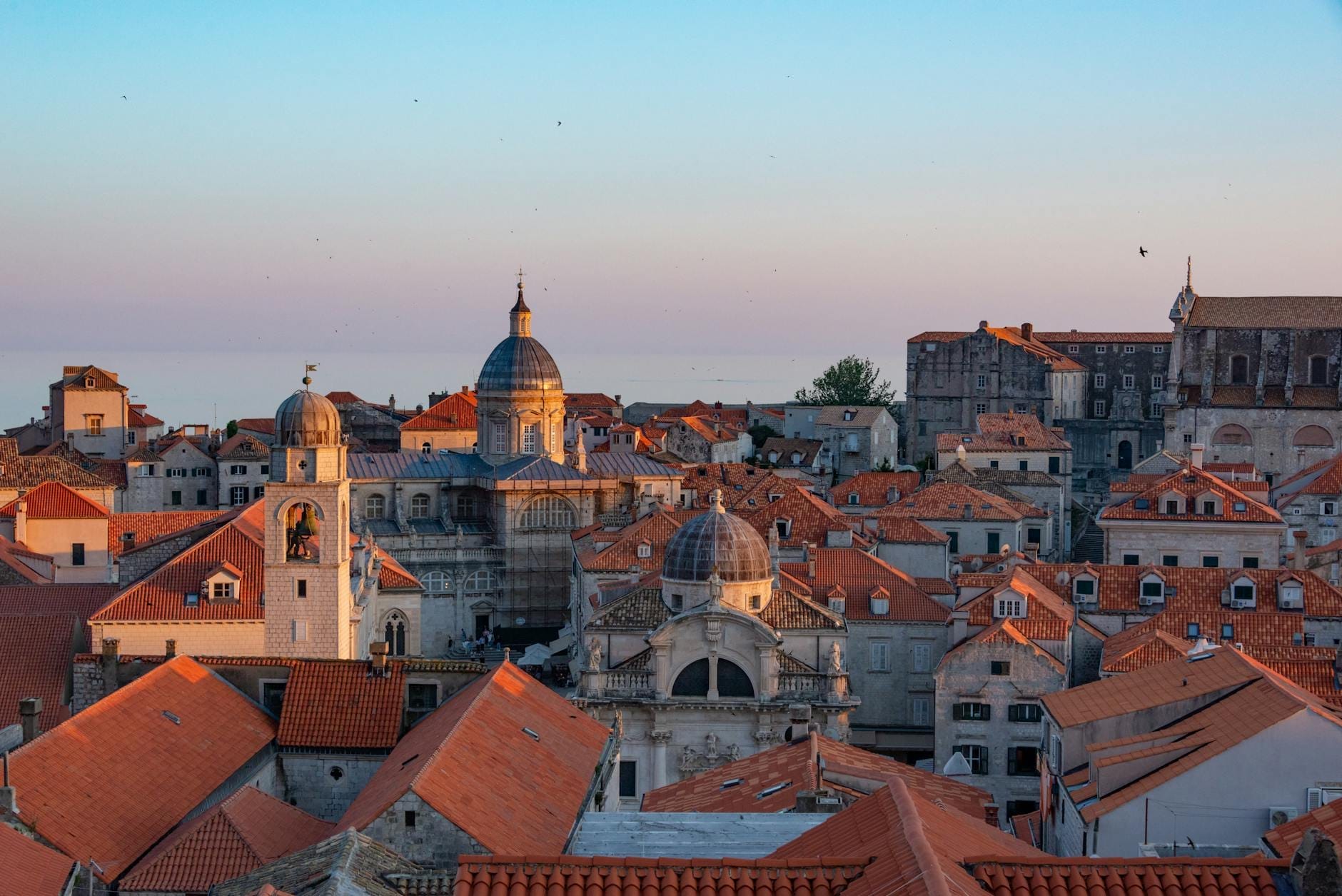
St Blaise Church stands at the heart of Dubrovnik's Old Town, a Baroque masterpiece dedicated to the city's patron saint. This guide covers its architecture, the remarkable silver statue, practical visiting advice, and the annual February celebrations that bring the church to life.
Tickets & tours
Live prices and dates from our booking partner. If you book, we may earn a commission at no extra cost to you.
TL;DR
- St Blaise Church (Crkva sv. Blaža) sits on Luža Square at the eastern end of Stradun and is free to enter.
- The current Baroque building was constructed between 1706 and 1714 by Venetian architect Marino Gropelli, after a fire destroyed the earlier church that year.
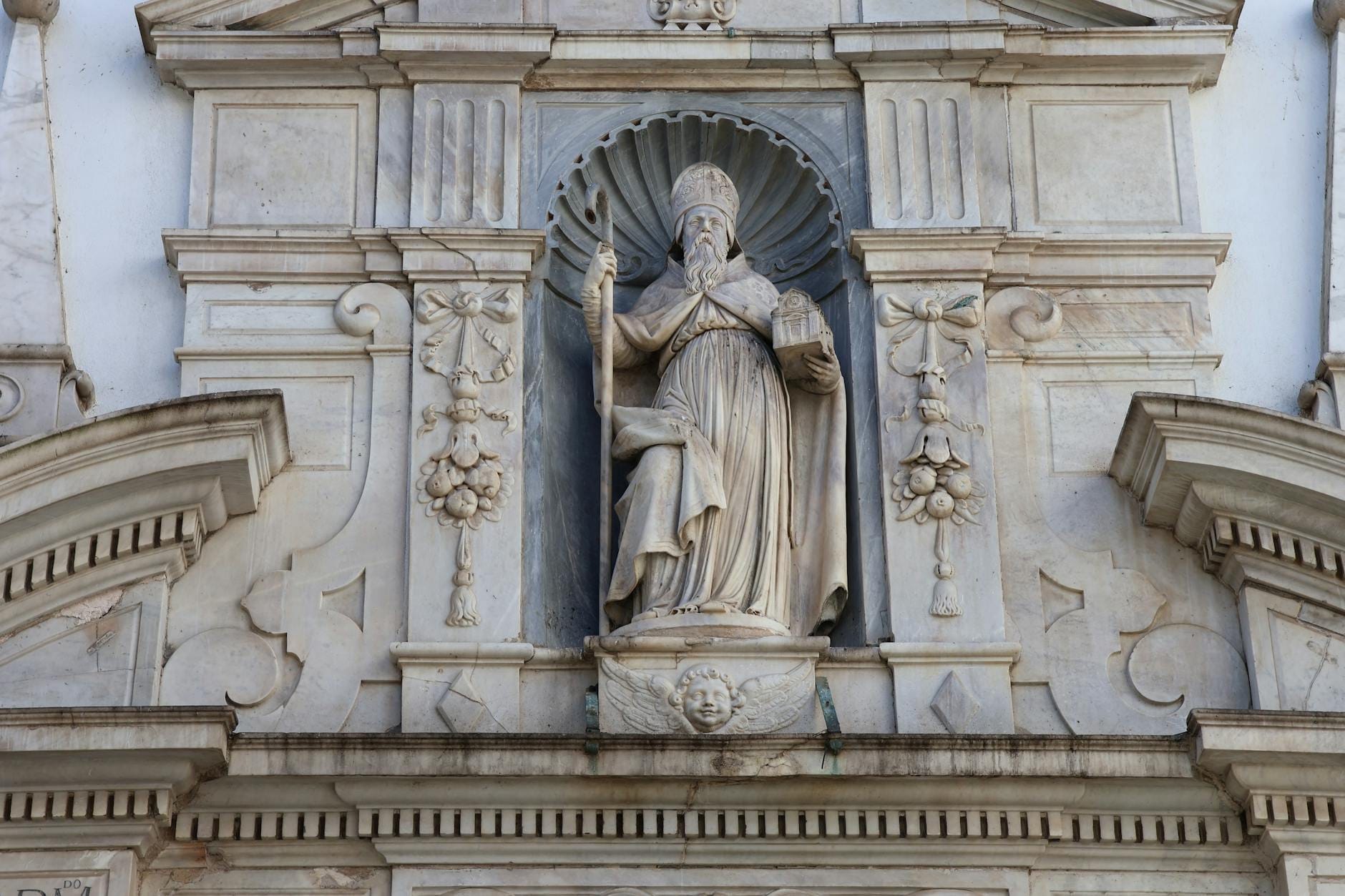
- The highlight inside is a 15th-century gilt silver statue of St Blaise holding a detailed model of pre-earthquake Dubrovnik, the only object that survived the 1706 fire.
- February 3 is the Feast of St Blaise, when the square fills with processions, music, and ceremonies — the best time to see the church in full cultural context.
- Combine a visit with the nearby Stradun promenade and Rector's Palace for a compact Old Town morning.
What Is St Blaise Church and Why Does It Matter?
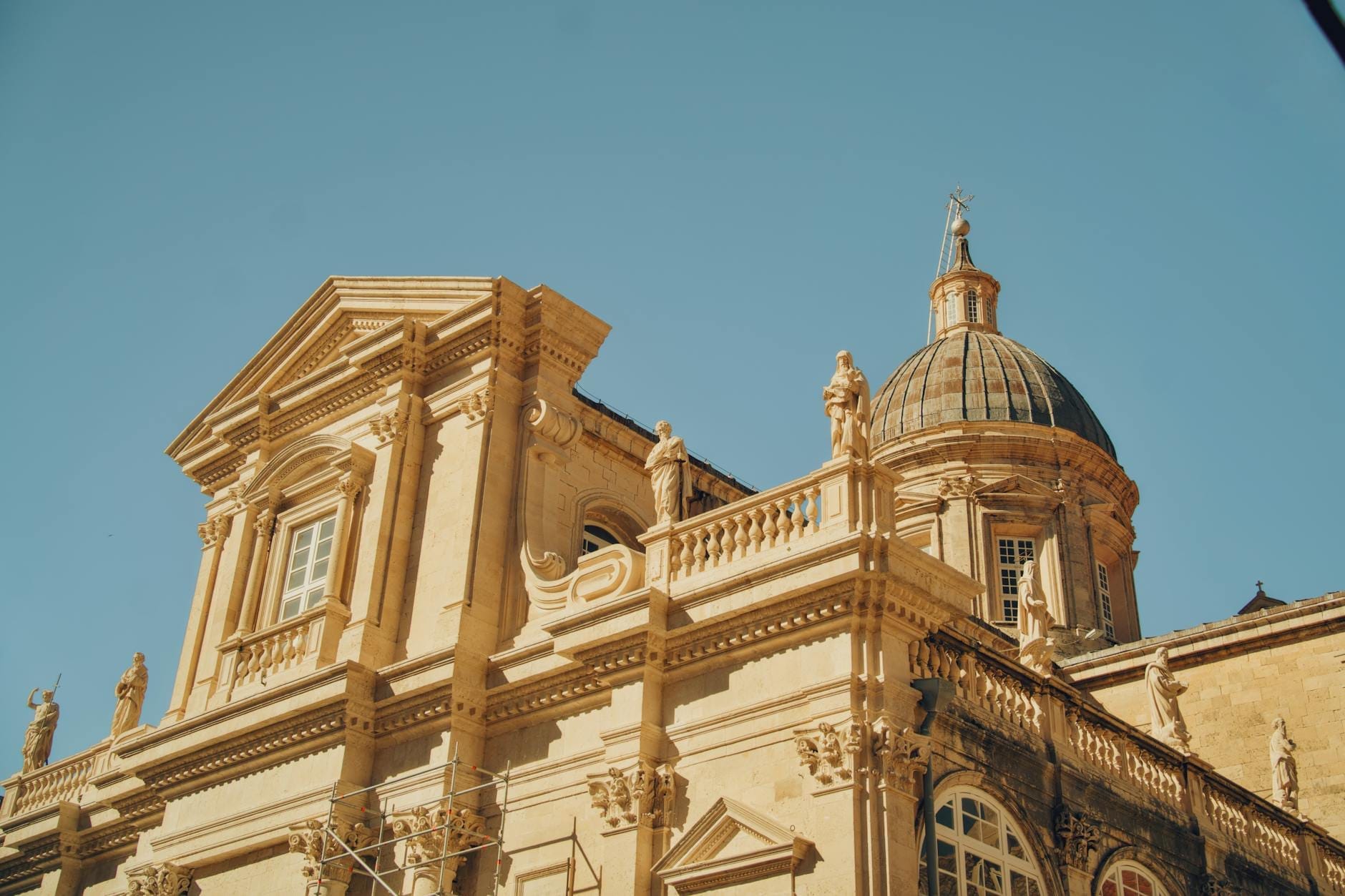
The Church of St Blaise — known locally as Crkva sv. Blaža — occupies a prime position on Luža Square, directly at the eastern end of the Stradun, Dubrovnik's main limestone thoroughfare. It faces Orlando's Column and sits just steps from the Rector's Palace, making it one of the most-photographed facades in the entire Old Town.
The church is dedicated to St Blaise (Sveti Vlaho), the 4th-century Armenian bishop and martyr who has served as Dubrovnik's patron saint since at least the 10th century. According to local tradition, St Blaise appeared in a vision to a priest in 971 AD and warned of an impending Venetian attack on the city, which the Republic of Ragusa managed to repel. From that moment, the saint became inseparable from Dubrovnik's civic identity. His image appears on the city's coat of arms, on street corners, and above the city gates.
ℹ️ Good to know
St Blaise is not just a religious symbol in Dubrovnik — he is a civic one. His statue appears above the Pile Gate and the Ploče Gate, and his feast day on February 3 is a public holiday in the city observed with genuine enthusiasm, not just tourist spectacle.
A History Built on Fire, Not Earthquake
One of the most persistent misconceptions about St Blaise Church is that it was built as a response to the catastrophic 1667 earthquake that leveled much of Dubrovnik. That is not accurate. A 14th-century Romanesque church dedicated to St Blaise stood on this site for centuries and actually survived the 1667 earthquake largely intact — a remarkable fact given the destruction that earthquake caused across the rest of the city.
What destroyed that earlier church was a fire in 1706, which swept through Luža Square and consumed the structure. The Republic of Ragusa moved quickly: construction of the current Baroque church began the same year under Venetian architect Marino Gropelli, and the building was completed by 1714. Gropelli modelled the design closely on San Maurizio in Venice, which accounts for the church's distinctly Venetian Baroque character — unusual in Dubrovnik, where local architectural styles tend toward a more restrained Dalmatian sensibility.
⚠️ What to skip
Several travel guides incorrectly state that St Blaise Church was built after the 1667 earthquake. It was not. The current structure dates from 1706-1715, built after a fire destroyed its 14th-century predecessor, which had itself survived the earthquake.
The Facade: Baroque Confidence in Stone
The exterior of St Blaise Church is one of the most self-assured pieces of architecture in Old Dubrovnik. The facade is warm limestone with deeply carved ornamentation: Corinthian pilasters, richly decorated niches, and a balustrade running along the top that gives the building a theatrical profile when viewed from the square below. At the apex stands a gilded statue of St Blaise himself, flanked by decorative angels — Gropelli's work, and deliberately grand in scale.
A wide flight of stairs leads up to the entrance, and this terrace is one of the better people-watching spots in the Old Town. Locals use the steps as an informal meeting point, especially in the late afternoon when the light softens. At night, uplighting catches the balustrade and the gilded saint above in a way that makes the whole facade glow against the dark sky. If you are visiting with a camera, the evening shot from across Luža Square — with Orlando's Column in the foreground — is worth the short wait for the light to shift.
Inside the Church: What to Look For
The interior follows a Greek cross plan, which gives the space a compact, centralized feel rather than the elongated nave typical of Gothic or Romanesque churches. An oval dome sits above the crossing, flooding the interior with natural light. The overall impression is bright and airy — considerably less gloomy than many Catholic churches of comparable age, which is partly by Baroque design intent and partly the effect of the pale stone and high windows.
The main altar holds the object that makes this church genuinely worth entering: a 15th-century gilt silver statue of St Blaise displaying a model of the former Gothic church. This is the only item that survived the catastrophic 1706 fire. The detail that makes it especially valuable to historians is what the saint is holding: a scale model of Dubrovnik as it looked before the 1667 earthquake. This miniature cityscape is one of the very few surviving three-dimensional records of the pre-earthquake city, showing towers, walls, and urban structures that no longer exist. Look closely at the model in his left hand — it rewards attention.
- The Silver Statue of St Blaise 15th-century gilt silver, the sole survivor of the 1706 fire. The miniature city model the saint holds depicts Dubrovnik before the 1667 earthquake — historically unique.
- Stained Glass by Ivo Dulčić The stained-glass windows were designed by Ivo Dulčić, one of Croatia's most celebrated 20th-century painters. Their modern, expressive style contrasts interestingly with the Baroque architecture.
- Side Altars and Relics The church holds relics of St Blaise, including what are venerated as parts of his skull, hand, and foot — displayed in elaborate reliquaries. These are brought out publicly during the February feast day.
- The Oval Dome More structurally interesting than it first appears. The Greek cross floor plan and the oval dome above are hallmarks of Venetian Baroque influence, setting this church apart from Dubrovnik's Romanesque and Gothic heritage.
✨ Pro tip
Visit between 9am and 11am on a weekday for the quietest interior. The church is small, and even a modest crowd of twenty people makes it feel congested. Services are held regularly, so check the door for posted times and be respectful of active worship.
The Feast of St Blaise: February 3
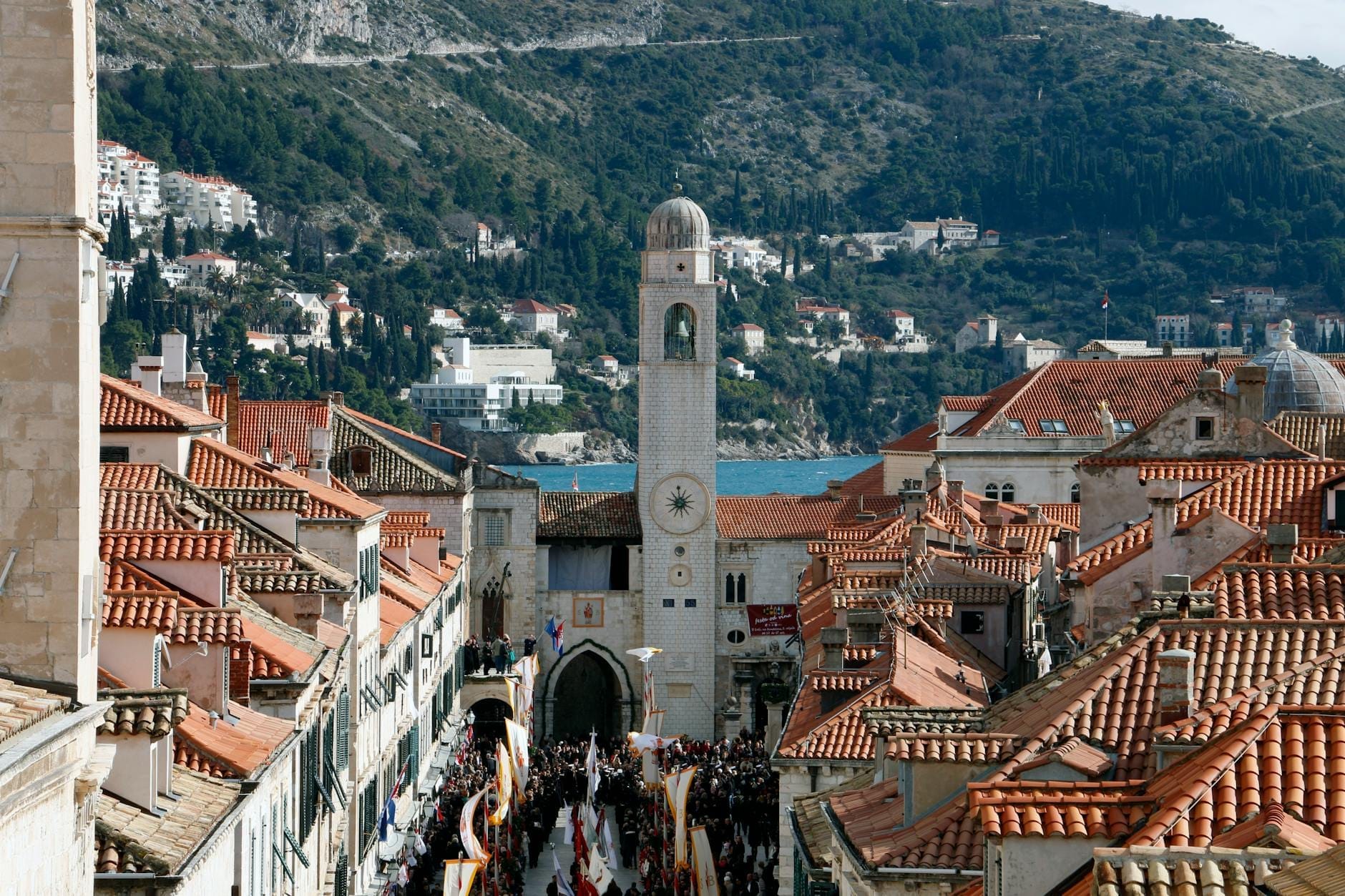
If you have any flexibility in your travel dates, arriving in Dubrovnik around February 3 offers a completely different perspective on the city. The Feast of St Blaise (Festa svetog Vlaha) has been celebrated continuously since the 10th century and was inscribed on the UNESCO Intangible Cultural Heritage list in 2009. It is not a tourist performance — it is a deeply observed civic and religious occasion. See our notes on the best time to visit Dubrovnik for context on how February compares to other months.
On the day itself, the city's streets fill with a morning procession involving church dignitaries, city officials, and citizens dressed in traditional Dalmatian costume. The relics of St Blaise are carried through the Old Town in ornate reliquaries. Flags fly from the city walls. There are folk music performances, doves released from the church steps, and a general atmosphere that the city reserves for its own celebrations rather than its visitors. The square in front of the church is packed, and the church interior sees some of its heaviest attendance of the year. If you plan to attend, arrive at Luža Square by 9am at the latest.
February is also the low season in Dubrovnik, which means cheaper accommodation, no cruise ship crowds, and streets that actually feel like a city rather than a theme park. The weather in February is cool and sometimes rainy, but the trade-offs in terms of atmosphere and cost are significant.
Practical Visiting Information
Entry to St Blaise Church is free. There is no ticket office, no booking system, and no timed entry. The church is typically open during daylight hours, but specific opening times are not posted consistently online — the most reliable approach is to check the notice board at the door on arrival. Hours can shift around services, feast days, and seasonal closures for maintenance.
- Free admission — no booking required.
- Located on Luža Square, at the eastern end of Stradun, directly opposite Orlando's Column.
- Dress modestly: shoulders and knees covered are expected. A scarf or light layer is sufficient.
- Photography is generally permitted inside, but be discreet during services.
- The church is compact — allow 20 to 30 minutes for a thorough visit.
- Accessible from Pile Gate on foot in under 10 minutes along Stradun.
- No bag storage or facilities on site — leave large backpacks at your accommodation.
St Blaise Church sits within the UNESCO-listed Old Town, meaning it fits naturally into any Old Town walking tour. The cluster of historic buildings around Luža Square — including the Sponza Palace, Orlando's Column, and the entrance to the Rector's Palace — can all be covered in a single morning without feeling rushed.
For travelers working through a broader itinerary, the church pairs well with a visit to the Franciscan Monastery at the other end of Stradun, or the Dominican Monastery just northeast of Luža Square, which houses a significant collection of Renaissance paintings. Between the three religious buildings, you get a strong cross-section of Dubrovnik's artistic and architectural heritage.
How St Blaise Church Fits Into the Wider Old Town
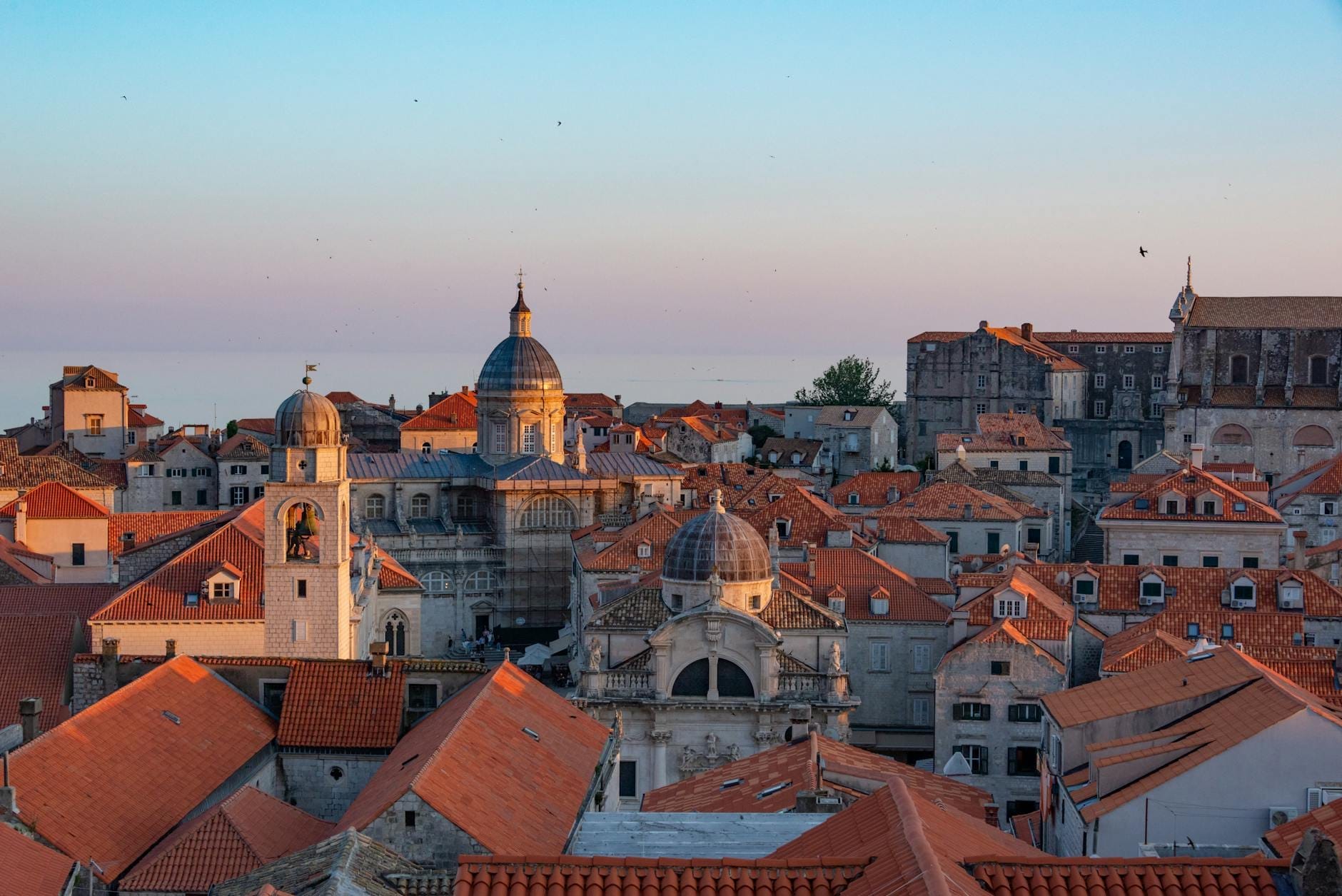
Luža Square functions as the social and ceremonial heart of the Old Town. The square has hosted public gatherings, proclamations, and festivals for centuries, and St Blaise Church was deliberately positioned to anchor this space. Standing on the church steps and looking west down Stradun gives one of the classic views in all of Dubrovnik: the white limestone street stretching toward Pile Gate, flanked by symmetrical Baroque facades rebuilt after the 1667 earthquake.
The square itself is worth time beyond the church. The Sponza Palace immediately to the north is one of the few buildings that survived the 1667 earthquake intact, and its Gothic-Renaissance hybrid facade is among the most refined in the city. Orlando's Column in the center of the square dates to 1417 and was used as the official measure of the Ragusan ell (a unit of length) as well as a site for public proclamations. These buildings and monuments together tell the story of Dubrovnik as a functioning republic far more effectively than any museum exhibit.
💡 Local tip
If you are visiting Dubrovnik in peak summer (July-August), Luža Square gets extremely congested by mid-morning as cruise passengers flood the Old Town. Arrive at St Blaise Church before 9am for a quieter experience, or visit after 6pm when day-trippers have largely departed and the evening light is at its best.
FAQ
Is there an entrance fee for St Blaise Church in Dubrovnik?
No. Entry to St Blaise Church is completely free. There is no ticket, no booking requirement, and no donation box at the door (though voluntary contributions are welcomed). Simply walk up the steps from Luža Square and enter.
What are the opening hours of St Blaise Church?
The church is generally open during daylight hours, but specific times are not consistently published online and can vary around services, feast days, and seasonal maintenance. The safest approach is to check the notice board at the entrance. A visit during mid-morning on a weekday is usually reliable.
Why was St Blaise Church built? Was it because of the 1667 earthquake?
No. The 14th-century Romanesque church that previously stood on this site actually survived the 1667 earthquake. The current Baroque church was built between 1706 and 1714 after a fire destroyed the earlier structure in 1706. Architect Marino Gropelli modelled it on San Maurizio in Venice.
What is the silver statue inside St Blaise Church?
The main altar holds a 15th-century gilt silver statue of St Blaise, which is historically significant for two reasons: it is the only object that survived the 1706 fire, and the saint is depicted holding a detailed scale model of Dubrovnik as it appeared before the 1667 earthquake. This miniature city model is one of the few surviving records of the pre-earthquake urban landscape.
When is the Feast of St Blaise and what happens?
The Feast of St Blaise falls on February 3 each year and is a UNESCO-listed Intangible Cultural Heritage event. The celebrations include a morning procession through the Old Town, the carrying of relics in ornate reliquaries, traditional Dalmatian costumes, folk music, and the release of doves from the church steps. It is a genuine civic celebration, not a tourist event, and one of the most atmospheric days in Dubrovnik's calendar.
Tickets & tours
Live prices and dates from our booking partner. If you book, we may earn a commission at no extra cost to you.
Planning a trip? Discover personalized activities with the Nomado app.