Is Dubrovnik Worth Visiting? An Honest Assessment
Dubrovnik gets more attention than almost any city its size. But does it live up to the hype? This guide cuts through the marketing noise with honest answers on costs, crowds, timing, and what makes the city genuinely special — plus what to watch out for.
Tickets & tours
Live prices and dates from our booking partner. If you book, we may earn a commission at no extra cost to you.
TL;DR
- Yes, Dubrovnik is worth visiting — but timing matters enormously. July and August are brutally crowded; May, June, and September are the sweet spots.
- The City Walls are the centrepiece attraction — 2 km of walkway with views that genuinely justify the €35 entry fee.
- Budget at least €100-150 per day per person if you want to eat well, see the main sites, and stay inside the Old Town walls.
- Dubrovnik works best as a 2-3 day base, not a one-day cruise stop. Cruise passengers flood the Old Town between 9am and 5pm — time your visits accordingly.
- The city rewards planning. Read the 3-day Dubrovnik itinerary to get the most out of your trip.
What Makes Dubrovnik Actually Impressive
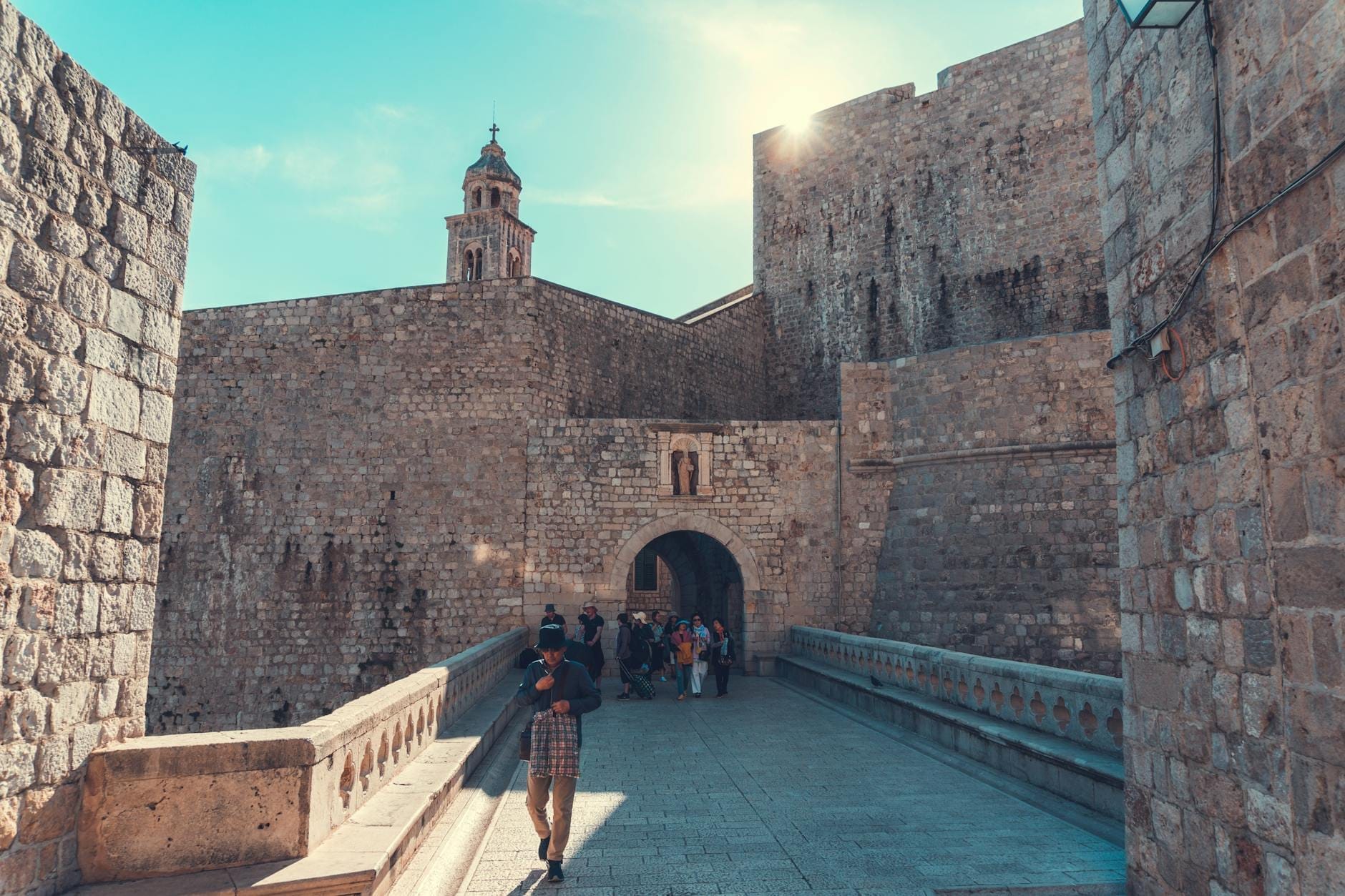
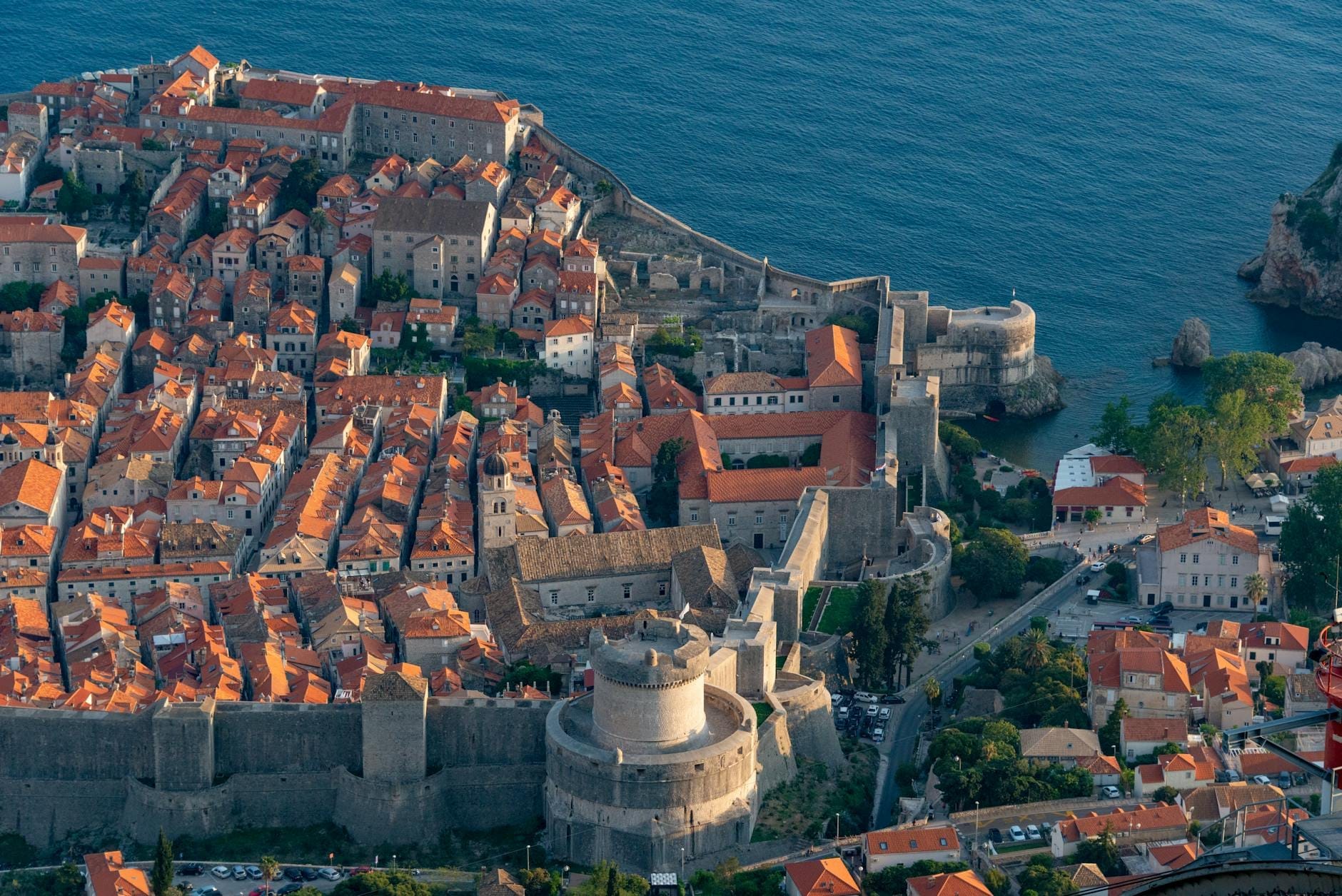
The short answer to whether Dubrovnik is worth visiting is yes, but with conditions. The city has a physical drama that photographs cannot fully capture. You approach the Old Town through the Pile Gate, step through a medieval archway, and suddenly you are inside a near-perfectly preserved limestone city that has existed in roughly this form since the 13th century. The Stradun, Dubrovnik's main limestone-paved boulevard, runs 300 metres through the heart of the Old Town, flanked by baroque churches, palaces, and cafes.
The City Walls are UNESCO-listed for good reason. Built primarily between the 11th and 15th centuries, they encircle the entire Old Town for 1.3 miles (2 km). Walking the full circuit takes around two hours at a comfortable pace and delivers constantly shifting views: one moment you are looking down at red-tiled rooftops and church domes, the next you are peering over the walls at the Adriatic below. Entry is typically around €35 for adults. That is not cheap, but the experience is singular.
Beyond the walls, the Old Town contains a genuinely impressive density of history. The Franciscan Monastery houses a pharmacy that has been operating continuously since 1317, making it one of the oldest in the world. Rector's Palace and Sponza Palace reflect the architectural ambition of the former Republic of Ragusa, the independent city-state that governed here for centuries before Napoleonic conquest in 1808.
ℹ️ Good to know
Dubrovnik was historically known as Ragusa. The Republic of Ragusa was a sophisticated maritime power that maintained independence for over 450 years through diplomacy and trade. That civic pride is embedded in the architecture, and understanding it adds a layer to everything you see.
The Honest Downsides: Crowds, Costs, and Cruise Ships
Let's be direct about the problems, because they are real. In July and August, Dubrovnik's Old Town becomes genuinely unpleasant for extended periods. The car-free streets, which feel magical in the evening, turn into gridlock at midday when cruise ship passengers arrive. On peak days, multiple ships dock simultaneously at Port Gruž, sending thousands of visitors into a city core that covers less than a square kilometre. The Stradun can feel like a conveyor belt rather than a promenade.
Prices reflect the demand. A sit-down dinner for two with wine at a mid-range restaurant in the Old Town typically runs €60-100. Cocktails at clifftop bars cost €12-18 each. Accommodation inside the walls is among the most expensive in Croatia, with decent options starting around €150-200 per night in summer. You can reduce costs by staying in Lapad or Gruž and commuting in, but that does change the experience.
⚠️ What to skip
If your only option is a one-day cruise stop in July, manage expectations. You will see the city, but you will not experience it. Cruise passengers are in the Old Town during the hottest, most crowded hours. Walk the walls early, retreat to the ship by midday, and return in the late afternoon if schedules allow.
For travellers on tighter budgets, it is possible to reduce spending significantly. The Dubrovnik budget travel guide covers specific strategies: eating at konobas outside the Old Town, using the Libertas bus system instead of taxis, and timing wall visits to avoid peak surcharge periods. The Dubrovnik City Pass can also offer meaningful savings if you plan to visit multiple attractions.
When to Go: Season Makes All the Difference
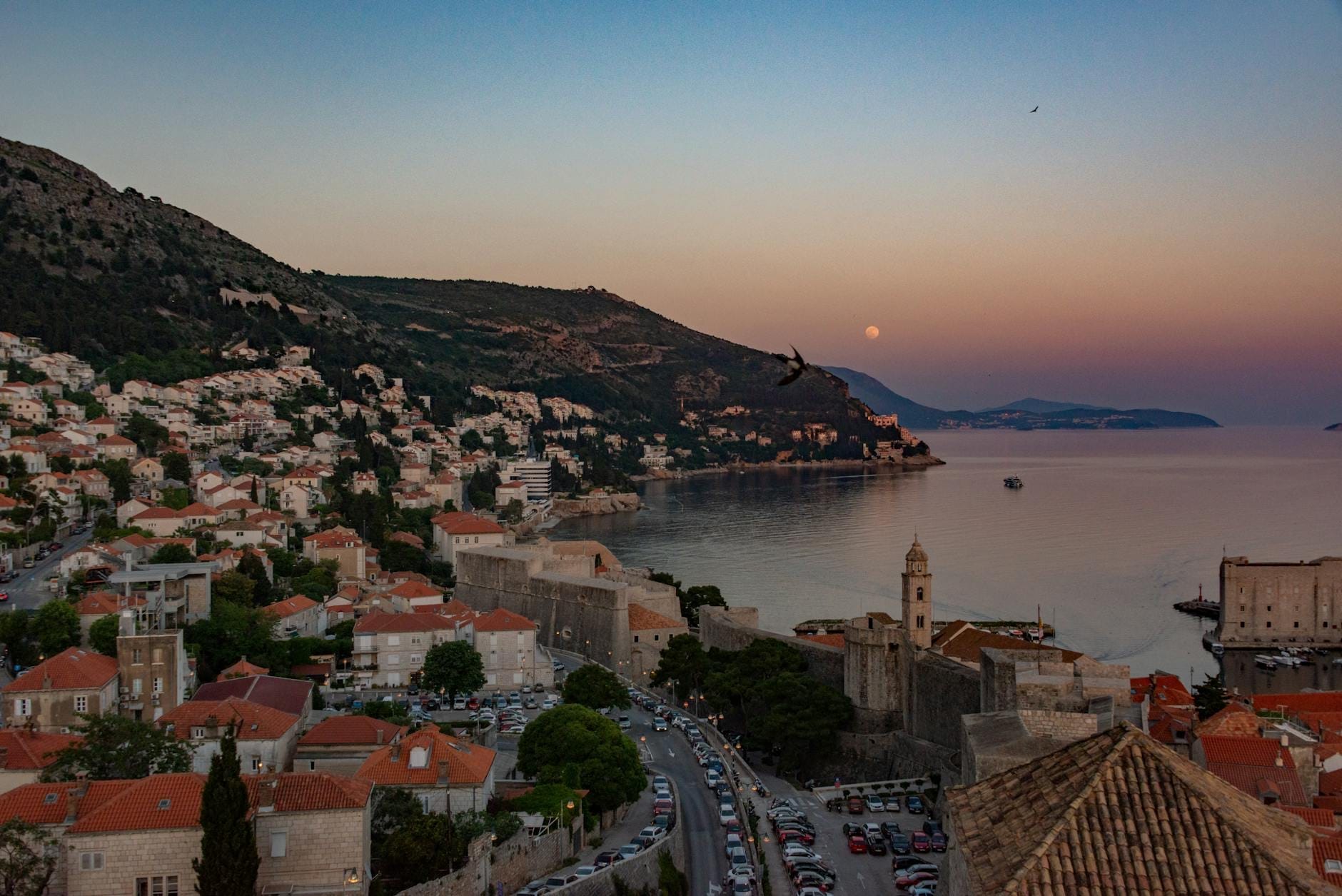
Timing your visit is arguably the single most important decision you will make about Dubrovnik. The city has a Mediterranean climate: dry, warm summers (25-30°C), mild wet winters (5-12°C), and genuinely lovely shoulder seasons on either side.
- May and early June The best overall window. Temperatures are comfortable (18-24°C), sea swimming is possible from late May, and cruise ship traffic has not yet peaked. Prices are 20-30% lower than July.
- July and August Peak season in every sense: peak beauty, peak crowds, peak prices, peak heat. The Old Town bakes in afternoon sun. Worth visiting if this is your only option, but prepare for queues and noise.
- September and October Many experienced travellers' preference. The sea is still warm, crowds thin noticeably after mid-September, and the evening light is exceptional. Shoulder prices apply.
- November to March A different city entirely — quieter, cheaper, and occasionally cold and wet. Ideal for cultural visits, the Franciscan Monastery, museum circuits, and attending events like the Dubrovnik Symphony. Some restaurants and boat services close seasonally.
For a deeper breakdown of seasonal pros and cons, the best time to visit Dubrovnik guide covers monthly weather patterns, event calendars, and pricing shifts in detail.
Beyond the Old Town: What Else Justifies the Trip
One of the strongest arguments for Dubrovnik is how much exists beyond the city walls. The surrounding region is exceptional, and it transforms a city visit into a multi-day destination.
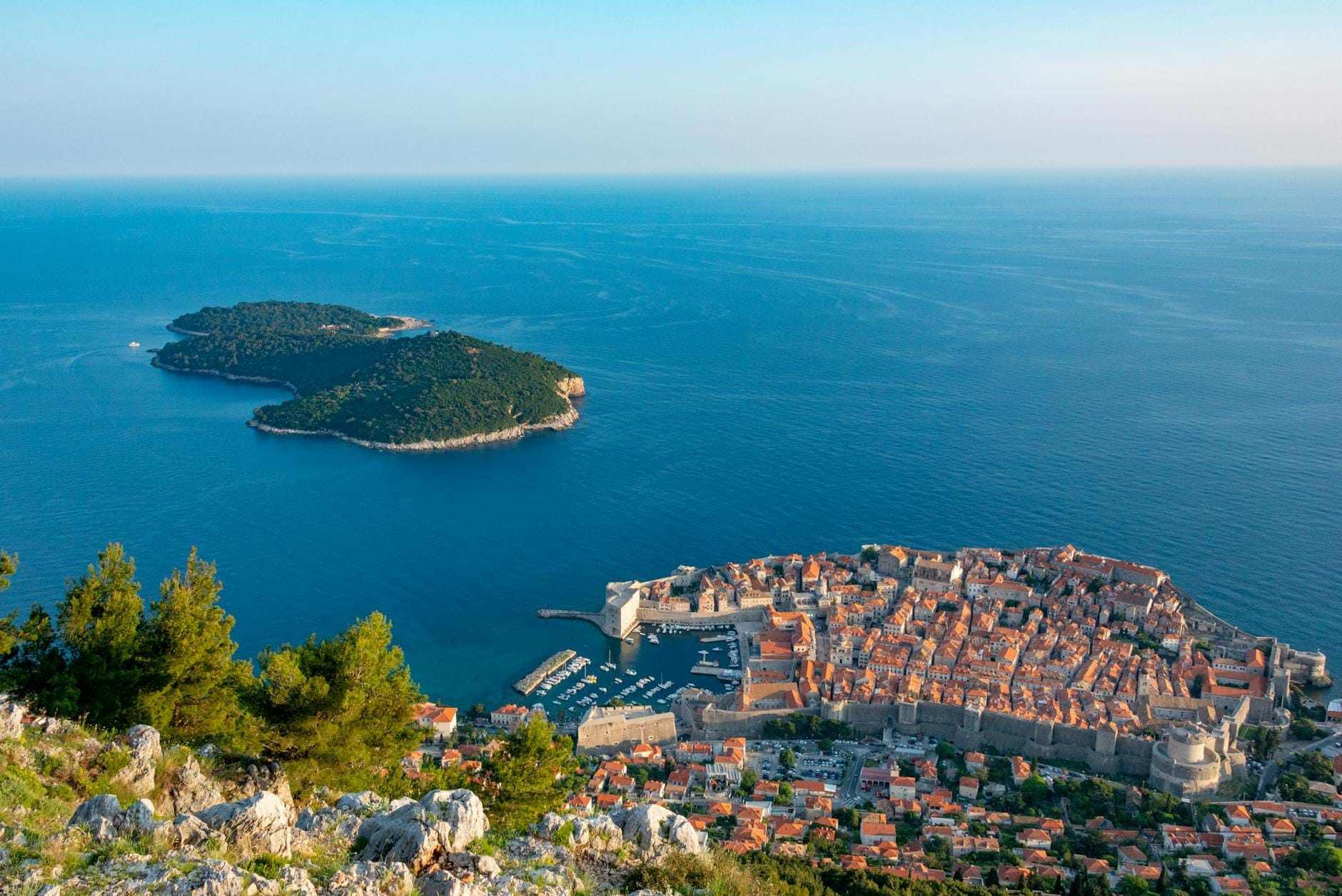
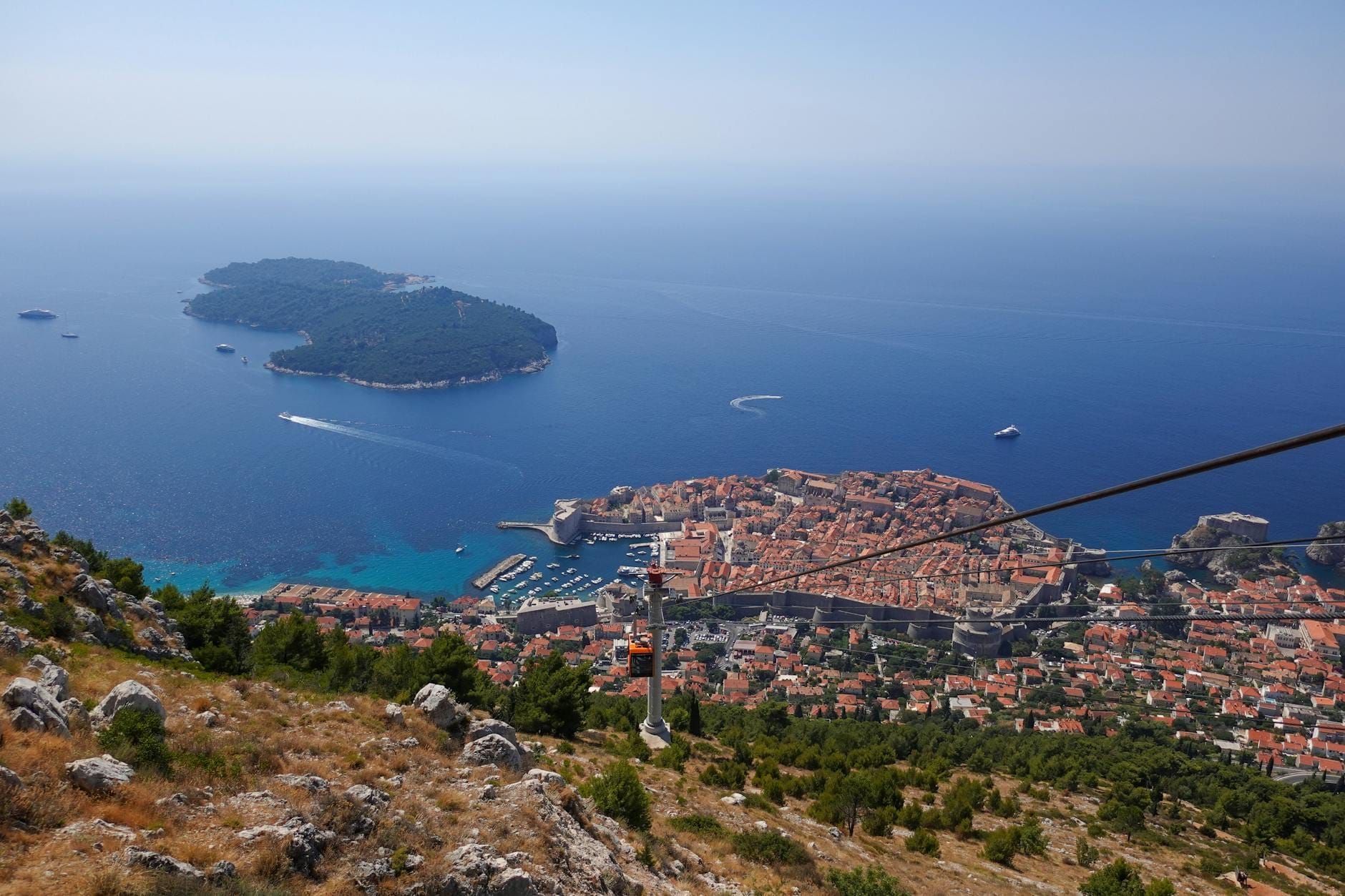
The cable car to Mount Srđ takes four minutes and delivers a panorama that reframes the city completely. From the summit, the full geometry of the Old Town, its walls, the harbour, and the surrounding islands becomes clear. At the top sits Fort Imperial, which houses the Museum of the Homeland War documenting the 1991-92 siege. Some rooftiles in the Old Town below are noticeably newer than others — they were replaced after mortar damage. The museum explains this without melodrama.
Lokrum Island sits 600 metres offshore and is reachable by boat in 15 minutes from the Old Town harbour. It offers a botanical garden, a saltwater lake popular for swimming, Benedictine monastery ruins, and the claim to be a Game of Thrones filming location. Day-trippers often overlook it, which means even in summer it feels calmer than the city. Boats run regularly from spring through autumn.
For day trips, the Elaphiti Islands offer excellent island-hopping, while Mostar in Bosnia and Herzegovina is about 2.5 hours by road and contains one of the most dramatic pieces of Ottoman architecture in the Balkans. The day trips from Dubrovnik guide covers logistics and rankings for the main options.
✨ Pro tip
Walk the City Walls either first thing in the morning (gates open at 8:00am (April-October)) or in the final 90 minutes before closing. Midday visits mean direct sun with no shade on the walkway, and the worst of the cruise crowds. Evening light on the red rooftops from the walls is worth planning around specifically.
Practical Details: Getting There and Getting Around
Dubrovnik Airport (DBV) sits about 20 km south of the city centre. The public Libertas bus takes 30-45 minutes into the city and costs around €5-7. Taxis and airport shuttles cost roughly €25-40 depending on your destination. Uber operates in Dubrovnik and is often more predictable than street taxis.
The Old Town itself is car-free and compact enough to walk entirely. Parking outside the walls is limited and expensive in summer. If you are staying in Lapad or Gruž, the Libertas bus network connects these districts reliably and cheaply. Croatia adopted the Euro in 2023, so currency exchange hassles from the old Kuna era are gone. Tap water is safe to drink throughout the city.
- Old Town is entirely walkable once you are inside — no need for transport between attractions
- City Walls entry: €35 adults (verify current rates at wallsdubrovnik.hr before visiting)
- Cable car round-trip: €27; weather-dependent, check conditions on the day
- Tipping: 5-10% in restaurants is appreciated but not mandatory; round up taxi fares
- Emergency number: 112 (EU standard); country dial code +385
- Electricity: Type C/F plugs, 230V — bring adaptors if coming from the US or UK
Is Dubrovnik Right for You? Who It Suits and Who It Doesn't
Dubrovnik suits history-focused travellers, architecture lovers, photographers, and anyone who appreciates a city that rewards slow, observational walking. It also works well for couples, particularly in shoulder season when the romantic atmosphere is genuine rather than manufactured. The Game of Thrones tourism has created an entire secondary industry, and for fans, the filming locations are legitimately recognisable and well-preserved.
It is less ideal for travellers who prefer sprawling, multi-neighbourhood cities with varied districts to explore over a week. The Old Town is small. Two full days covers it thoroughly; three is comfortable if you include day trips. Beyond that, you are in diminishing returns territory unless you are using it as a regional base for island excursions or drives along the Dalmatian coast.
Families with children can do well here with some planning. Lokrum's saltwater lake is shallow and calm for swimming, and the island as a whole functions as a genuine escape from the city noise. The Dubrovnik with kids guide has targeted advice on ages and logistics.
💡 Local tip
The city's limestone streets become extremely slippery when wet. Wear shoes with grip, especially if visiting in spring or autumn when rain is more likely. Sandals and flip-flops are comfortable in dry conditions but genuinely hazardous after rain.
FAQ
Is Dubrovnik worth visiting in summer despite the crowds?
Yes, but with adjustments. Avoid the Old Town between 10am and 4pm during peak season when cruise ship visitors are present. Walk the walls at opening time (8:00am), explore the back streets and quieter churches in the afternoon, and save the Stradun for evenings when the city genuinely transforms. Summer evenings in Dubrovnik are genuinely beautiful and far less chaotic than midday.
How many days do you need in Dubrovnik?
Two full days covers the main attractions thoroughly: day one for the City Walls and Old Town core, day two for Lokrum Island or Mount Srđ plus slower exploration. Three days is the sweet spot if you want a day trip to the Elaphiti Islands or Mostar. Beyond three days, most visitors start repeating ground or simply relaxing at the beach.
Is Dubrovnik expensive compared to other Croatian cities?
Yes, significantly. Dubrovnik is the most expensive city in Croatia, particularly for accommodation and dining in the Old Town. Expect to pay roughly 30-50% more than Split or Hvar for equivalent quality. Costs drop noticeably if you stay in Lapad or Gruž and eat outside the Old Town walls.
What is the best way to avoid cruise ship crowds in Dubrovnik?
Check ship schedules at the Port of Dubrovnik (port information is publicly available) and plan your Old Town visits for early morning or late afternoon. Cruise passengers typically disembark between 9am and 10am and return to their ships by 5-6pm. The city feels entirely different before 9am and after 6pm.
Is Dubrovnik safe for tourists?
Dubrovnik is among the safest cities in Europe for tourists. Petty theft is the primary concern — pickpocketing in crowded areas like the Stradun in peak season. Standard precautions apply. The emergency number is 112. There are no significant safety concerns beyond those common to any busy European tourist destination.
Tickets & tours
Live prices and dates from our booking partner. If you book, we may earn a commission at no extra cost to you.
Planning a trip? Discover personalized activities with the Nomado app.