Split to Dubrovnik: Ferry, Bus & Drive Options Compared
Three routes connect Split and Dubrovnik, each with a different trade-off between cost, comfort, and scenery. This guide breaks down the ferry, bus, and driving options with real pricing, seasonal schedules, and honest advice on which to choose.
Tickets & tours
Live prices and dates from our booking partner. If you book, we may earn a commission at no extra cost to you.
TL;DR
- The bus is the cheapest and most reliable year-round option at €15–25, taking around 4–4.5 hours.
- The ferry (€25–60) runs mid-April to mid-October only and takes 4.5–6 hours, stopping at Dalmatian islands including Hvar and Korčula — worth considering as part of a broader island-hopping itinerary.
- Driving is fastest at 3–3.5 hours and lets you stop along the coast, but you must cross into Bosnia and Herzegovina briefly at Neum — bring your passport regardless of nationality.
- Buses arrive at Gruž station, about 3 km from the Old Town; ferries dock at Port Gruž nearby. Neither drops you at the city walls.
- Book in advance during July and August — seats on the ferry and popular bus departures sell out. See when to visit Dubrovnik for crowd context.
The Three Routes at a Glance
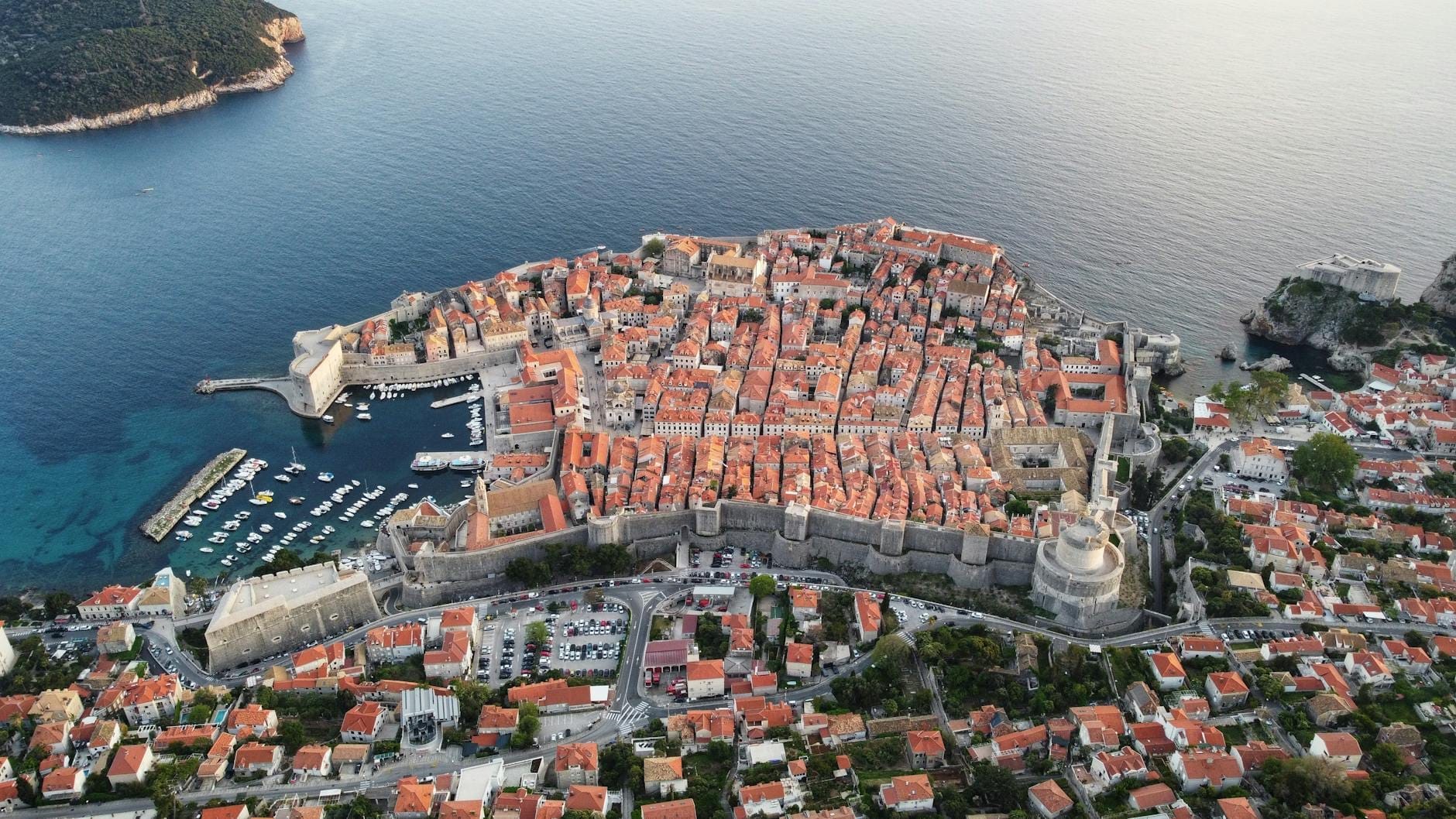
Split and Dubrovnik sit roughly 230 km apart along Croatia's Dalmatian coast, but the geography between them is awkward. The coastline is fractured by islands and inlets, there is no railway connecting the two cities, and the main coastal road dips briefly through Bosnian territory at Neum. That quirk affects every option on this route, so it is worth understanding before you book.
- Ferry Scenic, social, and island-hopping friendly. Runs seasonally (mid-April to mid-October). Takes 4.5–6 hours with stops. Costs €25–60. No cars, bicycles only.
- Bus Cheapest and most frequent option year-round. Takes 4–4.5 hours. Costs €15–25. Crosses through Neum (brief Bosnia border stop). Reliable even in low season.
- Driving Fastest at 3–3.5 hours. Maximum flexibility for stops. Fuel roughly €40. You must cross into Bosnia at Neum — bring your passport. Pelješac Bridge now bypasses this for those who want to stay in Croatia.
ℹ️ Good to know
The Pelješac Bridge, completed in 2022, now gives drivers (and some bus routes) the option to bypass the Neum border crossing entirely and stay within Croatian territory the whole journey. Not all buses use it yet, so check with your operator.
Ferry from Split to Dubrovnik
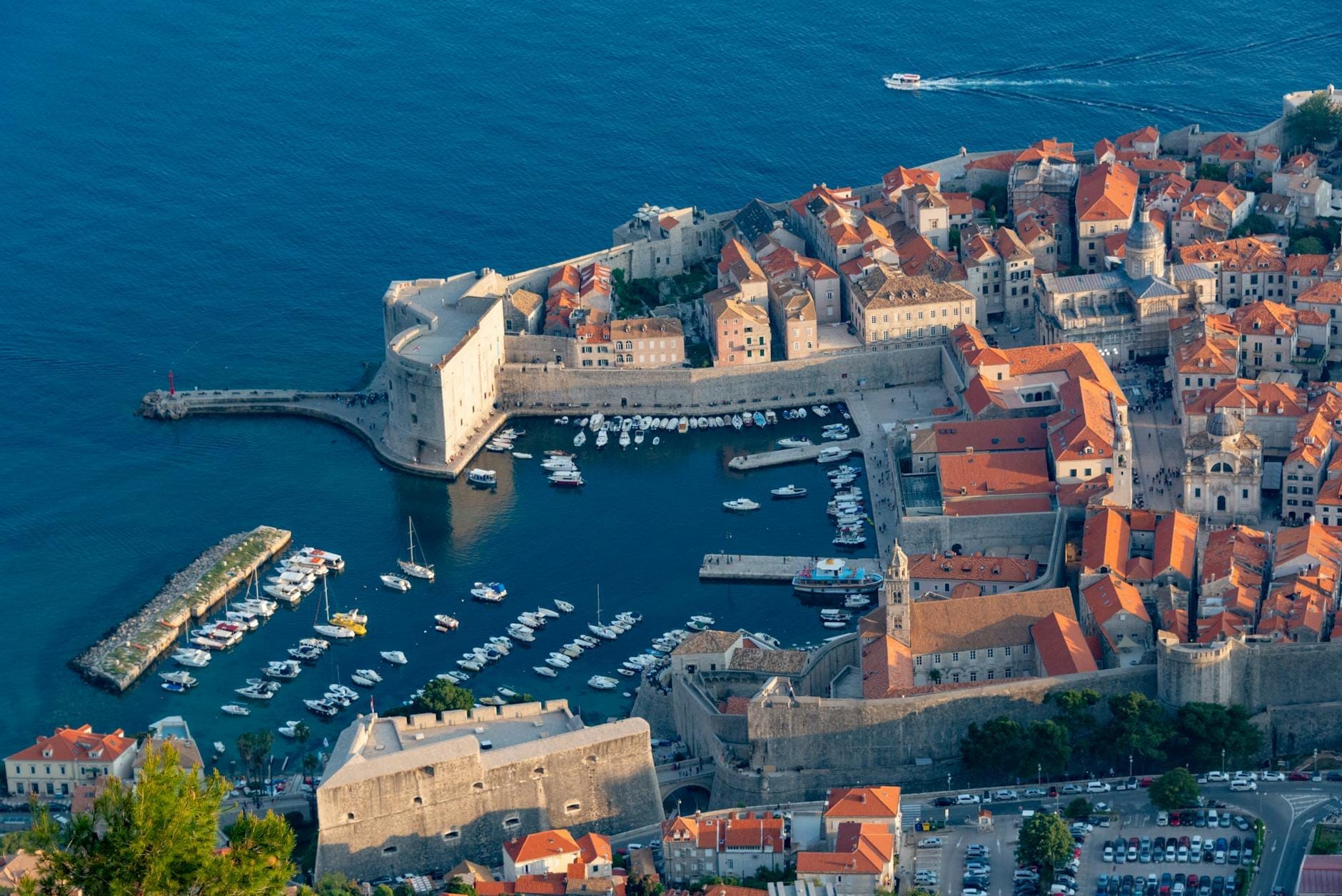
The ferry is the most atmospheric way to make this journey. You leave Split's ferry terminal (Trajektna luka), pass through the island chain, and arrive at Dubrovnik's Gruž harbour with a view of the coast that no bus window can match. That said, it is not the most efficient option and requires some planning.
Three operators run this route: Jadrolinija (the state-owned carrier), TP-Line, and Krilo-Kapetan Luka (a faster catamaran service). During peak season from June to September, there are typically 5–6 departures per day. The first departure is usually around 8:00 AM, arriving in Dubrovnik around 12:30 PM. The last departure of the day is around 3:30 PM, arriving closer to 9:25 PM. Outside of peak season, frequency drops significantly, and from mid-October the service stops entirely.
Journey time ranges from 4.5 to 6 hours depending on the number of island stops. Ferries call at ports on Brač, Hvar, or Korčula along the way. There are no non-stop direct ferries between Split and Dubrovnik. If you are planning to spend time on the islands, this is actually an advantage: you can hop off at Hvar, spend a day or two, and board another ferry south toward Dubrovnik.
Ticket prices start at around €25 for basic deck passage and can reach €60 or more for cabin-class seats in high season. Book directly through operator websites or via aggregators like Omio and Ferry Hopper. One important limitation: ferries on this route do not carry cars. Bicycles are generally permitted. If you are travelling with a vehicle, the bus or driving are your only options. You can check arrival logistics at Gruž harbour, where both ferries and buses arrive.
⚠️ What to skip
In July and August, ferry tickets — particularly on Krilo's faster catamaran — sell out days or even weeks in advance. Do not assume you can show up and buy a ticket on the day. Book online as soon as your travel dates are confirmed.
Bus from Split to Dubrovnik
The bus is the default choice for most budget travellers and independent backpackers, and for good reason. It runs year-round with 10–20 daily departures depending on the season, costs between €15 and €25, and takes approximately 4 to 4.5 hours. Six operators serve this corridor including Promet Makarska, Arriva, Brioni/Nomago, Samoborček, and several FlixBus-affiliated services. You can book through FlixBus, Omio, or directly at the Split Bus Station (Autobusni kolodvor Split), which sits adjacent to the ferry terminal.
The journey follows the coastal highway (D8 / Jadranska magistrala) for much of the route, which offers views of the sea and the islands offshore. The bus stops briefly at Neum, the narrow strip of Bosnian coastline that bisects Croatia's southern territory. This means a passport check, even for EU citizens. It is usually quick, around 10–15 minutes total, but bring your passport regardless. If your operator uses the Pelješac Bridge route, you may skip this crossing entirely.
💡 Local tip
Sit on the right side of the bus heading south from Split for the best sea views along the Adriatic coast. On the return journey north, sit on the left.
Buses arrive at Dubrovnik Bus Station in the Gruž district, roughly 3 km northwest of Pile Gate, the main entrance to the Old Town. From Gruž, local Libertas buses (lines 1a, 1b, and 3) run frequently to Pile Gate for around €2. Taxis cost roughly €8–12. Arrive at the departure terminal 15–20 minutes early, as buses occasionally leave on time and luggage must be stowed in the hold separately.
Driving from Split to Dubrovnik
Driving gives you total flexibility and is the fastest point-to-point option at 3–3.5 hours non-stop. Budget roughly €40 for fuel for a standard car. The coastal road (Jadranska magistrala) is well-maintained and genuinely beautiful, particularly between Omiš and Makarska where the Biokovo mountain range drops steeply into the sea. South of Makarska, the landscape opens into vineyards and salt pans as you approach the Pelješac Peninsula.
If you take the inland route via the A1 motorway before cutting back to the coast, you will save time but miss most of the scenery. The toll costs around €5–8 depending on the segments used. Most travellers who are driving this route for the first time choose the coastal road and do not regret it.
Worth building stops into the drive: the town of Omiš at the mouth of the Cetina River canyon is dramatic and undervisited. Ston, near the base of the Pelješac Peninsula, has one of the longest defensive wall systems in Europe and excellent oysters from the Mali Ston bay. If you have extra time, Trsteno, just north of Dubrovnik, is home to a Renaissance arboretum worth 30 minutes. Once in Dubrovnik, parking in or near the Old Town is expensive and limited. The Pile Gate area has a small paid lot; Ilijina Glavica and the Gruž area offer more spaces at lower rates.
✨ Pro tip
If you want to avoid the Neum border crossing entirely, use the Pelješac Bridge (Pelješki most). It opened in July 2022 and connects the mainland to the Pelješac Peninsula, allowing you to stay within Croatia the entire drive. Add around 20–30 minutes to your journey compared to going through Neum, but you avoid potential border queues in summer.
Which Option Should You Choose?
The honest answer depends on your priorities. The ferry is the most enjoyable experience but only works in summer, costs more, and takes longer. If you are combining this journey with time on Hvar or Korčula, it makes obvious sense. If you are just trying to get from A to B efficiently, it is not the best value.
The bus is the most practical all-round choice. It is cheap, frequent, available year-round, and gets you there in under five hours without requiring you to navigate parking or border logistics. It is particularly good value if you are travelling on a tighter budget and want to put more money toward accommodation or experiences once you arrive — check out how to do Dubrovnik on a budget for more on that.
Driving makes the most sense if you are travelling with family, have heavy luggage, or want to stop along the route at your own pace. Renting a car in Split and dropping it in Dubrovnik is straightforward with most major rental companies, though one-way drop fees apply — budget an extra €50–100 for this. If you are considering extending your trip beyond Dubrovnik, a car also gives you access to day trips from Dubrovnik that are harder to reach by public transport.
- Best for budget travellers: Bus (€15–25, year-round, no booking stress outside of peak season)
- Best for scenery and island stops: Ferry (seasonal, book ahead in July–August)
- Best for families or those with luggage: Driving (fastest, most flexible, one-way rental available)
- Best combination: Ferry one way, bus the other — gives you both perspectives on the coast
- Worst option for most travellers: Waiting until peak season to book anything without a reservation
Arriving in Dubrovnik: What to Do First
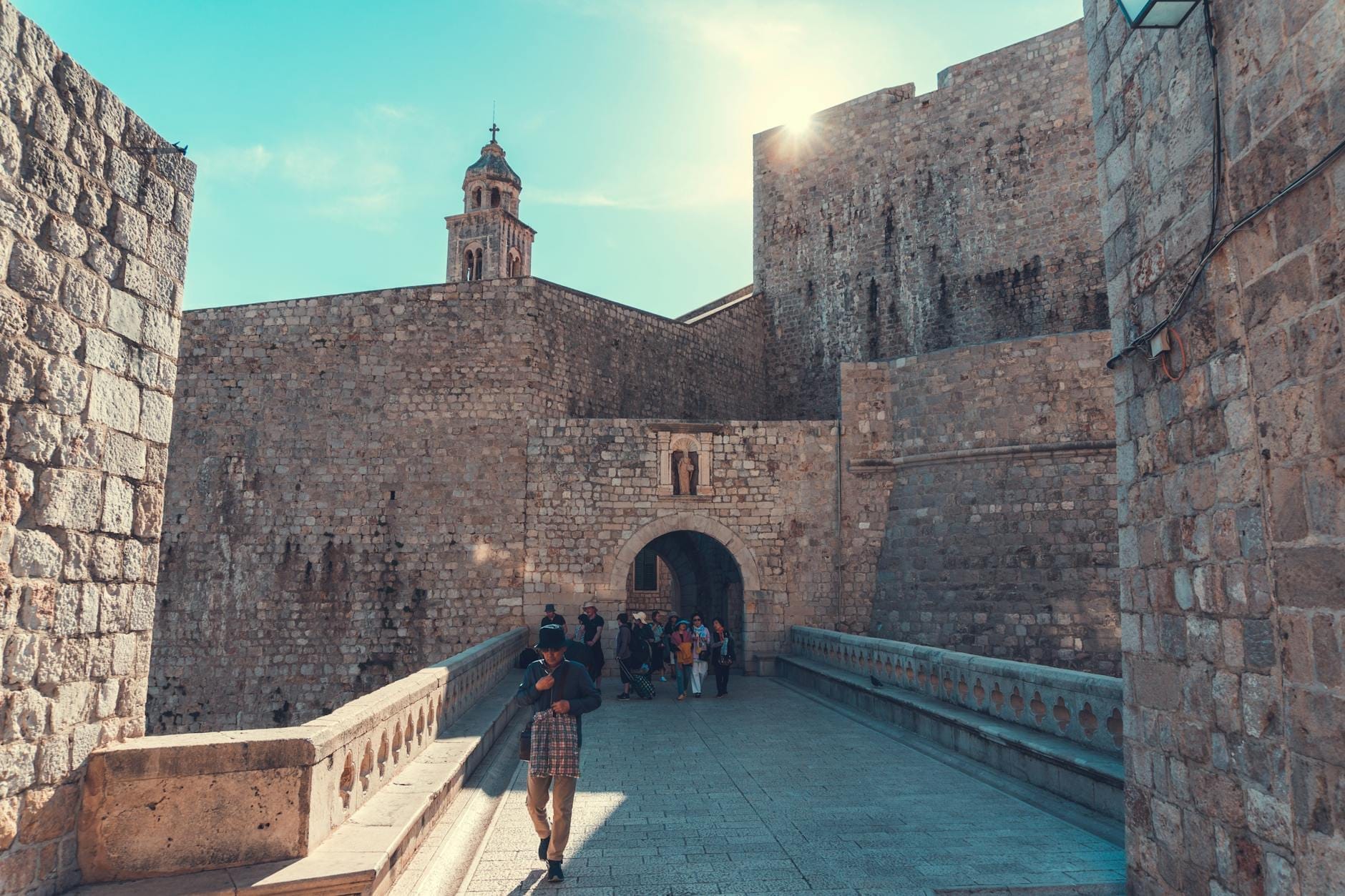
Whether you arrive by ferry or bus, you will land at or near the Gruž harbour area, a functional port district about 3 km from the Old Town walls. It is not the most scenic introduction to Dubrovnik, but the local bus connection to Pile Gate is quick and cheap. If you arrive with time to spare, the Gruž market runs most mornings and is worth a short detour for fresh produce, local cheese, and olive oil.
Once you reach the Old Town, orientation is straightforward. The main pedestrian boulevard, the Stradun, runs east to west through the heart of the walled city and connects the two main gates. Drop your bags at your accommodation, then consider walking the Dubrovnik city walls in the late afternoon when light is better and crowds thin slightly. The wall circuit takes around two hours at a leisurely pace and gives you the best possible first impression of the city.
FAQ
Is there a direct ferry from Split to Dubrovnik?
There is no non-stop direct ferry. All ferries on this route stop at one or more Dalmatian islands, typically Brač, Hvar, or Korčula. Journey time is 4.5 to 6 hours depending on the vessel and stops. The seasonal service runs mid-April to mid-October.
How long does the bus take from Split to Dubrovnik?
Approximately 4 to 4.5 hours under normal conditions. This includes a brief passport check at the Neum border crossing into Bosnia and Herzegovina. Buses using the Pelješac Bridge route may skip this but add a small amount of time. There are 10–20 departures daily depending on the season.
Can I take a train from Dubrovnik to Split?
No. There is no railway connecting Dubrovnik to Split or to any other major Croatian city. Dubrovnik has no rail connection at all. Your options are ferry, bus, or driving.
Is there a ferry from Dubrovnik to Kotor or Dubrovnik to Bari?
Yes to both, though schedules and operators change seasonally. A ferry to Kotor (Montenegro) is available in season and makes for a scenic alternative to buses along that stretch. The Dubrovnik to Bari (Italy) ferry is operated by Jadrolinija and runs overnight, taking around 9–10 hours. Both routes depart from Port Gruž.
Should I visit Dubrovnik or Split first?
It depends on your wider itinerary. Split is a better base for island trips to Hvar, Brač, and Vis, and has a more local, lived-in feel. Dubrovnik is more compact, more heavily visited, and more expensive, but the Old Town is one of the most impressive walled cities in Europe. Many travellers fly into Split, spend two to three days, then travel south to Dubrovnik for the end of their trip before flying home from Dubrovnik Airport.
Tickets & tours
Live prices and dates from our booking partner. If you book, we may earn a commission at no extra cost to you.
Planning a trip? Discover personalized activities with the Nomado app.