Myeongdong sits at the geographic and commercial heart of Seoul, packed into a tight grid of pedestrian lanes between Chungmu-ro, Eulji-ro, and Namdaemun-ro. It is the city's most-visited retail district, a K-beauty corridor, a street food gauntlet, and one of the best launching pads for exploring central Seoul.
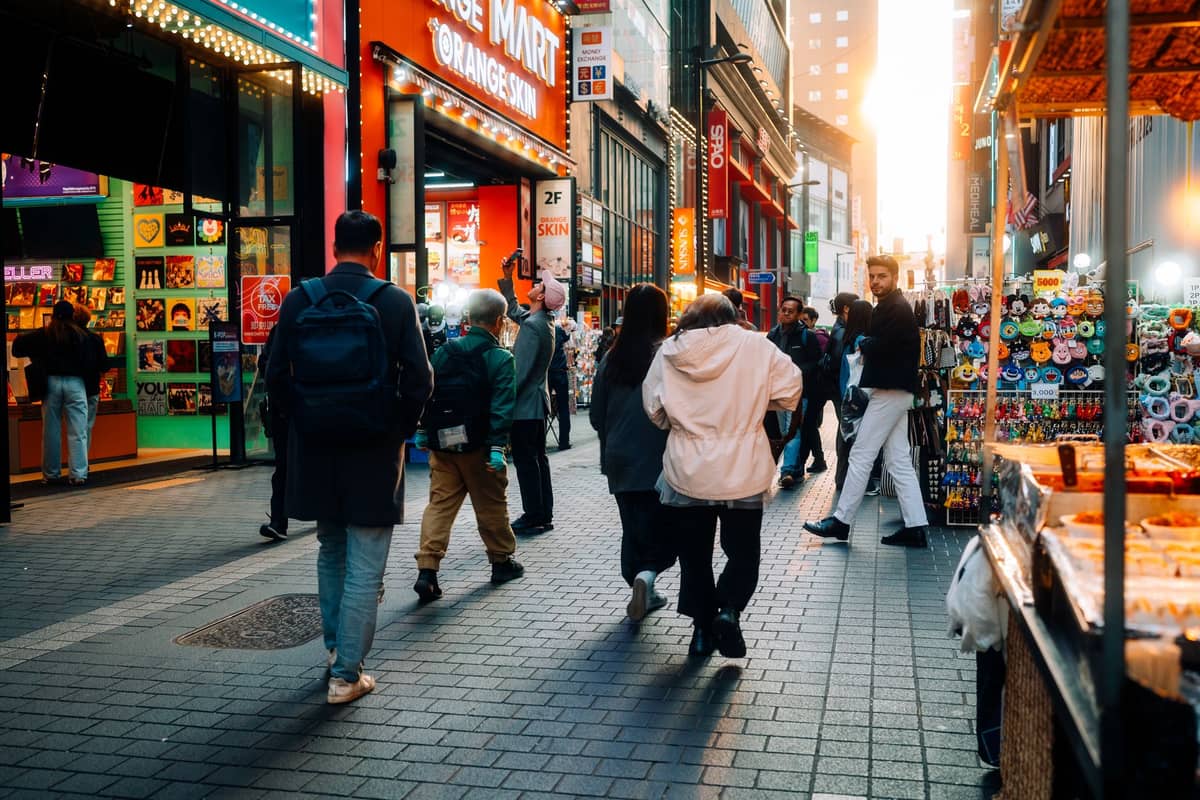
Myeongdong is where Seoul turns up the volume. The main pedestrian street runs barely a kilometre, yet it packs in more cosmetics shops, street food carts, and retail flagship stores per square metre than almost anywhere else in the city. It is loud, crowded, and unapologetically commercial — and it sits at the exact centre of Jung-gu, Seoul's historic administrative core.
Orientation
Jung-gu is the central district of Seoul, and Myeongdong is its commercial heartbeat. The district is central to Seoul’s downtown shopping and tourism network, with financial institutions, major hotels, historic markets, and flagship retail all converging within a walkable radius. Geographically, Jung-gu is Seoul's downtown — the place where the city's financial institutions, major hotels, historic markets, and flagship retail all converge within a walkable radius.
Myeongdong itself occupies the area around the main shopping streets near Myeong-dong Subway Station. The main shopping street, Myeongdong-gil, is pedestrianized during peak hours. The neighbourhood connects naturally on foot to Namdaemun Market to the southwest, Eulji-ro's old hardware and print districts to the north, and Namsan Mountain rising steeply to the southeast. Myeongdong Station on Line 4 sits at the edge of the shopping zone on Toegye-ro.
The wider Jung-gu district takes in several other distinct zones worth understanding: the traditional market district around Namdaemun Market to the west, the financial corridors near Seoul Station, and the quieter residential slopes that rise toward Namsan Mountain to the south. Knowing this context helps: Myeongdong is not a neighbourhood you wander aimlessly — it has a defined commercial core with everything else radiating outward from it.
Character & Atmosphere
Come here at 9 in the morning and Myeongdong is almost calm. Shop staff are pulling up roller shutters, delivery carts are restocking cosmetics counters, and a few early-rising tourists are photographing storefronts without competition. The streets are narrow enough that morning light slices between buildings in long diagonal strips. It feels like a film set being assembled before the cameras roll.
By noon, the transformation is complete. Street food vendors line the central lane with their portable grills and fryers. The smell of grilled corn, fried skewers, and egg bread competes with the subtle fragrance drifting from cosmetics sample stations. The crowd is genuinely international — tour groups from across East and Southeast Asia, solo travellers hunting K-beauty deals, Korean office workers cutting through on their lunch break. The volume of foot traffic on a weekend afternoon can make forward movement feel like current swimming.
After dark, the neon signs and LED strips on the upper floors of every building kick in, and the street food stalls run at full capacity until late. This is when Myeongdong leans hardest into its role as a spectacle. The energy is genuine, but it is worth being clear about what this neighbourhood is: it is primarily a shopping and eating destination, not a place for quiet cultural immersion or neighbourhood-level local life. The residents who used to live here have long since been replaced by retailers. What you get in return is maximum convenience and concentration.
⚠️ What to skip
Myeongdong can feel genuinely overwhelming on weekend evenings and during public holidays. If you are noise-sensitive or crowd-averse, plan your visit for a weekday morning. The shopping experience is essentially the same, and the street food stalls are operating by mid-morning.
What to See & Do
Shopping and eating are the primary activities here, but Myeongdong and the surrounding Jung-gu area offer more context than the retail strip suggests. The neighbourhood rewards those who look slightly past the main drag.
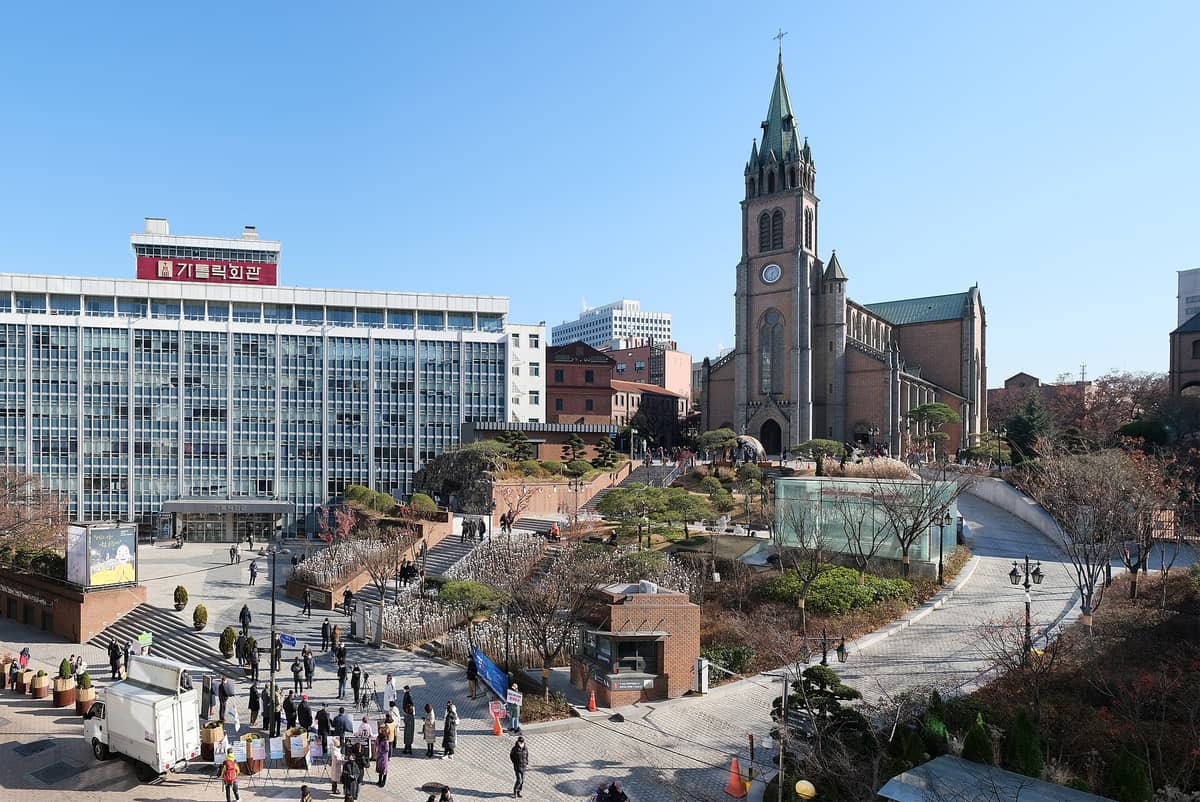
Myeongdong CathedralMyeongdong Cathedral stands on a rise just east of the main shopping street, its Gothic spires visible above the retail blocks. Built in the late 19th century, it is one of the oldest Catholic churches in Korea and carries genuine historical weight — it served as a place of sanctuary during the democracy movements of the 1970s and 80s. The interior is open to visitors during non-service hours and the courtyard is a rare pocket of quiet in this part of the city.
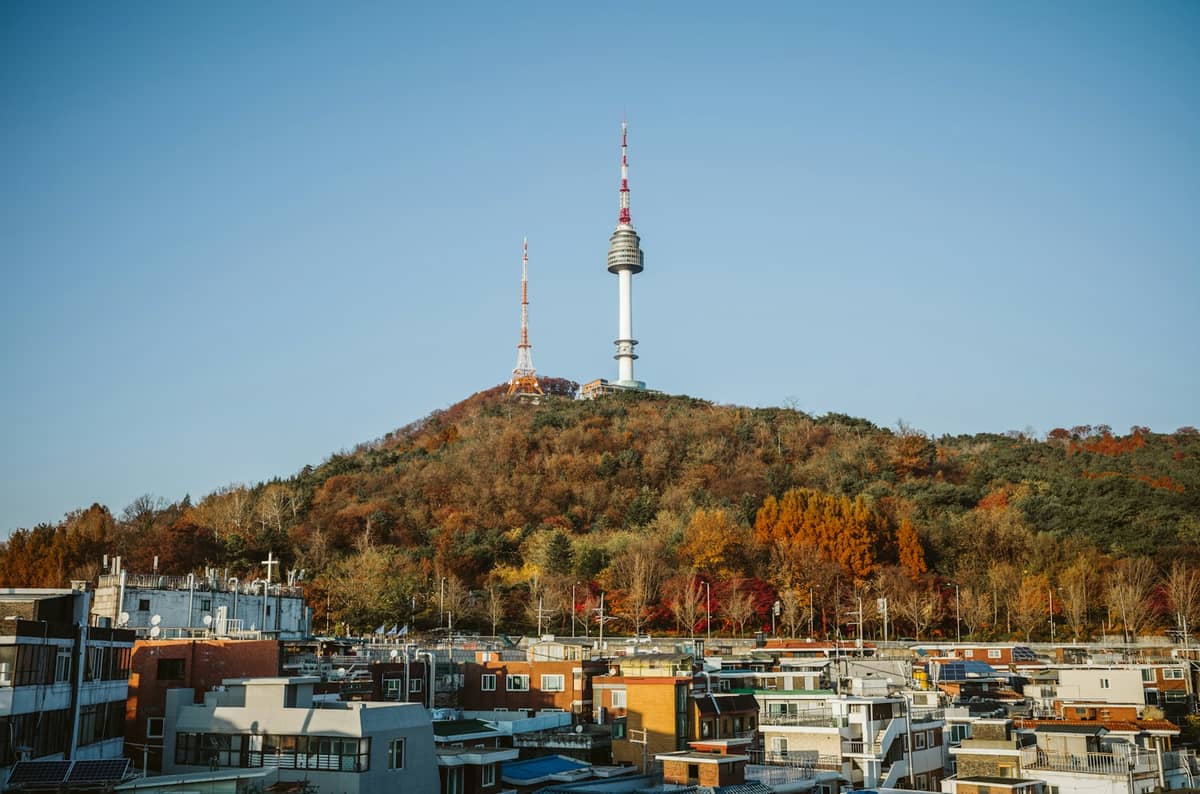
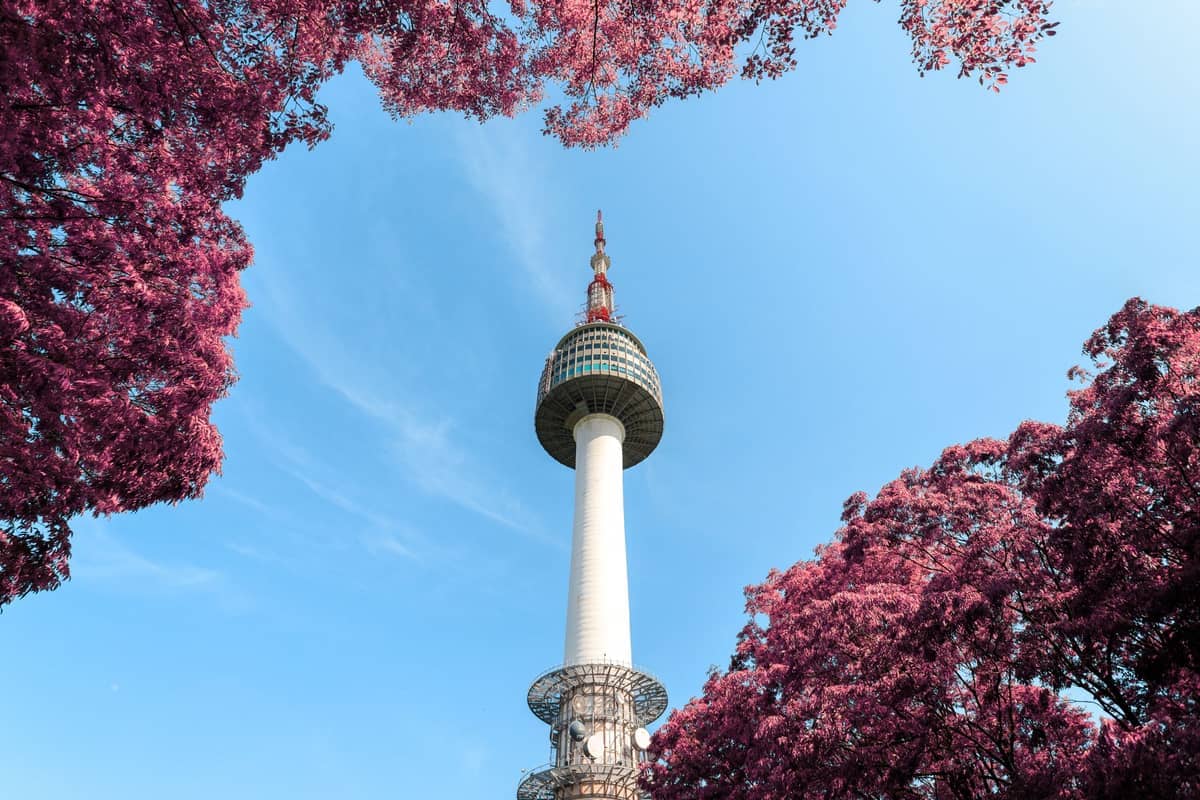
Walking south from Myeongdong Station along Toegye-ro brings you toward the base of Namsan, where the Namsan Seoul Tower commands the skyline. You can reach the tower on foot via hiking paths from the Namsan Park entrance — it takes about 20 to 30 minutes uphill — or take the cable car from near Myeongdong. The tower itself is a major draw for couples and visitors wanting panoramic views over the city, and the observation deck at night is one of the better elevated viewpoints in central Seoul.
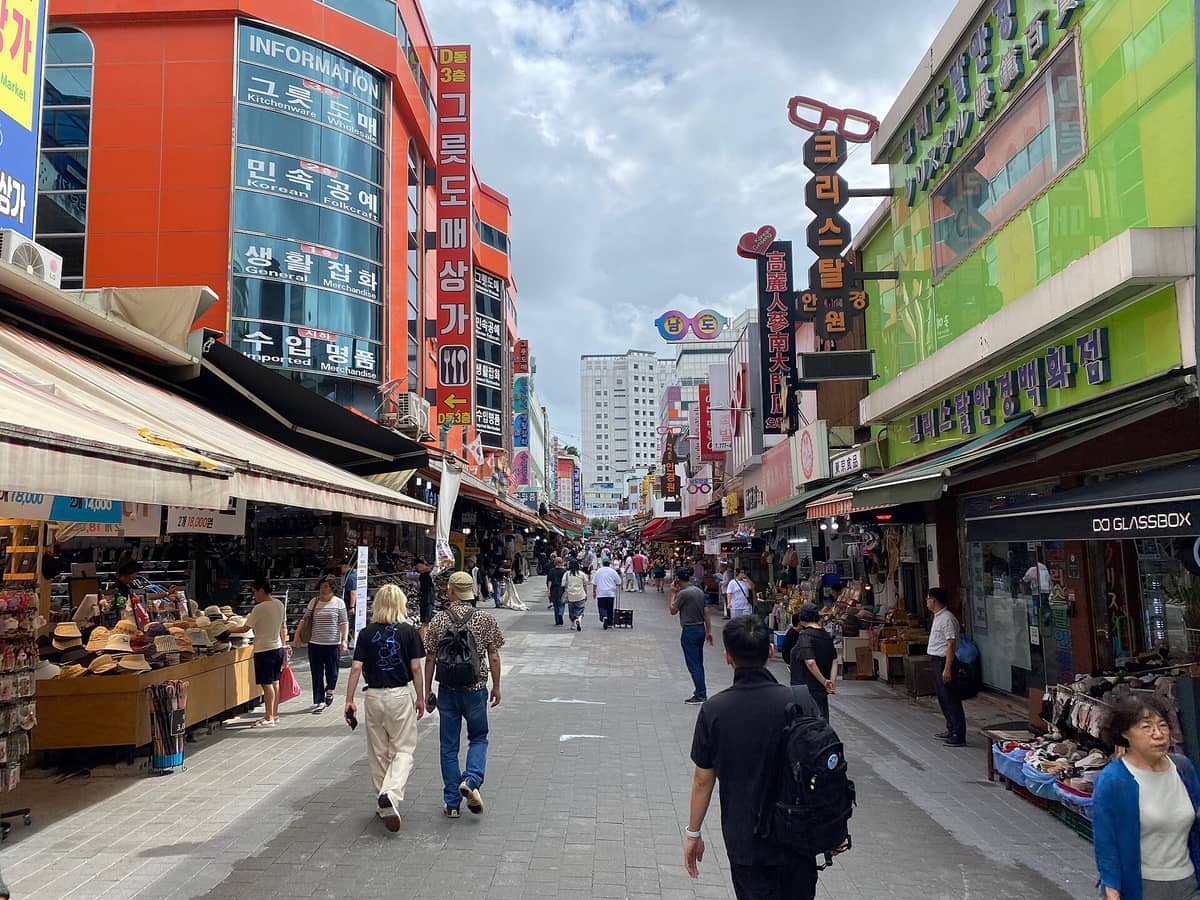
Northwest of Myeongdong, a ten-minute walk brings you to Namdaemun Market, Seoul's largest traditional market and one of the oldest continuously operating markets in the country. The contrast with Myeongdong's polished retail is stark and refreshing: narrow alleys packed with wholesale clothing, dried goods, cookware, and street food eaten standing up. The market runs through the night in some sections and is genuinely used by Seoulites rather than catering exclusively to tourists.
Myeongdong Cathedral: Gothic landmark with historical significance, open to visitors outside mass times
Namsan Seoul Tower: panoramic views, accessible on foot or by cable car from the Myeongdong side
Namdaemun Market: wholesale and retail market, 10 minutes on foot west of Myeongdong Station
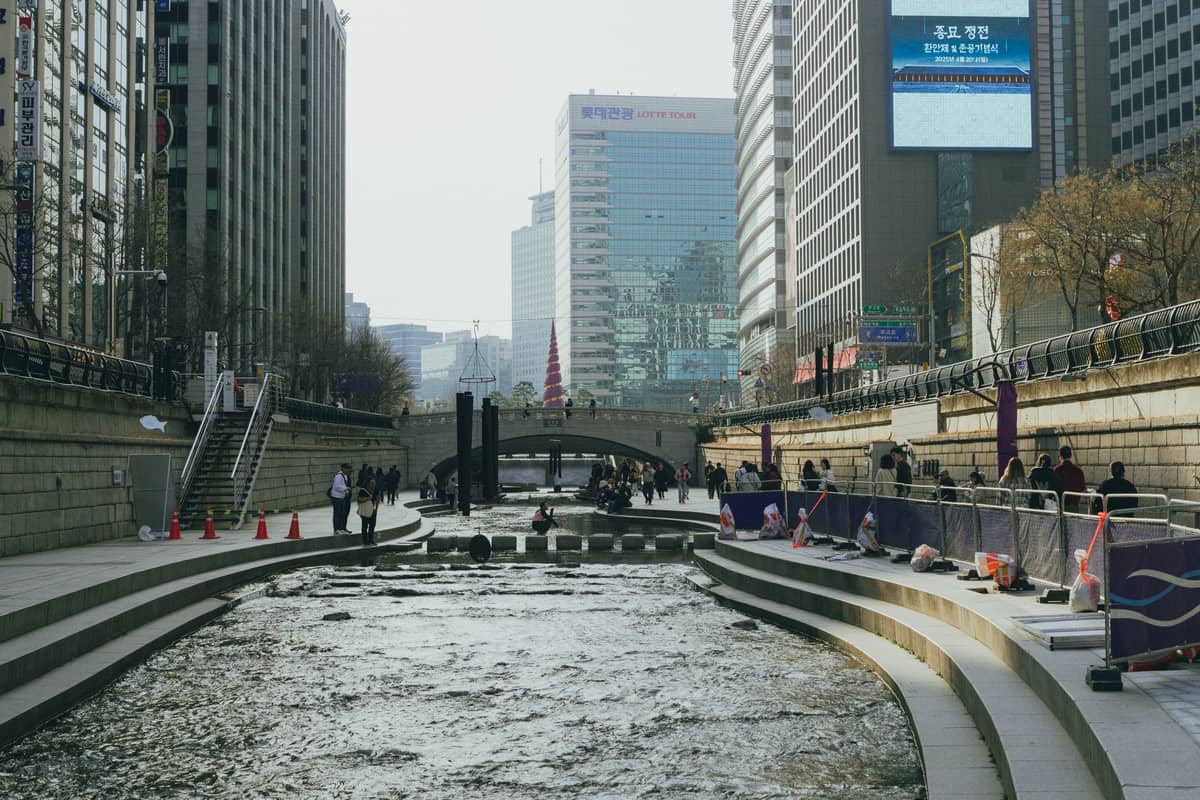
Cheonggyecheon Stream: the northern border of Jung-gu, a linear park good for a midday walk
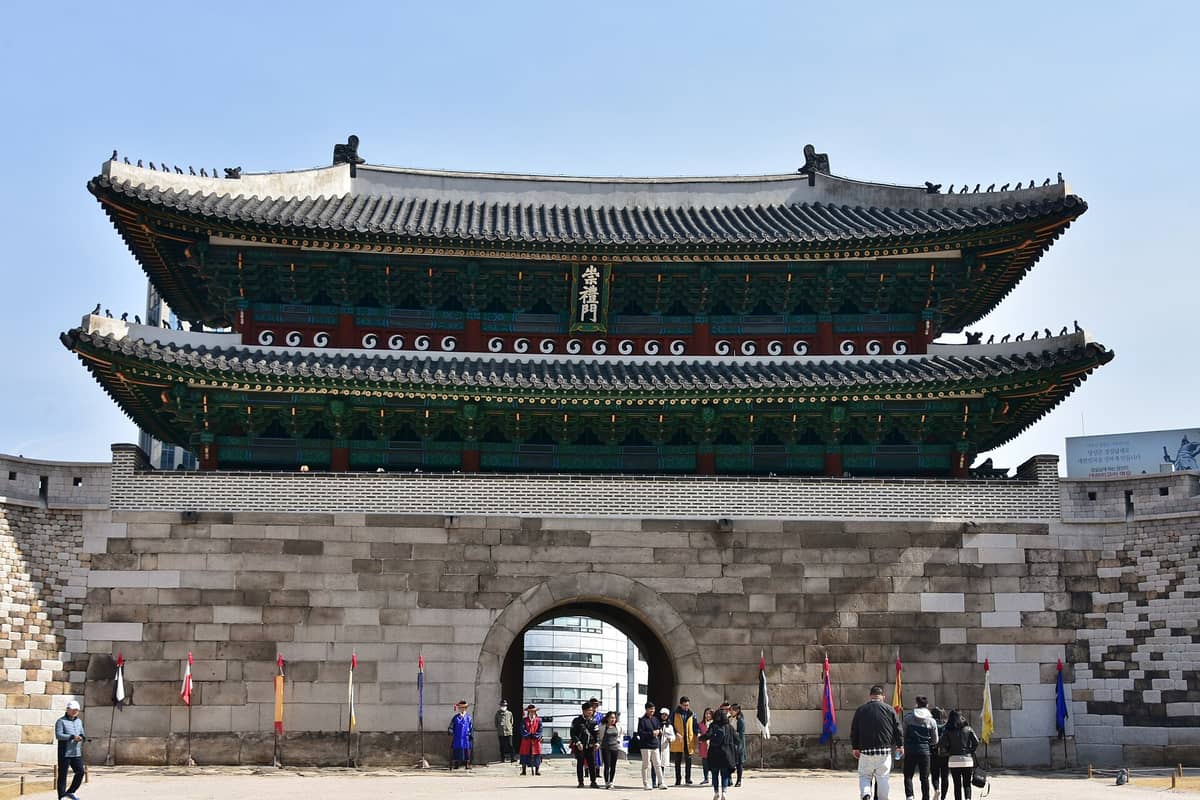
Sungnyemun Gate (Namdaemun): one of Seoul's original city gates, a short walk from Namdaemun Market
The Cheonggyecheon Stream runs along Jung-gu's northern edge. Restored from a covered highway in 2005, the stream corridor is a linear park that cuts through the city for nearly six kilometres. It is a pleasant escape from street-level traffic and connects Myeongdong's wider district to the Dongdaemun area to the east.
Eating & Drinking
Myeongdong's street food scene is its most distinctive culinary identity, and it runs at full intensity from late morning until well past midnight. The main pedestrian lane and its side alleys become an improvised food market by noon, with vendors setting up grills and fryers every few metres. The variety is real: tornado potatoes spiral-cut and fried on skewers, thick rolls of egg bread (gyeran-ppang) cooked fresh to order, grilled skewers of tteok (rice cake) in sweet and spicy sauce, deep-fried crab claws, and seasonal items that rotate with the trends. Prices are reasonable for the location, typically a few thousand won per item.
For a more grounded introduction to Korean street food across the city, the Seoul street food guide covers the full range of what you will encounter, including context on what each dish is and where else in the city to find it. Myeongdong is a good starting point, but markets like Namdaemun and Gwangjang offer different and arguably more authentic street food experiences.
Sit-down dining in Myeongdong leans toward Korean-Chinese fusion, Japanese ramen chains, and Korean barbecue restaurants aimed at tourists. Quality varies considerably. The restaurants on the upper floors of buildings along the main street often charge a premium for location rather than for the food itself. That said, there are solid Korean set-meal restaurants (백반집, baekban-jip) tucked into the side streets east of the main drag, where the lunch crowd is more local and the prices reflect it.
Cafés are everywhere. Most are franchise outposts of major Korean chains, some with good quality espresso and elaborate seasonal drinks. The area around Myeongdong Cathedral has a slightly higher density of independent cafés, where you can sit without the full retail-strip noise. For evening drinks, Myeongdong is not a nightlife destination in the sense that Itaewon or Hongdae are — there are bars, but the neighbourhood quietens noticeably after the shops close, and the evening energy migrates to the restaurants rather than nightclubs.
💡 Local tip
Street food vendors in Myeongdong often have English menus or picture boards, and many accept card payments. Most items are served on sticks or in paper cups, designed for eating while walking. If you want to sit down, the steps of Myeongdong Cathedral's grounds or the benches in nearby alleys work well.
Getting There & Around
Myeongdong Station on Seoul Metro Line 4 is the primary access point. Several exits place you within the shopping zone, and the station leads directly onto the main pedestrian streets. Line 4 connects Myeongdong directly to Seoul Station and Dongdaemun History and Culture Park, and journey times from Seoul Station are short.
A second useful station is Euljiro 1-ga on Line 2, which sits on the northern edge of Myeongdong and gives quick access to Euljiro and City Hall. The City Hall area to the northwest is also walkable in about 10 minutes on foot from the top of Myeongdong-gil, making it easy to combine a Myeongdong visit with Deoksugung Palace or Gwanghwamun Square in the same half-day.
For travellers arriving directly from Incheon International Airport, the AREX airport rail runs to Seoul Station, which is two stops from Myeongdong on Line 4. Total journey time from the airport to Myeongdong is roughly 55 to 70 minutes on the all-stop AREX service. For a full breakdown of transit options across the city, the getting around Seoul guide covers T-money cards, bus routes, and subway navigation in detail.
Within the neighbourhood, everything is on foot. Myeongdong's grid is compact enough that you can walk from one end to the other in under 15 minutes, and the side streets branching off the main lane are all accessible on foot. Taxis and ride-hailing via Kakao T are easy to find at either end of the main street, though traffic on the surrounding roads (Toegye-ro and Euljiro) can be heavy during peak hours.
ℹ️ Good to know
The main Myeongdong pedestrian street is typically closed to vehicle traffic during daytime and evening hours, especially on weekends. However, the surrounding arterial roads remain open and can be busy. Cross carefully at designated crosswalks on Toegye-ro.
Where to Stay
Myeongdong and the broader Jung-gu district have some of Seoul's highest concentrations of mid-range and upscale hotels. The area's central location makes it a logical base, particularly for first-time visitors who want to be within walking distance of major transit hubs, shopping, and several key tourist sites. Seoul Station and the City Hall area are close enough that the wider Jung-gu zone covers a lot of Seoul's classic itinerary without requiring long subway rides.
Hotels in the Myeongdong core itself tend to be priced at a premium relative to the room quality, given the location demand. The streets immediately surrounding the main shopping strip are noisy until late — typically until 11 pm on weekdays and later on weekends. Travellers who are light sleepers should look for properties on the quieter eastern and uphill edges of the neighbourhood, or on streets closer to Namsan where the retail density drops off.
For travellers comparing accommodation zones across the city, the where to stay in Seoul guide offers a direct comparison of Myeongdong against other neighbourhoods including Hongdae, Gangnam, and Insadong. Myeongdong suits travellers prioritising transit access and central location over neighbourhood atmosphere and local character.
Best for: first-time visitors, business travellers, groups who want central location and transit access
Price range: mid-range to luxury, with budget guesthouses available in the side streets
Noise consideration: rooms facing Myeongdong-gil or Toegye-ro can be loud until midnight
Nearest quiet pockets: the streets rising toward Namsan, or the blocks east of Myeongdong Cathedral
Nearby Neighbourhoods Worth Combining
Myeongdong's position at Seoul's centre makes it easy to combine with several very different neighbourhood experiences in a single day. Fifteen minutes north on foot or one subway stop away is Insadong and Seochon, where the atmosphere shifts from commercial retail to traditional craft galleries, tea houses, and hanok alleys. The contrast is significant enough that walking between the two feels like entering a different city.
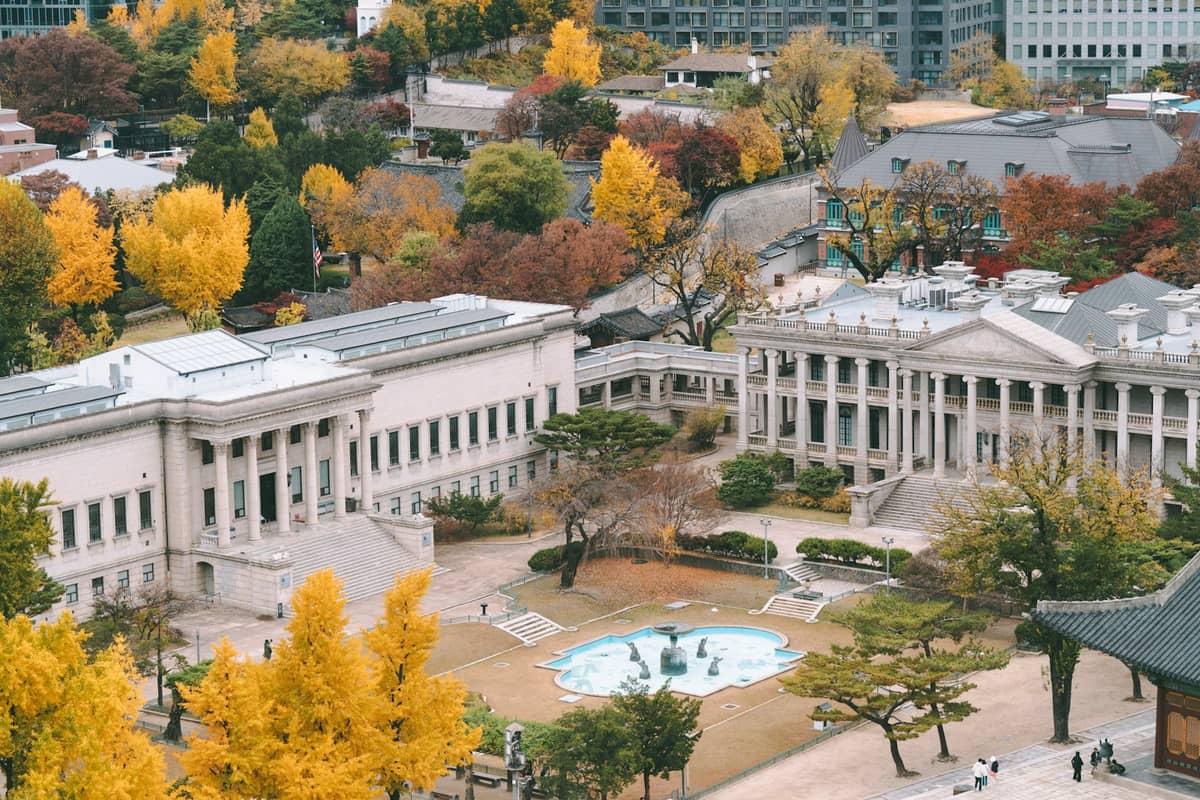
To the northwest, Jung-gu connects via City Hall to the palace district. Deoksugung Palace is the closest major palace to Myeongdong, about 15 minutes on foot, and its grounds are one of the better places in central Seoul to slow down between retail circuits. The walk up toward Gyeongbokgung Palace is achievable in a longer half-day and takes you through the political and historical core of the city.
East of Jung-gu, Dongdaemun is a 20-minute walk or two subway stops along Line 4. The two districts have different energy and different purposes: Myeongdong is daytime retail, Dongdaemun is wholesale fashion and late-night shopping. Combining them in one day makes practical sense if you have retail items on your list.
Practical Tips for Visiting
K-beauty is the dominant retail category in Myeongdong, and the density of skincare and cosmetics shops is genuinely remarkable. Most major Korean brands — Innisfree, Etude, Laneige, Sulwhasoo, and others — have flagship or large-format stores here, and the competition between them means you will find staff offering samples and gifts with purchase constantly. Prices are not always the lowest in the city (airport duty-free and Olive Young locations in other neighbourhoods can be comparable), but the variety and ability to test products in person is unmatched in one place.
English signage is widespread in Myeongdong, and many shop staff speak enough English to complete a transaction comfortably. Tourist Information Centres operated by the Seoul metropolitan government are located in the area with multilingual assistance. For visitors wanting to plan their shopping across the city more strategically, the K-beauty shopping guide for Seoul outlines what to look for and where to find the best value.
Tax refund (VAT refund) booths are clearly signposted throughout the shopping district and at the station. Most major retailers participate in the tax refund scheme for visitors — keep receipts and look for the Tax Free logo in shop windows. Eligibility depends on minimum spend thresholds and your nationality; confirm at the time of purchase.
TL;DR
Myeongdong is Seoul's densest shopping and street food district, best visited for K-beauty retail, street food grazing, and its transit-central location in Jung-gu.
The area is genuinely crowded on weekends and evenings — visit on a weekday morning if you want the shops with a fraction of the crowds.
It is not a neighbourhood for quiet local atmosphere or cultural immersion, but it is an excellent base for exploring the wider city thanks to direct metro links to Seoul Station, Dongdaemun, and the palace district.
Namsan Mountain, Myeongdong Cathedral, and Namdaemun Market are within easy walking distance and offer worthwhile contrast to the main retail strip.
Best suited to first-time Seoul visitors, K-beauty shoppers, and travellers who want central accommodation with maximum transit connectivity.
Three days is enough to get a real feel for Seoul, if you plan by neighborhood instead of trying to crisscross the city. This itinerary covers historic Joseon-era Seoul, the commercial and cultural center, and the newer districts that define the city's contemporary identity, with practical logistics at every step.
Five days is enough to experience historic Seoul, its modern neighborhoods, and at least one compelling excursion beyond the city. This guide organizes each day by district to minimize transit time, with a clear take on what's worth it and what isn't.
Seoul has a deep museum scene, from Korea's vast national collection in Yongsan to cutting-edge contemporary art spaces and sobering historical sites. Whether you have a day or a week, these are the essential museums to put on your itinerary.
Seoul rewards visitors differently depending on the season. Spring brings cherry blossoms and mild temperatures, autumn delivers golden foliage and clear skies, summer is hot and monsoon-affected, and winter is cold but cheap. Here is exactly what to expect, month by month.
Seoul rewards those who look up, climb high, and stay out past sunset. This guide covers the city's finest panoramic viewpoints — from paid observation decks at record-breaking towers to free hilltop parks where locals gather at dusk to watch the city lights come on.
Bukhansan National Park sits inside Seoul's city limits yet delivers genuine mountain terrain, granite ridges, and a 836-meter summit. This guide covers the best trails, transit access, seasonal closures, and practical tips for first-timers and returning hikers alike.
Seoul's location in northwestern South Korea makes it a surprisingly strong base for day trips. From UNESCO fortresses reachable by subway to ancient capital cities served by KTX, this guide covers the best options with honest travel times, costs, and seasonal advice.
The Demilitarized Zone is one of the most visited sites in South Korea, yet most travelers arrive underprepared. This guide covers tour types, current prices, booking logistics, what you'll actually see, and the honest drawbacks before you commit.
Seoul is one of the most rewarding cities in the world to explore on a tight budget. From UNESCO-listed palaces and ancient city walls to world-class museums and sprawling riverside parks, an enormous amount of what makes Seoul great costs absolutely nothing to experience.
Seoul has one of the most efficient urban transit networks in the world, covering virtually every corner of the city by subway and bus. This guide breaks down fares, card options, airport connections, and the practical details that make the difference between a smooth trip and an expensive mistake.
Gwangjang Market is one of Seoul's oldest and most celebrated food destinations, known for bindaetteok, mayak gimbap, and raw beef yukhoe. This guide covers every dish worth ordering, how much to pay, when to go, and how to navigate the market like someone who has been there before.
Renting a hanbok in Seoul is one of the most photogenic things you can do in the city, and it costs less than a decent lunch. This guide covers where to rent, how much to pay, what to expect, and how to get the most out of your few hours in traditional dress.
Seoul preserves several distinct hanok districts, each with its own character. This guide covers the main options, practical logistics, seasonal crowd patterns, and a clear picture of what to expect before you visit.
Seoul rewards curious travelers who look past the obvious. This guide covers the city's lesser-visited neighborhoods, transformed industrial spaces, street art villages, and local markets — with practical logistics, seasonal advice, and a clear take on what's worth your time.
Seoul is one of the few world capitals where you can summit a real mountain, walk a 600-year-old fortress wall, and be back in the city for dinner. This guide covers the best trails for every level, from challenging granite peaks to gentle hilltop park strolls.
Seoul's jjimjilbangs are far more than bathhouses. They are all-hours social institutions where locals come to soak, sweat, eat, sleep, and decompress. This guide covers how they work, what everything costs, the unwritten rules of etiquette, and how to make the most of your visit whatever the season.
Seoul is the global epicenter of skincare innovation, and shopping for beauty products here is a genuinely different experience from buying Korean brands abroad. This guide covers the best stores, the smartest districts, what to prioritize buying, and how to avoid the common traps that leave tourists overpaying at airport duty-free.
Korean BBQ in Seoul is one of the city's defining food experiences, but navigating it well takes more than just showing up hungry. This guide covers the best restaurants by type, how to order confidently, what everything costs, and the etiquette mistakes that mark out first-timers.
Seoul is the undisputed capital of K-pop, but knowing where to actually go matters more than the hype suggests. This guide covers free landmarks, fan-friendly museums, live show recordings, shopping districts, and bookable experiences — with a clear take on what's worth your time.
From palatial five-star hotels in the historic north to slick Gangnam towers, this guide covers where to stay, eat, and spend at the top end — with a clear take on what's special and what's just expensive.
Seoul nightlife runs later, harder, and more diversely than almost any other city in Asia. From Hongdae's student club strips to Gangnam's bottle-service mega-clubs and Itaewon's underground electronic scene, this guide breaks down every major district, what to expect, and how to navigate a night out without the rookie mistakes.
Noraebang are private karaoke rooms at the heart of Seoul's nightlife culture. This guide covers the difference between coin and standard noraebang, where to find the best venues, what to expect, and how to get the most out of the experience without overpaying.
Seoul preserves five Joseon-era royal palaces within its city limits, each with a distinct character and history. This guide covers all five in depth, plus the essential sites, shrines, and neighborhoods that complete a palace-focused visit to the city.
Seoul's café scene is one of the most developed in Asia, divided across distinct neighborhoods where each district has its own personality. This guide breaks down the best coffee districts and concept cafés by area, with honest advice on timing, crowds, and what to actually order.
Seoul offers far more romantic depth than its reputation for K-pop and street food suggests. This guide covers the best things to do in Seoul for couples, from iconic landmarks and scenic parks to low-key neighborhood strolls, with seasonal advice and practical logistics throughout.
Autumn is widely considered the best time to visit Seoul, with crisp temperatures, golden ginkgo avenues, blazing maple trails, and a packed cultural calendar. This guide covers peak foliage timing, the top spots to see autumn color, seasonal festivals, practical logistics, and what most visitors overlook.
Spring is Seoul's most photogenic season, with cherry blossoms peaking in early April and festivals filling the city's parks and riversides. This guide covers bloom timing, the best viewing locations, what the weather is really like, and how to plan around the crowds.
Seoul winters are cold, dry, and genuinely rewarding for travelers who come prepared. From palace snow views to late-night pojangmacha street food, this guide covers everything you need to know about visiting Seoul from December through February.
Seoul's market scene spans centuries and neighborhoods, from ancient covered halls serving mung bean pancakes to weekend flea markets spilling out under highway overpasses. This guide covers the best traditional, flea, and night markets in the city, with practical details on what to buy, what to eat, and when to go.
Seoul is far more affordable than most people expect. This guide breaks down real daily costs, the cheapest ways to get around, where to eat well for under ₩10,000, and which world-class attractions cost nothing at all.
Seoul ranks among the safest major cities in the world for international visitors, but that does not mean zero risks. This guide covers emergency contacts, common scams, neighborhood dynamics, seasonal hazards, and practical precautions so you can travel confidently in Seoul Special Metropolitan City.
Seoul's street food scene is one of the best reasons to visit the city. This guide breaks down the top markets, the snacks worth lining up for, what things actually cost, and the practical details that most guides skip.
Seoul holds a remarkable concentration of sacred sites within its modern boundaries. This guide covers the city's finest Buddhist temples, Confucian shrines, shamanist sites, and other places of spiritual significance — from the lantern-lit courtyards of central Jogyesa to the granite ridges of Inwangsan.
The Seoul to Busan corridor is one of the most-traveled routes in South Korea. This guide breaks down every realistic option, from the KTX high-speed train to intercity buses and flights, with fares, journey times, and practical booking advice.
Seoul is one of Asia's most practical cities for family travel, with a deep mix of free outdoor parks, indoor rainy-day backups, cultural experiences, and full-day theme parks. This guide covers the top family activities across every age group, with real advice on pricing, crowd timing, and seasonal planning.
Seoul's shopping scene is one of the most varied in Asia, spanning underground mega-malls, centuries-old traditional markets, and indie streetwear boutiques. This guide breaks down every major district by what you'll actually find there, how much to spend, and when to go.
Seoul rewards first-time visitors and repeat travelers equally. This guide covers the city's essential experiences across history, food, neighborhoods, and nature, with practical details on costs, timing, and what to skip.
Seoul is one of the world's great eating cities, and knowing what to order makes all the difference. This guide covers the essential Korean food you need to try, from market snacks under ₩5,000 to slow-cooked soups worth planning your day around.
Choosing where to stay in Seoul shapes your entire trip. This guide breaks down the top neighborhoods by traveler type, covering transit access, hotel options, price ranges, and the trade-offs so you can pick the right base before you book.