Best Day Trips from Seoul: 8 Destinations Worth the Journey
Seoul's location in northwestern South Korea makes it a surprisingly strong base for day trips. From UNESCO fortresses reachable by subway to ancient capital cities served by KTX, this guide covers the best options with honest travel times, costs, and seasonal advice.
Plan and book this trip
Tools from our partner Travelpayouts help you compare flights and hotels. If you book through them, we may earn a commission at no extra cost to you.
Flights
Hotels map
TL;DR
- Several top destinations, including Suwon and Incheon, are reachable by public transit with no need for a car or tour group.
- The DMZ requires a licensed guided tour — independent access is not permitted. Budget around ₩55,000–₩85,000 and book in advance. See our DMZ tour guide for operator details.
- KTX-based trips to Gyeongju, Gangneung, and Jeonju are full-day commitments — plan for 10–12 hours out.
- Budget self-guided day trips typically run ₩20,000–₩40,000 all-in (transport, entry, lunch).
- For seasonal timing, spring and autumn are the best periods for most destinations on this list.
How to Think About Day Trips from Seoul
Seoul sits in the northwestern corner of South Korea, which means most of the country spreads out to the south and east. That geography works in your favor: KTX high-speed rail connects the capital to Busan in about 2.5 to 3 hours, and even slower regional trains open up destinations that would take hours by road. The subway network alone extends far enough to reach Suwon without touching a single intercity bus or train ticket.
The honest caveat: not all day trips are equal. Destinations reachable by subway can be done casually on a spare afternoon. Destinations requiring KTX, a charter bus, or a guided tour are genuine full-day commitments that will consume 10 to 12 hours of your itinerary. Knowing which category a trip falls into before you leave the hotel saves a lot of frustration.
ℹ️ Good to know
Korea's T-money card (reloadable transit card) works on Seoul subway, most city buses, and some transit services. Tap-in, tap-out fare calculation means you pay only for the distance traveled — useful for longer subway runs to Suwon or Incheon.
Subway Day Trips: No Booking Required
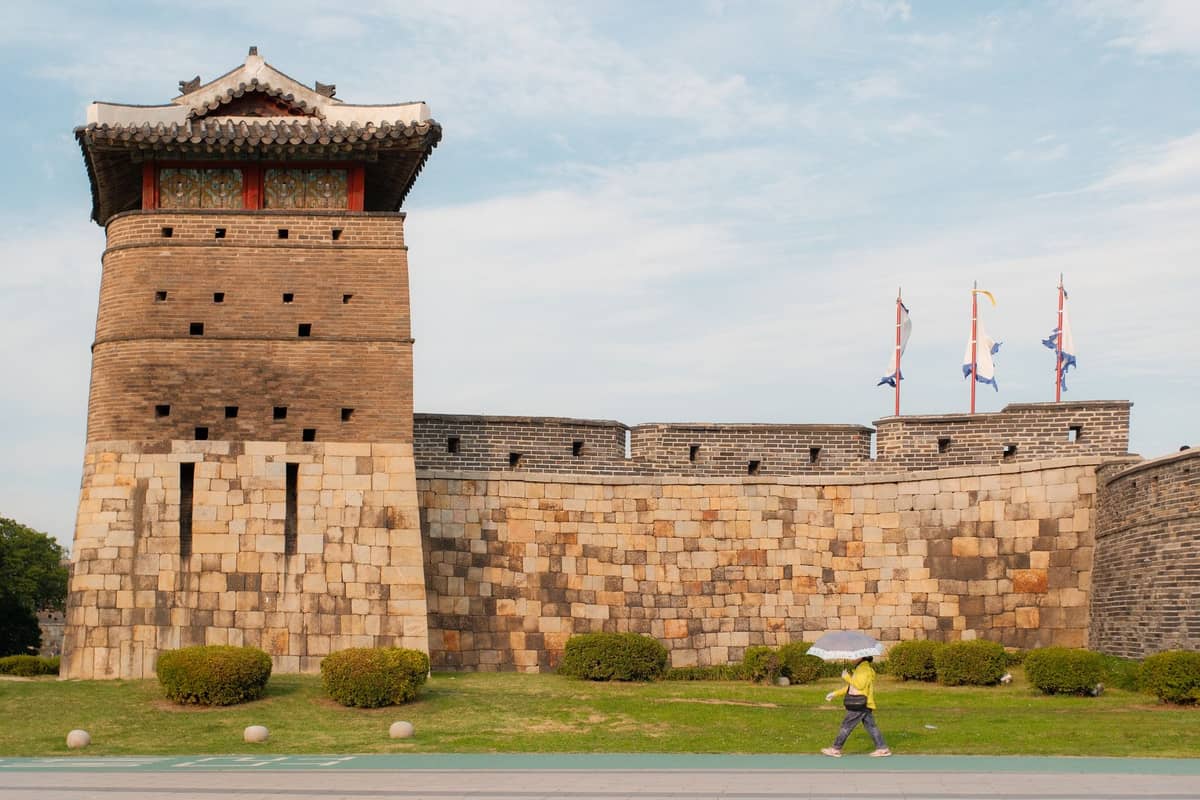
Two destinations stand out for sheer convenience: Suwon and Incheon. Suwon is on Seoul Subway Line 1, and both can be reached without advance planning beyond a Korail or T-money top-up. Suwon is roughly 30–60 minutes south depending on your starting station; Incheon takes about 60 minutes from Seoul Station. These are ideal choices if you're working with a tight schedule or following a and want one half-day outside the city. Suwon is roughly 30–60 minutes south depending on your starting station; Incheon takes about 60 minutes from Seoul Station. These are ideal choices if you're working with a tight schedule or following a 3-day Seoul itinerary and want one half-day outside the city.
- Suwon Hwaseong Fortress A UNESCO World Heritage site built in the 1790s under King Jeongjo. The 5.7 km fortress wall loops around the historic center of Suwon and takes 2–3 hours to walk in full. Some sections and the Hwaseong Haenggung palace complex charge a small entry fee; the walls themselves are largely open. Crowds are manageable on weekdays; weekends in spring and autumn get busy.
- Incheon Chinatown and Songwol-dong Fairy Tale Village Incheon's Chinatown is the only official Chinatown in South Korea, built around the former Chinese concession area in the late 19th century. The colorful streets, jajangmyeon (black bean noodle) restaurants, and short walk to the nearby Fairy Tale Village mural district make for a relaxed half-day or full-day trip. Entry is free; budget for food.
💡 Local tip
For Suwon, get off at Suwon Station (Line 1) and take a short taxi or bus to the Paldalmun Gate entrance — the fortress is a 15-minute ride from the station. Walking from the station is possible but adds 25 minutes on foot through an unremarkable commercial zone.
The DMZ: Seoul's Most Unusual Day Trip
The Demilitarized Zone dividing North and South Korea sits about 50 km north of central Seoul, roughly a 1–1.5 hour drive depending on traffic and your departure point. It is the most geopolitically charged day trip on this list and also one of the most visited. The key fact most guides bury: independent access to the DMZ is not permitted. You must book through a licensed tour operator, and most tours depart from central Seoul (typically near Gwanghwamun or major hotels) in the early morning.
Tour prices range from around ₩55,000 to ₩85,000 for a standard half or full-day group tour, covering transport, a guide, and entry to sites like the Third Infiltration Tunnel, Dora Observatory, and Dorasan Station. Some premium tours include the JSA (Joint Security Area) at Panmunjom, which requires additional vetting and costs more. Book at least a few days in advance, especially in peak season. JSA tours in particular require passport registration and have strict dress codes.
⚠️ What to skip
JSA tours at Panmunjom require pre-registration with your passport details and can be cancelled on short notice due to security conditions. Do not book non-refundable connecting travel on the same day. Children under a certain age may be restricted — confirm with your operator at booking.
Train-Based Day Trips: Higher Effort, Higher Reward
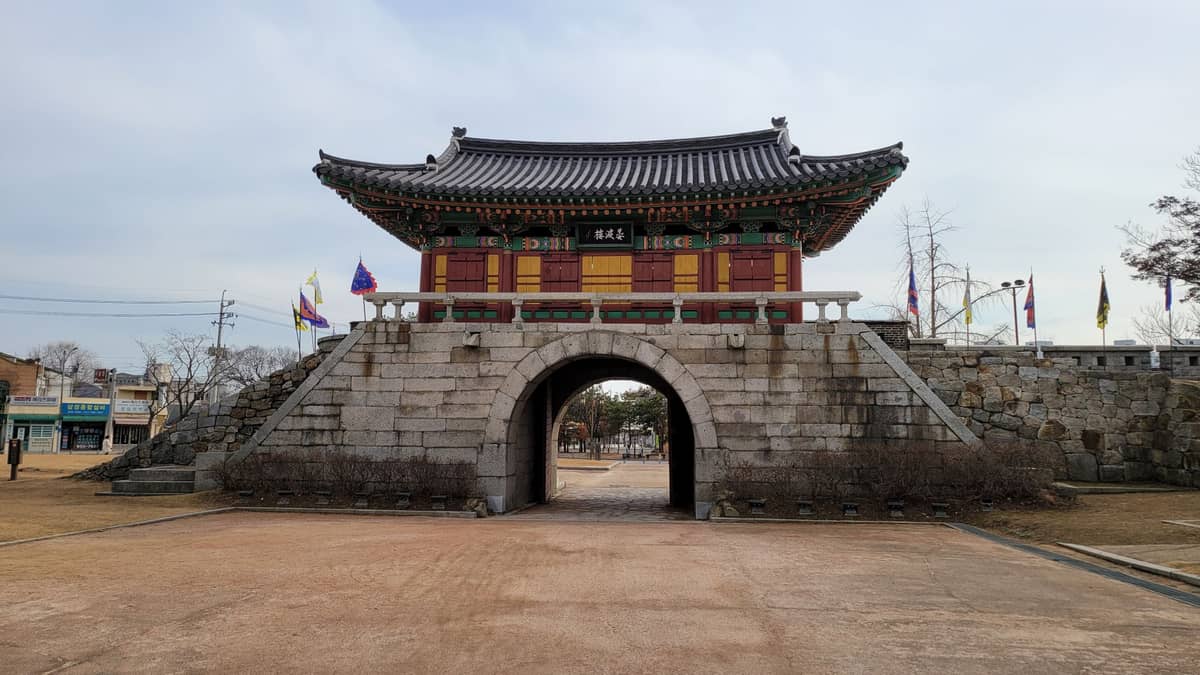
South Korea's KTX and ITX rail network opens up destinations that genuinely feel like a different country from Seoul. Three stand out for day-trip viability, though all three will fill an entire day.
- Nami Island and Gapyeong (ITX-Cheongchun) Nami Island is a small river island in Gyeonggi Province famous for its tree-lined avenues, particularly spectacular in autumn foliage season (late October to mid-November) and during spring cherry blossoms. Take the ITX-Cheongchun from Cheongnyangni Station to Gapyeong, then a short taxi or shuttle to the ferry dock. The island charges an entry fee (around ₩16,000 for adults as of recent reports — verify before travel). It gets crowded on autumn weekends; arrive early or go midweek.
- Gyeongju (KTX from Seoul Station) Gyeongju served as the capital of the Silla Kingdom for nearly a thousand years and contains more UNESCO-listed heritage sites per square kilometer than almost anywhere in Korea. Burial mounds, Bulguksa Temple, Seokguram Grotto, and Anapji Pond are all within a short taxi or bus ride of Singyeongju Station. KTX takes roughly 2 hours from Seoul Station. This is a genuine full-day trip — 10 hours minimum to do it justice.
- Gangneung and the East Coast (KTX) The KTX line to Gangneung (opened for the 2018 Winter Olympics) cut travel time from Seoul to under 2 hours. Gyeongpo Lake, Jeongdongjin beach, and Gangneung's respected coffee and food scene make this a strong choice. Best in spring or autumn; midsummer brings beach crowds. Budget the full day.
- Jeonju (KTX or KTX-Eum from Seoul Station) Jeonju is South Korea's food capital and home to one of the best-preserved hanok (traditional Korean house) villages outside Seoul. The Jeonju Hanok Village covers over 700 traditional buildings and is walkable from the station area. Famous for bibimbap — the local version is widely considered the benchmark. Travel time is around 1.5–2 hours by KTX-Eum. Book return tickets in advance on weekends.
Book KTX tickets through the official KORAIL website (letskorail.com) or the Korail Talk app. Seats sell out on peak weekends — particularly during autumn foliage season and public holidays. If you're planning a longer itinerary, the 5-day Seoul itinerary builds in a Gyeongju or Jeonju day trip as a natural extension.
Bukhansan: The Day Trip That Never Leaves the City Limits
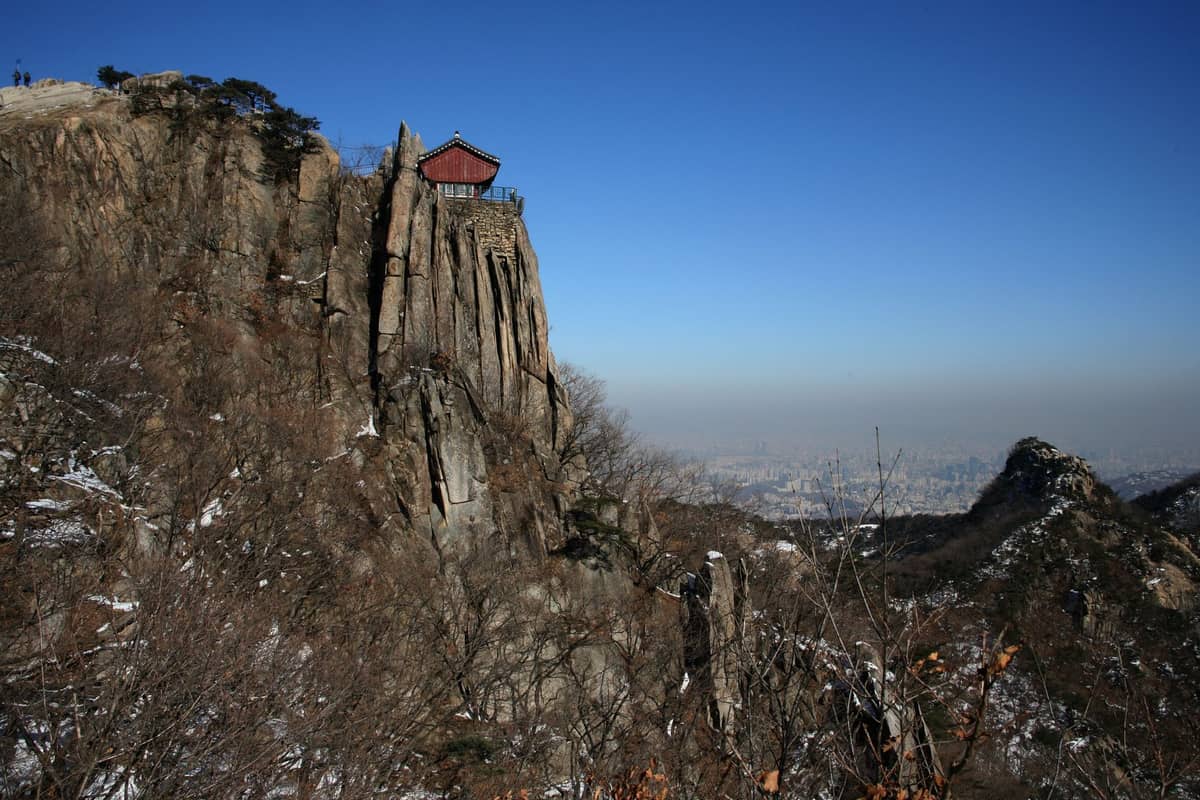
Technically within Seoul's boundaries but feeling worlds away from the downtown core, Bukhansan National Park deserves its own entry. The park sits in the northern part of the city and is accessible by subway (Gireum Station or Gupabal Station depending on your trail). Its granite peaks top out at 836 m at Baegundae Summit, and the trail to the top takes 3–5 hours round trip depending on your pace and route.
Bukhansan is best on weekdays — weekend crowds are significant, especially in spring and autumn, and the main summit trail has mandatory hiking registration. For a less crowded alternative with similar mountain scenery, the Bukhansan area covers Dobongsan and Inwangsan as quieter parallel options accessible from the same subway lines. main summit trail has mandatory hiking registration. For a less crowded alternative with similar mountain scenery, the Seoul hiking guide covers Dobongsan and Inwangsan as quieter parallel options accessible from the same subway lines.
✨ Pro tip
Bukhansan has multiple trailheads with very different crowd levels. The Bukhansanseong Fortress trail via Daeseo-mun gate is quieter than the main Baegundae approach and still rewards with fortress walls, ridge views, and far fewer selfie-stick bottlenecks.
Planning Your Trip: Costs, Timing, and What to Skip
A realistic budget for a self-guided subway day trip (Suwon or Incheon) runs ₩20,000–₩40,000 covering return transport, any entry fees, and a sit-down lunch. KTX day trips to Gyeongju or Gangneung will run significantly higher once you factor in return rail tickets (roughly ₩40,000–₩60,000 return per person) plus food and site entries. DMZ guided tours are their own category at ₩55,000–₩85,000 per person, transport included.
Seasonally, April to May and September to October are the strongest windows for almost every destination on this list. Nami Island in late October is justifiably famous. Summer (July to August) brings heat, humidity, and the jangma rainy season, which makes open-air sites like Suwon Fortress or Bukhansan less enjoyable. Winter day trips are underrated for fewer crowds but require proper layering. For a full seasonal breakdown, the best time to visit Seoul guide gives month-by-month detail.
One overrated option worth flagging: Everland, South Korea's largest theme park, is frequently listed as a Seoul day trip. It requires about 90 minutes of bus travel from Gangnam on many routes and functions primarily as a domestic family attraction. Unless you're traveling with young children, most adult visitors find it doesn't justify the commute and ticket cost when Gyeongju or Jeonju offer far more depth for similar travel time.
- Book DMZ tours at least 3–5 days in advance; JSA tours require longer lead time and passport pre-registration.
- KTX weekend seats on popular routes (Seoul to Gyeongju, Seoul to Gangneung) sell out — reserve online through Korail.
- Start early: most train-based day trips require departing Seoul by 8–9am to get adequate time at your destination.
- Carry cash for smaller entrance fees, street food, and ferry tickets (Nami Island) — not all booths take card.
- Download the Naver Maps app before leaving Seoul; it handles transit routing in English better than Google Maps for Korean destinations.
FAQ
Do I need a car to do day trips from Seoul?
No. Suwon, Incheon, and Bukhansan are all reachable by Seoul subway. Nami Island, Gyeongju, Gangneung, and Jeonju are served by KTX or ITX trains from central Seoul stations. A car is useful mainly if you want to explore rural areas between destinations or visit multiple sites in Gyeongju more efficiently.
Can I visit the DMZ independently without a tour?
No. The DMZ requires a licensed guided tour for civilian access. Independent sightseeing at the actual border sites is not permitted. Tours depart from central Seoul and cover sites like the Third Infiltration Tunnel, Dora Observatory, and optionally the JSA at Panmunjom. Prices run approximately ₩55,000–₩85,000 per person.
What is the easiest day trip from Seoul for first-time visitors?
Suwon Hwaseong Fortress is the most straightforward: direct on Seoul Subway Line 1, about 30–60 minutes, minimal planning required, and the UNESCO-listed fortress is walkable with clear signage. It pairs well with a morning departure and return to Seoul by early evening.
How far in advance should I book KTX tickets for day trips?
For weekday travel, a day or two in advance is usually sufficient outside peak periods. For weekend travel, especially during spring cherry blossom season (late March to mid-April) and autumn foliage (late October to early November), book at least a week ahead. The Korail website (letskorail.com) opens reservations about one month before departure.
Is Nami Island worth visiting in summer?
Summer visits are possible but the island is at its peak during autumn foliage (late October) and spring (April). Midsummer brings heavy humidity and the jangma rainy season in June-July, which reduces the visual appeal of the tree-lined paths. If summer is your only option, go early in the morning before tour groups arrive and the heat peaks.