3 Days in Seoul: The Perfect Itinerary
Three days is enough to get a real feel for Seoul, if you plan by neighborhood instead of trying to crisscross the city. This itinerary covers historic Joseon-era Seoul, the commercial and cultural center, and the newer districts that define the city's contemporary identity, with practical logistics at every step.
Plan and book this trip
Tools from our partner Travelpayouts help you compare flights and hotels. If you book through them, we may earn a commission at no extra cost to you.
Flights
Hotels map
TL;DR
- Structure each day around a single district to cut transit time and cover more ground on foot.
- Day 1 focuses on historic Seoul: Gyeongbokgung Palace, Bukchon, and Insadong. Day 2 covers central Seoul: Myeongdong, Namdaemun, and Namsan. Day 3 heads to trendier districts like Seongsu or Hongdae.
- Budget roughly 80,000–120,000 KRW per person per day for meals, transport, and entry fees, excluding accommodation.
- Spring (April–May) and autumn (September–October) offer the best conditions for a walking-heavy 3-day trip.
- The Seoul Metro covers almost every major sight; buy a T-money card on arrival and navigate like a local.
Before You Go: Logistics That Actually Matter
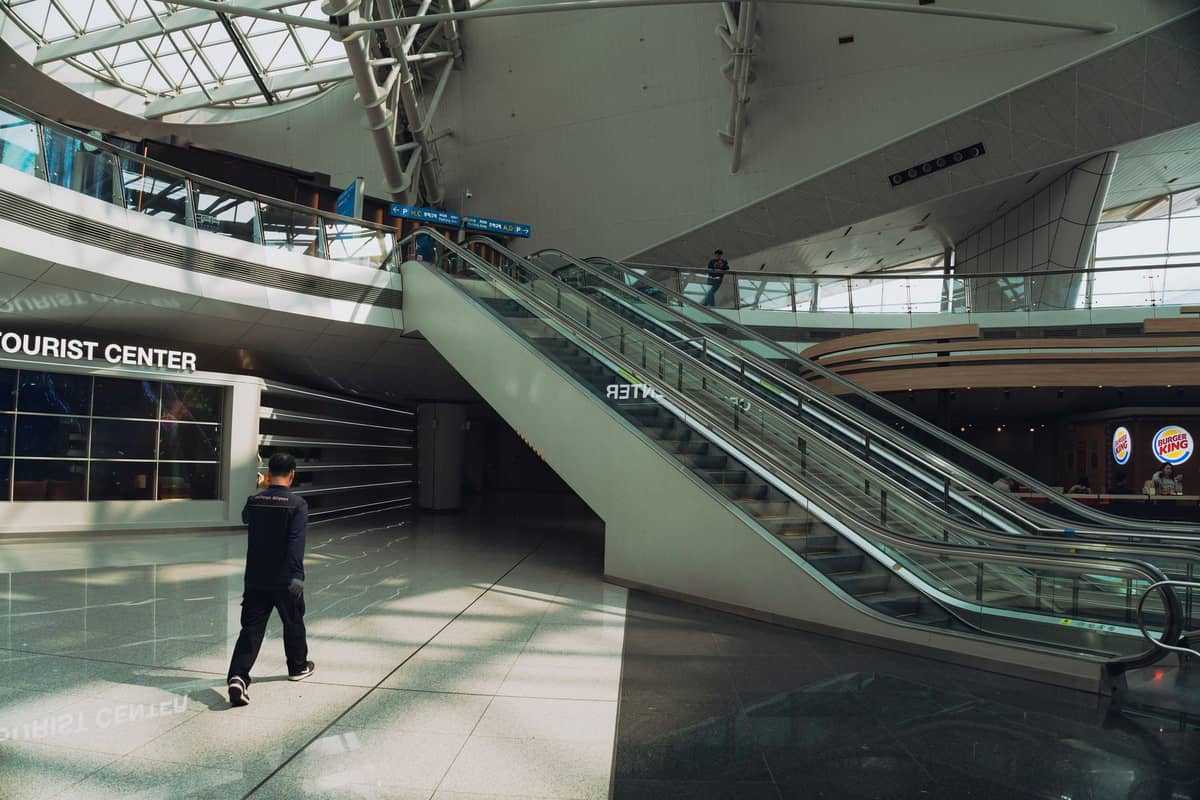
Most international visitors arrive at Seoul via Incheon International Airport (ICN), roughly 50–60 km from central Seoul. The fastest affordable option into the city is the Airport Railroad Express (AREX), which connects Incheon to Seoul Station in about 43 minutes on the express service. Airport limousine buses run directly to major districts like Myeongdong, Hongdae, and Gangnam for a flat fare; slower than AREX but convenient if your hotel is far from Seoul Station. Taxis are door-to-door but significantly more expensive, especially with tolls and late-night surcharges.
Pick up a T-money card at any convenience store or subway station upon arrival. It covers the metro and buses, and is convenient for multi-day sightseeing. Load 20,000–30,000 KRW to start.
💡 Local tip
Gyeongbokgung Palace is closed on Tuesdays. If your first full day in Seoul falls on a Tuesday, swap Day 1 and Day 2 in this itinerary rather than trying to squeeze the palace in on a different day.
For accommodation, Myeongdong, Jongno, and Hongdae are the three most practical bases for a short stay. Myeongdong is central and walkable to many Day 2 sights. Jongno puts you within walking distance of the palaces and Bukchon. Hongdae is ideal if you plan to eat late and explore the western districts on Day 3. All three have strong subway access.
Day 1: Historic Seoul — Palaces, Hanok Alleys, and Insadong
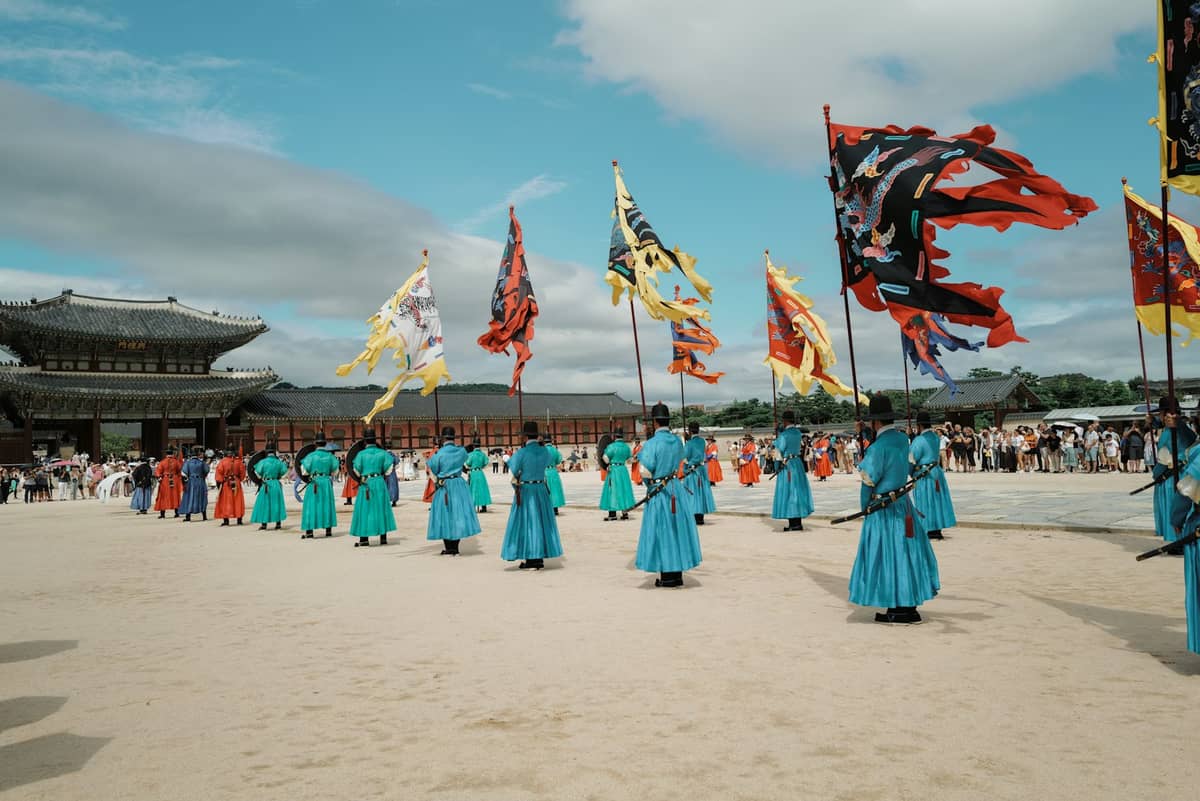
Start at Gyeongbokgung Palace, the largest of Seoul's five grand Joseon-era palaces and the natural anchor for any first day in the city. Arrive by 9:30 a.m. to beat school groups and tour buses. The changing-of-the-guard ceremony typically runs at 10:00 a.m. and 2:00 p.m., but confirm current times and any seasonal closures on the official palace website before visiting. Budget around 90 minutes to walk the main halls and the rear gardens near Hyangwonjeong Pavilion.
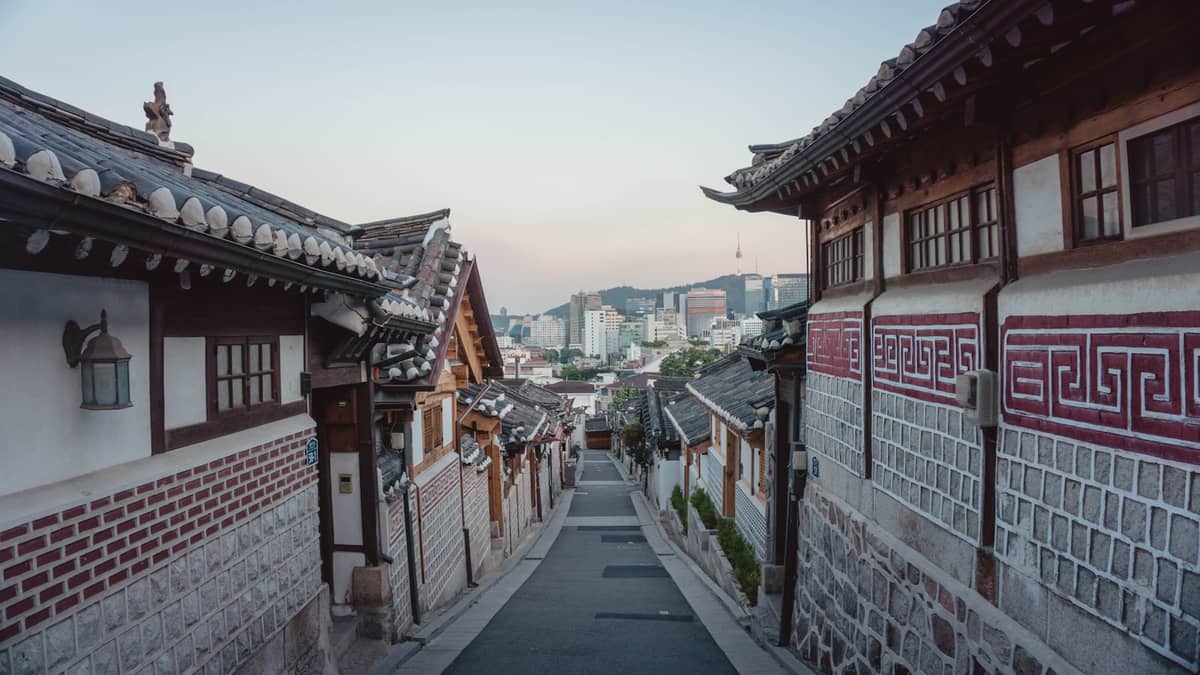
From Gyeongbokgung, walk northeast into Bukchon Hanok Village, a preserved residential neighborhood of traditional Korean hanok houses spread across the hillside between the palace and Changdeokgung. The most photographed alley is on the slope near Gahoe-dong, but get there before 11:00 a.m. on weekdays if you want photographs without crowds. Bukchon is a real residential area, not a theme park, so keep noise down on the narrow lanes.
In the afternoon, walk south to Insadong, the main strip for traditional crafts, celadon pottery, hanji paper goods, and gallery browsing. The pedestrianized section around Ssamziegil courtyard is worth 30–45 minutes. For a proper lunch, duck off the main strip to find cheaper and less tourist-facing restaurants on the side streets. End the afternoon at Jogyesa Temple, the head temple of Korean Buddhism in Seoul, a five-minute walk from Insadong. Entry is free and it is open daily.
- Morning anchor Gyeongbokgung Palace — allow 90 minutes, arrive before 10:00 a.m.
- Mid-morning Bukchon Hanok Village — 45–60 minutes walking the alleys
- Lunch Side streets off Insadong main strip — bibimbap, doenjang jjigae, or a traditional set meal for 8,000–15,000 KRW
- Afternoon Insadong browsing and Ssamziegil courtyard — 1 hour
- Late afternoon Jogyesa Temple — 30 minutes, free entry
- Evening option Gwangjang Market for bindaetteok and yukhoe — 20 minutes by subway
✨ Pro tip
If you want to wear hanbok for photos at Gyeongbokgung, rental shops cluster in the streets immediately south of the main gate. Visitors in hanbok get free entry to the palace grounds. Rentals typically cost around 10,000–20,000 KRW for a few hours, though prices vary by shop.
Day 2: Central Seoul — Markets, Shopping Streets, and Namsan
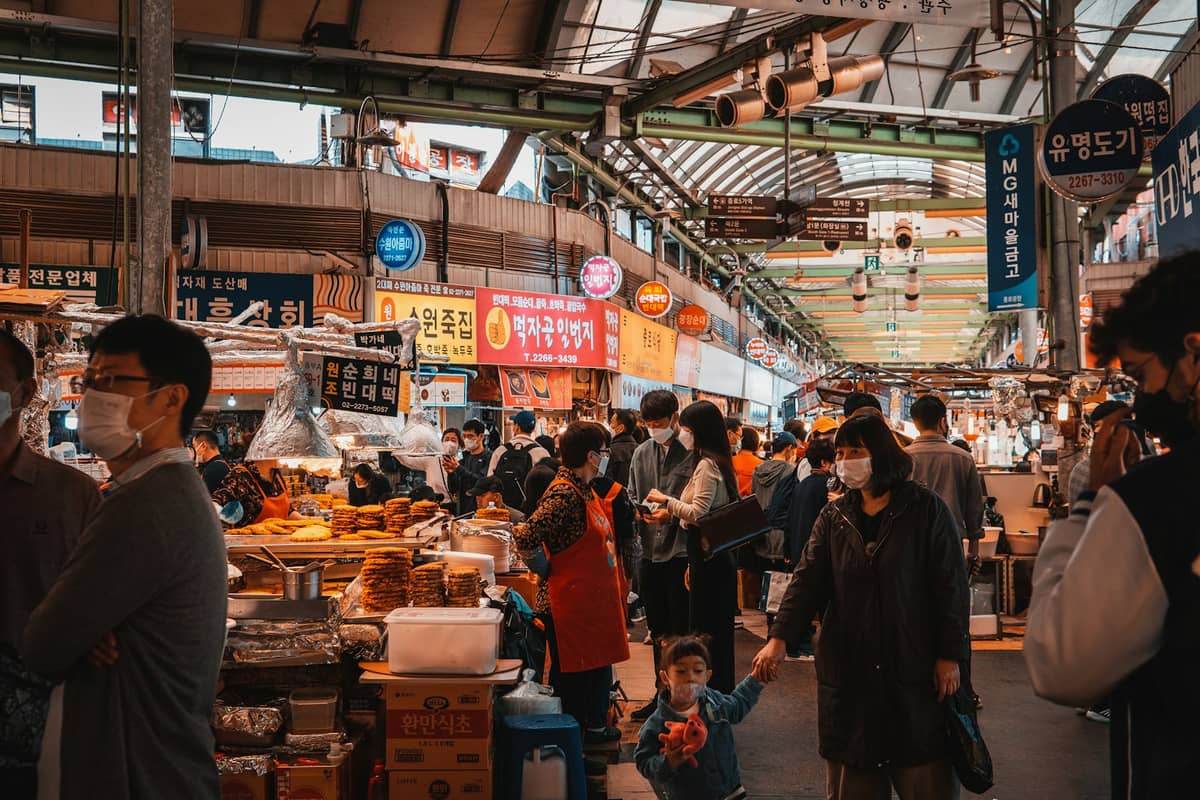
Day 2 covers the commercial and cultural core of the city. Start at Namdaemun Market, Seoul's largest traditional market, which comes alive from early morning. It is more of a wholesale-retail hybrid than a tourist market, which keeps it authentic. Buy sesame oil, dried goods, street snacks, or just walk through the food stalls. Unlike the photo-friendly presentation of some markets, Namdaemun is a working place, so expect tight lanes and cart traffic.
Walk north into Myeongdong for the late morning. The main shopping street is aimed squarely at tourists and domestic shoppers and is better for K-beauty skincare, cosmetics, and street snacks than for bargains on fashion. If you want to pick up sheet masks, sunscreen, or toner at competitive prices, this is genuinely one of the better places to do it. Skip the branded souvenir shops.
In the afternoon, take the cable car or hike up to N Seoul Tower on Namsan Mountain. The tower observation deck charges a separate entry fee and is moderately overpriced; the view from the outdoor terrace below the tower is free and nearly as good. The lock fence at the top is a well-known visual landmark, though it is worth knowing the locks are periodically removed for structural maintenance. Aim to arrive for sunset.
After coming down from Namsan, walk or take the subway to Cheonggyecheon Stream for an evening walk along the restored urban waterway. The stream runs for about 11 km through central Seoul and is especially pleasant after dark when the lighting is on. It is genuinely a good place to decompress after a full day. A 20-minute stroll from one of the central access points is enough to get the feel of it.
Day 3: Newer Seoul — Choose Your District
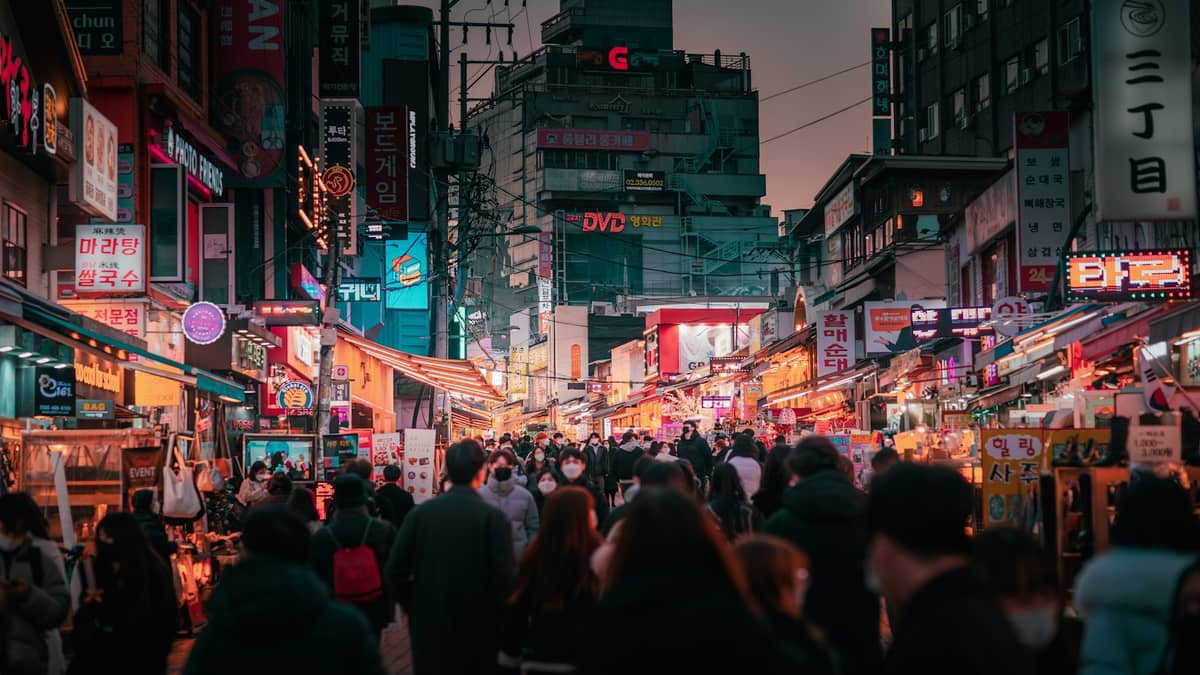
Day 3 is where you customize based on your interests. Seoul's most talked-about newer districts each have a distinct identity, and trying to see all of them in one day leads to a rushed, unsatisfying experience. Pick one or two adjacent areas and go deeper rather than wider.
- Seongsu-dong Seoul's design and cafe district, built into former industrial buildings on the east bank of the Han River. Best for architecture, specialty coffee, and independent fashion. Closest to Seongsu station on Line 2.
- Itaewon and Yongsan The most internationally diverse neighborhood in Seoul, with strong food options across Middle Eastern, South Asian, and European cuisines. Also home to the National Museum of Korea and the War Memorial of Korea.
- Hongdae University-area district with a strong indie music and street performance scene. More energetic than refined. Better visited in the evening than during the day.
- Gangnam and COEX Seoul's wealthiest commercial district, best if you want to understand the economic contrast with older Seoul. COEX Mall has the famous underground library installation. Less interesting for food and street life than other options.
If you are in Seongsu, build in time to walk along the Seoul Forest adjacent to the neighborhood. It is a proper green space on the Han River waterfront, better for a relaxed afternoon than structured sightseeing. Seongsu and Seoul Forest together make a natural half-day, leaving the afternoon for a riverside walk along Hangang Park before dinner.
⚠️ What to skip
Dongdaemun Design Plaza (DDP) appears on many 3-day itineraries as a Day 3 addition. The architecture is photogenic, but the interior is primarily a venue for fashion trade shows and temporary exhibitions that change constantly. Unless there is a specific exhibition on during your visit, spending significant time there is often disappointing. Check what is showing before including it.
Budget, Timing, and Practical Planning
A realistic mid-range daily budget for meals, transport, and entry fees sits between 80,000 and 120,000 KRW per person per day. That covers breakfast at a convenience store or local cafe (2,000–5,000 KRW), two proper sit-down meals (8,000–15,000 KRW each), subway rides throughout the day (around 5,000–8,000 KRW total depending on distance), and one or two paid attractions. The total for three days, excluding flights and accommodation, typically lands somewhere between 240,000 and 360,000 KRW depending on your choices.
Spring and autumn are the strongest seasons for this itinerary. April and May bring mild temperatures of roughly 10–20°C and cherry blossoms at parks and along the Han River. September and October are equally good, with clear skies and comfortable walking conditions. Summer (June to August) is hot and humid, with daytime temperatures often reaching 30°C or higher, and the monsoon season (jangma) typically runs through June and July. Winter visits are cold, often near or below 0°C, but crowds thin considerably and the city has a distinct atmosphere. For a full breakdown of seasonal conditions, see the best time to visit Seoul.
- Buy a T-money card at the airport on arrival; do not use single-use tickets for a multi-day stay.
- Download Naver Maps or Kakao Maps rather than relying solely on Google Maps, which has routing gaps in Seoul.
- Carry small amounts of cash for traditional markets and street food stalls; many older vendors do not accept cards.
- Confirm Gyeongbokgung opening hours and guard ceremony times on the official palace website before visiting.
- Eat lunch rather than dinner at sit-down restaurants if you are budget-conscious; many offer cheaper lunch set menus.
- Avoid scheduling more than three major attractions per day; transit and line-waiting absorb more time than maps suggest.
Three days gives you a solid foundation, but Seoul rewards longer stays. If you can extend to five days, consider adding a day trip to the DMZ from Seoul or spending a half-day at Bukhansan National Park, which sits on the northern edge of the city and offers proper mountain hiking within the Seoul city limits. For a complete 5-day plan, see the 5 days in Seoul itinerary.
FAQ
Is 3 days enough time to see Seoul?
Three days is enough to see the essential parts of Seoul if you plan by neighborhood rather than trying to crisscross the city. You will cover the main historic sights, the commercial center, and at least one or two of the newer districts. You will not see everything, but three structured days gives a genuine and satisfying experience of the city rather than a rushed checklist.
What is the best area to stay for a 3-day trip to Seoul?
Myeongdong, Jongno, and Hongdae are the three most practical bases. Myeongdong is central and well-connected by subway. Jongno puts you within walking distance of the palaces and historic sights for Day 1. Hongdae is best if you plan to explore the western and university districts and want easy access to nightlife. All three have multiple subway lines and a wide range of accommodation options.
How do I get around Seoul on a 3-day itinerary?
The Seoul Metropolitan Subway is the most reliable and cost-effective way to move between districts. A T-money card covers metro and bus fares with a small per-ride discount. For this itinerary, a typical day involves two to four subway rides plus walking within each neighborhood. Taxis via the Kakao T app are useful late at night or for direct routes when luggage is involved.
What should I eat in Seoul in 3 days?
Prioritize foods that are specific to their location: pajeon and yukhoe at Gwangjang Market, sundae and tteokbokki at Namdaemun Market, grilled meat at a local Korean BBQ restaurant in the evening, and bibimbap or doenjang jjigae for a proper sit-down meal. Street snacks like hotteok, bungeoppang, and tteok are available throughout the city and are an affordable way to eat between meals.
When is the best time to do a 3-day trip to Seoul?
April to May and September to October are the strongest windows. Spring brings mild temperatures and cherry blossoms. Autumn offers clear skies and comfortable walking weather with foliage in the parks. Summer is manageable but hot and humid, with monsoon rain likely in June and July. Winter is cold but crowd-free and has a distinct atmosphere around traditional markets and palaces.