Getting Around Seoul: Subway, Buses & Airport Transfers
Seoul has one of the most efficient urban transit networks in the world, covering virtually every corner of the city by subway and bus. This guide breaks down fares, card options, airport connections, and the practical details that make the difference between a smooth trip and an expensive mistake.
Plan and book this trip
Tools from our partner Travelpayouts help you compare flights and hotels. If you book through them, we may earn a commission at no extra cost to you.
Flights
Hotels map
TL;DR
- The Seoul Metropolitan Subway covers the entire city; adult card fares start at ₩1,550 for up to 10 km, rising incrementally beyond that.
- Single-use tickets cost ₩1,650 — more than a T-money card fare — and require a ₩500 deposit returned at exit machines.
- From Incheon Airport, the AREX train to Seoul Station takes around 43 minutes on the express service; buses are slower but drop you at major hotels and districts. See also: 3-day Seoul itinerary for how to structure your transit from day one.
- Several subway lines — including the Airport Railroad, Sinbundang Line, and Yongin EverLine — charge supplemental fares on top of the base rate.
- Kakao T is the dominant taxi and ride-hailing app; useful when buses or subway don't cover your exact destination.
The Seoul Subway: How It Works and What It Costs
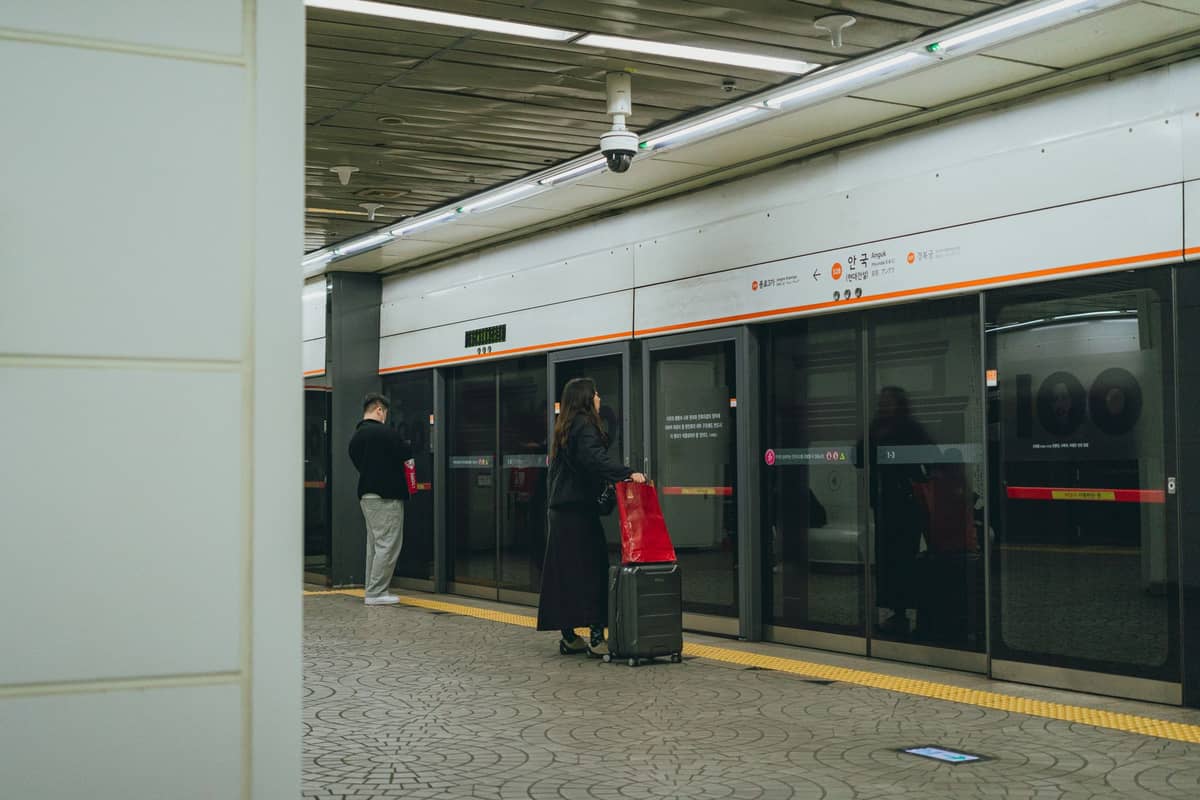
Seoul's subway network, operated primarily by Seoul Metro and Korail, spans over 20 lines and hundreds of stations. Getting around Seoul by subway is the default choice for most travelers: it is fast, climate-controlled, multilingual (English, Chinese, and Japanese are all displayed), and runs on a reliable schedule from around 5:30 AM to midnight, with slight variations by line and day.
Fares are distance-based. With a transportation card — T-money or a compatible card — the adult base fare is ₩1,550, which covers trips up to 10 km. Beyond that, ₩100 is added for every 5 km between 10 and 50 km, and ₩100 per 8 km for anything over 50 km. If you buy a single-use ticket at a station machine, the base fare rises to ₩1,650, and you pay a ₩500 deposit that is refunded at an exit machine when you return the card. The math is simple: a transportation card pays for itself within two or three rides.
⚠️ What to skip
Not all lines use the same base fare. The Airport Railroad (AREX), Sinbundang Line, Yongin EverLine, and Ui-Sinseol LRT all charge supplemental fares on top of the standard rate. Factor this in when planning cross-city routes or airport trips — don't assume ₩1,550 covers everything.
T-money cards also unlock a transfer discount: when you switch between subway lines or between subway and bus within a set time window (usually 30 minutes for buses, longer for certain combinations), the system charges only the additional distance rather than a full new fare. This transfer benefit does not apply to single-use tickets, making them genuinely impractical for any trip involving a connection. T-money cards can be purchased and topped up at convenience stores (CU, GS25, 7-Eleven) and at most subway station machines. The card itself costs around ₩3,000–₩4,000 and can also be used at convenience stores, taxis, and some vending machines.
✨ Pro tip
T-money card users receive an early-morning discount on the first subway rides of the day. The exact window is listed on official Seoul transit announcements, but riding before the morning rush can save a small amount per trip — useful if you are making multiple early starts across a longer stay.
Buses: When to Use Them and How to Navigate
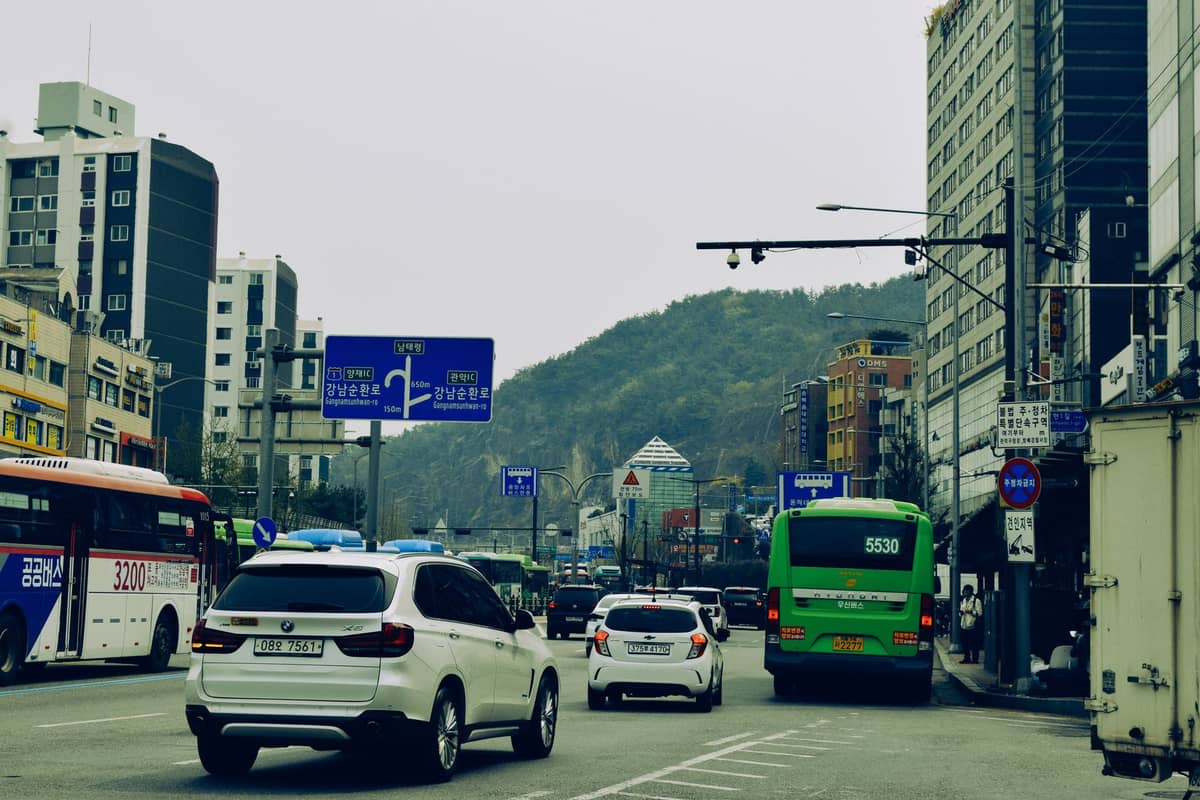
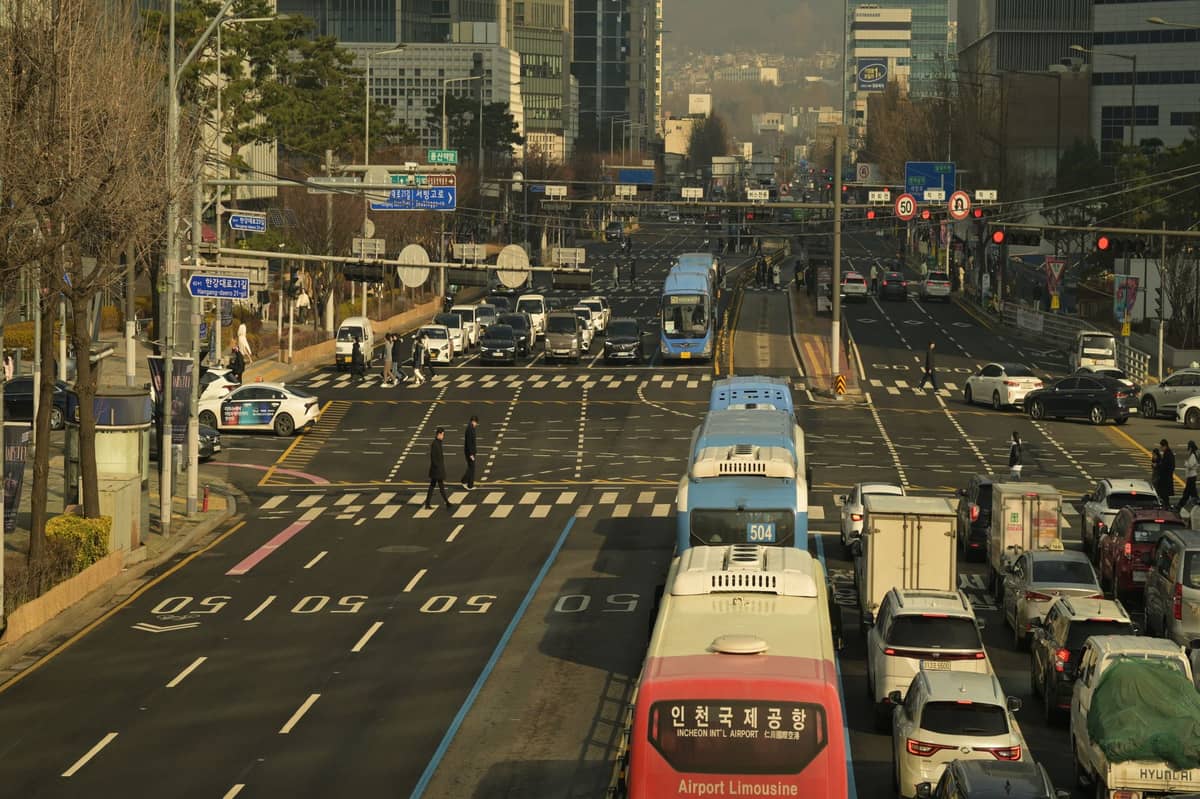
Seoul's bus network fills in every gap the subway leaves. There are four main bus types, color-coded: blue buses (간선) run major trunk routes across the city; green buses (지선) operate as feeders within neighborhoods; red buses (광역) are express routes connecting outer districts and satellite cities; and yellow buses (순환) run short loops in central areas like Jung-gu. Understanding the color system is the fastest way to orient yourself at a bus stop.
Bus fares are roughly comparable to subway fares and use the same distance-based structure with a T-money card, meaning subway-to-bus transfers within the time window are charged incrementally rather than as a full new fare. This is particularly useful in areas like Hongdae and Mapo or Seongsu, where the subway station might be 15–20 minutes' walk from your actual destination but a local green bus closes the gap.
The main drawback of buses is traffic. During peak hours (roughly 7:30–9:30 AM and 5:30–8 PM) and on weekends when major areas like Myeongdong or Gangnam fill up, buses on surface roads can slow to a crawl. For time-sensitive trips, the subway is more predictable. That said, buses offer better views, serve outer neighborhoods that the subway doesn't reach well, and are the sensible choice for shorter hops when you don't want to descend into a station.
- Blue (간선) buses Major cross-city routes; best for long hauls between distant districts.
- Green (지선) buses Short neighborhood routes; perfect for bridging the gap between a subway station and your destination.
- Red (광역) buses Express routes to outer districts and satellite cities like Suwon or Goyang; note these have higher fares.
- Yellow (순환) buses Central area loops; useful for short hops in Jung-gu and around major tourist corridors.
Getting from Incheon Airport to the City
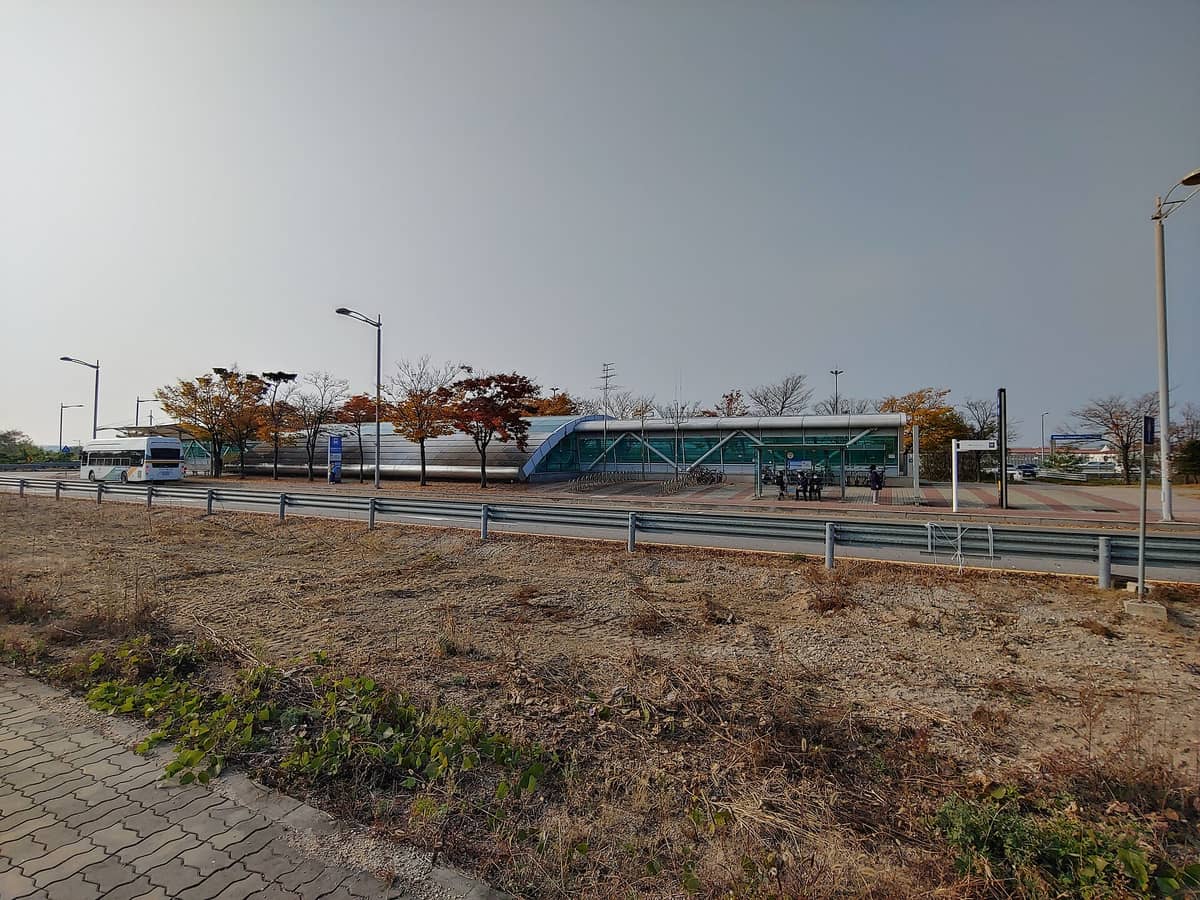
Incheon International Airport (ICN) sits roughly 50–60 km west of central Seoul. That distance means your choice of transfer has a real impact on both cost and time. There are three practical options: the Airport Railroad (AREX), the airport limousine bus network, and taxis or private transfers.
AREX runs two services from the airport. The express train goes non-stop to Seoul Station in approximately 43 minutes and costs around ₩13,000 for adults. The all-stop commuter service takes roughly 59 minutes and costs significantly less, using the standard subway fare structure. At Seoul Station, you can transfer directly onto Seoul Metro lines to reach virtually any part of the city. Both services run from early morning until midnight, with departures every 5–10 minutes for the commuter service and every 30–40 minutes for the express.
💡 Local tip
If your hotel is close to a subway station near Seoul Station, Hongik University Station, or along Line 1 or Line 4, the AREX all-stop commuter service is excellent value and only about 20 minutes slower than the express. Save the express fare for when speed genuinely matters.
Airport limousine buses (KAL Limousine and several other operators) run direct routes to major hotel clusters and district hubs, including Gangnam, Myeongdong, Hongdae, and Dongdaemun. Fares vary by route but generally fall in the ₩16,000–₩18,000 range. The advantage is door-to-hotel convenience with luggage storage under the bus. The disadvantage is that traffic on the expressway to Seoul can add 30–60 minutes to the published journey time, particularly on Friday evenings or the eve of public holidays.
Taxis from Incheon are metered and use the expressway. A standard taxi to central Seoul typically costs ₩70,000–₩100,000 including tolls, though premium and jumbo taxis cost more. This is a reasonable option when travelling in a group with heavy luggage, but for solo or couple travel the AREX is almost always better value. For context on how airport logistics fit into a broader itinerary, the 5-day Seoul itinerary covers how to structure arrival and departure days efficiently.
Gimpo Airport: Closer, But More Limited
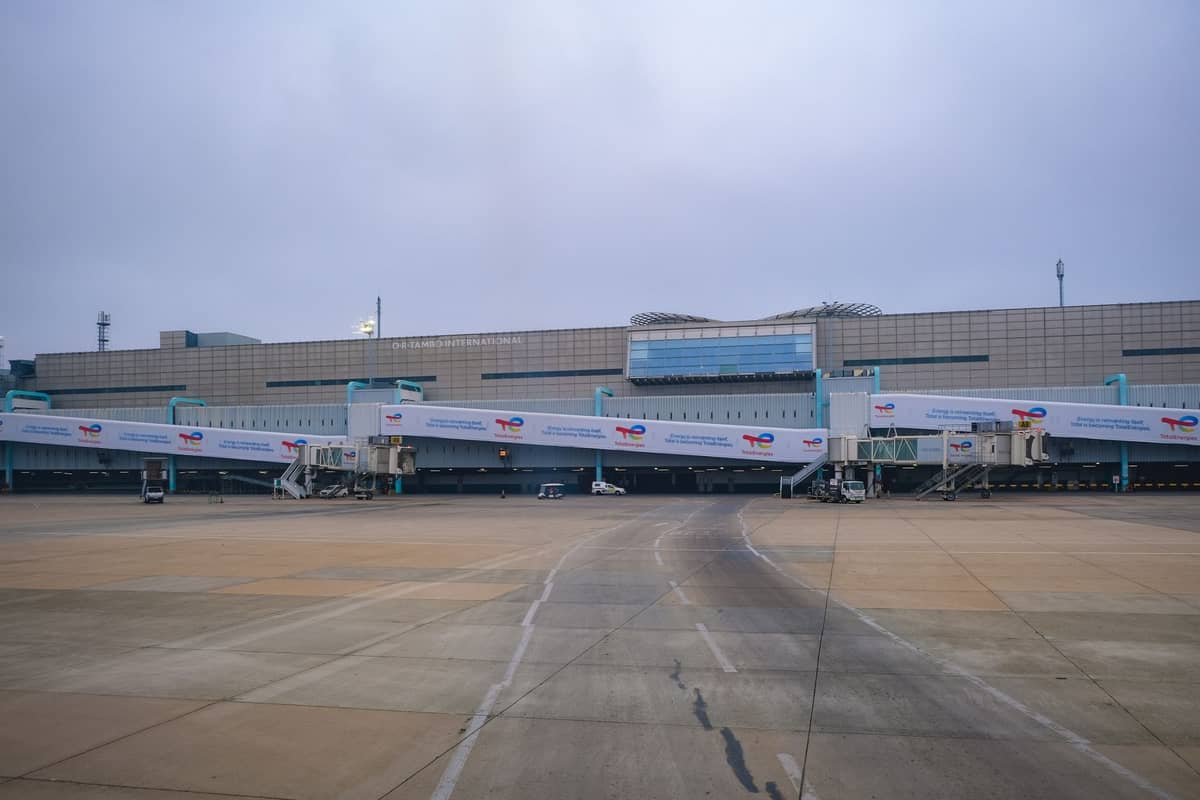
Gimpo International Airport (GMP) is approximately 15–20 km from central Seoul and handles domestic flights plus short-haul international routes to Tokyo Haneda, Beijing, Shanghai, Taipei, and a few others. Getting from Gimpo into the city is considerably easier than from Incheon: Seoul Metro Line 5 and the Gimpo Gold Line both serve the airport, and the journey to central areas takes 30–40 minutes. Taxis from Gimpo to central Seoul are also much cheaper, typically ₩20,000–₩35,000 depending on destination and traffic.
Taxis and Ride-Hailing in Seoul
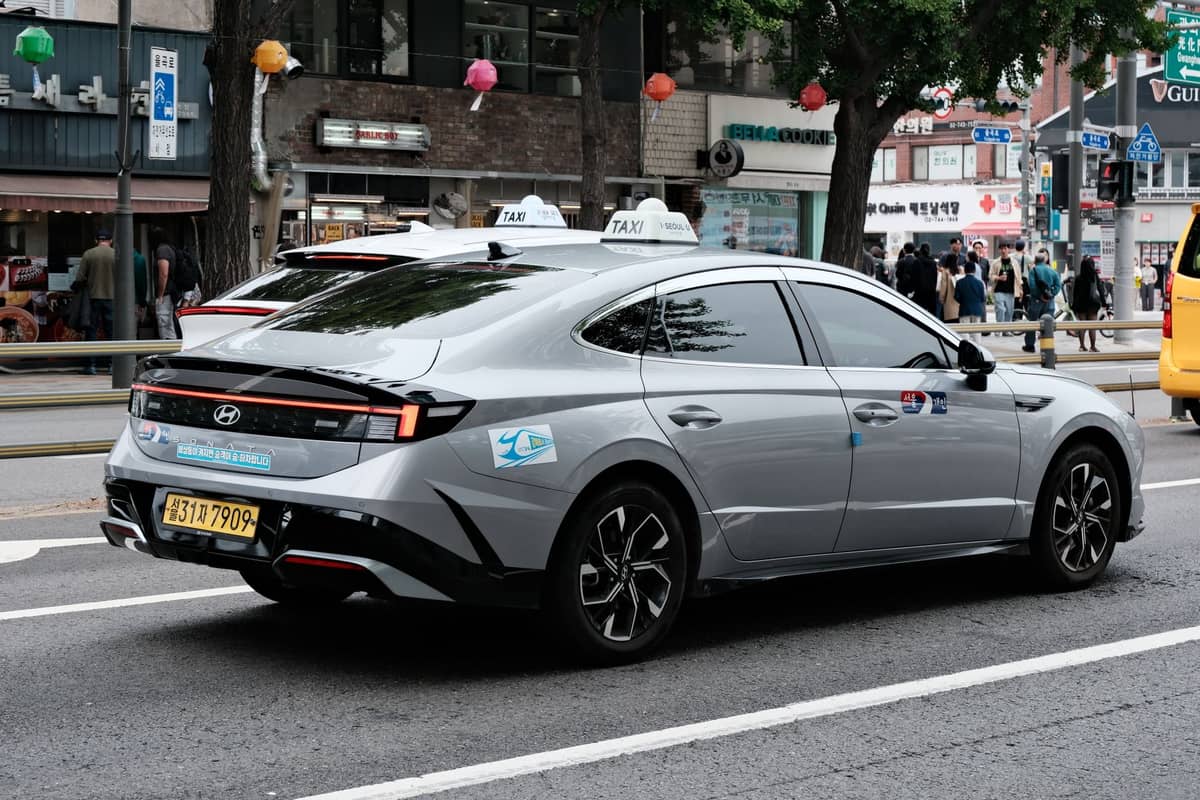
Seoul has a well-regulated taxi system with clearly visible meters and standard classes. Regular (일반) taxis are silver or white and use a base fare that increases by distance and time. Deluxe (모범) taxis are black, driven by licensed premium drivers, and charge higher base fares in exchange for better reliability and English communication. All standard taxis are metered; do not accept any offer of a flat fare from a driver at an airport or tourist area.
Kakao T is the app to use for hailing taxis in Seoul. It is the dominant platform, supports English-language input for destinations, and lets you book standard or premium taxis with fare estimates shown upfront. Uber operates in Seoul through taxi-dispatch partnerships, but Kakao T has wider driver availability across the city. Taxis are particularly useful late at night when subway service has ended — around midnight most lines stop, though some weekend-night services operate on select lines. For nightlife areas like Itaewon or Hongdae, taxis are the standard way home after 1 AM.
⚠️ What to skip
Taxi demand in Seoul spikes sharply after midnight on weekends and during major holidays. Expect surge conditions on Kakao T and street hails that may refuse short trips. If you are staying far from a nightlife district, pre-plan your return journey or account for a longer wait.
Transit Cards, Passes, and Practical Tips
The T-money card is the single most important item for getting around Seoul. It works on subways, buses, taxis, and some convenience store purchases. You can buy one at the airport upon arrival or at any convenience store in the city. Load it with ₩30,000–₩50,000 at the start of a week-long trip and top up as needed. Any remaining balance can be refunded at subway station service counters, though small processing fees may apply.
- Buy your T-money card at the airport on arrival — don't wait until you need it mid-journey.
- Keep at least ₩5,000 on the card at all times; the system allows a small negative balance for one final exit, but it's better not to rely on this.
- On crowded Line 2 (circular line) during peak hours, platforms at stations like Hongik University, Sinchon, and Gangnam can be extremely busy — wait for the next train rather than forcing onto a full one.
- The Discover Seoul Pass and Seoul City Pass offer unlimited transit rides plus attraction entry for 24, 48, or 72 hours. These are worth calculating against your planned itinerary — they make sense if you are doing many attractions in a short time.
- Google Maps and Naver Maps both work well for Seoul transit navigation. Kakao Maps is the local preference and often has more accurate real-time bus tracking.
For travelers focused on specific neighborhoods, the subway line to know is Line 2 (the green circular line), which connects Hongdae, Sinchon, Ewha, City Hall, Euljiro, Dongdaemun, and Gangnam in a loop. Line 1 runs through the historic core via Jongno and connects to Seoul Station. Line 9 (express options available) is the fastest surface route between Gimpo Airport and Gangnam. Understanding these three lines covers most traveler routes without needing to memorize the full system.
One final note on timing: Seoul's transit system is significantly busier during Korean public holidays, especially Chuseok (autumn harvest, usually September) and Seollal (Lunar New Year, usually January or February). Intercity trains and buses sell out weeks in advance during these periods. If your dates overlap with major holidays, factor in extra transit time and book any intercity legs — like a Seoul to Busan train — as early as possible.
FAQ
What is the cheapest way to get from Incheon Airport to central Seoul?
The AREX all-stop commuter train is consistently the most affordable option, using the standard subway fare structure. The express AREX to Seoul Station costs around ₩13,000 but saves about 15 minutes. Airport limousine buses are mid-range and convenient for hotel drop-offs, while taxis are the most expensive option for solo travelers.
Do I need a separate ticket or pass for Seoul buses and subways?
No — a single T-money card works on both the subway and most Seoul buses. The card also enables the transfer discount: switching between subway and bus within the valid transfer window costs only the incremental distance fare, not a full new fare. Single-use subway tickets do not offer this benefit.
How late does the Seoul subway run?
Most Seoul Metro and Korail lines operate from approximately 5:30 AM to midnight, with slight variations by line. Some lines run slightly later on Friday and Saturday nights. After midnight, taxis and ride-hailing via Kakao T are the main options. Night bus routes also operate on select corridors, but they are infrequent compared to daytime service.
Is the T-money card worth buying for a short visit?
Yes, even for a two or three-day visit. The card itself costs around ₩3,000–₩4,000 and immediately saves you ₩100 per subway ride versus a single-use ticket, while also unlocking transfer discounts on bus connections. Any unused balance can be refunded at a station service counter. If you prefer a single purchase, the Discover Seoul Pass bundles transit and attraction entry for a flat fee — worth comparing against your planned activities.
Can I use contactless payment or my phone instead of a T-money card?
Yes, in many cases. Some contactless bank cards and mobile wallets may work on compatible readers, though compatibility varies. For reliable, hassle-free transit throughout your trip, a physical T-money card bought at a convenience store remains the most consistent option.