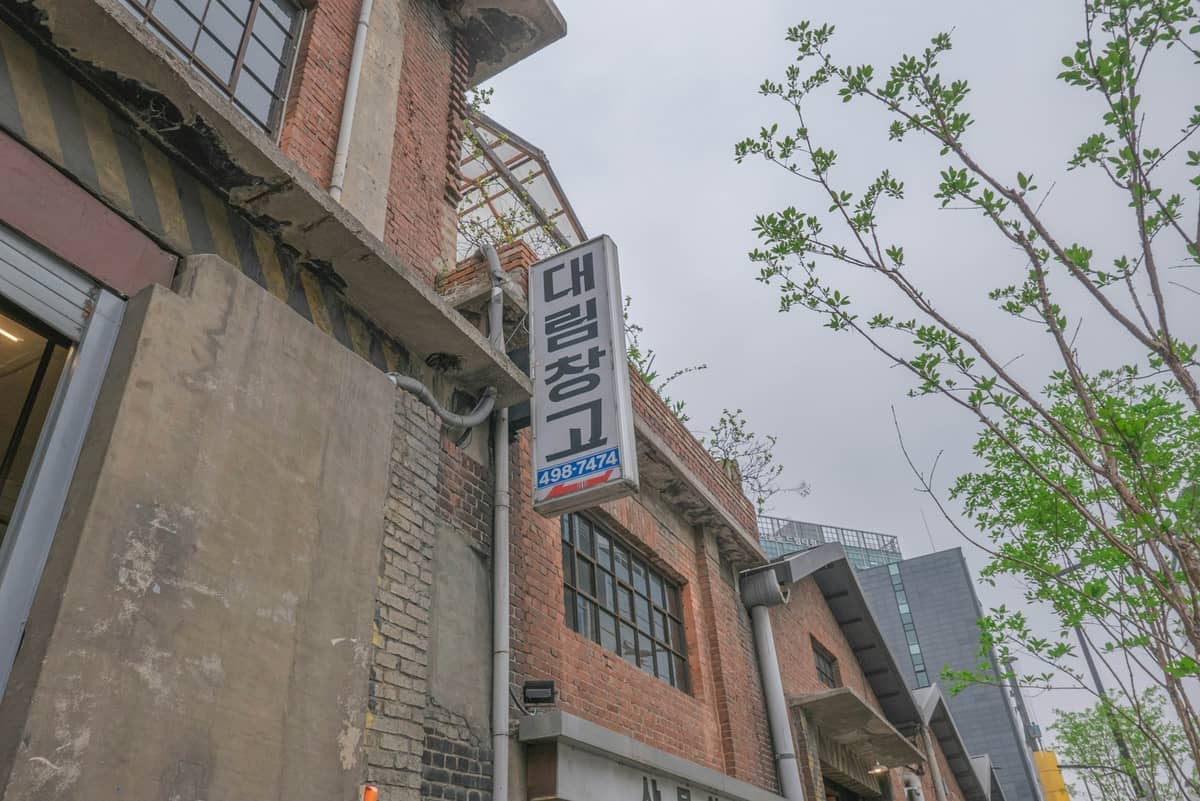
Once a working-class district of flour mills and handmade shoe workshops, Seongsu has transformed into one of Seoul's most talked-about creative quarters. Renovated factory spaces, independent concept stores, and a dense concentration of specialty cafés draw a young, design-conscious crowd to this north-bank neighborhood in Seongdong-gu. It rewards slow exploration on foot, and Seoul Forest sits at its western edge like a backyard that the whole city borrows.
Seongsu is eastern Seoul's answer to industrial-chic reinvention: old factory floors and cobbler workshops now house the city's most photographed cafés, K-fashion pop-ups, and independent concept stores. The neighborhood sits on the north bank of the Han River in Seongdong-gu, close enough to the center to be convenient but far enough east that it retains a quieter, more local texture than Hongdae or Myeongdong.
Orientation
Seongsu occupies a stretch of the Han River's north bank in Seongdong-gu, roughly between Ttukseom Station to the west and Seongsu Station to the east, with Seoul Forest nearby at the western end of the neighborhood. The area is commonly understood to cover Seongsu-dong 1-ga and 2-ga, and it sits near the Han River and Jungnangcheon Stream, giving it a slightly peninsular feel compared to other inner districts.
To the south, the Yeongdong Bridge and Dongho Bridge connect Seongsu to Gangnam and the Apgujeong-Cheongdam corridor. Cross either bridge and you step into a completely different Seoul: the polished commercial streetscapes of upmarket Gangnam-gu. That contrast is part of what makes Seongsu interesting. Its northern and eastern edges fade into older residential Seongdong-gu streets, quieter and less curated than the core café corridor.
The main commercial artery most visitors focus on is Yeonmujang-gil and its surrounding lanes, roughly between Seoul Forest Station and Seongsu Station. Think of Seongsu as a loose grid of low-rise industrial buildings intersected by narrow streets, rather than a single defined strip. For a broader sense of how Seongsu connects to the wider city, the getting around Seoul guide covers the subway network in detail.
Character & Atmosphere
Seongsu's identity is inseparable from its industrial bones. Walk down almost any back lane and you will still spot the remnants of what this area was: corrugated metal shutters, stacked shoe lasts in a doorway, a factory exhaust vent now painted over in pale concrete. The shoe industry was particularly concentrated here for decades, and while most of the workshops have closed or moved, a few artisan cobblers still operate alongside the coffee shops that replaced their neighbors.
Mornings in Seongsu are unhurried. The café crowd starts early but stays quiet. Specialty coffee shops open around 9 or 10 and fill steadily with people working on laptops or moving between shoots and meetings. The light in the morning falls through the large industrial windows that have been kept intact in many conversions, which is partly why the neighborhood photographs so well and why so many brand pop-ups choose it as a backdrop.
By the afternoon, the energy picks up considerably. Weekend afternoons in particular bring visitors from across Seoul, and the streets between Seoul Forest Station and Seongsu Station see real foot traffic from around 1 p.m. onward. Queues form outside the more popular cafés, especially those inside converted warehouses or with rooftop spaces. The mix on the street leans young: students, creative professionals, and a significant number of visitors from Japan and Southeast Asia who have tracked the neighborhood through social media.
After dark, Seongsu is quieter than Hongdae or Itaewon. There are bars and some evening dining, but this is not primarily a nightlife district. The streets calm down noticeably by 9 or 10 p.m. on weekdays. That quality cuts both ways: peaceful for those who want an early night, underwhelming for those looking for late-night energy.
💡 Local tip
Visit on a weekday if you want to walk Yeonmujang-gil without navigating crowds. Weekend afternoons, particularly on Saturdays between 1 and 4 p.m., see the heaviest foot traffic and the longest café queues.
What to See & Do
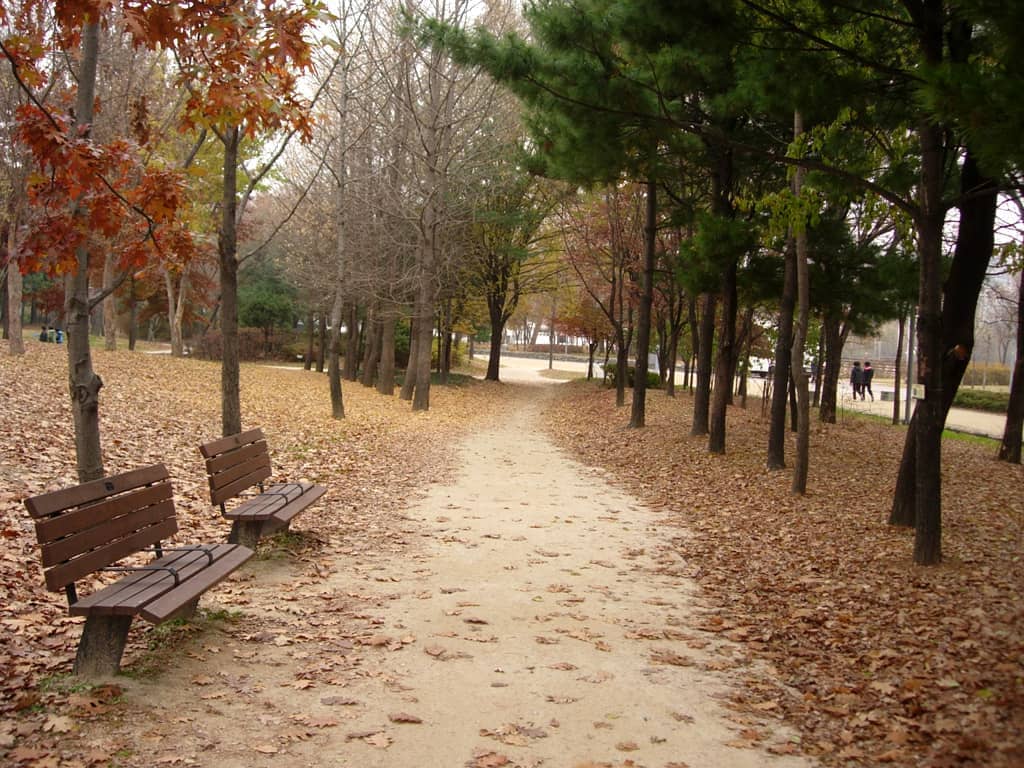
The single biggest draw in the area is Seoul Forest, a large urban park that opened in 2005 on land that was previously a horse-racing track and later an athletics facility. The park sits at the western edge of the Seongsu neighborhood, accessible via Seoul Forest Station on the Suin-Bundang Line or a short walk from Ttukseom Station on Line 2. It has a deer garden, wetlands ecology zone, insect greenhouse, and broad lawns popular with families, cyclists, and picnickers. Autumn brings some of the best foliage viewing in this part of the city.
Beyond Seoul Forest, the neighborhood's appeal is more about the texture of the streets than individual landmarks. Yeonmujang-gil and its connecting lanes reward wandering: concept stores, print studios, gallery spaces, and indie fashion boutiques occupy what were once machine shops and storage units. The architecture of these conversions ranges from minimal to theatrical, and part of the pleasure is simply noticing how each building has been handled.
The area beneath the Seongsu Bridge, locally called Under Seongsu, has been developed into an events and culture space built into the bridge understructure. It hosts markets, concerts, and pop-up exhibitions throughout the year, particularly on weekends from spring through autumn. Check local event listings before you visit, as programming is intermittent.
Seongsu has become Seoul's preferred venue for brand pop-up activations, particularly in K-beauty and K-fashion. KWANGYA SEOUL, the SM Entertainment flagship cultural space, reflects how the area has attracted major creative industry investment. Pop-ups appear and disappear quickly, so what you encounter on any given visit will depend heavily on timing. This unpredictability is part of the neighborhood's appeal for some travelers and frustrating for those who plan around specific venues.
Seoul Forest: urban park at the western edge of the neighborhood with deer garden, wetlands, and seasonal foliage
Yeonmujang-gil: the main commercial lane for independent shops, concept stores, and renovated factory cafés
Under Seongsu: the space beneath Seongsu Bridge, used for markets, concerts, and seasonal events
KWANGYA SEOUL: SM Entertainment's cultural flagship and one of the anchor points of the K-pop scene in the area
Artisan shoe workshops: a small number of traditional cobblers still operate in the area, a trace of the old industrial character
ℹ️ Good to know
Seongsu is one of Seoul's most active pop-up districts. Major Korean and international brands regularly open short-run stores here. Follow local Seoul lifestyle accounts or check Naver if you want to know what is currently running during your visit.
Eating & Drinking
Coffee is the organizing logic of Seongsu's food scene. The neighborhood has one of the highest concentrations of specialty and concept cafés in Seoul, most of them operating out of converted industrial spaces. High ceilings, exposed concrete, and natural light through old factory windows are common features. For travelers who want to understand Seoul's café culture more broadly, the Seoul café culture guide provides useful context on what distinguishes one type of café from another.
Beyond coffee, the dining scene covers a reasonable range of Korean and international options without being particularly deep in any one direction. You will find Korean rice bowl spots and noodle shops, some Japanese-influenced casual dining, and a handful of brunch-focused places that cater to the weekend crowd. Prices across the neighborhood trend slightly higher than comparable spots in older residential districts, reflecting the area's positioning as a creative and fashion destination rather than a local everyday neighborhood.
Street food in the classic Seoul sense is not the dominant mode here. You are less likely to find pojangmacha stalls or traditional market snacks than you would in Gwangjang or Dongdaemun. What Seongsu offers instead is a certain kind of composed casual eating: small plates, set lunch menus, and single-origin coffee served with care. It is a neighborhood for sitting down and taking your time rather than eating on the move.
For a more traditional Seoul eating experience in a nearby area, Gwangjang Market is accessible by a short subway ride from Seongsu Station on Line 2, heading west toward Euljiro. The contrast between the two experiences is striking and worth making deliberately.
Getting There & Around
Seongsu is well-connected by Seoul Metropolitan Subway. Seongsu Station (Line 2) sits at the center of the main commercial area and is the most direct stop for Yeonmujang-gil and the surrounding lanes. Line 2 connects directly west to Hongdae, City Hall, and the major central-Seoul interchange stations, making Seongsu genuinely easy to reach from almost any part of the city.
Ttukseom Station (also Line 2) provides another entry point, sitting slightly to the west near the Han River park access and Ttukseom Resort area. For Seoul Forest specifically, Seoul Forest Station on the Suin-Bundang Line is the most direct stop, placing you at the park entrance without needing to walk through the commercial streets. The Suin-Bundang Line connects northward to Wangsimni and southward toward Gangnam-area stations on its route.
The neighborhood is compact enough to explore entirely on foot once you arrive. From Seongsu Station to Seoul Forest Station is approximately a 15 to 20 minute walk along the main commercial corridor, passing most of the key streets along the way. Bicycles are available through Seoul's public bike share system (Ttareungyi) and are particularly useful for accessing the Han River park paths that run along the southern edge of the neighborhood.
Taxis and Kakao T are reliable options for arriving from other districts or reaching less walkable spots after dark. The neighborhood is on the east side of the Han River, so travel to and from Gangnam to the south is quick via bridge or by subway via the Suin-Bundang Line connecting to the Bundang line network.
💡 Local tip
Exit Seongsu Station via Exit 3 for the fastest access to Yeonmujang-gil and the main café and shop corridor. For Seoul Forest, take the Suin-Bundang Line to Seoul Forest Station rather than walking from Seongsu Station, especially if the weather is warm.
Where to Stay
Seongsu is not a primary hotel district, and accommodation options are sparser here than in central-Seoul neighborhoods like Myeongdong or Jongno. What exists skews toward boutique guesthouses, design hotels, and short-term rental apartments, reflecting the neighborhood's aesthetic and the type of traveler it attracts.
Staying in Seongsu makes most sense for travelers who prioritize the creative and café culture experience and are happy to commute to the major palace and museum sites to the west. Line 2 puts Hongdae and City Hall within easy reach, so the central city is accessible without the neighborhood feeling like a remote base. The area is also a reasonable base for anyone planning to spend time in the Seoul Forest parks or along the Han River.
For a wider view of accommodation options across the city and which districts suit which travel styles, the where to stay in Seoul guide compares neighborhoods in detail.
Practical Notes & Honest Drawbacks
Seongsu's reputation has grown faster than the neighborhood itself. The core café and shopping corridor is relatively compact, and if you arrive with a full-day itinerary you may find yourself done in a few hours. The area is best treated as a half-day or afternoon destination combined with Seoul Forest, rather than a standalone all-day trip.
The neighborhood is heavily shaped by social media popularity, which has a double edge. On one hand, the density of photographed spaces means it consistently delivers on visual appeal. On the other, it means that specific cafés and stores rise and fall in popularity quickly, queues at the most-shared spots can be genuinely long on weekends, and the experience can feel curated in a way that some travelers find shallow. If you are looking for authentic working-class Seoul streetlife, the older residential blocks to the north and east of the main corridor offer more of that, but Seongsu's commercial spine is self-consciously designed for consumption and browsing.
Seongsu is generally well-lit, pedestrian-friendly, and calm after dark. For general safety guidance across Seoul, the Seoul safety tips guide covers practical considerations applicable across the city.
⚠️ What to skip
Many of Seongsu's concept stores and pop-ups have irregular hours or close without notice. If you are traveling specifically to visit a particular shop or installation, confirm it is still operating before making the trip.
TL;DR
Seongsu is best suited to travelers with an interest in Korean design, fashion, café culture, and urban industrial architecture.
Plan for a half-day visit, combining the commercial corridor with Seoul Forest. It rarely justifies a full day on its own.
Weekday mornings offer the best experience: open streets, shorter queues, and a less performative atmosphere than weekend afternoons.
Transit access is excellent via Seongsu Station (Line 2) and Seoul Forest Station (Suin-Bundang Line), putting the rest of the city within easy reach.
Skip it if you prioritize traditional Seoul culture, historic sites, or nightlife. There are stronger neighborhoods for all three of those experiences.
Three days is enough to get a real feel for Seoul, if you plan by neighborhood instead of trying to crisscross the city. This itinerary covers historic Joseon-era Seoul, the commercial and cultural center, and the newer districts that define the city's contemporary identity, with practical logistics at every step.
Five days is enough to experience historic Seoul, its modern neighborhoods, and at least one compelling excursion beyond the city. This guide organizes each day by district to minimize transit time, with a clear take on what's worth it and what isn't.
Seoul has a deep museum scene, from Korea's vast national collection in Yongsan to cutting-edge contemporary art spaces and sobering historical sites. Whether you have a day or a week, these are the essential museums to put on your itinerary.
Seoul rewards visitors differently depending on the season. Spring brings cherry blossoms and mild temperatures, autumn delivers golden foliage and clear skies, summer is hot and monsoon-affected, and winter is cold but cheap. Here is exactly what to expect, month by month.
Seoul rewards those who look up, climb high, and stay out past sunset. This guide covers the city's finest panoramic viewpoints — from paid observation decks at record-breaking towers to free hilltop parks where locals gather at dusk to watch the city lights come on.
Bukhansan National Park sits inside Seoul's city limits yet delivers genuine mountain terrain, granite ridges, and a 836-meter summit. This guide covers the best trails, transit access, seasonal closures, and practical tips for first-timers and returning hikers alike.
Seoul's location in northwestern South Korea makes it a surprisingly strong base for day trips. From UNESCO fortresses reachable by subway to ancient capital cities served by KTX, this guide covers the best options with honest travel times, costs, and seasonal advice.
The Demilitarized Zone is one of the most visited sites in South Korea, yet most travelers arrive underprepared. This guide covers tour types, current prices, booking logistics, what you'll actually see, and the honest drawbacks before you commit.
Seoul is one of the most rewarding cities in the world to explore on a tight budget. From UNESCO-listed palaces and ancient city walls to world-class museums and sprawling riverside parks, an enormous amount of what makes Seoul great costs absolutely nothing to experience.
Seoul has one of the most efficient urban transit networks in the world, covering virtually every corner of the city by subway and bus. This guide breaks down fares, card options, airport connections, and the practical details that make the difference between a smooth trip and an expensive mistake.
Gwangjang Market is one of Seoul's oldest and most celebrated food destinations, known for bindaetteok, mayak gimbap, and raw beef yukhoe. This guide covers every dish worth ordering, how much to pay, when to go, and how to navigate the market like someone who has been there before.
Renting a hanbok in Seoul is one of the most photogenic things you can do in the city, and it costs less than a decent lunch. This guide covers where to rent, how much to pay, what to expect, and how to get the most out of your few hours in traditional dress.
Seoul preserves several distinct hanok districts, each with its own character. This guide covers the main options, practical logistics, seasonal crowd patterns, and a clear picture of what to expect before you visit.
Seoul rewards curious travelers who look past the obvious. This guide covers the city's lesser-visited neighborhoods, transformed industrial spaces, street art villages, and local markets — with practical logistics, seasonal advice, and a clear take on what's worth your time.
Seoul is one of the few world capitals where you can summit a real mountain, walk a 600-year-old fortress wall, and be back in the city for dinner. This guide covers the best trails for every level, from challenging granite peaks to gentle hilltop park strolls.
Seoul's jjimjilbangs are far more than bathhouses. They are all-hours social institutions where locals come to soak, sweat, eat, sleep, and decompress. This guide covers how they work, what everything costs, the unwritten rules of etiquette, and how to make the most of your visit whatever the season.
Seoul is the global epicenter of skincare innovation, and shopping for beauty products here is a genuinely different experience from buying Korean brands abroad. This guide covers the best stores, the smartest districts, what to prioritize buying, and how to avoid the common traps that leave tourists overpaying at airport duty-free.
Korean BBQ in Seoul is one of the city's defining food experiences, but navigating it well takes more than just showing up hungry. This guide covers the best restaurants by type, how to order confidently, what everything costs, and the etiquette mistakes that mark out first-timers.
Seoul is the undisputed capital of K-pop, but knowing where to actually go matters more than the hype suggests. This guide covers free landmarks, fan-friendly museums, live show recordings, shopping districts, and bookable experiences — with a clear take on what's worth your time.
From palatial five-star hotels in the historic north to slick Gangnam towers, this guide covers where to stay, eat, and spend at the top end — with a clear take on what's special and what's just expensive.
Seoul nightlife runs later, harder, and more diversely than almost any other city in Asia. From Hongdae's student club strips to Gangnam's bottle-service mega-clubs and Itaewon's underground electronic scene, this guide breaks down every major district, what to expect, and how to navigate a night out without the rookie mistakes.
Noraebang are private karaoke rooms at the heart of Seoul's nightlife culture. This guide covers the difference between coin and standard noraebang, where to find the best venues, what to expect, and how to get the most out of the experience without overpaying.
Seoul preserves five Joseon-era royal palaces within its city limits, each with a distinct character and history. This guide covers all five in depth, plus the essential sites, shrines, and neighborhoods that complete a palace-focused visit to the city.
Seoul's café scene is one of the most developed in Asia, divided across distinct neighborhoods where each district has its own personality. This guide breaks down the best coffee districts and concept cafés by area, with honest advice on timing, crowds, and what to actually order.
Seoul offers far more romantic depth than its reputation for K-pop and street food suggests. This guide covers the best things to do in Seoul for couples, from iconic landmarks and scenic parks to low-key neighborhood strolls, with seasonal advice and practical logistics throughout.
Autumn is widely considered the best time to visit Seoul, with crisp temperatures, golden ginkgo avenues, blazing maple trails, and a packed cultural calendar. This guide covers peak foliage timing, the top spots to see autumn color, seasonal festivals, practical logistics, and what most visitors overlook.
Spring is Seoul's most photogenic season, with cherry blossoms peaking in early April and festivals filling the city's parks and riversides. This guide covers bloom timing, the best viewing locations, what the weather is really like, and how to plan around the crowds.
Seoul winters are cold, dry, and genuinely rewarding for travelers who come prepared. From palace snow views to late-night pojangmacha street food, this guide covers everything you need to know about visiting Seoul from December through February.
Seoul's market scene spans centuries and neighborhoods, from ancient covered halls serving mung bean pancakes to weekend flea markets spilling out under highway overpasses. This guide covers the best traditional, flea, and night markets in the city, with practical details on what to buy, what to eat, and when to go.
Seoul is far more affordable than most people expect. This guide breaks down real daily costs, the cheapest ways to get around, where to eat well for under ₩10,000, and which world-class attractions cost nothing at all.
Seoul ranks among the safest major cities in the world for international visitors, but that does not mean zero risks. This guide covers emergency contacts, common scams, neighborhood dynamics, seasonal hazards, and practical precautions so you can travel confidently in Seoul Special Metropolitan City.
Seoul's street food scene is one of the best reasons to visit the city. This guide breaks down the top markets, the snacks worth lining up for, what things actually cost, and the practical details that most guides skip.
Seoul holds a remarkable concentration of sacred sites within its modern boundaries. This guide covers the city's finest Buddhist temples, Confucian shrines, shamanist sites, and other places of spiritual significance — from the lantern-lit courtyards of central Jogyesa to the granite ridges of Inwangsan.
The Seoul to Busan corridor is one of the most-traveled routes in South Korea. This guide breaks down every realistic option, from the KTX high-speed train to intercity buses and flights, with fares, journey times, and practical booking advice.
Seoul is one of Asia's most practical cities for family travel, with a deep mix of free outdoor parks, indoor rainy-day backups, cultural experiences, and full-day theme parks. This guide covers the top family activities across every age group, with real advice on pricing, crowd timing, and seasonal planning.
Seoul's shopping scene is one of the most varied in Asia, spanning underground mega-malls, centuries-old traditional markets, and indie streetwear boutiques. This guide breaks down every major district by what you'll actually find there, how much to spend, and when to go.
Seoul rewards first-time visitors and repeat travelers equally. This guide covers the city's essential experiences across history, food, neighborhoods, and nature, with practical details on costs, timing, and what to skip.
Seoul is one of the world's great eating cities, and knowing what to order makes all the difference. This guide covers the essential Korean food you need to try, from market snacks under ₩5,000 to slow-cooked soups worth planning your day around.
Choosing where to stay in Seoul shapes your entire trip. This guide breaks down the top neighborhoods by traveler type, covering transit access, hotel options, price ranges, and the trade-offs so you can pick the right base before you book.