Noraebang in Seoul: How to Experience Korean Karaoke Like a Local
Noraebang are private karaoke rooms at the heart of Seoul's nightlife culture. This guide covers the difference between coin and standard noraebang, where to find the best venues, what to expect, and how to get the most out of the experience without overpaying.
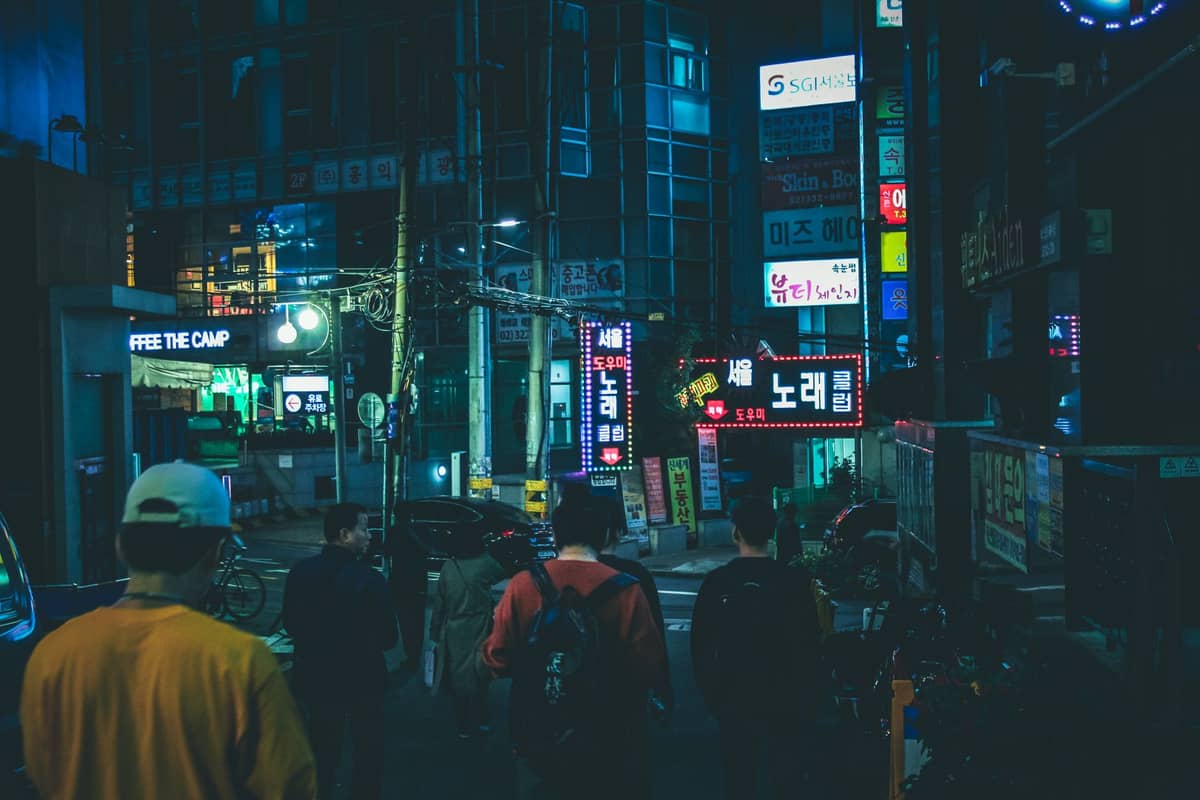
Plan and book this trip
Tools from our partner Travelpayouts help you compare flights and hotels. If you book through them, we may earn a commission at no extra cost to you.
Flights
Hotels map
TL;DR
- Noraebang are private karaoke rooms rented by the hour, not public stages — your group sings alone in its own room.
- Coin noraebang charge around ₩500 per song; standard rooms cost ₩15,000–40,000/hour depending on size — see Seoul's nightlife guide for context on how noraebang fits into a night out.
- No reservation needed — most venues are walk-in. Coin noraebang are often available 24/7 in central districts.
- The best districts for noraebang are Hongdae and Sinchon, with options ranging from student-budget booths to polished private lounges.
- Noraebang are genuinely good fun even if you can't sing — that's the entire point of the private room format.
What Noraebang Actually Are (And What They're Not)
The word noraebang (노래방) translates literally as 'singing room.' Unlike Western karaoke bars where you perform in front of a crowd of strangers, noraebang give you a private room with a microphone, a song catalog, a TV screen, and a tambourine or two — and you share that room only with your own group. This format is the norm across South Korea, not an exception to it. Walk through any nightlife district in Seoul after 10 PM and you will pass multiple noraebang within a single block.
The private room setup removes the social anxiety that most people associate with karaoke. There is no audience to impress and no judgment from strangers. Groups of friends, work colleagues, and even solo visitors use noraebang as a form of stress release that is taken seriously in Korean culture. It is common for locals to go multiple times a month, particularly after late-night dining or drinking.
ℹ️ Good to know
Noraebang are categorized differently from 'booking clubs' or entertainment venues that serve alcohol with staff present. Standard noraebang do not provide hosts or servers — they are self-contained rooms you rent. Some upscale venues do serve drinks through an in-room ordering system, but the core product is always the room itself.
Coin Noraebang vs. Standard Noraebang: Which Should You Choose?
Seoul's noraebang scene splits into two distinct formats, and knowing the difference will save you time and money. Coin noraebang (코인노래방) are compact booths, often just two seats wide, where you pay per song rather than per hour. The standard rate is around ₩500 per song, with bundle deals such as 3 songs for ₩1,000 at some venues. The machines are self-service, no staff interaction is required, and most locations are open around the clock. These are ideal if you are alone, want to practice a specific song, or only have 20 minutes to spare.
Standard noraebang rooms are larger, accommodate groups of 2 to 10 or more people, and are rented by the hour. A small room typically runs ₩15,000–25,000 per hour; a medium room for 4–6 people usually costs ₩25,000–40,000 per hour. Most venues will add on drinks (beer, soju, or non-alcoholic options) at additional cost. Many venues operate from late morning until around 5 AM, which makes them a natural landing spot after the Seoul subway closes at midnight.
- Coin Noraebang Best for solo visitors or small groups on a tight schedule. Pay per song (around ₩500). Open 24/7. No staff, fully self-service. Booths are small — not suited for groups larger than 2.
- Standard Noraebang (Private Room) Best for groups of 3 or more. Rented by the hour at ₩15,000–40,000 depending on room size. Many offer drinks and snacks. Open until approximately 5 AM.
- Upscale / Theme Noraebang Found in Gangnam and premium entertainment districts. Higher production value — better sound systems, mood lighting, premium drink menus. Prices vary significantly and can exceed ₩50,000/hour for larger rooms.
💡 Local tip
If you are a solo traveler who wants to experience noraebang without committing to a full hour, coin noraebang in Hongdae are the most straightforward option. Look for basement-level signs with 코인노래방 in bright lettering — they are common along the main streets near Hongik University station.
Where to Find the Best Noraebang in Seoul
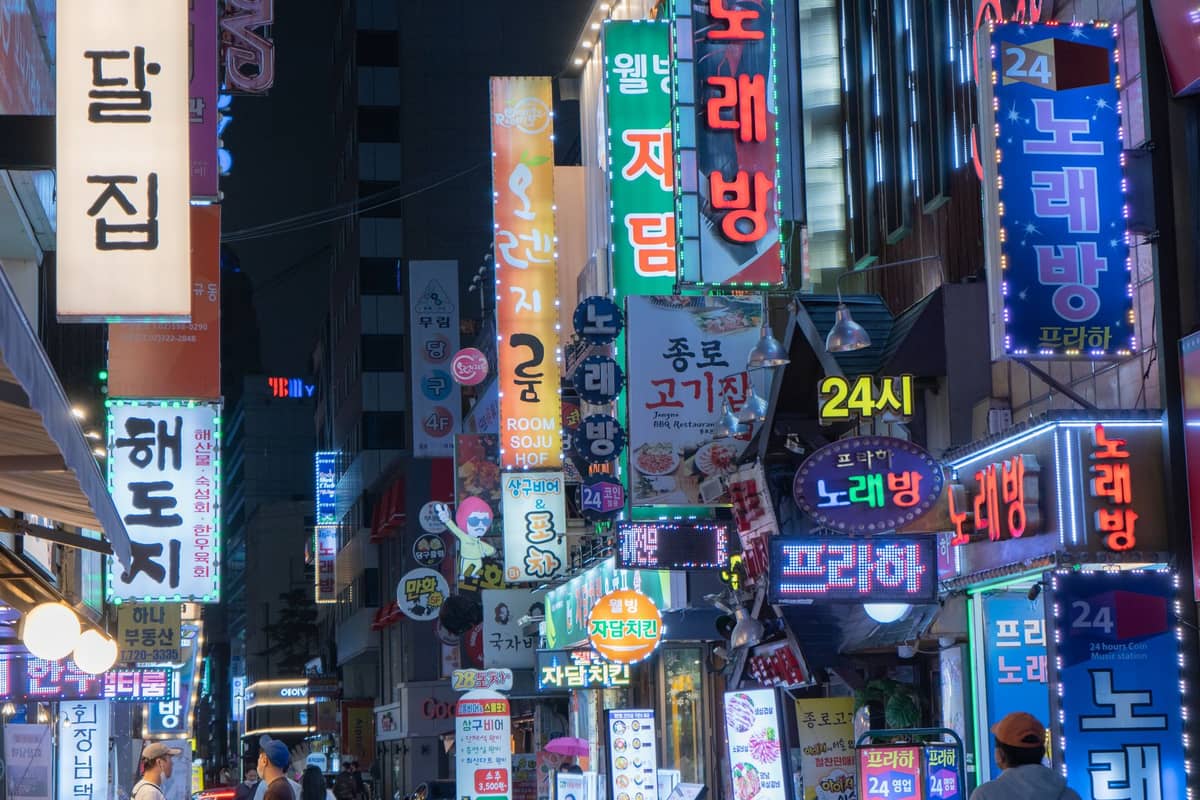
Noraebang are distributed across the entire city, but certain districts have higher concentrations and better-quality venues. HongdaeHongdae is the most visitor-friendly option: it is dense with both coin and standard noraebang, stays busy until dawn, and caters to a young, international crowd. The streets around Hongik University Station (Line 2) are lined with noraebang at every price point.
Sinchon, a short walk from Hongdae, is slightly more student-oriented and often cheaper. Konkuk University (건대입구) on Line 2 is another strong option, especially if you are staying in the eastern part of the city. For a more polished experience, GangnamFor a more polished experience, Gangnam has upscale noraebang venues around Gangnam Station and Apgujeong that are quieter, better soundproofed, and attract an older professional crowd. Expect to pay a premium.
If you are exploring Insadong or Jongno, there are noraebang nearby, but the concentration is lower than in the student districts. Itaewon has some English-friendly venues that cater to the international crowd, though the scene there is smaller than Hongdae. In general, follow the university districts for volume and value.
How a Noraebang Session Works: Step by Step
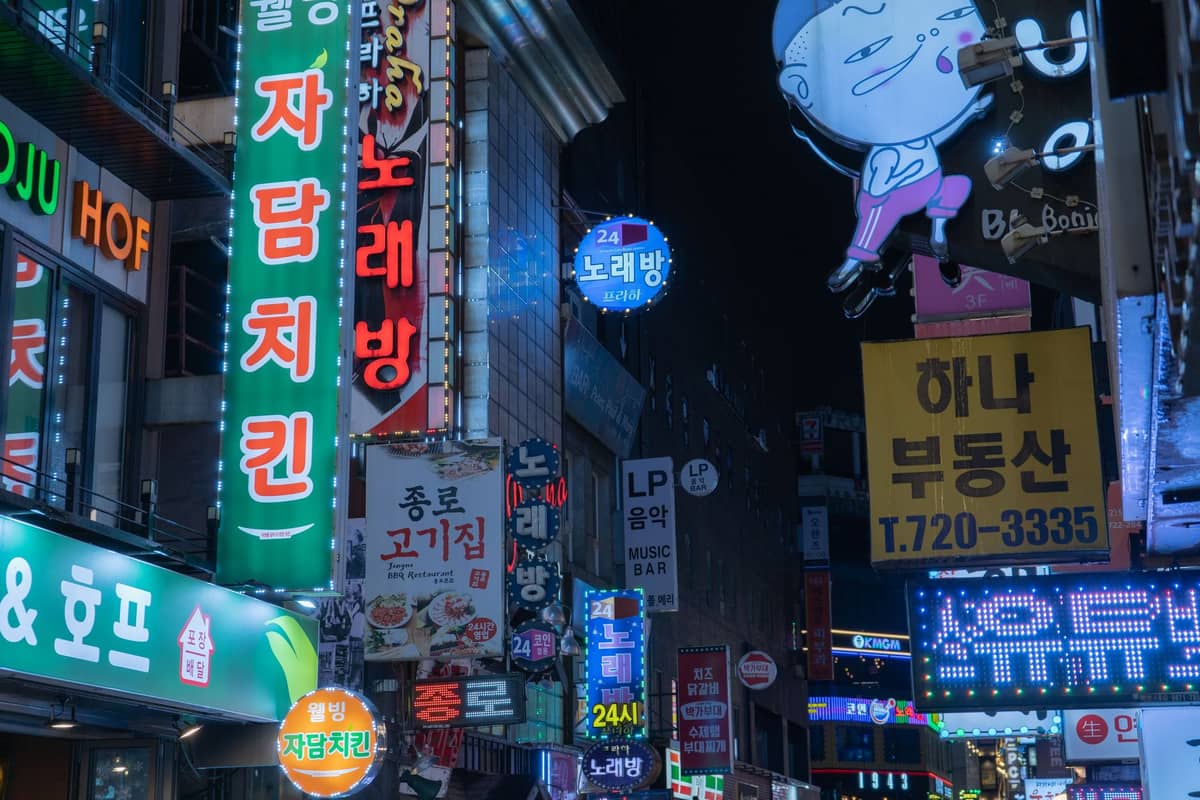
Walk in, tell the staff how many people are in your group, and they will assign you a room and quote you an hourly rate. You usually pay at the start of your session or at the end, depending on the venue. Payment in cash (Korean won) is standard, though many venues now accept cards. The staff will show you to your room, and from that point on you are largely on your own.
Inside the room you will find a touchscreen or tablet interface for browsing songs. Korean-language tracks dominate the catalog, but most noraebang in tourist-heavy districts carry extensive English, Japanese, and Chinese song libraries. Search by artist name or song title. Queue up your songs and the lyrics scroll on screen as the backing track plays. The room has its own volume controls, a microphone for each person, and usually a tambourine for the person who is not currently singing.
- Arrive as a group — rooms are priced per hour, not per person, so the more friends you bring, the better the value.
- Use the extra time button if you want to extend your session: a staff member will usually knock or you can call through the in-room phone.
- Tambourines are not optional social props — locals use them constantly. Join in.
- Song catalogs are searchable by Korean, English, or romanized text. Don't rely solely on Hangul if your Korean reading is limited.
- Drinks ordered through the room system are typically marked up compared to nearby convenience stores. Bring your own if the venue allows it, or drink beforehand.
⚠️ What to skip
Some venues in tourist areas charge significantly more than the standard rates listed here. If a staff member quotes you a price that seems unusually high before you enter the room, it is reasonable to walk out and try the next venue on the same street. Hongdae alone has dozens of options within a few minutes' walk.
Noraebang Etiquette and Cultural Context
The private room format means there is very little formal etiquette to worry about compared to public karaoke. Shouting, dancing on the furniture, and singing completely off-key are all standard. That said, some context helps. Noraebang are a legitimate leisure institution in Korean culture, not simply a novelty for tourists. They function as a social equalizer: the boss sings alongside the intern, the shy person finally lets loose, and nobody is judged for song choice.
Tipping is not customary in South Korea, including at noraebang. Do not tip staff. Payment is straightforward and there are no hidden service charges beyond the room rate and any drinks you order. For a broader look at navigating Korean social customs, the Seoul safety and etiquette guide covers the basics worth knowing before your first night out.
One practical note: noraebang sessions can run long. What feels like 30 minutes is often 2 hours. If you are on a schedule, set a reminder before you start. Korean groups routinely book 3-hour sessions on weekends, and the venue staff will not push you out at the end of your booked time without checking if you want to extend.
Practical Details: Prices, Hours, and When to Go
Noraebang fit naturally into Seoul's late-night rhythm. The Seoul Metro closes between midnight and 1 AM depending on the line, which leaves a gap until first trains at around 5:30 AM. Noraebang fill that gap perfectly, which is why they operate until 5 AM or later. For a full breakdown of how to move around the city at night, see the guide to getting around Seoul.
Peak hours are Friday and Saturday nights from around 11 PM to 2 AM. During peak periods, popular venues in Hongdae can have short waits for rooms, particularly for larger groups. Arriving before 10 PM or after 2 AM will usually mean you walk straight in. Weeknight noraebang sessions are quieter and sometimes cheaper — some venues offer discounts before 8 PM or after 4 AM.
Noraebang are genuinely year-round. Unlike outdoor activities that are subject to Seoul's cold winters or rainy summers, a noraebang session is entirely indoors and temperature-controlled. They work as well on a January night at -5°C as on a humid August evening. If you are planning around Seoul's seasons, check the best time to visit Seoul for how weather affects other parts of your itinerary — noraebang will not be a factor.
- Coin noraebang: approximately ₩500/song, bundles from ₩1,000 for 3 songs. Open 24/7 in major districts.
- Small standard room (2–4 people): approximately ₩15,000–25,000/hour.
- Medium standard room (4–6 people): approximately ₩25,000–40,000/hour.
- Upscale venues in Gangnam: prices vary, often ₩40,000–60,000+/hour for larger rooms.
- No reservation required at standard venues. Walk-in only at coin noraebang.
✨ Pro tip
If your group is 6 or more, check whether the venue charges per room or per person. Most charge per room by the hour, which makes larger groups significantly better value than a small pair. Split a 2-hour session between 8 people in Hongdae and your per-person cost can come in under ₩5,000.
FAQ
Do I need to speak Korean to use a noraebang in Seoul?
No. Most noraebang in tourist and university districts have English song catalogs and some staff with basic English. The song search interface is usually available in English or accepts romanized text. You should still know the phrase 'noraebang' (노래방) to ask for directions or identify the venue type on signage.
Are noraebang safe for solo travelers or women visiting alone?
Standard noraebang are very safe. You are in a private, locked room with your group. Coin noraebang booths are also generally safe, as they are in public commercial spaces with staff present. The broader nightlife districts are well-lit and heavily trafficked. Basic awareness applies, as it does anywhere at night, but noraebang specifically are a low-risk environment.
What is the difference between a noraebang and a karaoke bar in Korea?
In South Korea, 'karaoke bar' usually refers to a venue with a stage or open area where you sing publicly, which is the Western format. Noraebang are the Korean standard: private rooms rented by the hour. The distinction matters because the experience is completely different. Most venues in Seoul are noraebang, not public karaoke bars.
Can you bring your own food and drinks to a noraebang?
Policies vary by venue. Some allow outside snacks but not alcohol; others are fine with both. Many standard noraebang sell drinks in-house and prefer you order from them. Coin noraebang booths generally do not have drink service. When in doubt, buy snacks from a nearby convenience store and ask before bringing them in.
How long should I book a noraebang room for?
For a first visit, book one hour and see how the group responds. Most groups end up extending. Two hours is the sweet spot for a relaxed session with 4–6 people. If you arrive late in a large group planning to stay until the subway opens, 3 hours is common. You can always extend at the end of your booked time by asking staff or using the in-room extension button.