Seoul Safety Guide for Travelers: What You Actually Need to Know
Seoul ranks among the safest major cities in the world for international visitors, but that does not mean zero risks. This guide covers emergency contacts, common scams, neighborhood dynamics, seasonal hazards, and practical precautions so you can travel confidently in Seoul Special Metropolitan City.
Plan and book this trip
Tools from our partner Travelpayouts help you compare flights and hotels. If you book through them, we may earn a commission at no extra cost to you.
Flights
Hotels map
TL;DR
- Seoul is statistically very safe: violent crime against tourists is rare, and the U.S. State Department currently rates South Korea at its lowest advisory level.
- Core emergency numbers: 112 (police), 119 (fire/ambulance), 1339 (medical help for international visitors), 1330 (24/7 multilingual tourism hotline). Save them before you land.
- The most realistic risks are petty theft in crowded areas, taxi fare disputes, and phone or messaging scams — not violent crime.
- Google Maps navigation is unreliable in Seoul for transit routing; download KakaoMap or Naver Map before arrival.
- Seasonal hazards matter: summer monsoon rains (June–July) and icy winter sidewalks (December–February) are practical safety concerns. Check the best time to visit Seoul for full seasonal context.
How Safe Is Seoul, Really?
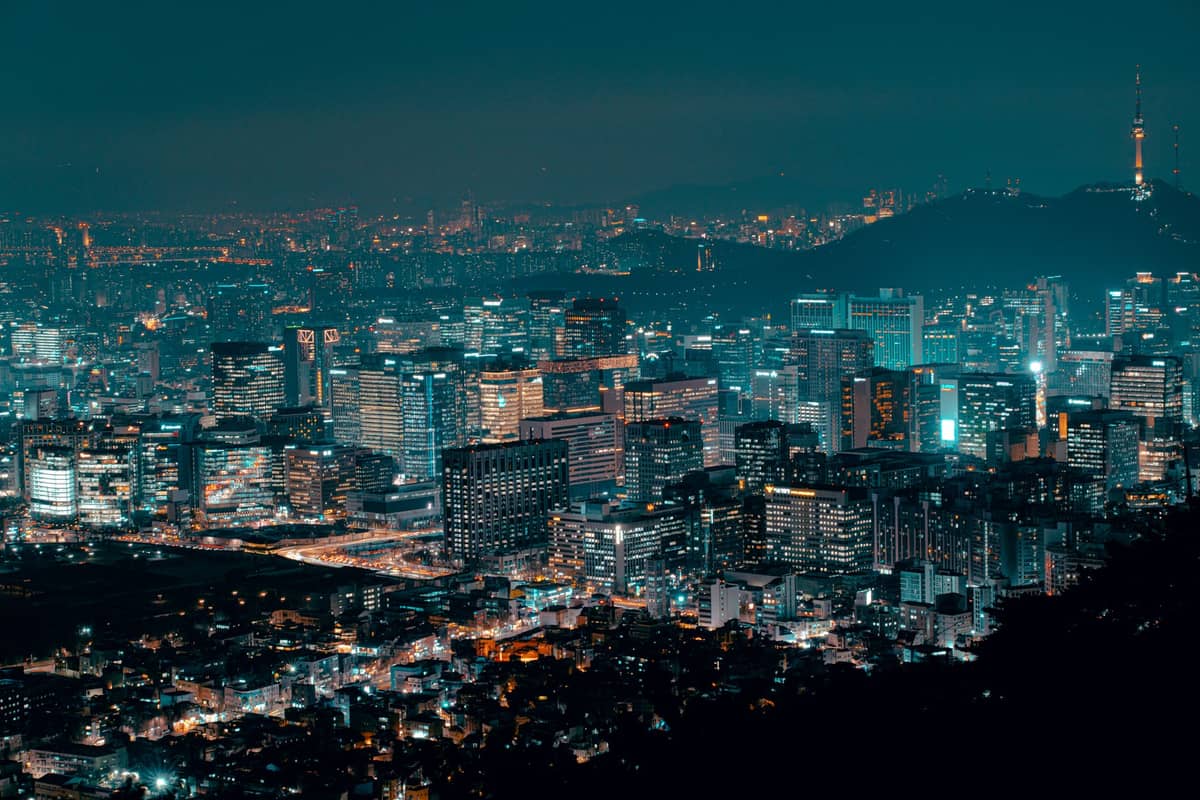
Seoul Special Metropolitan City, home to around 9.6 million residents across 605 square kilometers, consistently ranks among the safest large cities in Asia. The U.S. State Department currently places South Korea at Level 1 (Exercise Normal Precautions), its lowest possible advisory tier. Property crime and violent crime rates targeting tourists are low by global standards, and the city maintains a visible police presence in major tourist districts, transit hubs, and around key landmarks.
That said, low crime does not mean no crime. Seoul receives many visitors annually, which creates the usual conditions for opportunistic minor offenses: crowded subway cars, festival grounds, and night markets are the most common environments where pickpockets operate. The city also has a real problem with phone and messaging scams targeting both residents and visitors. Understanding where the actual risks lie makes a much bigger difference to your trip than general anxiety about a city that is, frankly, safer than many capitals in Europe or North America.
ℹ️ Good to know
Emergency numbers to save before arrival: 112 (police), 119 (fire and ambulance), 1339 (medical assistance for international visitors, multilingual), 1330 (Korea Tourism Organization hotline, available 24/7 in English, Chinese, and Japanese). U.S. citizens can also reach the U.S. Embassy Seoul at +82-2-397-4114.
The Real Risks: What Travelers Actually Encounter
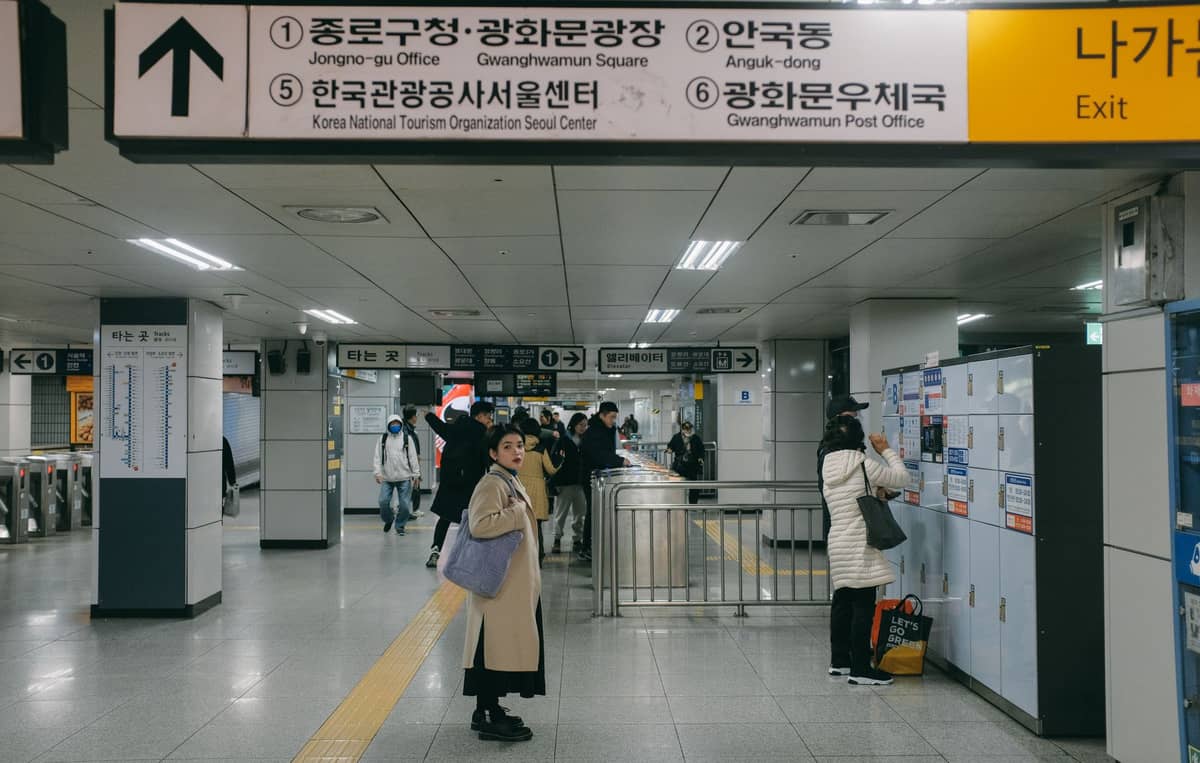
Petty theft is the most common issue visitors report. Packed subway lines — Line 2 through Hongik University Station on a Friday night, or any central line during rush hour — create opportunities for bag dipping and phone snatching. Keep phones in front pockets or zipped bags rather than placing them on café tables or hanging out of back pockets. The risk is not dramatically higher than in other major cities, but it does exist.
Taxi disputes come second. Most Seoul taxi drivers are honest, but there are well-documented cases of foreign visitors being taken on longer routes, especially late at night in the Itaewon and Hongdae areas. Always use the Kakao T app to hail a cab and verify the route on your phone, or confirm the destination in writing before getting in. If a driver claims the meter is broken, get out. Standard taxis are clearly marked and metered; avoid anyone who approaches you proactively outside the airport or major stations.
- Phone and messaging scams Calls or texts claiming to be from Korean banks, immigration authorities, or delivery services asking for personal or financial information. Hang up immediately. Korean government agencies do not request banking details over unsolicited calls.
- Overpriced tourist-area restaurants Not illegal, but restaurants in Myeongdong and around major palace gates sometimes present menus without prices. Always check the menu price before ordering.
- Unsolicited tour guides Individuals near Gyeongbokgung Palace or Bukchon who offer private tours without any credentials. Use official licensed guides or book through established operators.
- Counterfeit goods Sold openly in some market areas. Purchasing counterfeit items is technically illegal in South Korea and could lead to confiscation at customs on departure.
⚠️ What to skip
The 1+1 drink scam: In certain nightlife areas, venues advertise deals that result in an enormous bill. If a bar or club does not display prices clearly at the entrance, ask before you order. This is most reported in areas targeting foreign visitors near clubs and hostess bars — not mainstream venues frequented by locals.
Neighborhood Safety: District-by-District Overview
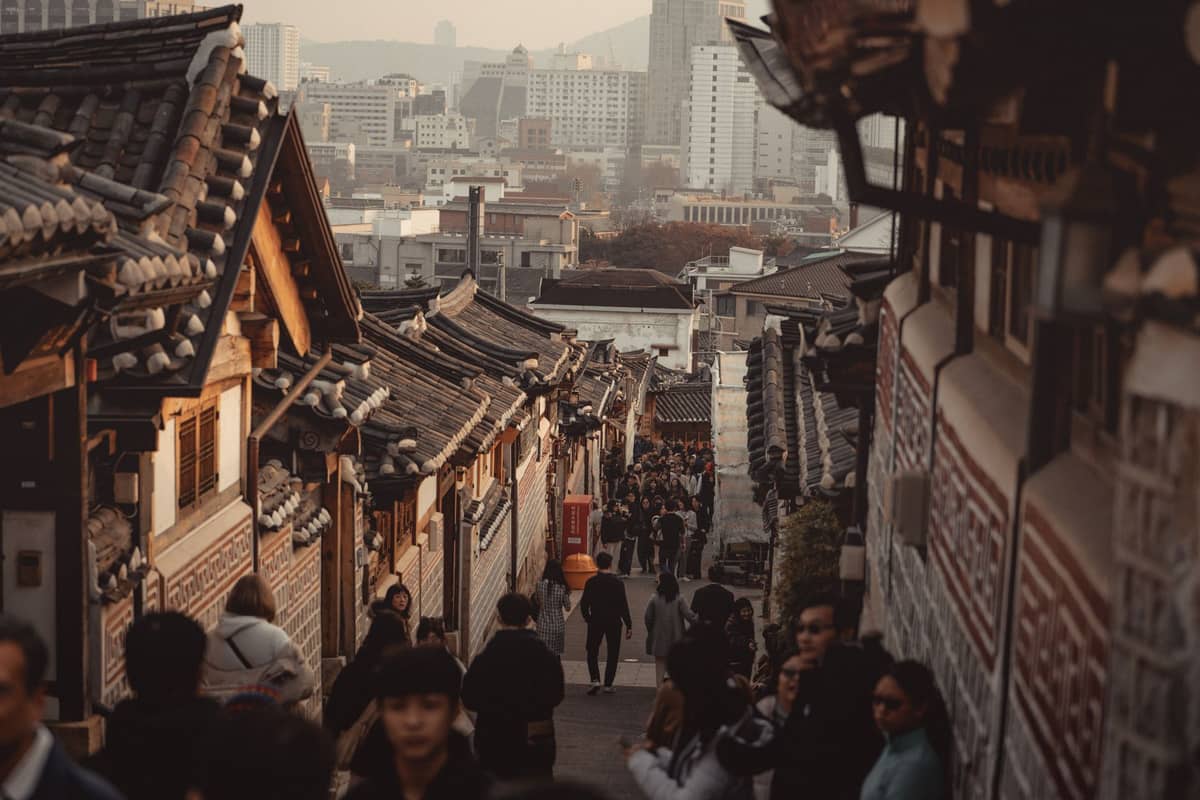
Seoul's neighborhoods vary considerably in character, and that affects the type of precautions worth taking. The historic core around Jongno and Bukchon is among the most relaxed areas for tourists: it is quiet after dark, well-lit, and close to major government buildings with corresponding security presence. The traditional lanes around Bukchon Hanok Village are calm and residential — the main issue there is actually respecting local residents rather than personal safety.
Myeongdong and Jung-gu are busy with tourists around the clock, which means more opportunities for petty theft but also more police visibility. Itaewon has a more international nightlife scene and has historically had more incident reports than other districts, particularly late at night on weekends. Exercise more caution here after midnight: stick with groups, keep your belongings secured, and prebook your taxi home rather than hailing one on the street.
Hongdae is Seoul's main university nightlife district and is generally safe, but the combination of large crowds, alcohol, and narrow streets means you need to watch your belongings closely. Gangnam is upmarket, well-policed, and lower-risk across the board. Seongsu and Yeouido are quieter districts where the primary concern is simply navigating traffic safely as a pedestrian.
✨ Pro tip
Seoul's street lighting is generally excellent, and the city's extensive CCTV network is one of the densest in East Asia. Walking alone at night in most central districts carries far lower risk than in comparable global cities. The exception is poorly lit alley areas (골목) in residential neighborhoods well outside tourist routes late at night — use standard urban awareness.
Getting Around Safely: Transport Practical Guide
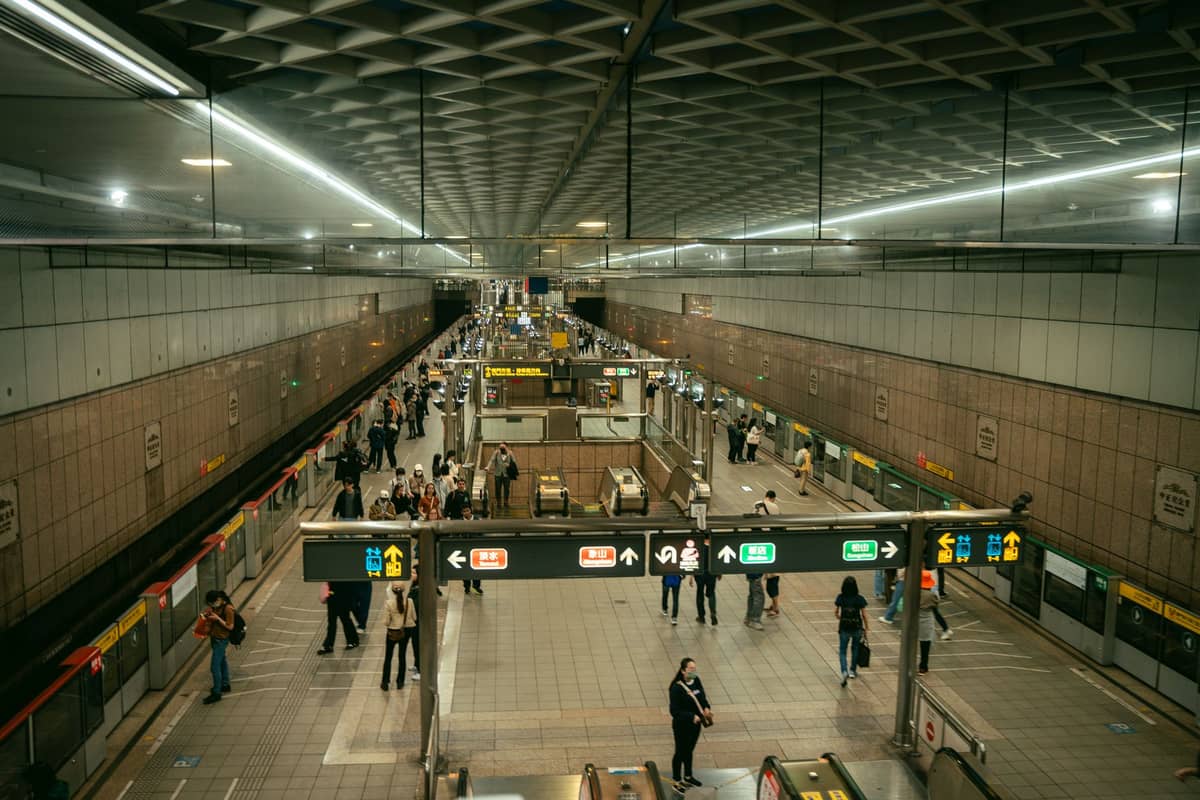
The Seoul Metropolitan Subway is safe, reliable, and clean. Lines run until around midnight (some routes slightly later), and stations have good English-language signage. For full transit strategy, see the getting around Seoul guide. The key safety note for first-time visitors: Google Maps frequently fails to provide accurate transit directions in Seoul due to Korean data restrictions. Download KakaoMap or Naver Map before leaving home.
For airport transfers from Incheon International Airport (roughly 50–60 km west of central Seoul), the AREX (Airport Railroad Express) to Seoul Station is the safest and most predictable option: fixed fare on the direct train, no traffic delays, about 43 minutes on the direct train. Airport limousine buses serve specific hotel zones and are also legitimate and reliable. Avoid unlicensed taxi touts inside the arrivals hall; official metered taxis are available at designated stands outside.
- Use Kakao T app for all taxi bookings — it logs the trip and driver details automatically
- On the subway, keep bags on your lap or in front of you during peak hours
- Pedestrian crossings in Seoul are enforced, but drivers turning through crossings are a real hazard — wait for traffic to stop fully before crossing
- E-scooters are widely available but have caused significant pedestrian accidents on narrow footpaths; ride defensively and check local zone rules
- If you are arriving or departing late at night, pre-book your transfer — last subway trains before midnight can leave you stranded far from accommodation
Seasonal Hazards and Environmental Safety
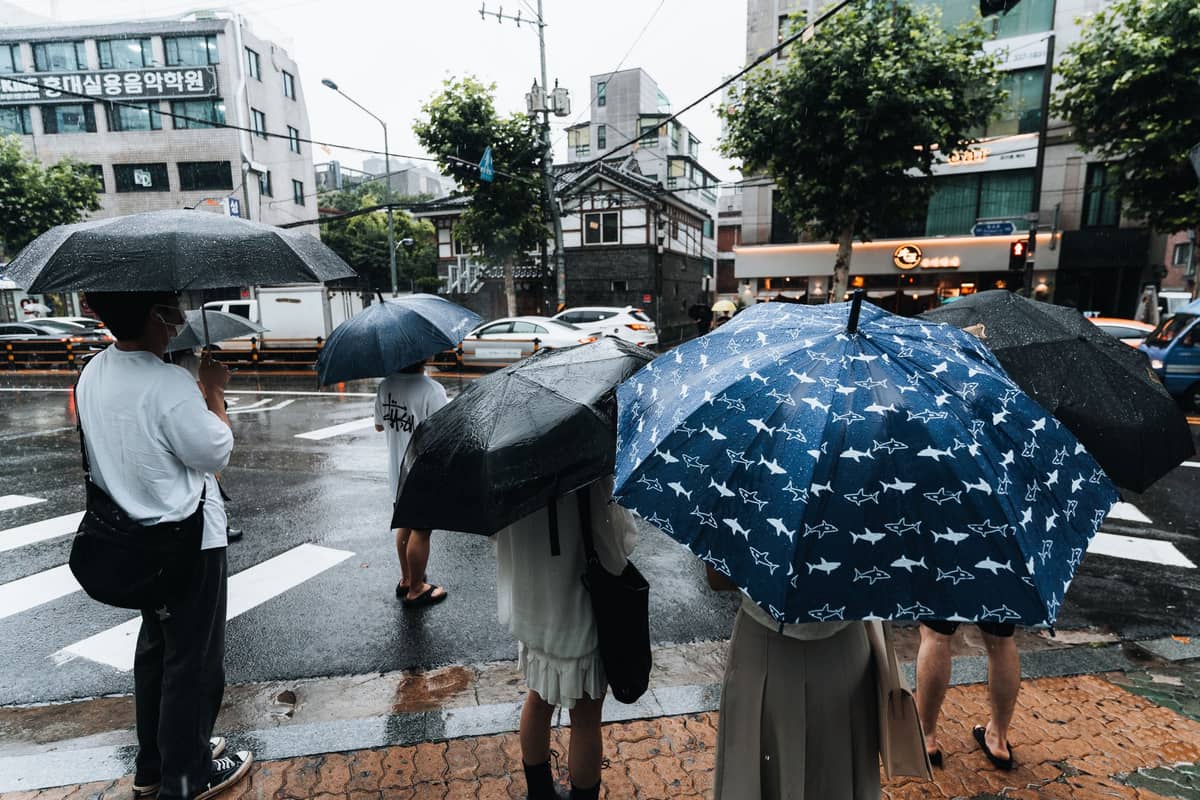
Seoul's climate introduces genuine seasonal safety considerations beyond just comfort. The summer monsoon season, called jangma, typically runs from late June through July and brings extended heavy rainfall. Flash flooding in low-lying underpasses, slippery outdoor staircases on hillside neighborhoods like Naksan Park, and reduced visibility for drivers are all real concerns. Carry a compact umbrella rather than relying on ponchos, check KMA (Korea Meteorological Administration) forecasts daily, and avoid hiking in the mountains during active rain warnings.
Winter in Seoul (December through February) brings temperatures that regularly drop below 0°C, and untreated sidewalks in residential areas can be dangerously icy. Wear shoes with grip rather than smooth-soled sneakers, and note that some outdoor stairways and hillside paths near attractions like Namsan Mountain become hazardous after overnight freezes. Spring and autumn are the safest seasons weather-wise, but spring (March–April) can bring Yellow Dust (hwangsa) from China, which affects air quality. Check real-time AQI data via the IQAir Korea app or Airvisual before spending long periods outdoors.
Health, Communication, and Practical Precautions
Seoul's tap water is treated and monitored, and the municipal system is generally regarded as safe to drink. Many locals and visitors still prefer bottled or filtered water — this is a personal preference rather than a public health necessity in most of the city. Verify with current Seoul municipal sources if you have specific health concerns.
Healthcare in Seoul is excellent and significantly cheaper than in Western countries. The 1339 hotline connects international visitors with multilingual medical assistance and can help direct you to hospitals with English-speaking staff. Major hospitals in central Seoul and the Gangnam area have international clinics. Bring a copy of any prescription medications with their generic names, since Korean pharmacies stock many international drugs under different brand names.
Travel insurance is strongly recommended. While Seoul itself is safe and medical care is affordable, Korean hospitals generally require upfront payment from foreign visitors before treatment. Having coverage eliminates the friction. For broader context on navigating Seoul as a visitor, the things to do in Seoul guide and the Seoul on a budget guide both cover practical logistics that overlap with day-to-day safety.
- Keep a photo of your passport and visa on your phone and in cloud storage
- Register your trip with your home country's embassy or consular service before arrival
- South Korea uses Type C and F plugs at 220V/60Hz — bring a universal adapter
- Tipping is not customary in South Korea and is occasionally declined; do not tip as a reflexive habit
- SIM cards and portable WiFi routers are available at Incheon Airport arrivals — having mobile data is the single most practical safety upgrade for navigating independently
💡 Local tip
The Korea Tourism Organization's 1330 hotline is genuinely useful. It operates 24/7, is available in English, Chinese, and Japanese, and handles everything from translation assistance during a taxi dispute to helping you find a nearby pharmacy. Programme it into your phone alongside the emergency numbers on day one.
FAQ
Is Seoul safe for solo female travelers?
Seoul is widely regarded as one of the safer cities in Asia for solo female travelers. The subway is safe, streets in central districts are well-lit and monitored, and violent crime targeting tourists is rare. The main precautions are the same as in any large city: stay aware in crowded nightlife areas, avoid isolated spots very late at night, and use app-based taxis rather than hailing cabs on the street after midnight.
What are the emergency numbers in Seoul?
112 is the police emergency number. 119 connects you to fire services and ambulance. 1339 is the medical emergency line specifically set up for international visitors and has multilingual support. 1330 is the Korea Tourism Organization hotline, available 24/7 in English, Chinese, and Japanese for non-emergency assistance including translation help and tourist information.
Is it safe to walk around Seoul at night?
Yes, in most tourist and central districts. Seoul has high-density street lighting and extensive CCTV coverage. Areas like Jongno, Myeongdong, Insadong, Hongdae, and Gangnam are active and well-monitored well into the night. The main risk late at night is in heavy nightlife areas where alcohol-related incidents occasionally occur; standard awareness applies.
Do I need to worry about North Korea when visiting Seoul?
For the vast majority of tourists, no. Seoul is roughly 50 km south of the DMZ at its closest point, and while the geopolitical situation is closely monitored, the South Korean capital has not been directly targeted in decades. The U.S. State Department's Level 1 advisory for South Korea reflects this. Travelers should, as always, monitor official travel advisories from their home country's foreign ministry before and during travel for any changes.
Is tap water safe to drink in Seoul?
Seoul's municipal tap water is treated and monitored, and the city has invested heavily in its 'Arisu' water quality program. It is generally considered potable. That said, many locals and visitors choose bottled or filtered water out of habit rather than necessity. If you have a sensitive stomach or specific health concerns, bottled water is widely available at every convenience store for around 1,000 KRW.