Best Time to Visit Seoul: A Month-by-Month Guide for Every Traveler
Seoul rewards visitors differently depending on the season. Spring brings cherry blossoms and mild temperatures, autumn delivers golden foliage and clear skies, summer is hot and monsoon-affected, and winter is cold but cheap. Here is exactly what to expect, month by month.
Plan and book this trip
Tools from our partner Travelpayouts help you compare flights and hotels. If you book through them, we may earn a commission at no extra cost to you.
Flights
Hotels map
TL;DR
- The best time to visit Seoul is April to May or September to October — mild temperatures, low rainfall, and peak seasonal scenery.
- Cherry blossoms peak in late March to early April, not throughout all of spring — timing shifts by a week or two depending on the year.
- Late June through August is Seoul's monsoon and peak-heat period: expect humidity above 80%, heavy rain spells, and crowded attractions.
- Winter (December to February) is the cheapest season to visit, with lower hotel rates and fewer crowds, but temperatures regularly drop below freezing.
- For a full breakdown of what to do once you arrive, see our guide to the best things to do in Seoul.
Seoul's Climate at a Glance
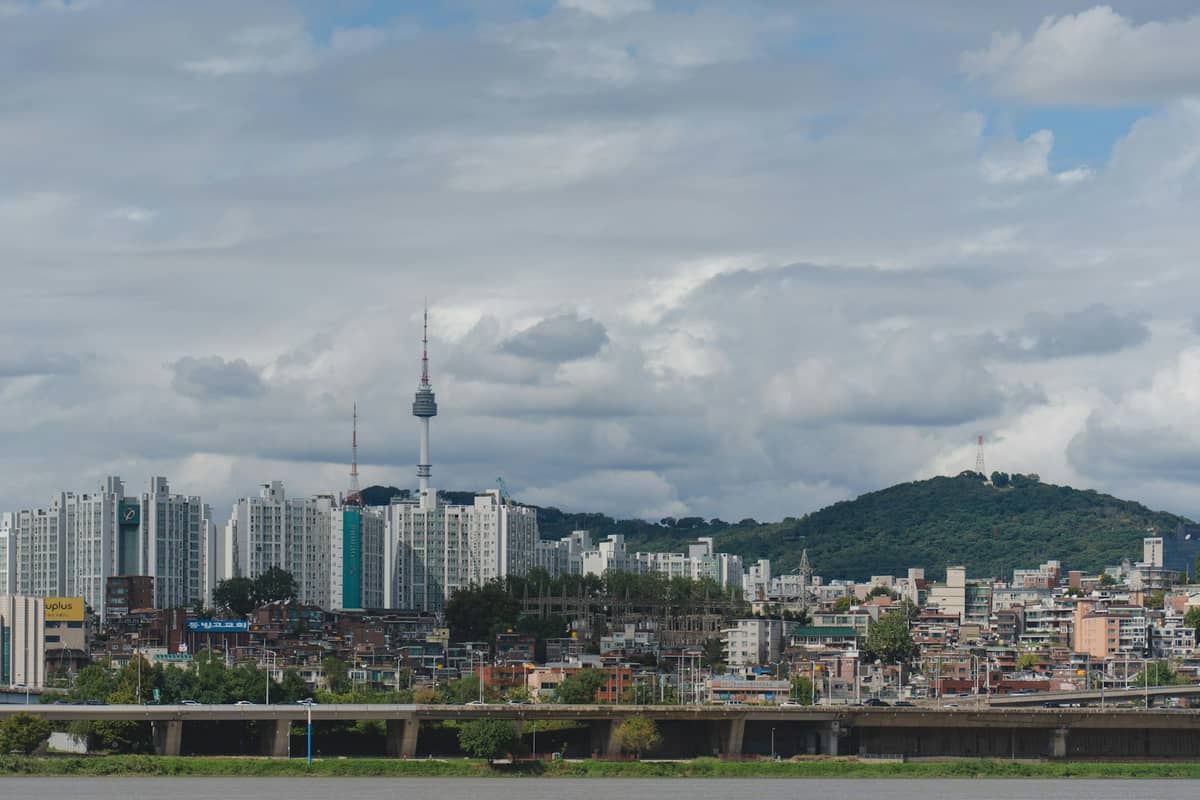
Seoul sits in a humid continental climate with strong monsoon influence, which means four clearly distinct seasons rather than a gradual year-round warmth. Summers are hot and humid with concentrated rainfall in late June and July — the jangma (장마) monsoon season. Winters are cold and dry, often dropping well below 0°C. Spring and autumn are the sweet spots: temperatures sit between 10°C and 20°C, rainfall is relatively low, and the city looks its best.
One thing that catches first-time visitors off guard is how quickly Seoul's seasons shift. Spring can arrive quickly after a cold March, and autumn can turn from pleasant to genuinely cold within a single week in November. Building a couple of flexible days into your itinerary is wise, especially if you are chasing specific seasonal events like cherry blossoms or autumn foliage.
- Spring (March–May) 10–20°C. Cherry blossoms in late March to early April. Occasional rain and pollen, but generally the most comfortable season.
- Summer (June–August) 25–35°C with high humidity. Jangma monsoon runs late June through mid-July. August is hot and muggy even after rains ease.
- Autumn (September–November) 10–20°C. Clear skies and low humidity September through October. Foliage peaks late October to early November. Crowds build in October.
- Winter (December–February) Often below 0°C at night. Dry, with occasional snow. Lowest hotel prices and thinnest tourist crowds of the year.
Spring (March to May): The Most Popular Season
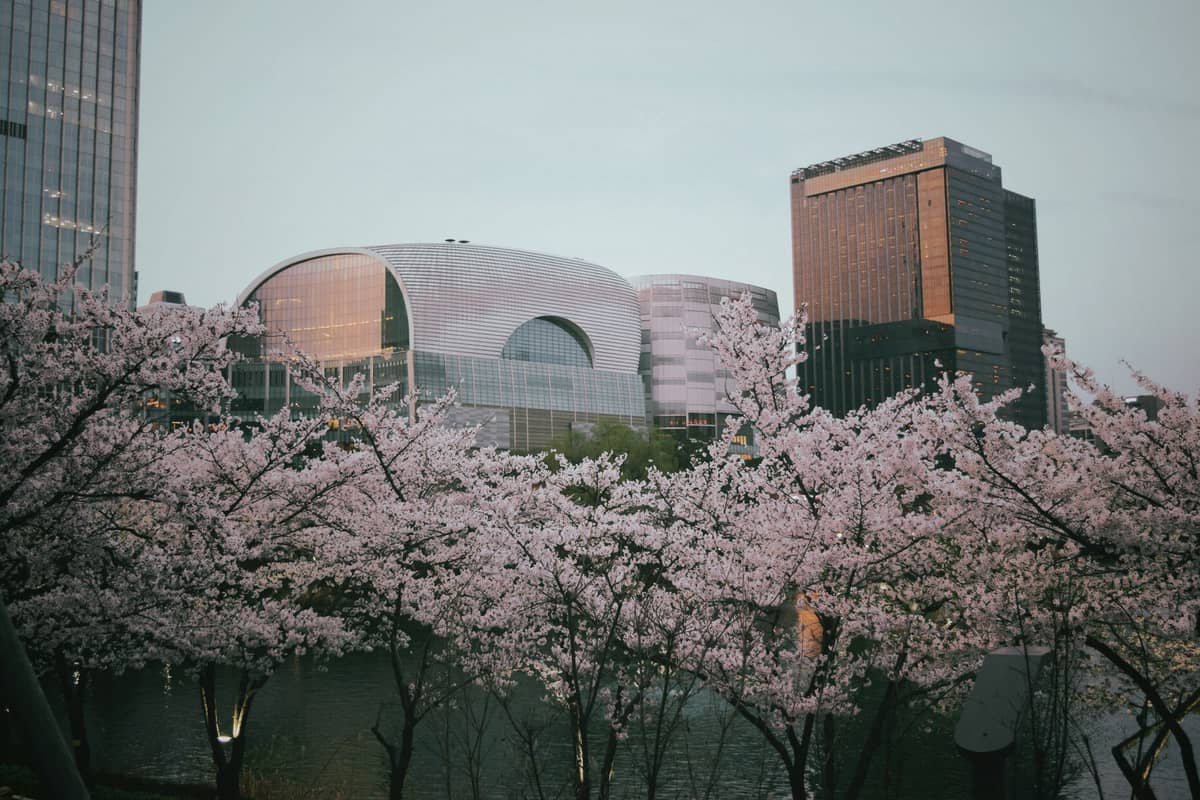
Spring is the single most in-demand period for visiting Seoul, and the cherry blossoms are the main reason. Yeouido's Hangang riverside, the path around Seokchon Lake near Lotte World, and the grounds around Gyeongbokgung Palace all become serious crowd magnets when the blooms appear. The key timing point: cherry blossoms in Seoul typically peak in late March to early April, not throughout all of spring. If you book a mid-April trip expecting blossoms and temperatures have been warm, you may arrive to bare branches. Check the Korea Meteorological Administration's annual forecast, which is published each February.
April is widely regarded as the single best month to visit Seoul. Temperatures are reliably mild (around 14–18°C during the day), rainfall is modest, and the city's parks and palace grounds are photogenic without being oppressively crowded. May heats up slightly and occasionally sees brief rain, but it is still excellent for sightseeing. If you are planning around spring, our Seoul in spring guide covers the exact bloom windows, best viewing spots, and how to avoid the worst of the crowds.
⚠️ What to skip
Spring also brings yellow dust (hwangsa) blown in from China, particularly in March and April. On high-dust days, air quality can deteriorate significantly. Check the AirKorea app before outdoor plans and consider carrying a KF94 mask.
Hotel prices climb in April, particularly around the peak blossom weekend when domestic Korean tourists also travel in large numbers. Book accommodation at least 6 to 8 weeks in advance for mid-to-late March and the first two weeks of April. The Jongno and Myeongdong areas fill up fastest because of their proximity to major palace sites and transit hubs.
Summer (June to August): Hot, Humid, and Monsoon-Affected
Summer in Seoul is not the disaster some guides imply, but it does require honest preparation. The jangma monsoon season typically runs from late June through mid-July, bringing heavy rain and humidity that can make outdoor sightseeing unpleasant for hours at a stretch. July daytime highs regularly reach 30–33°C, and the combination of heat and moisture makes it feel considerably hotter. August is drier than July but remains hot and humid, with highs still around 28–32°C.
That said, summer has genuine advantages. Seoul's indoor attractions — including the National Museum of Korea, COEX Mall, and the city's extraordinary cafe scene — are best appreciated when it is too hot to walk around outside. Summer is also peak season for outdoor festivals and evening events along Hangang Park, where river breezes make evenings far more pleasant than afternoons.
💡 Local tip
If you visit in summer, shift your sightseeing to early mornings (before 10am) and evenings (after 6pm). The midday heat between noon and 4pm is genuinely draining, and Seoul's excellent subway system makes it easy to duck indoors during the hottest hours.
Summer is not the cheapest season despite being less pleasant for outdoor tourism: international visitor numbers are still high, particularly from Southeast Asia and the US during school holidays. Hotel prices track demand, so do not expect significant discounts in July and August. If your travel dates are fixed in summer, front-load your outdoor plans and accept that some days will be rain days.
Autumn (September to November): The Other Peak Season
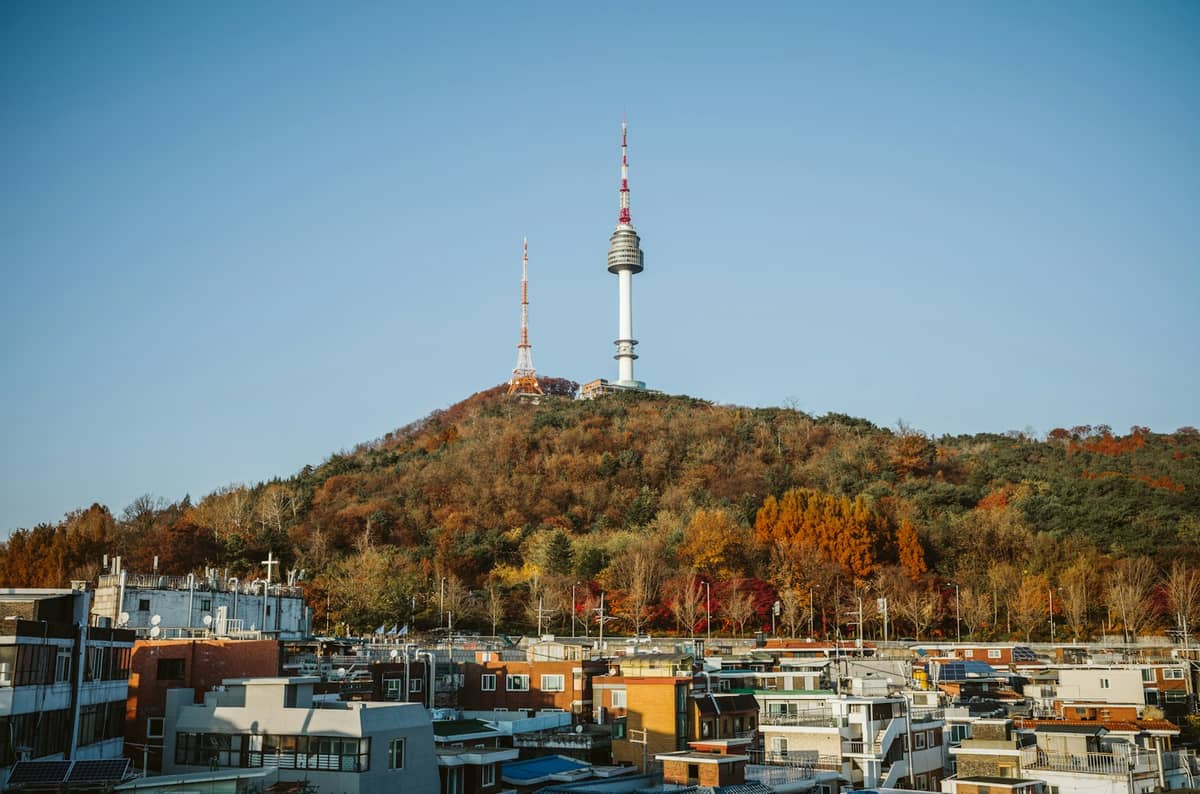
September brings near-immediate relief from summer humidity and is arguably the most underrated month to visit Seoul. Skies clear, temperatures drop to a comfortable 20–25°C, and the city feels lighter. By October, daytime highs are typically 15–20°C with low humidity and reliable sunshine — genuinely ideal conditions for walking tours, palace visits, and hiking in the surrounding mountains.
Autumn foliage peaks in late October to early November, transforming parks like Bukhansan National Park and the trails of Namsan Mountain into genuinely spectacular scenery. Changdeokgung Palace's Secret Garden is one of the best foliage viewing spots in the city, and it draws significant crowds for that reason. Book Secret Garden tickets well in advance for late October visits.
October is the single most popular month among international tourists and comes with prices and crowds to match. If you want autumn scenery without the full crowds, consider arriving in mid-September instead. For a detailed look at what makes autumn special, see our Seoul in autumn guide. November cools rapidly: early November is still pleasant, but by month's end temperatures can drop to 5°C or below, and you will want a proper coat.
Winter (December to February): Cold, Cheap, and Underrated
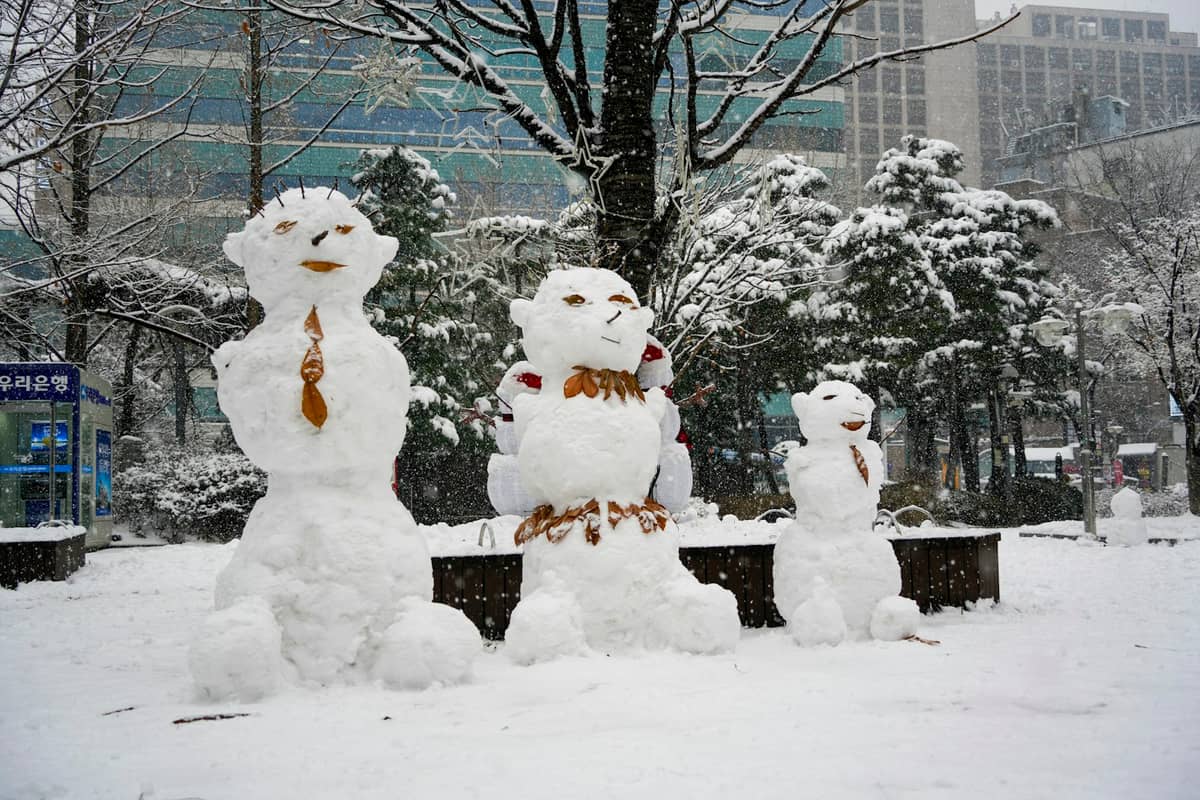
Seoul winters are genuinely cold. Temperatures regularly fall to -5°C or below at night in January, and while snowfall is not guaranteed, it does occur. Wind chill makes it feel colder than the thermometer reads. This is not a season for casual outdoor sightseeing in shorts.
What winter does offer is the city stripped of peak-season pricing and crowd pressure. Hotel rates drop noticeably from November highs, and popular attractions like Gyeongbokgung Palace are significantly less crowded on weekdays. The experience of seeing Seoul's palaces dusted with snow is something spring and autumn visitors never get. Winter is also the best season for jimjilbang visits — spending a few hours at a 24-hour Korean bathhouse makes perfect sense when it is -3°C outside.
✨ Pro tip
Seoul winters are dry as well as cold, which makes layering far more effective than you might expect. A good base layer, a mid-layer, and a windproof outer shell will handle most winter days comfortably. What drains visitors is not the temperature alone but exposure during long outdoor walks — plan shorter outdoor windows between indoor stops.
The Christmas and New Year's period sees a brief uptick in hotel prices and domestic travel, so mid-January to late February is the quietest and most affordable window of the year. For travelers on a tight budget, this window combined with Seoul's low-cost food scene makes the city extremely accessible. See our Seoul on a budget guide for specific cost-saving strategies that work in any season but are especially effective in winter.
Month-by-Month Quick Reference
- January Coldest month. -5 to 2°C. Very low crowds and prices. Good for indoor cultural experiences and jimjilbang.
- February Still cold but days grow slightly longer. Budget-friendly. Seollal (Lunar New Year) falls here most years — some attractions close.
- March Warming up to 5–12°C. Early cherry blossoms possible in late March in warm years. Yellow dust season begins.
- April Best overall month. 12–18°C. Cherry blossoms peak early April. Book early — hotels fill fast.
- May Warm and pleasant, 17–23°C. Crowds thin after blossom season. Good for hiking and outdoor markets.
- June Pre-monsoon heat builds. 22–28°C. Jangma rains begin late June. Prices moderate.
- July Monsoon peak. 26–33°C with high humidity. Heaviest rainfall of the year. Pack waterproof layers.
- August Hot and humid, 27–32°C. Rains ease but heat persists. Busy with summer holiday travelers.
- September Excellent and underrated. 20–26°C, low humidity, clear skies. Cheaper than October.
- October Peak tourist month. 14–21°C. Autumn foliage late October. Book everything in advance.
- November Rapidly cooling. 5–15°C. Good foliage early month. Quiet and affordable by late November.
- December Cold, 0–7°C. Christmas period busy briefly. Festive lights in Myeongdong and Cheonggyecheon.
ℹ️ Good to know
Korean public holidays affect opening hours significantly. Seollal (Lunar New Year, usually January or February) and Chuseok (harvest festival, usually September or October) are the two most impactful: many smaller businesses close for 3 to 5 days, and domestic travel peaks sharply. Check exact dates each year before finalizing your itinerary.
How to Choose Based on Your Priorities
The best time to visit Seoul depends on what you are optimizing for. If you want the full "postcard Seoul" experience with blossoms, clear skies, and comfortable walking temperatures, book April. If you want autumn colors and crisp hiking weather, target mid-October but expect higher prices. If you are budget-conscious and can handle cold, January or February deliver the same city at a meaningfully lower cost. And if summer is your only option, lean into indoor Seoul — the food scene, the cafe culture, the markets, and the nightlife do not care about the weather.
Travelers with families should note that spring and autumn are significantly easier seasons for kids than summer's heat and rain. Seoul with kids works best in April or October, when outdoor time is comfortable and major parks are at their most photogenic. Couples and first-time visitors most commonly choose April, which is objectively the easiest introduction to the city.
FAQ
What is the best time of year to visit South Korea?
April to May and September to October are the best periods for most travelers. These windows offer mild temperatures (10–22°C), relatively low rainfall, and the most dramatic seasonal scenery — cherry blossoms in spring and foliage in autumn. If you are visiting specifically for cherry blossoms, target late March to early April in Seoul.
When is cherry blossom season in Seoul?
Cherry blossoms in Seoul typically peak in late March to early April, though the exact timing shifts by one to two weeks depending on winter temperatures. A warm winter pulls the bloom earlier; a cold one delays it. The Korea Meteorological Administration publishes a bloom forecast each February, which is the most reliable guide for planning.
Is summer a bad time to visit Seoul?
Summer is challenging rather than bad. The jangma monsoon season (late June to mid-July) brings heavy rain and high humidity. August stays hot and muggy. That said, summer works well for travelers who enjoy indoor attractions, night markets, and evening outdoor activities along Hangang Park. Adjust your schedule to avoid midday outdoor exposure and you can still have an excellent trip.
What is the cheapest time to visit Seoul?
Mid-January through February offers the lowest hotel rates and thinnest crowds of the year. Avoid the Seollal (Lunar New Year) holiday window when domestic travel spikes briefly. If budget is your main concern and you can dress for cold weather, this is the most cost-effective window by a significant margin.
How many days do I need in Seoul?
Four to five days covers the major palaces, neighborhoods, and food experiences without feeling rushed. Seven days allows you to add day trips and explore less central areas properly. For a structured itinerary, see our 5-day Seoul guide for a practical day-by-day breakdown.