Seoul in Spring: Cherry Blossoms, Festivals & What to Expect
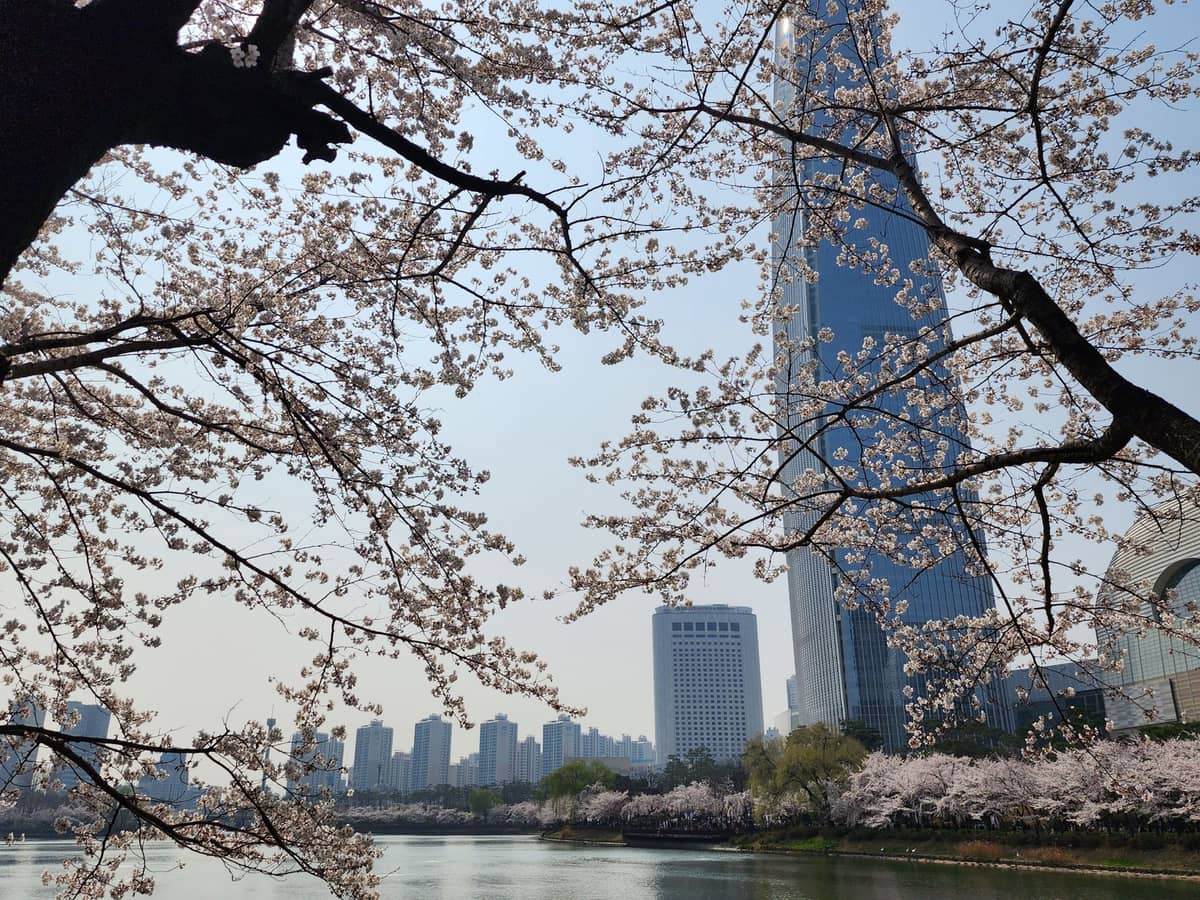
Spring is Seoul's most photogenic season, with cherry blossoms peaking in early April and festivals filling the city's parks and riversides. This guide covers bloom timing, the best viewing locations, what the weather is really like, and how to plan around the crowds.
Plan and book this trip
Tools from our partner Travelpayouts help you compare flights and hotels. If you book through them, we may earn a commission at no extra cost to you.
Flights
Hotels map
TL;DR
- Cherry blossoms in Seoul typically hit full bloom between April 8 and 12, but the peak window lasts roughly one week and can shift with weather.
- The top festival zones are Yeouido (April 8–12) and Seokchon Lake (March 29–April 6), both drawing massive crowds on weekends.
- Temperatures in April range from around 10°C to 20°C — comfortable, but carry a light jacket for evenings.
- Crowds peak sharply during full bloom weekends; arriving on weekday mornings before 9am makes a significant difference.
- Spring is also a strong season for visiting Seoul's palaces, hiking, and outdoor markets before summer humidity sets in.
When Do Cherry Blossoms Bloom in Seoul?
Seoul's cherry blossom season is driven by cumulative winter temperatures, and the Korea Meteorological Administration issues an annual forecast each spring. For 2026, the KMA placed first bloom around April 3 and full bloom around April 10. These dates shift year to year — warmer winters push blooms earlier into late March, while cooler springs delay them past mid-April. Treating any forecast as a guaranteed date is a mistake; treat it as a planning anchor and check the KMA or VisitKorea updates in the two weeks before your trip.
The distinction between 'first bloom' and 'full bloom' matters more than most guides acknowledge. First bloom means roughly 20–30% of flowers are open on a reference tree. Full bloom means around 80% open, and this is when the canopies look white-pink overhead and petals start falling in the wind. The most photographed 'petal snow' effect comes during full bloom and lasts only three to five days in ideal conditions. Rain or strong wind can strip petals within 24 hours. If your dates land during full bloom, prioritize the blossoms — other sightseeing can wait.
⚠️ What to skip
The full-bloom window is typically under one week. If your trip overlaps only partially with peak bloom, front-load your blossom viewing to the first days of arrival rather than saving it for later. Weather, not the calendar, ends the season.
Best Cherry Blossom Spots in Seoul
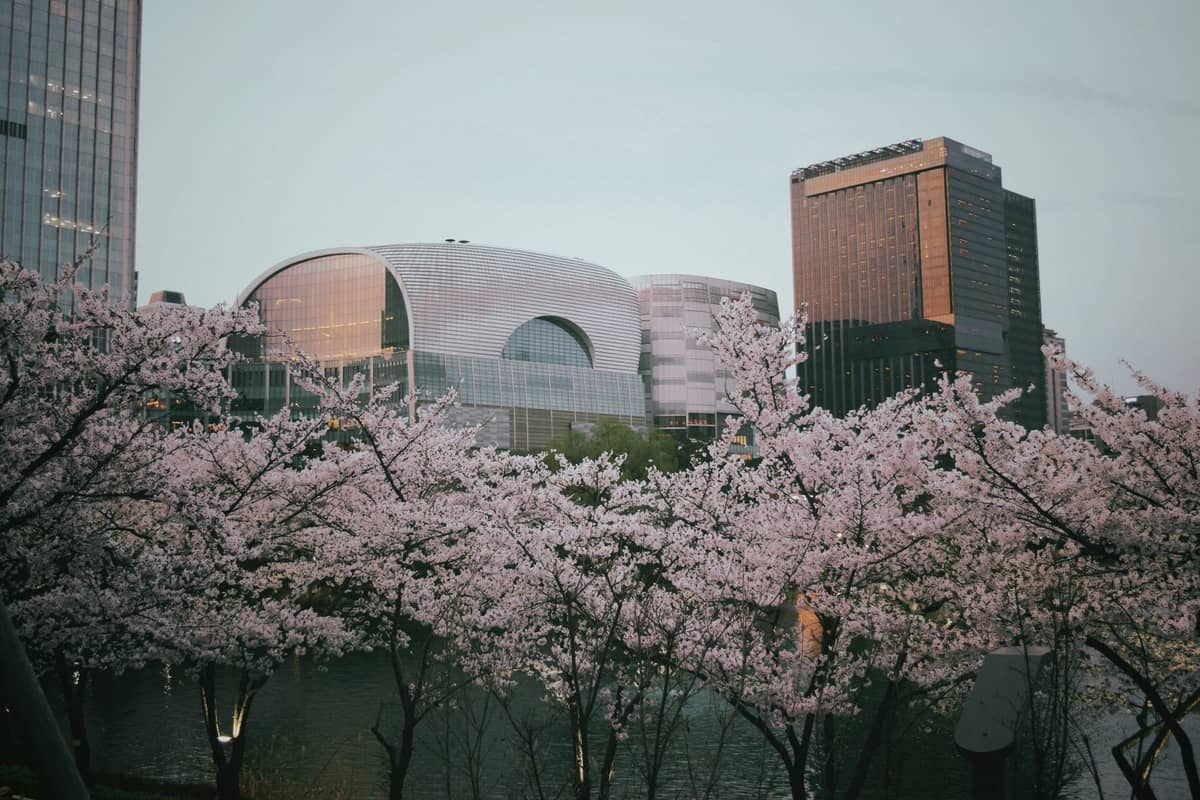
The two festival-grade locations are Seokchon Lake in Jamsil and the Yeouido Spring Flower Festival along the Han River embankment. Seokchon Lake is circular, which means you get a complete walk-around view with the cherry trees reflected in the water and Lotte World Tower rising in the background. The 2026 festival dates run March 29 to April 6. Yeouido's festival is set for April 8–12 and focuses on Yunjungno, a tree-lined boulevard, plus the riverside park. Both fill up on weekends.
- Seokchon Lake (석촌호수) Circular lakeside path with Lotte World Tower as a backdrop. Best visited on weekday mornings. Festival: March 29–April 6 (2026).
- Yeouido Spring Flower Festival Yunjungno boulevard and Han River Park. Densest tree coverage in the city. Festival: April 8–12 (2026). Expect very large crowds on weekends.
- Bukchon and Changdeokgung area Cherry trees line the walls of Changdeokgung Palace and the streets around Bukchon Hanok Village. Less crowded than the festival zones, and the combination of blossoms with traditional architecture is exceptional.
- Seoul Forest (서울숲) Quieter than Yeouido, with long tree-lined paths popular with local families. Good for a relaxed afternoon without festival-level congestion.
- Namsan Mountain paths The walking trails up toward N Seoul Tower pass cherry trees and offer elevated views of blossoms across the mid-city neighborhoods below.
✨ Pro tip
Skip the Yeouido festival on Saturday and Sunday afternoons — foot traffic becomes genuinely difficult to move through. Go on a Wednesday or Thursday morning instead, or visit Seokchon Lake, which tends to be slightly less overwhelmed even during peak bloom weekends.
Spring Weather in Seoul: What It Actually Feels Like
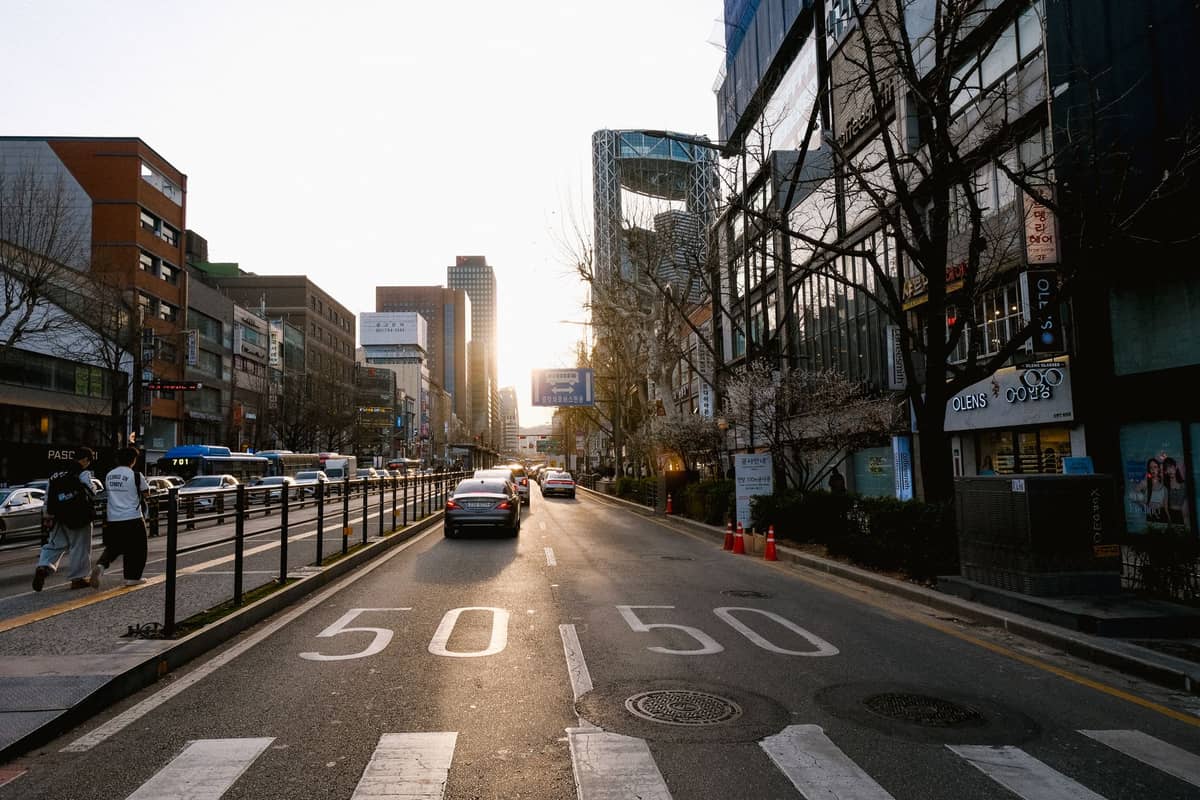
Seoul in spring covers March through May, and the three months feel quite different from each other. March is a transition month: temperatures start around 5–10°C and can still drop below freezing at night in early March. April is the core of spring, with daytime highs of 15–20°C and mornings around 8–12°C. It is comfortable for walking, but a light jacket or layer is genuinely necessary for early mornings and evenings, not just as a precaution. May warms quickly and by late May the daytime temperature is pushing 25°C, which starts to feel like early summer.
Spring also brings a few complications worth knowing. Yellow dust (hwangsa, 황사) from China and Mongolia arrives periodically in March and April, reducing air quality and visibility. On heavy dust days, outdoor activity is unpleasant and some residents wear masks. Check real-time air quality through the AirKorea or IQAir apps before planning a full day outside. Spring rain is another factor: April sees intermittent showers, and as noted above, rain during full bloom ends the cherry blossom season early. Bring a compact umbrella.
- March: Cool and variable, 5–15°C. Plum and forsythia bloom before cherries. Yellow dust season begins.
- April: Prime spring, 10–20°C. Cherry blossoms peak in early-to-mid April. Occasional showers.
- May: Warm and clear, 15–25°C. Azaleas and wisteria replace cherry blossoms. Less crowded than April, excellent weather for hiking and outdoor exploration.
Spring Festivals and Events Beyond Cherry Blossoms
The Yeouido Spring Flower Festival and Seokchon Lake Cherry Blossom Festival are the headline events, but spring in Seoul has more going on. The Lotus Lantern Festival (연등회), tied to Buddha's Birthday on the lunar calendar, typically falls in May and involves a major lantern parade through central Seoul, starting from Jogyesa Temple in Jongno. It is one of the most visually striking events in the city and significantly less crowded than the cherry blossom festivals.
Jongmyo Royal Ancestral Rite (종묘제례) is another major spring event held at Jongmyo Shrine — a UNESCO Intangible Cultural Heritage ceremony that takes place in May. It is free to attend as a spectator and gives a direct look at Joseon-era court ritual that few international visitors know to seek out. Check the official schedule, as the date moves on the lunar calendar each year.
For outdoor markets and street culture, spring is when Mangwon Market and the Han River parks come fully alive. Weekend picnic culture at the Han River is a genuine Seoul institution from April onward: locals rent bicycles, buy convenience store fried chicken and ramyeon, and spend entire afternoons along the water. It costs almost nothing and shows a side of the city that is entirely local.
ℹ️ Good to know
Buddha's Birthday is a national public holiday in South Korea. Expect significantly higher foot traffic at temples across the city and possible road closures around the lantern parade route in central Seoul. Book accommodation well in advance if your dates align with this holiday.
How to Plan Your Spring Visit: Logistics and Timing
Spring is the most competitive time to book accommodation in Seoul. Prices rise noticeably from late March through mid-April, particularly for hotels near Yeouido, Jamsil, and central Jongno. Booking 2–3 months in advance is not excessive for April travel. For accommodation advice across the city's neighborhoods, the Seoul neighborhood accommodation guide breaks down the tradeoffs by area.
Getting around Seoul during spring is straightforward on the subway. The T-money card (available at airport convenience stores and subway ticket machines) covers metro, bus, and some taxis. Lines 5 and 9 both serve Yeouido; Line 8 goes to Jamsil for Seokchon Lake. For full route planning, see the guide to getting around Seoul. During festival weekends, the exits nearest the festival zones become very congested around midday — exiting one station earlier and walking is often faster.
If you have five days in the city, spring is actually an excellent time to balance blossom viewing with deeper sightseeing. The 5-day Seoul itinerary works well as a base structure, with the cherry blossom spots slotted in for days 2 and 3 at the height of bloom. Save hiking for May, when the trails on Bukhansan are clear and temperatures are ideal for a full-day climb.
💡 Local tip
Check the Korea Meteorological Administration (KMA) blossom forecast at english.visitkorea.or.kr in the two weeks before your trip. First bloom can shift by 5–7 days from the initial forecast depending on late-season weather. Adjust your blossom-focused days accordingly rather than committing to specific dates months in advance.
What Spring Is Good For Beyond Blossoms
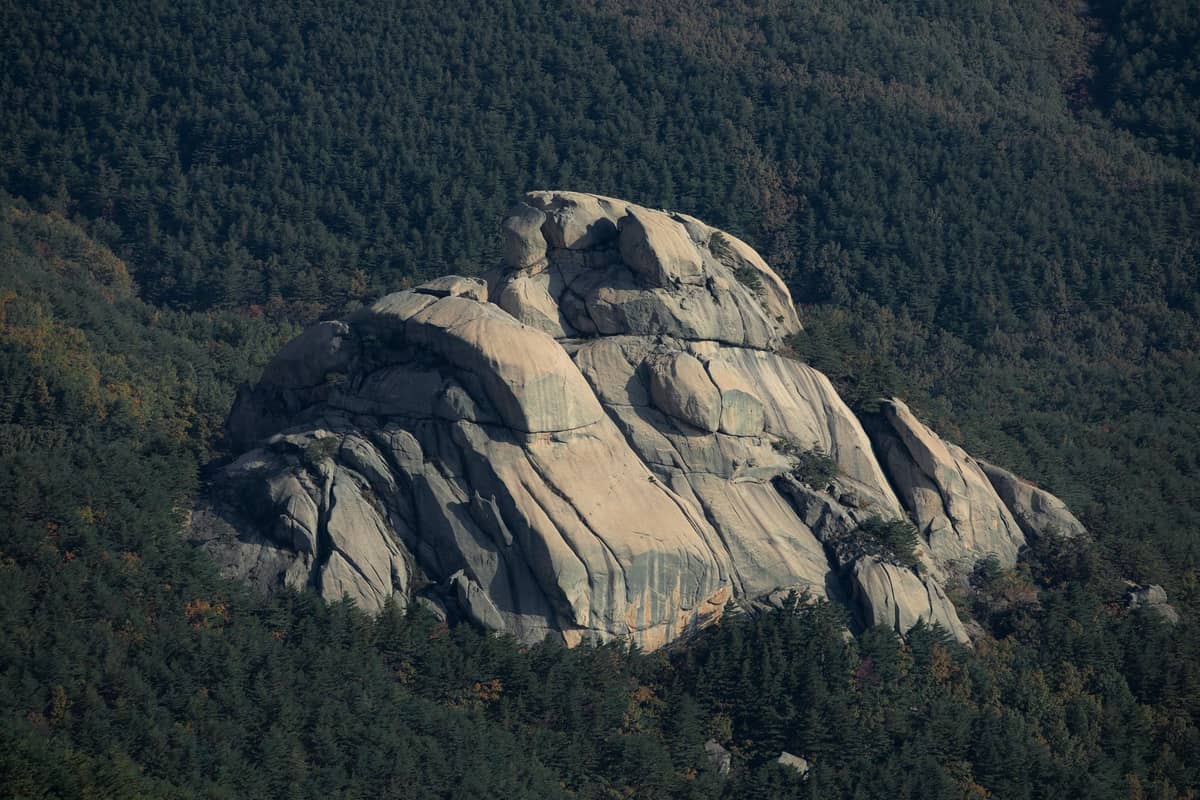
The moderate temperatures of April and May make spring the best season for activities that become exhausting in summer heat. Hiking in SeoulBukhansan National Park is at its best in May when trails are dry, skies are clear, and the ridges above the city are covered in azaleas rather than snow or haze. Bukhansan, Inwangsan, and the Seoul City Wall trail all perform well in spring conditions.
Spring is also when the palace grounds look their best. Gyeongbokgung Palace and Changdeokgung Palace's Secret Garden are both significantly more pleasant to tour at 15°C than in the 32°C July heat. The Secret Garden tour in particular, with its woodland paths and pond pavilions, is well-suited to the filtered spring light of late April.
For food and market culture, spring signals the return of outdoor street food at full intensity. The Seoul street food scene is year-round, but eating at an outdoor pojangmacha (포장마차) stall in comfortable spring air is a different experience from doing so in winter cold or summer humidity. Gwangjang Market's raw beef yukhoe and mung bean pancakes are worth any season, but the walk through Jongno and the surrounding streets to get there is significantly more enjoyable in April.
FAQ
When exactly do cherry blossoms peak in Seoul?
Full bloom typically falls between April 8 and 12, based on recent KMA forecasts, but this shifts by several days each year depending on winter temperatures. First bloom (around 20–30% of flowers open) usually precedes full bloom by about a week. Monitor the Korea Meteorological Administration forecast and the English VisitKorea website in the two weeks before your trip for the most accurate current prediction.
How long do Seoul's cherry blossoms last?
The full-bloom window is brief, typically five to seven days under normal conditions. Rain or strong wind can shorten this to two or three days. The petals begin falling once full bloom is reached, creating the 'petal snow' effect that is just as photogenic as the blossoms themselves. Visiting during the first bloom stage or just before full bloom maximizes your chances of seeing the peak.
Is Seoul crowded in spring?
Yes, particularly during the cherry blossom peak in early April. Festival venues like Yeouido and Seokchon Lake draw very large crowds on weekends. Accommodation prices rise and books up early. If you visit during full bloom, go to blossom spots on weekday mornings before 9am for manageable crowds. May is noticeably quieter than April and still offers excellent weather.
What should I pack for Seoul in spring?
Layers are essential. Daytime temperatures in April average 15–18°C, but mornings and evenings drop to 8–12°C. A light jacket or fleece is necessary, not optional. Bring a compact umbrella for spring showers. During yellow dust season (March–April), a KF94 or similar particulate mask is worth carrying if air quality is poor. Comfortable walking shoes are important regardless of season.
Are there good things to do in Seoul in spring besides cherry blossoms?
Significantly. Spring is the best season for hiking on Bukhansan and along the Seoul City Wall, for touring the palace grounds, for attending the Lotus Lantern Festival in May, and for experiencing the Han River picnic culture that defines Seoul weekends. The Jongmyo Royal Ancestral Rite in May is one of the most culturally significant events in the city and draws far smaller tourist crowds than the blossom festivals.