Hiking in Seoul: Best Mountain Trails & City Wall Walks
Seoul is one of the few world capitals where you can summit a real mountain, walk a 600-year-old fortress wall, and be back in the city for dinner. This guide covers the best trails for every level, from challenging granite peaks to gentle hilltop park strolls.
Plan and book this trip
Tools from our partner Travelpayouts help you compare flights and hotels. If you book through them, we may earn a commission at no extra cost to you.
Flights
Hotels map
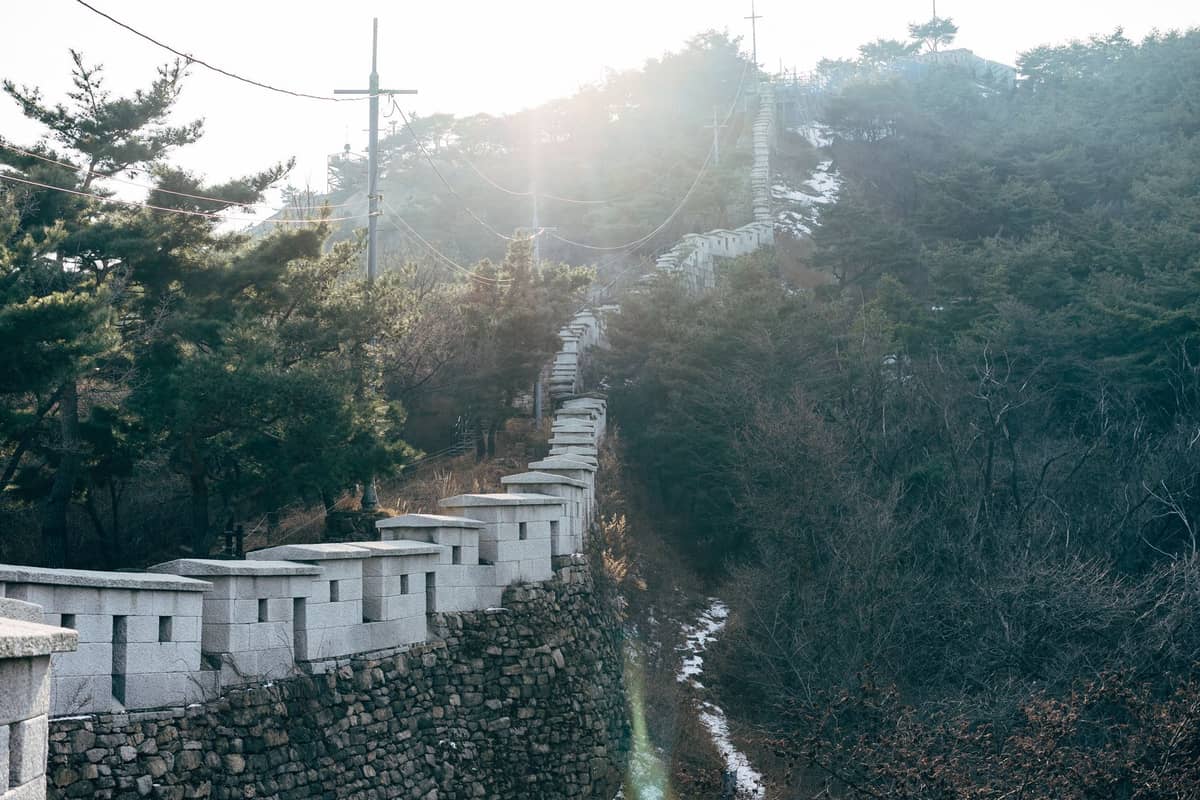
Seoul's mountains are not decoration. Four peaks ring the old city, a historic fortress wall connects them across 18.6 kilometers of ridge, and one of Korea's most-visited national parks sits mostly within Seoul's city limits, with parts extending into Gyeonggi-do. Whether you want a serious summit, a half-day ramble with palace views, or a short evening walk along ancient stone ramparts, Seoul delivers. For a broader overview of how to spend your time in the city, see our complete Seoul travel guide. For the best times to hit the trails, spring and autumn are the standout seasons — mild temperatures, clear skies, and dramatically good visibility from the summits.
💡 Local tip
All public hiking areas and city wall sections are free to access. Wear proper footwear — several city wall sections involve steep stairs and uneven stone. Carry water, especially in summer when heat and humidity make even short trails demanding.
The Big Mountains: Serious Summit Hikes
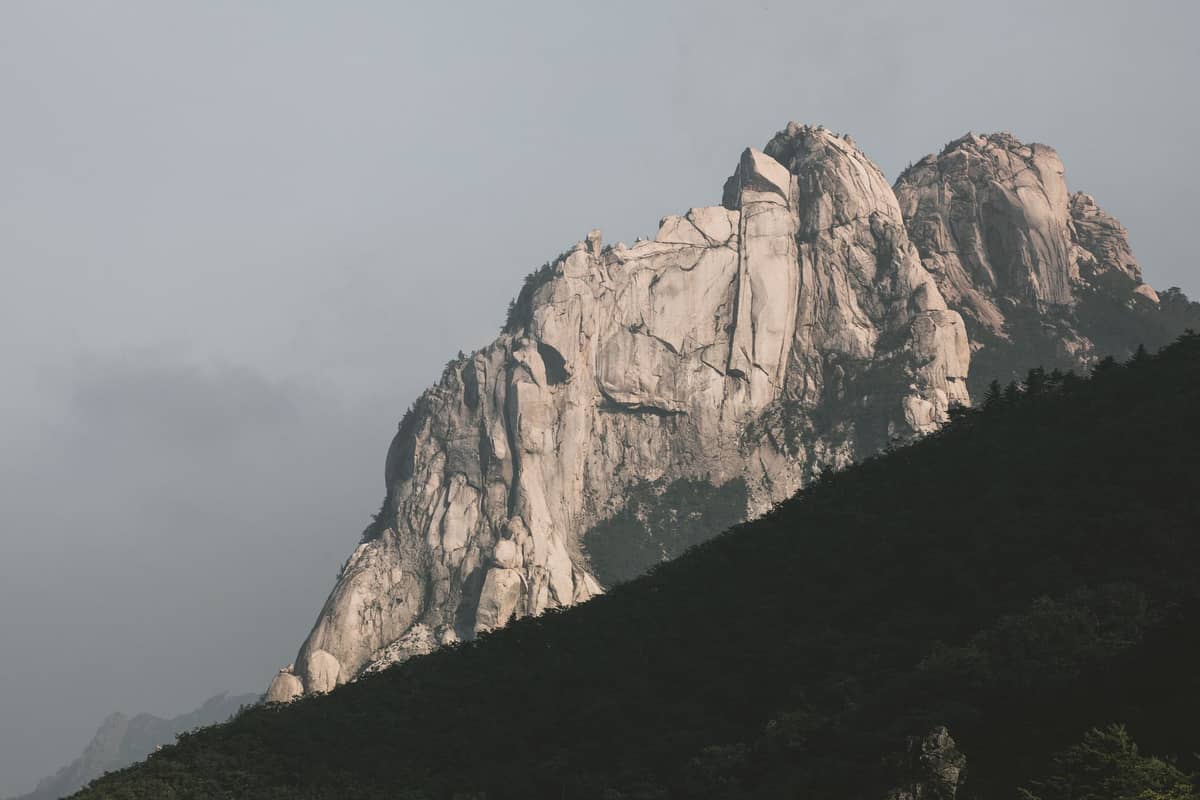
These are Seoul's flagship hikes: real mountains with significant elevation gain, granite scrambles, and views that reward the effort. Bukhansan and Inwangsan are both reachable directly by subway, making them uniquely accessible for urban hikes of this quality. Check out our dedicated Bukhansan hiking guide for detailed route breakdowns, trailhead directions, and difficulty ratings before you go.
1. Summit Baegundae Peak in Bukhansan National Park
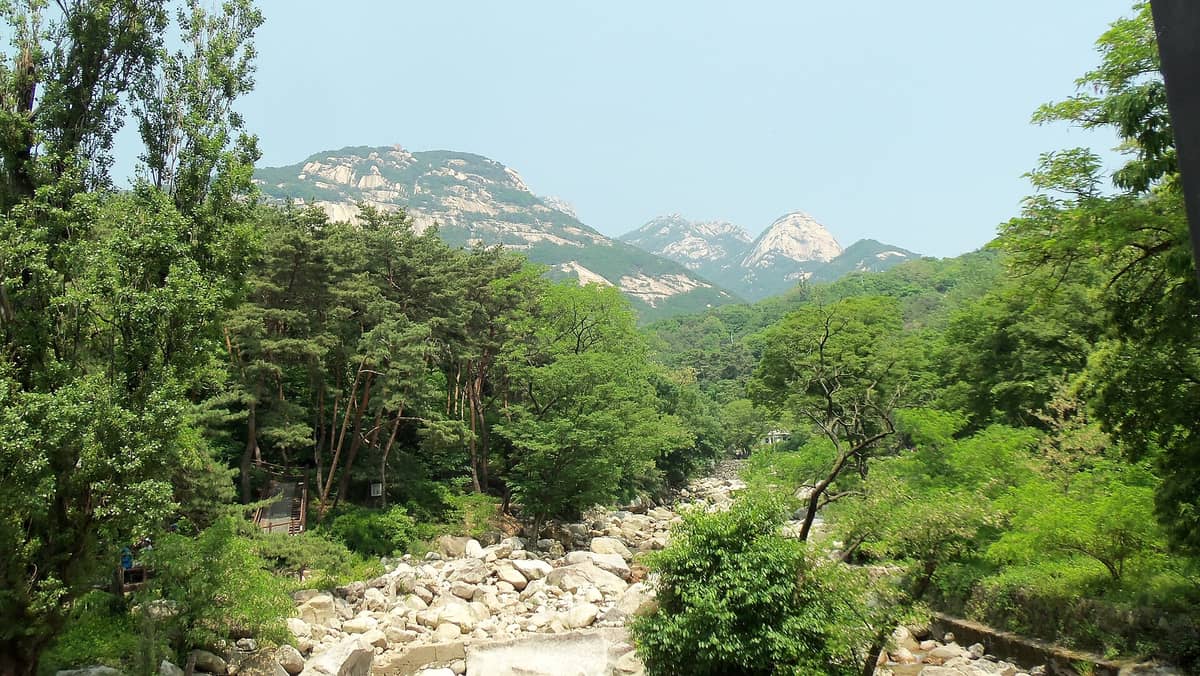
Seoul's crown jewel for hikers. Granite peaks rise to 836m, with trails ranging from 2-hour walks to the demanding Baegundae summit scramble. Take subway Line 3 to Gupabal, or Line 1/7 to Dobongsan and start hiking within minutes.
Explore1. Summit Baegundae Peak in Bukhansan National Park
Seoul's crown jewel for hikers. Granite peaks rise to 836m, with trails ranging from 2-hour walks to the demanding Baegundae summit scramble. Take subway Line 3 to Gupabal, or Line 1/7 to Dobongsan and start hiking within minutes.
Explore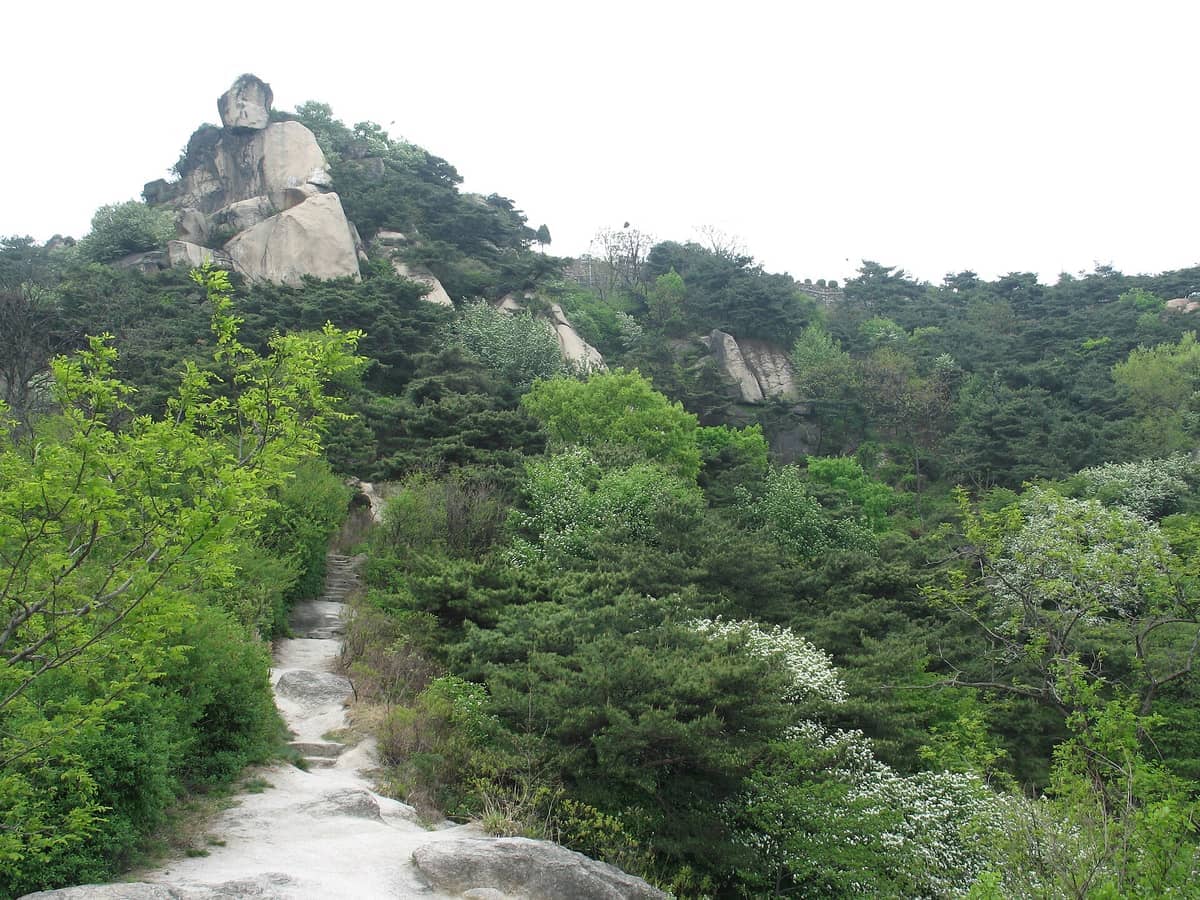
2. Hike Inwangsan's Boulders and Shamanist Shrines
Inwangsan (338m) is Seoul's most atmospheric short hike: dramatic white granite formations, a preserved section of the city wall, and the Guksadang shamanist shrine complex. Allow 2-3 hours. Starts near독립문 (Independence Gate) station.
Explore2. Hike Inwangsan's Boulders and Shamanist Shrines
Inwangsan (338m) is Seoul's most atmospheric short hike: dramatic white granite formations, a preserved section of the city wall, and the Guksadang shamanist shrine complex. Allow 2-3 hours. Starts near독립문 (Independence Gate) station.
Explore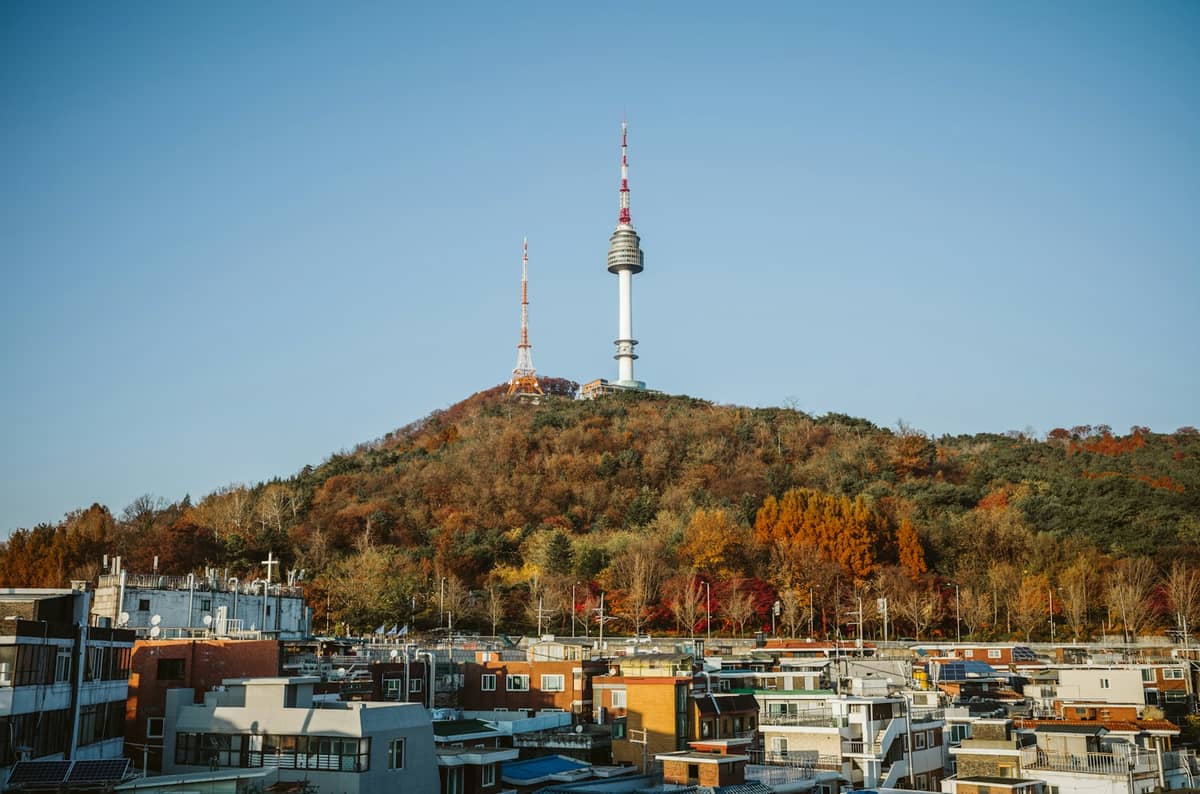
3. Walk or Hike Namsan Mountain from the City Center
Namsan (262m) sits in central Seoul and offers multiple hiking trails through forested paths. Skip the cable car and walk up from Myeongdong or Itaewon for a genuine 1-2 hour hike with sweeping city panoramas at the top.
Explore3. Walk or Hike Namsan Mountain from the City Center
Namsan (262m) sits in central Seoul and offers multiple hiking trails through forested paths. Skip the cable car and walk up from Myeongdong or Itaewon for a genuine 1-2 hour hike with sweeping city panoramas at the top.
ExploreThe Seoul City Wall: Walking History on the Ridge
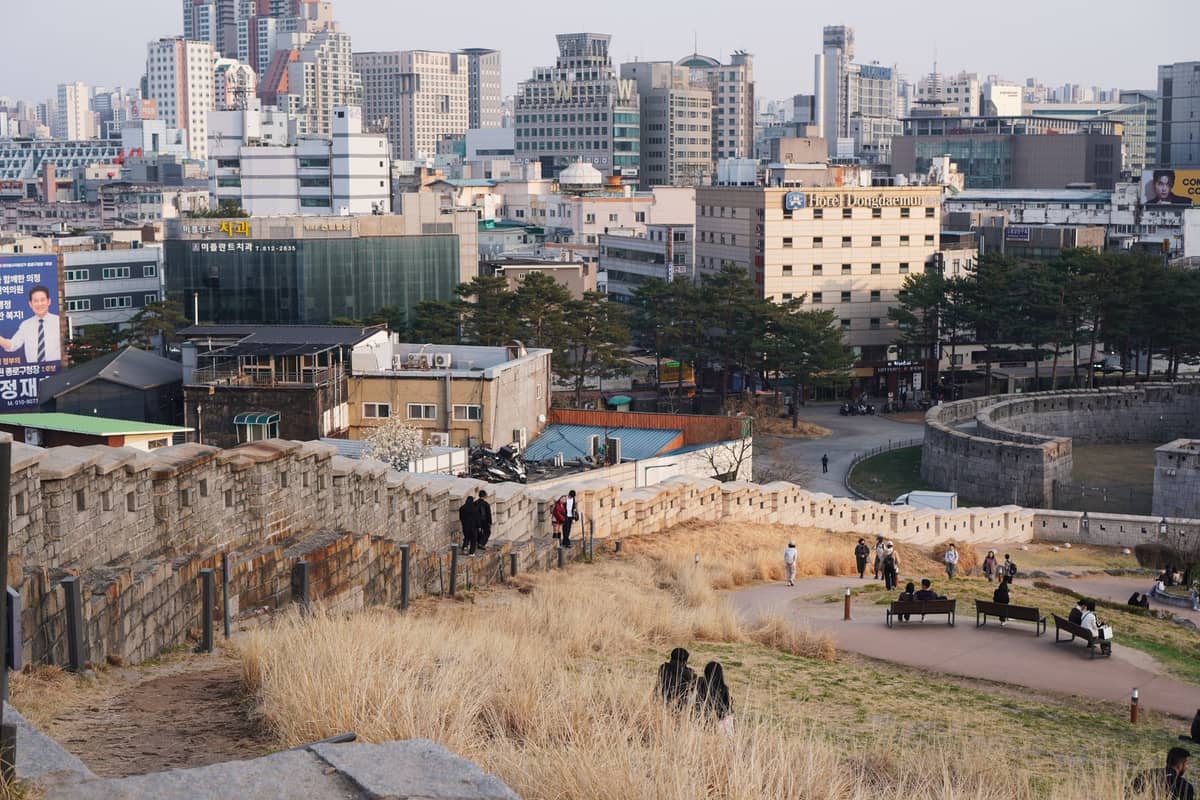
The Hanyangdoseong is one of Seoul's most underrated experiences for active travelers. Built in 1396, the 18.6km wall snakes over Bugaksan, Naksan, Namsan, and Inwangsan, connecting ancient gates and modern neighborhoods in a single trail. Most visitors walk individual sections rather than the full circuit. The palaces of Seoul sit just inside the wall's original perimeter, making several sections easy to combine with sightseeing. Don't be misled by the word 'walk' — the Bugaksan section in particular involves serious elevation and uneven stone steps.
4. Walk the Full Seoul City Wall Trail (or Just Your Favourite Section)
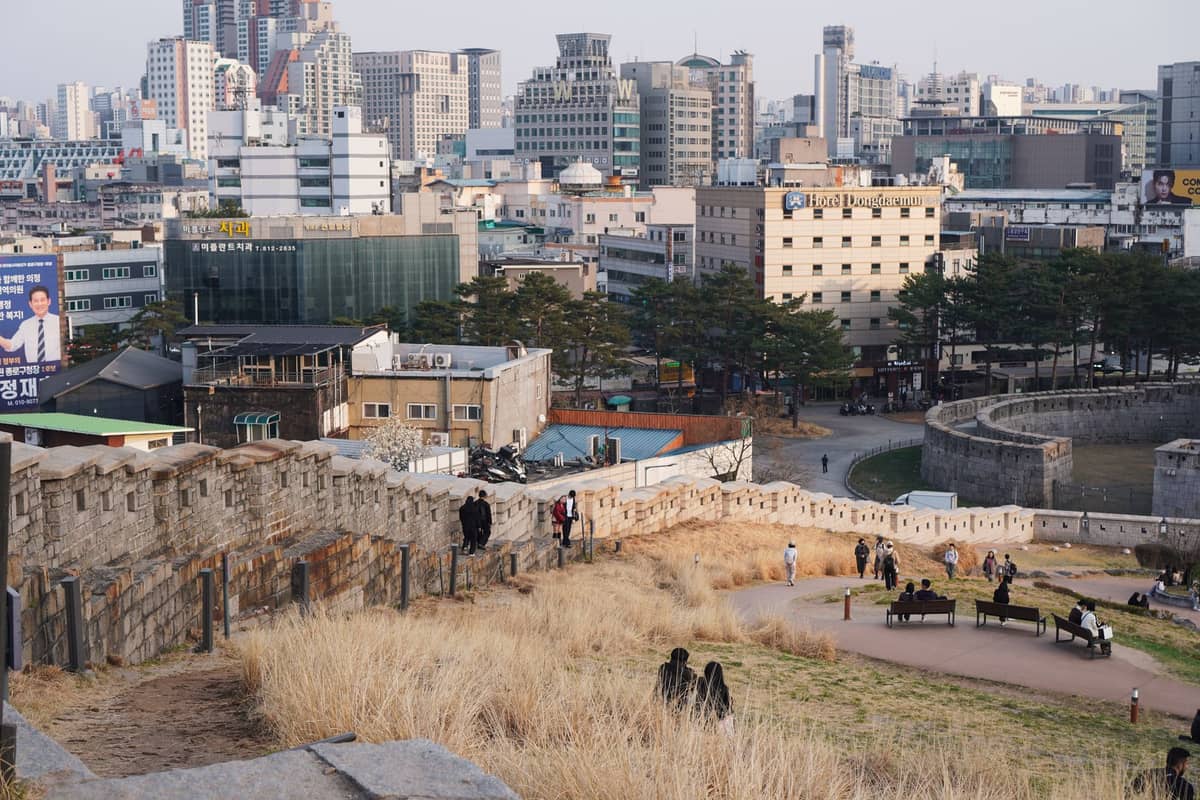
The 18.6km Hanyangdoseong trail links four mountains via ancient stone ramparts. The Bugaksan section has the best views; the Naksan and Namsan sections are more accessible for beginners. Each section is walkable independently in 1-3 hours.
Explore4. Walk the Full Seoul City Wall Trail (or Just Your Favourite Section)
The 18.6km Hanyangdoseong trail links four mountains via ancient stone ramparts. The Bugaksan section has the best views; the Naksan and Namsan sections are more accessible for beginners. Each section is walkable independently in 1-3 hours.
Explore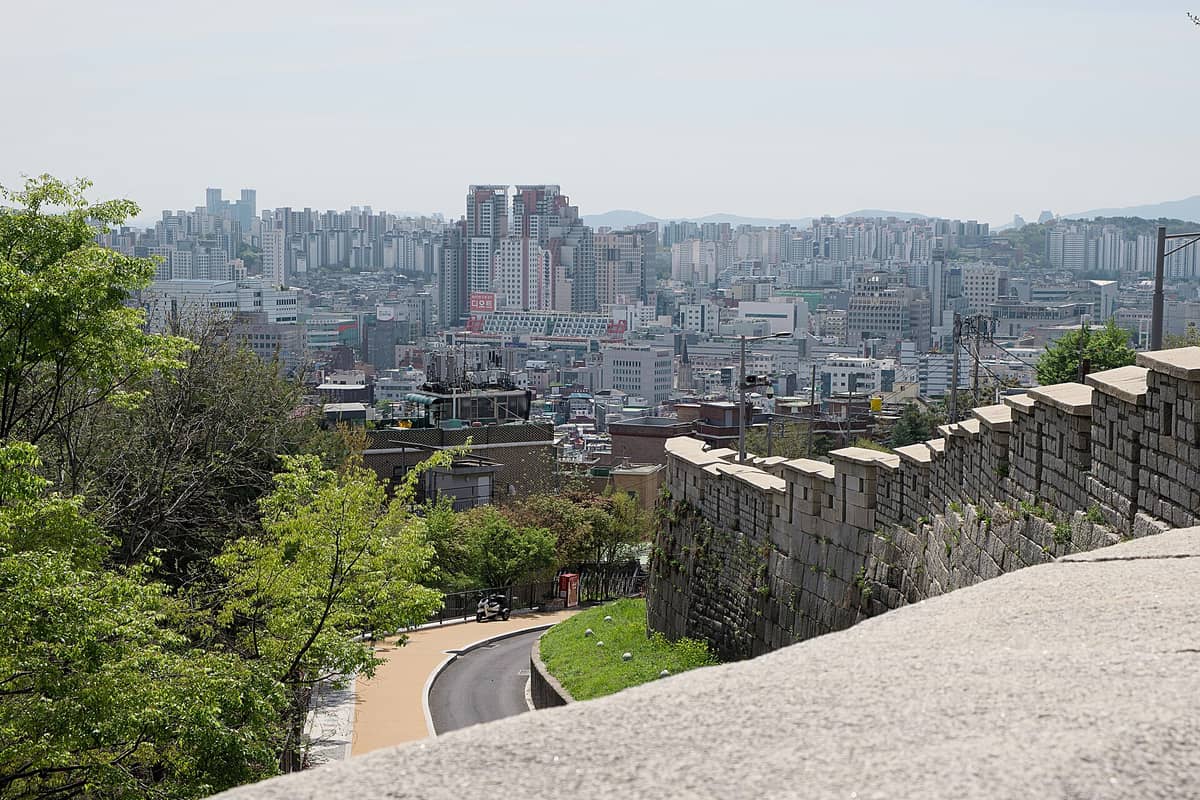
5. Catch Sunset Views from Naksan Park Along the City Wall
Naksan (125m) is the most accessible city wall section, rising above Daehangno and Ihwa Mural Village. The preserved ramparts offer wide panoramas over Dongdaemun and the surrounding peaks. An easy 1-hour walk with big rewards at sunset.
Explore5. Catch Sunset Views from Naksan Park Along the City Wall
Naksan (125m) is the most accessible city wall section, rising above Daehangno and Ihwa Mural Village. The preserved ramparts offer wide panoramas over Dongdaemun and the surrounding peaks. An easy 1-hour walk with big rewards at sunset.
Explore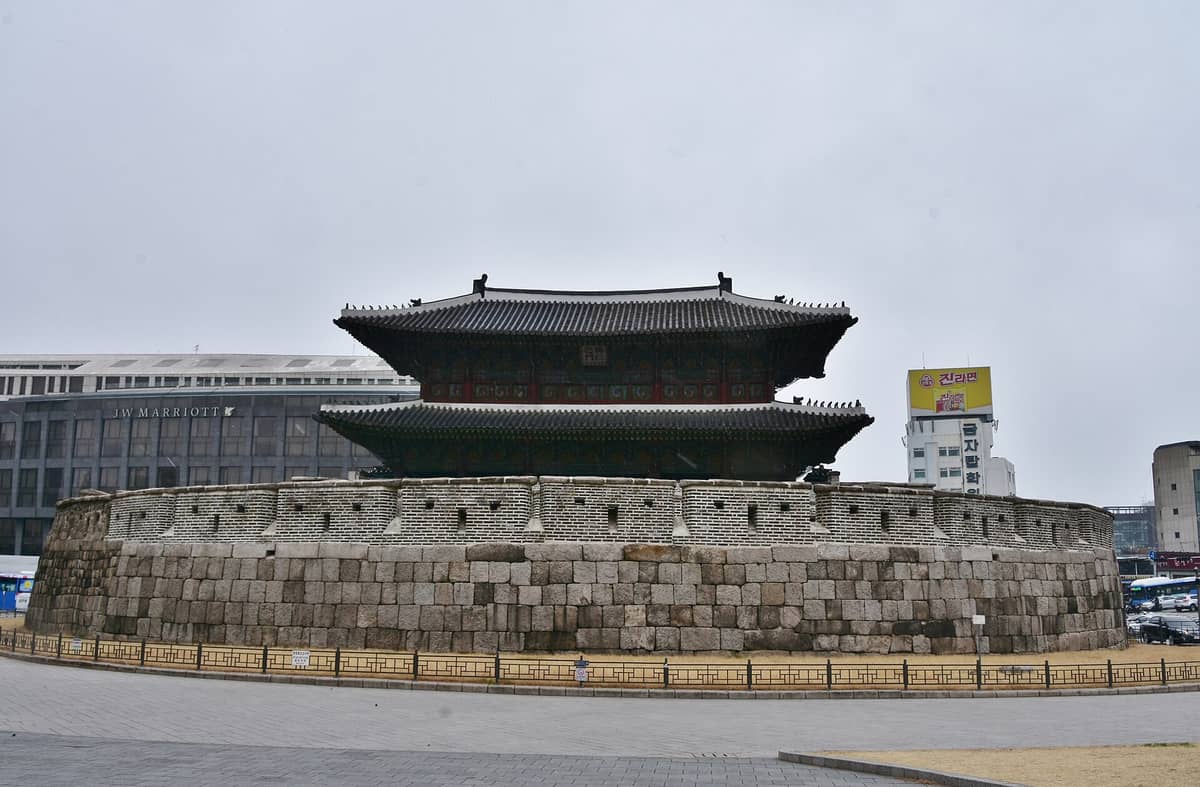
6. End Your City Wall Walk at Heunginjimun Gate
The eastern gate of the original city wall makes a natural endpoint for the Naksan section of the Hanyangdoseong trail. The two-story Joseon-era gate stands in strong contrast to the futuristic DDP just 200 meters away. Free to view anytime.
Explore6. End Your City Wall Walk at Heunginjimun Gate
The eastern gate of the original city wall makes a natural endpoint for the Naksan section of the Hanyangdoseong trail. The two-story Joseon-era gate stands in strong contrast to the futuristic DDP just 200 meters away. Free to view anytime.
Explore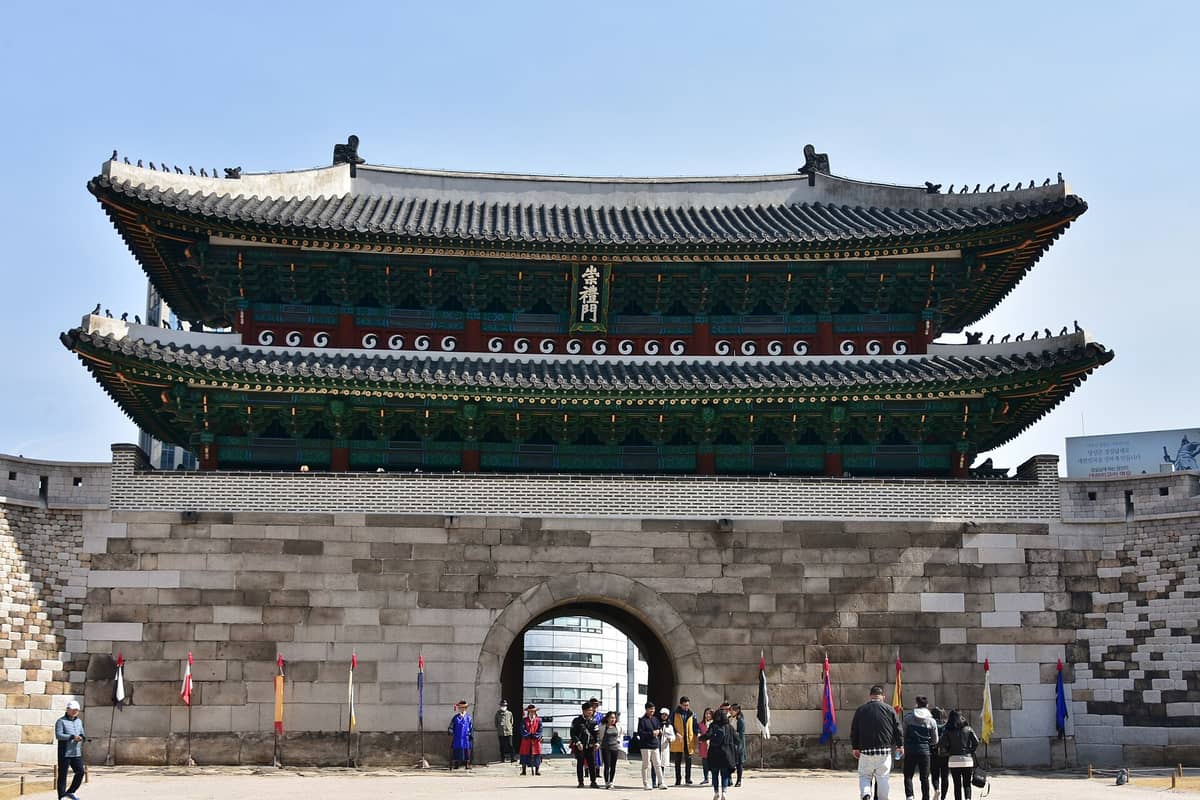
7. Start or Finish a Namsan Trail at Sungnyemun Gate
a designated Treasure, the southern gate of the old city wall, sits at the foot of Namsan. It marks the historic start of the Namsan city wall section and is a rewarding bookend to a morning hike down from the N Seoul Tower summit.
Explore7. Start or Finish a Namsan Trail at Sungnyemun Gate
a designated Treasure, the southern gate of the old city wall, sits at the foot of Namsan. It marks the historic start of the Namsan city wall section and is a rewarding bookend to a morning hike down from the N Seoul Tower summit.
ExploreHilltop Parks & Easy Ridge Walks
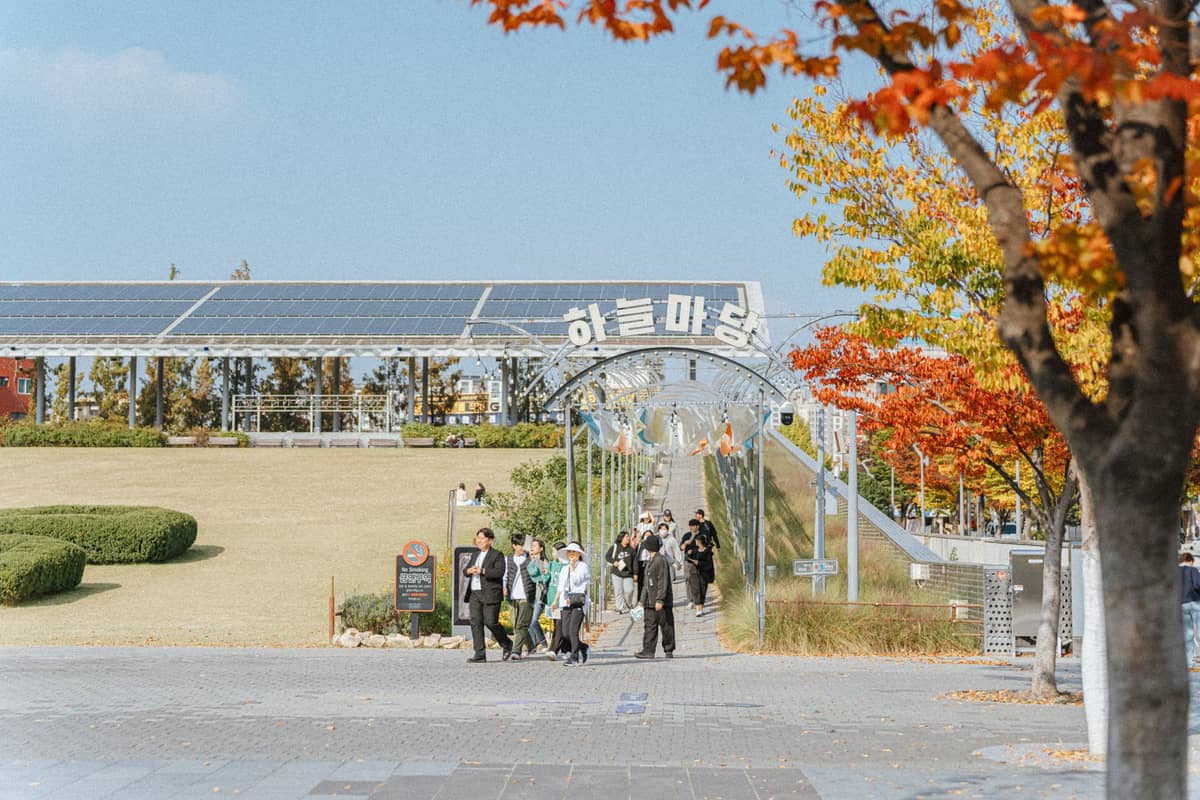
Not every Seoul hike needs trail boots and a summit plan. Several hilltop parks and reclaimed green spaces offer real elevation, open views, and genuine outdoor character with far less commitment. These routes work well for families, casual walkers, or anyone building a half-day itinerary that combines outdoor time with neighborhood exploration. The Mapo district in particular punches well above its weight for accessible green spaces.
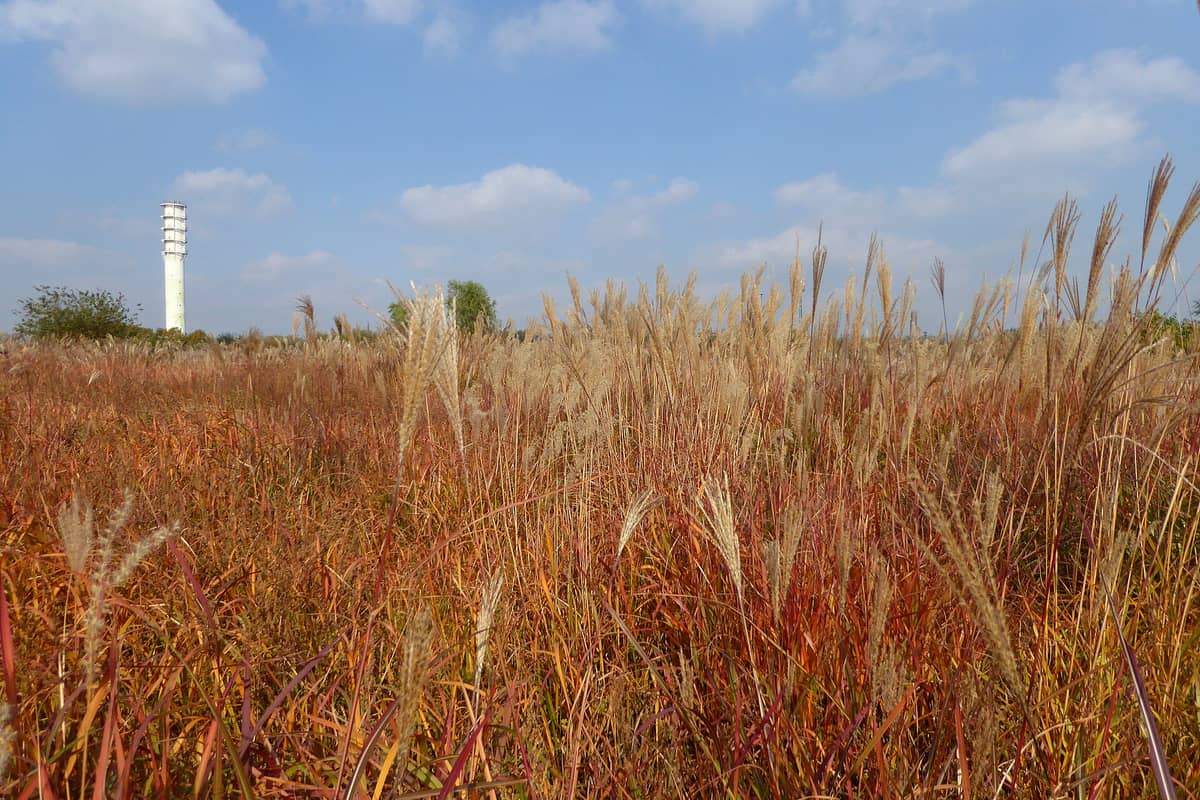
8. Climb Haneul Park for Han River Views and Silver Grass Fields
A reclaimed landfill that is now one of Seoul's best hilltop viewpoints. The 291-step staircase leads to meadows of silver grass (spectacular in October) and sweeping views of the Han River. Easy 30-minute climb with a café at the top.
Explore8. Climb Haneul Park for Han River Views and Silver Grass Fields
A reclaimed landfill that is now one of Seoul's best hilltop viewpoints. The 291-step staircase leads to meadows of silver grass (spectacular in October) and sweeping views of the Han River. Easy 30-minute climb with a café at the top.
Explore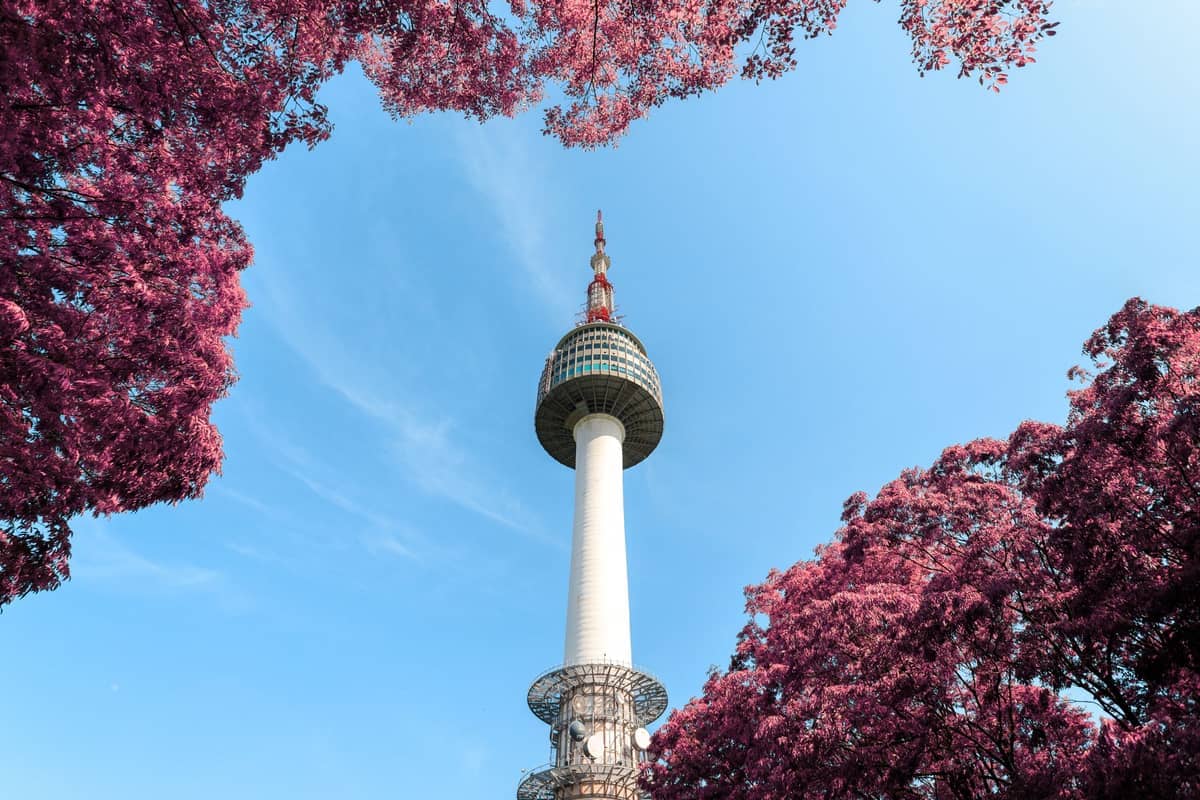
9. Reach N Seoul Tower on Foot, Not by Cable Car
Most visitors take the cable car, but hiking to N Seoul Tower rewards you with forested trails, city wall remnants, and quiet wooded paths. The walk from Namsangol Hanok Village or Itaewon takes 30-45 minutes and the 360° views are the payoff.
Explore9. Reach N Seoul Tower on Foot, Not by Cable Car
Most visitors take the cable car, but hiking to N Seoul Tower rewards you with forested trails, city wall remnants, and quiet wooded paths. The walk from Namsangol Hanok Village or Itaewon takes 30-45 minutes and the 360° views are the payoff.
Explore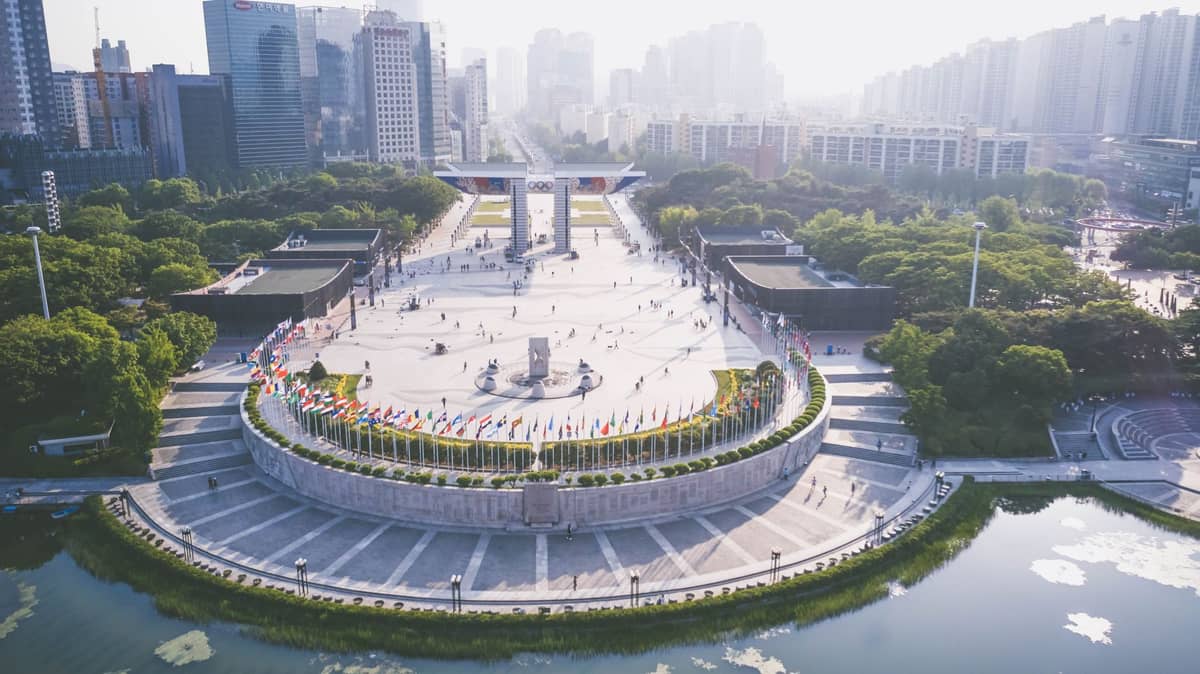
10. Walk the Sculpture Trails in Olympic Park
Olympic Park's roughly 350-acre grounds include gentle walking paths through one of Seoul's finest outdoor sculpture collections, with grassy mounds, tree-lined avenues, and fragments of Baekje-era earthworks. Low effort, high reward for a peaceful afternoon.
Explore10. Walk the Sculpture Trails in Olympic Park
Olympic Park's roughly 350-acre grounds include gentle walking paths through one of Seoul's finest outdoor sculpture collections, with grassy mounds, tree-lined avenues, and fragments of Baekje-era earthworks. Low effort, high reward for a peaceful afternoon.
ExploreScenic Neighborhood Walks with Real Elevation
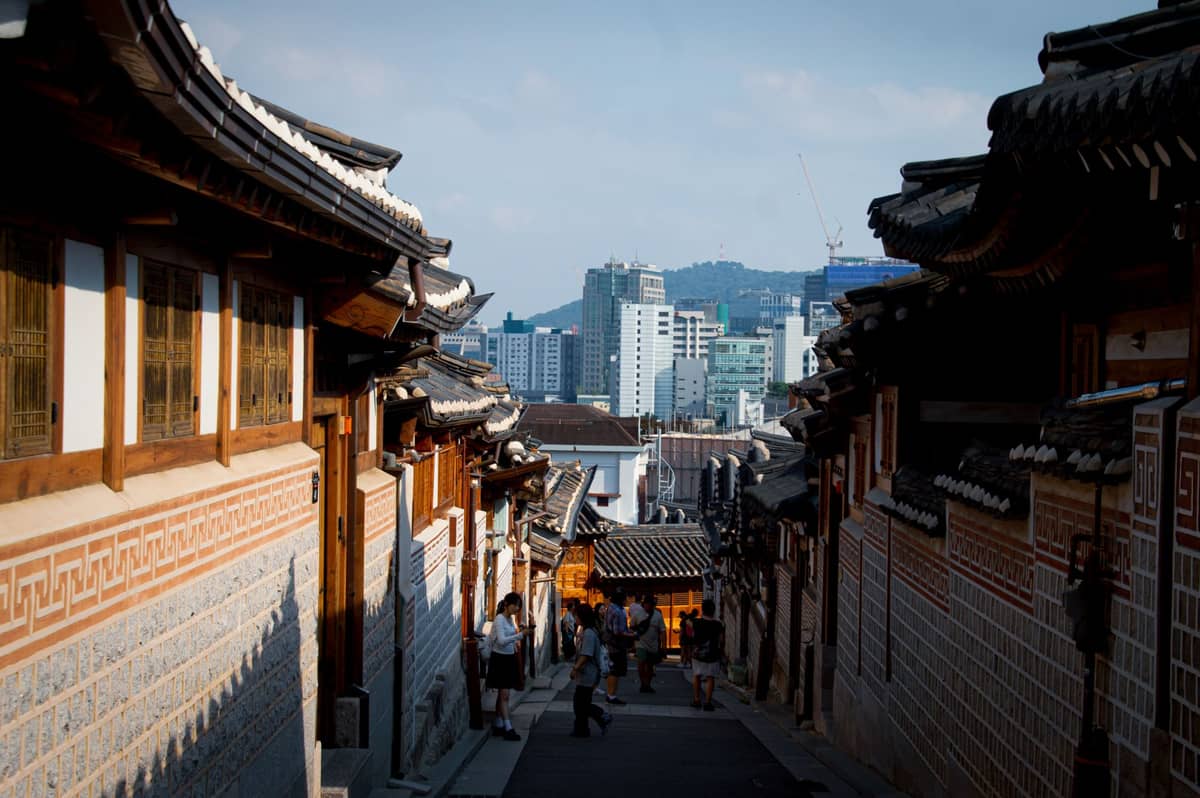
Seoul's older neighborhoods sit on hillsides, and walking through them involves genuine climbing even when you're not 'hiking'. Bukchon, Seochon, and the areas around the palaces all reward walkers willing to leave the main streets. These routes work especially well in spring or autumn, and pair naturally with a visit to the city's historic core. Our guide to Seoul's hanok villages covers the best of these hillside neighborhoods in detail.
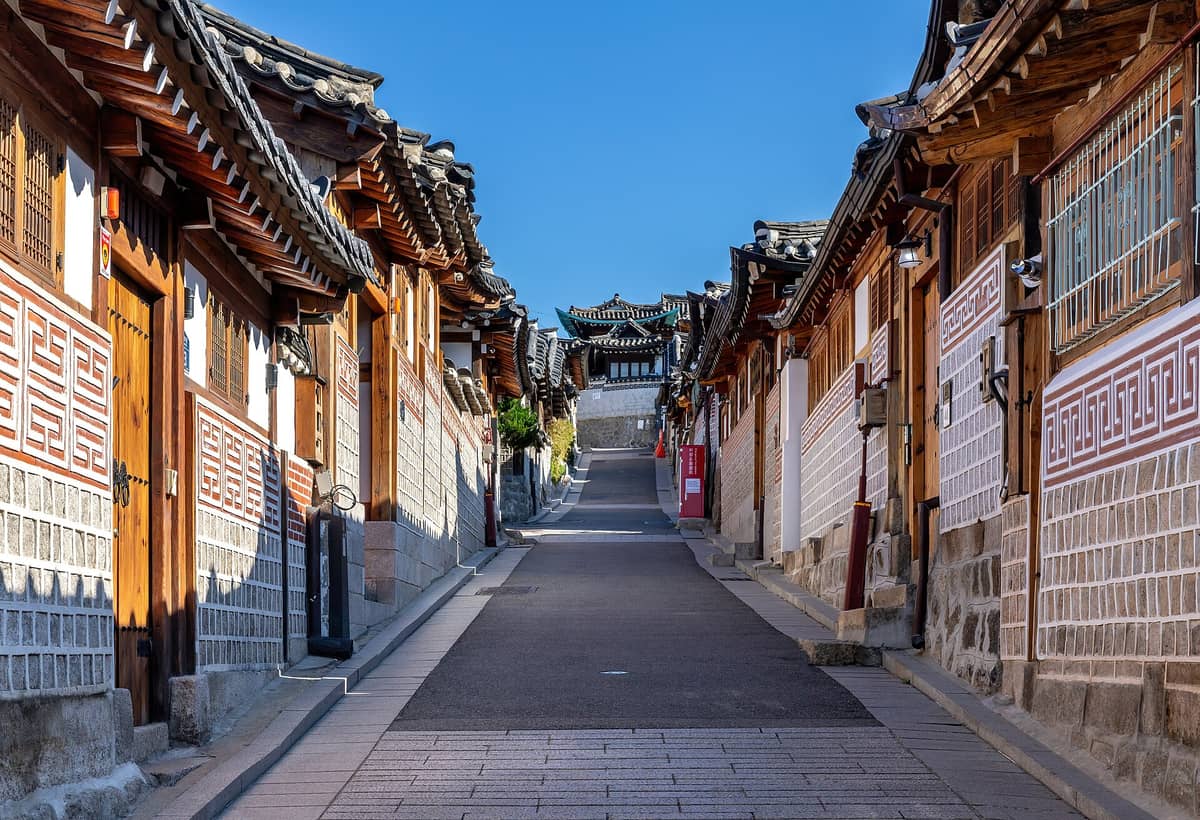
11. Climb the Steep Alleyways of Bukchon Hanok Village
Bukchon's narrow lanes climb sharply between 900+ traditional hanok houses on the ridge between two palaces. The classic viewpoint on Gahoe-ro 11-gil requires a real uphill walk. Go early morning to avoid crowds and enjoy the best photography light.
Explore11. Climb the Steep Alleyways of Bukchon Hanok Village
Bukchon's narrow lanes climb sharply between 900+ traditional hanok houses on the ridge between two palaces. The classic viewpoint on Gahoe-ro 11-gil requires a real uphill walk. Go early morning to avoid crowds and enjoy the best photography light.
Explore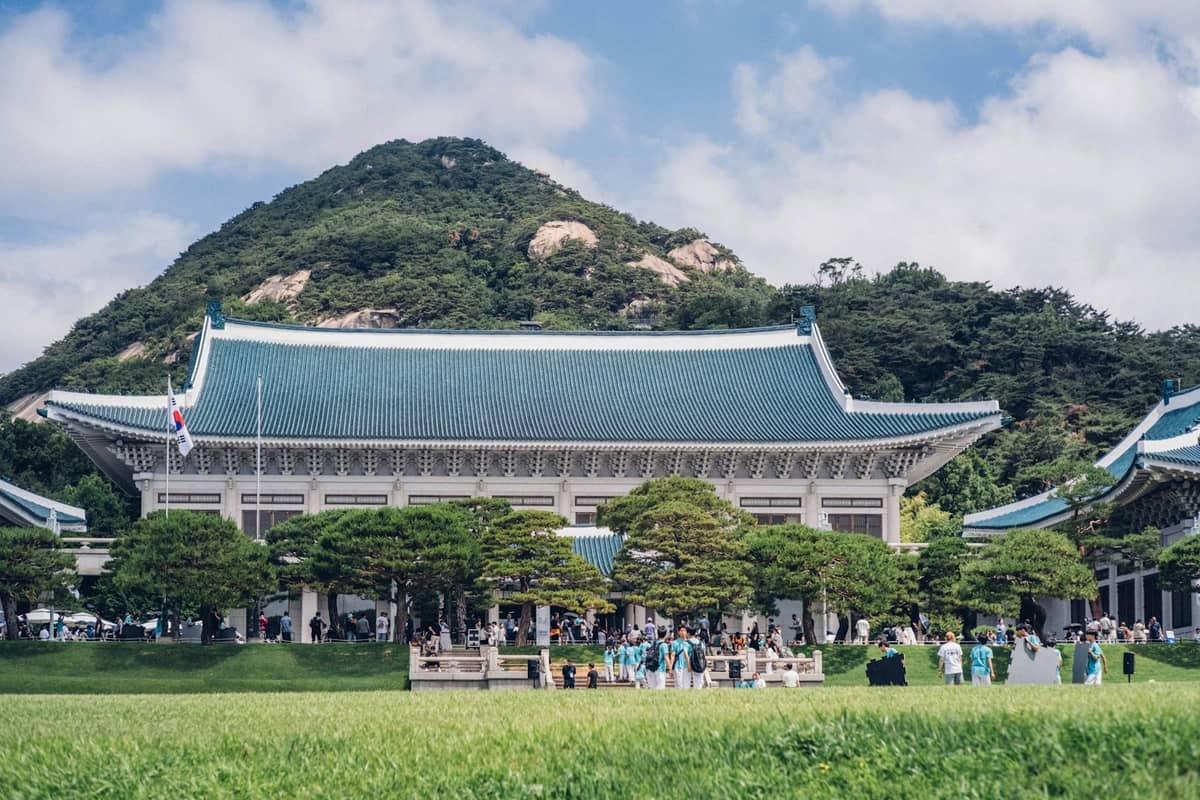
12. Hike to the Blue House and Bugaksan Foothills
The former presidential residence sits at the base of Bugaksan, and guided tours of Cheong Wa Dae include views of the mountain's forested lower slopes. Combine this with the Bugaksan section of the Seoul City Wall for a half-day mountain-and-history route.
Explore12. Hike to the Blue House and Bugaksan Foothills
The former presidential residence sits at the base of Bugaksan, and guided tours of Cheong Wa Dae include views of the mountain's forested lower slopes. Combine this with the Bugaksan section of the Seoul City Wall for a half-day mountain-and-history route.
Explore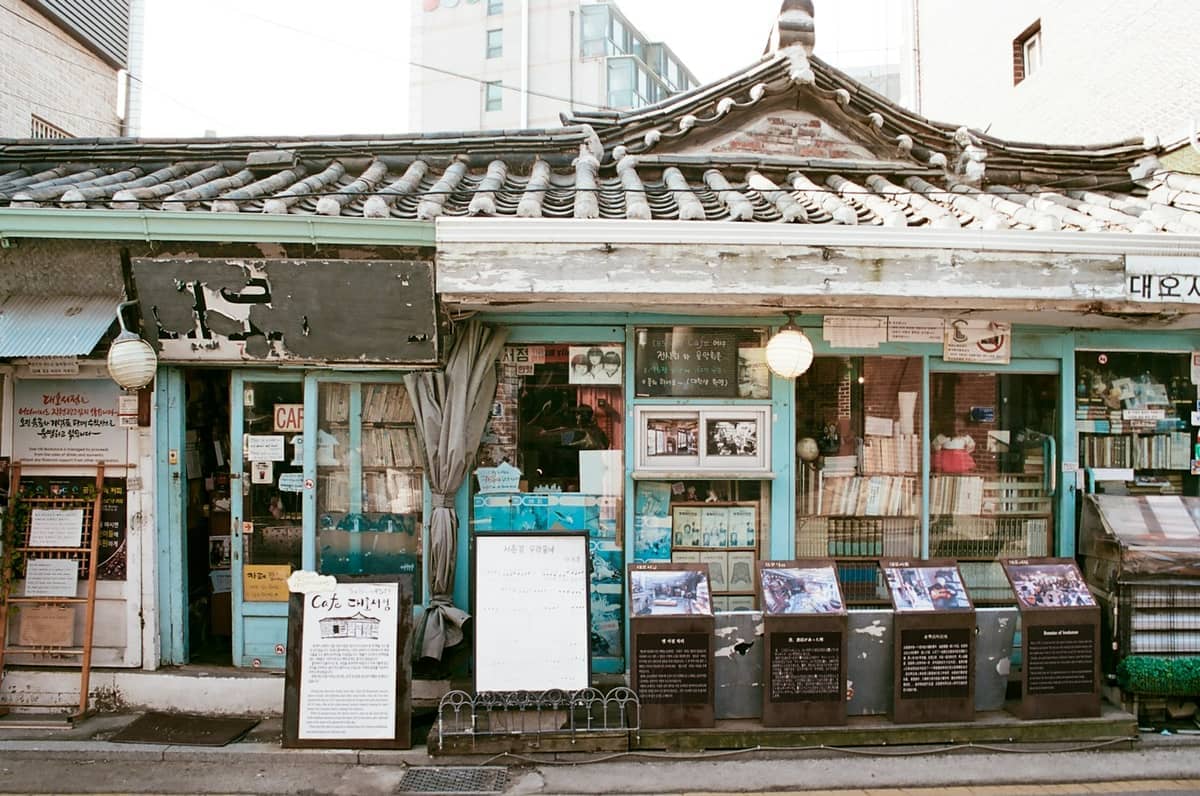
13. Explore Seochon Village's Hillside Lanes on Foot
Seochon climbs the western slope of Inwangsan with narrow alleys connecting independent cafés, art studios, and hanok houses. Walk uphill toward Changuimun Gate to naturally link into the Inwangsan hiking trail for an easy combined 2-3 hour morning.
Explore13. Explore Seochon Village's Hillside Lanes on Foot
Seochon climbs the western slope of Inwangsan with narrow alleys connecting independent cafés, art studios, and hanok houses. Walk uphill toward Changuimun Gate to naturally link into the Inwangsan hiking trail for an easy combined 2-3 hour morning.
Explore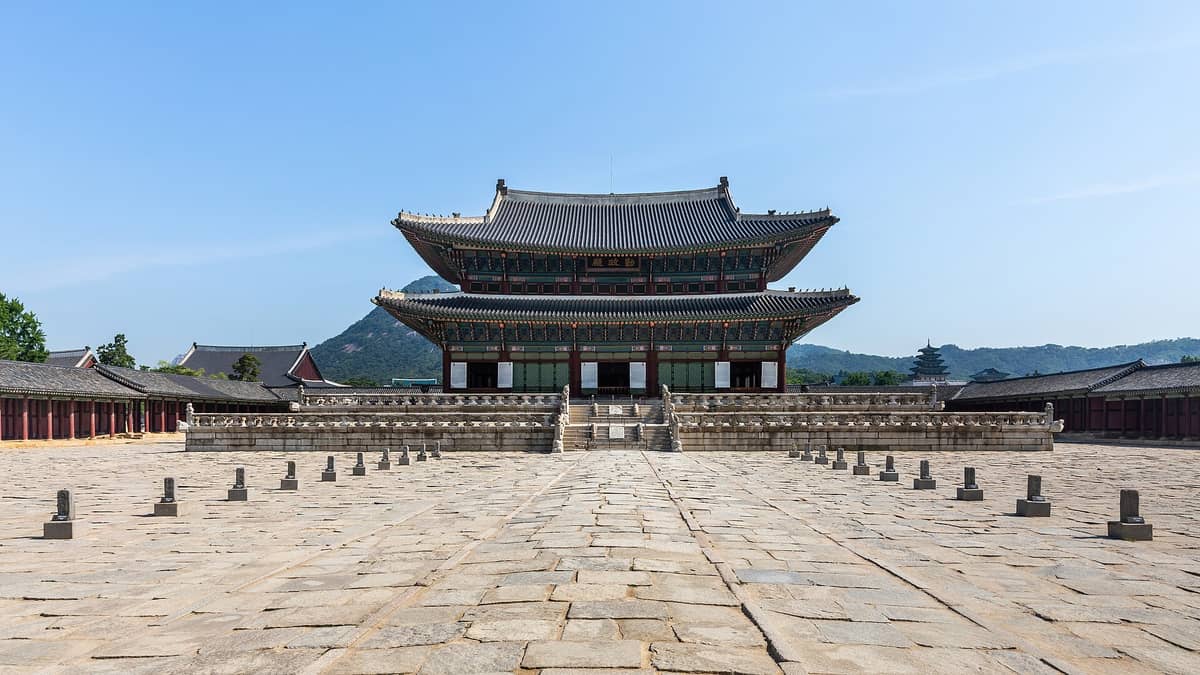
14. Use Gyeongbokgung as Your Gateway to the Northern Mountains
The northern exit of Gyeongbokgung Palace points directly toward Bugaksan and the city wall trailheads. After touring the palace, continue north on foot to reach the Bugaksan section of Hanyangdoseong in under 15 minutes. A natural two-part itinerary.
Explore14. Use Gyeongbokgung as Your Gateway to the Northern Mountains
The northern exit of Gyeongbokgung Palace points directly toward Bugaksan and the city wall trailheads. After touring the palace, continue north on foot to reach the Bugaksan section of Hanyangdoseong in under 15 minutes. A natural two-part itinerary.
ExploreCombining Hiking with Culture & Views
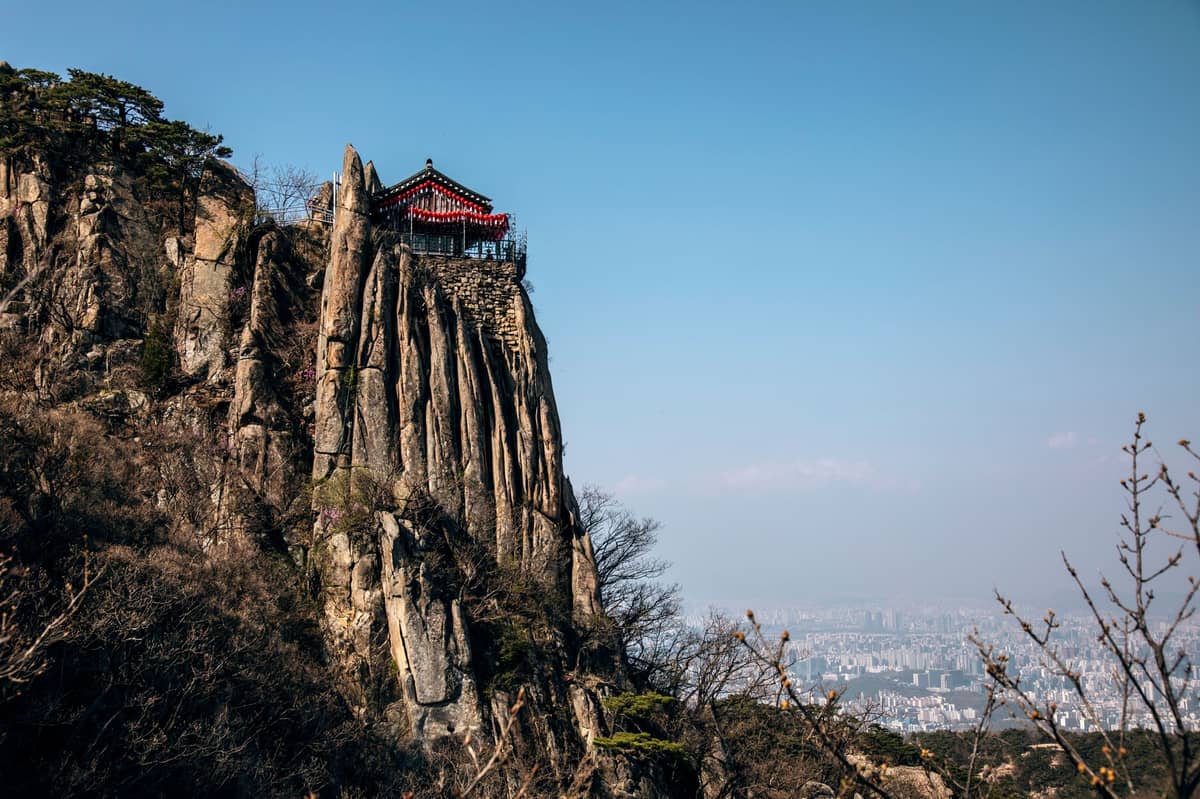
Seoul's hiking trails rarely exist in isolation. The city wall passes through historic gates, mountain temples sit inside national park boundaries, and several of the best viewpoints are on rooftops or hilltop observation decks rather than summits. These attractions work best as add-ons to a hiking day, or as standalone visits on lighter itineraries. For the city's best panoramas from both trails and urban decks, our guide to the best views in Seoul is a useful companion.
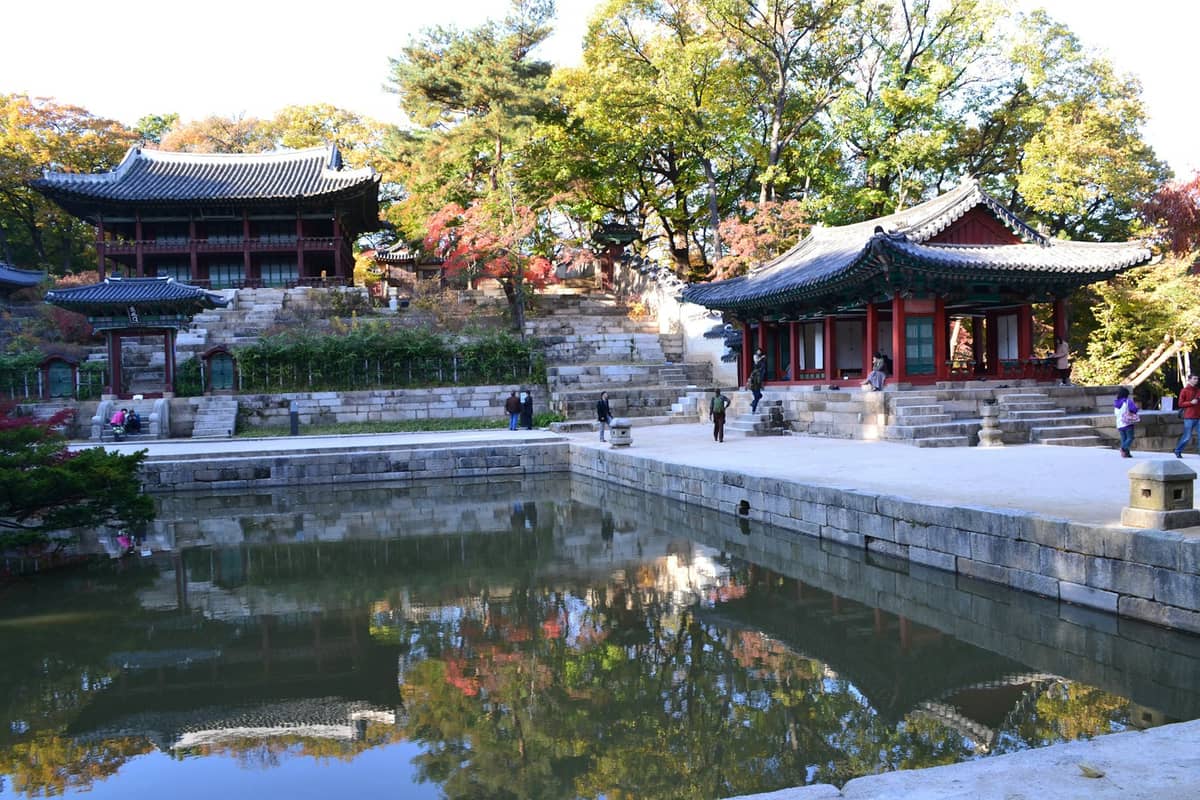
15. Walk the Forested Secret Garden at Changdeokgung Palace
Changdeokgung's rear garden (Huwon) is a 78-acre woodland of pavilions, lotus ponds, and centuries-old trees on a natural hillside. The guided walk covers gentle slopes and forested paths — not a hike, but a genuinely outdoor experience inside a UNESCO site.
Explore15. Walk the Forested Secret Garden at Changdeokgung Palace
Changdeokgung's rear garden (Huwon) is a 78-acre woodland of pavilions, lotus ponds, and centuries-old trees on a natural hillside. The guided walk covers gentle slopes and forested paths — not a hike, but a genuinely outdoor experience inside a UNESCO site.
Explore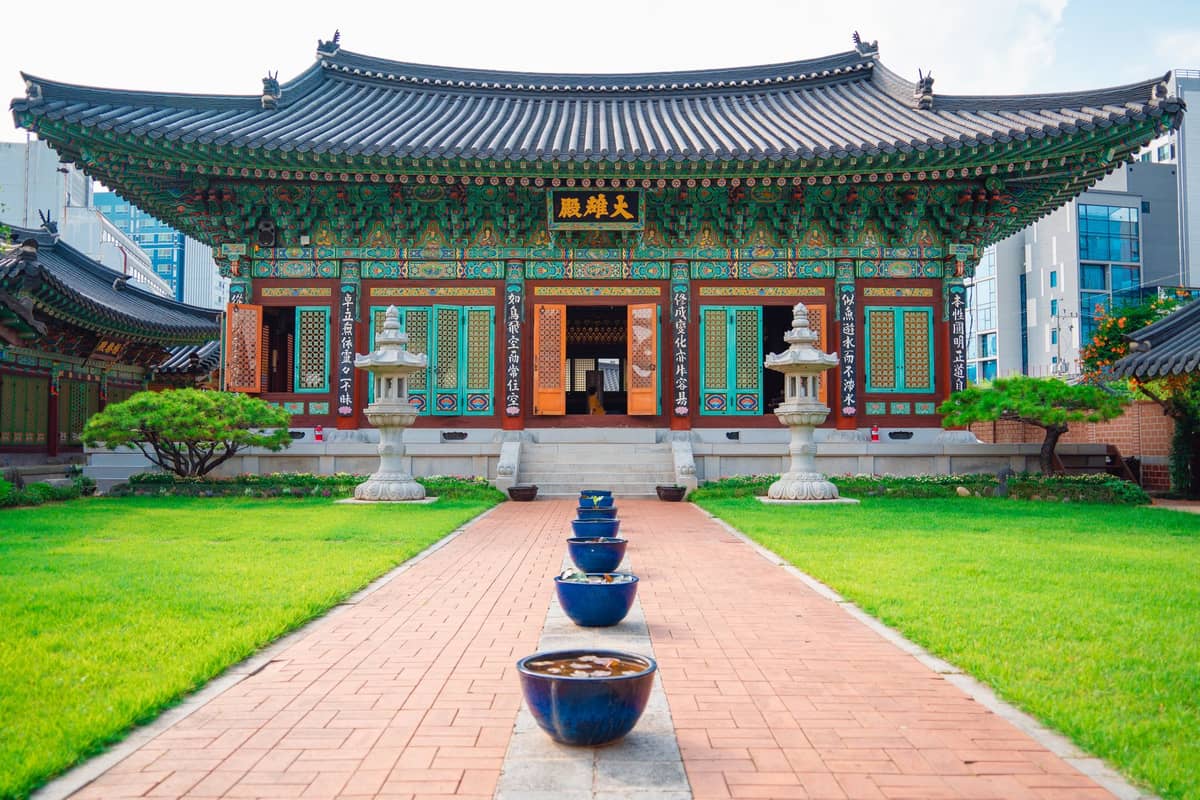
16. Visit Jogyesa Temple Before or After an Inwangsan Hike
Jogyesa, the head temple of Korean Buddhism, sits in central Jongno and makes a natural cultural stop before heading west to Inwangsan's trailheads. The temple's 500-year-old trees and lantern-filled courtyard take about 30 minutes to explore properly.
Explore16. Visit Jogyesa Temple Before or After an Inwangsan Hike
Jogyesa, the head temple of Korean Buddhism, sits in central Jongno and makes a natural cultural stop before heading west to Inwangsan's trailheads. The temple's 500-year-old trees and lantern-filled courtyard take about 30 minutes to explore properly.
Explore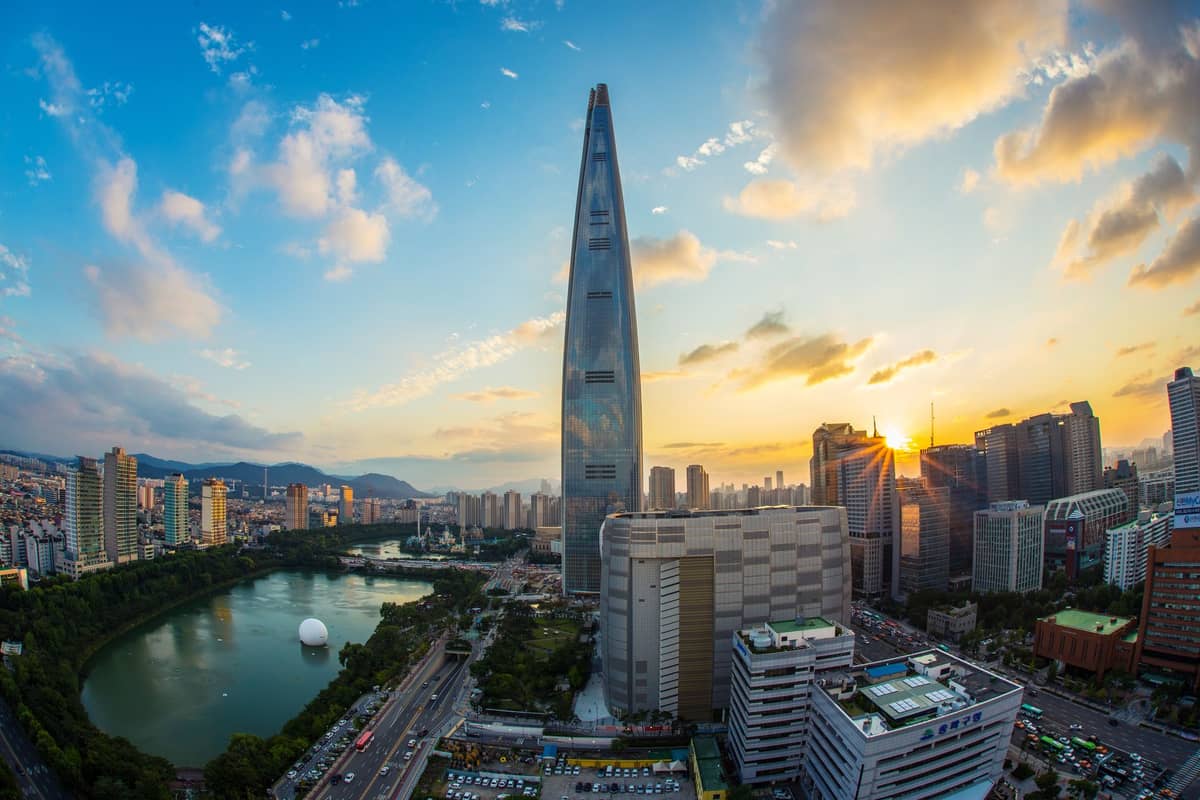
17. Compare Trail Views with Lotte World Tower's Seoul Sky Deck
After a day on the trails, the Seoul Sky observation deck on floors 117-123 of Lotte World Tower offers a completely different perspective on the same mountains you just walked. The glass floor sections are not for the faint-hearted. Book tickets in advance.
Explore17. Compare Trail Views with Lotte World Tower's Seoul Sky Deck
After a day on the trails, the Seoul Sky observation deck on floors 117-123 of Lotte World Tower offers a completely different perspective on the same mountains you just walked. The glass floor sections are not for the faint-hearted. Book tickets in advance.
Explore✨ Pro tip
Download the KakaoMap or Naver Map app before heading to the trailheads. Both apps show hiking trail overlays in Korean and English, including distance, elevation profiles, and estimated walking times. Cell coverage on most Seoul trails is excellent.
FAQ
Do I need hiking boots to hike in Seoul?
For Bukhansan's upper trails and the Bugaksan section of the city wall, proper hiking shoes or trail runners are strongly recommended. The granite scrambles and uneven stone steps can be slippery. For Naksan Park, Namsan, and Haneul Park, comfortable walking shoes are fine.
Is Bukhansan National Park easy to reach by public transport?
Yes. Multiple subway stations provide direct access to different trailheads: Gupabal Station (Line 3) for nearby trail access, Dobongsan Station (Line 1/7) for the Dobong Valley trails, and Ui Station (Ui-Sinseol Line) for the Bukhansanseong area. No car needed.
How long does it take to walk the full Seoul City Wall trail?
The complete 18.6km Hanyangdoseong circuit typically takes 8-10 hours including rest stops. Most visitors walk one or two sections per visit. The Naksan section (about 2.1km) takes roughly 1 hour; the Namsan section (about 4.2km) takes 2-3 hours at a relaxed pace.
Are Seoul's hiking trails free to access?
Yes, all public hiking areas including Bukhansan National Park, the Seoul City Wall trail, Inwangsan, and Namsan are free to enter. You pay only for optional extras such as the Namsan cable car, guided tours, or the N Seoul Tower observation deck.
What is the best season for hiking in Seoul?
Spring (April-May) and autumn (September-October) are ideal: mild temperatures, lower humidity, and excellent visibility from the summits. Autumn also brings dramatic foliage across Bukhansan and the city wall ridges. Summer hiking is possible but heat and monsoon rains (June-July) make trail conditions harder.