Haneul Park: Seoul's Sky Park Above the City
Perched on the slopes of a former landfill in Mapo-gu, Haneul Park is one of five parks within World Cup Park and offers some of the most expansive open-sky views in Seoul. Free to enter and accessible via subway, it rewards visitors with silver grass meadows in autumn, wildflower fields in spring, and a panoramic cityscape that stretches from the Han River to the distant mountains.
Quick Facts
- Location
- 95 Haneulgongwon-ro, Mapo-gu, Seoul (World Cup Park complex)
- Getting There
- Seoul Subway Line 6, World Cup Stadium Station, Exit 1 (approx. 1.6 km walk or shuttle)
- Time Needed
- 1.5 to 3 hours depending on pace and season
- Cost
- Free admission
- Best for
- Sunset views, autumn silver grass, city panoramas, easy nature escapes
- Official website
- parks.seoul.go.kr
What Haneul Park Actually Is
Haneul Park, whose name translates literally to Sky Park, sits at the top of the former Nanjido landfill in Mapo-gu, on the northwestern edge of Seoul near the Han River. For decades, Nanjido was one of the largest garbage dumps in South Korea, absorbing the city's waste until it closed in 1993. What was once an environmental liability was transformed into World Cup Park, a complex of five interconnected green spaces, in preparation for the 2002 FIFA World Cup co-hosted by South Korea and Japan. Haneul Park is the highest and most dramatically situated of the five parks, offering a wide open plateau that feels genuinely removed from the urban grid below.
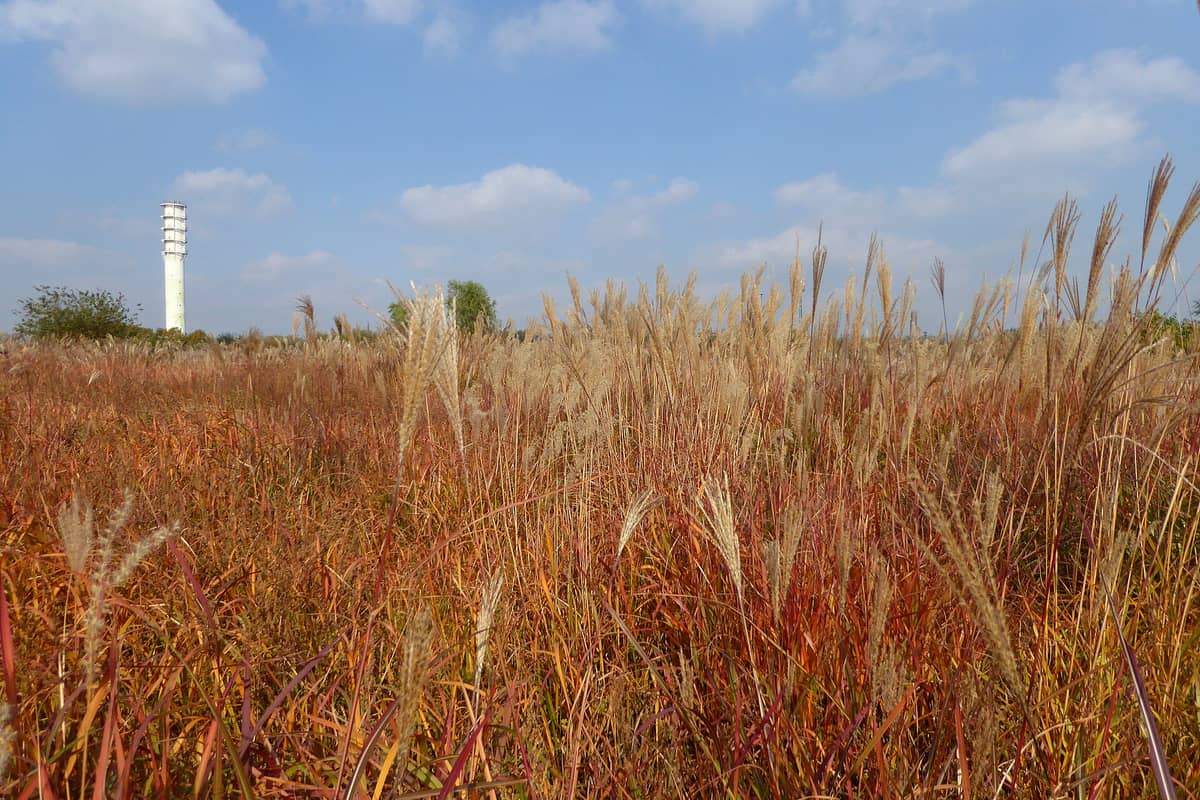
The park's defining characteristic is its sense of openness. Unlike Seoul's forested mountain parks, Haneul Park has few tall trees. Instead, the plateau is blanketed in meadow grasses, wildflowers, and reeds that shift dramatically with the seasons. The sky, as the name implies, is always the dominant element here, whether it's a clear autumn blue, a hazy summer white, or a vivid orange at sunset. On clear days, the view extends to Bukhansan in the north and the Han River in the south.
ℹ️ Good to know
Opening hours are 05:00 to 20:30 daily, but seasonal adjustments are made. Verify exact times at parks.seoul.go.kr or the Seoul tourism website before visiting, especially if you're timing a sunset or early morning visit.
Getting There: The Uphill Approach
The most practical approach is by subway. Take Seoul Subway Line 6 to World Cup Stadium Station and exit from Exit 1. The park entrance is approximately 1.6 km from the station, which means a walk through the flat World Cup Park grounds before the ascent to the hilltop begins. The route is signposted, but it is not a short stroll, and the final stretch involves a meaningful climb either up a series of wide concrete steps or via the electric tram shuttle that runs during operating hours.
The tram is worth knowing about if you are traveling with elderly companions, young children, or mobility concerns. It departs from the base of the hill and drops passengers near the top, cutting out the main climb. That said, many visitors choose to walk up, especially in cooler weather, as the ascent itself offers progressively improving views over the park grounds below.
If you are arriving by car, parking is available in the World Cup Park complex, though weekend and holiday traffic can make this slower than the subway option. Ride-hailing via Kakao T drops you at the park boundary, not the hilltop, so you will still need to factor in the uphill section.
💡 Local tip
Wear shoes you would be comfortable walking uphill in for 10 to 15 minutes on paved paths and steps. Flat sandals or dress shoes will make the climb noticeably less pleasant, especially on wet days.
Tickets & tours
Hand-picked options from our booking partner. Prices are indicative; availability and final rates are confirmed when you complete your booking.
DMZ and Lake Majang Suspension Bridge Tour from Seoul
From 57 €Instant confirmationFree cancellationHalf Day DMZ Tour from Seoul, 3rd Tunnel, Observatory and More
From 47 €Instant confirmationFree cancellationSeoul zombie city exploration game and private tour
From 10 €Instant confirmationFree cancellationLuggage Storage in Seoul
From 7 €Instant confirmationFree cancellation
The Seasonal Rhythm: When You Go Matters
Haneul Park has a reputation that changes depending on the month. Autumn, specifically October and November, is when the park draws its largest crowds. The silver grass (eokssae) festival, held annually in October, marks the point when the meadow grasses reach full height and catch the light in shimmering waves. In the late afternoon, the hillside glows gold and silver as the low sun cuts across the grass, and the Seoul skyline fills the background. It is one of the more genuinely photogenic seasonal spectacles in the city, and visitor numbers on weekend afternoons in October reflect that.
Spring, roughly April through May, brings a quieter and often underrated version of the park. Wildflowers, canola fields, and fresh green grass cover the plateau, and the air is cool enough to make the walk comfortable. This is a good time for visitors who want the views without the dense crowds. Spring also aligns well with Seoul's cherry blossom season, making a combined visit to the park and a riverside walk a natural pairing. For context on timing your trip around seasonal highlights, see the guide on visiting Seoul in spring.
Summer brings heat, humidity, and the monsoon season, which typically runs from late June through July. The park remains open, but afternoon thunderstorms are frequent, and the exposed hilltop provides no shelter during downpours. Morning visits in summer, before 09:00, can actually be pleasant, as the light is soft and visitor numbers are low. Avoid the midday and afternoon on hot days, particularly in July and August.
Winter strips the park down to its essential geometry. The grasses go brown, the sky is wide and often brilliantly clear, and on cold days after snowfall the hilltop has an austere, striking quality that very few visitors see. The panoramic view in winter, with snow-capped Bukhansan visible in the distance, is arguably sharper and more dramatic than any other season, though you will need to dress appropriately for temperatures that can drop well below zero.
What You See at the Top
The plateau at the summit is organized around a series of paths, meadow sections, and wooden decking areas. There are windmills installed at the hilltop, a visual legacy of the site's redevelopment. The windmills have become something of an unofficial symbol of the park, visible from across the meadow and frequently included in photographs.
The view looking south and west takes in the Han River, the apartment towers of Mapo-gu and Yeongdeungpo, and on clear days the mountains beyond the city to the south. Looking north, you can see the ridge of Bukhansan, and to the east, the dense urban skyline of central Seoul. There are no restaurants or cafes at the summit, so bring water, especially in warm weather. There is a small rest area and benches.
At sunset, the light on the plateau is exceptional. The combination of open sky, grass, and the low sun over the Han River creates conditions that draw photographers and couples in significant numbers in the hour before closing. If you are interested in finding the best elevated viewpoints across the city, this overview of Seoul's best views gives useful comparison context.
The Surrounding World Cup Park Complex
Haneul Park does not exist in isolation. The World Cup Park complex surrounding it includes Noeul Park, which is the favored sunset-watching spot, as well as Pyeonghwa Park and Nanji Hangang Park along the river. A visit to Haneul Park pairs naturally with a walk down to the river, particularly on weekends when is at its most active. The combination of the hilltop park and a riverside walk covers a satisfying half-day. as well as Pyeonghwa Park and Nanji Hangang Park along the river. A visit to Haneul Park pairs naturally with a walk down to the river, particularly on weekends when Hangang Park is at its most active. The combination of the hilltop park and a riverside walk covers a satisfying half-day.
The nearby Mapo-gu neighborhood gives the park a distinctive character in terms of its surrounding area. The neighborhood is known for its university population, cafe culture, and creative energy, and the streets between World Cup Stadium station and the park entrance pass through an area with a noticeably different feel from the polished commercial districts further south. If you are extending your day, the local streets have a range of affordable cafes and restaurants in the mid-range bracket.
💡 Local tip
Noeul Park, just below Haneul Park on the same hill, is specifically designed as a sunset-watching platform and has benches and a dedicated viewpoint. If you want a more relaxed, less crowded sunset experience compared to the hilltop, walk down to Noeul Park about 20 minutes before sunset.
Photography and Practical Details
The best photography conditions on the hilltop occur in the two hours before sunset, when the light hits the grass at a low angle and the city skyline is visible without harsh overhead glare. Autumn gives the warmest tones. In spring, early morning visits in soft overcast light bring out the greens and yellows of the meadow without blown-out skies. A wide-angle lens or a smartphone with a wide setting works well for capturing the scale of the plateau against the skyline.
There is no in-park photography restriction for personal use. Drone operation within Seoul parks is subject to airspace regulations and generally requires prior approval; do not assume open meadows equal open airspace.
Accessibility across the park surface is reasonable on the paved paths, but some grass paths become muddy after rain. The electric tram reduces the barrier for visitors who cannot manage the stairs, though operating schedules for the tram should be confirmed before assuming it will be running. The steps themselves are wide and manageable for most visitors.
Who This Park Is Not For
Visitors expecting a manicured botanical garden, a museum-style cultural attraction, or a developed entertainment experience will find Haneul Park underwhelming. The appeal is atmospheric and seasonal rather than feature-based. There is no permanent exhibit, no food service at the top, and no indoor shelter. On overcast days with flat light, or in midsummer heat, the park loses much of its visual drama. Travelers with very limited time in Seoul and an interest primarily in history, food, or culture will find better returns elsewhere in the city on a short schedule.
Those who are sensitive to wind should note that the exposed hilltop can be surprisingly cold and blustery even on mild days, particularly in spring and autumn. For a broader picture of how to use your time across the city, the guides on 3 days in Seoul and free things to do in Seoul both include useful prioritization context.
Insider Tips
- Arrive at least 45 minutes before closing time if you want to explore the full plateau without feeling rushed, as the closing time can vary month to month and is enforced.
- The electric tram shuttle runs from the base of the hill to near the top, but it is not always in operation. Check the current schedule at the entrance before relying on it, especially if mobility is a concern.
- For the silver grass festival in October, weekday mornings between 09:00 and 11:00 offer dramatically fewer crowds than weekend afternoons. The light is also better on a clear weekday morning than in the midday haze of a packed Saturday.
- There are no food or drink vendors at the hilltop. Bring water, particularly from late spring through early autumn, as the exposed platform offers no shade and dehydration sneaks up quickly on warm days.
- Noeul Park, directly downhill from Haneul Park on the western slope, is a distinct and less-visited park designed specifically for sunset viewing. If the hilltop is packed, walking down to Noeul's dedicated viewpoint benches can give you a calmer experience of the same sunset.
Who Is Haneul Park For?
- Autumn visitors wanting to see Seoul's silver grass meadows at peak season
- Photographers looking for an elevated, wide-open city panorama with natural foreground
- Budget-conscious travelers seeking a free, half-day nature escape close to the city center
- Couples looking for a scenic sunset spot with skyline views over the Han River
- Visitors combining a hilltop walk with a riverside afternoon at Hangang Park
Nearby Attractions
Other things to see while in Hongdae & Mapo:
- Mangwon Market
Mangwon Market (망원시장) is a working daily market in Mapo-gu where locals actually shop for groceries, banchan, and street snacks. It lacks the fame of Gwangjang or Namdaemun, which is precisely what makes it worth the short subway ride.
- Seoul Botanic Park
Seoul Botanic Park opened in 2019 as Korea's first botanical park, bringing together a climate-controlled greenhouse, lakeside wetlands, and a sprawling open forest in the Gangseo district. It rewards slow walkers and plant enthusiasts, but also works surprisingly well as a half-day escape from central Seoul's crowds.