The Best Free Things to Do in Seoul
Seoul is one of the most rewarding cities in the world to explore on a tight budget. From UNESCO-listed palaces and ancient city walls to world-class museums and sprawling riverside parks, an enormous amount of what makes Seoul great costs absolutely nothing to experience.
Plan and book this trip
Tools from our partner Travelpayouts help you compare flights and hotels. If you book through them, we may earn a commission at no extra cost to you.
Flights
Hotels map
Seoul rewards budget travelers more generously than almost any other major world capital. The city's national museums are free year-round, its palaces offer free entry with hanbok rental, and its parks, markets, and historic neighborhoods ask nothing more than the effort of showing up. Whether you have one day or five, you can build a genuinely rich itinerary without spending a single won on entry fees. For a broader overview of the city, see our complete Seoul travel guide or, if you're working with a tighter timeline, our 3-day Seoul itinerary shows you how to structure the highlights efficiently.
💡 Local tip
Many national and public museums in Seoul offer free or discounted entry every Wednesday (Culture Day, the last Wednesday of every month). Gyeongbokgung and other major palaces waive admission if you wear hanbok — rental shops cluster just outside the gates.
Palaces, Shrines & Historic Sites
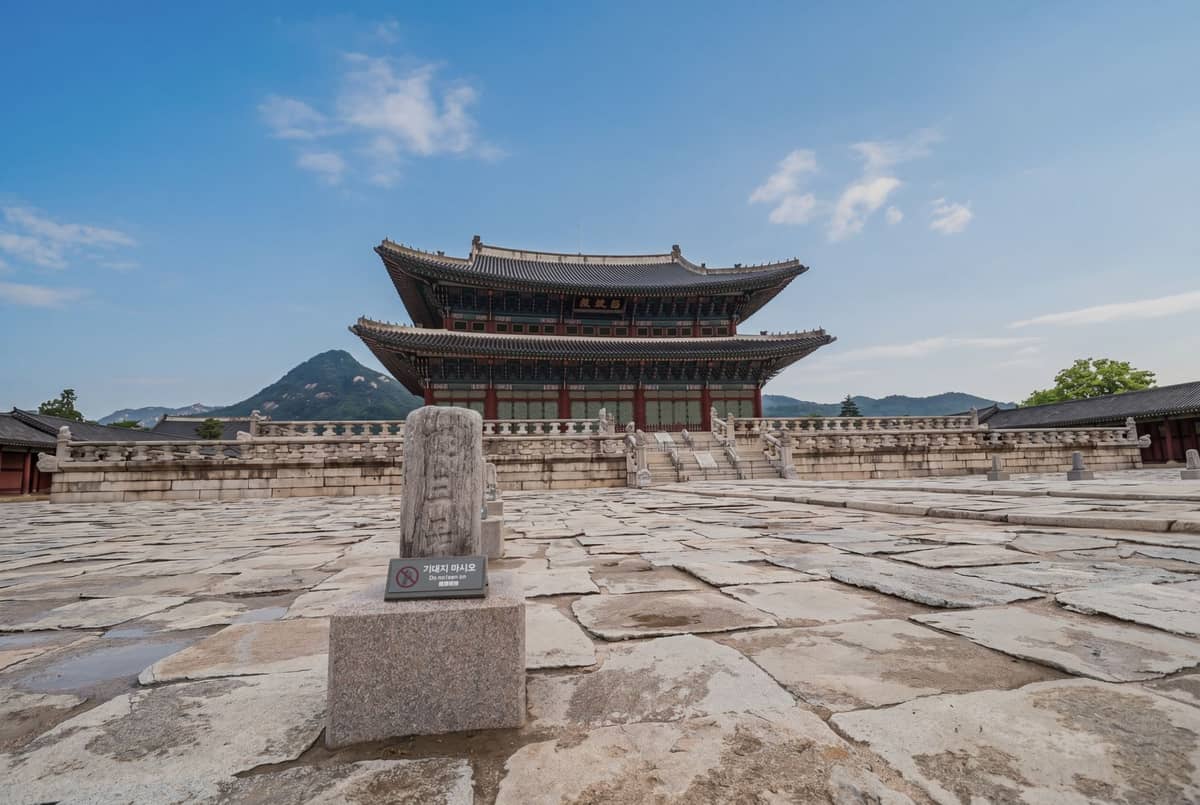
Seoul's Joseon-era heritage is remarkably well preserved and largely free to access. The historic core around Jongno and Bukchon contains five royal palaces, a UNESCO-listed Confucian shrine, and the city's original fortress wall — all within easy walking distance of each other. For a deeper dive into the palace circuit, our guide to Seoul's palaces covers each one in detail.
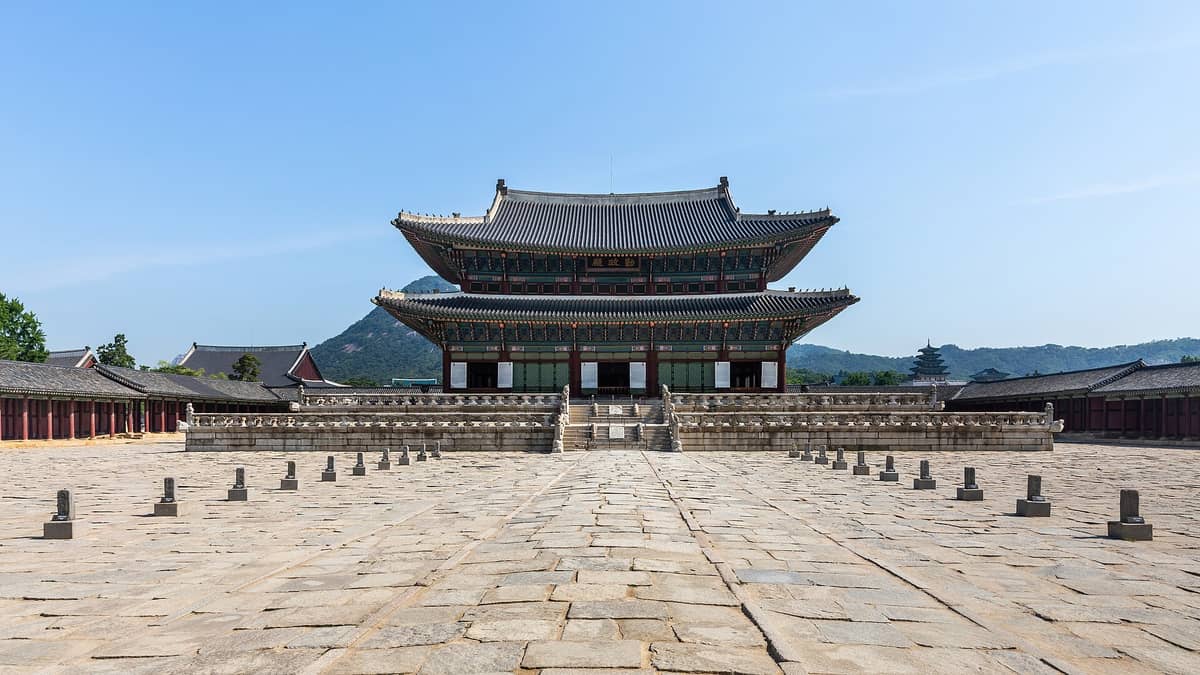
1. Watch the Changing of the Guard at Gyeongbokgung Palace
Seoul's grandest Joseon palace charges a small entry fee, but the iconic changing of the guard ceremony at Gwanghwamun Gate is completely free to watch from outside. The ceremony runs multiple times daily and is one of Seoul's great free spectacles.
Explore1. Watch the Changing of the Guard at Gyeongbokgung Palace
Seoul's grandest Joseon palace charges a small entry fee, but the iconic changing of the guard ceremony at Gwanghwamun Gate is completely free to watch from outside. The ceremony runs multiple times daily and is one of Seoul's great free spectacles.
Explore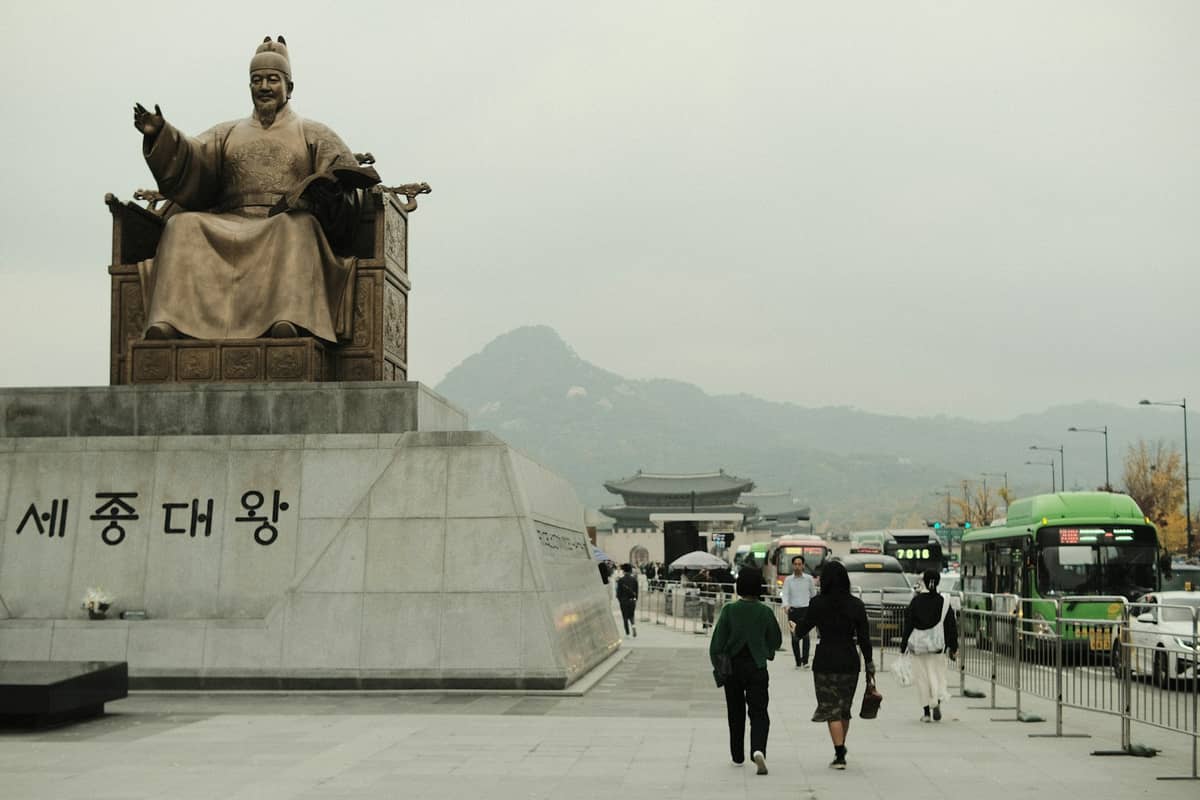
2. Stroll the Grand Civic Axis at Gwanghwamun Square
The great ceremonial boulevard fronting Gyeongbokgung is always open and free. The statues of Admiral Yi Sun-sin and King Sejong anchor the square, which serves as Seoul's primary public gathering space and offers a clear sightline toward Bugaksan Mountain.
Explore2. Stroll the Grand Civic Axis at Gwanghwamun Square
The great ceremonial boulevard fronting Gyeongbokgung is always open and free. The statues of Admiral Yi Sun-sin and King Sejong anchor the square, which serves as Seoul's primary public gathering space and offers a clear sightline toward Bugaksan Mountain.
Explore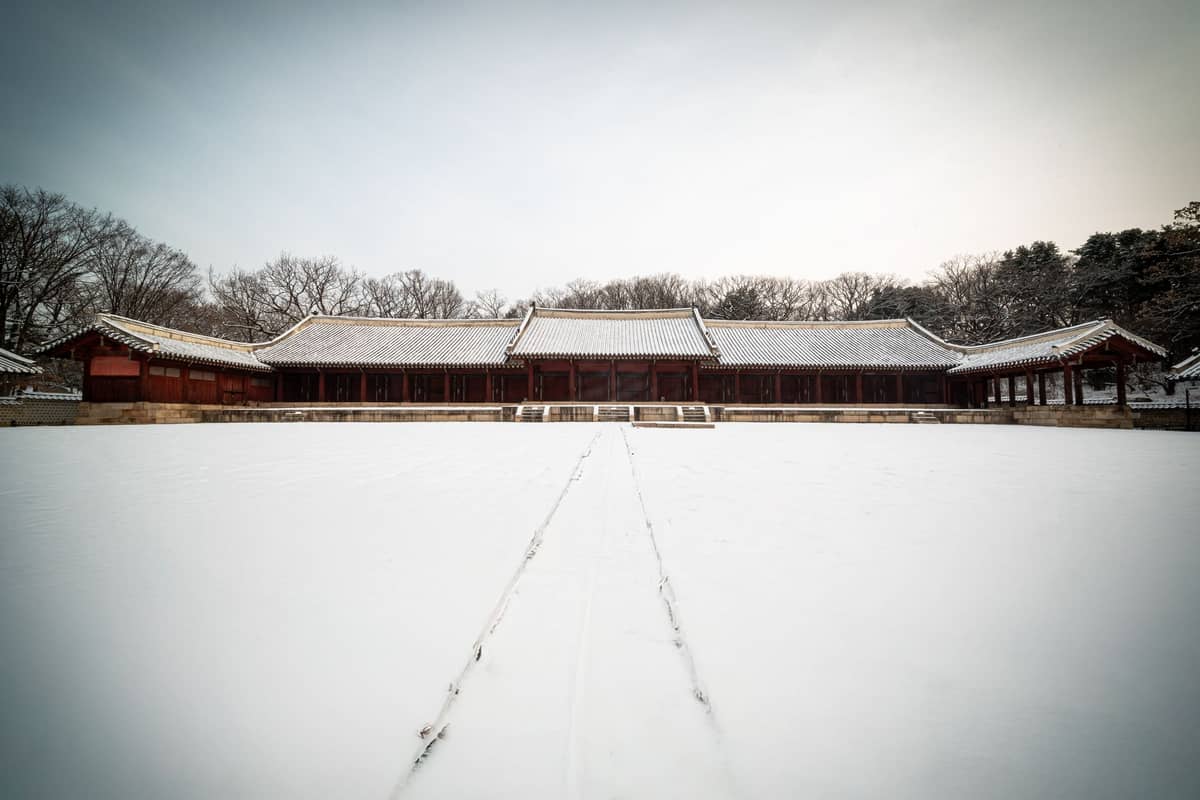
3. Visit the UNESCO Confucian Royal Shrine at Jongmyo
This remarkably austere UNESCO-listed shrine houses the spirit tablets of Joseon kings and queens. Entry requires a small fee on most days, but on Saturdays visitors can explore freely without a guide. The annual Jongmyo Daeje ritual is one of Korea's most extraordinary living traditions.
Explore3. Visit the UNESCO Confucian Royal Shrine at Jongmyo
This remarkably austere UNESCO-listed shrine houses the spirit tablets of Joseon kings and queens. Entry requires a small fee on most days, but on Saturdays visitors can explore freely without a guide. The annual Jongmyo Daeje ritual is one of Korea's most extraordinary living traditions.
Explore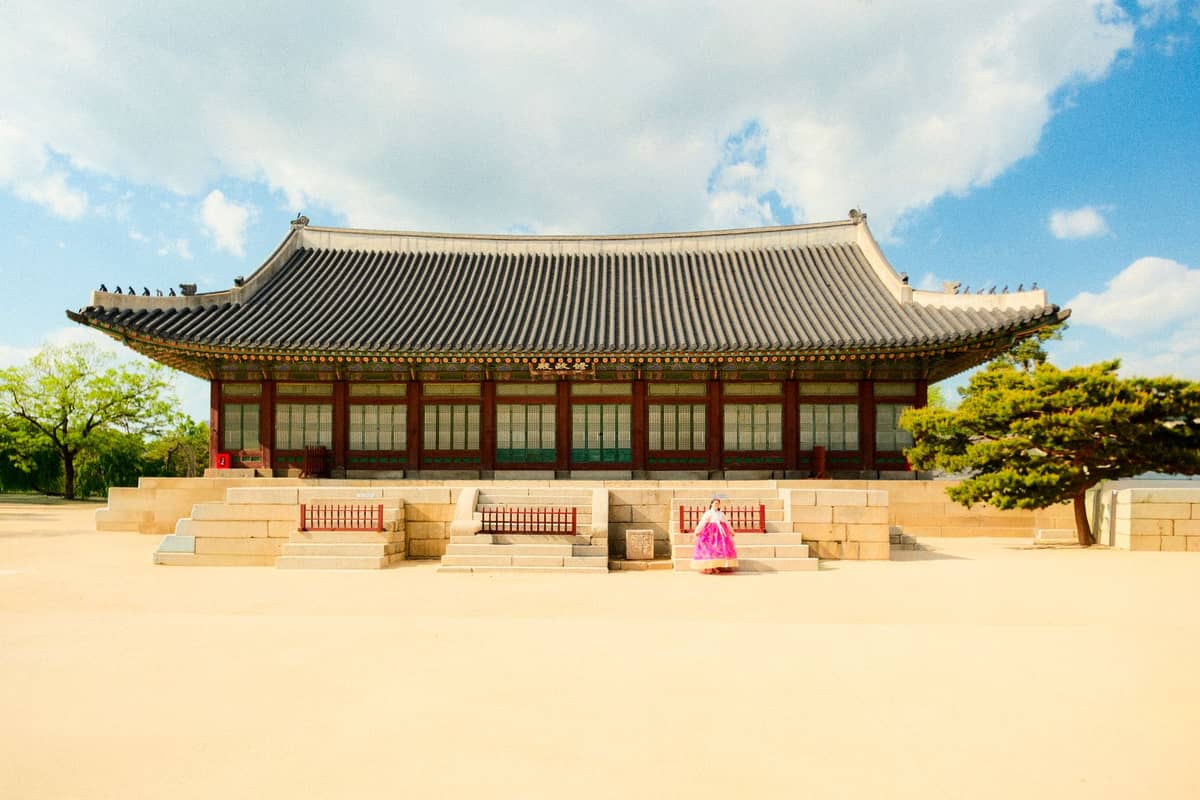
4. Wander the Quieter Grounds of Changgyeonggung Palace
Adjacent to Changdeokgung, this peaceful palace sees far fewer visitors than its famous neighbor. Its botanical greenhouse, tranquil ponds, and gently sloping grounds are ideal for a slow morning walk. Entry is low cost, and free on Culture Day (Wednesdays from April 2026).
Explore4. Wander the Quieter Grounds of Changgyeonggung Palace
Adjacent to Changdeokgung, this peaceful palace sees far fewer visitors than its famous neighbor. Its botanical greenhouse, tranquil ponds, and gently sloping grounds are ideal for a slow morning walk. Entry is low cost, and free on Culture Day (Wednesdays from April 2026).
Explore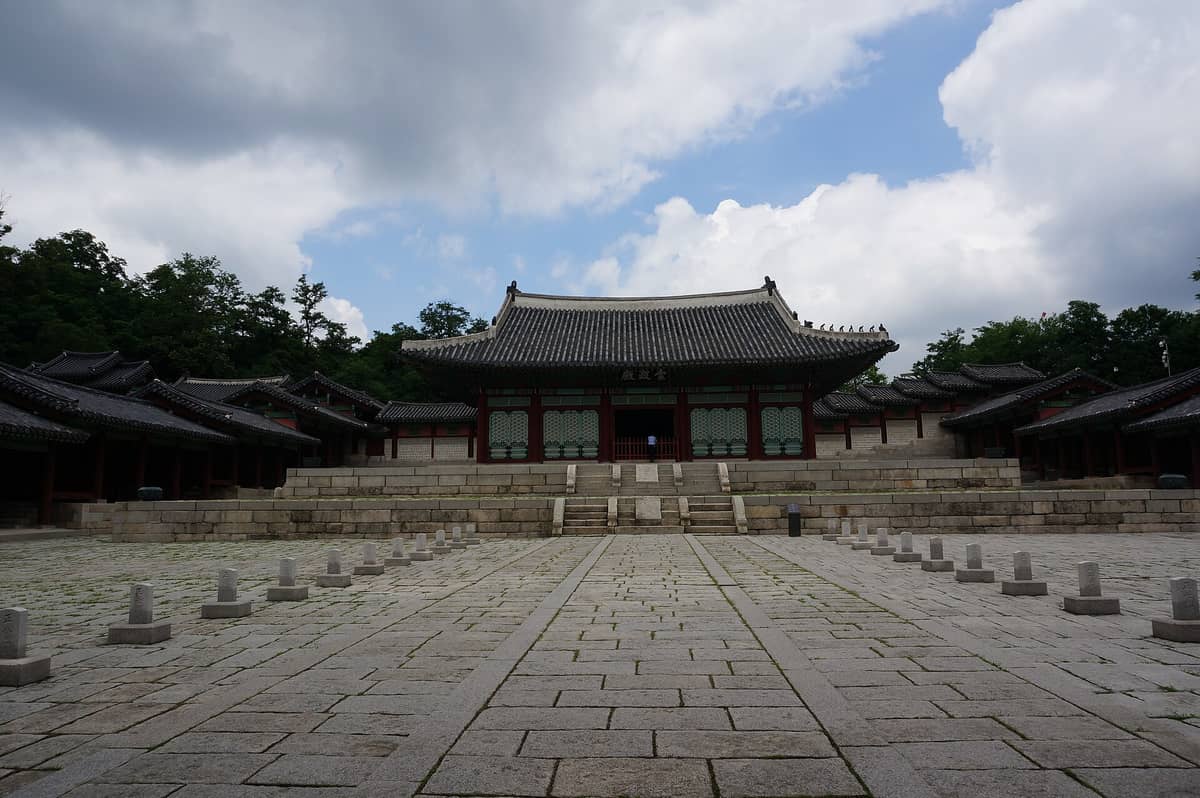
5. Discover the Least-Visited Joseon Palace at Gyeonghuigung
The most recently restored of Seoul's five palaces is consistently uncrowded and free to enter. Located next to the Seoul Museum of History in central Seoul, it offers a genuine sense of calm that the busier palaces rarely provide on weekends.
Explore5. Discover the Least-Visited Joseon Palace at Gyeonghuigung
The most recently restored of Seoul's five palaces is consistently uncrowded and free to enter. Located next to the Seoul Museum of History in central Seoul, it offers a genuine sense of calm that the busier palaces rarely provide on weekends.
Explore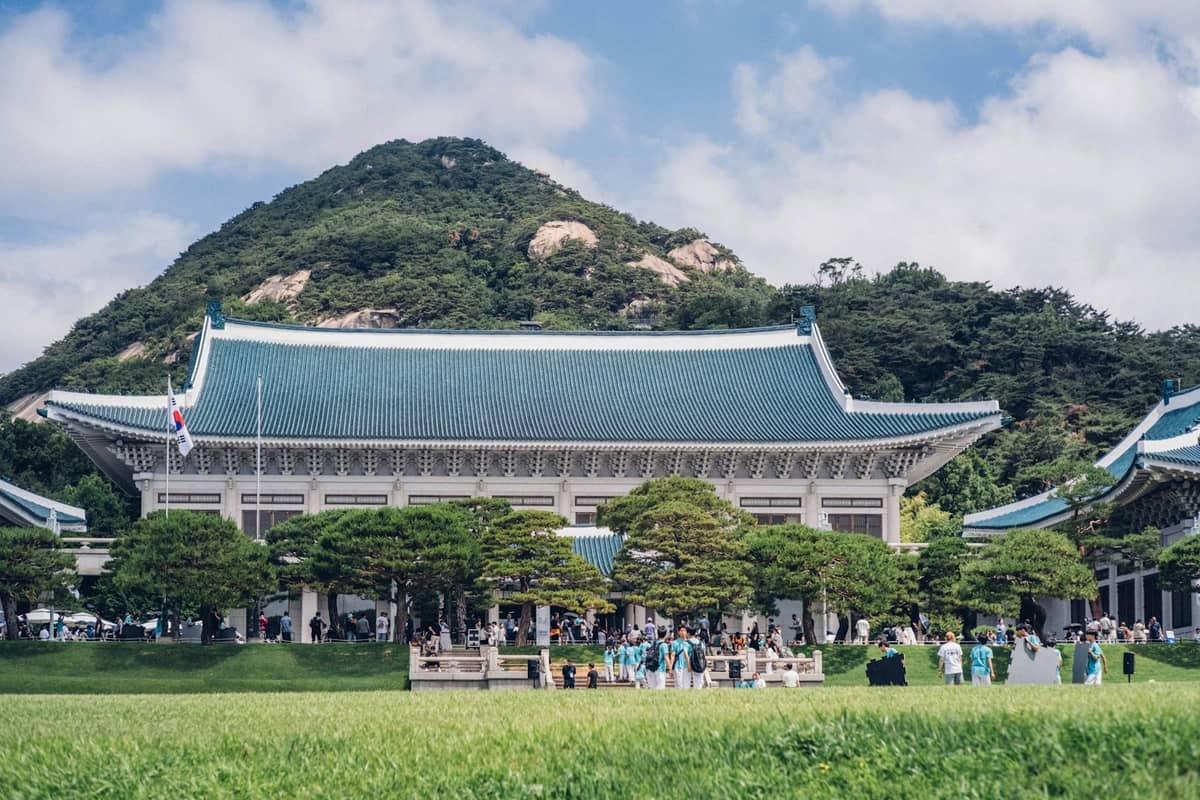
6. Tour Korea's Former Presidential Residence, the Blue House
Cheong Wa Dae opened to the public in 2022 after decades as a closed presidential compound. Free guided tours take you through the iconic blue-tiled main hall, traditional gardens, and historic grounds with views up to Bugaksan. Book online in advance.
Explore6. Tour Korea's Former Presidential Residence, the Blue House
Cheong Wa Dae opened to the public in 2022 after decades as a closed presidential compound. Free guided tours take you through the iconic blue-tiled main hall, traditional gardens, and historic grounds with views up to Bugaksan. Book online in advance.
Explore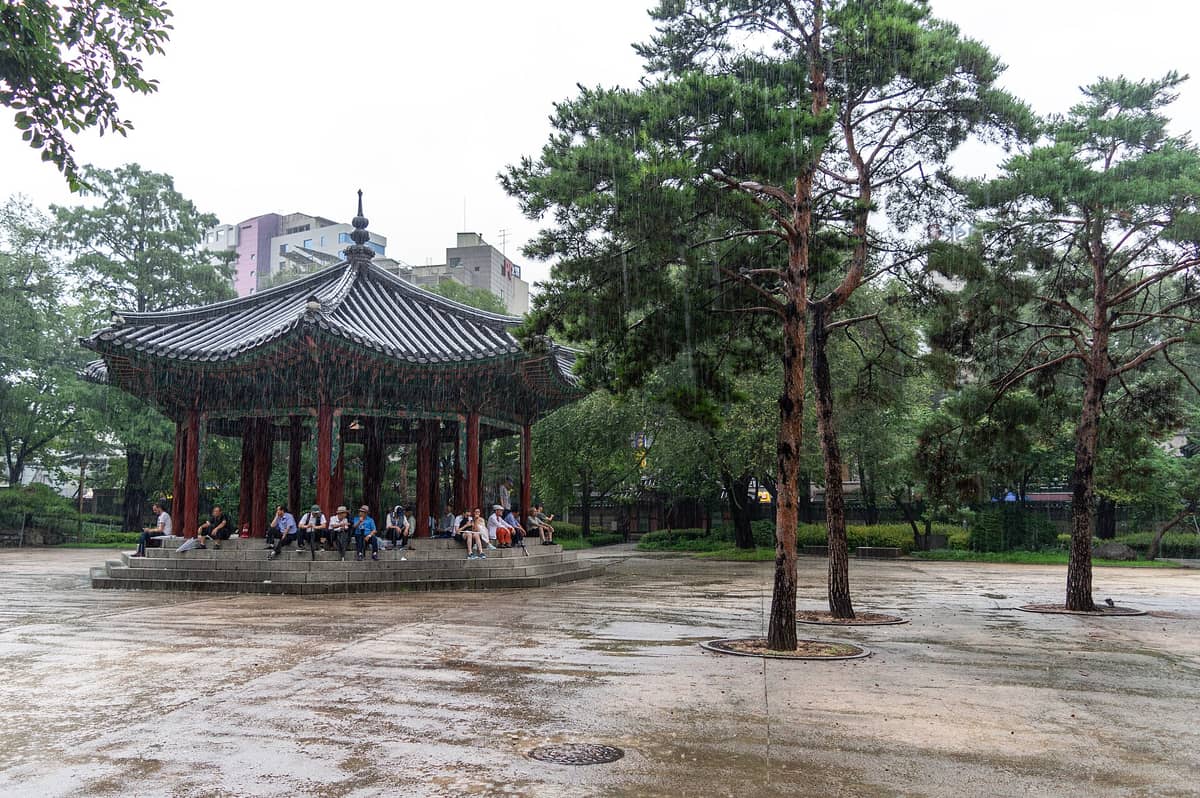
7. Reflect on Korea's Independence Movement at Tapgol Park
Korea's first modern public park is free to enter and deeply significant: this is where the March 1st Independence Movement declaration was read aloud in 1919. The 10-story Wongaksa Pagoda and stone relief murals depicting the independence struggle make it worth 30 minutes.
Explore7. Reflect on Korea's Independence Movement at Tapgol Park
Korea's first modern public park is free to enter and deeply significant: this is where the March 1st Independence Movement declaration was read aloud in 1919. The 10-story Wongaksa Pagoda and stone relief murals depicting the independence struggle make it worth 30 minutes.
ExploreMuseums & Galleries
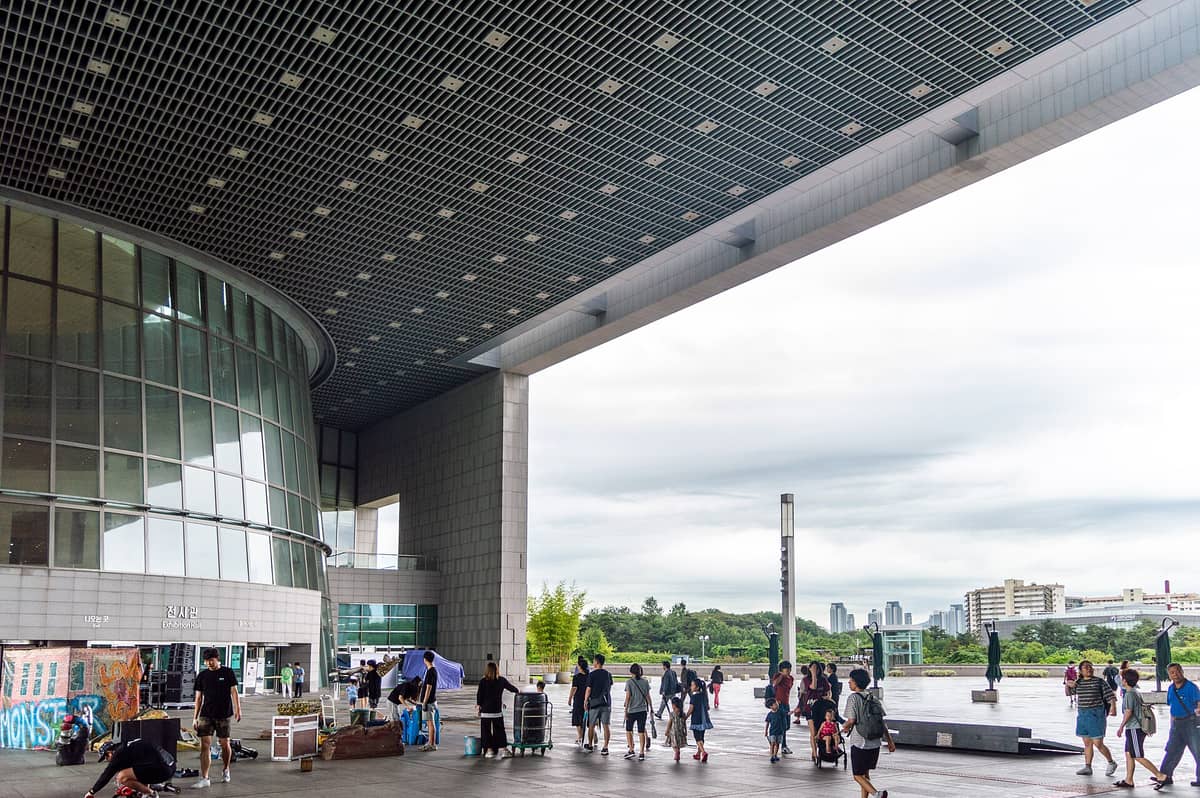
Seoul's publicly funded museums rank among the best in Asia, and the majority charge no admission at all. The best museums in Seoul guide covers the full range, but the highlights below are all free year-round. Note that most national museums are closed on Mondays.
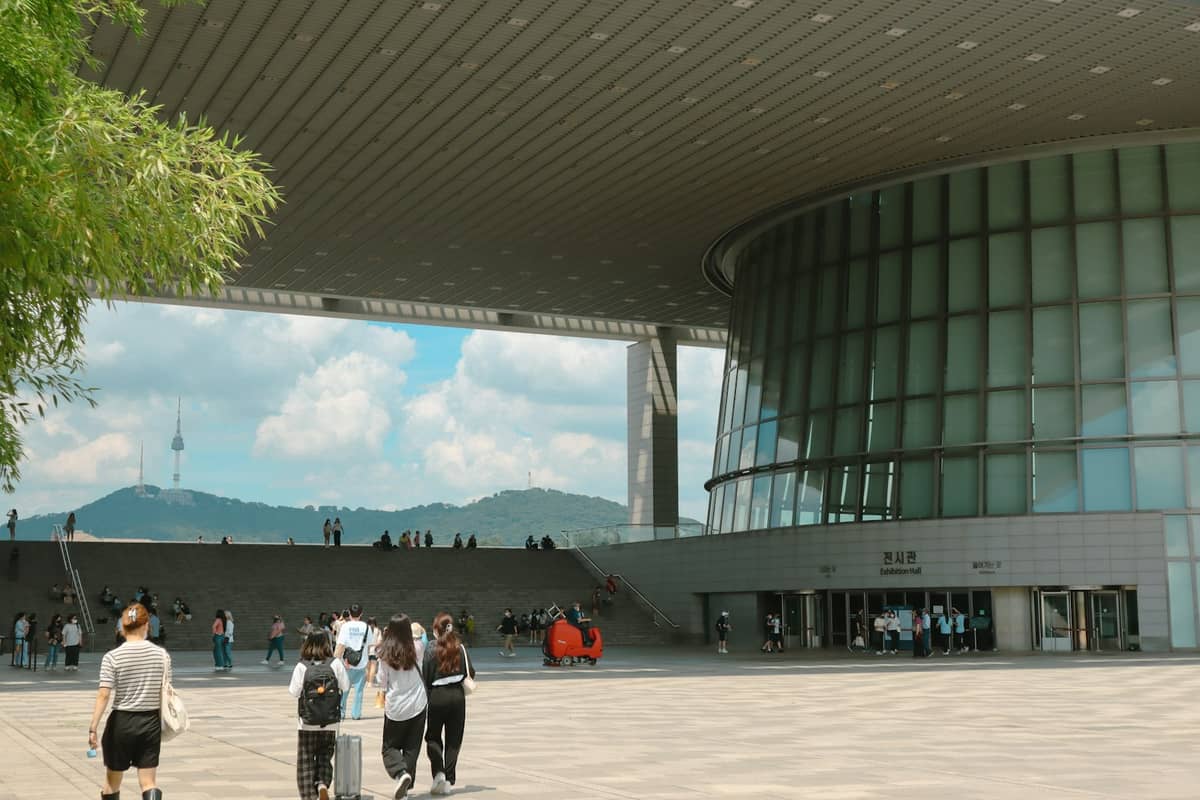
8. Explore 220,000 Artifacts at the National Museum of Korea
One of the world's top ten museums by collection size, and entirely free. The permanent galleries span Korean prehistory through the Joseon dynasty with exceptional presentation. Plan two to three hours minimum. Closed Mondays. Located in Yongsan, directly accessible by subway.
Explore8. Explore 220,000 Artifacts at the National Museum of Korea
One of the world's top ten museums by collection size, and entirely free. The permanent galleries span Korean prehistory through the Joseon dynasty with exceptional presentation. Plan two to three hours minimum. Closed Mondays. Located in Yongsan, directly accessible by subway.
Explore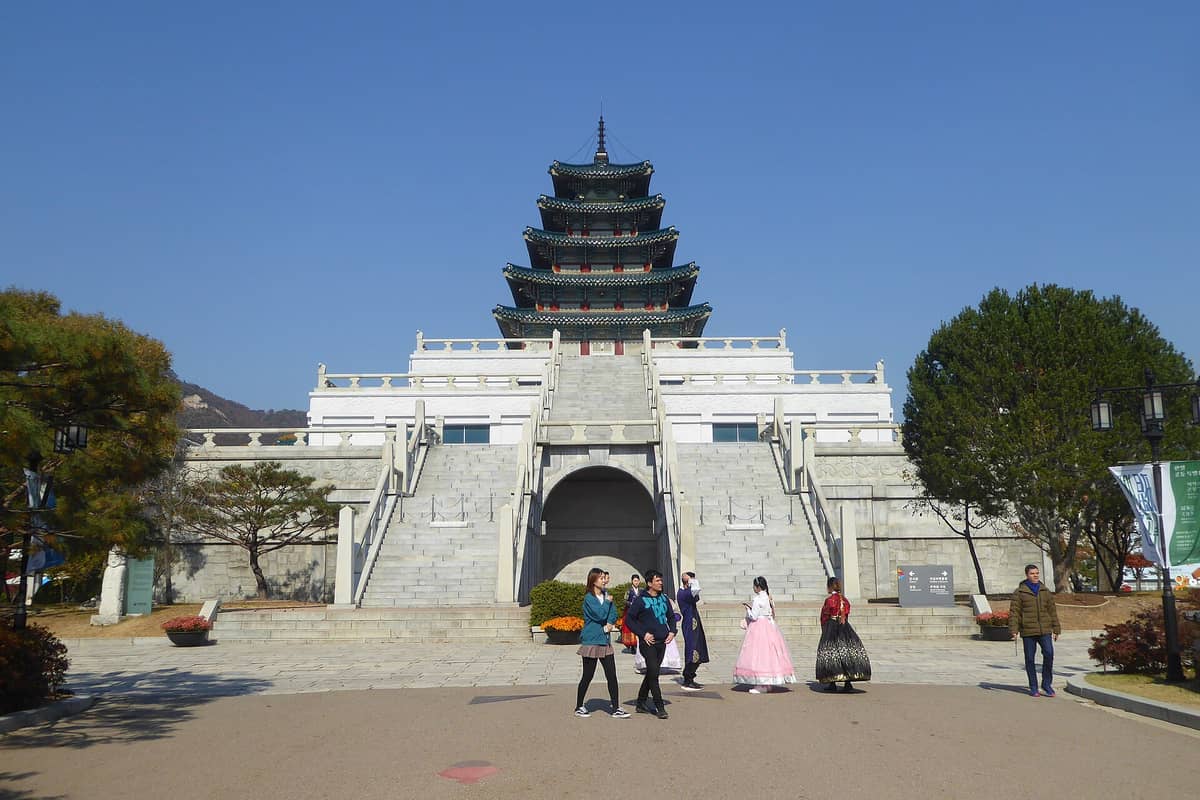
9. Step into Traditional Korean Life at the National Folk Museum
Set inside Gyeongbokgung Palace grounds, this engaging museum recreates Korean folk customs through immersive exhibits, an outdoor folk village, and a charming children's section. Free to enter. Entry to the surrounding palace grounds requires a ticket unless wearing hanbok.
Explore9. Step into Traditional Korean Life at the National Folk Museum
Set inside Gyeongbokgung Palace grounds, this engaging museum recreates Korean folk customs through immersive exhibits, an outdoor folk village, and a charming children's section. Free to enter. Entry to the surrounding palace grounds requires a ticket unless wearing hanbok.
Explore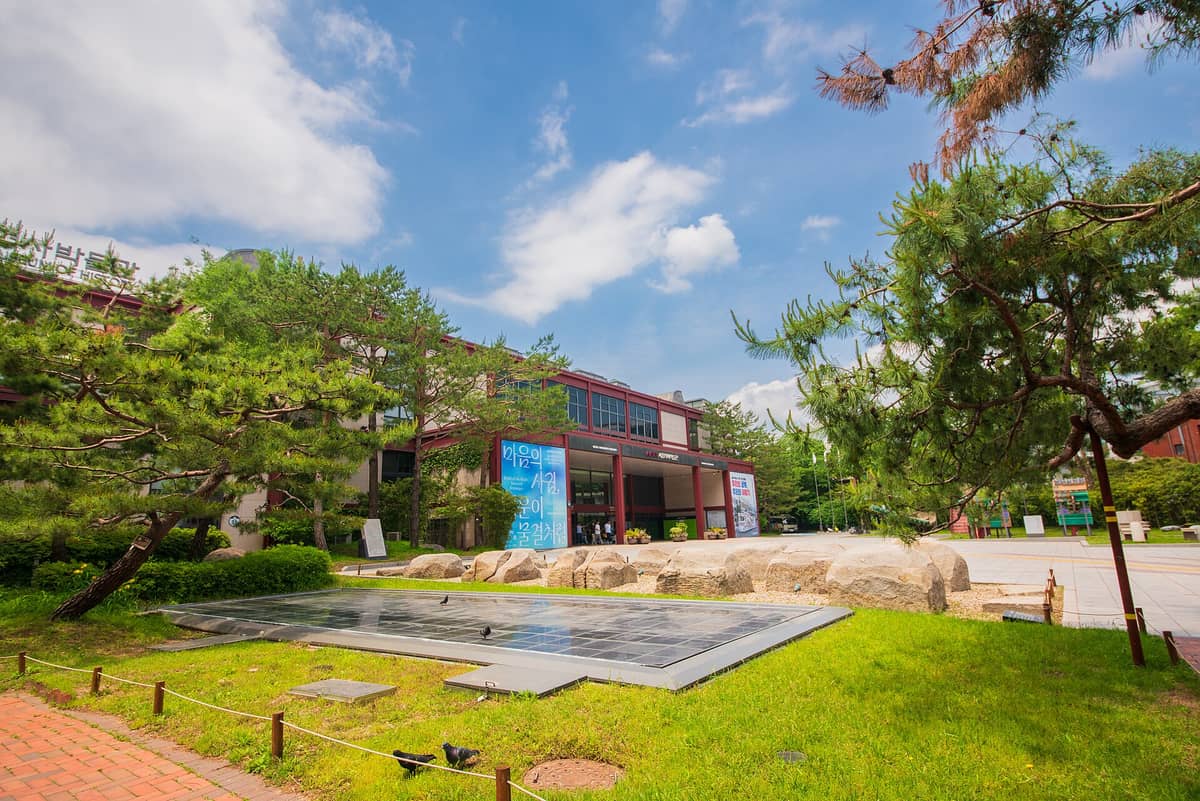
10. See Seoul's Urban Evolution at the Seoul Museum of History
This free museum near Gyeonghuigung traces Seoul's transformation from a walled Joseon capital to a modern city of nearly 10 million. The detailed scale model of central Seoul alone is worth the stop. Rotating exhibitions add contemporary context. Closed Mondays.
Explore10. See Seoul's Urban Evolution at the Seoul Museum of History
This free museum near Gyeonghuigung traces Seoul's transformation from a walled Joseon capital to a modern city of nearly 10 million. The detailed scale model of central Seoul alone is worth the stop. Rotating exhibitions add contemporary context. Closed Mondays.
Explore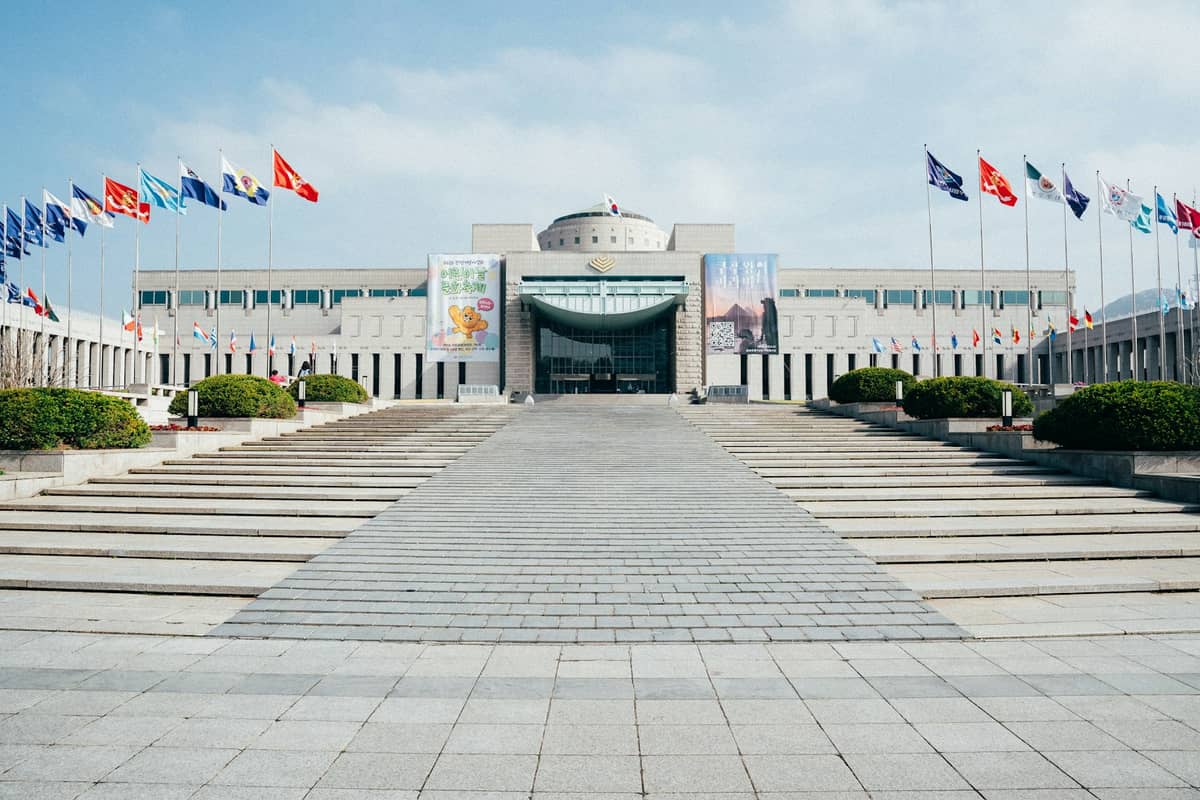
11. Understand Korea's Military History at the War Memorial
Korea's largest military museum is completely free and houses over 33,000 artifacts plus an outdoor display of aircraft, tanks, and artillery. The Korean War memorial hall is genuinely moving. Allow two to three hours. Located near Samgakji station in Yongsan.
Explore11. Understand Korea's Military History at the War Memorial
Korea's largest military museum is completely free and houses over 33,000 artifacts plus an outdoor display of aircraft, tanks, and artillery. The Korean War memorial hall is genuinely moving. Allow two to three hours. Located near Samgakji station in Yongsan.
Explore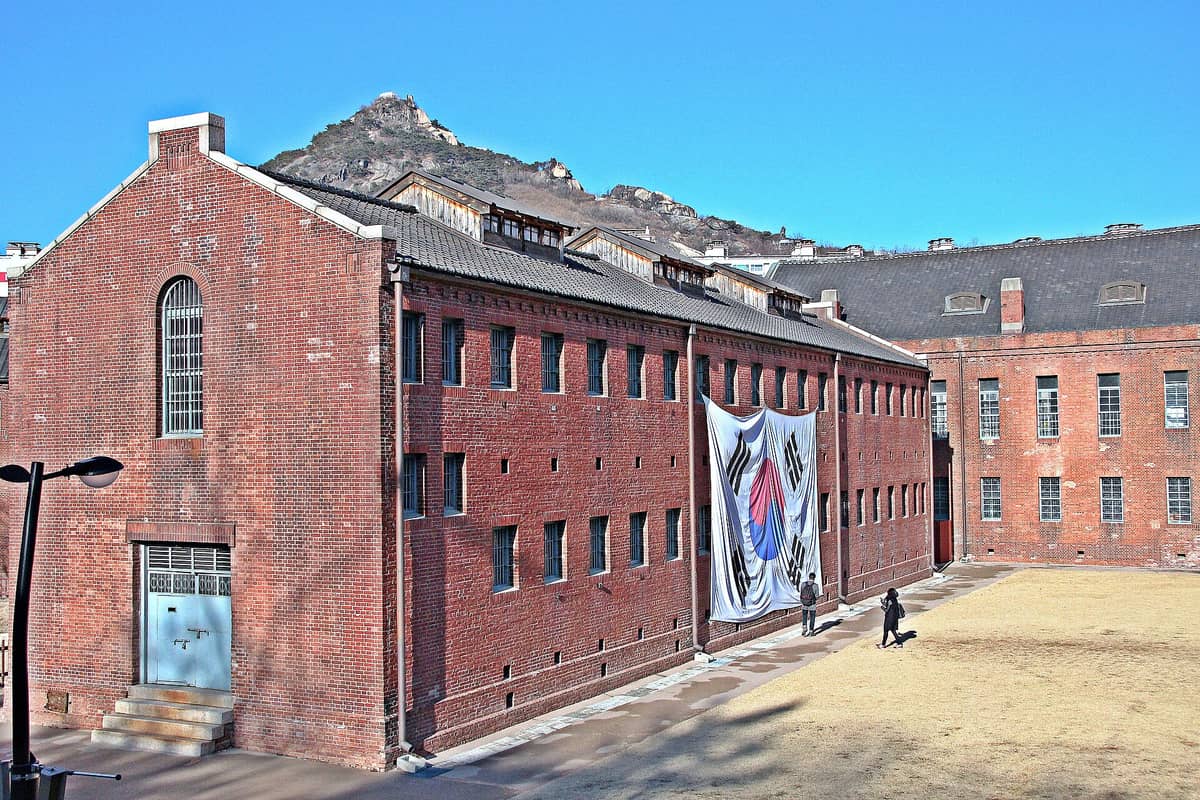
12. Confront Korea's Colonial History at Seodaemun Prison
A preserved Japanese colonial-era prison that held Korean independence activists, now a museum documenting resistance and suffering under occupation. Entry costs a small fee, but it is one of Seoul's most important historical experiences. Allow 90 minutes and go with an open mind.
Explore12. Confront Korea's Colonial History at Seodaemun Prison
A preserved Japanese colonial-era prison that held Korean independence activists, now a museum documenting resistance and suffering under occupation. Entry costs a small fee, but it is one of Seoul's most important historical experiences. Allow 90 minutes and go with an open mind.
ExploreParks, Nature & Walking Routes
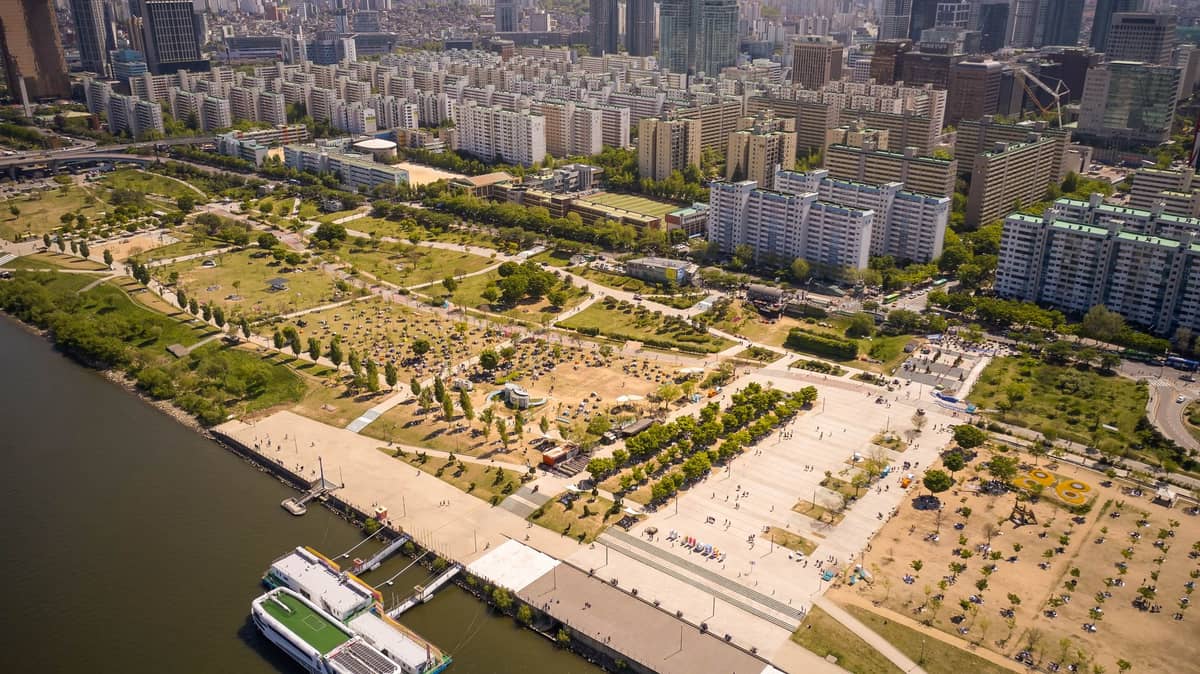
Seoul's parks and green corridors are free, extensive, and genuinely world-class. The Han River parks alone stretch for kilometers in either direction, and the city's mountains are accessible directly from the subway. For hikers, our Seoul hiking guide covers trails for every fitness level.
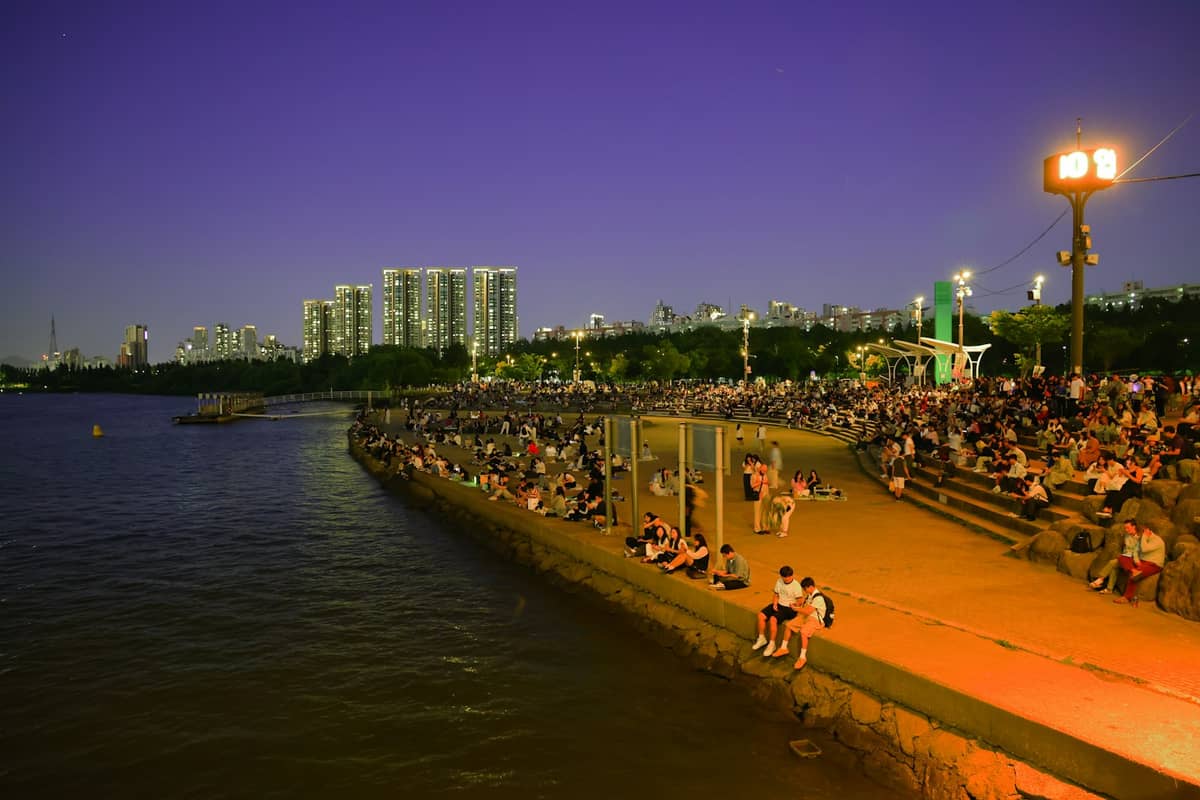
13. Picnic, Cycle, and Relax at Hangang River Park
The Han River parks are where Seoulites actually spend their free time. Rent a bike, pick up convenience store chicken and beer, and join locals on the grass at Yeouido. The park is open 24 hours, costs nothing to enter, and is spectacular on warm evenings.
Explore13. Picnic, Cycle, and Relax at Hangang River Park
The Han River parks are where Seoulites actually spend their free time. Rent a bike, pick up convenience store chicken and beer, and join locals on the grass at Yeouido. The park is open 24 hours, costs nothing to enter, and is spectacular on warm evenings.
Explore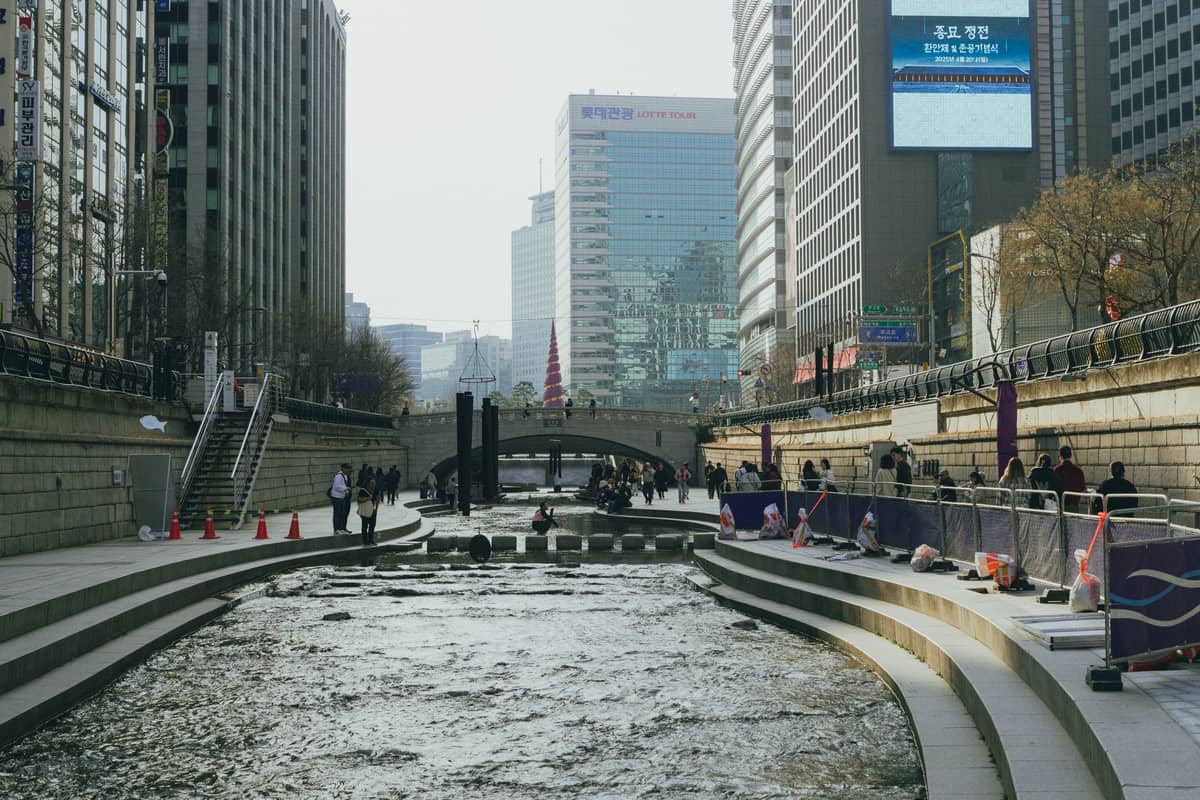
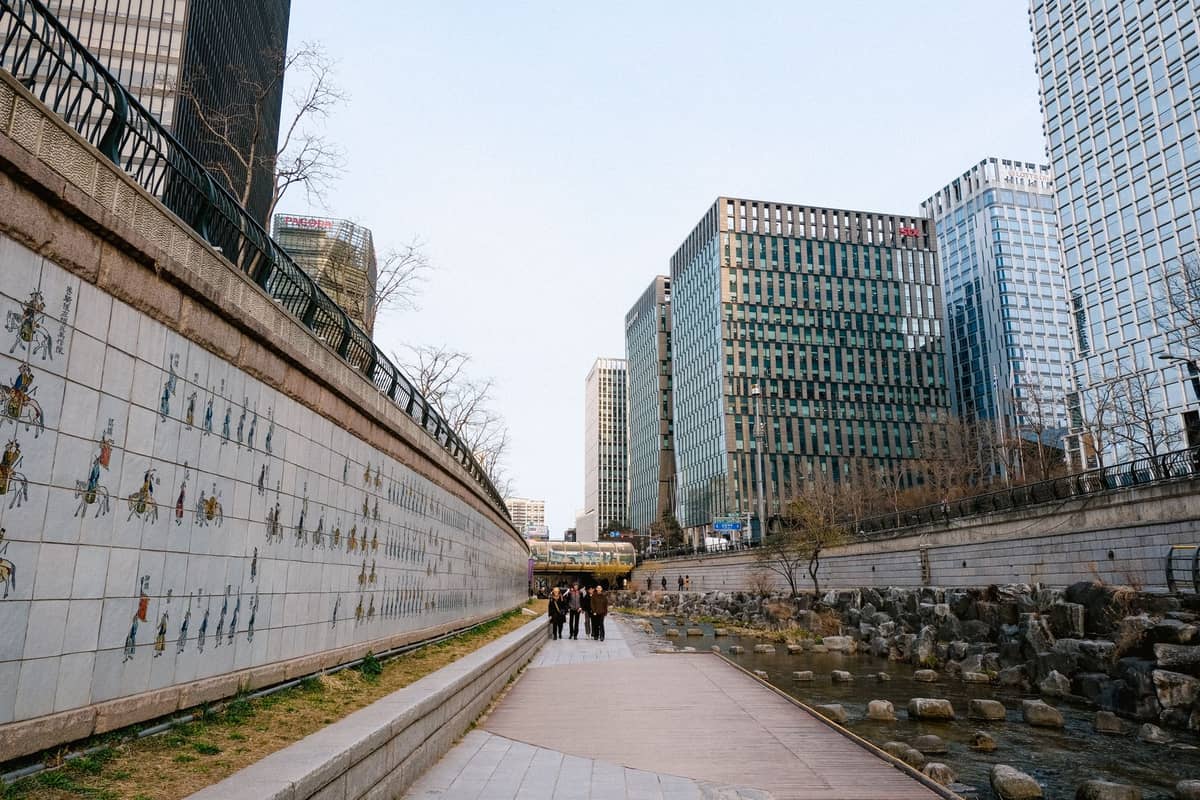
14. Walk the Length of Cheonggyecheon Stream
This 10.9-kilometer restored urban stream cuts through central Seoul with pleasant walking paths on both banks. It is free, always open, and offers a genuine escape from street-level traffic noise. The western end near Gwanghwamun is the most photogenic starting point.
Explore14. Walk the Length of Cheonggyecheon Stream
This 10.9-kilometer restored urban stream cuts through central Seoul with pleasant walking paths on both banks. It is free, always open, and offers a genuine escape from street-level traffic noise. The western end near Gwanghwamun is the most photogenic starting point.
Explore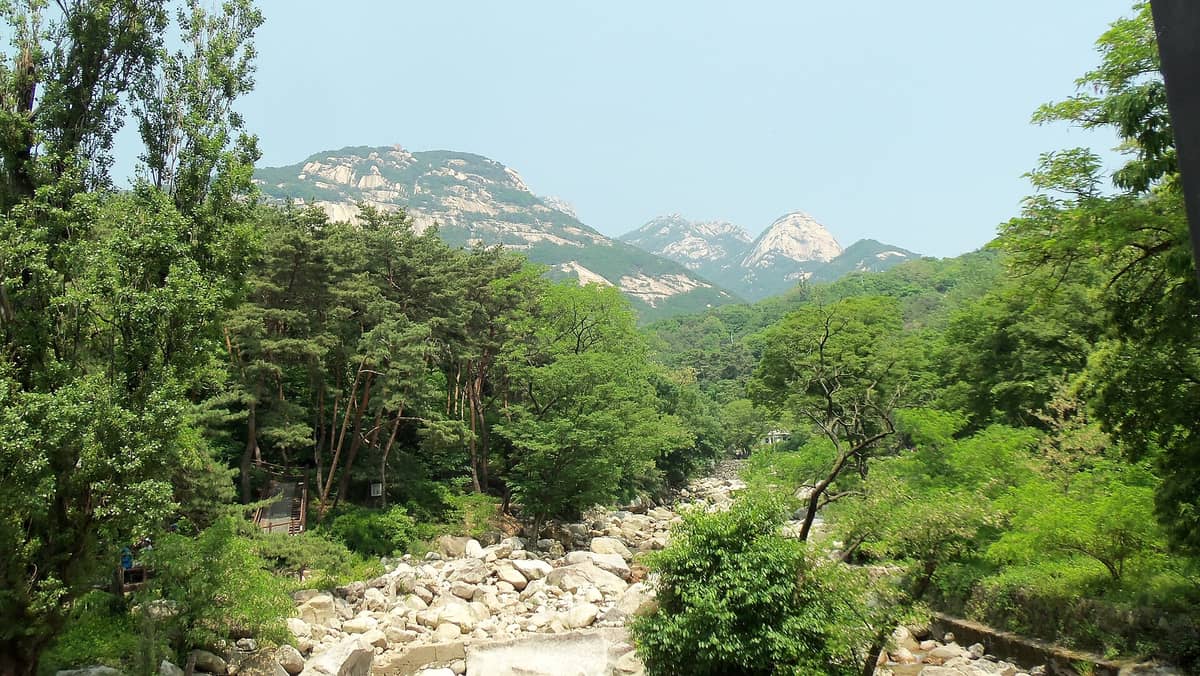
15. Hike a Granite Mountain Inside the City at Bukhansan
A full national park within Seoul's city limits, reachable by subway. Trails range from gentle forest walks to the demanding summit of Baegundae at 836 meters. Entry is free. Go on a weekday to avoid weekend crowds and bring enough water — the trails are steeper than they look.
Explore15. Hike a Granite Mountain Inside the City at Bukhansan
A full national park within Seoul's city limits, reachable by subway. Trails range from gentle forest walks to the demanding summit of Baegundae at 836 meters. Entry is free. Go on a weekday to avoid weekend crowds and bring enough water — the trails are steeper than they look.
Explore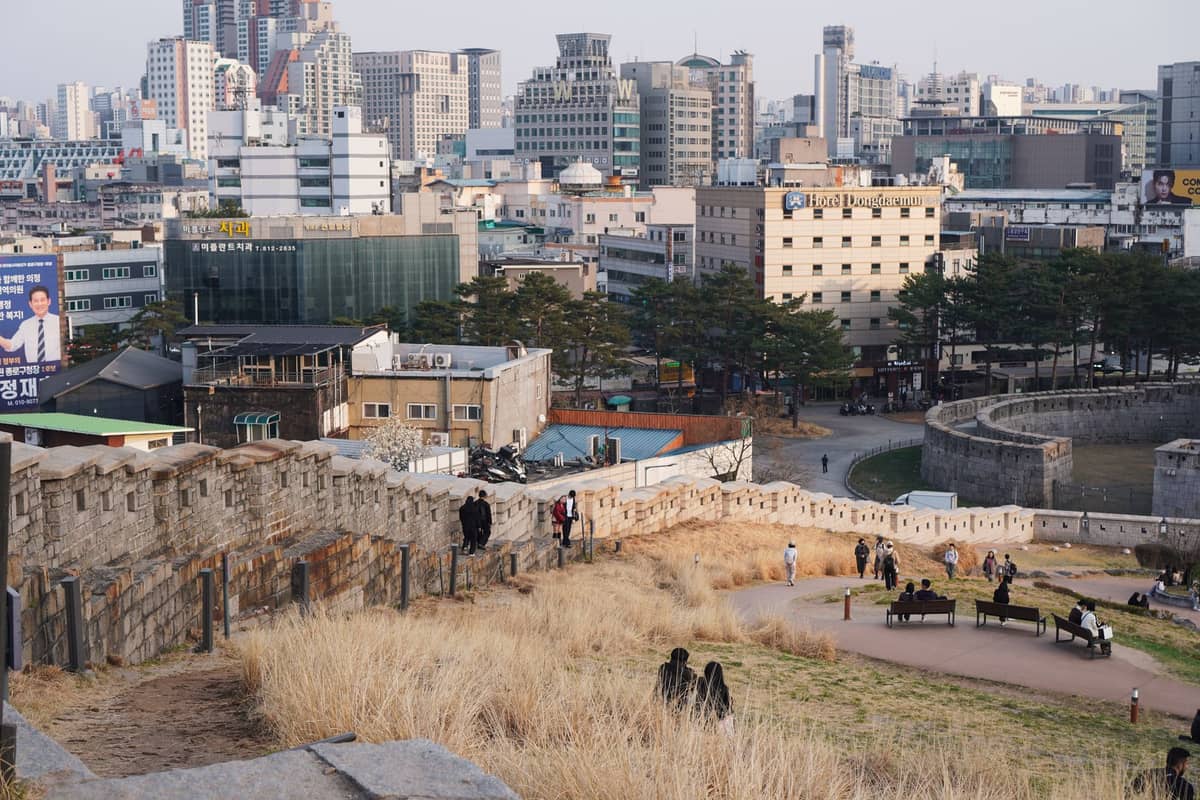
16. Follow the Ancient Seoul City Wall Trail
The 18.6-kilometer Joseon-era fortress wall that once enclosed the capital is now a free hiking and walking trail. It passes over four mountains and through historic neighborhoods, offering outstanding city views. The Naksan and Inwangsan sections are the most rewarding for first-timers.
Explore16. Follow the Ancient Seoul City Wall Trail
The 18.6-kilometer Joseon-era fortress wall that once enclosed the capital is now a free hiking and walking trail. It passes over four mountains and through historic neighborhoods, offering outstanding city views. The Naksan and Inwangsan sections are the most rewarding for first-timers.
Explore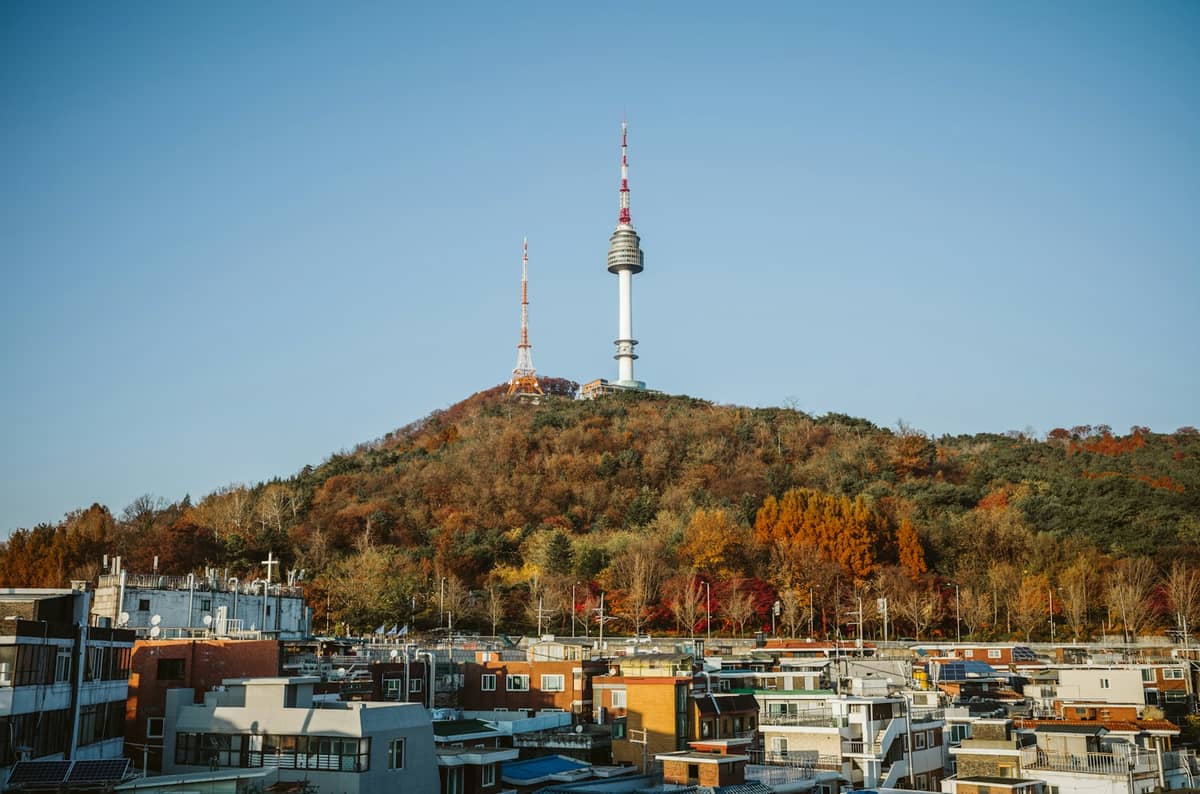
17. Hike Up Namsan for Free City Views
Namsan's forested trails are free to walk at any time. The cable car and N Seoul Tower observatory cost money, but the views from the mountain's accessible ridgeline are excellent without paying for either. The traditional archery range and Bongsudae beacon mound are also free.
Explore17. Hike Up Namsan for Free City Views
Namsan's forested trails are free to walk at any time. The cable car and N Seoul Tower observatory cost money, but the views from the mountain's accessible ridgeline are excellent without paying for either. The traditional archery range and Bongsudae beacon mound are also free.
Explore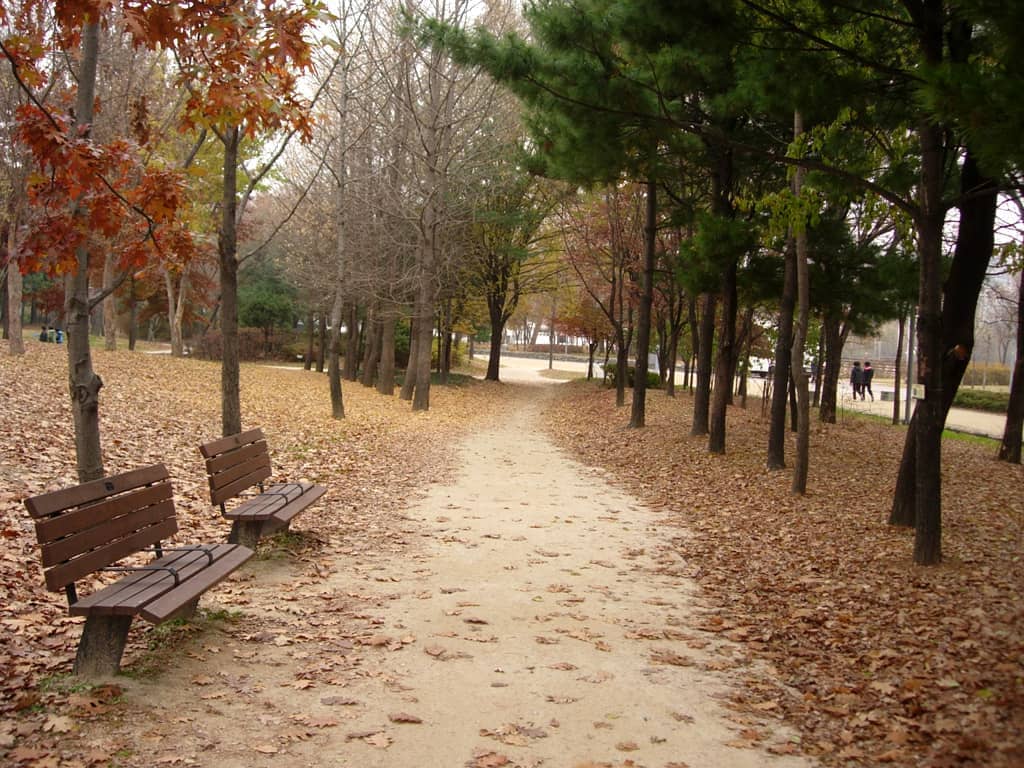
18. Spend an Afternoon in Seoul Forest, the City's Green Park
Nearly 600,000 square meters of urban parkland in Seongsu-dong, free to enter at all times. The deer enclosures, butterfly garden, and ecological wetland make it popular with families. The café-lined entrance has made it one of Seoul's most photographed park approaches.
Explore18. Spend an Afternoon in Seoul Forest, the City's Green Park
Nearly 600,000 square meters of urban parkland in Seongsu-dong, free to enter at all times. The deer enclosures, butterfly garden, and ecological wetland make it popular with families. The café-lined entrance has made it one of Seoul's most photographed park approaches.
Explore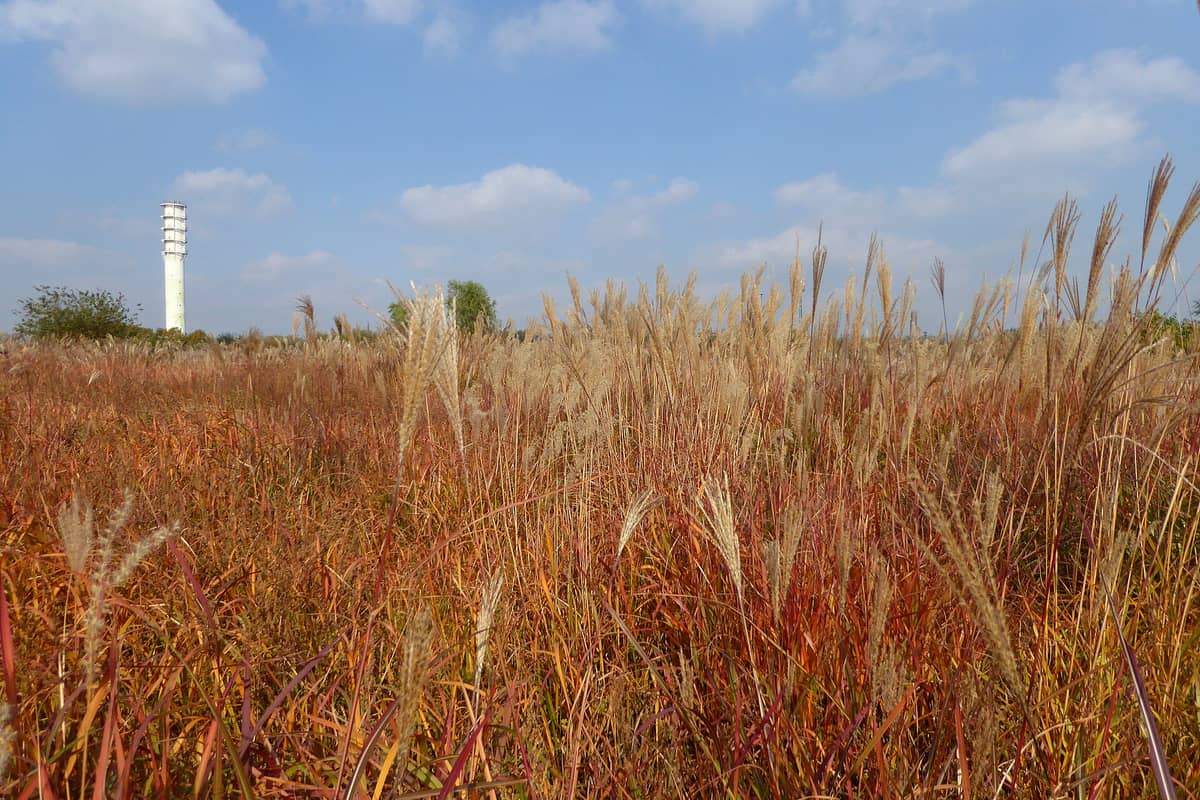
19. Climb to the Silver Grass Meadows at Haneul Park
A reclaimed landfill turned hilltop meadow in World Cup Park, free to visit year-round. The silver grass fields peak in October and turn golden in autumn light. The climb up the outdoor staircase rewards you with sweeping views of the Han River and the city skyline.
Explore19. Climb to the Silver Grass Meadows at Haneul Park
A reclaimed landfill turned hilltop meadow in World Cup Park, free to visit year-round. The silver grass fields peak in October and turn golden in autumn light. The climb up the outdoor staircase rewards you with sweeping views of the Han River and the city skyline.
Explore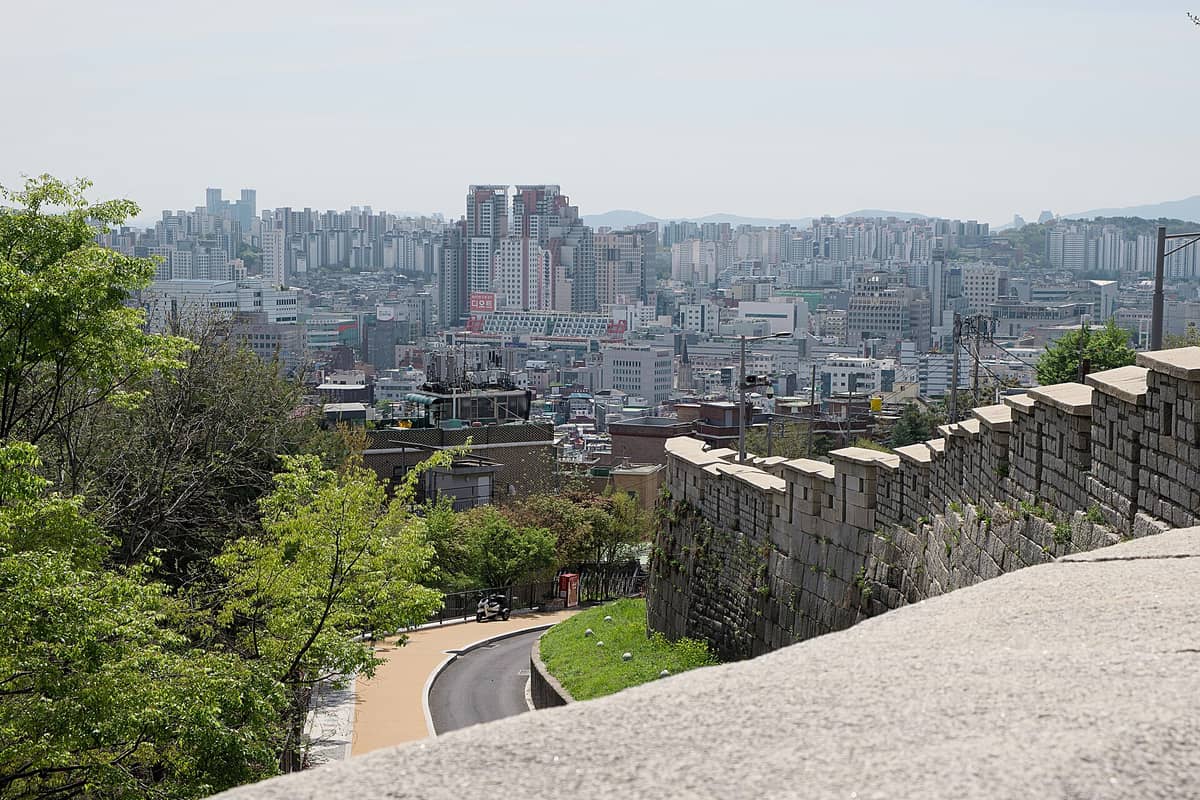
20. Watch Sunset Over the Old City from Naksan Park
A hilltop park along a well-preserved stretch of the Seoul City Wall, offering some of the best panoramic views over Dongdaemun and the old city. Free to enter at all hours. The views at sunset and into the evening, when DDP lights up, are particularly striking.
Explore20. Watch Sunset Over the Old City from Naksan Park
A hilltop park along a well-preserved stretch of the Seoul City Wall, offering some of the best panoramic views over Dongdaemun and the old city. Free to enter at all hours. The views at sunset and into the evening, when DDP lights up, are particularly striking.
ExploreNeighborhoods, Markets & Architecture
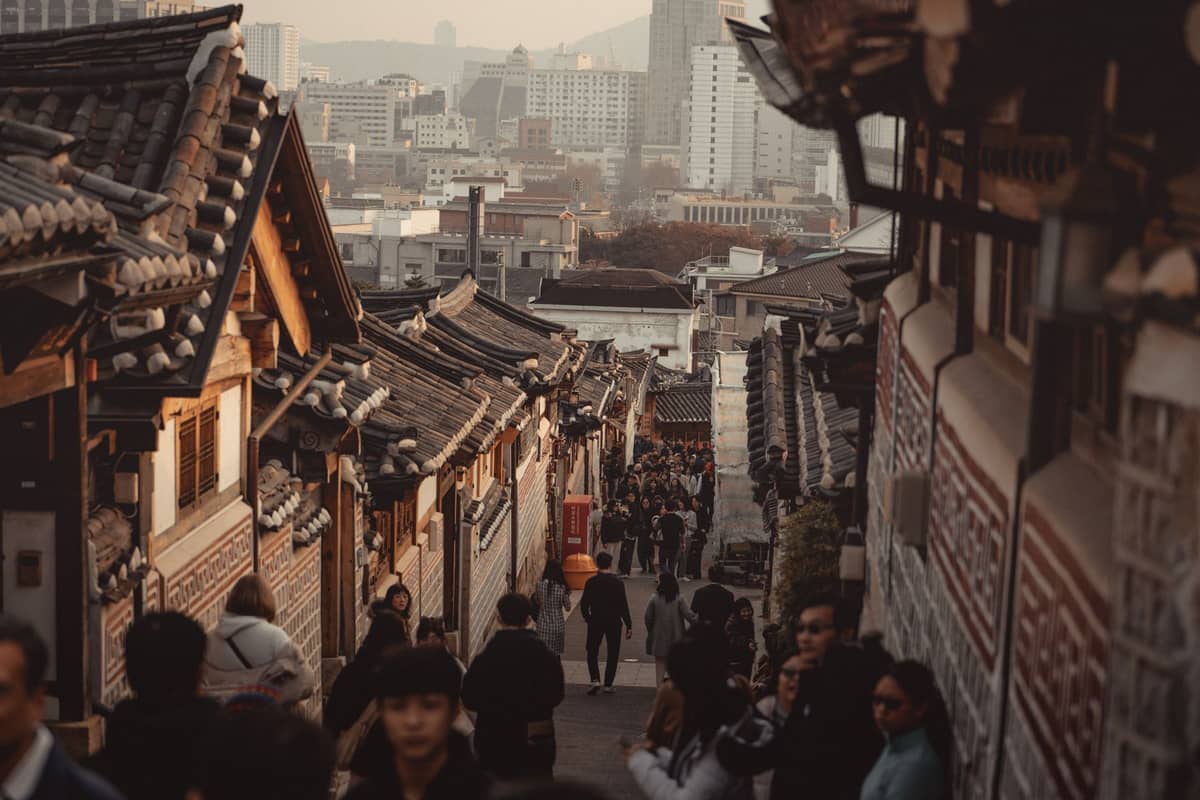
Some of Seoul's best free experiences are simply neighborhoods worth wandering. The traditional alleyways of Insadong and Seochon and the hanok lanes of Bukchon are all free to explore on foot. Seoul's markets are equally free to browse, and the street food is some of the cheapest and best in the city.
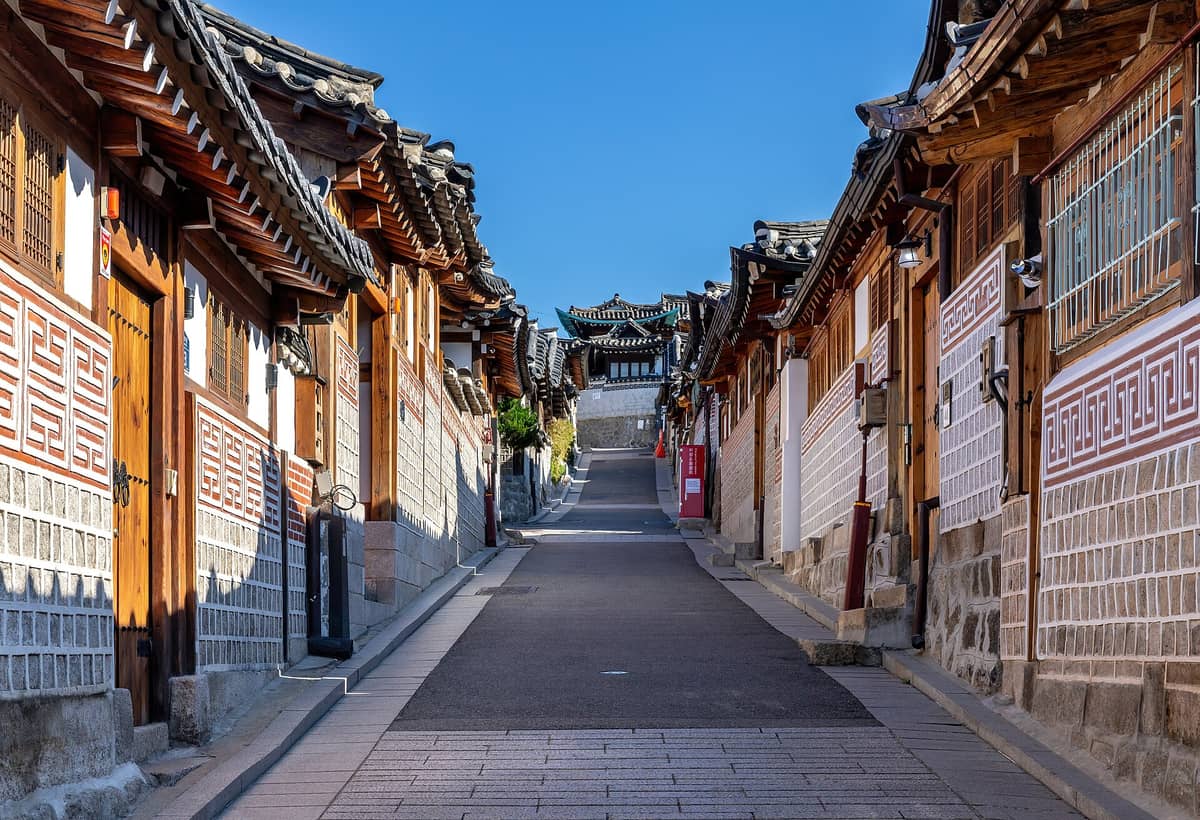
21. Explore the Hanok Alleyways of Bukchon
Over 900 traditional hanok houses cover the hillside between Gyeongbokgung and Changdeokgung, forming one of Seoul's most photographed neighborhoods. It is a living residential area, so visit on weekday mornings to avoid crowds and respect the quiet street signs posted by residents.
Explore21. Explore the Hanok Alleyways of Bukchon
Over 900 traditional hanok houses cover the hillside between Gyeongbokgung and Changdeokgung, forming one of Seoul's most photographed neighborhoods. It is a living residential area, so visit on weekday mornings to avoid crowds and respect the quiet street signs posted by residents.
Explore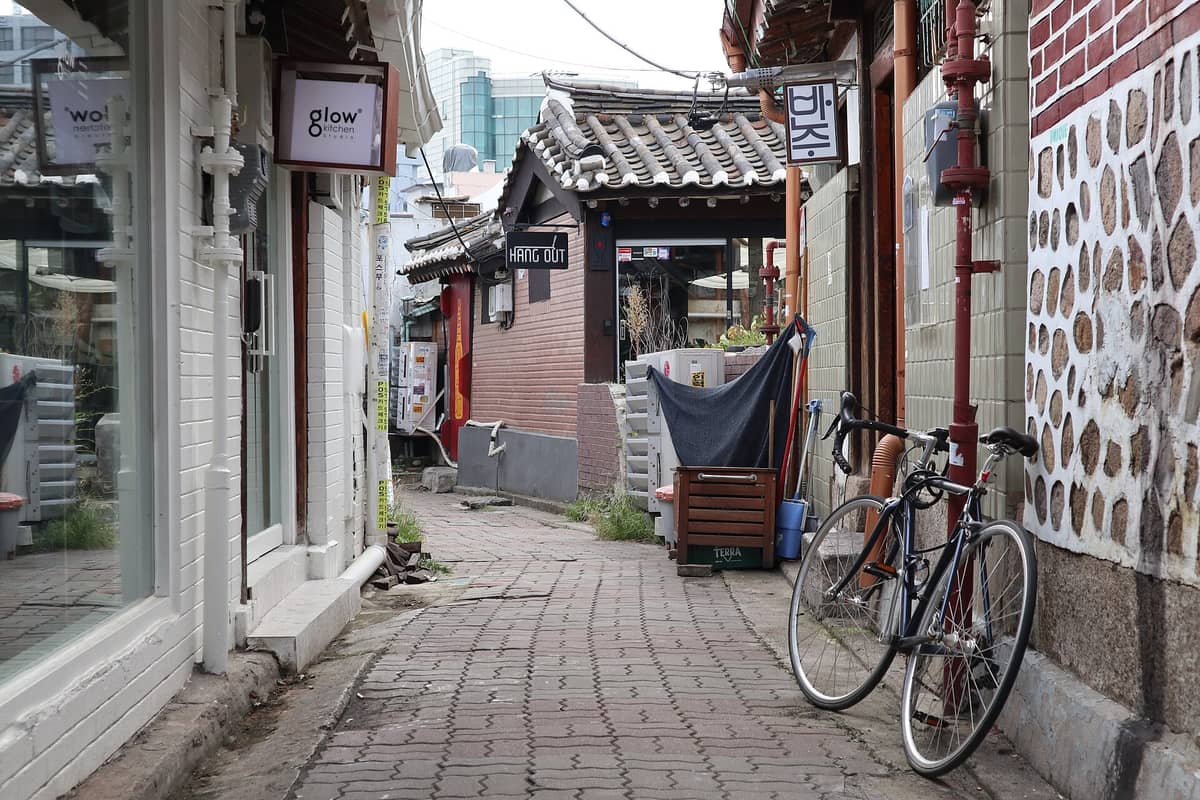
22. Browse Cafés and Boutiques in Ikseon-dong
Compact restored hanok houses converted into cafés, wine bars, and independent shops make Ikseon-dong Seoul's most fashionable free afternoon stroll. The narrow alleys are especially atmospheric after dark. No entry fee — you only pay for whatever you choose to eat or drink.
Explore22. Browse Cafés and Boutiques in Ikseon-dong
Compact restored hanok houses converted into cafés, wine bars, and independent shops make Ikseon-dong Seoul's most fashionable free afternoon stroll. The narrow alleys are especially atmospheric after dark. No entry fee — you only pay for whatever you choose to eat or drink.
Explore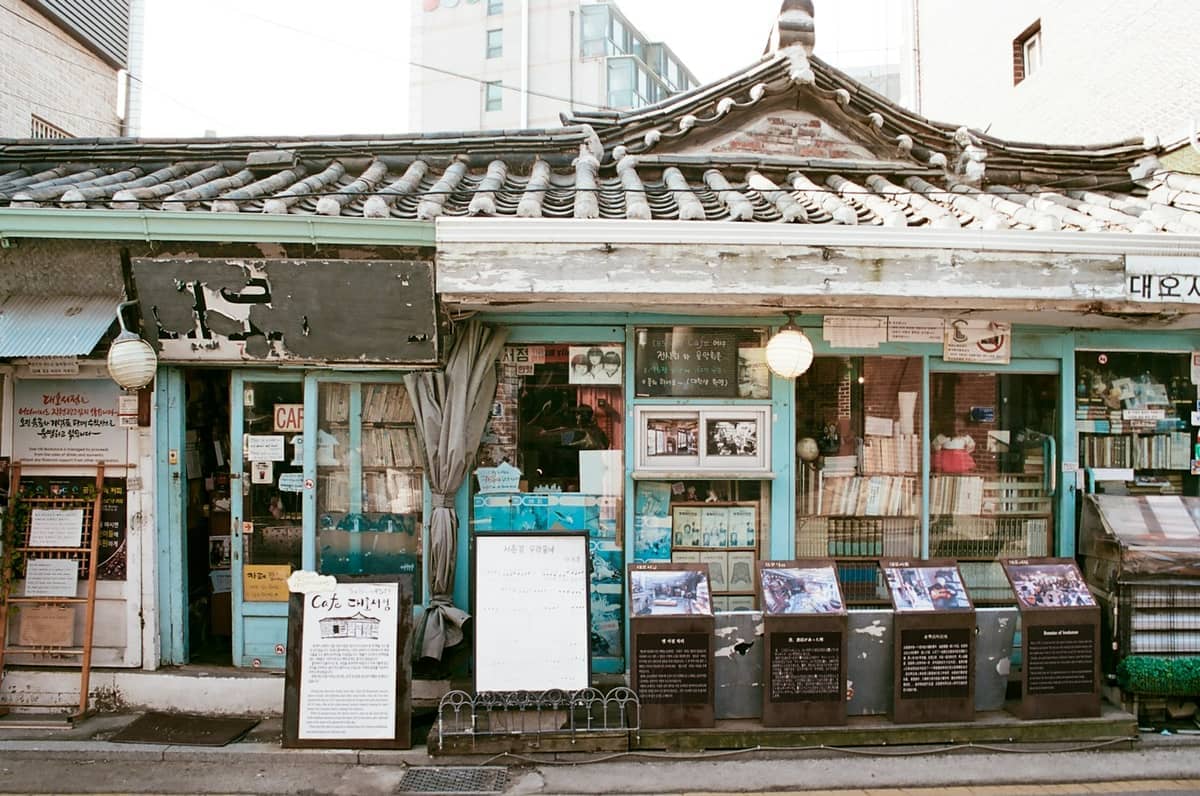
23. Wander the Quieter Lanes of Seochon Village
West of Gyeongbokgung, Seochon's narrow alleys are lined with independent bookshops, galleries, and traditional cafés. It is quieter and less photographed than Bukchon but equally charming. A free afternoon here pairs naturally with a visit to the Blue House nearby.
Explore23. Wander the Quieter Lanes of Seochon Village
West of Gyeongbokgung, Seochon's narrow alleys are lined with independent bookshops, galleries, and traditional cafés. It is quieter and less photographed than Bukchon but equally charming. A free afternoon here pairs naturally with a visit to the Blue House nearby.
Explore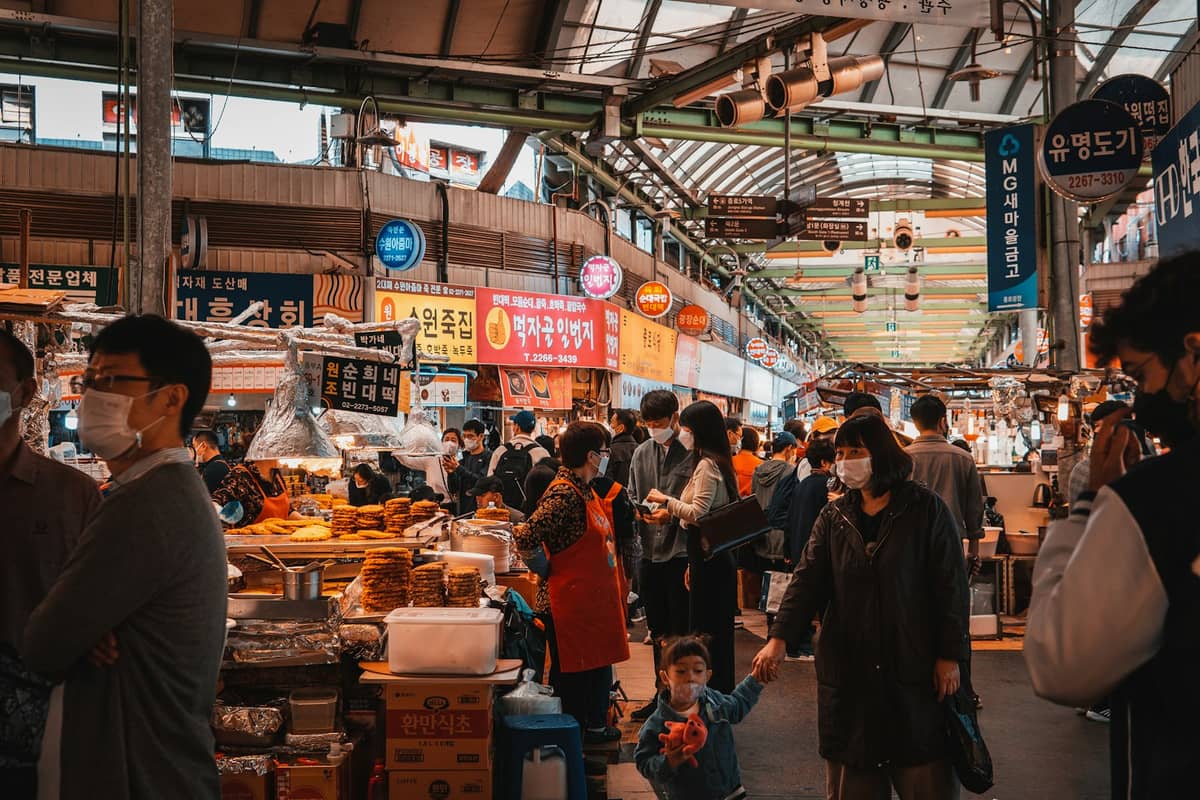
24. Taste Korea's Oldest Market at Gwangjang
Gwangjang Market is free to walk through and one of Seoul's best eating destinations. The indoor food hall serves bindaetteok, mayak gimbap, and raw beef at low prices. Browsing costs nothing; the food is the spend. Go hungry on a weekday morning for the best atmosphere.
Explore24. Taste Korea's Oldest Market at Gwangjang
Gwangjang Market is free to walk through and one of Seoul's best eating destinations. The indoor food hall serves bindaetteok, mayak gimbap, and raw beef at low prices. Browsing costs nothing; the food is the spend. Go hungry on a weekday morning for the best atmosphere.
Explore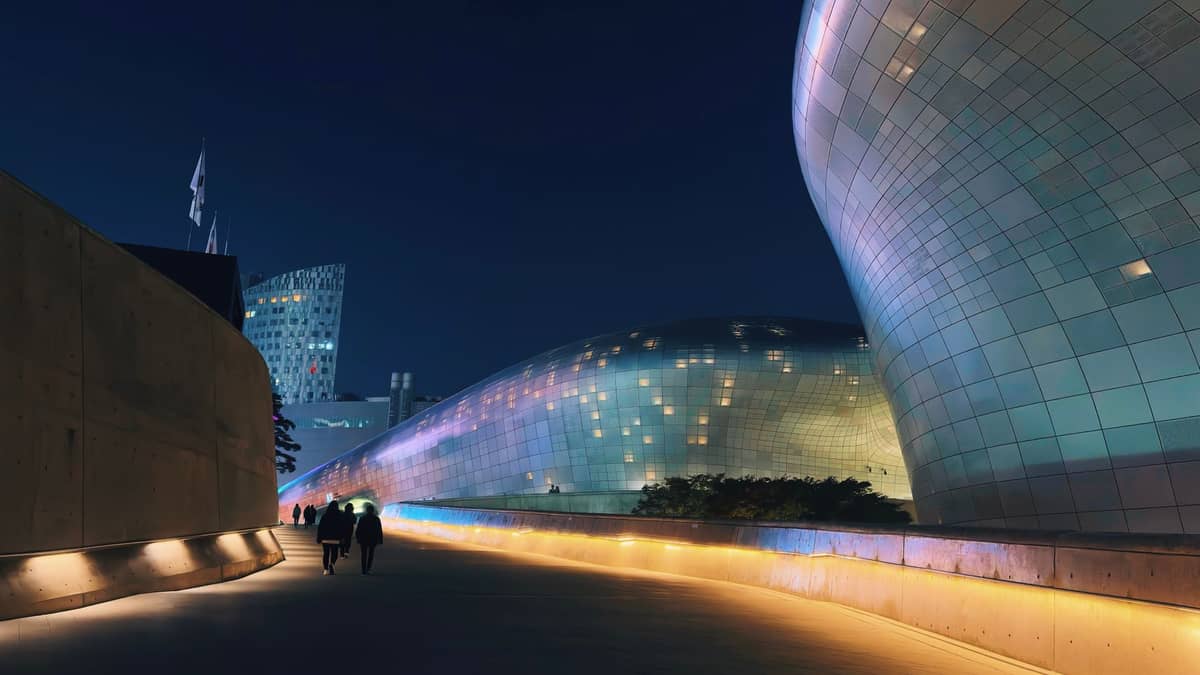
25. Marvel at Zaha Hadid's DDP at Night
The Dongdaemun Design Plaza is free to walk around outside at any time, and the exterior is the main event: 45,000 aluminum panels ripple across a sweeping asymmetric form that glows spectacularly after dark. Indoor exhibitions vary in price, but simply being there at night costs nothing.
Explore25. Marvel at Zaha Hadid's DDP at Night
The Dongdaemun Design Plaza is free to walk around outside at any time, and the exterior is the main event: 45,000 aluminum panels ripple across a sweeping asymmetric form that glows spectacularly after dark. Indoor exhibitions vary in price, but simply being there at night costs nothing.
Explore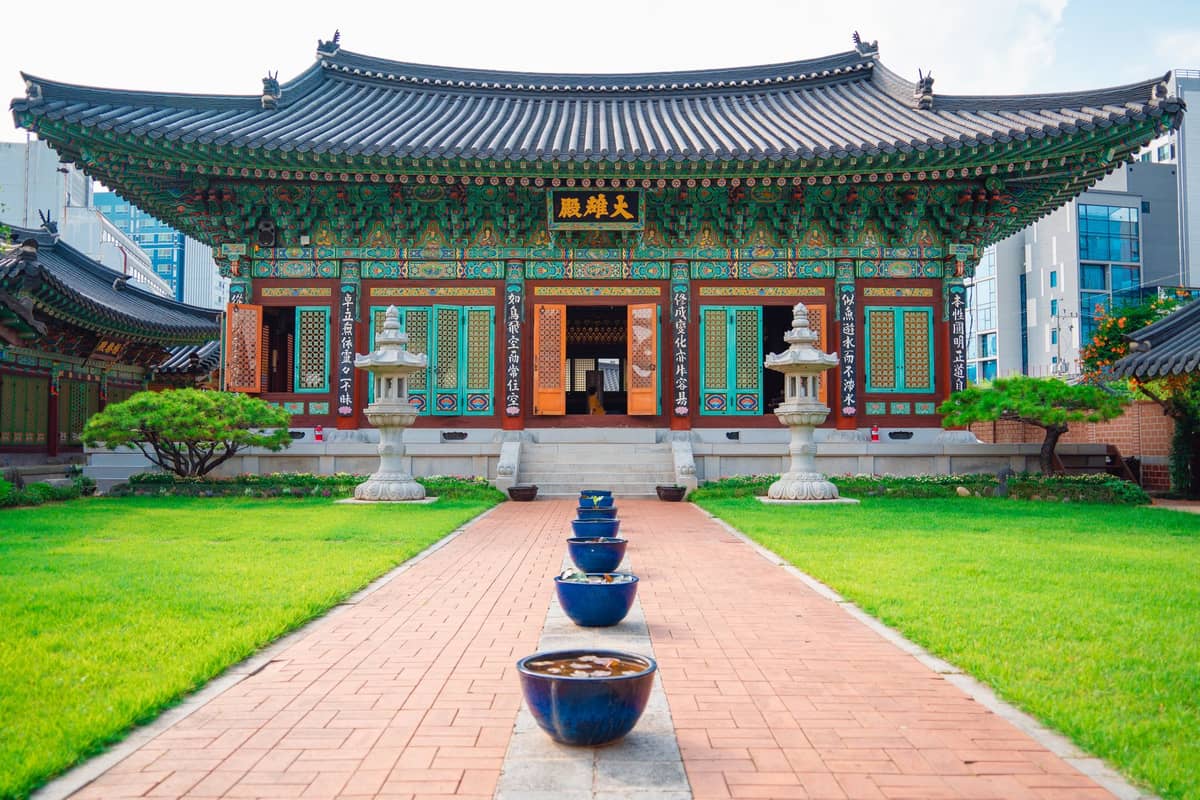
26. Find Calm at Jogyesa Temple in the Middle of the City
The head temple of Korean Buddhism in Seoul is free to enter and open daily. The ancient white pine and pagoda tree in the courtyard are centuries old. During Buddha's Birthday (late April/early May), the entire temple is draped in thousands of colored lanterns — an extraordinary free spectacle.
Explore26. Find Calm at Jogyesa Temple in the Middle of the City
The head temple of Korean Buddhism in Seoul is free to enter and open daily. The ancient white pine and pagoda tree in the courtyard are centuries old. During Buddha's Birthday (late April/early May), the entire temple is draped in thousands of colored lanterns — an extraordinary free spectacle.
Explore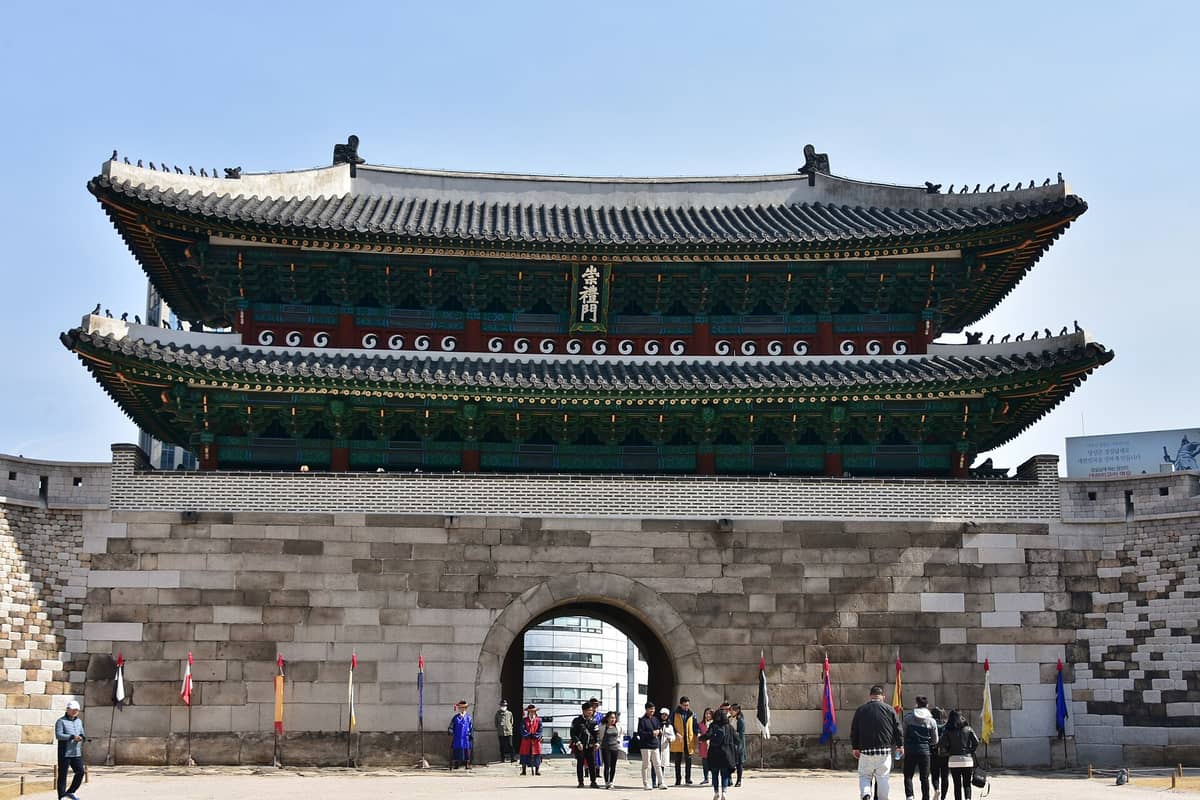
27. See a designated Treasure at Sungnyemun Gate
The southern gate of the original Joseon capital city wall stands free to view at street level near Namdaemun Market. Rebuilt after a 2008 fire, it remains Korea's most historically significant surviving gate structure. It is best viewed early morning before traffic builds around it.
Explore27. See a designated Treasure at Sungnyemun Gate
The southern gate of the original Joseon capital city wall stands free to view at street level near Namdaemun Market. Rebuilt after a 2008 fire, it remains Korea's most historically significant surviving gate structure. It is best viewed early morning before traffic builds around it.
Explore✨ Pro tip
Combine Sungnyemun Gate, Namdaemun Market, Cheonggyecheon Stream, and Deoksugung Palace into a single free half-day walking loop through central Seoul. All are within 20 minutes on foot of each other.
Seasonal & Nighttime Free Experiences
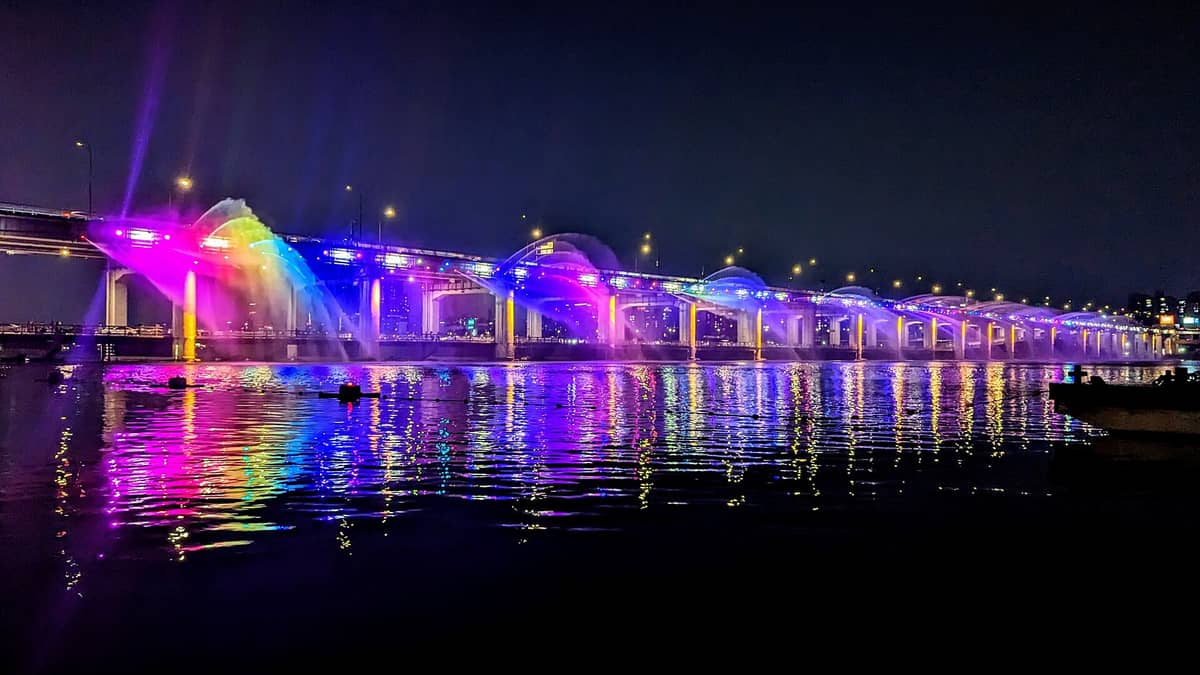
Some of Seoul's best free experiences are time-specific. The Banpo Bridge fountain runs on a seasonal schedule, cherry blossoms peak for roughly two weeks in early April, and the autumn silver grass at Haneul Park is at its best in mid-October. For seasonal planning, see our guides to Seoul in spring and Seoul in autumn.
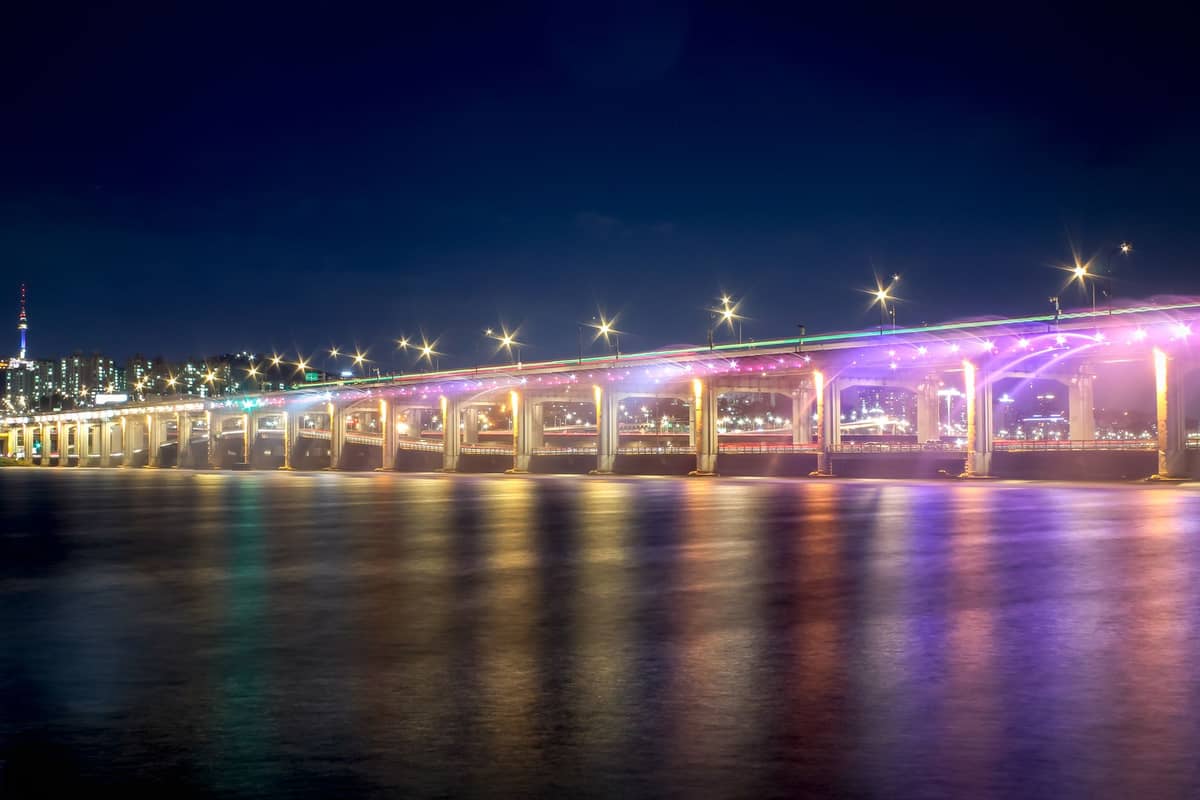
28. Watch the Banpo Bridge Rainbow Fountain at Night
Banpo Bridge shoots choreographed jets of colored water from both sides of the span in one of Seoul's most spectacular free evening shows. It operates seasonally (typically spring through autumn). Check the current schedule on the Seoul city website before visiting — times vary by month.
Explore28. Watch the Banpo Bridge Rainbow Fountain at Night
Banpo Bridge shoots choreographed jets of colored water from both sides of the span in one of Seoul's most spectacular free evening shows. It operates seasonally (typically spring through autumn). Check the current schedule on the Seoul city website before visiting — times vary by month.
Explore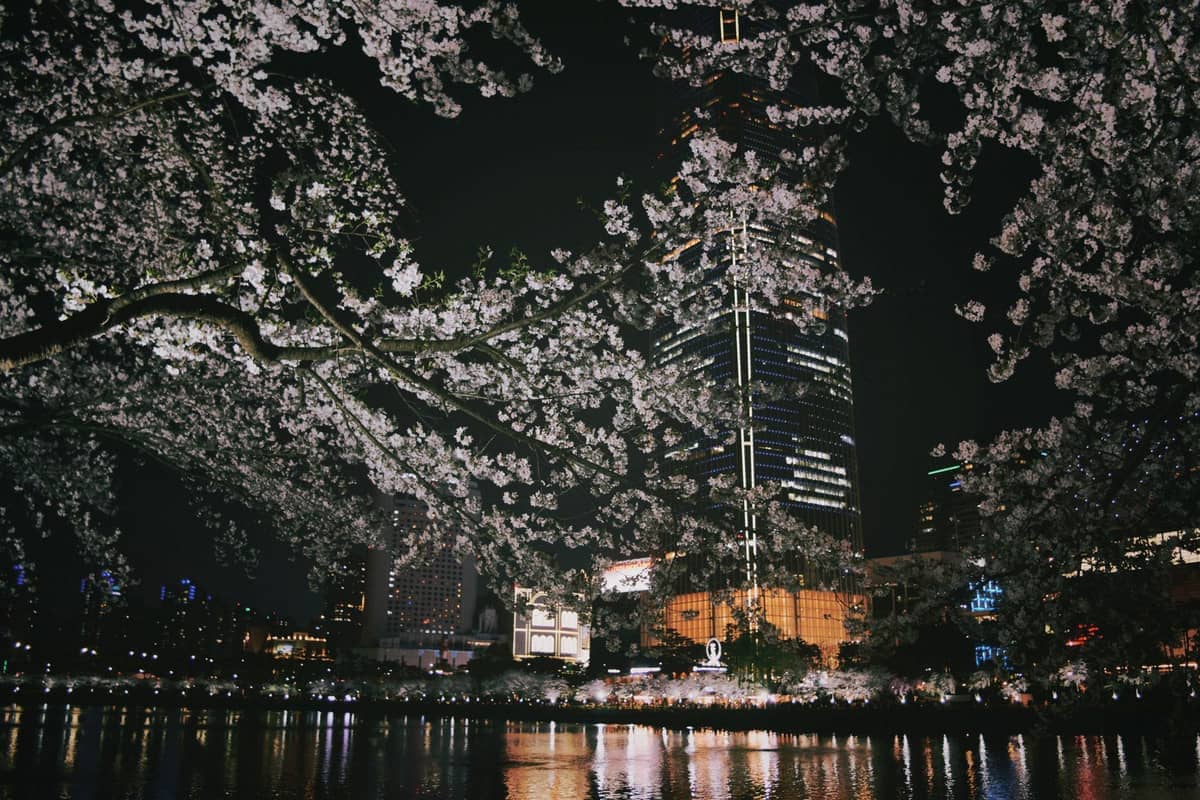
29. Walk Seokchon Lake During Cherry Blossom Season
The lakeside circuit beneath Lotte World Tower becomes one of Seoul's most beautiful free walks during cherry blossom season in early April. The contrast of pale pink blossoms against the tower is striking. The path is flat, family-friendly, and accessible from Jamsil station.
Explore29. Walk Seokchon Lake During Cherry Blossom Season
The lakeside circuit beneath Lotte World Tower becomes one of Seoul's most beautiful free walks during cherry blossom season in early April. The contrast of pale pink blossoms against the tower is striking. The path is flat, family-friendly, and accessible from Jamsil station.
Explore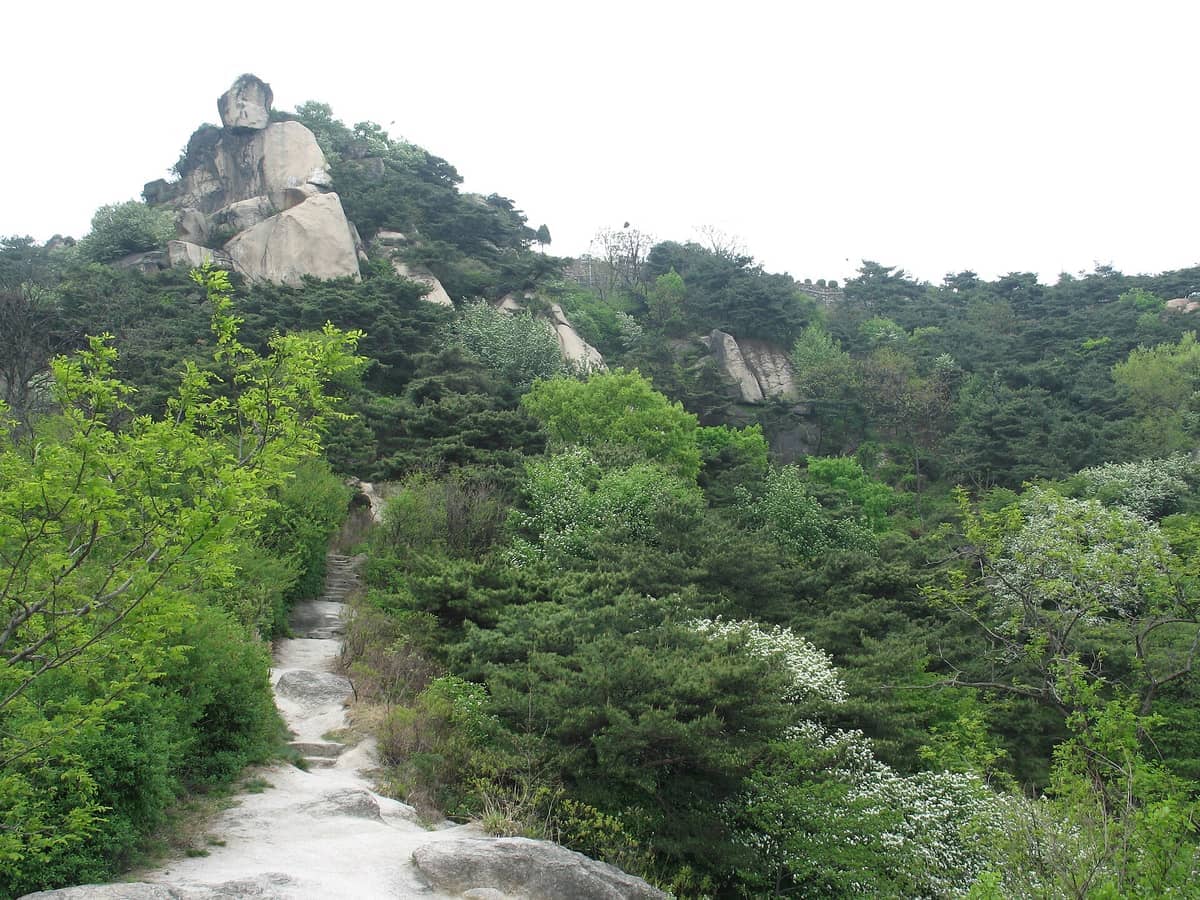
30. Hike to the Shamanist Shrines on Inwangsan Mountain
Inwangsan is one of Seoul's most atmospherically distinctive free hikes. Dramatic granite boulders line the trail, shamanist shrines cluster at Guksadang, and a preserved section of the Seoul City Wall adds historical texture. The summit offers excellent views over the western old city.
Explore30. Hike to the Shamanist Shrines on Inwangsan Mountain
Inwangsan is one of Seoul's most atmospherically distinctive free hikes. Dramatic granite boulders line the trail, shamanist shrines cluster at Guksadang, and a preserved section of the Seoul City Wall adds historical texture. The summit offers excellent views over the western old city.
ExploreFAQ
Is entry to Seoul's royal palaces really free?
Most of Seoul's major palaces charge a small entry fee (typically 3,000 won). However, entry is free if you wear hanbok — traditional Korean dress — and rental shops are located right outside each palace gate. Many palaces also offer free or discounted entry on Culture Day (the last Wednesday of each month). Gyeonghuigung is free to enter at all times.
Which museums in Seoul are completely free?
The National Museum of Korea, the National Folk Museum of Korea, the Seoul Museum of History, and the War Memorial of Korea all offer free permanent exhibition entry year-round. Most are closed on Mondays. The MMCA Seoul charges for some exhibitions but offers free entry on selected days — check their website.
Are Bukhansan National Park and other Seoul hiking trails free?
Yes. Bukhansan National Park and all the major urban hiking trails, including the Seoul City Wall (Hanyangdoseong) and Namsan, are free to access at any time. Bukhansan is reachable directly by subway. The only costs you might encounter are for cable cars or temple donations, which are entirely optional.
What is the best free thing to do in Seoul at night?
Walking around the Dongdaemun Design Plaza (DDP) after dark is hard to beat for free nighttime drama. The illuminated exterior is spectacular. The Banpo Bridge Rainbow Fountain (seasonal), Cheonggyecheon Stream after dark, and the view from Naksan Park over the lit-up city are all strong alternatives.
Is there a free walking tour in Seoul?
Yes. The Seoul Tourism Organization runs free walking tours of several central routes, including Bukchon, Cheonggyecheon, and the city wall. They are bookable through the Visit Seoul official website. Tours run on set days and fill up, so book in advance.