Best Museums in Seoul: 14 Top Picks for Art, History, and Culture
Seoul has a deep museum scene, from Korea's vast national collection in Yongsan to cutting-edge contemporary art spaces and sobering historical sites. Whether you have a day or a week, these are the essential museums to put on your itinerary.
Plan and book this trip
Tools from our partner Travelpayouts help you compare flights and hotels. If you book through them, we may earn a commission at no extra cost to you.
Flights
Hotels map
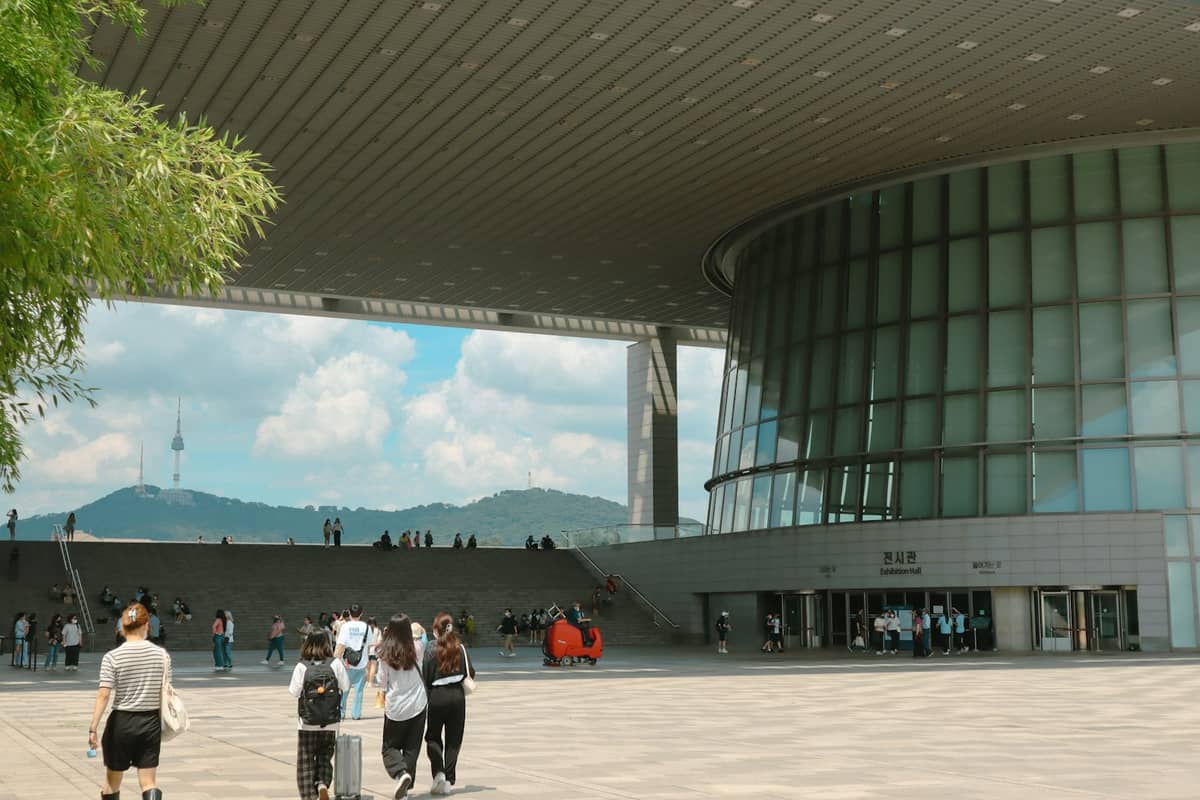
Seoul's museum scene is one of the best in Asia, and much of it is free. The city's major public institutions often charge nothing for permanent galleries, while private museums rival anything in Europe for quality of collection and architectural ambition. For a broader view of how to spend your time in the capital, see our . If you're planning a focused cultural trip, the historic district of and the together contain most of the city's flagship museums within easy reach of each other. A practical note: several museums are closed on Mondays, and many extend their hours on Wednesday and Saturday evenings, which are ideal for late visits., while private museums rival anything in Europe for quality of collection and architectural ambition. For a broader view of how to spend your time in the capital, see our complete guide to things to do in Seoul. If you're planning a focused cultural trip, the historic district of Jongno and Bukchon and the Itaewon-Yongsan area together contain most of the city's flagship museums within easy reach of each other. A practical note: several museums are closed on Mondays, and many extend their hours on Wednesday and Saturday evenings, which are ideal for late visits.
💡 Local tip
Many of Seoul's top museums — including the National Museum of Korea, War Memorial, and Seoul Museum of History — are completely free for permanent galleries.
History & National Collections
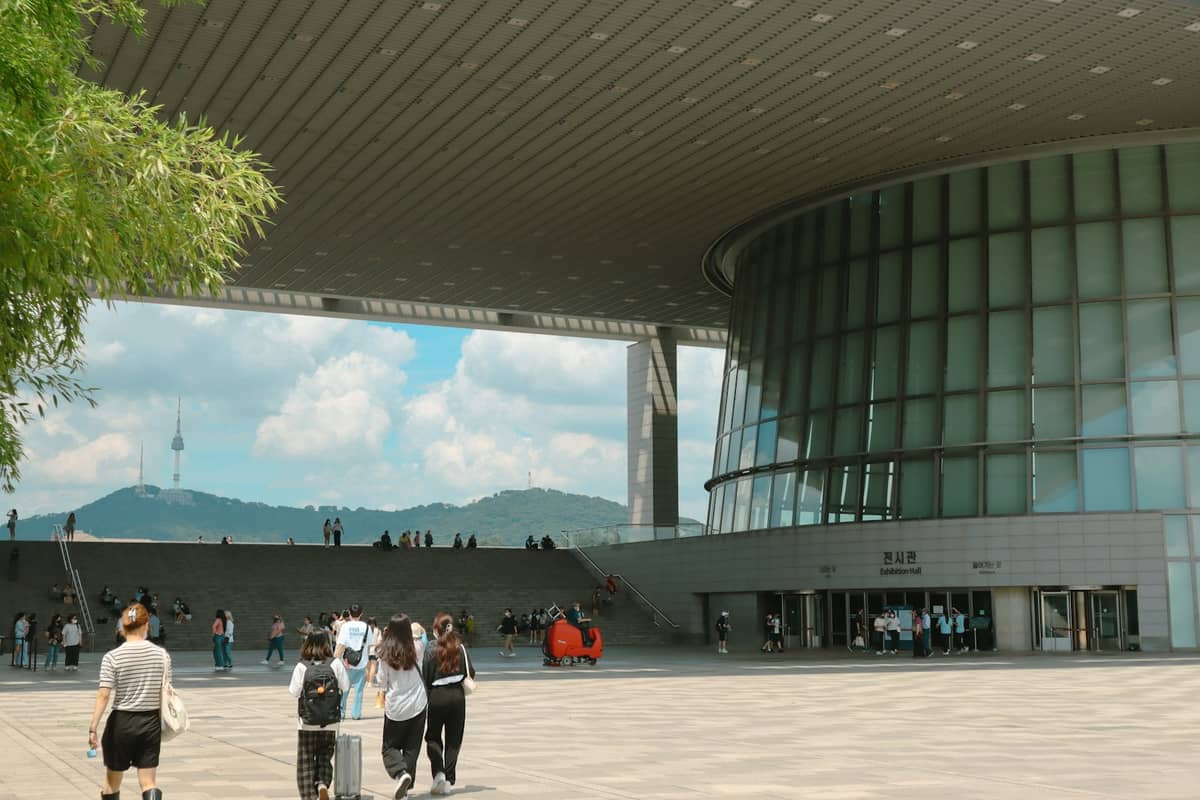
Seoul's history museums are the best starting point for any first-time visitor. They provide essential context for everything else you'll see in the city, from the palaces to the street layout. For a deeper dive into Seoul's royal architecture, our guide to palaces in Seoul pairs well with these museum visits.
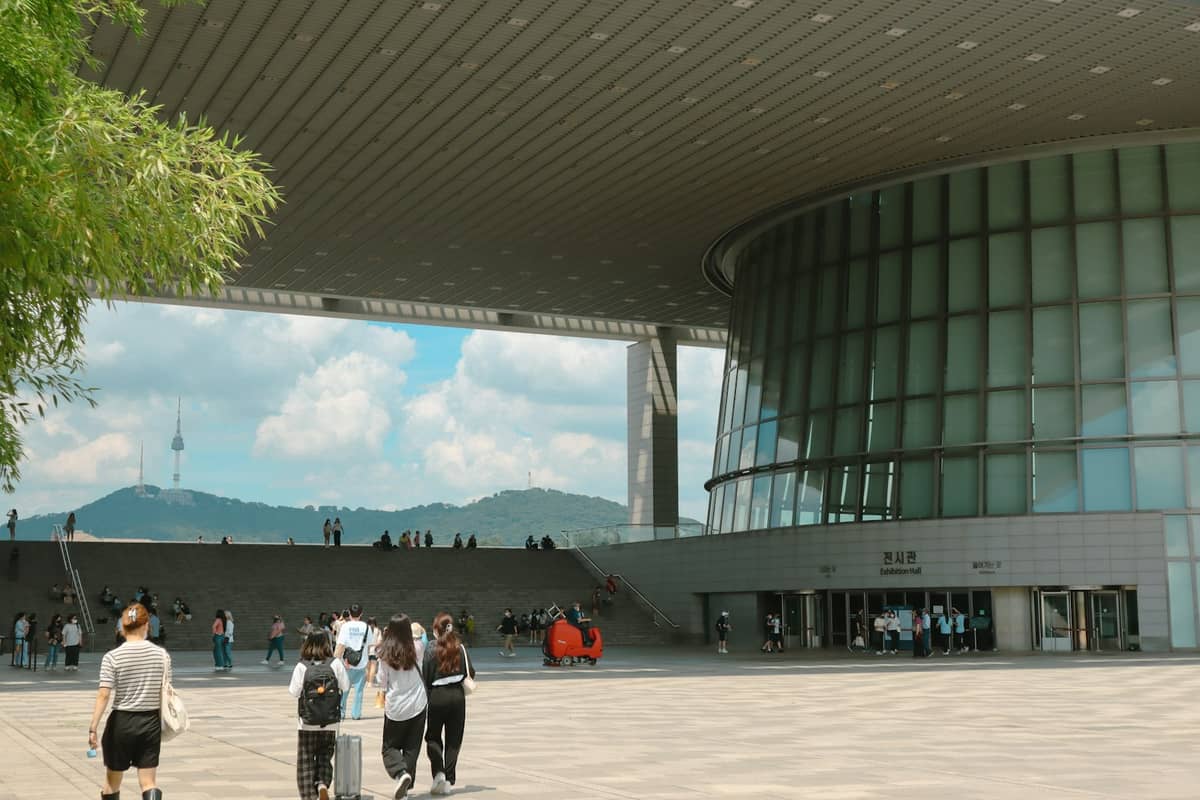
1. Start with Korea's Entire History at the National Museum of Korea
Korea's largest museum holds hundreds of thousands of artifacts across six permanent galleries, from Bronze Age dolmens to Joseon paintings. Entry is free, and the grand hall housing the 7th-century Gilt-bronze Maitreya alone justifies the visit. Ichon Station, Exit 2.
Explore1. Start with Korea's Entire History at the National Museum of Korea
Korea's largest museum holds hundreds of thousands of artifacts across six permanent galleries, from Bronze Age dolmens to Joseon paintings. Entry is free, and the grand hall housing the 7th-century Gilt-bronze Maitreya alone justifies the visit. Ichon Station, Exit 2.
Explore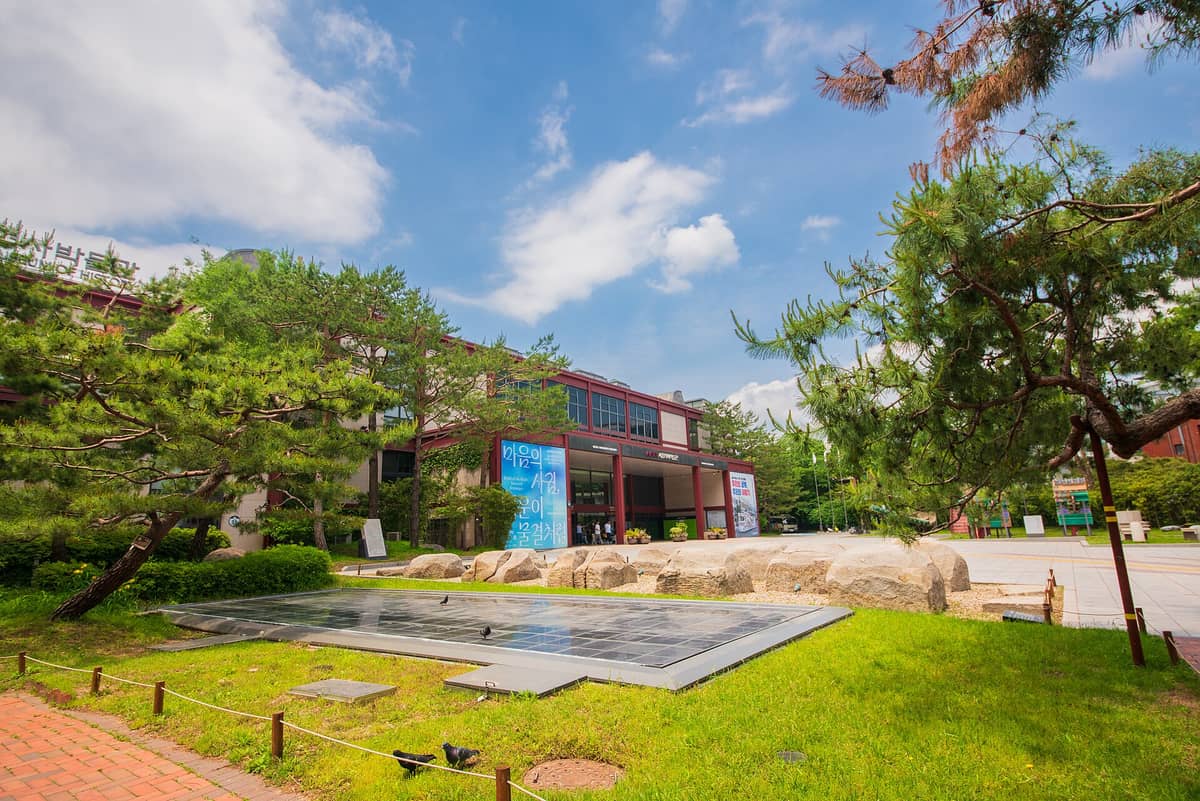
2. Trace Seoul's Urban Evolution at the Seoul Museum of History
This free museum charts Seoul's journey from Joseon capital to modern megacity. The highlight is a massive 1:1500 scale model of the entire city. Located next to Gyeonghuigung Palace, it's easy to combine both in one morning visit.
Explore2. Trace Seoul's Urban Evolution at the Seoul Museum of History
This free museum charts Seoul's journey from Joseon capital to modern megacity. The highlight is a massive 1:1500 scale model of the entire city. Located next to Gyeonghuigung Palace, it's easy to combine both in one morning visit.
Explore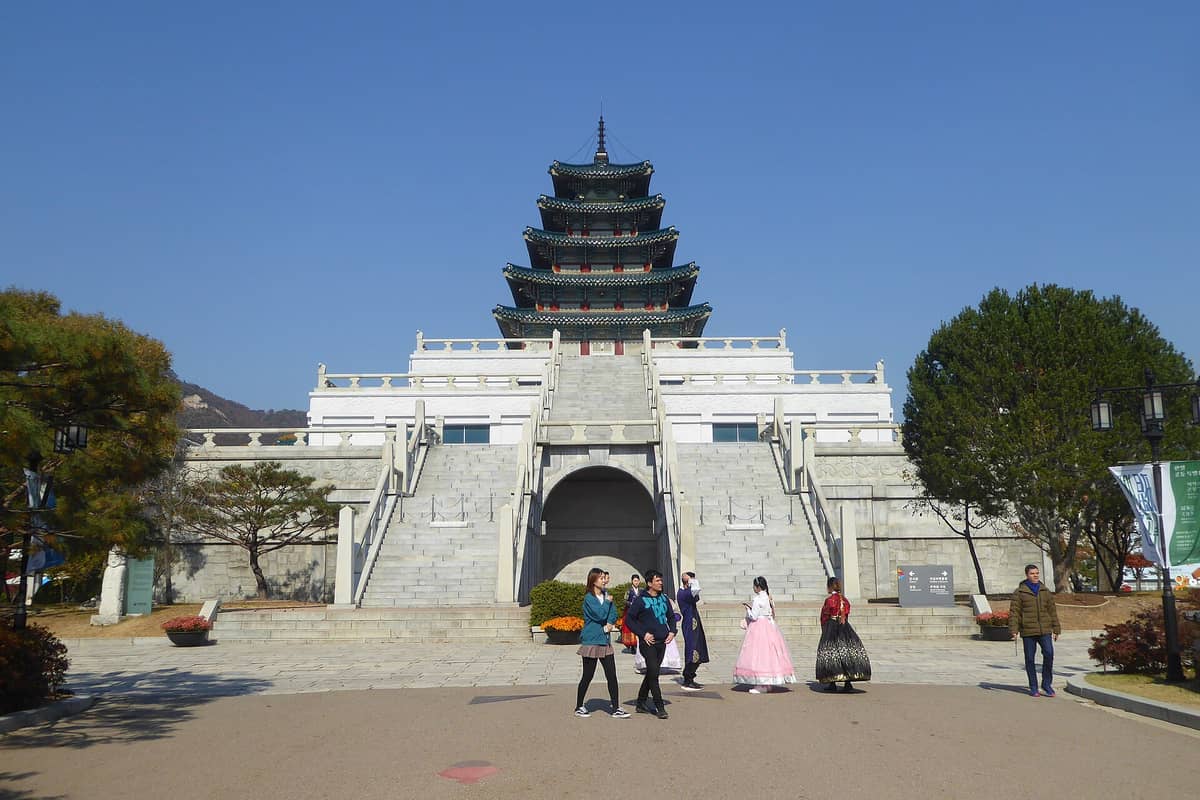
3. Explore Traditional Korean Life at the National Folk Museum
Set inside Gyeongbokgung's grounds, this engaging museum reconstructs everyday Joseon-era life through village displays, farming tools, and seasonal ritual exhibits. The outdoor folk village section with its reconstructed storefronts and statues is great for families.
Explore3. Explore Traditional Korean Life at the National Folk Museum
Set inside Gyeongbokgung's grounds, this engaging museum reconstructs everyday Joseon-era life through village displays, farming tools, and seasonal ritual exhibits. The outdoor folk village section with its reconstructed storefronts and statues is great for families.
Explore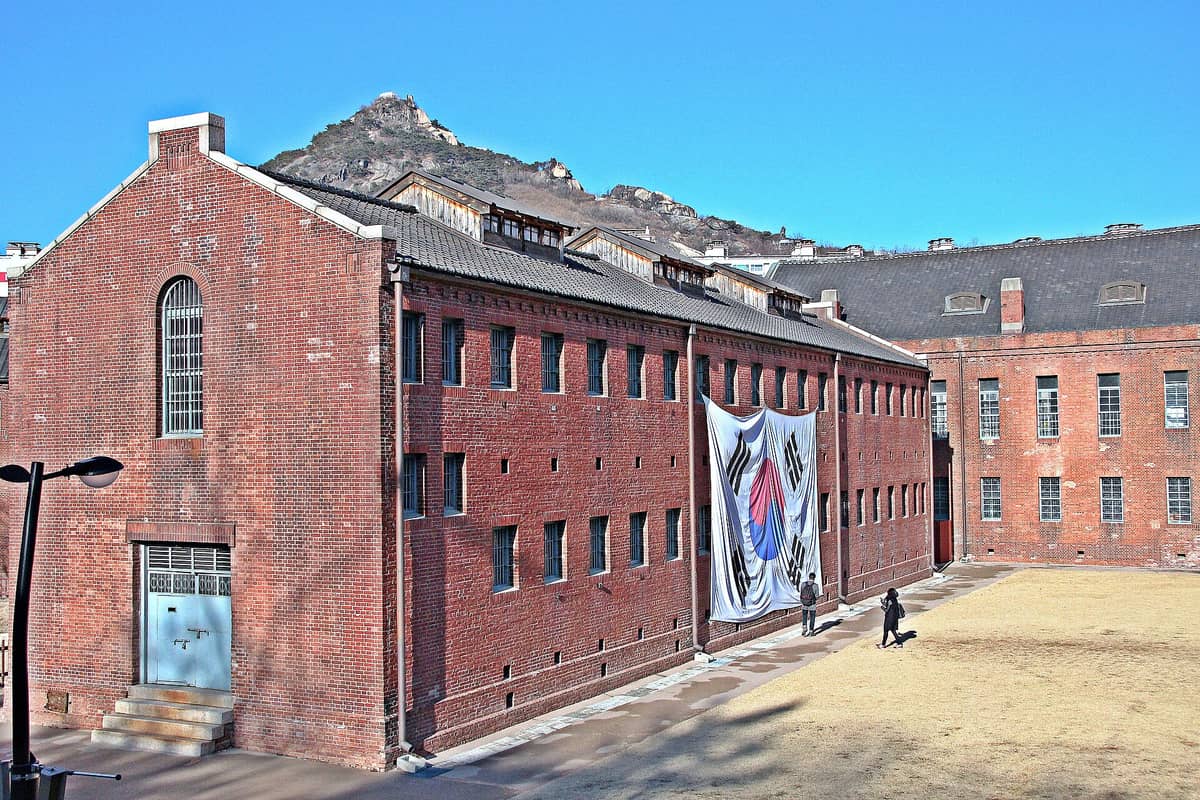
4. Confront Korea's Colonial Past at Seodaemun Prison History Hall
This preserved Japanese colonial-era prison is one of Seoul's most important historical sites. The actual prison cells, torture rooms, and execution site are open, with exhibits documenting Korean independence activists who were held here. Genuinely sobering and unmissable.
Explore4. Confront Korea's Colonial Past at Seodaemun Prison History Hall
This preserved Japanese colonial-era prison is one of Seoul's most important historical sites. The actual prison cells, torture rooms, and execution site are open, with exhibits documenting Korean independence activists who were held here. Genuinely sobering and unmissable.
Explore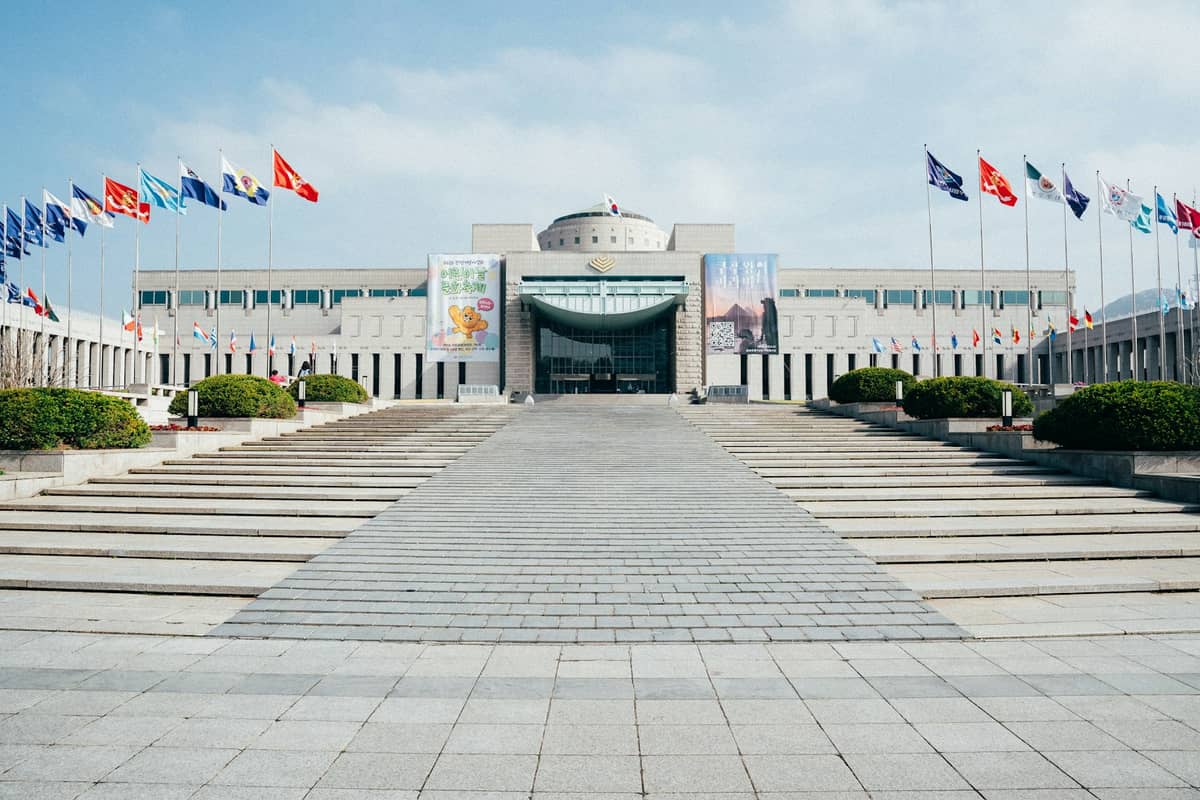
5. Understand the Korean War at the War Memorial of Korea
Korea's largest military museum houses 33,000+ artifacts and an outdoor park of aircraft, tanks, and warships. The Korean War galleries are deeply moving, with personal testimonies and detailed battle accounts. Completely free and takes 2-3 hours to do justice.
Explore5. Understand the Korean War at the War Memorial of Korea
Korea's largest military museum houses 33,000+ artifacts and an outdoor park of aircraft, tanks, and warships. The Korean War galleries are deeply moving, with personal testimonies and detailed battle accounts. Completely free and takes 2-3 hours to do justice.
ExploreContemporary & Modern Art
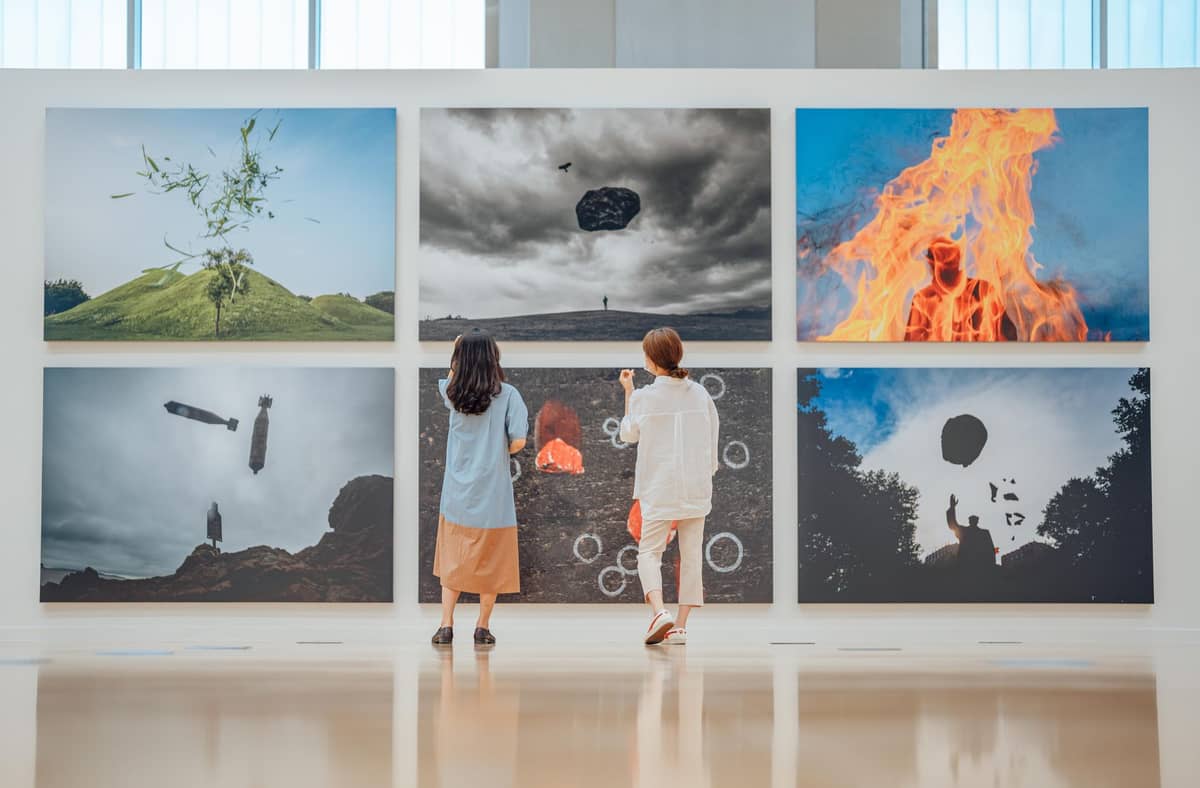
Seoul's contemporary art scene has grown dramatically in the past decade, anchored by world-class institutions and adventurous private galleries. For the full picture on where galleries and creative spaces cluster, the neighborhoods of Seongsu and Hannam-dong in Yongsan are worth exploring on foot after a museum visit.
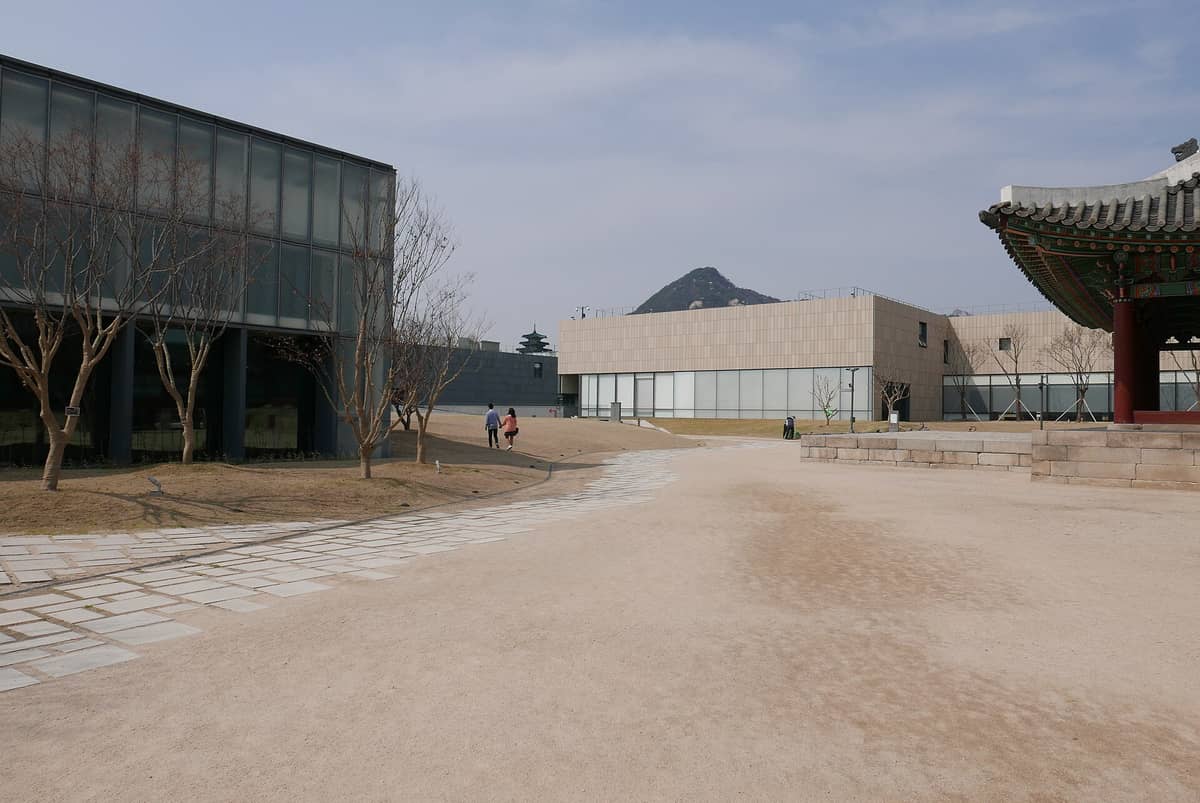
6. See Korean Contemporary Art at Its Best at MMCA Seoul
Korea's premier modern art museum occupies a beautifully restored military compound just north of Gyeongbokgung. The conversion by architect Min Hyunsik preserved original structures while adding striking new galleries. Rotating exhibitions consistently highlight major Korean and international artists.
Explore6. See Korean Contemporary Art at Its Best at MMCA Seoul
Korea's premier modern art museum occupies a beautifully restored military compound just north of Gyeongbokgung. The conversion by architect Min Hyunsik preserved original structures while adding striking new galleries. Rotating exhibitions consistently highlight major Korean and international artists.
Explore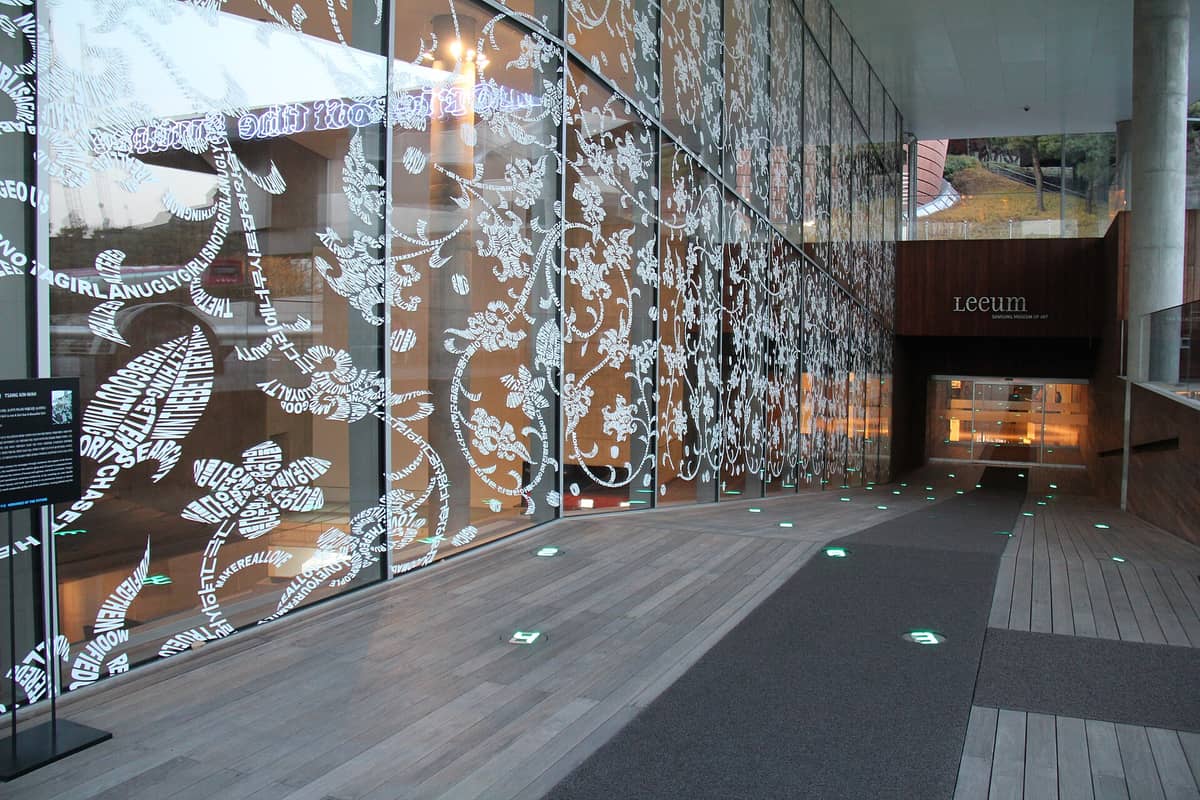
7. Visit One of Asia's Finest Private Art Museums at Leeum
Samsung's private museum in Hannam-dong is designed by three architectural legends: Mario Botta, Jean Nouvel, and Rem Koolhaas, each responsible for a separate building. The collection spans ancient Korean ceramics to global contemporary art. Allocate at least 2 hours.
Explore7. Visit One of Asia's Finest Private Art Museums at Leeum
Samsung's private museum in Hannam-dong is designed by three architectural legends: Mario Botta, Jean Nouvel, and Rem Koolhaas, each responsible for a separate building. The collection spans ancient Korean ceramics to global contemporary art. Allocate at least 2 hours.
Explore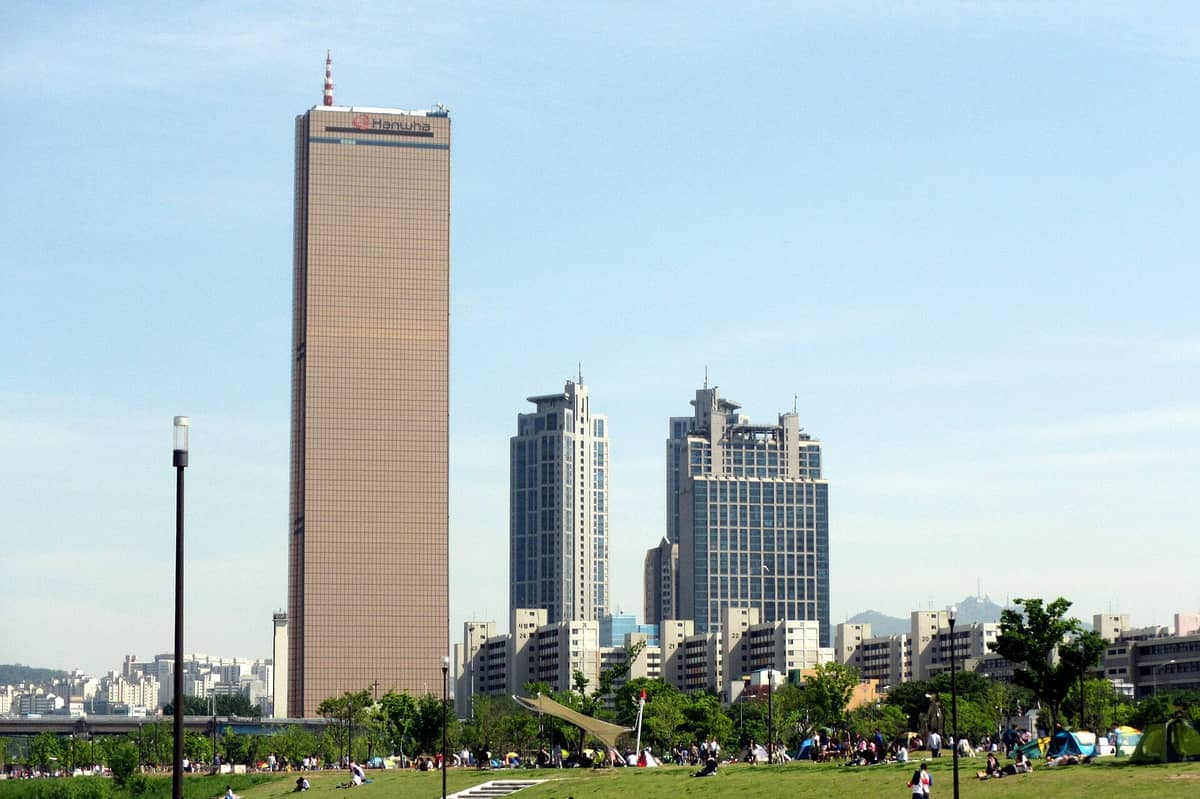
8. Experience Paris Contemporary Art in Seoul at Centre Pompidou Hanwha
Opened in June 2026 inside the 63 Building in Yeouido, this four-level museum brings the Centre Pompidou collection to Seoul alongside Korean and international contemporary works. Designed by Jean-Michel Wilmotte, it's the newest major art destination in the city.
Explore8. Experience Paris Contemporary Art in Seoul at Centre Pompidou Hanwha
Opened in June 2026 inside the 63 Building in Yeouido, this four-level museum brings the Centre Pompidou collection to Seoul alongside Korean and international contemporary works. Designed by Jean-Michel Wilmotte, it's the newest major art destination in the city.
Explore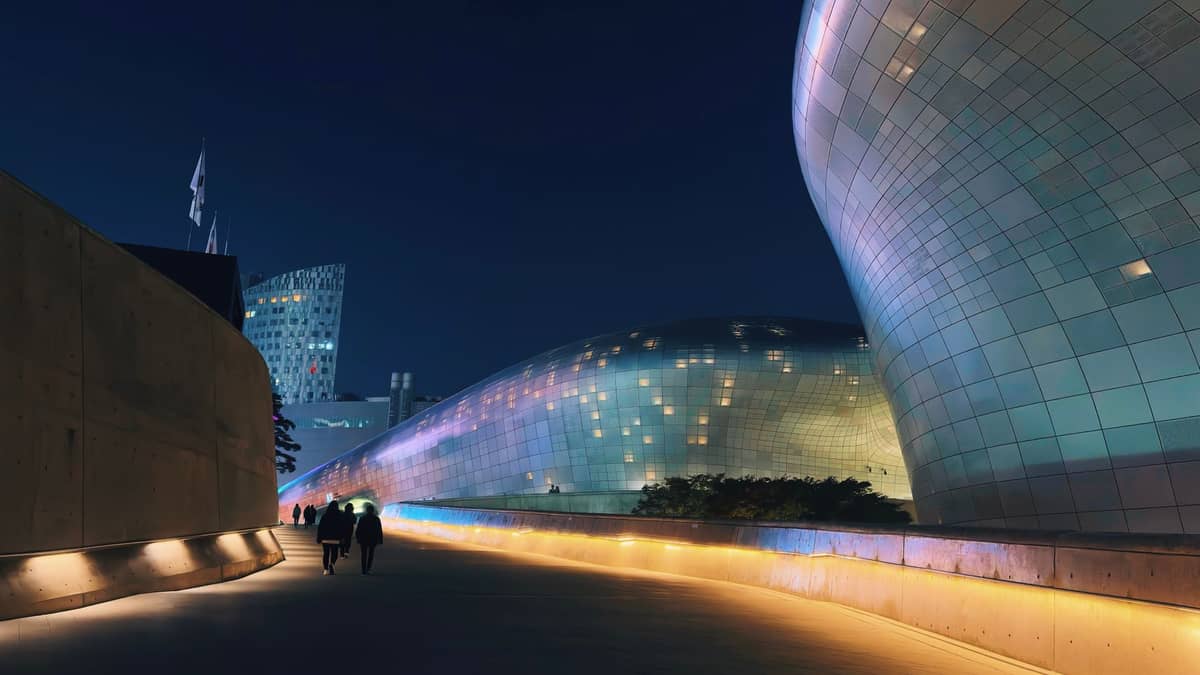
9. See Design and Architecture Converge at Dongdaemun Design Plaza
Zaha Hadid's DDP is itself a museum-worthy object: 45,000 custom aluminum panels form a seamless curved structure housing design exhibitions, fashion weeks, and cultural events. The permanent design museum inside is free, and the illuminated exterior at night is spectacular.
Explore9. See Design and Architecture Converge at Dongdaemun Design Plaza
Zaha Hadid's DDP is itself a museum-worthy object: 45,000 custom aluminum panels form a seamless curved structure housing design exhibitions, fashion weeks, and cultural events. The permanent design museum inside is free, and the illuminated exterior at night is spectacular.
ExplorePalaces with Museum Collections
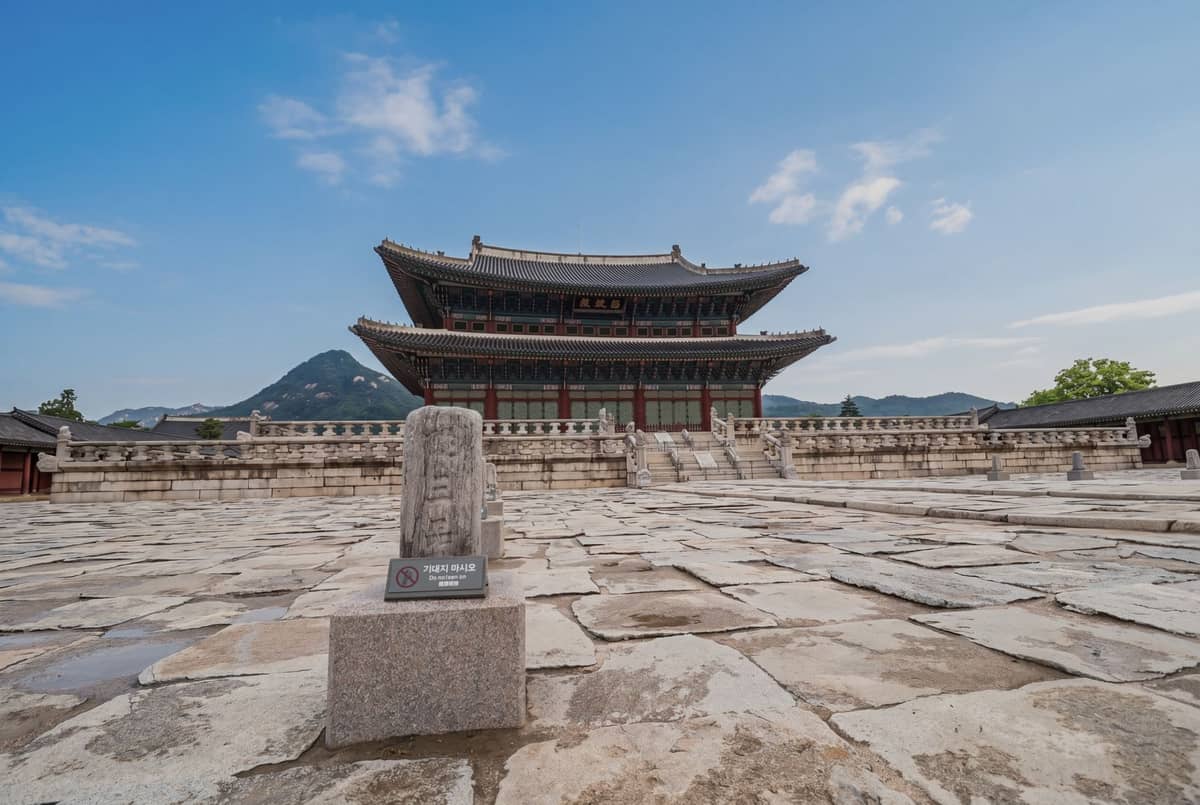
Several of Seoul's royal palaces function as open-air museums with dedicated gallery spaces inside their grounds. These are among the best places to understand Joseon history firsthand. Our dedicated guide to Seoul's palaces covers opening hours, tour times, and what to prioritize at each site.
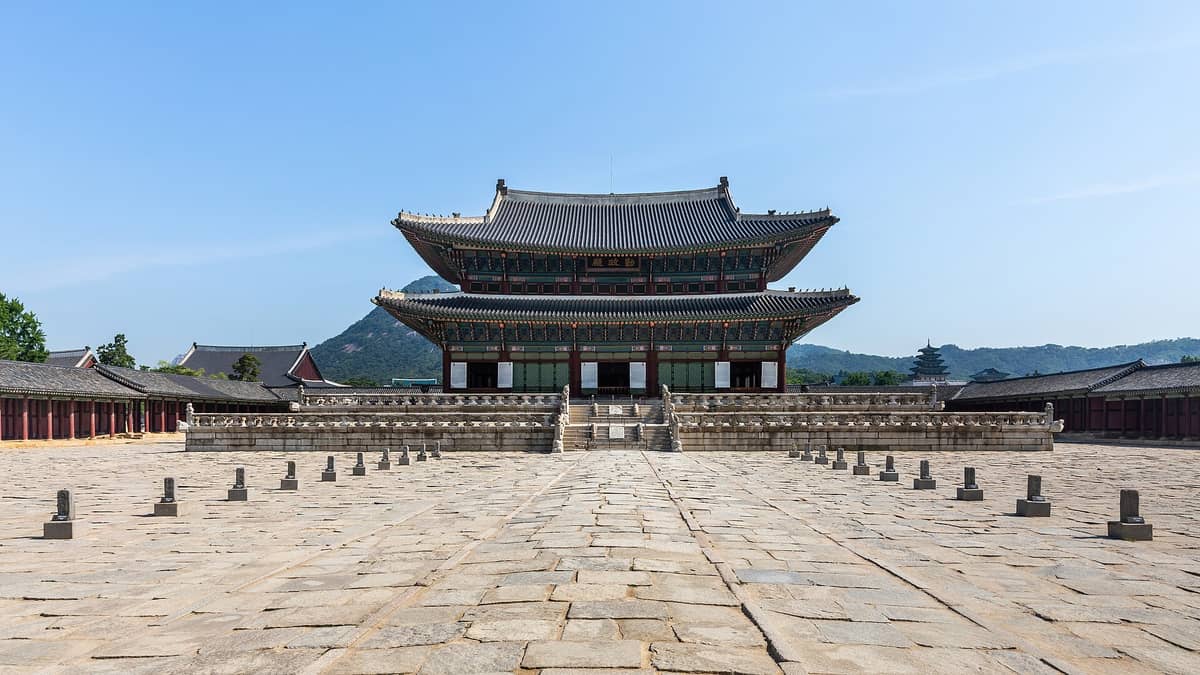
10. Explore the Joseon Dynasty at Gyeongbokgung Palace
Seoul's main royal palace is also its most informative: the National Folk Museum sits within its walls, and the palace itself functions as an open-air collection of Joseon architecture. The National Palace Museum inside is excellent and free. Go early to beat the crowds.
Explore10. Explore the Joseon Dynasty at Gyeongbokgung Palace
Seoul's main royal palace is also its most informative: the National Folk Museum sits within its walls, and the palace itself functions as an open-air collection of Joseon architecture. The National Palace Museum inside is excellent and free. Go early to beat the crowds.
Explore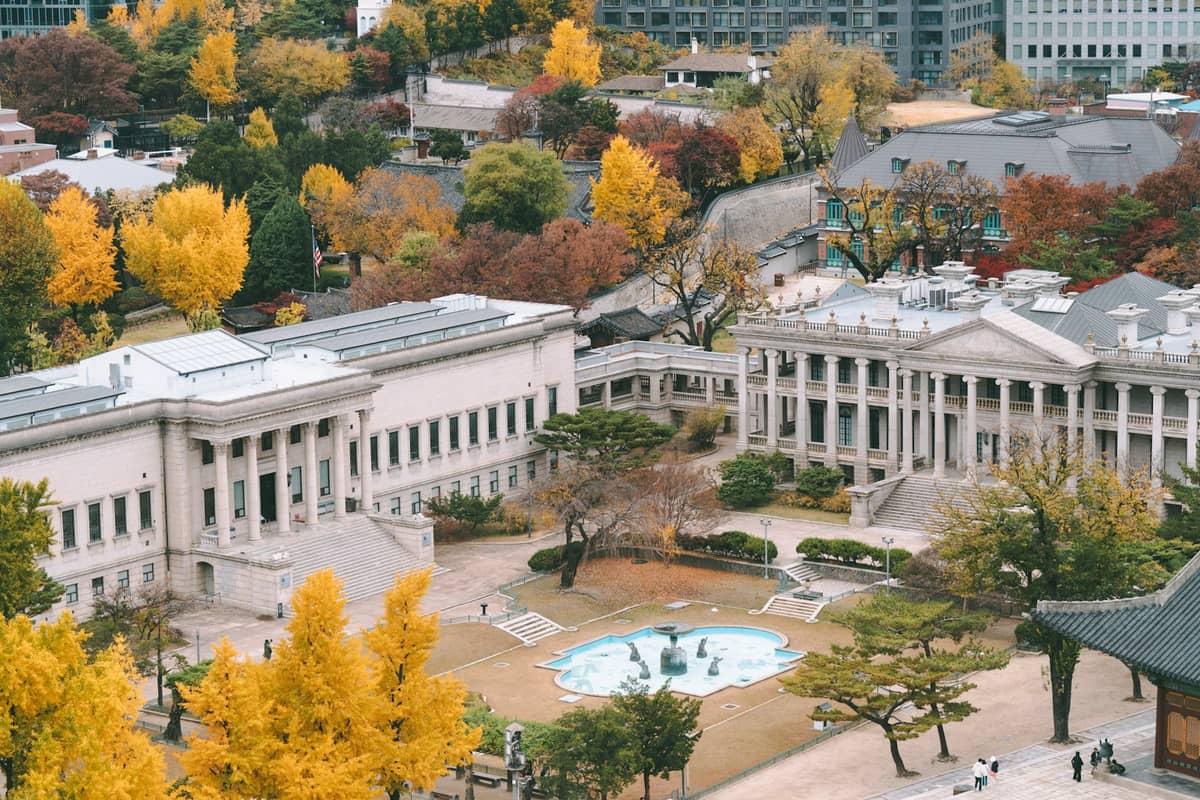
11. See Korean and Western Architecture Side by Side at Deoksugung
Deoksugung is the only Joseon palace that blends traditional Korean halls with Western-style stone buildings. The MMCA Deoksugung branch inside the palace grounds shows Korean modern art in an historic setting. The famous stone wall walk outside is a perfect post-museum stroll.
Explore11. See Korean and Western Architecture Side by Side at Deoksugung
Deoksugung is the only Joseon palace that blends traditional Korean halls with Western-style stone buildings. The MMCA Deoksugung branch inside the palace grounds shows Korean modern art in an historic setting. The famous stone wall walk outside is a perfect post-museum stroll.
Explore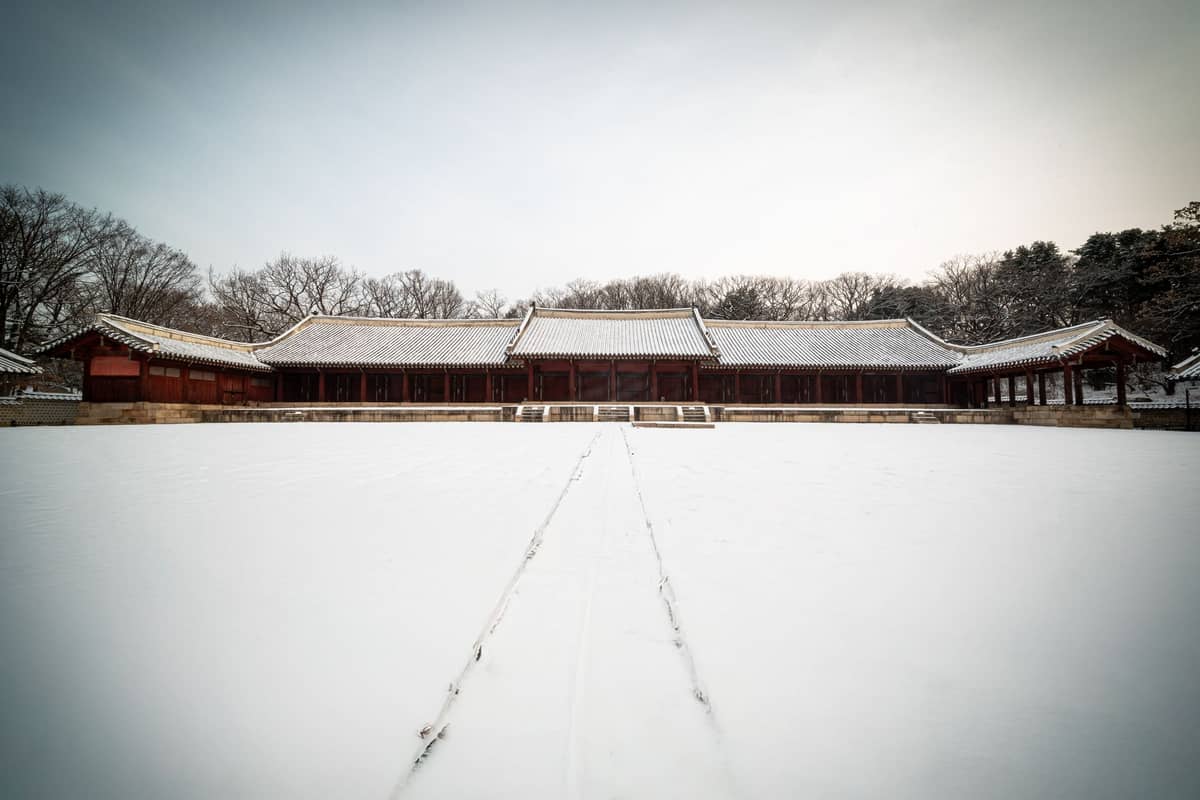
12. Visit a Living UNESCO Heritage Site at Jongmyo Shrine
This UNESCO World Heritage Site preserves the spirit tablets of 19 Joseon kings and queens in the world's longest surviving Confucian royal shrine. The annual Jongmyo Daeje ritual reenactment in May is extraordinary. Entry is by guided tour only, available in English on weekends.
Explore12. Visit a Living UNESCO Heritage Site at Jongmyo Shrine
This UNESCO World Heritage Site preserves the spirit tablets of 19 Joseon kings and queens in the world's longest surviving Confucian royal shrine. The annual Jongmyo Daeje ritual reenactment in May is extraordinary. Entry is by guided tour only, available in English on weekends.
ExploreSpecialist & Niche Museums
Beyond the flagship institutions, Seoul has several specialist museums worth seeking out depending on your interests. These tend to be less crowded and offer more focused, often more personal experiences. Many are free or very affordable, fitting well into a budget-friendly Seoul itinerary.
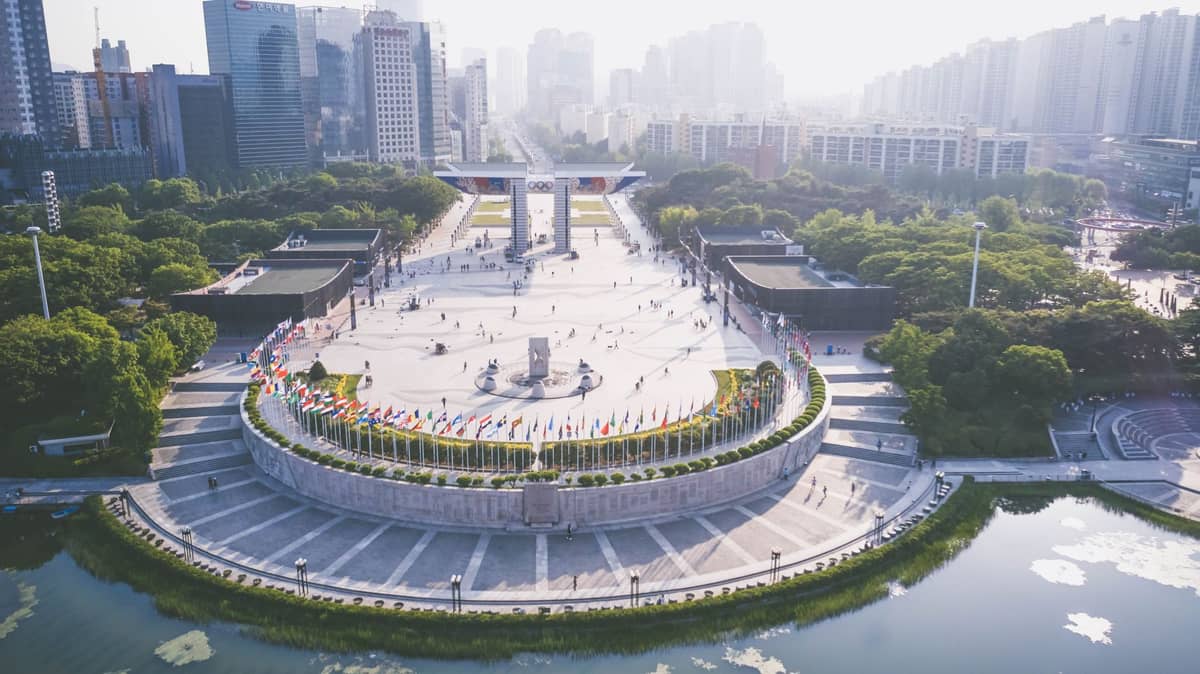
13. Discover Outdoor Sculpture and Sports History at Olympic Park
Built for the 1988 Seoul Olympics, this 1.4km² park contains one of Korea's largest outdoor sculpture collections (over 200 works), plus the SOMA Museum of Art and preserved ancient Baekje-era earthworks. It's calm, spacious, and completely free to walk around.
Explore13. Discover Outdoor Sculpture and Sports History at Olympic Park
Built for the 1988 Seoul Olympics, this 1.4km² park contains one of Korea's largest outdoor sculpture collections (over 200 works), plus the SOMA Museum of Art and preserved ancient Baekje-era earthworks. It's calm, spacious, and completely free to walk around.
Explore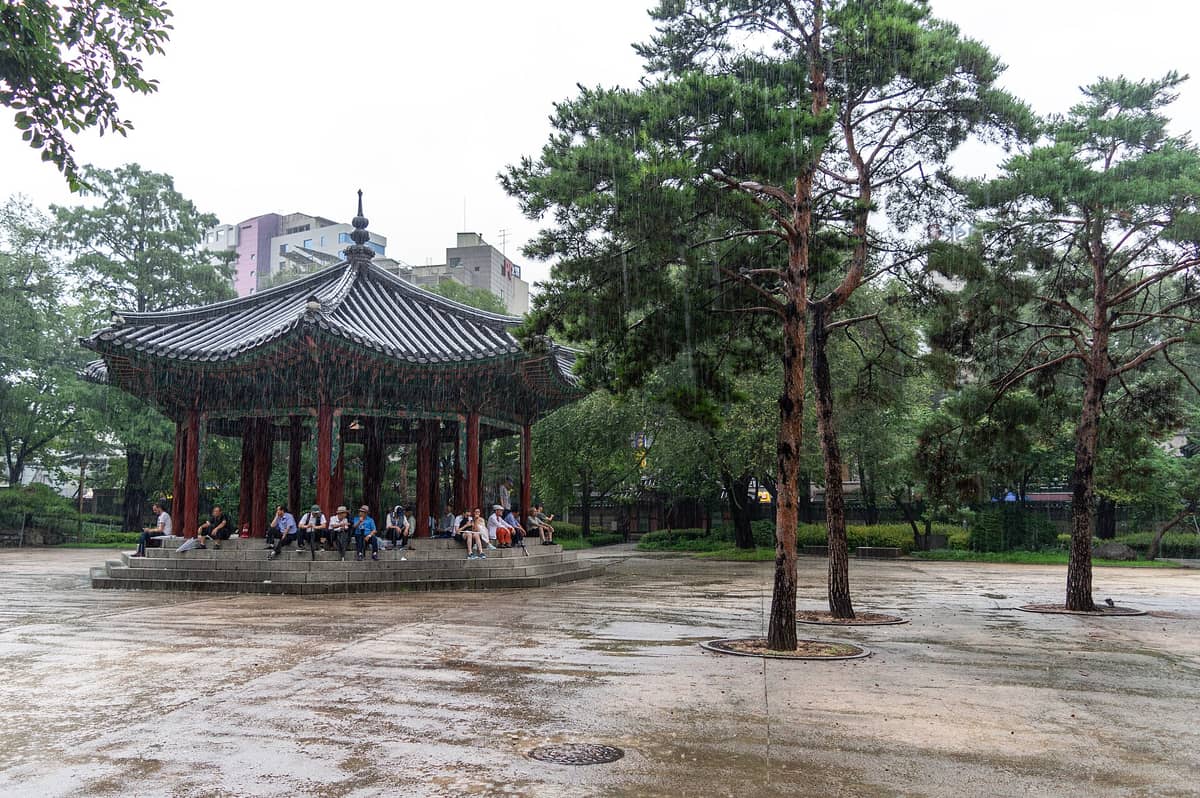
14. Learn About Korea's Independence Movement at Tapgol Park
Korea's first modern public park is where the 1919 March 1st Independence Movement declaration was publicly read. The octagonal pavilion houses the original reading and the relief murals along the walls depict scenes from the movement in vivid detail. Free and takes about 30 minutes.
Explore14. Learn About Korea's Independence Movement at Tapgol Park
Korea's first modern public park is where the 1919 March 1st Independence Movement declaration was publicly read. The octagonal pavilion houses the original reading and the relief murals along the walls depict scenes from the movement in vivid detail. Free and takes about 30 minutes.
Explore✨ Pro tip
The National Museum of Korea, War Memorial, and MMCA Seoul all extend hours on Wednesday and Saturday evenings. These late slots are quieter and ideal for a more contemplative visit — especially in summer when daytime heat is intense.
FAQ
Which museums in Seoul are free?
Several major museums are free for permanent galleries, including the National Museum of Korea, War Memorial of Korea, Seoul Museum of History, National Folk Museum of Korea, though MMCA Seoul's exhibitions are usually ticketed. Special temporary exhibitions at these institutions may charge a separate admission fee.
Are Seoul museums open on Mondays?
Not all. The National Museum of Korea is open on Mondays, but many other museums including MMCA Seoul are closed. Always check the official website of each museum before visiting, as schedules can vary by season and may change.
How do I get to the National Museum of Korea?
Take Seoul Subway Line 4 or the Gyeongui-Jungang Line to Ichon Station and use Exit 2. The museum is about a 7-minute walk from the station. It's open Tuesday to Sunday (until 21:00 on Wednesdays and Saturdays), with admission closing 30 minutes before closing time.
How many days do I need to cover Seoul's best museums?
Two full days lets you cover the main highlights comfortably: dedicate one day to the Yongsan cluster (National Museum of Korea, War Memorial, Leeum) and a second day to the Jongno historic core (MMCA Seoul, Gyeongbokgung, National Folk Museum, Jongmyo Shrine). The DDP and Seodaemun Prison can be added as half-day extensions.
Do Seoul museums have English-language support?
Yes. Major public museums including the National Museum of Korea, War Memorial, and MMCA Seoul provide English audio guides, bilingual labels, and English-language brochures. Leeum Museum of Art also has strong English support. Smaller specialist museums vary, so check before visiting if English guidance is important to you.