Itaewon and Yongsan sit at the crossroads of Seoul's international identity and its deeper historical layers. From the late-night restaurant strips of Itaewon-ro to the grand halls of the National Museum of Korea, this district offers more range than almost any other part of the city.
Itaewon and Yongsan occupy a stretch of central Seoul that has always attracted outsiders, from colonial-era foreign residents to the US military community that shaped the district for decades after the Korean War. Today the area functions as Seoul's most internationally diverse neighborhood, where halal butchers sit next to Thai restaurants, Nigerian grocery stores neighbor craft cocktail bars, and the alleyways of Gyeongnidan-gil draw a crowd that looks nothing like the rest of the city.
Orientation
Itaewon is a commercial neighborhood within Yongsan-gu, the administrative district that covers a large swath of central Seoul between the Han River to the south and Namsan mountain to the north. Yongsan-gu borders Jung-gu to the northeast and Mapo-gu to the northwest, with Gangnam-gu and Seocho-gu across the river to the south. Understanding this position matters: you are essentially sandwiched between Seoul's historic core and its modern southern districts, with everything connected.
Yongsan is the main road that runs east to west through Itaewon 1-dong, centered on Itaewon Station. Moving east along that road brings you toward Hangangjin Station and the quieter, more residential Hannam-dong. Moving uphill from Itaewon Station, into the streets that rise toward the back of Namsan, you enter Gyeongnidan-gil, which belongs to Itaewon 2-dong and operates at a noticeably different pace. Further west in Yongsan-gu, the character shifts entirely toward infrastructure and institutions: the National Museum of Korea, the War Memorial of Korea, and the sprawling Yongsan Electronics Market all anchor this part of the district.
Yongsan-gu also includes the edge of Seoul's historic neighborhoods to the north via Jangchung-dong, and it connects naturally westward toward Mapo-gu and Hongdae. The district's size means you will rarely experience all of it in one visit. Most travelers focus on Itaewon itself, then perhaps extend toward Gyeongnidan-gil or make a separate half-day trip to Yongsan's institutional attractions.
Character & Atmosphere
Walk along Itaewon-ro on a weekday morning and the street feels almost mundane: shopkeepers rolling up shutters, delivery trucks double-parked outside restaurants, the occasional jogger coming down from Namsan. The storefronts give it away though. Halal markets, Arabic-script signage, Indian spice shops, and English-language pub menus appear in a density you simply will not find in Hongdae or Gangnam. This is a neighborhood that has absorbed waves of foreign residents and businesses over decades, and the physical streetscape has accumulated accordingly.
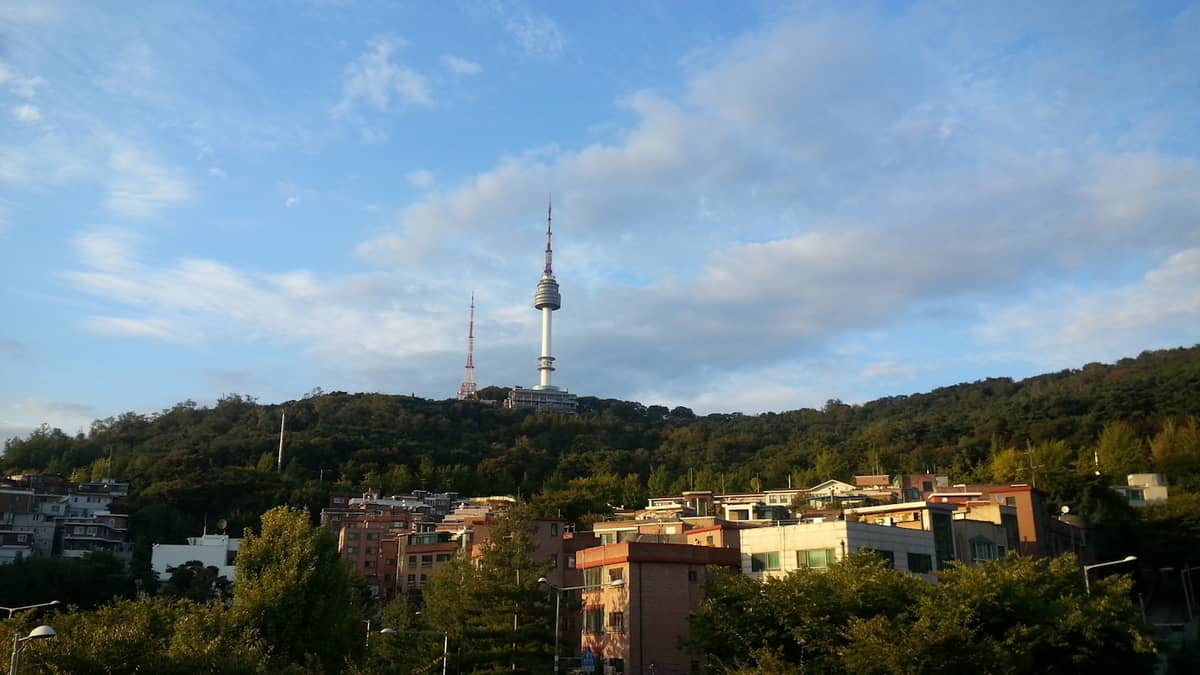
By late afternoon, particularly on weekends, the energy shifts. The main strip around Itaewon Station fills with a mix of expats, tourists, Korean young adults, and members of the international community who have lived in the neighborhood for years. The side streets narrow as you walk uphill toward Gyeongnidan-gil, where the density of independent cafés, wine bars, and international restaurants is remarkably high for a collection of alleys this size. The light in the late afternoon catches the hillside well, and the views back down toward the Han River offer some perspective on how close everything really is.
After dark, Itaewon becomes one of Seoul's more active nightlife zones. The main street and the alleys around it host everything from low-key cocktail bars to clubs that stay open until morning. This is genuinely one of the more LGBTQ-friendly areas of Seoul, with a concentration of bars catering to queer visitors and residents in an area locally known as Homo Hill, near the main strip. The atmosphere after midnight on weekends is loud and social, which is worth knowing before you book accommodation directly in the center.
⚠️ What to skip
The Itaewon area saw a deadly crowd crush in October 2022 during Halloween celebrations. Authorities have since implemented stricter crowd management measures around major events. The neighborhood has continued operating normally in the years since, but visitor numbers during Halloween weekend specifically remain heavily managed. If visiting during late October, check current local guidance on event permits and crowd control zones.
Gyeongnidan-gil deserves separate attention because it feels almost like a different neighborhood. The main alley and its side streets running uphill between Noksapyeong Station and Itaewon Station have become a reference point for Seoul's independent food and café scene. Rents pushed many of the original businesses here from Itaewon proper years ago, and the resulting mix of affordable creative ventures has given the area a distinctly unhurried character compared to the main strip.
What to See & Do
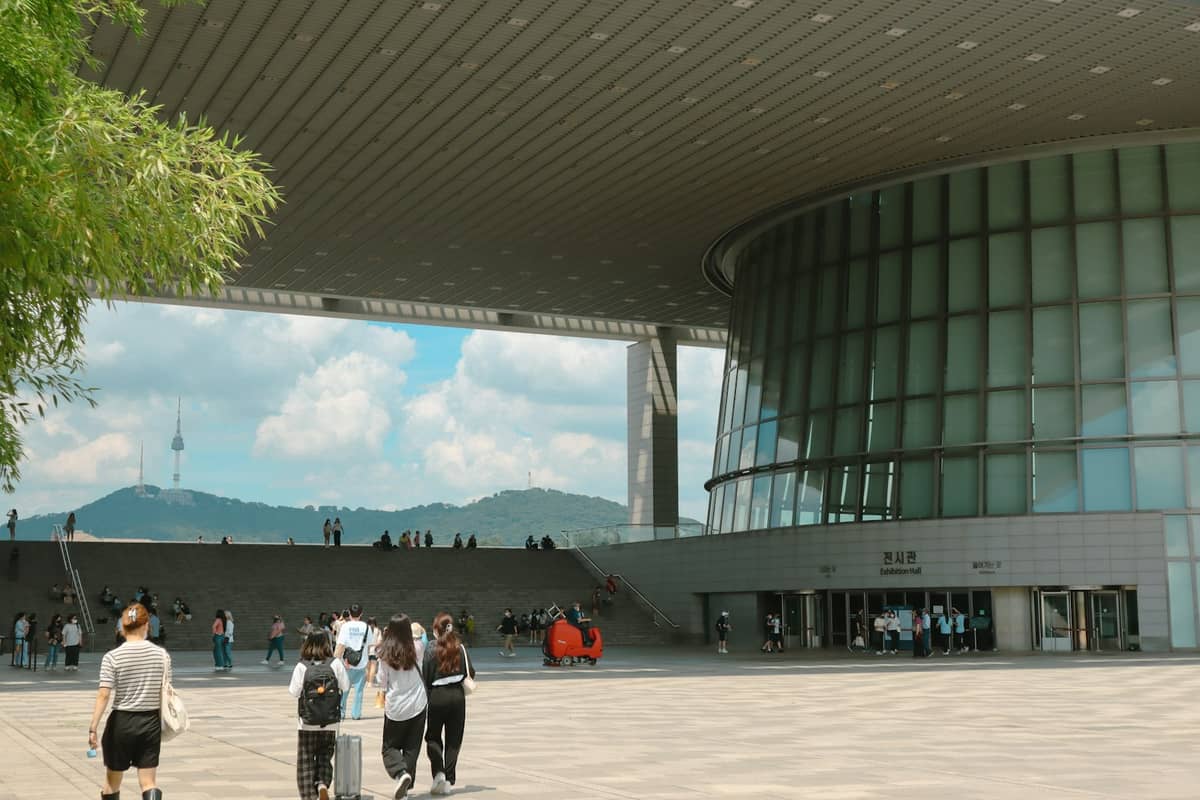
The anchor institution of Yongsan-gu is the National Museum of Korea, located in the southern part of the district near Ichon Station on Line 4. It houses one of the largest collections of Korean art and artifacts in existence, and its permanent galleries alone can easily fill three to four hours. The building sits within a large landscaped park, making it a good option on days when the weather cooperates. Admission to the permanent collection is free.
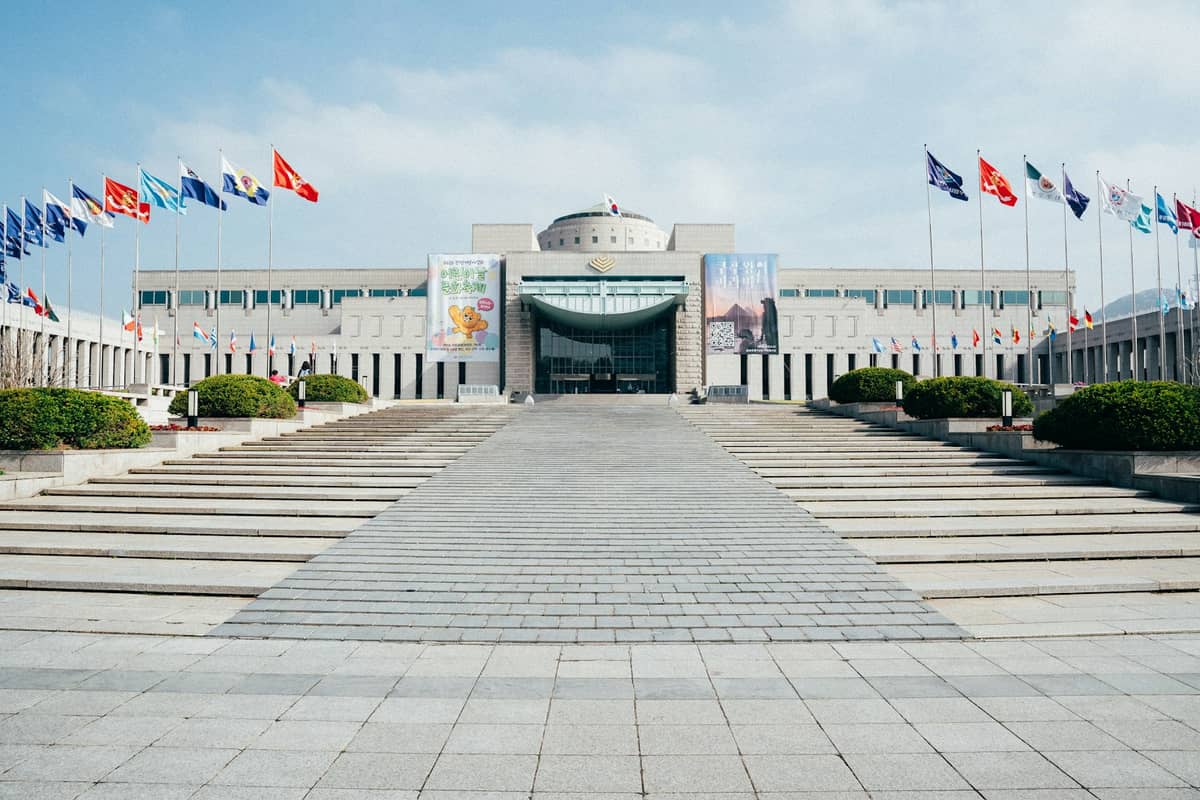
Directly across from Samgakji Station, the War Memorial of Korea is a substantial museum and outdoor monument complex covering Korean military history from the Three Kingdoms period through the Korean War and beyond. The outdoor exhibits include aircraft, tanks, and artillery pieces arranged around a large plaza. The indoor galleries are detailed and extensively labeled in English. It is one of Seoul's more serious historical institutions, and the scale of the outdoor space gives it a weight that smaller museums cannot replicate.
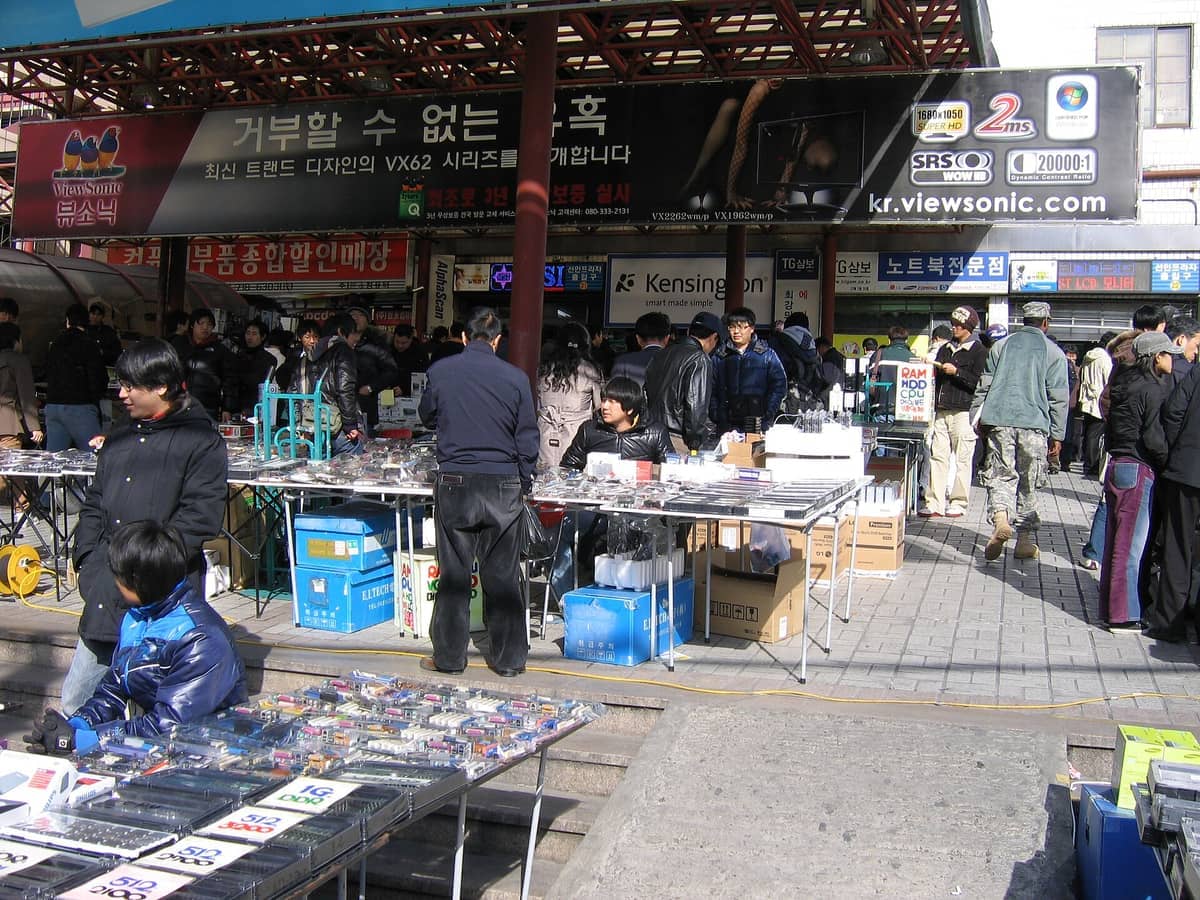
The Yongsan Electronics Market is a sprawling complex near Yongsan Station that sells electronics, components, cables, cameras, and nearly anything tech-related across dozens of stalls and shops. It has contracted somewhat with the rise of online retail, but it remains the place to go for specific components, repairs, or simply to observe the scale of what a dedicated electronics wholesale district looks like.
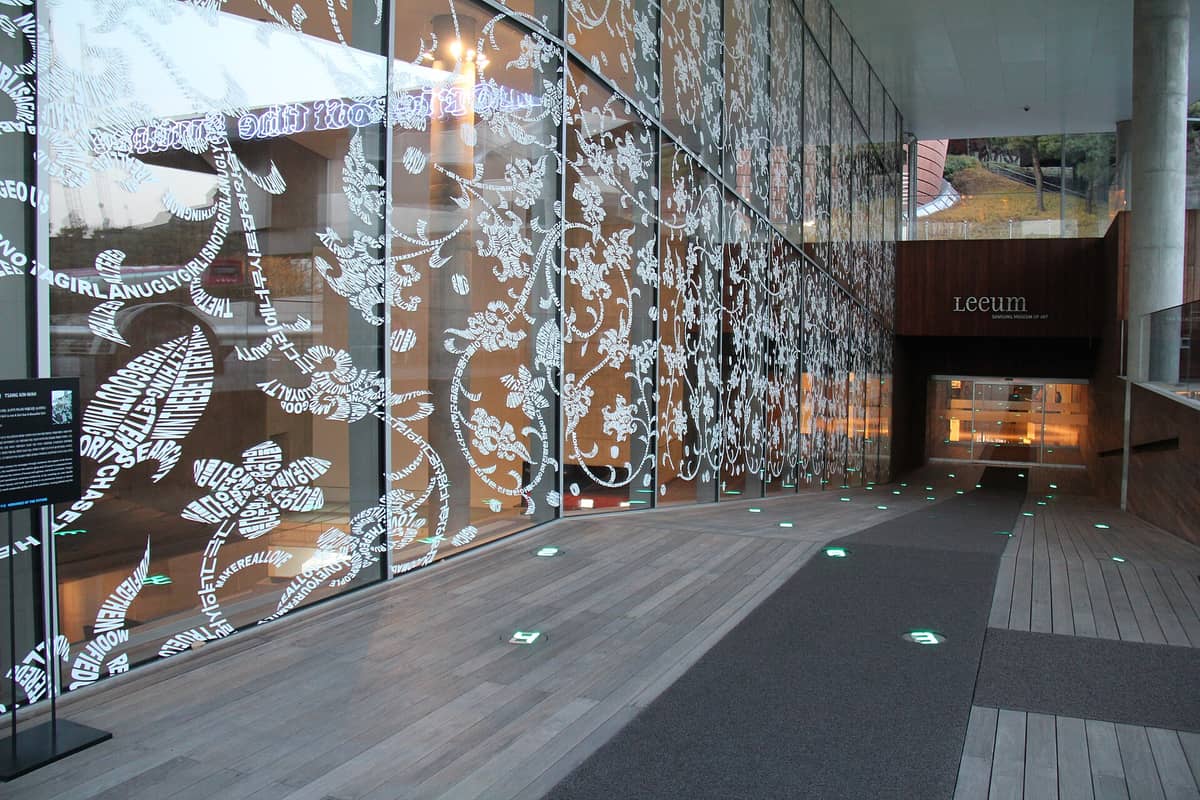
The Leeum Museum of Art sits on the hillside above Hangangjin Station, about a fifteen-minute walk from Itaewon Station heading east. Founded by the Samsung cultural foundation, it holds a serious collection of both traditional Korean art and contemporary international work. The building complex itself, designed by three different architects in distinct sections, is worth the visit on architectural grounds alone. It is one of Seoul's genuinely world-class private museums.
National Museum of Korea: permanent collection is free; allow 3-4 hours minimum
War Memorial of Korea: outdoor plaza is accessible at any time; indoor galleries have standard opening hours
Leeum Museum of Art: near Hangangjin Station; check current admission fees and hours before visiting
Yongsan Electronics Market: best visited on weekdays to avoid weekend crowds
Gyeongnidan-gil: best explored on foot; the alley network is compact enough to cover in 1-2 hours of walking
💡 Local tip
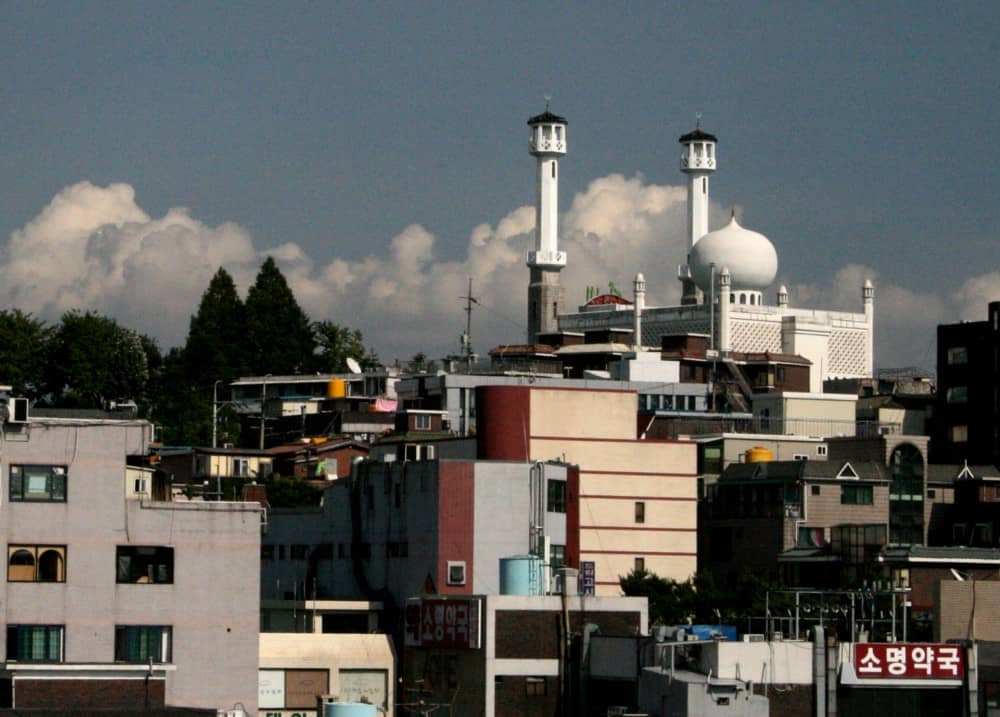
The Central Mosque of Seoul is located on the hillside above Itaewon Station, a short walk up from the main strip. It is the largest mosque in Korea and an important landmark for Seoul's Muslim community. The surrounding streets have the highest concentration of halal restaurants and Middle Eastern grocers in the city, making this block a practical stop for halal travelers as well as an interesting architectural detour for anyone.
Eating & Drinking
Itaewon's food scene is the most internationally diverse in Seoul, full stop. If you have been eating Korean food for a week straight and want something different, this is where to come. The variety runs from Lebanese to Ethiopian, Mexican to Vietnamese, with enough variety that you could eat here every night for a week and never repeat a cuisine. For a broader overview of Seoul's food landscape, the what to eat in Seoul guide covers the full city, but Itaewon and Gyeongnidan-gil are where much of the international food culture is concentrated.
The streets immediately north of Itaewon Station, running uphill toward the mosque, are where you find the densest cluster of Middle Eastern and South Asian restaurants. The quality ranges widely, but the options are genuine rather than tourist-facing approximations. Halal certification is common in this area, clearly displayed on storefronts.
Gyeongnidan-gil has shifted over the years toward higher-end independent dining. You will find serious wine bars, Japanese-inflected Korean restaurants, European-style brunch spots, and a handful of specialty coffee roasters. Prices here sit above street-food level but below the premium restaurant tier, roughly in the 15,000 to 40,000 KRW range for a main course. The area rewards wandering rather than planning: half the appeal is discovering what is down a given side alley.
Drinking culture in Itaewon runs later and louder than almost anywhere else in Seoul. The main strip and the alleys off it have bars that open at sunset and close long after sunrise on weekends. If you want a quieter evening drink, Gyeongnidan-gil offers wine bars and cocktail spots with lower volume and more seating. For a deeper look at Seoul's nightlife geography, see the nightlife in Seoul guide.
Getting There & Around
Itaewon is served by Seoul Subway Line 6, which runs through the neighborhood with three relevant stations: Itaewon Station (Exit 1 or 2 places you directly on Itaewon-ro), Noksapyeong Station to the west (the better starting point for Gyeongnidan-gil, since you walk uphill from there rather than down from Itaewon), and Hangangjin Station to the east, closest to Leeum Museum of Art and the Hannam-dong residential area.
For the Yongsan institutional zone, the connections are different. Yongsan Station is a major rail hub served by Line 1, the Gyeongui-Jungang Line, and intercity rail. It sits about 1.5 kilometers west of Itaewon Station and feels like a completely different world. The National Museum of Korea is best reached via Ichon Station on Line 4, while the War Memorial of Korea is adjacent to Samgakji Station on Line 4 and Line 6. These stations are not walkable from Itaewon in comfortable time; use the subway to connect between them.
Getting around within Itaewon itself is easiest on foot. The main strip is walkable in under ten minutes end to end, and Gyeongnidan-gil is compact enough to navigate without a map after a single visit. Taxis and Kakao T are readily available on the main road if you need to get to Gangnam or cross the Han River quickly. For transit logistics across the wider city, the getting around Seoul guide covers the T-money card system and subway navigation in full detail.
ℹ️ Good to know
Itaewon is one of the more English-friendly neighborhoods in Seoul. Menus, signage, and staff at many restaurants and bars communicate in English as a matter of course, given the long history of international residents and visitors. This makes it a practical first-night landing zone if you arrive unfamiliar with Korean.
Where to Stay
Itaewon has a reasonable range of accommodation, from guesthouses and boutique hotels near the main strip to international chains in the Yongsan Station area. For travelers who want centrality and easy access to multiple districts, Yongsan Station itself is worth considering: it sits on a major rail line, is two stops from Seoul Station on Line 1, and puts you close to both the institutional Yongsan attractions and the Itaewon strip via a short subway or taxi ride. For a broader comparison of Seoul's accommodation zones, the where to stay in Seoul guide covers all the main neighborhoods side by side.
Staying directly in Itaewon, on or near Itaewon-ro, means accepting weekend night noise as a given. The bars and clubs run late, and the streets stay active until the early hours on Fridays and Saturdays. For light sleepers or travelers with early starts, the Hannam-dong end of the district, around Hangangjin Station, offers a quieter residential character while keeping you within walking distance of Itaewon and close to the Leeum Museum.
The Itaewon area suits travelers who want international food options, nightlife access, and proximity to both the Han River and the historic city center. It is less suited to families with young children or anyone prioritizing temple-hopping and palace visits as their main activity, since Gyeongbokgung and the Bukchon area require a subway transfer and are not within walking range.
Honest Drawbacks
Itaewon's international character is genuinely appealing, but it means the neighborhood can feel less distinctly Korean than other parts of Seoul. If your priority is immersing yourself in Korean daily life, markets, or traditional architecture, this is not the right base. Areas like Jongno-gu or Insadong deliver that experience more directly.
The main Itaewon strip on weekend nights is genuinely crowded and, in places, aggressive in the way that bar districts everywhere can be. The neighborhood has worked to improve its safety image since 2022, and official crowd management has increased around major dates. This does not mean it is unsafe as a general rule, but solo travelers, particularly women, should apply the same awareness here that they would in any dense nightlife district. Seoul's overall safety record is strong: the Seoul safety tips guide covers practical advice for the city as a whole.
The institutional attractions in Yongsan proper, principally the National Museum and the War Memorial, are outstanding but spread out. Getting between them and Itaewon requires subway changes. Travelers trying to combine a museum visit with an Itaewon evening should plan for at least 30 to 40 minutes of transit each way and structure the day accordingly.
TL;DR
Itaewon and Yongsan suit travelers who want Seoul's most internationally diverse food scene and active nightlife within easy reach of the city center.
The National Museum of Korea and War Memorial of Korea are two of Seoul's best major attractions and worth a dedicated half-day each, accessed from the Yongsan end of the district.
Gyeongnidan-gil is the best part of the area for independent cafés, wine bars, and lower-key dining away from the main strip's weekend crowds.
Noise from the Itaewon nightlife strip is a real consideration for accommodation: the Hannam-dong and Hangangjin end of the district is quieter while staying well-connected.
This area is best for: expat-friendly travelers, international food seekers, nightlife visitors, and museum-goers. Less suited to: families with young children, travelers focused on traditional Korean culture and historic sites.
Three days is enough to get a real feel for Seoul, if you plan by neighborhood instead of trying to crisscross the city. This itinerary covers historic Joseon-era Seoul, the commercial and cultural center, and the newer districts that define the city's contemporary identity, with practical logistics at every step.
Five days is enough to experience historic Seoul, its modern neighborhoods, and at least one compelling excursion beyond the city. This guide organizes each day by district to minimize transit time, with a clear take on what's worth it and what isn't.
Seoul has a deep museum scene, from Korea's vast national collection in Yongsan to cutting-edge contemporary art spaces and sobering historical sites. Whether you have a day or a week, these are the essential museums to put on your itinerary.
Seoul rewards visitors differently depending on the season. Spring brings cherry blossoms and mild temperatures, autumn delivers golden foliage and clear skies, summer is hot and monsoon-affected, and winter is cold but cheap. Here is exactly what to expect, month by month.
Seoul rewards those who look up, climb high, and stay out past sunset. This guide covers the city's finest panoramic viewpoints — from paid observation decks at record-breaking towers to free hilltop parks where locals gather at dusk to watch the city lights come on.
Bukhansan National Park sits inside Seoul's city limits yet delivers genuine mountain terrain, granite ridges, and a 836-meter summit. This guide covers the best trails, transit access, seasonal closures, and practical tips for first-timers and returning hikers alike.
Seoul's location in northwestern South Korea makes it a surprisingly strong base for day trips. From UNESCO fortresses reachable by subway to ancient capital cities served by KTX, this guide covers the best options with honest travel times, costs, and seasonal advice.
The Demilitarized Zone is one of the most visited sites in South Korea, yet most travelers arrive underprepared. This guide covers tour types, current prices, booking logistics, what you'll actually see, and the honest drawbacks before you commit.
Seoul is one of the most rewarding cities in the world to explore on a tight budget. From UNESCO-listed palaces and ancient city walls to world-class museums and sprawling riverside parks, an enormous amount of what makes Seoul great costs absolutely nothing to experience.
Seoul has one of the most efficient urban transit networks in the world, covering virtually every corner of the city by subway and bus. This guide breaks down fares, card options, airport connections, and the practical details that make the difference between a smooth trip and an expensive mistake.
Gwangjang Market is one of Seoul's oldest and most celebrated food destinations, known for bindaetteok, mayak gimbap, and raw beef yukhoe. This guide covers every dish worth ordering, how much to pay, when to go, and how to navigate the market like someone who has been there before.
Renting a hanbok in Seoul is one of the most photogenic things you can do in the city, and it costs less than a decent lunch. This guide covers where to rent, how much to pay, what to expect, and how to get the most out of your few hours in traditional dress.
Seoul preserves several distinct hanok districts, each with its own character. This guide covers the main options, practical logistics, seasonal crowd patterns, and a clear picture of what to expect before you visit.
Seoul rewards curious travelers who look past the obvious. This guide covers the city's lesser-visited neighborhoods, transformed industrial spaces, street art villages, and local markets — with practical logistics, seasonal advice, and a clear take on what's worth your time.
Seoul is one of the few world capitals where you can summit a real mountain, walk a 600-year-old fortress wall, and be back in the city for dinner. This guide covers the best trails for every level, from challenging granite peaks to gentle hilltop park strolls.
Seoul's jjimjilbangs are far more than bathhouses. They are all-hours social institutions where locals come to soak, sweat, eat, sleep, and decompress. This guide covers how they work, what everything costs, the unwritten rules of etiquette, and how to make the most of your visit whatever the season.
Seoul is the global epicenter of skincare innovation, and shopping for beauty products here is a genuinely different experience from buying Korean brands abroad. This guide covers the best stores, the smartest districts, what to prioritize buying, and how to avoid the common traps that leave tourists overpaying at airport duty-free.
Korean BBQ in Seoul is one of the city's defining food experiences, but navigating it well takes more than just showing up hungry. This guide covers the best restaurants by type, how to order confidently, what everything costs, and the etiquette mistakes that mark out first-timers.
Seoul is the undisputed capital of K-pop, but knowing where to actually go matters more than the hype suggests. This guide covers free landmarks, fan-friendly museums, live show recordings, shopping districts, and bookable experiences — with a clear take on what's worth your time.
From palatial five-star hotels in the historic north to slick Gangnam towers, this guide covers where to stay, eat, and spend at the top end — with a clear take on what's special and what's just expensive.
Seoul nightlife runs later, harder, and more diversely than almost any other city in Asia. From Hongdae's student club strips to Gangnam's bottle-service mega-clubs and Itaewon's underground electronic scene, this guide breaks down every major district, what to expect, and how to navigate a night out without the rookie mistakes.
Noraebang are private karaoke rooms at the heart of Seoul's nightlife culture. This guide covers the difference between coin and standard noraebang, where to find the best venues, what to expect, and how to get the most out of the experience without overpaying.
Seoul preserves five Joseon-era royal palaces within its city limits, each with a distinct character and history. This guide covers all five in depth, plus the essential sites, shrines, and neighborhoods that complete a palace-focused visit to the city.
Seoul's café scene is one of the most developed in Asia, divided across distinct neighborhoods where each district has its own personality. This guide breaks down the best coffee districts and concept cafés by area, with honest advice on timing, crowds, and what to actually order.
Seoul offers far more romantic depth than its reputation for K-pop and street food suggests. This guide covers the best things to do in Seoul for couples, from iconic landmarks and scenic parks to low-key neighborhood strolls, with seasonal advice and practical logistics throughout.
Autumn is widely considered the best time to visit Seoul, with crisp temperatures, golden ginkgo avenues, blazing maple trails, and a packed cultural calendar. This guide covers peak foliage timing, the top spots to see autumn color, seasonal festivals, practical logistics, and what most visitors overlook.
Spring is Seoul's most photogenic season, with cherry blossoms peaking in early April and festivals filling the city's parks and riversides. This guide covers bloom timing, the best viewing locations, what the weather is really like, and how to plan around the crowds.
Seoul winters are cold, dry, and genuinely rewarding for travelers who come prepared. From palace snow views to late-night pojangmacha street food, this guide covers everything you need to know about visiting Seoul from December through February.
Seoul's market scene spans centuries and neighborhoods, from ancient covered halls serving mung bean pancakes to weekend flea markets spilling out under highway overpasses. This guide covers the best traditional, flea, and night markets in the city, with practical details on what to buy, what to eat, and when to go.
Seoul is far more affordable than most people expect. This guide breaks down real daily costs, the cheapest ways to get around, where to eat well for under ₩10,000, and which world-class attractions cost nothing at all.
Seoul ranks among the safest major cities in the world for international visitors, but that does not mean zero risks. This guide covers emergency contacts, common scams, neighborhood dynamics, seasonal hazards, and practical precautions so you can travel confidently in Seoul Special Metropolitan City.
Seoul's street food scene is one of the best reasons to visit the city. This guide breaks down the top markets, the snacks worth lining up for, what things actually cost, and the practical details that most guides skip.
Seoul holds a remarkable concentration of sacred sites within its modern boundaries. This guide covers the city's finest Buddhist temples, Confucian shrines, shamanist sites, and other places of spiritual significance — from the lantern-lit courtyards of central Jogyesa to the granite ridges of Inwangsan.
The Seoul to Busan corridor is one of the most-traveled routes in South Korea. This guide breaks down every realistic option, from the KTX high-speed train to intercity buses and flights, with fares, journey times, and practical booking advice.
Seoul is one of Asia's most practical cities for family travel, with a deep mix of free outdoor parks, indoor rainy-day backups, cultural experiences, and full-day theme parks. This guide covers the top family activities across every age group, with real advice on pricing, crowd timing, and seasonal planning.
Seoul's shopping scene is one of the most varied in Asia, spanning underground mega-malls, centuries-old traditional markets, and indie streetwear boutiques. This guide breaks down every major district by what you'll actually find there, how much to spend, and when to go.
Seoul rewards first-time visitors and repeat travelers equally. This guide covers the city's essential experiences across history, food, neighborhoods, and nature, with practical details on costs, timing, and what to skip.
Seoul is one of the world's great eating cities, and knowing what to order makes all the difference. This guide covers the essential Korean food you need to try, from market snacks under ₩5,000 to slow-cooked soups worth planning your day around.
Choosing where to stay in Seoul shapes your entire trip. This guide breaks down the top neighborhoods by traveler type, covering transit access, hotel options, price ranges, and the trade-offs so you can pick the right base before you book.