Hidden Gems in Seoul: Off the Beaten Path
Seoul rewards curious travelers who look past the obvious. This guide covers the city's lesser-visited neighborhoods, transformed industrial spaces, street art villages, and local markets — with practical logistics, seasonal advice, and a clear take on what's worth your time.
Plan and book this trip
Tools from our partner Travelpayouts help you compare flights and hotels. If you book through them, we may earn a commission at no extra cost to you.
Flights
Hotels map
TL;DR
- Seoul's off-the-beaten-path spots are rarely remote — most are in transit-accessible central neighborhoods, just less promoted than the top tourist circuits.
- Seonyudo Park, Ihwa Mural Village, Mullae Art Village, and Eunpyeong Hanok Village are consistently cited as top alternatives to the standard Seoul sightseeing checklist.
- Spring (April–May) and autumn (September–October) are the best seasons for walking-heavy itineraries; summer heat and monsoon rains make outdoor exploration genuinely unpleasant.
- Some spots on popular 'hidden gem' lists have seen sharp rises in visitor numbers — check recent travel reports before assuming you'll have a place to yourself.
- For context on logistics, see the getting around Seoul guide — the subway reaches most of these neighborhoods directly.
Why 'Off the Beaten Path' Means Something Different in Seoul
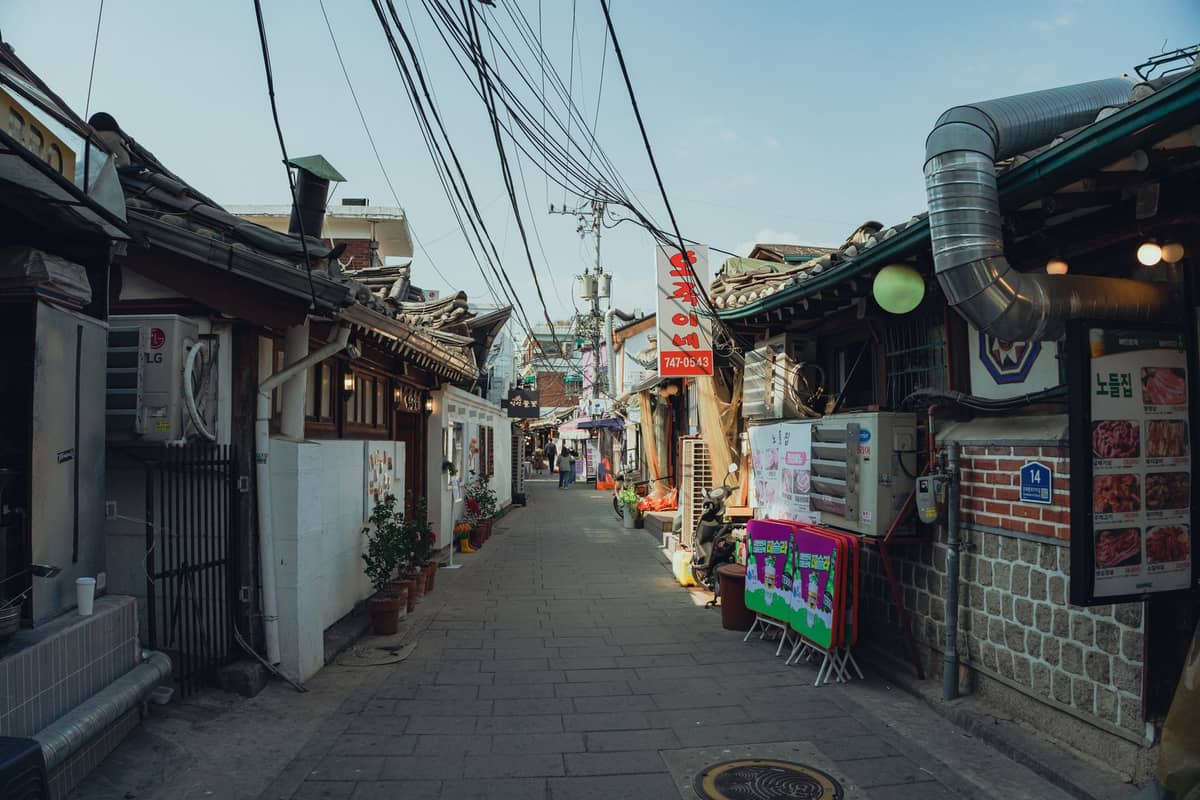
Seoul is a city of 9.4 million people spread across 605 square kilometers. Its subway system covers the vast majority of neighborhoods, which means there are very few places that are genuinely difficult to reach. When travelers talk about hidden gems here, they almost never mean remote or inaccessible. They mean: not on the standard three-day tour itinerary, not mentioned in every hotel lobby brochure, and not packed shoulder-to-shoulder with tour groups.
That distinction matters. You won't need a guide or a rental car to reach most of these spots. What you will need is a willingness to spend a morning in a neighborhood that doesn't have a flagship palace or a Michelin-starred street food stall — and to find value in that. Seoul's less-visited corners tend to reward people who like architecture, urban history, local food markets, and street-level culture over photo opportunities and souvenir shops.
ℹ️ Good to know
A note on 'hidden': several locations on popular hidden-gem lists have been written about extensively online and now attract their own crowds, especially on weekends. If low footfall is important to you, visit on weekday mornings. Ihwa Mural Village and Seonyudo Park in particular can get busy on Saturday afternoons.
Parks and Natural Spaces That Locals Actually Use
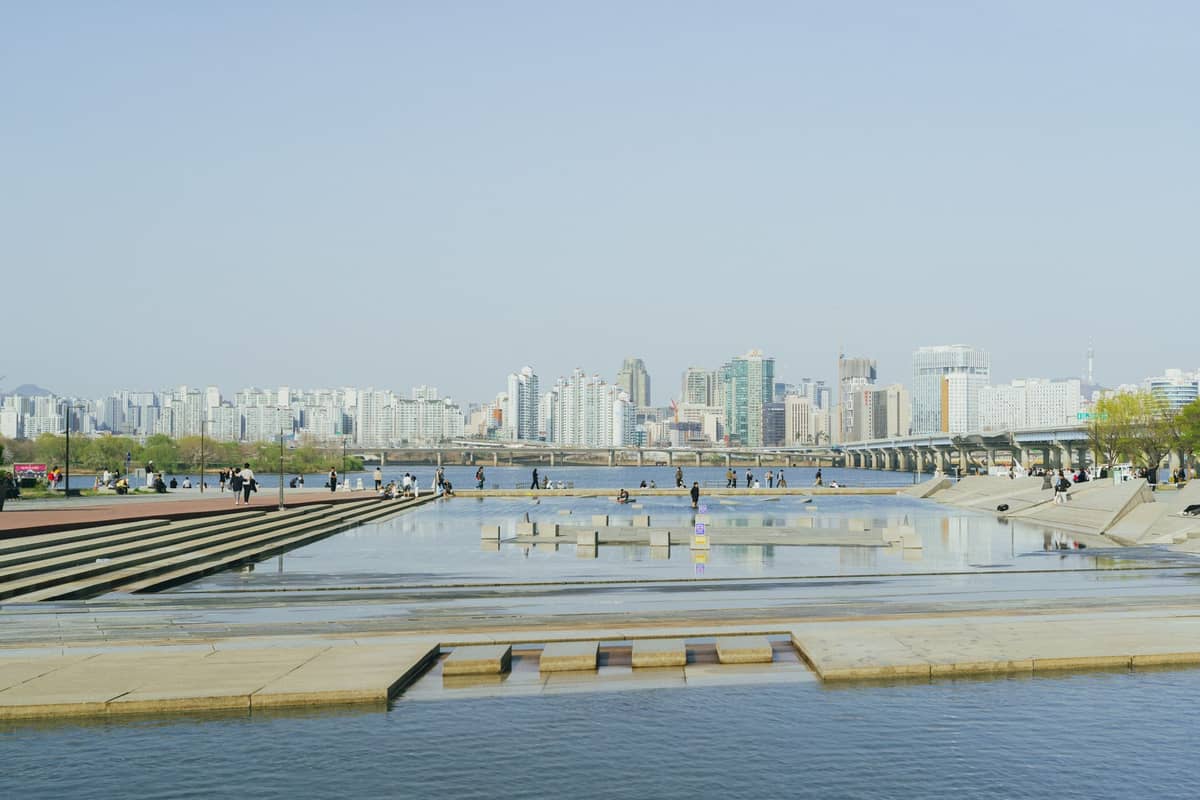
Seonyudo Park sits on a small island in the Han River and is one of Seoul's most interesting urban transformations. A water purification plant was converted into an ecological park, with the old industrial structures left partly intact and repurposed as planters, walkways, and outdoor galleries. It's reached via a pedestrian bridge from Yanghwa Bridge and is genuinely pleasant year-round, though the plant life peaks in late spring and early autumn. Compare this to the larger and more visited Hangang Park, and you'll find Seonyudo quieter, more textured, and more interesting to photograph.
Naksan Park runs along a ridge in the Ihwa-dong neighborhood northeast of central Seoul, following a section of the old Hanyangdoseong Seoul City Wall. The views west toward the city center are excellent, particularly at dusk when the light catches the skyline. The park connects naturally to Ihwa Mural Village below, making the combination a reliable half-day walk. The climb is mild — suitable for most fitness levels — and takes roughly 20–30 minutes from the nearest subway station (Hyehwa, Line 4).
- Seonyudo Park Former water treatment plant turned ecological island park. Pedestrian bridge access from Yanghwa Bridge. Best in spring and early autumn. Free entry.
- Naksan Park Ridge park along the old city wall northeast of Jongno. Good skyline views, connects to Ihwa Mural Village. 20-30 min walk from Hyehwa Station (Line 4).
- Inwangsan Mountain Low mountain (338m) northwest of the city center with shamanist shrines, boulder formations, and city wall sections. Accessible from Dongnimmun Station (Line 3). Quieter than Bukhansan on weekdays.
💡 Local tip
For more serious hiking outside the tourist circuit, Inwangsan Mountain is a strong alternative to the more famous Bukhansan. The trail to the summit passes the Guksadang shamanist shrine — an active religious site, so dress respectfully and don't photograph rituals without permission. The round trip takes about 2–3 hours at a relaxed pace.
Neighborhoods Worth Exploring on Their Own Terms
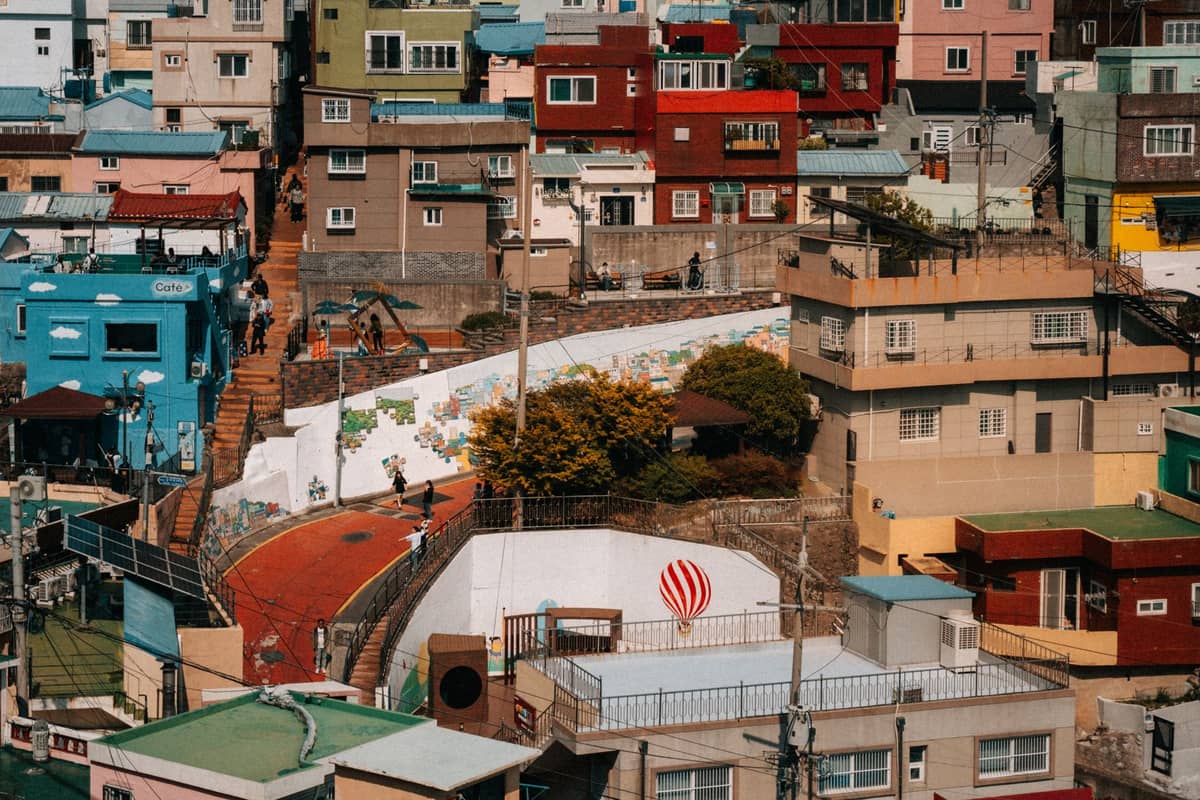
Ihwa Mural Village occupies the lower slopes of Naksan Hill in Jongno-gu. It became known in the mid-2000s when a public art project brought murals to the narrow alleys of what was then a low-income residential area. The most famous piece, a staircase mural featuring large fish, has been repainted multiple times. The neighborhood is still genuinely residential — people live here — so the experience is less curated than a purpose-built tourist attraction. Keep noise levels reasonable, especially on weekend evenings.
Mullae Art Village, in Yeongdeungpo-gu, occupies a cluster of old metalworking workshops that have been partly colonized by artists and independent galleries since the 2000s. The industrial infrastructure — forge equipment, corrugated iron facades, narrow service lanes — is still very much present. Some of the original metalworkers still operate alongside the studios. It functions best as an evening destination: small bars and live music spaces open after dark in converted workshops, giving the area an atmosphere that's hard to replicate in the more polished neighborhoods of Hongdae or Itaewon.
Eunpyeong Hanok Village, in the northwestern part of the city near Bukhansan, offers a different take on traditional Korean architecture from the more photographed Bukchon Hanok Village. Where Bukchon is dense, hilly, and heavily touristed, Eunpyeong is newer, more spacious, and built as a functioning residential community rather than preserved as a heritage zone. The hanok here are modern interpretations rather than restored originals, which some visitors find less authentic — but if you want to see how traditional architectural forms are being adapted for contemporary life, it's genuinely interesting. The backdrop of Bukhansan's ridgeline makes for good photography in clear weather.
Seochon Village, immediately west of Gyeongbokgung Palace, is technically well-known but consistently less crowded than Bukchon because it's slightly harder to find without directions. Its alley system is less regular, the cafes and galleries tend to be smaller and more independent, and the overall atmosphere is calmer. It pairs well with a visit to Gyeongbokgung Palace and is a good candidate for a late afternoon when the main palace crowds have thinned.
Local Markets Beyond the Tourist Circuit
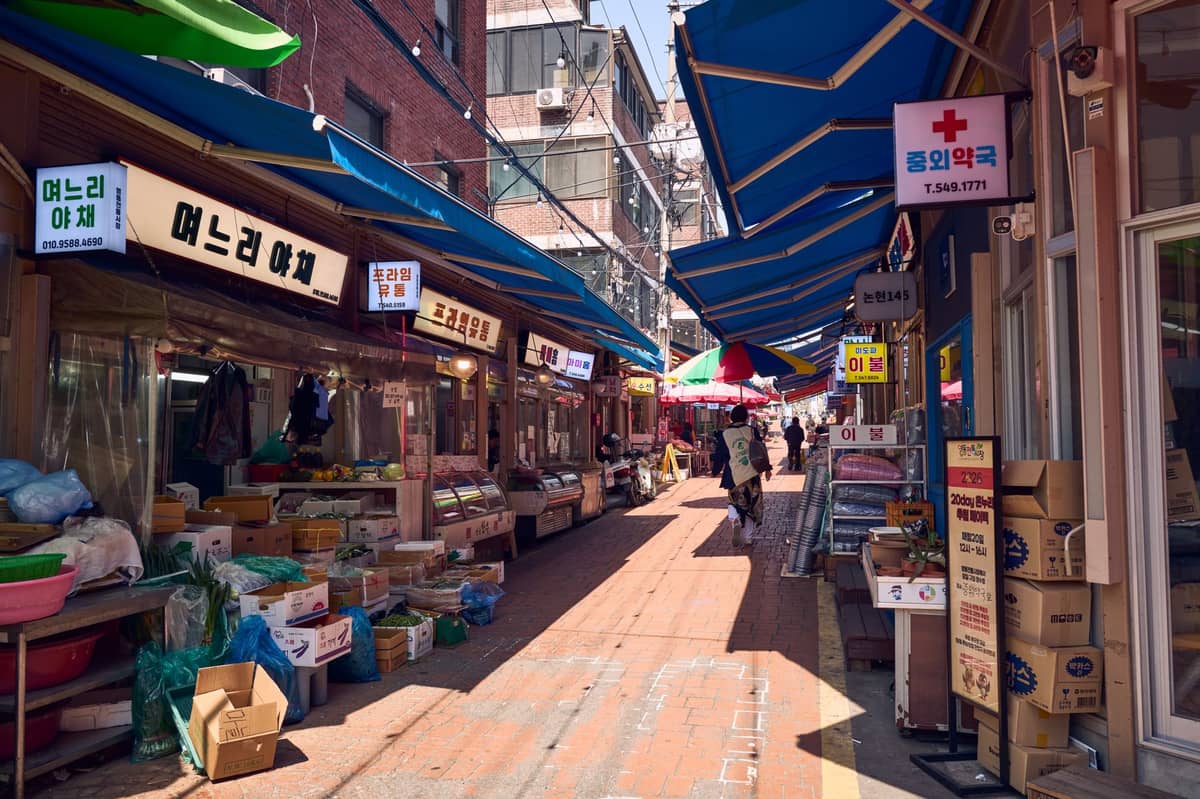
Mangwon Market in Mapo-gu is the local alternative to the more famous Gwangjang Market. It's a daily neighborhood market that caters primarily to residents rather than travelers, which means the food stalls are priced for locals, the range skews toward everyday Korean staples rather than photogenic specialties, and you're unlikely to find anyone giving an English-language sales pitch. That's exactly the appeal. The market is at its best on weekday mornings when the produce section is fully stocked. It's a 10-minute walk from Mangwon Station on Line 6.
Gyeongdong Market, near Jegi-dong Station on Line 1, is one of Seoul's largest traditional medicine and herb markets. It's not a food destination in the conventional sense — you'll find dried herbs, roots, animal-derived products, and medicinal preparations alongside fresh produce. It's atmospheric in a way that has nothing to do with tourism, and it operates on a completely different logic from the curated market experiences in Insadong or Myeongdong. Worth an hour if you're curious about traditional Korean medicine culture. See also the Gyeongdong Market guide for more detail.
⚠️ What to skip
Dongmyo Flea Market, just east of the city center near Dongmyo Station, is occasionally listed as a hidden gem but has become increasingly well-known. It's still worth visiting for vintage goods, old electronics, and used clothing — but go with realistic expectations. Weekend afternoons are crowded. Prices are negotiable but not as low as they once were.
Cultural Sites That Rarely Make the Top-Ten Lists
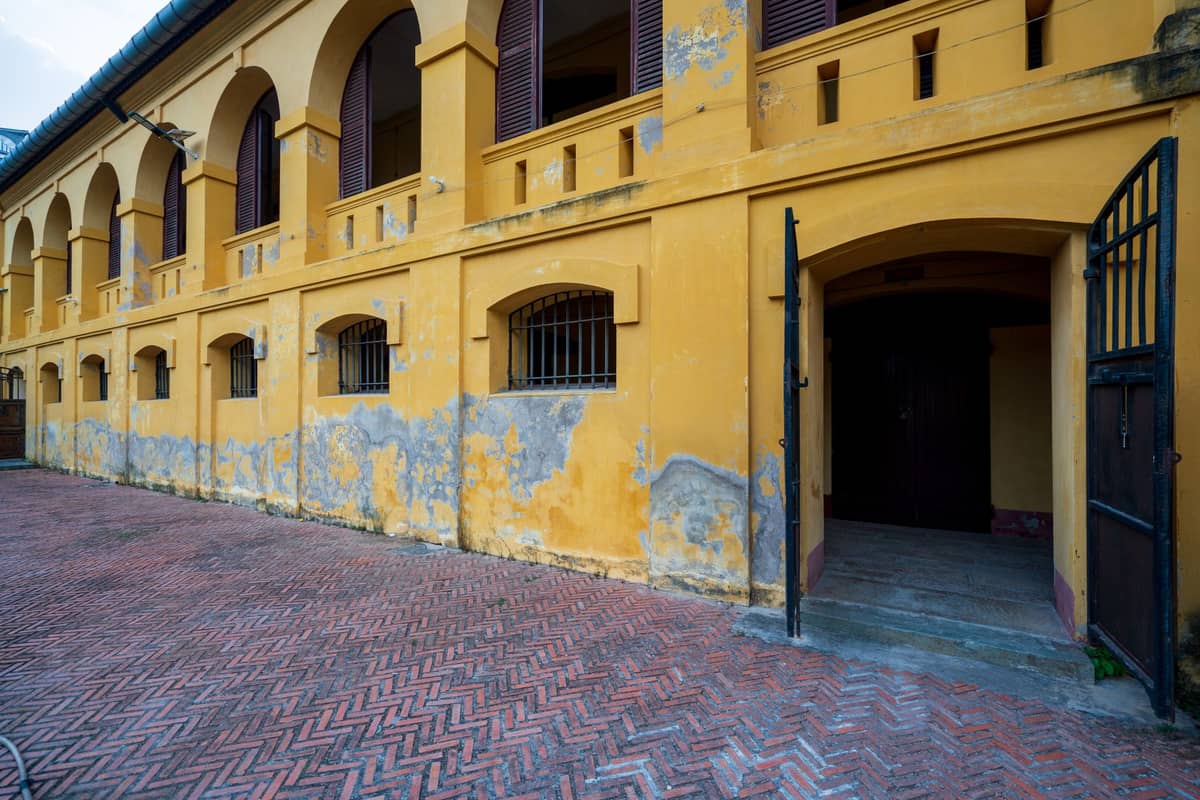
Seodaemun Prison History Hall is one of Seoul's most substantive historical sites and one of the most undervisited by international travelers. The prison was used by Japanese colonial authorities from 1908 and later by successive Korean governments. The preserved structures include solitary confinement cells, execution facilities, and a detailed museum covering the independence movement. It's a difficult visit in the way that serious historical sites should be, and it offers more genuine context for understanding modern Korean identity than most of the country's more celebrated attractions. It's located in Seodaemun-gu near Seodaemun Prison History Hall, a short walk from Dongnimmun Station on Line 3.
Jogyesa Temple sits in the middle of central Seoul and is the headquarters of the Jogye Order of Korean Buddhism, yet it consistently receives far fewer visitors than the palaces a few minutes' walk away. Entry is free, monks and lay practitioners use the space throughout the day, and the courtyard trees — particularly the old white pine and zelkova — are genuinely impressive. It's also the center of Seoul's Lotus Lantern Festival preparations each spring. For a broader picture of Buddhist sites across the city, the Seoul temples guide covers both central and outer-district options.
- Seodaemun Prison History Hall — colonial-era prison with detailed independence movement exhibits. Free on some days, modest entry fee otherwise. Allow 90 minutes minimum.
- Jogyesa Temple — active Buddhist temple in central Jongno-gu. Free entry. Busiest during Lotus Lantern Festival (typically May).
- Seoul Museum of History — covers the city's transformation from Joseon-era capital to modern metropolis. Free entry. Located near Gyeonghuigung Palace in Jongno-gu.
- Tapgol Park — Seoul's first Western-style public park, site of the March 1st Independence Movement declaration in 1919. Small, easily missed, but historically significant.
- Ikseon-dong Hanok Village — a compact block of converted hanok near Jongno 3-ga Station, now housing small restaurants, cocktail bars, and independent shops. More intimate than Bukchon.
Practical Advice for Exploring Seoul's Lesser-Known Corners
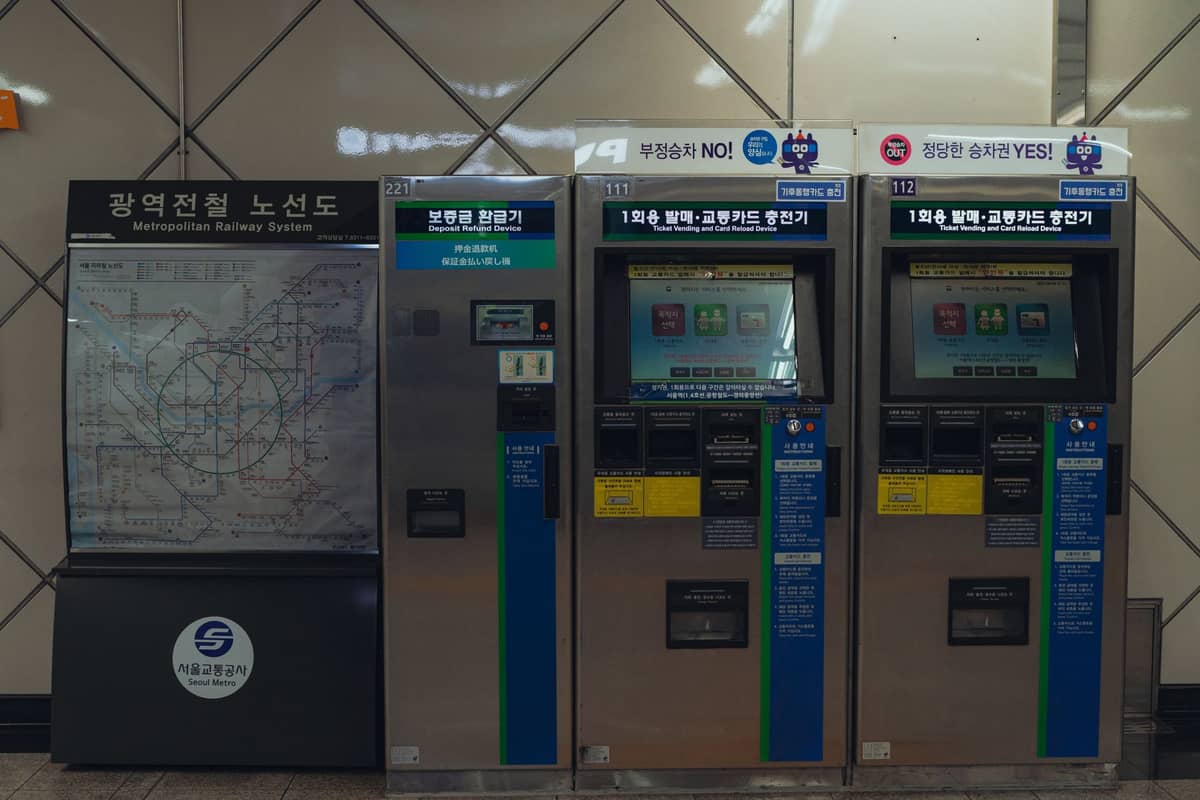
The Seoul Metropolitan Subway is your primary tool for reaching any of these neighborhoods. Lines 1 through 9, plus several additional lines, give you coverage across much of the city. A T-money card (reloadable transit card available at convenience stores and airport vending machines) makes transfers seamless and slightly cheaper than buying individual tickets. Most of these off-the-beaten-path destinations are within 30–40 minutes of central Seoul by subway.
Timing matters more than most guides acknowledge. Seoul's mild spring (April to May) and autumn (September to October) are the best seasons for neighborhoods built around walking and outdoor exploration. Summer daytime temperatures regularly hit 30°C or above, and the June–July monsoon period (jangma) makes long walks genuinely uncomfortable. Winter temperatures drop below 0°C and some outdoor sites lose their appeal, though the winter Seoul experience has its own character. Plan walking-heavy days for the cooler shoulder seasons.
Budget considerations: most of the sites listed in this guide are free or have minimal entry fees. Where you'll spend money is on food and transport. For a practical overview of managing costs across the city, the Seoul on a budget guide breaks down daily spending across different traveler profiles. The KRW (South Korean won) is the local currency — cash is useful for market purchases and smaller stalls, though card payments are widely accepted in cafes, restaurants, and shops.
✨ Pro tip
Download the Naver Maps app before you arrive. Google Maps works in Seoul but has significantly less detail for transit routing and walking directions than Naver. For exploring narrow alley systems in places like Ihwa-dong or Mullae, Naver's street-level detail is noticeably better. The app supports English-language searches for most major landmarks and addresses.
One structural note: several sites that appear on 'hidden gem' lists are temporarily closed for restoration or preservation work at any given time. One 2024 travel report noted that Seongnagwon, a historic private garden occasionally featured in offbeat Seoul guides, was closed for restoration. Before building an itinerary around a specific site, check its current status through a recent travel forum post or the official Seoul tourism portal. This is particularly relevant for smaller cultural sites that don't have robust English-language web presences.
FAQ
Are the hidden gems in Seoul actually free to visit?
Most walking-based spots — Ihwa Mural Village, Seonyudo Park, Naksan Park, Seochon Village, Mullae Art Village — are free. Seodaemun Prison History Hall charges a modest admission fee (around 3,000 KRW, verify before visiting). Markets like Mangwon are free to walk through; you'll spend money on food. A few sites that appear in off-the-beaten-path guides are paid attractions, so always check in advance.
How do I get to Seonyudo Park from central Seoul?
Take Line 9 to Seonyudo Station and follow signs to the park entrance — it's roughly a 5-minute walk via the pedestrian bridge over the Han River. Alternatively, take Line 2 to Dangsan Station and walk about 15 minutes. The park is open daily from early morning; check current opening hours with Seoul city official sites as they can vary seasonally.
Is Eunpyeong Hanok Village worth visiting if I've already been to Bukchon?
Yes, but for different reasons. Bukchon is dense, historic, and heavily photographed. Eunpyeong is newer, more spacious, and shows how traditional Korean architecture is being interpreted for modern residential use. If you're interested in urban planning or contemporary hanok design rather than historical preservation, Eunpyeong is the more interesting of the two. If you're after 'historic feel,' Bukchon is still the stronger option.
When is the best time of year to explore Seoul's less-visited neighborhoods?
April to May and September to October are consistently the best periods. Mild temperatures (roughly 10–20°C), lower humidity, and clear skies make long walks through residential neighborhoods far more enjoyable. Avoid the height of the rainy season in summer due to monsoon humidity and frequent rain. Winter (December to February) can work for some sites but temperatures near 0°C and below make all-day walking circuits uncomfortable.
Are these neighborhoods safe to explore alone, including at night?
Seoul consistently ranks among the safer major cities globally. Walking alone at night in neighborhoods like Ihwa-dong, Seochon, or even Mullae is generally considered low-risk. Standard urban awareness applies — keep an eye on your belongings in crowded market areas. For a fuller picture of safety considerations, the Seoul safety tips guide covers practical advice for solo and first-time visitors.